Executive Overview
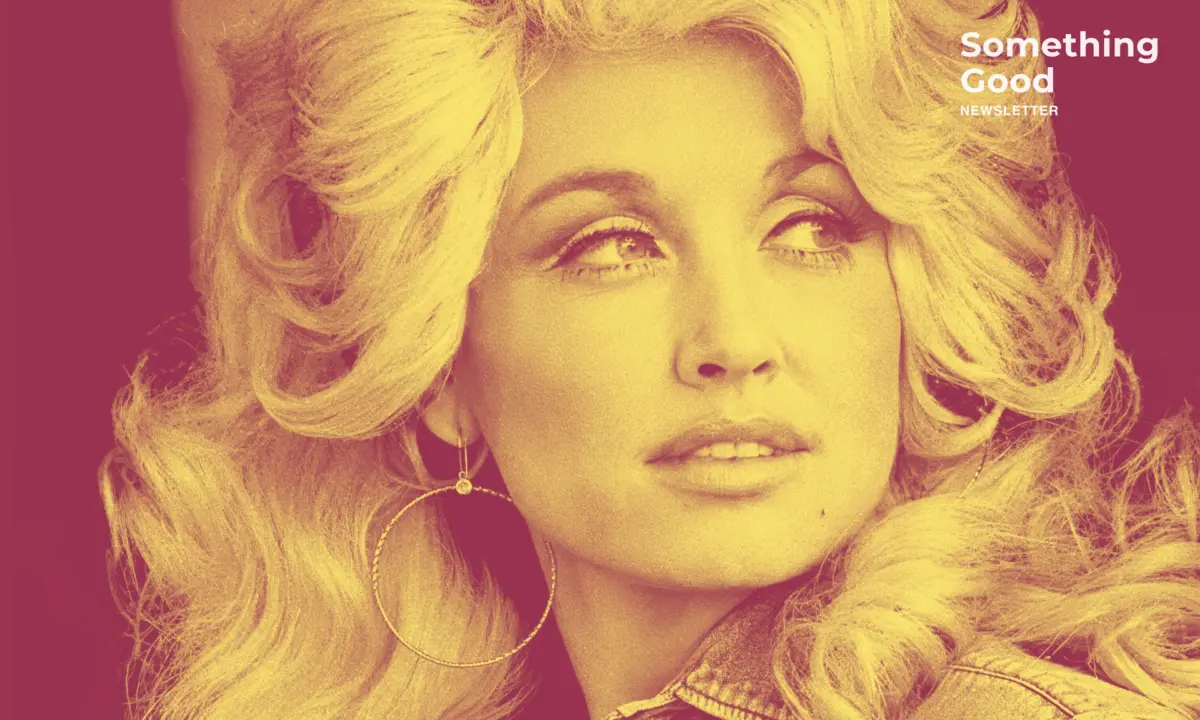
In the tapestry of contemporary culture, certain moments serve as poignant reminders of artistic endurance, creative reinvention, and the human condition. This week, the global cultural landscape was shaken by the passing of Dolly Parton—a titan of country music, a master songwriter, and an icon whose glittering exterior masked a razor-sharp intellect and deep empathy. Her death has prompted a widespread collective mourning, celebrating an artist who defied simple categorization.
Simultaneously, the cultural sphere is reflecting on a diverse array of milestones and creative expressions: the melancholic cinematic meditation on ageing and late-stage ambition in Late Fame, starring Willem Dafoe; the eerie, environmental performance art of Olana Light’s giant starfish installation Between Land and Tide along the scorching shores of Portsmouth; and monumental anniversaries in science fiction, marking 40 years of James Cameron’s adrenaline-fueled masterpiece Aliens and 60 years of Gene Roddenberry’s pioneering space-faring phenomenon, Star Trek.
This report weaves together these cultural threads, examining how music, film, and performance art continue to probe the fragile states of humanity, environmental anxiety, and the relentless quest for identity and legacy.
Detailed Chronology: Artistry, Anniversaries, and Cultural Milestones
The Immortal Influence of Dolly Parton
The week began with the sobering news of Dolly Parton’s death, triggering an outpouring of grief and tribute across international media. Parton’s career spanned decades, transforming her from a rural child of post-war Appalachian poverty into a global phenomenon.
Long before she evolved into the stylized, self-aware caricature of her later decades—famously quipping, "It takes a lot of money to look this cheap!"—Parton was a luminous young talent in the backwoods of Tennessee. Social media platforms have recently been flooded with pre-artifice photographs of a youthful Parton, all dimples, mischief, and unvarnished natural charm.
Yet, her savvy business acumen and profound emotional intelligence always underpinned her theatrical presentation. As Parton herself noted:
"I’ve always believed that a part of my magic, if there was any, was that I look so artificial, but I am so totally real. I think when you hear these kinds of songs, you know that has to come from the heart."
Music researchers and cultural critics have pointed to three masterclasses in songwriting that encapsulate her genius:
- "Jolene" (1973): A masterclass in vulnerability, capturing the raw, agonizing plea of a woman addressing her alluring rival without ever descending into malice.
- "9 to 5" (1980): A foot-stomping, universally understood anthem of working-class solidarity and early feminist resistance.
- "I Will Always Love You" (1974): The original, unshowy acoustic ballad that reveals the breathtaking emotional architecture of her vocal delivery, long before Whitney Houston’s blockbuster pop-soul rendition.
Cinematic Reflections: Willem Dafoe and Late Fame
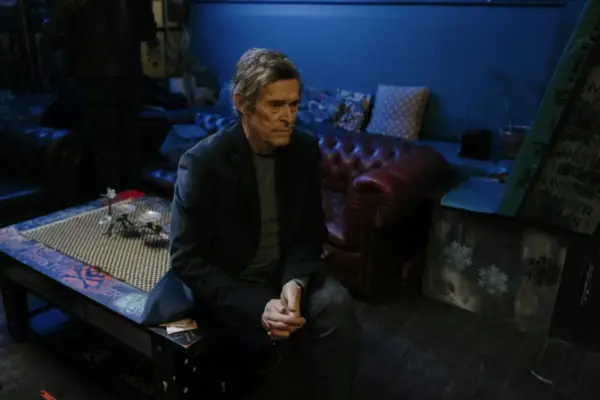
In cinemas, the release of Late Fame offers a wry, tender meditation on ageing, artistic ambition, and the elusive possibility of a second act. Directed with subtle restraint, the film stars Willem Dafoe as Ed Saxberger, a once-promising poet hovering on the periphery of the 1960s Beat generation, who has resigned himself to a quiet existence as a humble postal worker on New York’s Lower East Side.
The plot pivots when a group of affluent, trend-seeking youth stumble upon his long-forgotten single volume of poetry. Urging him to return to his craft, they draw Ed back into a bohemian literary circle. Flattered yet deeply unsettled, Ed attempts to write again, only to confront the terrifying reality of a blank page. Alongside Dafoe, Greta Lee delivers a mesmerizing performance as Grace—a character whose sophisticated, worldly facade masks a quiet desperation. Grace seduces Ed into taking a final gamble on literary redemption, forcing audiences to question whether late-blooming fame is a triumph or a tragic trap.
Environmental Performance Art: Between Land and Tide
Against the backdrop of record-shattering summer temperatures in the south of England, Portsmouth has become the stage for a startling and timely work of outdoor performance art: Between Land and Tide by Olana Light.
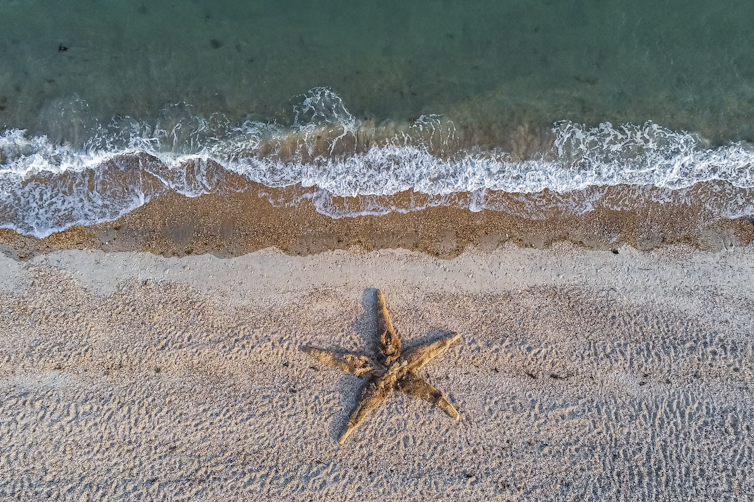
Running through September 27 across various coastal locations, the installation features a massive, wearable starfish sculpture operated from within by five performers acting as "seaborn guardians," each inhabiting a limb of the marine creature. Designed to draw direct attention to ecological vulnerability, the piece uses surrealism to highlight humanity’s deep-seated, often precarious relationship with the sea as an island nation. It stands as a stark visual metaphor for the fragile states of our natural ecosystems amid accelerating climate pressures.
Sci-Fi Milestones: Aliens at 40 and Star Trek at 60
Science fiction enthusiasts are celebrating two monumental anniversaries that reshaped popular culture:
- The 40th Anniversary of Aliens (1986): Directed by James Cameron, this sequel transformed Ridley Scott’s atmospheric 1979 horror film Alien into a high-octane tactical war movie. Introducing audiences to the towering, acid-dripping xenomorph queen and Sigourney Weaver’s iconic, uncompromising Ripley, the film cemented the gold standard for cinematic heroines. At its core, Aliens remains a visceral story of maternal protection—two opposing mothers (one human, one alien) fighting unflinchingly to the death for their young.
- The 60th Anniversary of Star Trek (1966–2026): Debuting amid the height of the US-Soviet space race, Gene Roddenberry’s original series may occasionally feel visually dated, characterized by campy 1960s studio sets and William Shatner’s scenery-chewing portrayal of Captain Kirk. However, cultural historians emphasize that the true genius of Star Trek was never merely its technological prophecy or depictions of alien life. Rather, it used the infinite frontier of space exploration to hold up a mirror to humanity itself, cementing its legacy as an enduring sociological and philosophical experiment.
Supporting Context & Metrics
To fully appreciate the scope of these cultural touchstones, we can examine key metrics and contextual frameworks:
- Dolly Parton’s Legacy: Parton authored over 3,000 recorded songs across a career spanning seven decades. Her catalog includes 25 RIAA-certified gold, platinum, or multi-platinum awards, and she has charted 26 songs at number one on the Billboard Country charts—a record for a female artist.
- Literary Adaptation in Film: Late Fame taps into a rich cinematic tradition exploring the anxieties of mid-century artistic movements, bridging the gap between the mid-century Beat generation ethos and contemporary anxieties over relevance and validation in a hyper-connected digital age.
- Environmental Art Reach: Olana Light’s Between Land and Tide incorporates participatory public art strategies, engaging thousands of local residents and tourists across Portsmouth to foster localized climate resilience dialogues through physical theater.
- Sci-Fi Longevity: Star Trek has spawned over a dozen feature films and multiple television spin-offs spanning six decades, making it one of the most durable intellectual properties in entertainment history. Meanwhile, Aliens continues to heavily influence modern survival horror video games, comic books, and franchise filmmaking.
Official Statements & Critical Commentary
Cultural commentators and researchers have provided profound insights into these ongoing artistic milestones:
-
On Dolly Parton’s Songwriting Genius: Music researcher Wendy Hargreaves notes that Parton’s work transcends genre boundaries because of her ability to distill complex emotional truths into accessible narratives:
"From the unvarnished ache of a vulnerable woman appealing to her younger rival in Jolene, to the foot-stomping feminist anthem of 9 to 5, and the original unshowy version of I Will Always Love You, these three songs point to the breadth and depth of Dolly’s artistry."
-
On the Philosophy of Star Trek: History and culture expert Dr. Stephen McVeigh highlights the foundational premise of Roddenberry’s universe:
"The secret of this pioneering series was its exploration of humanity, not aliens. The most fascinating and vexing mystery remains humanity itself."
-
On Ecological Performance Art: Describing the impetus behind Between Land and Tide, artist Olana Light emphasizes the urgency of connecting community consciousness with environmental stewardship through visceral, landscape-responsive performance.
Future Outlook
As the cultural calendar moves forward, the reverberations of these events will continue to shape creative discourse.
The loss of Dolly Parton leaves an immense void in American roots music, yet her foundational catalog and philanthropic footprint—including her Imagination Library, which has gifted over 200 million books to children worldwide—ensure her immortality. Her life remains a masterclass in the power of authenticity wrapped in self-aware artifice.
In cinema and the arts, works like Late Fame and Olana Light’s Between Land and Tide signal an ongoing societal turn toward introspection—confronting the quiet tragedies of ageing, the artistic drive, and the urgent necessity of ecological mindfulness.
Finally, as Aliens and Star Trek celebrate landmark decades, the science fiction genre is reminded that its most enduring power lies not in speculative gadgetry, but in its unwavering interrogation of the human heart, our maternal instincts, and our eternal quest to understand what lies beyond the horizon.