Over the past fifteen years, the global music landscape has undergone a profound tactile revolution. Driven by a cross-generational resurgence—fueled by seasoned original-generation (OG) collectors expanding their legendary archives and a zealous younger demographic discovering the unmatched warmth of analog playback—vinyl record sales have not only sustained a meteoric rise but have officially eclipsed compact discs (CDs) in physical market dominance. As vinyl ascends to its rightful place at the center of modern music consumption, the economics of scarcity, exclusivity, and premium hardware have driven its cultural value to unprecedented heights.
Yet, this renaissance presents a paradox for gift-givers: What do you purchase for the audiophile, crate-digger, or turntable obsessive who seemingly has every essential record already gracing their custom shelving units?
Enter the definitive 2026 curation from Rough Trade. This comprehensive guide transcends conventional retail recommendations, exploring an elite tier of thoughtful, highly specialized gifts designed for every echelon of music lover. From entry-level setups and archival storage essentials to high-end analog synthesizers, bespoke apparel, and immersive media subscriptions, this analysis breaks down the ultimate gift guide for the modern vinyl devotee.
Detailed Chronology: The Evolution of Modern Physical Media
To understand the current retail landscape of high-end music merchandising, one must examine the timeline of physical media’s miraculous survival and subsequent triumph over the digital streaming monopoly.
The Early 2010s (The Spark): Following a decade of digital saturation dominated by MP3s and early streaming platforms, independent record stores spearheaded a grassroots movement. Record Store Day (RSD) introduced exclusive, limited-press variants that galvanized a dormant collector base.
The Mid-2010s (The Youthquake): Generation Z and Millennials began investing in entry-level turntables, treating vinyl not as a relic of the past, but as a lifestyle aesthetic and a more intentional way to consume music. Major pressing plants, previously on the brink of liquidation, found themselves operating 24/7.
The Early 2020s (The CD Resurgence & Market Shift): Vinyl officially overtook CD sales in revenue and unit volume in key global markets. Simultaneously, physical media enthusiasts began championing a nostalgic secondary wave for compact discs, leading to renewed interest in multi-buy physical bundles.
2026 and Beyond (The Era of Total Curation): Today, physical music consumption is defined by hyper-specialization. Collectors are no longer just buying albums; they are investing in the ecosystem—upgrading hi-fi setups, securing archival cleaning solutions, wearing heritage merch, and engaging in high-concept music literature and subscription models.
Supporting Context & Metrics: The Anatomy of the Collector’s Market
The enduring commercial success of vinyl is backed by compelling behavioral shifts in consumer spending. Market analysts note that contemporary buyers fall into distinct psychological profiles, requiring tailored gift strategies:
The New Collector: Eager, enthusiastic, but often lacking foundational hardware maintenance knowledge. They require entry-level equipment, cleaning supplies, and foundational catalog records.
The Serious Collector / Crate-Digger: Relentless in their pursuit of rare pressings, imports, and deep-cut genres (ranging from Indie Sleaze and Britpop to The New Irish Wave and Grunge).
The Devoted Fan: Hyper-focused on specific artist trajectories, seeking out comprehensive box sets, merch collaborations, and print homages.
The Setup Obsessive: Audiophiles who view their listening room as a sacred laboratory, constantly hunting for upgraded slipmats, precision direct-drive motors, active studio monitors, and noise-cancelling hardware.
Tiered Budget Breakdown for the Modern Collector
Navigating the vast market of music accessories requires financial precision. Experts have categorized optimal gifting tiers to maximize appreciation without guesswork:
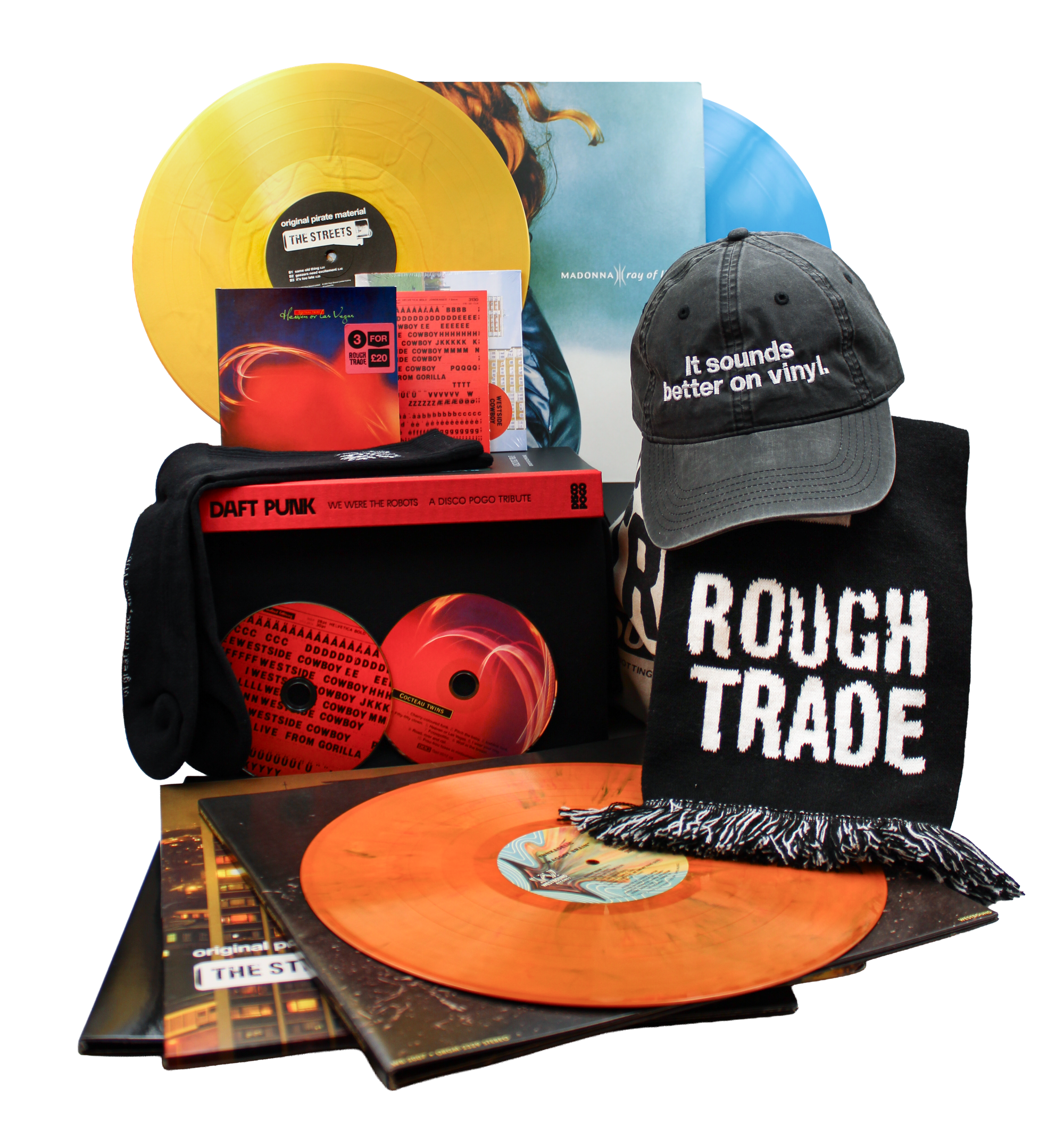
Under £25 (Small Gifts, Big Appreciation): Perfect for stocking fillers. Standouts include the Rough Trade Black Slipmat for immediate turntable aesthetic upgrades and branded crew sports socks that allow fans to wear their musical identity proudly.
£30 to £50 (Thoughtful Treats): Ideal for the music-history buff. Dorothy music prints—such as the meticulously designed Pop Love Blueprint—turn iconic musical lineages and genre connections into sophisticated wall art.
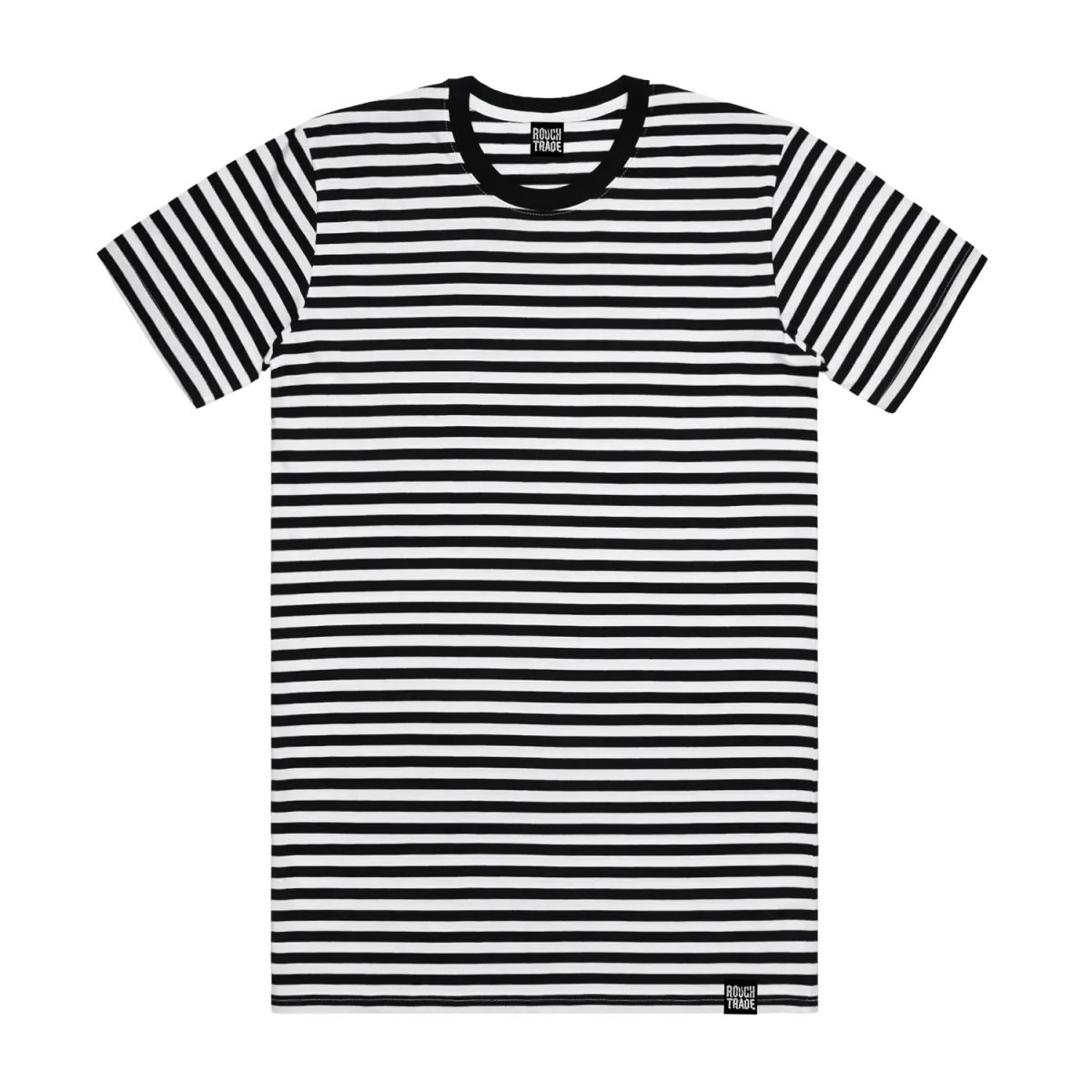
£50 to £100 (The Long-Term Investment): Premium soft-goods like the heavyweight heather grey embroidered sweatshirt made from 100% organic brushed cotton offer durability and daily utility for the gig-goer.
£100 and Over (The Main Event): High-impact investments. This tier features accessible analog synthesizers like the Stylophone Theremin for aspiring sound-makers, or bulletproof entry-level hi-fi staples such as the Audio-Technica AT-LP60XUSB turntable.
Official Statements & Industry Insights: Elevating the Listening Ritual
The modern music retail philosophy moves far beyond transactional commerce; it is about cultivating rituals. Industry curators emphasize that listening to a record is an active, multi-sensory experience.
"Music isn’t only about sound," notes a leading retail curator. "It’s about setting a mood, creating a connection, and stimulating emotions. To truly elevate the listening ritual, you must engage all the senses—from the tactile drop of the needle to the ambient burn of a bespoke, smoky fragrance in the listening room."
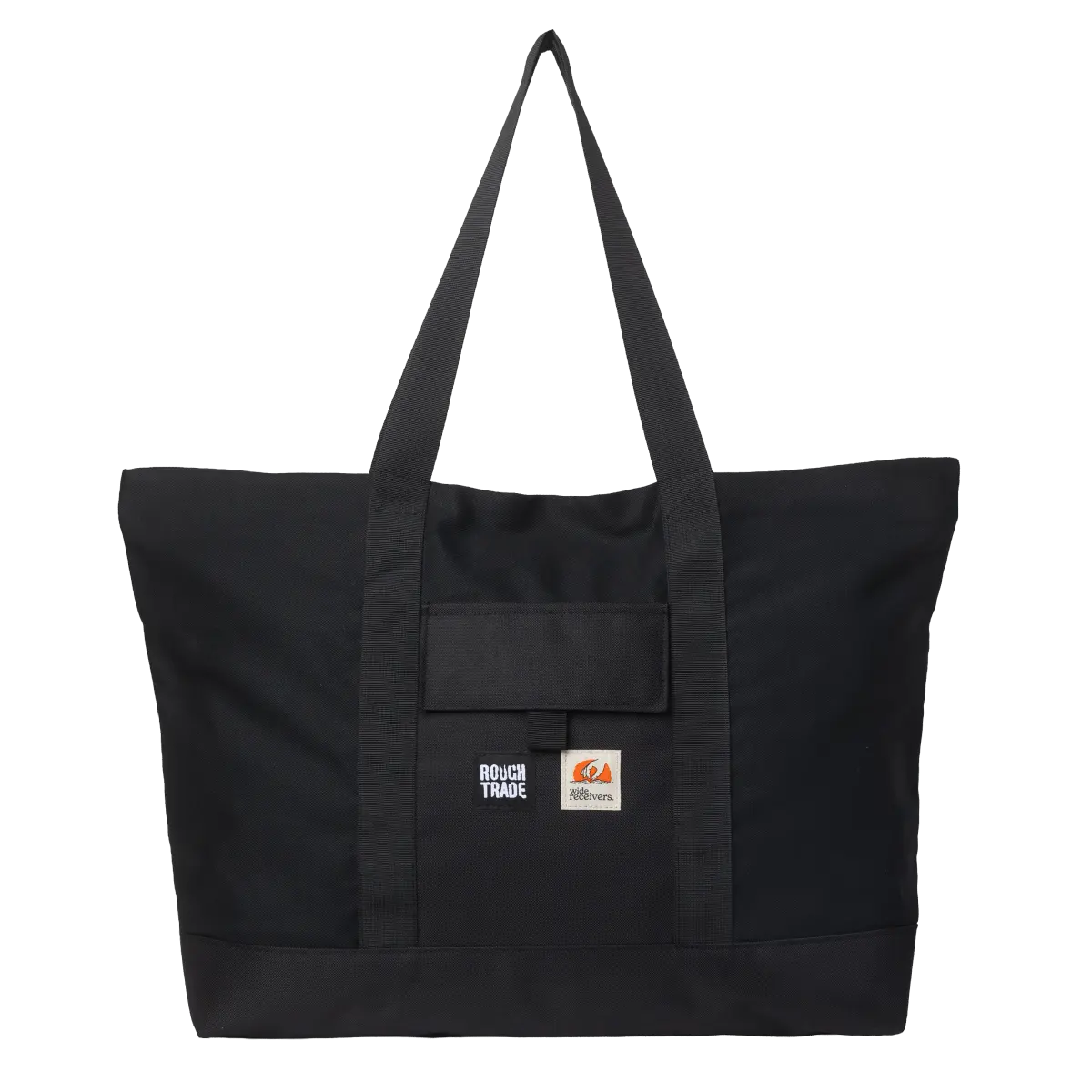
This philosophy is reflected in unique cross-brand collaborations designed to support both the listener and broader cultural causes. The partnership between Rough Trade and The Campaign Against Living Miserably (CALM) yields exclusive long-handle tote bags where £5 from every sale directly funds life-saving mental health support services. Similarly, artisan partnerships—such as the handmade gear crafted by Albie Clark at Wide Receivers in Leith, Scotland (culminating in the ultra-limited 50th-anniversary 50-50 Tote Bag)—demonstrate an industry-wide commitment to sustainable, high-durability, hand-crafted goods.
Furthermore, physical journalism continues to thrive as an antidote to algorithmic fatigue. Subscriptions to independent powerhouses like Crack Magazine, So Young Magazine, and Uncut Magazine provide collectors with deep-dive cultural journalism, stunning visual art, and a reliable compass for navigating upcoming releases.
Future Outlook: The Next Wave of Hi-Fi and Physical Curation
Looking ahead, the intersection of retro analog technology and modern convenience will continue to define the audiophile market. We are witnessing a fascinating convergence where classic mediums find new life through engineering innovations:
Turntables & Direct-Drive Precision: Advanced models like the AT-LP120XUSB bridge the analog-digital divide, allowing users to spin traditional 33s, 45s, and 78s while seamlessly archiving their rare singles via digital USB outputs.
Compact Hi-Fi Ecosystems: Brands like Cambridge are redefining smaller-space listening with active stereo speakers (L/R S) that eliminate the need for bulky external amplifiers without sacrificing sonic clarity.
Portable Analog Revival: Companies like We Are Rewind are modernizing classic cassette culture by integrating rechargeable lithium-ion batteries (providing up to 12 hours of continuous playback) and Bluetooth 5.1 connectivity, proving that retro formats can gracefully inhabit a wireless world.
Curated Subscriptions: Services like the Rough Trade Club Discovery ensure that the thrill of the hunt never fades, delivering monthly handpicked exclusive vinyl pressings alongside year-round shipping perks and priority event access.
Ultimately, whether you are shopping for a novice spinning their first record or a seasoned veteran with thousands of LPs on their shelves, the secret to gifting in the 2026 vinyl renaissance lies in honoring the ritual. By investing in quality hardware, protective archival care, thoughtful apparel, and independent literature, you aren’t just buying an object—you are preserving a culture.