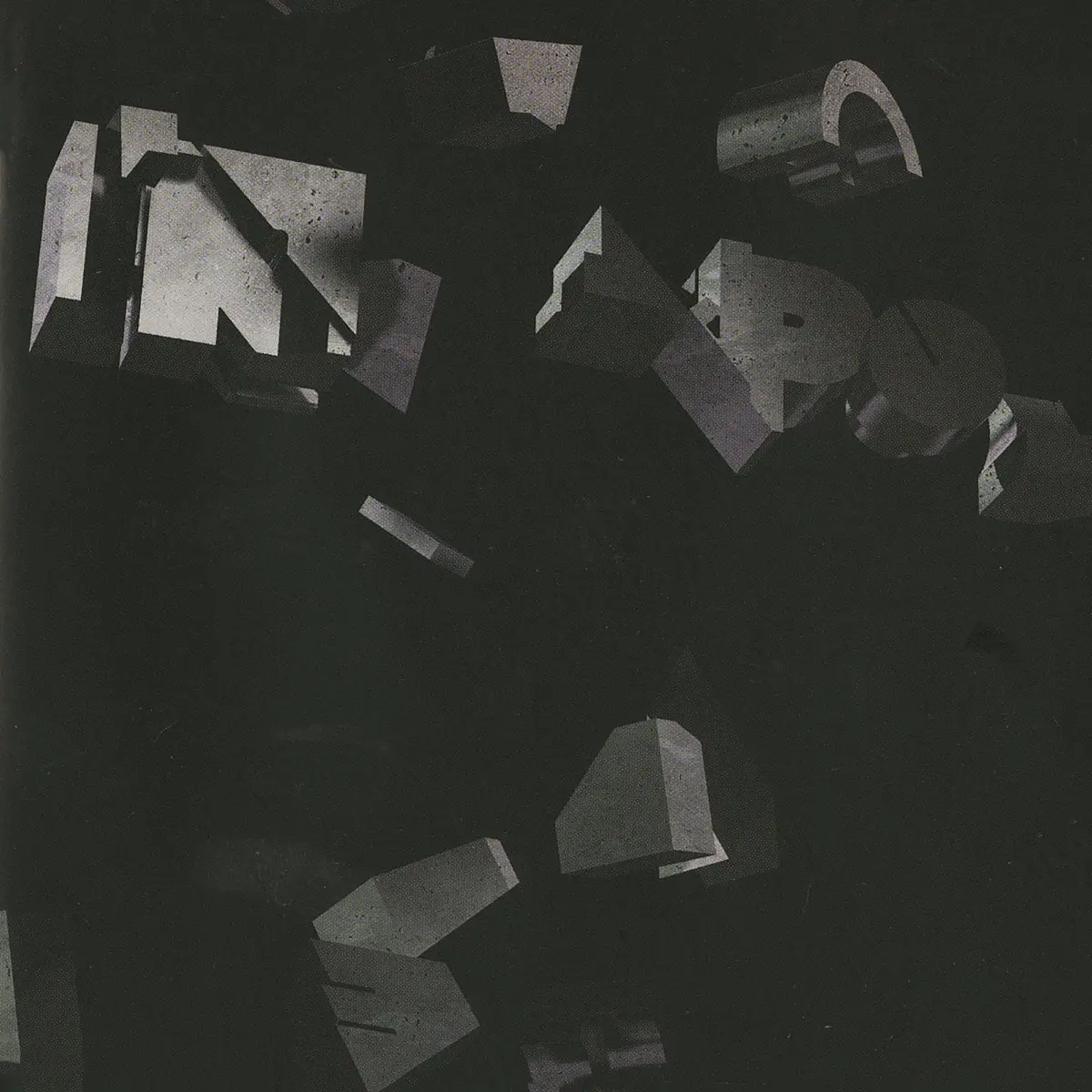
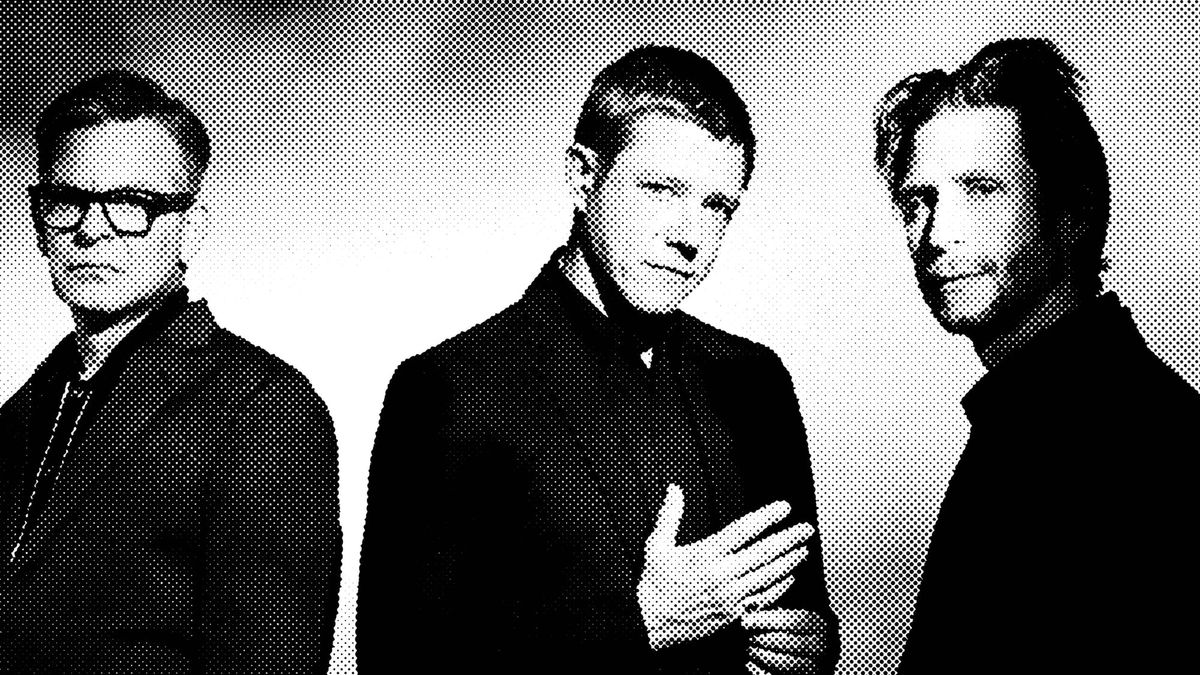
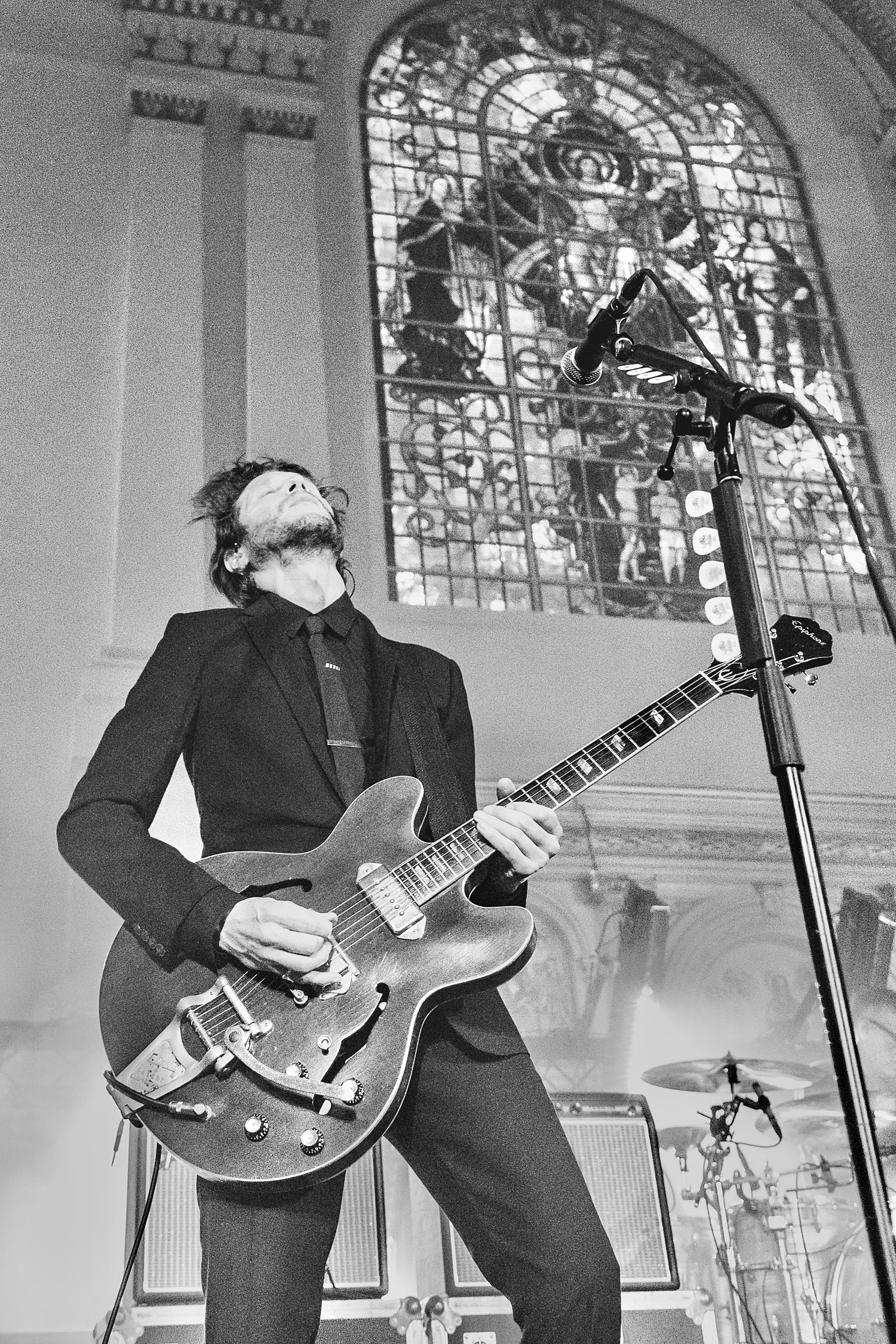
Few bands have defined the aesthetic and emotional vernacular of early-2000s New York City quite like Interpol. Emerging from the frantic, smoke-choked incubator of the Manhattan indie-sleaze and post-punk revival eras, the quartet presented a stark contrast to their garage-rock contemporaries. While others wore leather jackets and disheveled bedhead, Interpol stepped out onto the stage in razor-sharp suits, projecting an aura of brooding detachment, melancholic elegance, and cinematic grandeur.
With stark, interlocking guitars, driving rhythms, and Paul Banks’ resonant, baritone delivery, the band painted an indelible picture of a post-9/11 metropolis—sleek, shadows-heavy, and searching. They invited immediate comparisons to Joy Division and The Chameleons, yet quickly established a unique sonic architecture that combined post-punk urgency with sophisticated, art-rock textures.
Over a career spanning more than two decades, eight studio albums, and seismic shifts in both lineup and sonic direction, Interpol has remained a pillar of alternative music. To celebrate their enduring legacy and the arrival of their eighth studio release, This Mirror Weighs a Ton, Matt Baghurst—Manager of Rough Trade Denmark Street—takes on the definitive task of ranking Interpol’s immaculate gloom from great to greatest.
Detailed Chronology: The Studio Albums Ranked
7. Interpol (2010)
Kicking things off at the base of the list is Interpol’s self-titled fourth studio album, released in 2010. While the record features undeniable highlights—such as the atmospheric expanse of Lights and the surging, energetic drive of Barricade, which stands as a career highlight—it bears the weight of a decade of relentless writing and touring.
By 2010, the band had begun to run out of creative steam, a friction that bled directly into the recording process. Lyrically and structurally, the record reflects the physical and mental exhaustion of its creators. Internal struggles during production resulted in a momentary lack of a cohesive core identity, leaving some tracks feeling disjointed. However, time has been kind to the self-titled release. Viewed through the lens of their subsequent output, the album’s darker, more experimental experiments have gained valuable sonic context, proving to have aged far better than contemporary critics initially assumed.
Key Track:Summer Well
6. The Other Side of Make-Believe (2022)
Released in the wake of global isolation and heightened existential fear, 2022’s The Other Side of Make-Believe finds Interpol exploring a cinematic, slower-tempo sonic palette. Tracks like Toni, Gran Hotel, and Something Changed demonstrate a deliberate, mature commitment to evolving their sound without sacrificing the core DNA of the band’s trademark moodiness.
The record reflects an attempt to make sense of a fractured world from a place of quiet introspection. Furthermore, the album’s companion remix project showcased the band’s enduring influence across genres, featuring bold reinterpretations by avant-garde and electronic luminaries including Jeff Parker, Water From Your Eyes, and Daniel Avery.
Key Track:Toni
5. Our Love to Admire (2007)
Positioned slightly further back than conventional fan consensus might dictate, 2007’s major-label debut Our Love to Admire occupies an intriguing middle ground in the Interpol canon. Despite housing massive singles like No I in Threesome and The Heinrich Maneuver, the album gave early indications of a growing rigidity within the band’s signature formula—an inflexibility that would unfortunately peak on their subsequent self-titled release.
This is by no means a bad record; in fact, it boasts some of the most dynamic vocal performances of Paul Banks’ career, particularly his breathless, rhythmic delivery on Pace Is the Trick. While it houses brilliant moments, it ultimately serves as a bridge rather than a defining peak.
Key Track:Rest My Chemistry
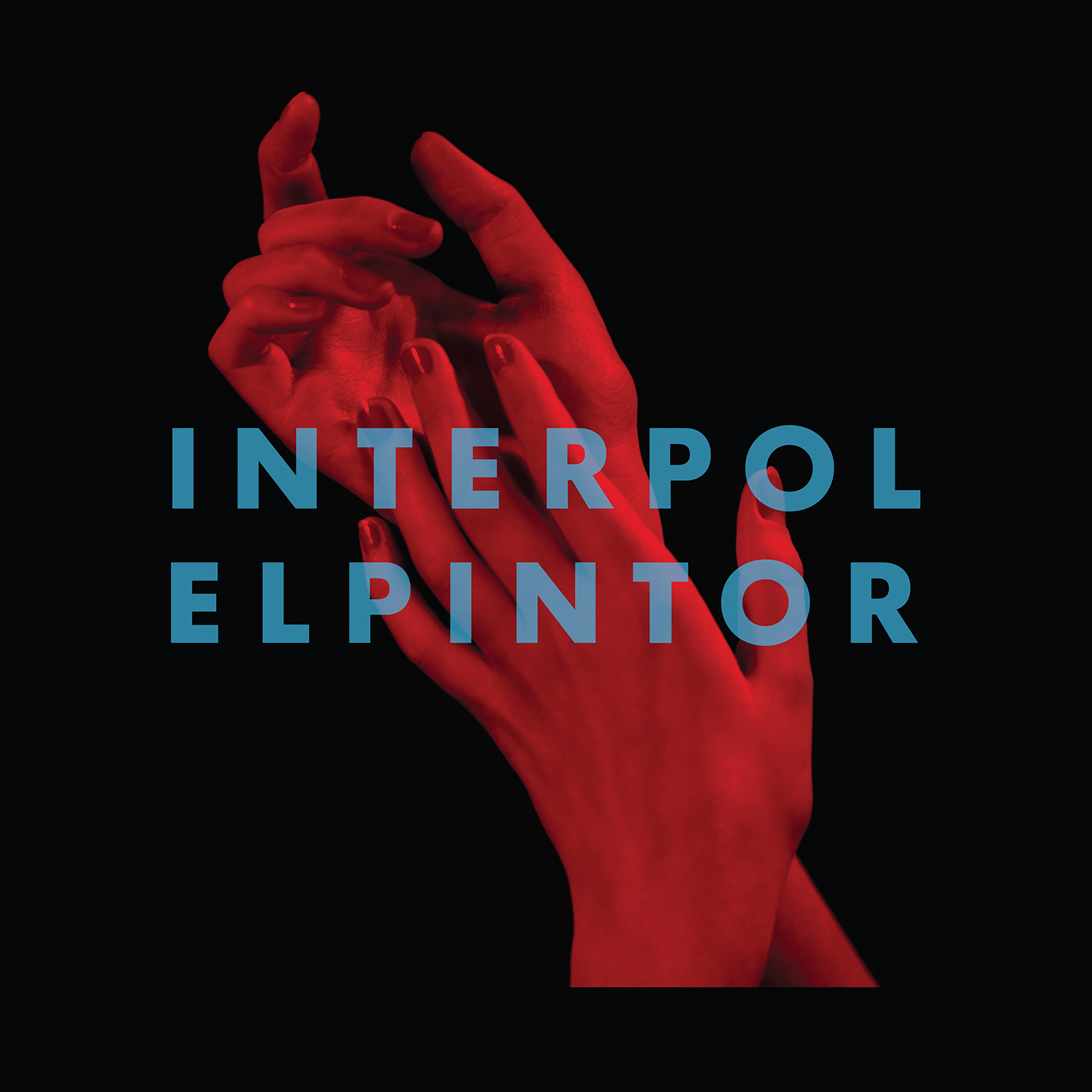
4. El Pintor (2014)
Prior to the release of El Pintor in 2014, Interpol had drifted into a dangerous creative rut. The situation was compounded by the departure of founding bassist Carlos Dengler—a foundational pillar of the band’s aesthetic identity—upon the completion of their previous record. Left as a trio, Paul Banks, Daniel Kessler, and Sam Fogarino faced a pivotal crossroad.
In a bold move, Banks stepped in to assume bass duties, injecting the band’s DNA with an entirely new strain of energy. The resulting songs sounded leaner, more direct, and possessed an undeniable rhythmic groove. El Pintor outranks its predecessor because without its successful reinvention, the band’s continued existence would be in serious jeopardy. Forced to evolve, Interpol rose to the challenge magnificently.
Key Track:Anywhere
3. Marauder (2018)
Marauder stands as one of Interpol’s most meticulously crafted and complete bodies of work. Tracks like The Rover and If You Really Love Nothing are dark, urgent, and capture the haunting, obsessive quality of classic cuts like Not Even Jail and Stella Was a Diver and She Was Always Down.
Arguably the closest any modern release has come to rivaling their legendary first two records, Marauder features raw, uncompromising production that leaves no room to escape during its heaviest moments. Lyrically, the album reads like an internal interrogation, ruthlessly examining the mechanics of self-sabotaging behavior. At the time of its release, it represented the band operating at the absolute peak of their powers in over a decade.
Key Track:Stay In Touch
2. Antics (2004)
In the music industry, a rapid follow-up to a universally acclaimed debut is typically met with skepticism. Bands rarely have the luxury of time to refine their craft under such pressure. Yet, in 2004, Interpol shattered expectations with Antics, an album that genuinely rivals their masterpiece debut in terms of razor-sharp songwriting, lyricism, and intricate guitar-and-bass interplay.
The record only sits at number two because its older sibling happens to be a genre-defining milestone. Boasting immortal live staples like Slow Hands, C’mere, and Evil, Antics proved that the band’s brooding sonic landscape could comfortably accommodate high-energy momentum without losing an ounce of its emotional gravity.
Key Track:Evil
1. Turn On the Bright Lights (2002)
It comes as no surprise that Turn On the Bright Lights claims the top spot. Few debut albums in modern music history have wielded such immediate, lasting cultural power. Crafted by four young men in New York who wore their post-punk and indie influences openly, the record was forged in sweaty, rehearsal-room proximity to contemporaries who would similarly change the landscape of rock (The Strokes, Yeah Yeah Yeahs, The National).
This album is easily one of the most influential long-players of the 21st century. From the trembling, iconic opening riff of Obstacle 1 to the dramatic crescendos of PDA and the sweeping emotional dynamism of The New, Turn On the Bright Lights encapsulates the very reason musicians pick up instruments. Sometimes, lighting strikes in a bottle; this record is the definitive definition of that phenomenon.
Key Track:Obstacle 1
Supporting Context & Metrics
The enduring vitality of Interpol is not merely a matter of nostalgic sentimentality; it is backed by a robust history of live performance and critical acclaim. Over their twenty-year journey, the band has successfully transitioned from underground darlings of the Lower East Side to global festival headliners, maintaining a dedicated multi-generational fanbase.
Rough Trade’s relationship with the group underscores this deep connection:
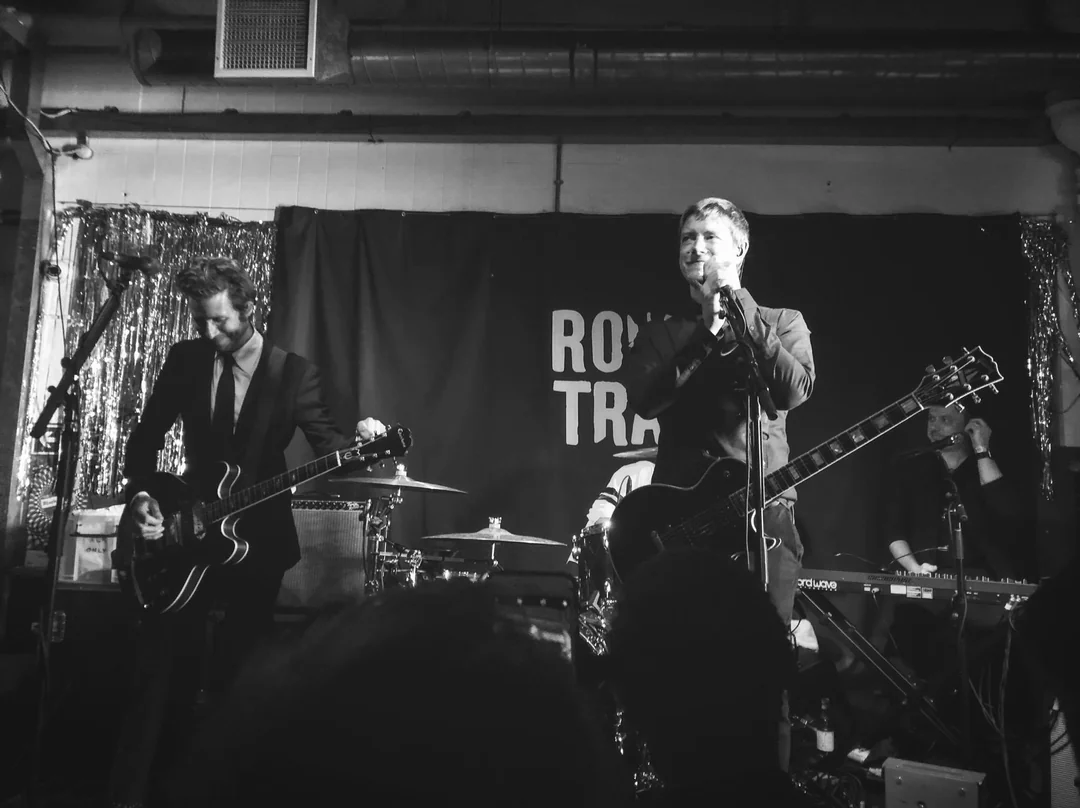
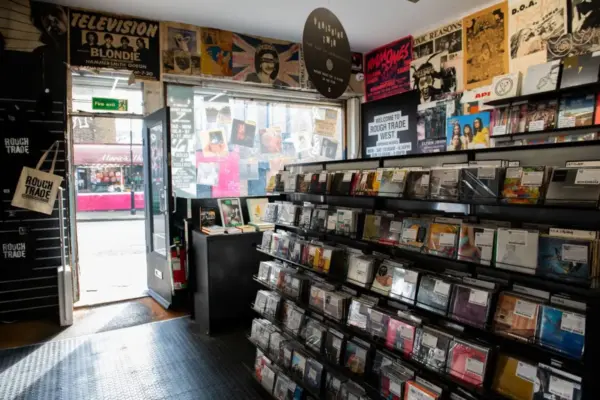
August 2018: Interpol performed an intimate, sell-out in-store performance at Rough Trade East, proving their magnetic stage presence even in close quarters six albums deep into their career.
July 2012: A special out-store performance at Hackney Church celebrated the release of The Other Side of Make-Believe, drawing critical praise for their ability to transform sacred architectural spaces into immersive chambers of melancholy.
Collaborative Ventures: To mark the 2026 arrival of their eighth studio effort, This Mirror Weighs a Ton, the band partnered with Rough Trade and legendary street artist Shepard Fairey (founder of OBEY) to release an exclusive commemorative tote bag line.
Official Statements & Industry Perspective
Reflecting on the group’s trajectory, Matt Baghurst notes the distinct discipline required to maintain such an uncompromising artistic vision across two decades:
"This album is, to me, one of the most influential of the century… This is why people start bands. Sometimes it just clicks, and this album is the epitome of that."
— Matt Baghurst, Manager, Rough Trade Denmark Street
Discussing the pivotal transition of El Pintor and the band’s ability to weather the departure of key members without compromising their core identity, Baghurst emphasizes the group’s resilience:
"…I think at the time it was the band at their best in over a decade."
— Matt Baghurst, on the creative rebirth of Marauder
Future Outlook
As Interpol enters its third decade of existence with the release of This Mirror Weighs a Ton, the band occupies a rare echelon in modern rock music. They have successfully avoided the traps of legacy-act stagnation by continually challenging their structural boundaries—whether through self-produced rhythm shifts, cinematic tempo experiments, or daring sonic collaborations.
While This Mirror Weighs a Ton purposefully requires time to "live, breathe, and find its place in the world" before earning a definitive placement in the canonical hierarchy, its arrival proves that the ashen skyline painted by Interpol back in 2002 continues to expand. As long as there is an appetite for impeccably tailored gloom and driving, atmospheric rock, Interpol will remain its master architects.