Executive Overview
The landscape of British weekend television is set for a seismic shift following ITV’s official announcement of a comprehensive, sweeping overhaul of its flagship entertainment format, The Voice UK. As the production gears up for its milestone 15th series—slated for broadcast in 2027—network executives have confirmed a dramatic regeneration of both the coaching panel and the presenting team.
The radical revamp introduces pop icon Cheryl and chart-topping rapper Aitch as first-time coaches, alongside a brand-new hosting duo featuring television personality Stacey Solomon and broadcaster-singer Alesha Dixon. This fresh lineup steps in to replace a departing guard that includes long-standing mentors Danny Jones, Tom Fletcher, and the legendary Sir Tom Jones, alongside television anchor Emma Willis, who is departing the franchise to helm the upcoming series of BBC rival Strictly Come Dancing.
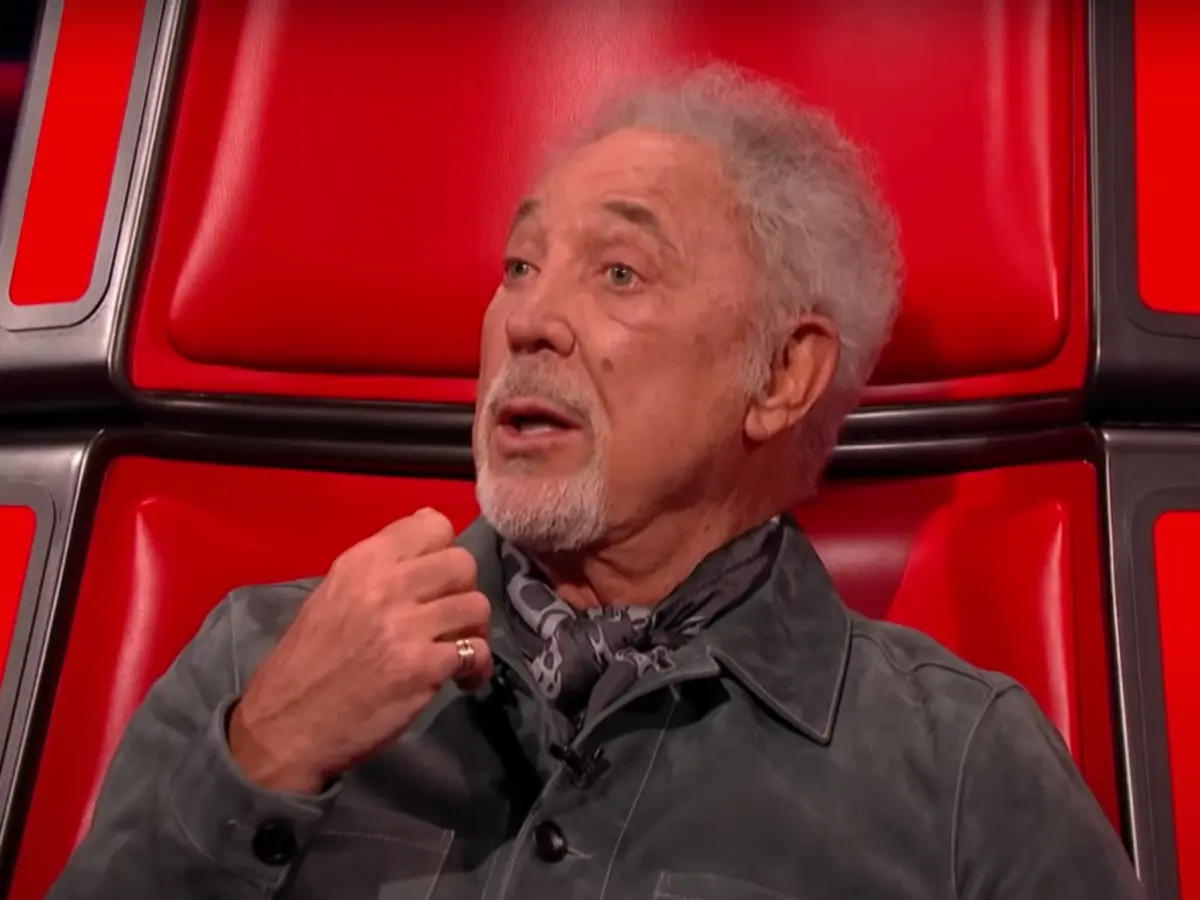
While network executives have moved swiftly to praise the outgoing talent, framing the shake-up as a necessary creative evolution to "refresh" the format, the transition has been heavily overshadowed by a bitter public dispute. Sir Tom Jones, an enduring pillar of the franchise since its inception in 2012, has openly refuted the network’s framing. In an explosive statement released via social media, the 86-year-old music icon claimed he was effectively "fired" by ITV due to financial constraints surrounding production insurance, later being told there was simply "no chair" for him as part of a newly engineered lineup.
This high-profile dispute exposes underlying tensions between long-serving legacy talent and modern television networks navigating escalating insurance liabilities, soaring production costs, and a constant mandate to capture younger, digitally native demographics. As The Voice UK prepares to turn the page on a defining chapter in British broadcasting, this comprehensive report examines the chronology of the shake-up, the competing narratives between network executives and departed talent, the strategic realignment of the coaching panel, and the broader implications for weekend entertainment television.
Detailed Chronology: The Anatomy of a Shake-Up
The timeline leading up to ITV’s seismic announcement reveals a carefully orchestrated corporate strategy running parallel to a deeply personal and public falling out between the network and one of Britain’s most cherished musical treasures.
The Build-Up to Series 15
The Voice UK, which originally launched on BBC One in 2012 before migrating to ITV for its sixth series in 2017, has long relied on a delicate balance of legacy prestige and contemporary chart relevance. However, as television viewing habits evolve and linear ratings face continuous pressure from streaming platforms, network producers have increasingly looked toward high-profile refreshes to generate noise, secure social media engagement, and arrest audience erosion.
Behind closed doors, preparations for the 15th series—scheduled to hit screens in 2027—began months in advance. ITV commissioning editors, working alongside production houses, weighed the commercial viability of maintaining their traditional lineup against the budgetary realities of producing high-risk entertainment formats in an era marked by rising inflation and escalating insurance premiums for senior talent.
The Revelation and Social Media Fallout
The fault lines broke into the open on a Tuesday in September, when Sir Tom Jones took to Instagram to shatter the illusion of a mutual or purely creative departure. In a candid, unfiltered post that immediately dominated news cycles, Sir Tom clarified his position:

"To be clear, I did not want to leave The Voice as I love the show and really appreciate the audience. ITV made this decision — obviously a while ago, and I was told just recently."
The Welsh powerhouse did not mince words regarding the motivations behind his exit, explicitly pointing to administrative and financial hurdles rather than creative stagnation:
"The reason given is because of a financial difficulty with insurance. They now say in the press they wanted to refresh the show and, with a new coaching line-up, there wouldn’t be a chair for me."
Sir Tom further revealed that the network attempted to soften the blow by offering a diminished, tokenistic capacity:
"They are offering a much-reduced role where I would make an appearance but without being actually involved from the start, and I’m not thrilled about that. So, the only thing I know right now, is that there’s never a good time to fire an 86-year-old who’s still pretty good at his job."
The Corporate Response
As Sir Tom’s post went viral, triggering an outpouring of fan support and media scrutiny, ITV scrambled to manage the public relations fallout. In an official statement, the network sought to balance corporate restructuring with profound reverence for its longest-serving star:
"We have loved working with Sir Tom Jones over the past nine years on The Voice UK. While he will no longer be a full-time coach on series 15, we continue to talk to Sir Tom and his team about his involvement in the next series."
This diplomatic olive branch, however, did little to bridge the chasm between the network’s official line—that the changes were driven by an organic desire to "refresh the show"—and Sir Tom’s assertion that financial pragmatism and age-related risk assessments dictated his dismissal.

Supporting Context & Metrics: A History of Exits and Industry Pressures
To fully understand the gravity of Sir Tom Jones’s departure from The Voice UK, one must examine the turbulent history of the franchise and the unique economic pressures facing prime-time television in the mid-2020s.
Déjà Vu: The 2016 BBC Controversy
This is not the first time Sir Tom has found himself abruptly unseated from the very red chair he helped make iconic. In 2015, ahead of what would have been the fifth series on BBC One, the singer was dropped from the coaching panel with remarkably little notice—a move that provoked intense public outrage at the time.
In his 2015 autobiography and subsequent interviews, Sir Tom did not hold back his fury toward the BBC, famously condemning their "sub-standard behaviour" after informing him of his axing with just a 24-hour warning, despite him having already blocked out his diary for filming. The parallels between his unceremonious exit from the BBC nearly a decade ago and his current departure from ITV are striking, highlighting a recurring industry tension: networks view talent as expendable variables in a ratings equation, whereas heritage artists view their tenure as a testament to lifelong public service and artistic reliability.
The Economics of Television Insurance
Sir Tom’s specific mention of "a financial difficulty with insurance" shines a rare and illuminating light into the opaque world of television production economics. In post-pandemic television, underwriting talent—particularly individuals in their eighth and ninth decades of life—has become an astronomical expense for broadcasters and production companies.
Strict compliance measures, medical risk assessments, and underwriters’ reluctance to shoulder high liabilities in the event of unexpected illness or injury mean that employing veteran talent involves exponentially higher financial overhead than casting younger, lower-risk performers. While ITV formally cited a desire to "refresh the show," industry analysts suggest that the intersection of rising insurance premiums and corporate cost-containment measures played an undeniable role in the network’s ultimate calculus.
Official Statements & Cast Realignment
Amid the controversy surrounding Sir Tom’s exit, ITV pressed ahead with unveiling the comprehensive new lineup designed to carry The Voice UK into its next decade. The changes represent a generational pivot for the broadcaster.
The New Coaching Panel
The incoming series introduces a dynamic juxtaposition of pop royalty and cutting-edge urban music:
- Cheryl: The former Girls Aloud star and veteran solo pop artist makes her triumphant return to prime-time television coaching. Having previously commanded audiences on The X Factor, Cheryl brings a wealth of pop-industry experience, intense media scrutiny, and a proven ability to mentor vocal talent.
- Aitch: The Manchester-born rapper represents a major coup for ITV in their bid to attract younger demographics. Known for chart-topping hits and an infectious, down-to-earth persona, Aitch brings a contemporary hip-hop sensibility to the coaching panel, bridging the gap between traditional vocal coaching and modern British urban music culture.
- Returning Anchors: Amid the sweeping changes, fan favorites Kelly Rowland and Will.i.am will retain their red chairs, providing a vital bridge of continuity, institutional knowledge, and international star power.
The Presenting Team Shake-Up
In tandem with the coaching overhaul, the hosting lineup has been entirely restructured.

- Stacey Solomon & Alesha Dixon: This dynamic duo will take over hosting duties for the upcoming series. Solomon, beloved across Britain for her authentic lifestyle programming and family entertainment credentials, joins forces with Dixon, an accomplished singer, dancer, and veteran television presenter with extensive experience on major formats like Britain’s Got Talent and Strictly Come Dancing.
- The Departed Host: The duo replaces Emma Willis, who has anchored The Voice UK with warmth and professionalism for years. Willis’s departure is part of a broader network choreography; she is set to cross the aisle to host the upcoming series of BBC rival Strictly Come Dancing, marking one of the most high-profile presenting transfers in recent television history.
In its overarching statement, ITV formally thanked Willis, along with departing coaches Tom Fletcher and Danny Jones, wishing them success in their future endeavors while officially welcoming the incoming cohort.
Future Outlook: What Lies Ahead for The Voice UK?
As the dust settles on the initial announcements and public outcry, the television industry is left to ponder the future trajectory of The Voice UK as it approaches its landmark 15th series in 2027.
The High-Stakes Gamble of Reinvention
Franchise television relies on a delicate homeostasis: change the formula too little, and audiences drift away due to fatigue; change it too much, and loyal viewers feel alienated by the loss of familiar touchstones. By simultaneously replacing legendary coaching talent, introducing a new presenting duo, and parting ways with foundational figures like Sir Tom Jones, ITV is rolling the dice on a high-stakes reinvention.
The inclusion of Cheryl and Aitch signals an aggressive play for the 16-to-34 demographic—a cohort that traditional linear television struggles to capture against the dominance of TikTok, YouTube, and subscription streaming services. However, alienating older, loyal viewers who tuned in specifically to watch Sir Tom’s grandfatherly wisdom, vocal insights, and legendary status represents a measurable commercial risk.
The Ongoing Legacy of Sir Tom
Whether or not ITV and Sir Tom Jones manage to broker a lesser, cameo-based role for future episodes remains to be seen. Given the blunt honesty of Sir Tom’s Instagram address and his well-documented history of refusing to be sidelined quietly—exemplified by his public friction with the BBC in 2015—it is clear that the music legend demands respect commensurate with a career spanning over six decades.
For now, the current series of The Voice UK continues its broadcast run—airing Saturdays at 7:00 PM on ITV1, ITVX, STV, and STV Player—serving as a bittersweet swan song for a coaching era that defined an entire decade of British Saturday night television. When the red chairs spin anew in 2027, they will do so under a completely new paradigm, bearing the heavy burden of proving that change was indeed the right medicine for a format striving to stay relevant in a rapidly transforming media landscape.