Executive Overview
For generations, the cultural narrative surrounding marriage has pointed toward a singular, inevitable conclusion: slow, steady, and terminal decline. The modern socio-cultural landscape is awash with the wreckage of broken conventions. Divorce has long since lost its social stigma to become a commonplace administrative reality; romantic comedies routinely fail to capture the imagination of a cynical public; and, perhaps most definitively, the 2021 UK census revealed a historic milestone. For the first time since nationwide records began, the majority of adults in England and Wales are choosing not to get married at all.
As an institution historically freighted with patriarchal baggage—serving as a bastion of privilege for some, while acting as a structural source of inequality and injustice for others—marriage has increasingly been viewed as obsolete. In response, a growing cross-section of society is enthusiastically experimenting with alternative relationship structures. Non-monogamy, cohabitation without paperwork, and fluid definitions of family are on the rise, breaking the monopoly that traditional matrimony once held over domestic life.
Yet, this narrative of total abandonment tells only half the story. While cultural commentators fret over the fallout of women’s financial independence, changing child-rearing practices, and the normalization of domestic partnerships, a more fascinating sociological puzzle hides in plain sight. Why are millions of people—including dedicated liberals, staunch secularists, queer individuals, and those who have already survived a messy divorce—still willingly walking down the aisle? What explains our enduring, almost stubborn attachment to the world’s oldest framework for human union?
This investigative piece delves into the profound contradictions of modern marriage, exploring how an institution stripped of its traditional religious and economic imperatives continues to exert a powerful, almost magnetic pull on the contemporary psyche.
Detailed Chronology: The Evolution of Union
To understand the paradox of modern marriage, it is necessary to chart how the institution has transformed from a rigid, sacred covenant into a malleable lifestyle choice.
- Pre-Late 20th Century: The Sacred Covenant Era
For centuries in the United Kingdom and across the Western world, marriage was predominantly undertaken to fulfill a sacred, theological framework. It was a covenant sealed before God, designed to receive divine blessing and reflect a holy relationship. Civil marriage existed, but it was secondary in cultural weight to the church wedding. - 1992: The Civil Turning Point
A quiet revolution occurred in the UK in 1992, when civil ceremonies officially overtook religious ones in popularity for the first time. This statistical crossover marked the moment marriage detached itself from institutional religion, morphing into a secular legal contract that happened to be celebrated with a party. - The Early 2000s: The Rise of Personal Choice
As financial independence among women normalized and cohabitation laws slowly evolved, marriage transformed from a mandatory rite of passage into an optional lifestyle milestone. People no longer needed to marry to secure housing, gain social respectability, or avoid the social penalties of singlehood. - The 2021 Census: A Demographic Watershed
Published in early 2023, the 2021 census data confirmed what sociologists had suspected: the majority of adults in England and Wales were now unmarried. The cultural baseline had shifted permanently. Singlehood, long-term cohabitation, and civil partnerships became the new normal, reducing traditional marriage to just one option among many. - The Present Day: The Secular-Sacred Hybrid
Today, marriage exists in a state of suspended animation. While secularism dominates—particularly among the younger generations—the language, rituals, and emotional weight attached to weddings retain an unmistakably quasi-religious fervor.
Supporting Context & Metrics: The Numbers Behind the Knot
The statistical reality of marriage in the 21st century paints a picture of stark generational division and ideological restructuring.
According to the latest British Social Attitudes survey and associated demographic analyses, the collapse of traditional religious affiliation has been absolute among the young. Six in ten people aged 16 to 34 now identify with no religion whatsoever. This generation is the most secular in British history.
Despite this, millions of these same secular youths continue to marry, or aspire to do so. When researchers and authors probe individuals about their motivations for tying the knot, a curious psychological phenomenon emerges. Most respondents are genuinely flummoxed by the question. Confronted with a life-altering legal and financial decision, they offer vague hunches rather than coherent philosophies:
- Security
- Children
- Tax benefits
- Domestic stability
- Peer pressure
- Love
Even those who maintain a deeply critical stance toward the institution—viewing it through a feminist lens as historically patriarchal—frequently wind up inside it. When pressed, these ideological critics often fall back on pragmatic excuses: parental expectations, bureaucratic visa requirements, convenience, or simply the desire to throw a once-in-a-lifetime party for their friends.
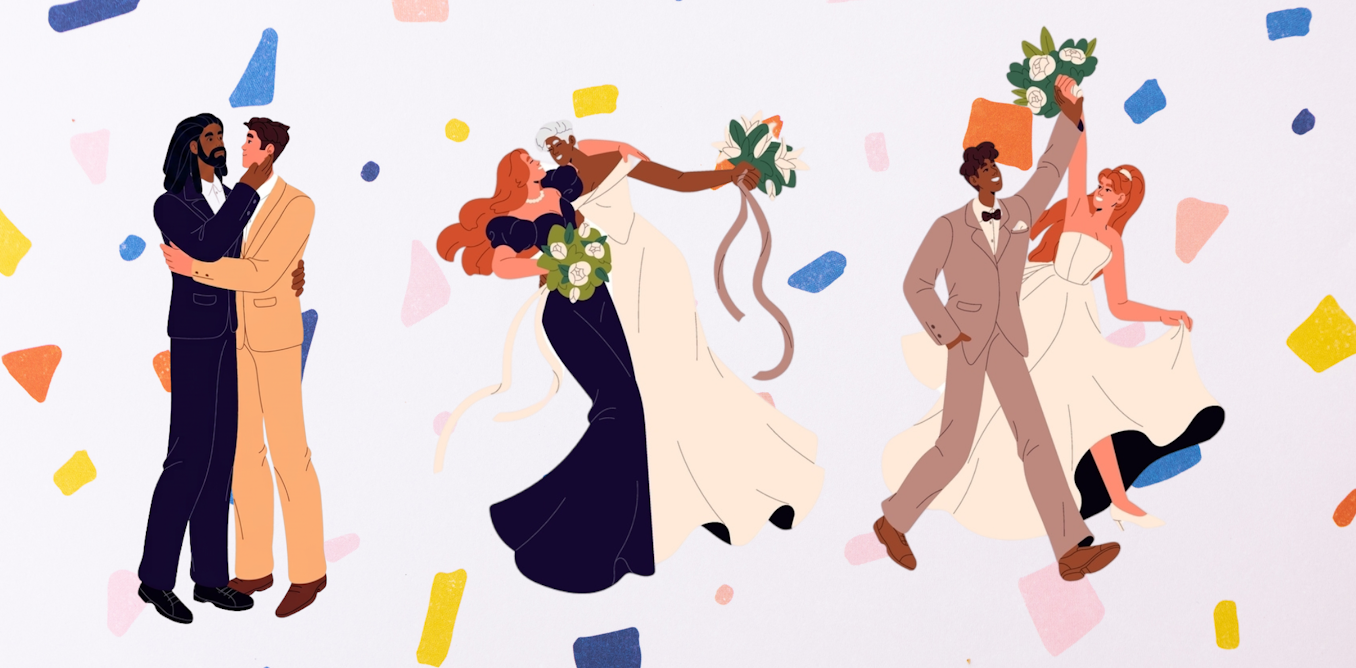
Marriage occupies a uniquely contradictory space in modern discourse. On one hand, it is viewed as a hackneyed, bourgeois cliché that prompts collective eye-rolls. On the other hand, its mere mention can trigger intense, deeply emotional debates about personal freedom, gender roles, and societal values. Most people, it seems, have strong opinions about marriage, yet very few have truly thought deeply about what it means before signing the register.
Official Perspectives: Anthropological and Sociological Insights
How do we reconcile the rapid secularization of society with the persistent, almost instinctual urge to solemnize lifelong partnerships? Anthropologists and cultural historians suggest that while the church may have lost its grip on the populace, the underlying human psychological needs that religion once met have simply migrated elsewhere.
In his seminal work The Denial of Death, cultural anthropologist Ernest Becker argued that in an increasingly secular world stripped of traditional divine certainties, human beings inevitably seek meaning, salvation, and sanctuary in romantic love. Without God to provide an anchor against existential dread, the romantic partner becomes a surrogate savior.
This migration of the sacred into the secular is vividly illustrated in the very vocabulary of modern matrimony. Consider the linguistic evolution of a wedding:
- Legal oaths transform into "vows."
- Mutual trust becomes "fidelity."
- A lifetime is rebranded as "eternity."
- The unpredictable future is sanitized into a "happily ever after."
This phenomenon is not limited to theoretical sociology; it plays out in practical, bureaucratic ways across the globe. For instance, temporary officiants—such as those granted "one-day solemniser" licenses in jurisdictions like Massachusetts to perform secular weddings for couples who want nothing to do with organized religion—frequently note the paradox. Even when a ceremony is entirely secular, stripped of biblical readings and God-talk, it rarely feels "unreligious."
The atmosphere remains heavy with reverence. The emotional gravity mimics a cathedral service because modern marriage has quietly absorbed the dreams, values, and promises of transcendence that humanity once outsourced to heaven.
Future Outlook: Why Marriage Endures in an Imperiled World
As we look toward the horizon, the future of marriage appears resilient precisely because of its adaptability.
We live in an era defined by compounding global anxieties—economic instability, political polarization, ecological crises, and rapid technological disruption. Facing an increasingly perilous and unpredictable future, it is hardly surprising that human beings cling to institutions that promise permanence. Marriage offers a psychological fortress: a formal, legally backed commitment that explicitly promises love, steadfast companionship, and long-term sanctuary against the chaos of the outside world.
Ultimately, the enduring appeal of marriage does not rely on its antiquated, patriarchal origins, nor does it require strict adherence to religious dogmas. People are still getting married because, in an atomized and hyper-individualistic society, the public declaration of "until death do us part" remains the most radical, hopeful bet a human being can make against the void. Even if we wander into it absent-mindedly, our ongoing attachment to the knot proves that the human appetite for transcendent, enduring connection is entirely unshakeable.