The decade spanning 2016 through 2025 will be remembered by music historians, independent record store clerks, and die-hard vinyl enthusiasts alike as a period of profound upheaval, cross-genre pollination, and generational handoff. It began under a heavy cloud of mourning—marked by the passing of cultural architect David Bowie just days after the release of his parting gift, Blackstar—and concluded with a landscape that looked entirely foreign to the mainstream paradigms of the early twenty-first century.
Throughout these ten years, the global independent music ecosystem experienced a radical decentralization. Grassroots live communities, most notably centered around South London’s legendary Brixton Windmill, birthed an entirely new wave of post-punk experimentation that rejected clean studio gloss in favor of jagged rhythms, surreal humor, and spoken-word sprechgesang. Simultaneously, global pop dismantled its own structural borders, with avant-garde architects like SOPHIE and Charli XCX proving that radical sound design and high-concept world-building could scale commercial heights without compromising artistic integrity.
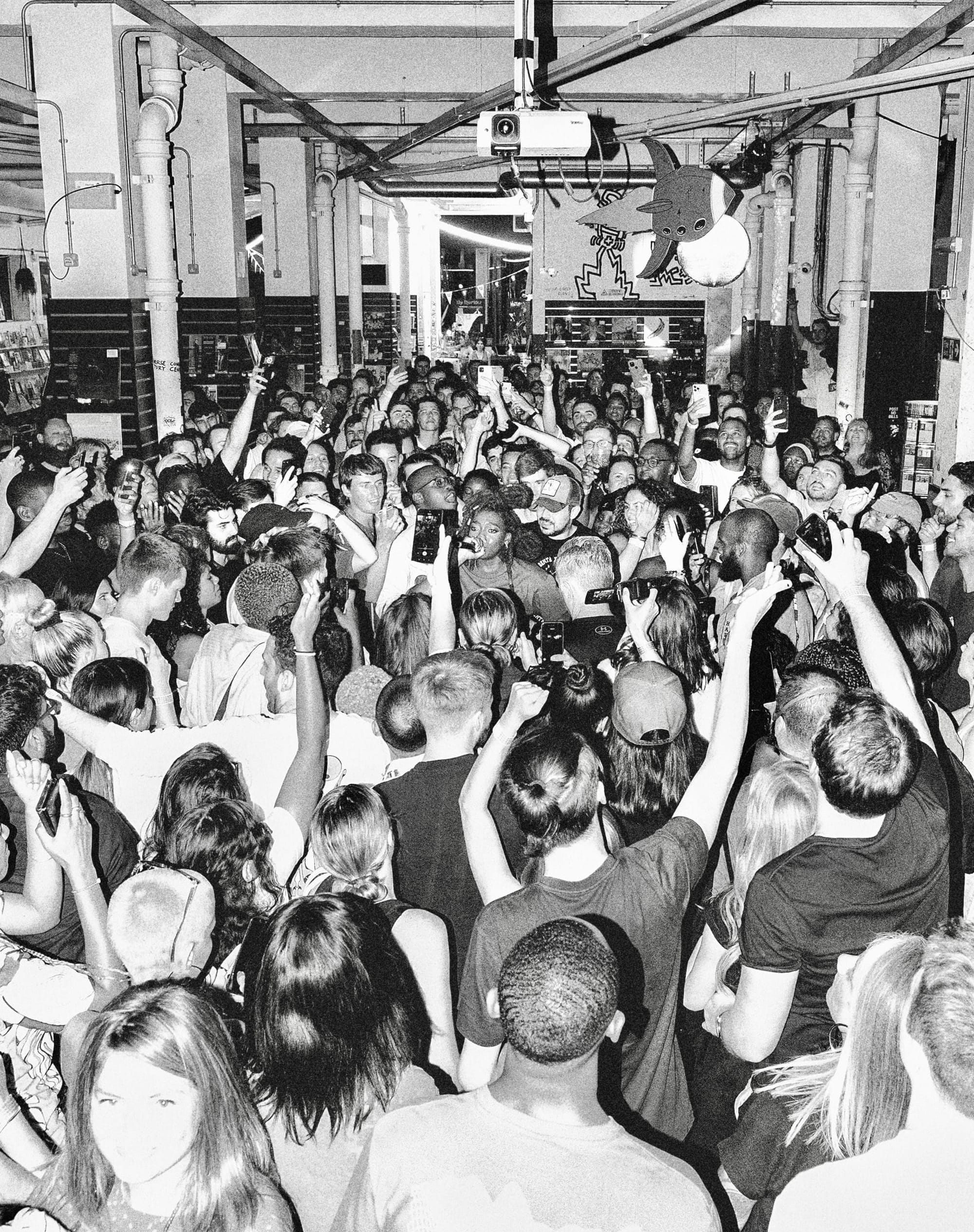
Behind the shop counters of institutions like Rough Trade—which celebrated its monumental 50th anniversary during this era—clerks watched raw, unheralded acts evolve from floor-packed in-store performances into stadium-headlining phenomena. Independent rap reached unprecedented conceptual peaks via visionaries like Little Simz, while landmark, intergenerational jazz-ambient collaborations and unexpected heritage reunions redefined what longevity looked like in the modern music industry.
As physical music continues its miraculous resurgence against the hyper-ephemeral backdrop of algorithmic curation, this retrospective examines the definitive records, seismic cultural shifts, and resilient brick-and-mortar communities that defined a decade of musical reinvention.
Detailed Chronology: A Decade in Sound (2016–2025)
The trajectory of modern independent music over the past ten years can be charted through a series of seismic releases, underground movements, and generational milestones that transformed record store racks into time capsules of cultural history.
2016: The Starman’s Farewell and the Soulful Resurrection
The decade opened with a collective intake of breath. Released on his 69th birthday, David Bowie’s 26th studio album, Blackstar, arrived mere days before his death from cancer. It instantly mutated from a thrillingly avant-garde return into an astonishing, deliberate final statement, underscoring that even after five decades of relentless reinvention, Bowie remained peerless in his forward momentum.
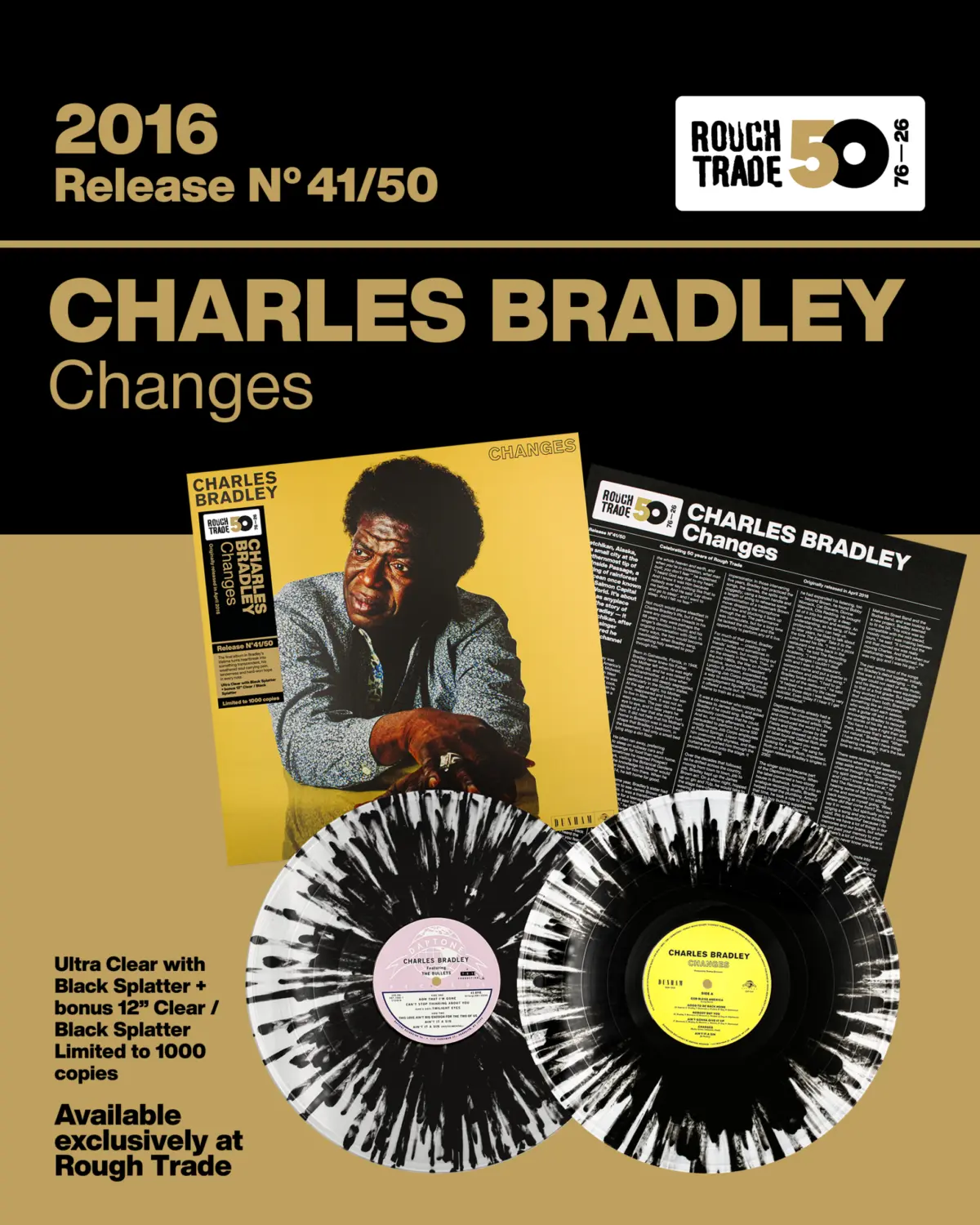
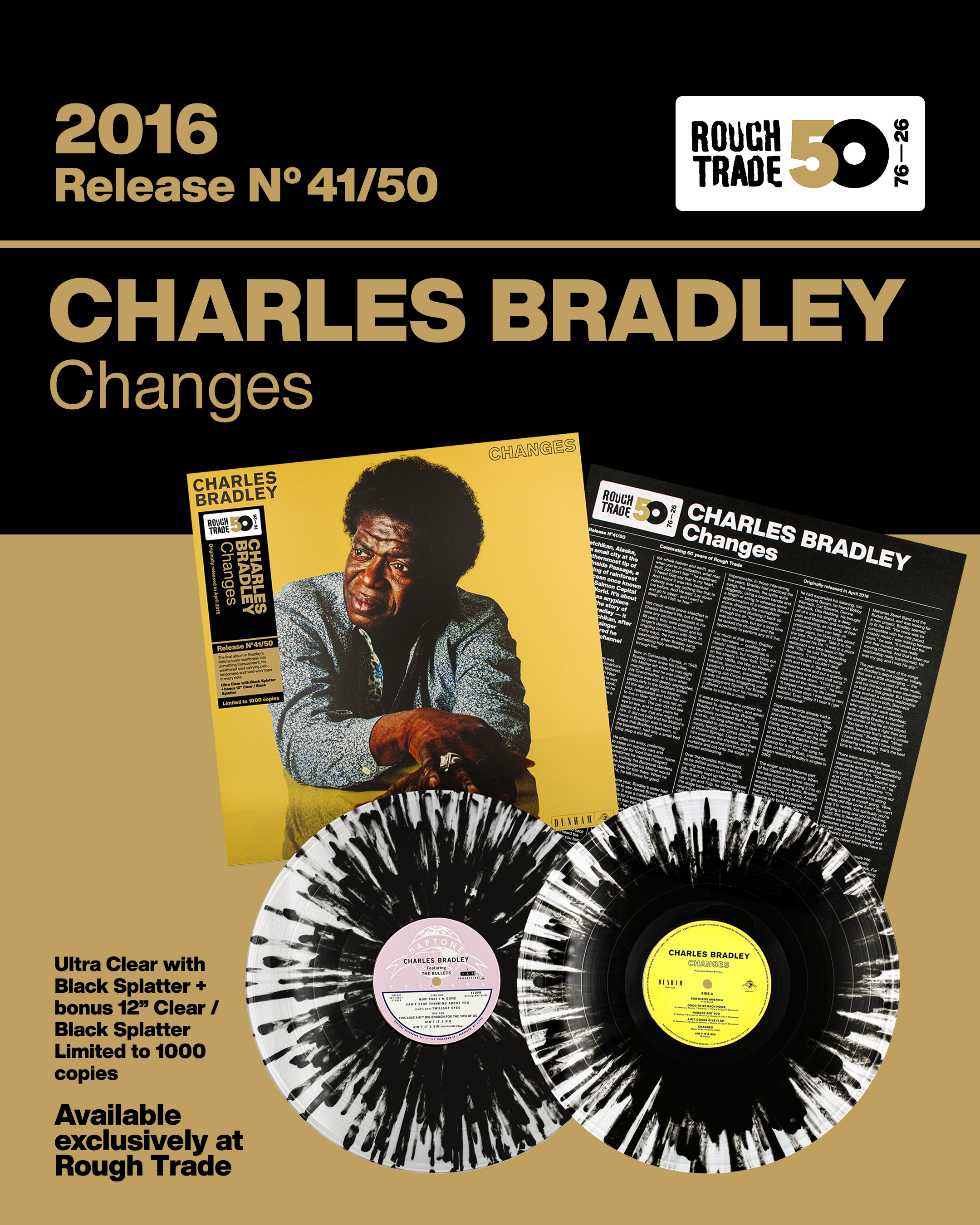
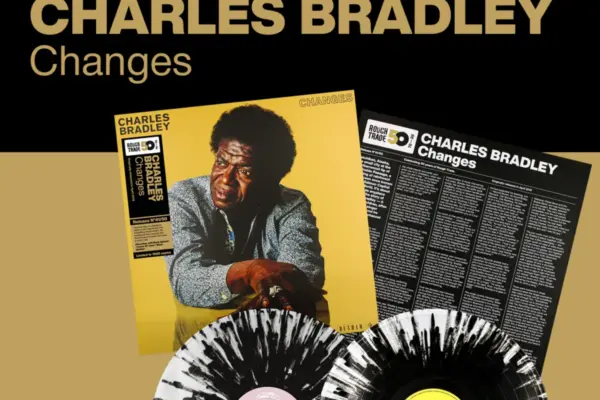
Amidst this grief, the year also delivered deep human resilience. Charles Bradley, affectionately dubbed "The screaming eagle of soul," released his final masterpiece, Changes. Discovered at age 62 after a lifetime of homelessness, personal tragedy, and toil as a James Brown impersonator, Bradley poured the raw weight of his existence into every rasp and vocal break. His transcendent, heartbreaking cover of Black Sabbath’s Changes cemented him as one of modern soul’s most compelling, late-blooming voices.
2017–2018: Brutalism, Synths, and the Rise of the Global Underground
By 2017, the UK underground began striking back against political and social fatigue with unbridled fury. Bristol’s IDLES arrived with their explosive debut, Brutalism, hitting record store racks like a clenched fist. Addressing grief, toxic masculinity, and class frustration with uncompromising directness, the band signaled that guitar music was shedding its polite veneer.
Across the globe, distinct regional counter-cultures flourished. Bodega injected wiry art-punk energy into New York; Viagra Boys channeled the absurd underbelly of Stockholm; and Amyl and the Sniffers delivered high-octane Melbourne pub rock. Meanwhile, Brisbane’s Confidence Man injected unadulterated camp, ’90s Ibiza house, and sardonic disco beats into the mainstream with Confident Music For Confident People, proving that dancefloors were primed for high-concept, tongue-in-cheek joy.
2019: Poetic Brawls and Dublin’s New Vanguard
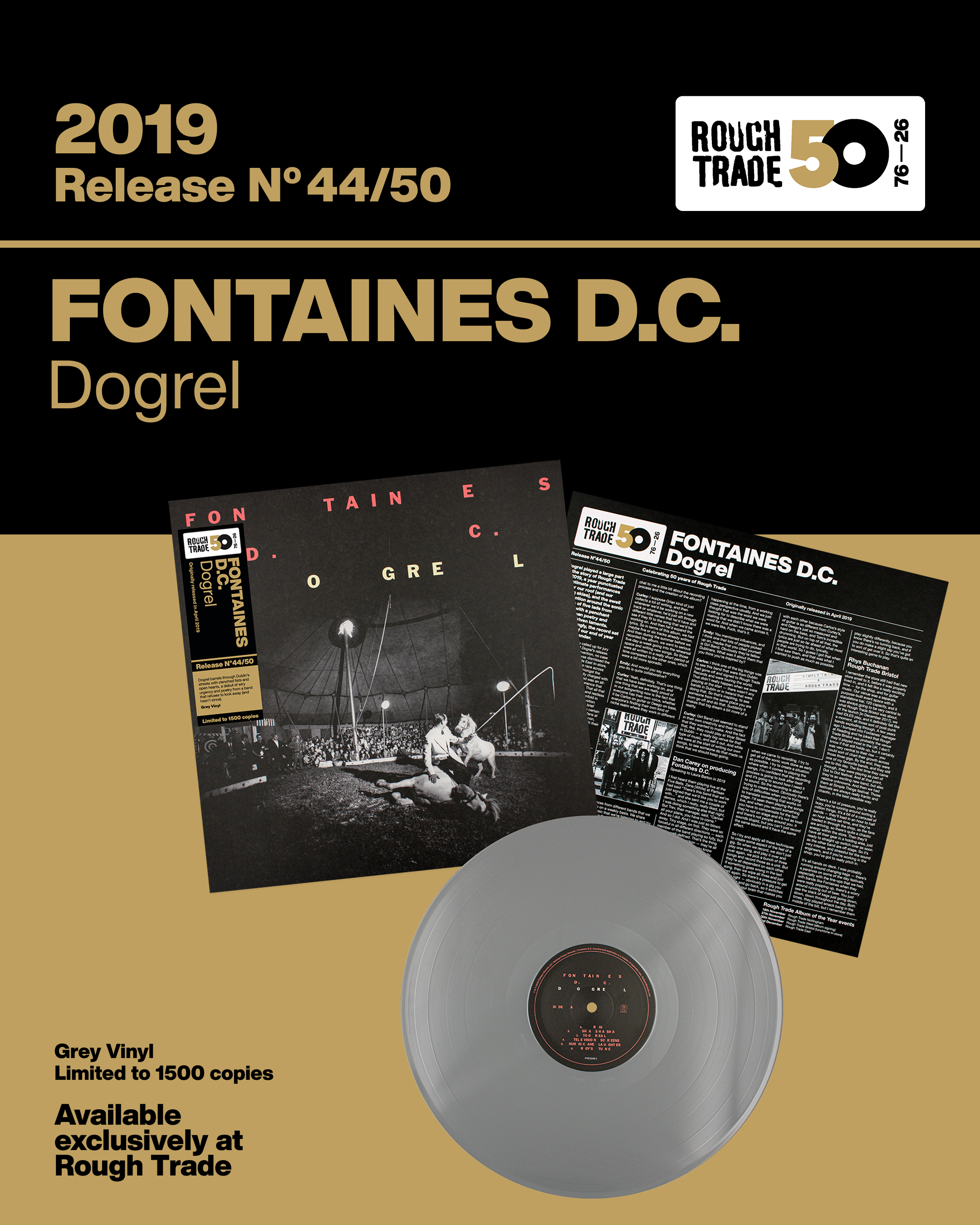
The closing years of the 2010s belonged unequivocally to Fontaines D.C. Following a string of electric underground singles, the Dublin five-piece dropped their debut album, Dogrel. Crowned Album of the Year by Rough Trade, Dogrel was a poetic, slick-witted masterpiece of urgent post-punk that instantly forged a deep, enduring bond with record-store patrons and critics alike, setting a new benchmark for narrative-driven rock.
2020: Hyperpop Explosions and Pandemic-Era Meditation
As the world went into lockdown in 2020, pop music underwent a radical, synthetic mutation. Rina Sawayama’s self-titled debut, SAWAYAMA, blew conventional genre templates wide open. Fusing maximalist 2000s club pop with crushing nu-metal guitar riffs, R&B, and electronic experimentation, Sawayama used the platform to dissect identity, capitalism, and the immigrant experience with staggering precision.
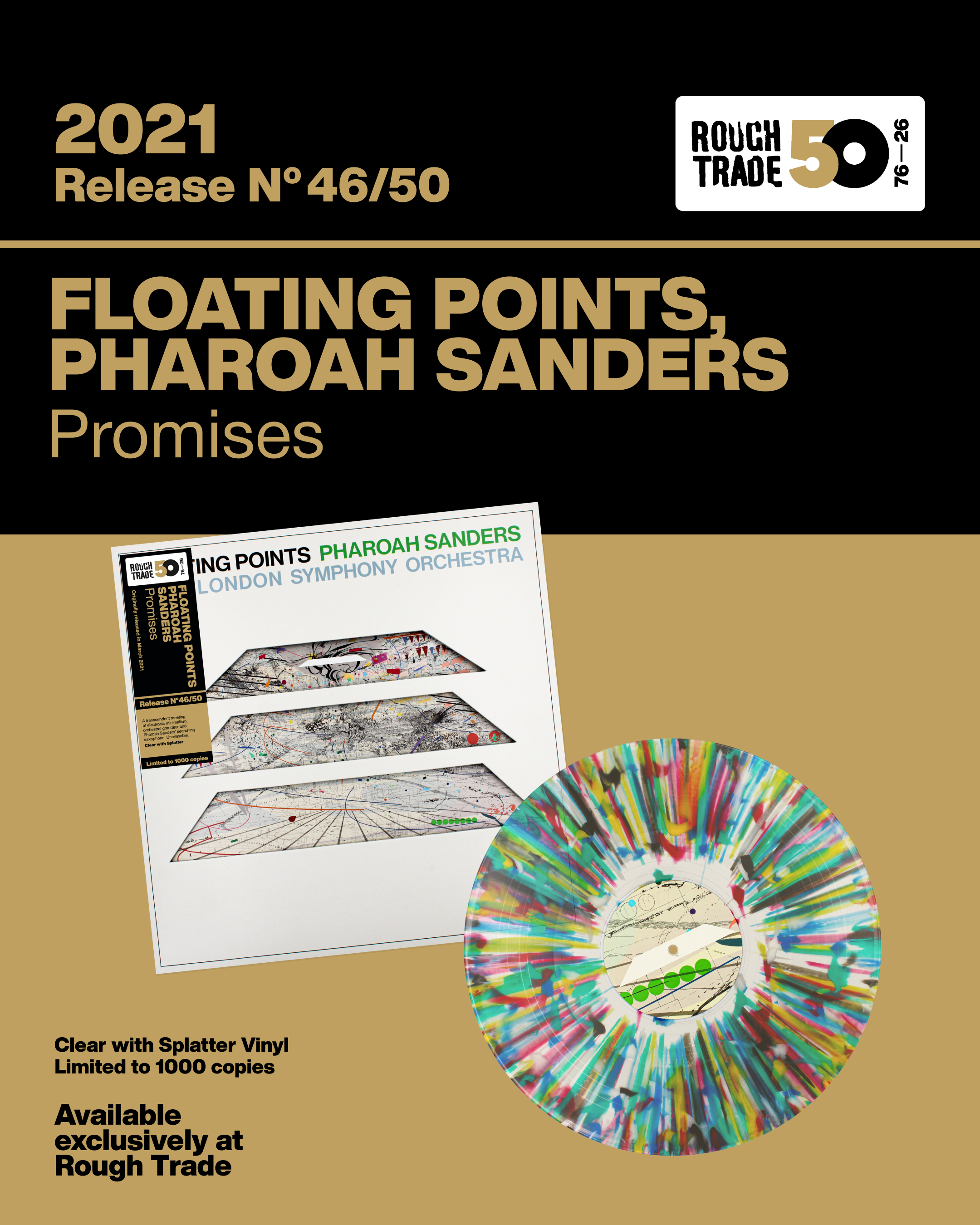
In stark, meditative contrast, 2021 delivered Promises—an extraordinary, genre-defying collaboration between electronic producer Floating Points, free-jazz sax pioneer Pharoah Sanders, and the London Symphony Orchestra. Created during the height of pandemic isolation, its patient, minimalist movements offered a profound sonic sanctuary and stood as a breathtaking final career masterpiece for the late Pharoah Sanders.
2022–2023: Windmill Masterpieces and Ancestral Drones
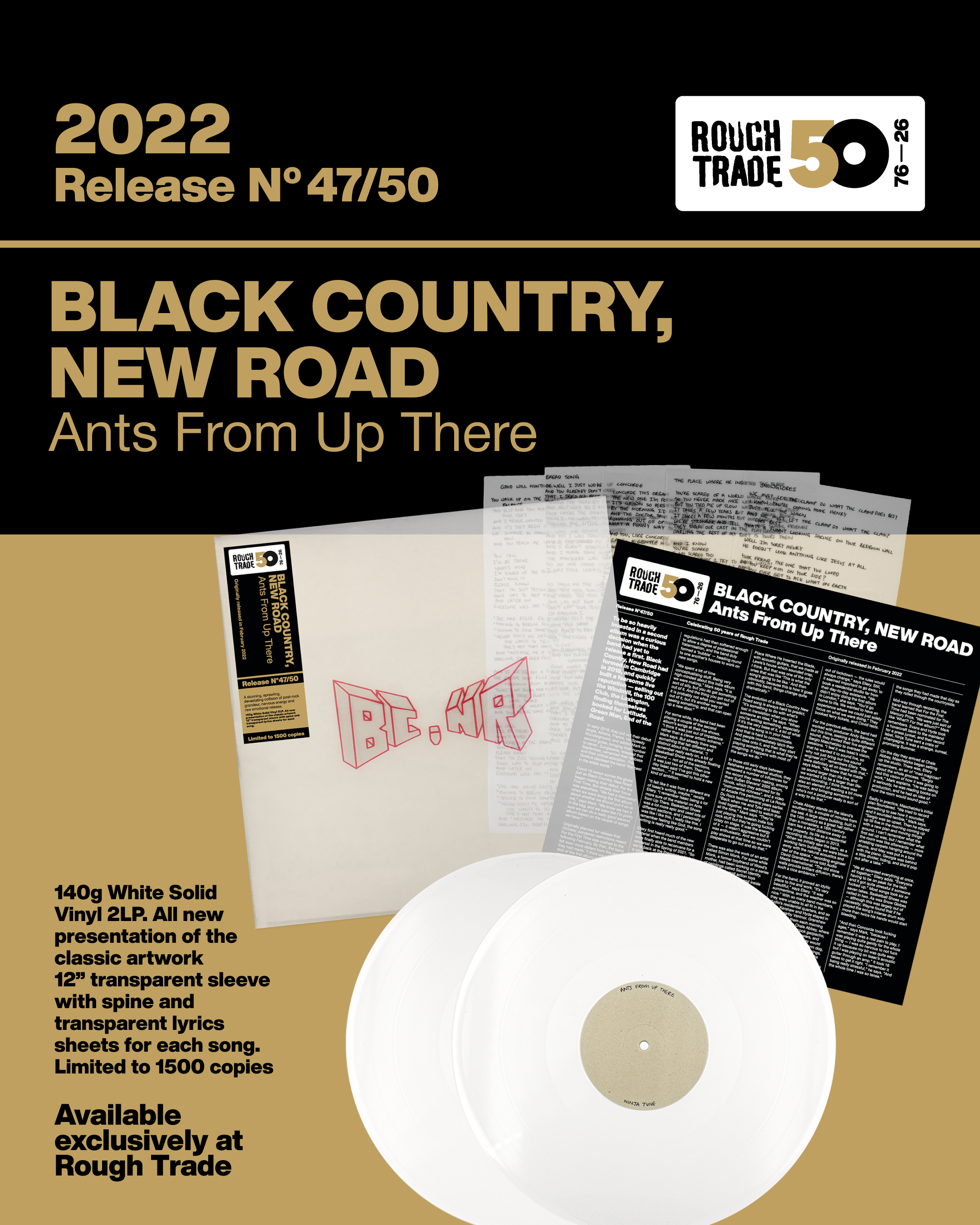
The UK grassroots network—frequently anchored around South London’s Brixton Windmill—reached its creative zenith in 2022 with Black Country, New Road’s Ants From Up There. Blending chamber-pop grandeur with Isaac Wood’s devastatingly vulnerable vocals, it emerged as one of the most powerful break-up records of the modern era, compounded by Wood’s departure from the band just days prior to its release.
In 2023, Irish folk experimentalists Lankum delivered False Lankum via Rough Trade Records. Weaving centuries of traditional folk history with heavy, industrial drone, distortion, and Radie Peat’s ancestral, haunting vocals, the quartet proved that ancient musical forms could be radically subverted into something deeply visceral and unsettling.
2024–2025: Alt-Country Humor and Britpop’s Final Act
The mid-2020s saw veteran acts and fresh songwriters claim equal footing. In 2024, MJ Lenderman’s Manning Fireworks established him as a generational alt-country songwriter, blending wry humor with sharp observations on materialism, isolation, and Catholicism.
Finally, 2025 marked an unthinkable heritage milestone: Pulp released More, their first album of original material in nearly 24 years. Jarvis Cocker’s observational lyricism proved as sharp, strange, and characterful as ever, balancing everyday absurdity with a mature, melancholic grace that brought a legendary lineage triumphantly into the present.
Supporting Context & Metrics: The Infrastructure of Discovery
The musical Renaissance of 2016–2025 was not merely a cultural phenomenon; it was anchored by a physical, retail infrastructure that stubbornly refused to yield to the digital ether. Throughout a decade where streaming algorithms increasingly homogenized listening habits, brick-and-mortar record stores functioned as community living rooms, incubators for counter-culture, and physical proof that music tastes run deeper than an algorithmic playlist.
The Brixton Windmill and the ‘Post-Brexit New Wave’
At the epicenter of London’s guitar renaissance was a modest venue in South London: Brixton Windmill. Out of its sticky-floored backroom emerged a fertile grassroots ecosystem defined by cross-pollination and radical experimentation. Bands such as Goat Girl, Shame, black midi, Squid, Jockstrap, and Black Country, New Road shared stages, band members, and a mutual contempt for commercial safety.
Often bundled under the reductive media tag ‘post-Brexit new wave,’ these artists instead forged an inclusive, highly literate community. They popularized sprechgesang—a spoken-sung vocal delivery characterized by deadpan wit and hyper-local observation—which quickly populated the indie lexicon, championed brilliantly by Yard Act and Dry Cleaning.
Global Hubs and Retail Expansion
While London’s Rough Trade East served as an international melting pot where fans, indie label executives, and touring icons crossed paths, the physical footprint of independent record retail actively expanded. Eschewing the digital-only migration of the era, Rough Trade widened its physical presence by opening flagship stores in Bristol, Liverpool, and Berlin, establishing a robust presence in Nottingham, and relocating Rough Trade NYC from its historic Brooklyn enclave to a state-of-the-art Manhattan home.
These expansions proved that the physical act of crate-digging, coupled with exclusive colored-vinyl pressings and intimate in-store performances (such as Little Simz’s career-defining 2021 Rough Trade East set), provided an irreplaceable human connection that clicks and streams simply could not replicate.
Official Statements & Industry Perspectives
The past decade reinforced the irreplaceable value of human curation in a mechanized world. Industry veterans and frontline record-store clerks alike have continually emphasized that the magic of physical retail lies in the unexpected recommendation—the moment a stranger behind a counter hands you a record you didn’t know you needed.
As captured in reflections from the frontline of music retail:
"There are few better pleasures in running a record store than seeing something genuinely exciting flourish. The venues get bigger, the crowds wilder, and the records more ambitious, but that first spark of discovery remains much the same."
This sentiment encapsulates the journey of artists like Phoebe Bridgers, Fontaines D.C., CMAT, and Geese, all of whom transitioned from intimate, under-the-radar instores to massive global stages while maintaining their foundational ties to independent music hubs.
Simultaneously, the cultural legacy of forward-thinking visionaries like SOPHIE fundamentally shifted industry perspectives. By dissolving the artificial borders between underground electronic music, avant-garde sound design, and chart-topping pop, SOPHIE and disciples like Charli XCX (with her era-defining BRAT campaign) demonstrated that world-building—uniting music, fashion, language, and community—is the ultimate currency for modern artists.
Future Outlook: The Next Fifty Years of Physical Music
As the music industry navigates the mid-2020s, the intersection of digital convenience and physical nostalgia has created a fascinating paradox. Platforms like TikTok possess the unprecedented power to resurrect decades-old tracks into global chart-toppers or launch a bedroom producer into instant stardom overnight. Yet, rather than cannibalizing physical formats, the hyper-accelerated digital sphere has catalyzed a fierce counter-movement: the enduring ascent of vinyl, cassette, and CD culture.
The realization that an album can exist infinitely in the cloud yet carry entirely unique emotional weight once it rests physically in human hands has driven younger generations back into record stores. As Rough Trade marks its milestone 50th anniversary through curated vinyl reissue campaigns like the 50 Records for 50 Years drop series, the core mission of independent music retail remains resolute.
Looking toward the horizon, the borders separating rap, electronic music, pop, and the avant-garde will continue to dissolve under the weight of an uninhibited new generation of artists. As long as record stores remain physical sanctuaries where curiosity is tangibly rewarded—where an accidental browse through the bins or a clerk’s passionate recommendation can alter a listener’s trajectory—the future of music discovery remains limitless. Fifty years after opening its doors, the crate-digging community proves that there has truly never been more music left to discover.