Executive Overview
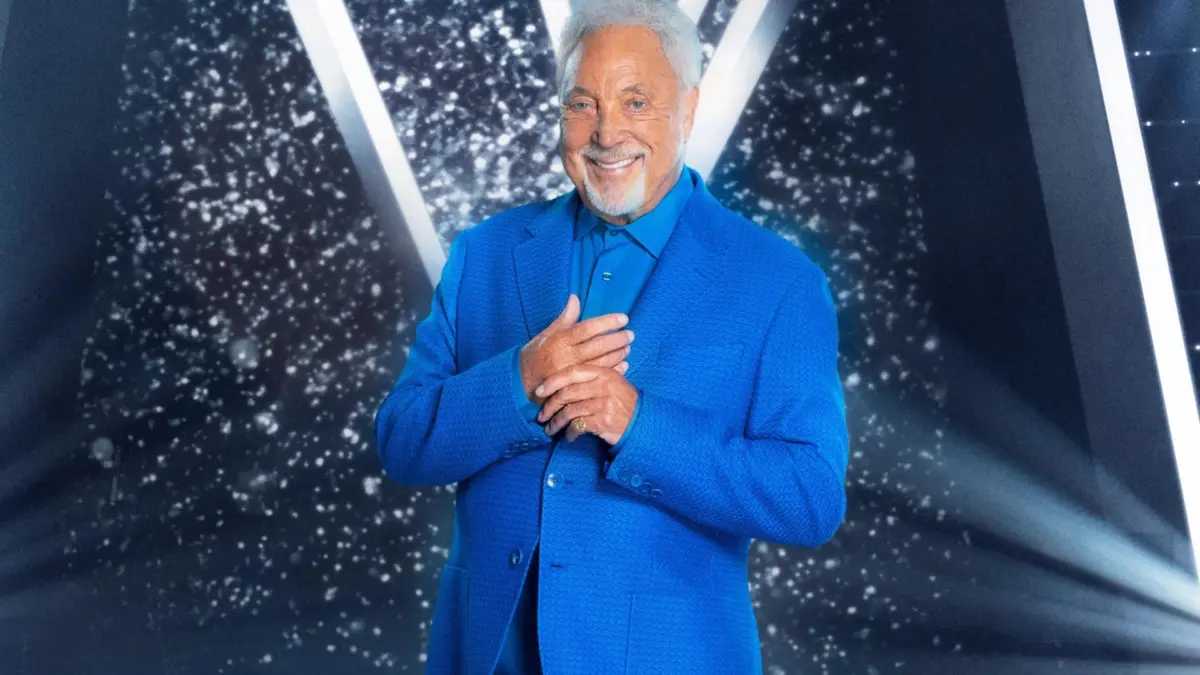
The landscape of British weekend television is set to undergo a profound transformation following the confirmation that Welsh music legend Sir Tom Jones will not return to his iconic red chair for the upcoming 15th series of ITV’s The Voice UK. The departure of the 86-year-old powerhouse marks the end of an era for a show where he has served as a defining pillar since its inception in 2012.
While network executives frame the decision as part of a routine creative "refresh" designed to introduce a brand-new coaching line-up, a starkly different narrative has emerged from the artist himself. Sir Tom has publicly revealed that the decision was driven primarily by financial complications surrounding insurance policies, coupled with a late-stage demotion offer that he has firmly rebuffed.
This unexpected parting of ways raises critical questions about ageism in modern broadcasting, the escalating financial and operational pressures facing long-running reality TV formats, and how a program can successfully pivot when losing its most seasoned and universally respected anchor. As Sir Tom’s final season currently captivates audiences on ITV—highlighted by emotionally charged performances that have reduced fellow coaches to tears—the industry is left to evaluate the immense void his departure will leave behind.
Detailed Chronology of the Departure
The events leading up to Sir Tom Jones’s departure unfolded rapidly, catching both the entertainment industry and the legendary singer’s loyal fanbase off guard.
The Initial Announcement
Earlier this week, ITV released a carefully worded statement attempting to soften the blow of the structural changes ahead. An official network spokesperson declared: "We have loved working with Sir Tom Jones over the past nine years on The Voice UK. While he will no longer be a full-time coach on series 15, we continue to talk to Sir Tom and his team about his involvement in the next series."
To the casual observer, the statement suggested an amicable transition or a potential reduction in duties tailored to the veteran performer’s legendary status and heavy touring schedule. However, this corporate diplomacy masked a much sharper reality behind the scenes.
The Artist’s Response and Behind-the-Scenes Realities
Sir Tom took to social media to address the rumors and clear the air regarding the nature of his exit. Stripping away the PR gloss, the "It’s Not Unusual" singer revealed that the decision had actually been finalized by the broadcaster some time ago, yet he was only informed of his fate relatively late in the day.
According to Sir Tom, the initial rationale provided by production was financial rather than creative. "The reason given is because of a financial difficulty with insurance," Jones explained, pointing to the stringent and increasingly costly underwriting requirements associated with insuring aging performers on demanding television schedules.
However, as public relations strategies shifted, the narrative evolved. Jones noted that the network subsequently adopted a "refresh" rationale for the press, arguing that a new coaching line-up left no room for his traditional red chair.
The Reduced Role Offer
Rather than being shown the door entirely without recourse, Jones was reportedly approached with a scaled-down proposal. ITV offered him a cameo-style, reduced role that would involve sporadic appearances rather than full-time participation from the blind auditions onward.
Sir Tom made no secret of his disdain for the proposal, stating bluntly: "They are offering a much-reduced role where I would make an appearance but without being actually involved from the start, and I’m not thrilled about that."
Concluding his statement with characteristic wit and unvarnished honesty, the music icon summarized the situation: "So the only thing I know right now is that there’s never a good time to fire an 86-year-old who’s still pretty good at his job."
Supporting Context & Metrics: Sir Tom’s Historic Tenure on The Voice UK
To understand the magnitude of Sir Tom Jones’s departure, one must examine his monumental contributions to The Voice UK over more than a decade. His association with the franchise is nearly as old as the format itself in the United Kingdom.
A Foundational Pillar
When The Voice UK premiered on BBC One in 2012, it launched with a coaching panel featuring Sir Tom alongside will.i.am, Jessie J, and Danny O’Donoghue. While other original coaches cycled through the revolving doors of the BBC and later ITV eras, Sir Tom remained a steadfast anchor of stability, artistic authority, and timeless credibility.
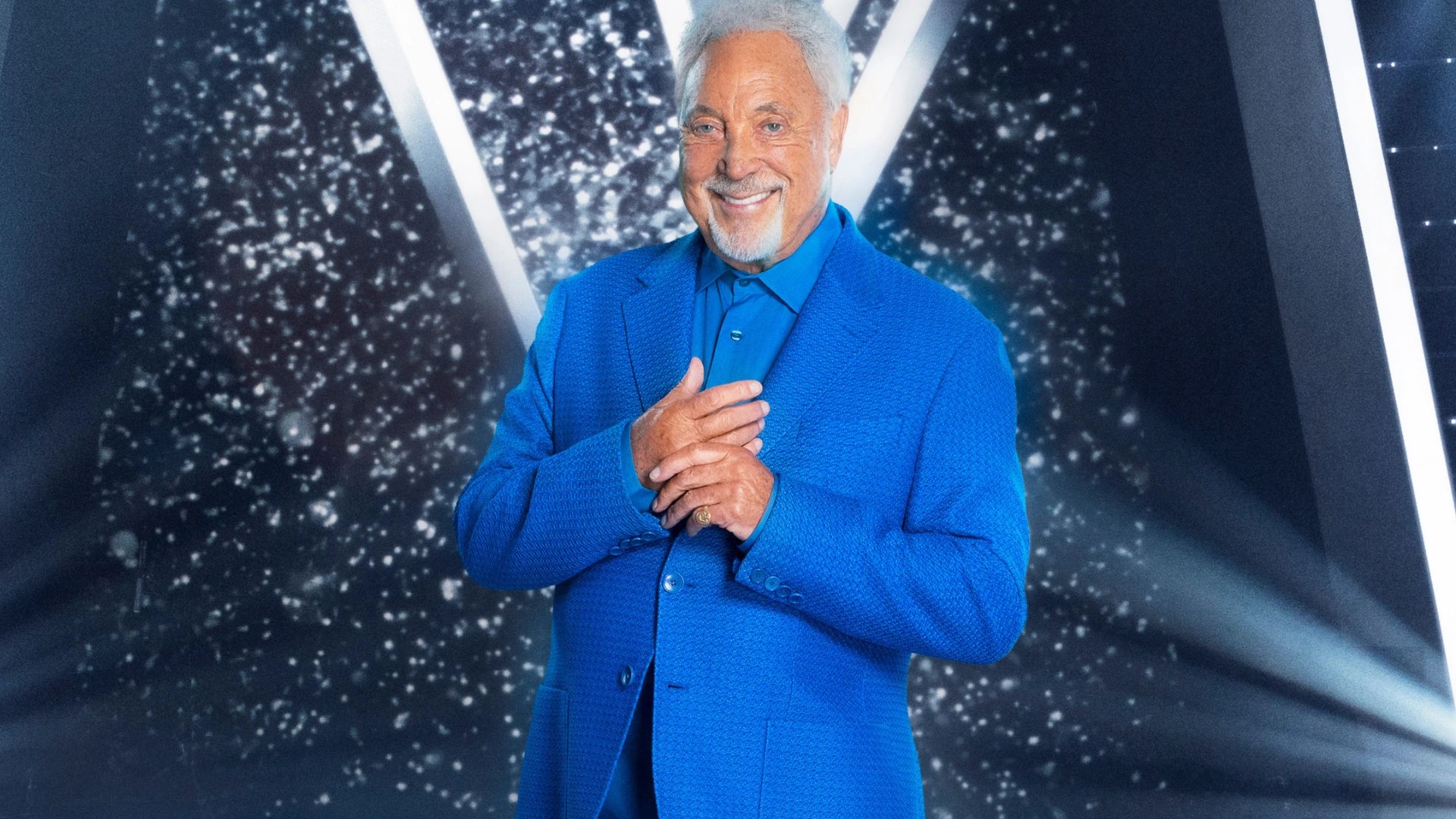
Across his nine years on the program—spanning its move from the BBC to ITV in 2017—Jones sat out only a single season (2016), making his presence synonymous with the psychological architecture of the show. For millions of viewers, the sight of the Welsh crooner hitting his red buzzer, leaning back in deep contemplation, or sharing invaluable wisdom gleaned from six decades in the global music industry became the gold standard of reality TV coaching.
Mentorship and Memorable Victories
Sir Tom was never merely a passive celebrity judge; he was an active, deeply invested mentor who took multiple contestants all the way to the crown. His victories on the show proved that his musical intuition and cross-generational appeal resonated powerfully with the British public.
Furthermore, his current final season on ITV has provided a masterclass in emotional television. In a recent, highly publicized episode, Jones delivered a spellbinding rendition of Leonard Cohen’s "Tower of Song." The performance not only showcased his undiminished vocal prowess at age 86 but also visibly moved his fellow coaches—McFly stars Tom Fletcher and Danny Jones, international pop star Kelly Rowland, and long-time cohort will.i.am—to tears. It stands as a poignant reminder of why his presence on the panel has been irreplaceable.
Official Statements and Industry Reactions
The fallout from the announcement has triggered widespread debate across the British media landscape regarding ageism in television, the economics of primetime broadcasting, and the shifting demographics of reality TV panels.
ITV’s Official Stance
ITV maintains that the overhaul of The Voice UK panel is necessary to keep the format fresh and engaging for audiences heading into its milestone 15th series. By attempting to rebrand the coaching shake-up as a creative evolution, the network hopes to mitigate viewer backlash.
However, industry analysts note that the network’s dual messaging—initially citing insurance and financial hurdles before pivoting to creative refreshment—has left them vulnerable to criticism regarding how they treat veteran talent who have carried their schedules for years.
Industry and Fan Outcry
Fans and cultural commentators have rallied swiftly behind Sir Tom. Social media platforms have been flooded with tributes and expressions of outrage over the manner of his exit. Many have echoed Jones’s sentiment regarding ageism in the entertainment industry, pointing out that an artist capable of commanding arenas and delivering world-class vocal performances on live television should not be sidelined due to arbitrary bureaucratic or financial calculations.
Media commentators have also questioned the wisdom of alienating a core demographic of older viewers who tuned in specifically to watch Sir Tom’s interactions, critiques, and rich historical anecdotes from the golden age of pop and rock music.
Future Outlook: What’s Next for The Voice UK and Sir Tom Jones?
As The Voice UK prepares for a transitional era, the program faces significant strategic hurdles, while Sir Tom Jones continues an illustrious career that shows no signs of slowing down.
The Future of The Voice UK
The production team behind Series 15 faces an uphill battle in filling the legendary space left by Sir Tom. The current coaching line-up—featuring will.i.am, Kelly Rowland, and Tom Fletcher & Danny Jones—already represents a diverse and contemporary mix of musical backgrounds. However, finding a replacement who commands the same level of universal cross-generational respect, institutional memory, and artistic gravitas as Sir Tom will be a formidable task.
Producers must decide whether to lean further into contemporary pop culture or seek another legacy artist who can match Jones’s authority. Either way, the dynamic of the red chairs will be fundamentally altered.
Sir Tom Jones’s Unstoppable Career
For Sir Tom Jones, the conclusion of his chapter on The Voice UK opens up greater freedom to focus on what he has always done best: recording and performing live music. With a touring schedule that continues to span the globe and critical acclaim greeting his recent musical output, Jones remains a vibrant, working force in contemporary music.
While television executives may calculate risk through the narrow lens of insurance premiums and demographic refreshes, Sir Tom Jones’s enduring legacy reminds the industry that true talent, authenticity, and artistic vitality transcend age brackets and spreadsheet calculations. As his final season reaches its dramatic climax on ITV, viewers are given one last chance to witness a true titan of British music doing what he was born to do: command the stage and inspire the next generation.