Executive Overview
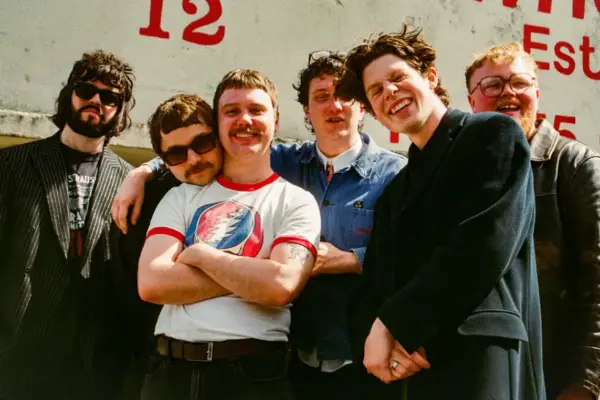
Few bands have captured the existential chill and architectural alienation of the twenty-first-century metropolis quite like Interpol. Emerging from the pulsating, caffeine-fueled crucible of early-2000s New York City—an era retroactively branded as indie sleaze—the Manhattan-formed quartet arrived draped in sharp bespoke suits, delivering driving, atmospheric rock cut through with an unmistakable disaffected cool. Painting an ashen, shadowy portrait of a post-9/11 Manhattan, Interpol blended stark, interlocking guitars with brooding, cinematic atmospheres.
While critics have frequently drawn lines of lineage back to Manchester’s post-punk pioneers Joy Division, cementing Interpol’s status as torchbearers of the post-punk revival, their sophisticated melodic hooks and polished theatrical grandeur anchor them just as comfortably within alternative and indie rock traditions. Yet, irrespective of genre taxonomy, human beings have always sought out the catharsis of melancholy music—and across more than two decades, few acts have weaponized heartbreak, shadows, and elegance quite like Interpol.
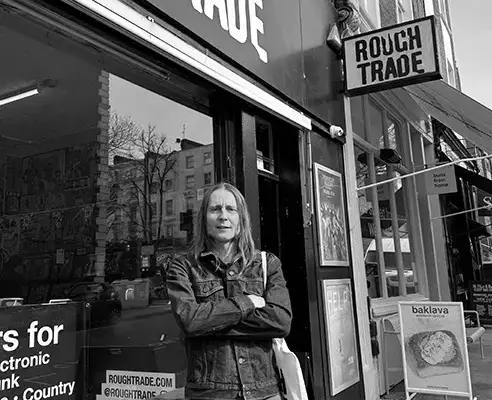
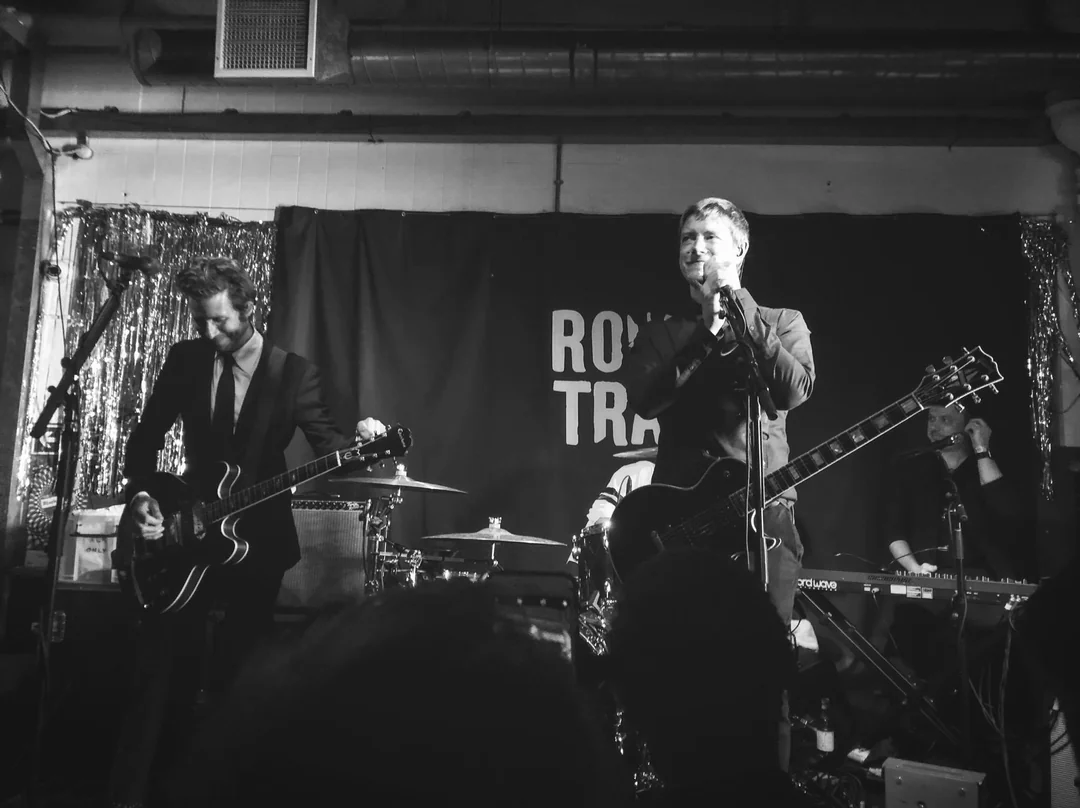
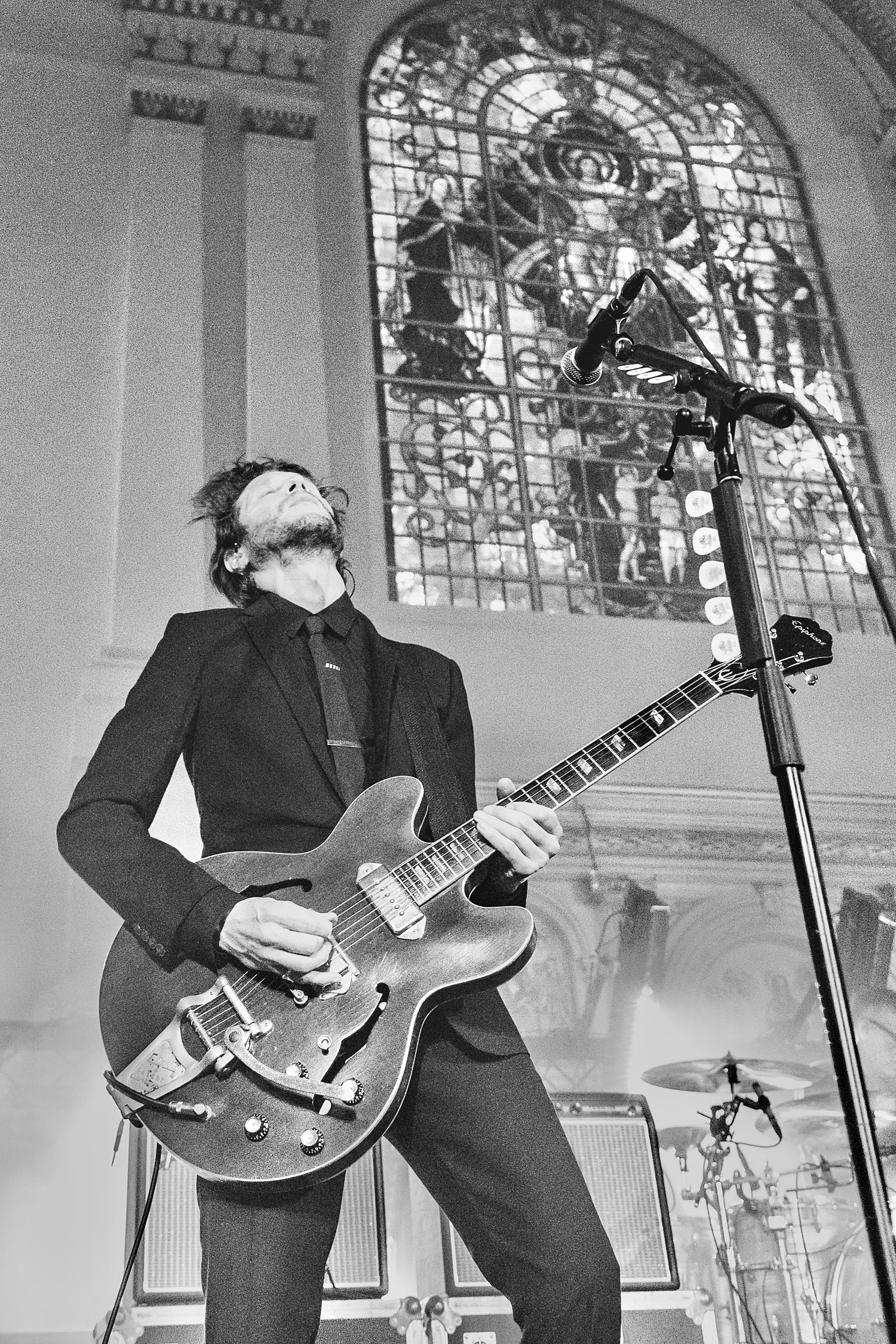
At Rough Trade, our relationship with the band runs deep. It began with Turn On the Bright Lights, a foundational Rough Trade Essential and a perennial favorite among our staff. Over the years, that affinity has materialized in unforgettable live settings: from hosting the band at Rough Trade East in 2018 for an intimate, sell-out in-store performance ahead of their sixth album, to an atmospheric out-store presentation at Hackney Church in July 2022 to celebrate The Other Side of Make-Believe.
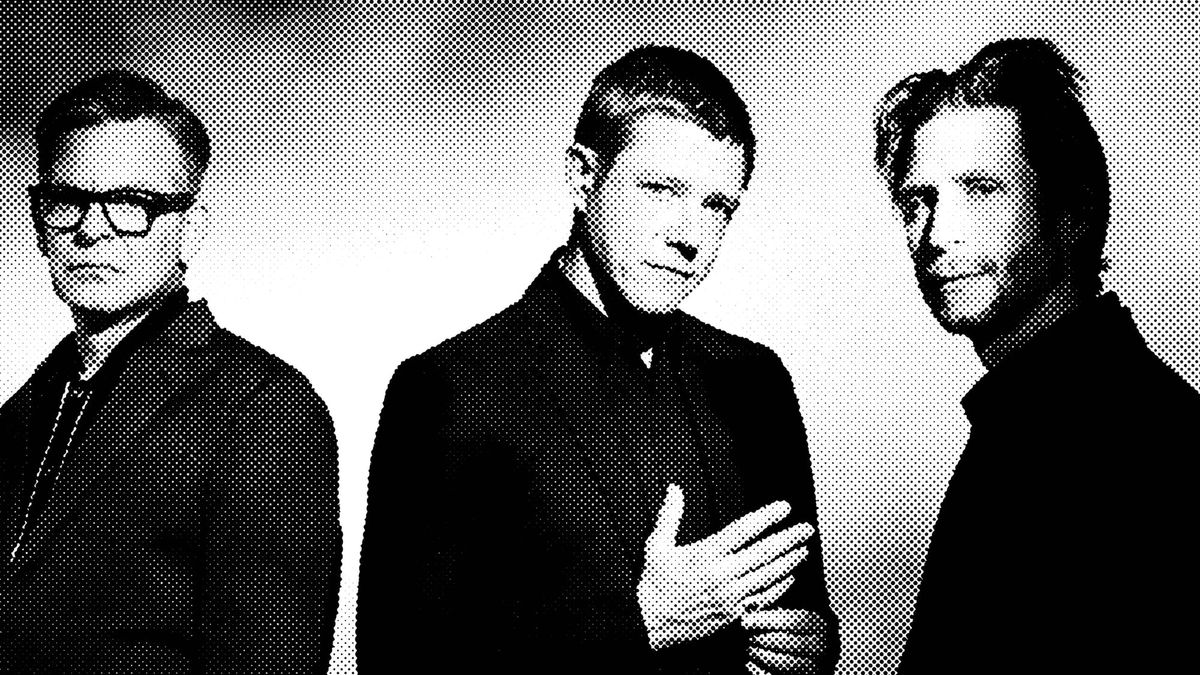
With the arrival of their eighth studio album, This Mirror Weighs a Ton, the band’s sonic footprint continues to expand. While we are deliberately giving this new record room to breathe, live, and find its place in the cultural ecosystem before cementing its ranking, we turned to Matt Baghurst, manager of Rough Trade Denmark Street, to evaluate the band’s storied catalog. Having first fallen under their spell watching the NYC legends command The Other Stage at Glastonbury in 2014, Baghurst undertakes the definitive task of ranking Interpol’s immaculate gloom from great to greatest.
Detailed Chronology: The Complete Album Rankings
7. Interpol (2010)
Kicking off the ranking is Interpol’s self-titled fourth LP, released in 2010. While the record features undeniable highlights—most notably the subterranean pulse of Lights and the surging, energetic drive of Barricade, which stands as a career highlight—it became increasingly apparent that a decade of relentless writing and touring had taken its toll on the band’s creative engine.
The lyrical themes on Interpol frequently reflect the physical and mental exhaustion surrounding its creation. Internal friction and production struggles manifested as a noticeable drift in core songwriting identity. However, retrospective evaluation reveals that subsequent releases have provided this record with valuable sonic context. With the passage of time, Interpol has aged remarkably well, standing as a fascinating historical document of a band navigating a transitional crossroads.
- Key Track: Summer Well
6. The Other Side of Make-Believe (2022)
Stepping into a decidedly more cinematic, deliberate, and patient territory, 2022’s The Other Side of Make-Believe lowered the tempo without sacrificing emotional weight. Tracks like Toni, Gran Hotel, and Something Changed underscore the band’s unwavering commitment to sonic evolution, capturing an atmosphere that feels entirely earned. The record preserves the signature moodiness woven into Interpol’s genetic code while attempting to process a fractured global landscape defined by pandemic isolation and collective anxiety.
As an enriching postscript, the companion remix project for this album proved exceptional, featuring contributions from avant-garde and electronic luminaries such as Jeff Parker, Water From Your Eyes, and Daniel Avery, each reinterpreting the source material through their distinct sonic lenses.
- Key Track: Toni
5. Our Love to Admire (2007)
Placing this major-label debut for Capitol Records slightly lower than conventional wisdom might suggest often sparks debate, but it is a placement rooted in historical trajectory. Despite featuring undeniable fan favorites and radio staples like No I In Threesome and The Heinrich Manoeuvre, Our Love to Admire contained early indicators of a hardening sonic rigidity. This reluctance to pivot or flex would ultimately culminate in the creative gridlock of their subsequent self-titled release.
Calling this a bad album would be entirely inaccurate; it is a grand, sweeping piece of work. Within its runtime lie some of Paul Banks’s most exhilarating vocal performances—notably his breathless, staccato delivery on Pace Is the Trick. Yet, within the overarching narrative of the band’s discography, it sits as a transitional bridge rather than a destination.
- Key Track: Rest My Chemistry
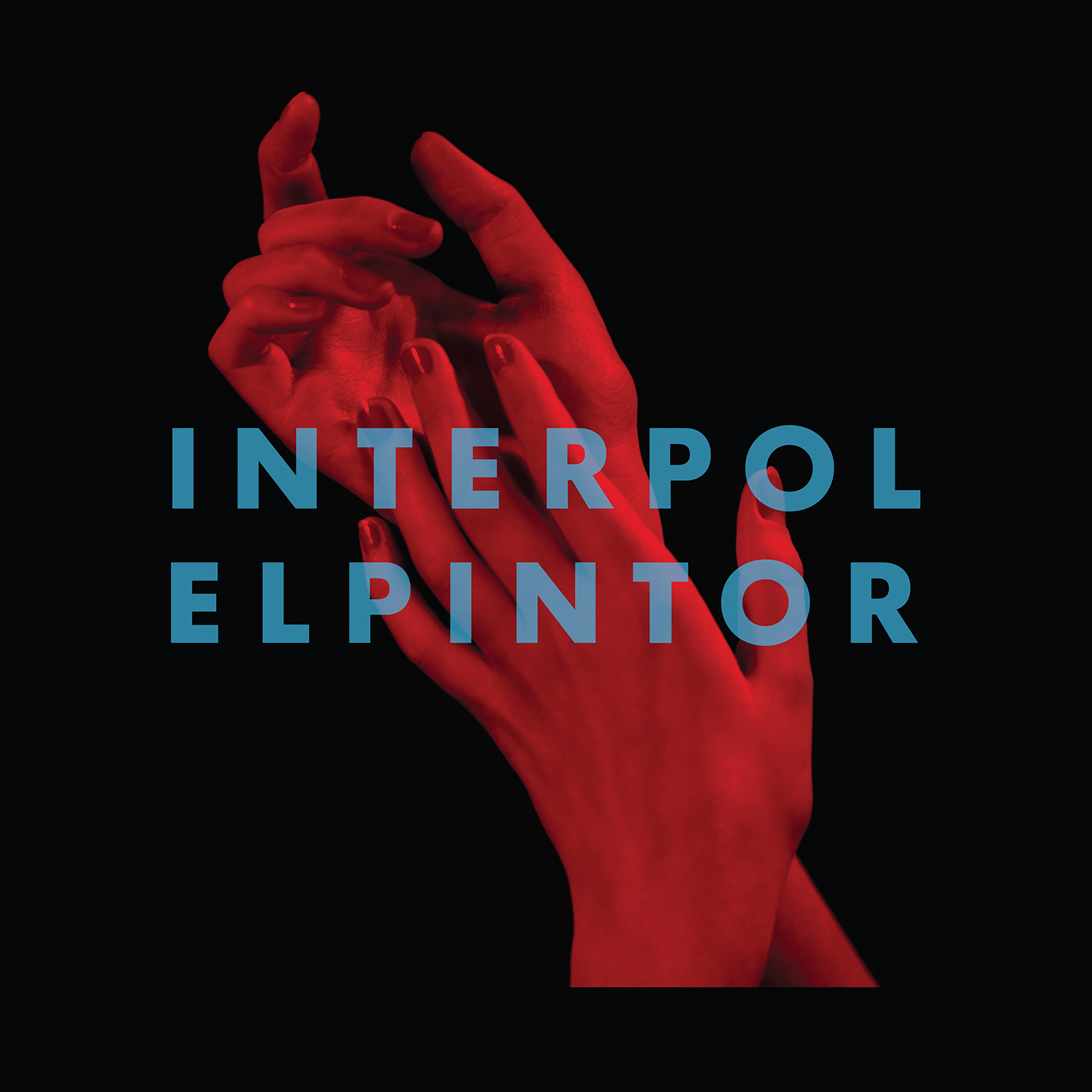
4. El Pintor (2014)
The backstory of El Pintor is crucial to understanding its triumph. Prior to its creation, Interpol had entered a profound sonic rut. Furthermore, the departure of foundational bassist Carlos Dengler—whose melodic, counter-melodic basslines were central to the band’s core identity—left Paul Banks, Daniel Kessler, and Sam Fogarino facing an existential crossroads.
Opting not to hire an external replacement, Paul Banks stepped up to handle bass duties. This structural pivot injected an electric, visceral energy into the creative process. The resulting songs sounded leaner, more direct, and possessed an undeniable rhythmic groove. El Pintor ranks ahead of Our Love to Admire because its success was a matter of survival; without this triumphant reinvention, the modern iteration of Interpol might simply not exist.
- Key Track: Anywhere
3. Marauder (2018)
Marauder stands as a masterclass in modern rock craftsmanship and arguably ranks as one of Interpol’s most cohesive, fully realized statements. Cuts like The Rover and If You Really Love Nothing are dark, urgent, and crackle with the haunting intensity reminiscent of classic cuts like Not Even Jail and Stella Was a Diver and She Always Knew.
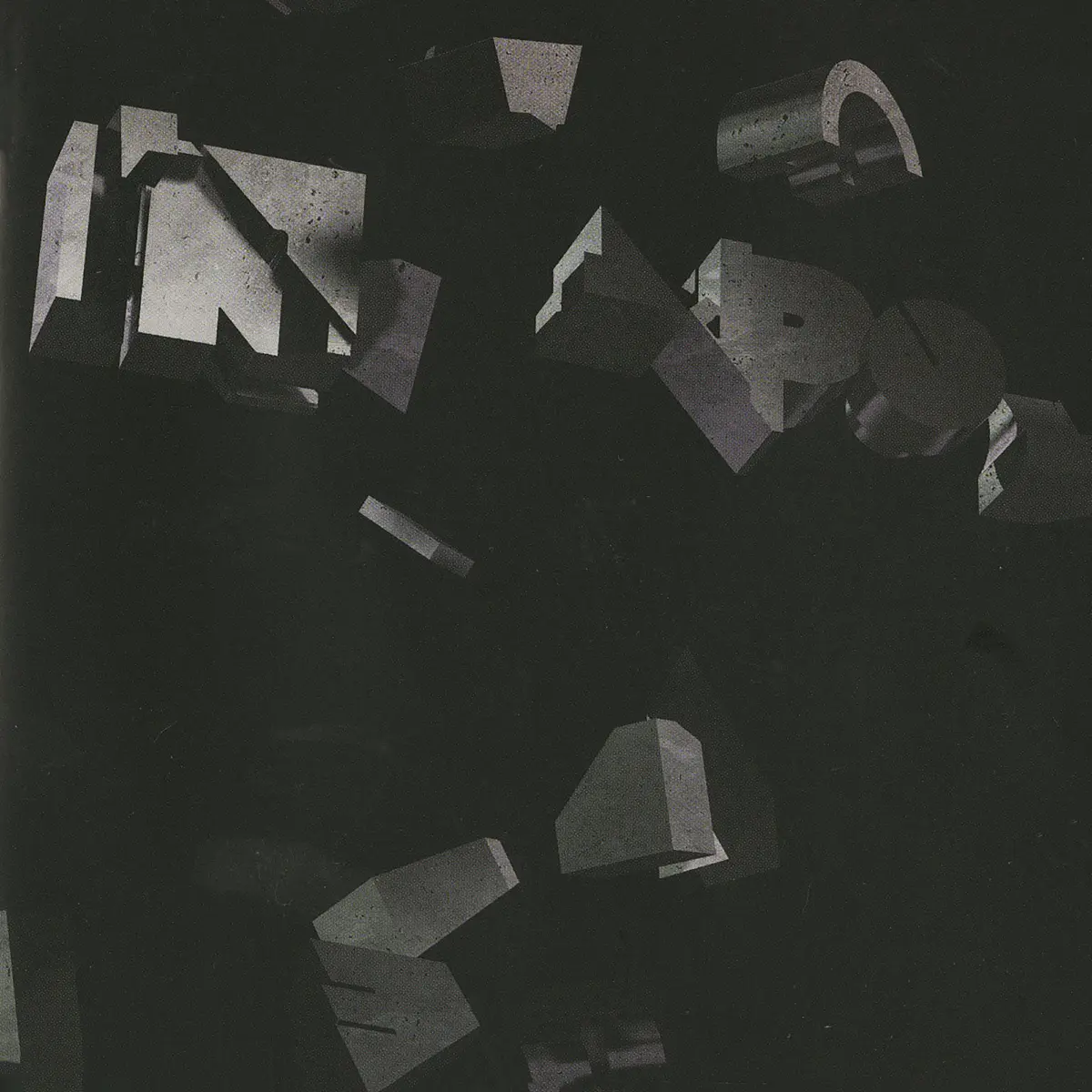
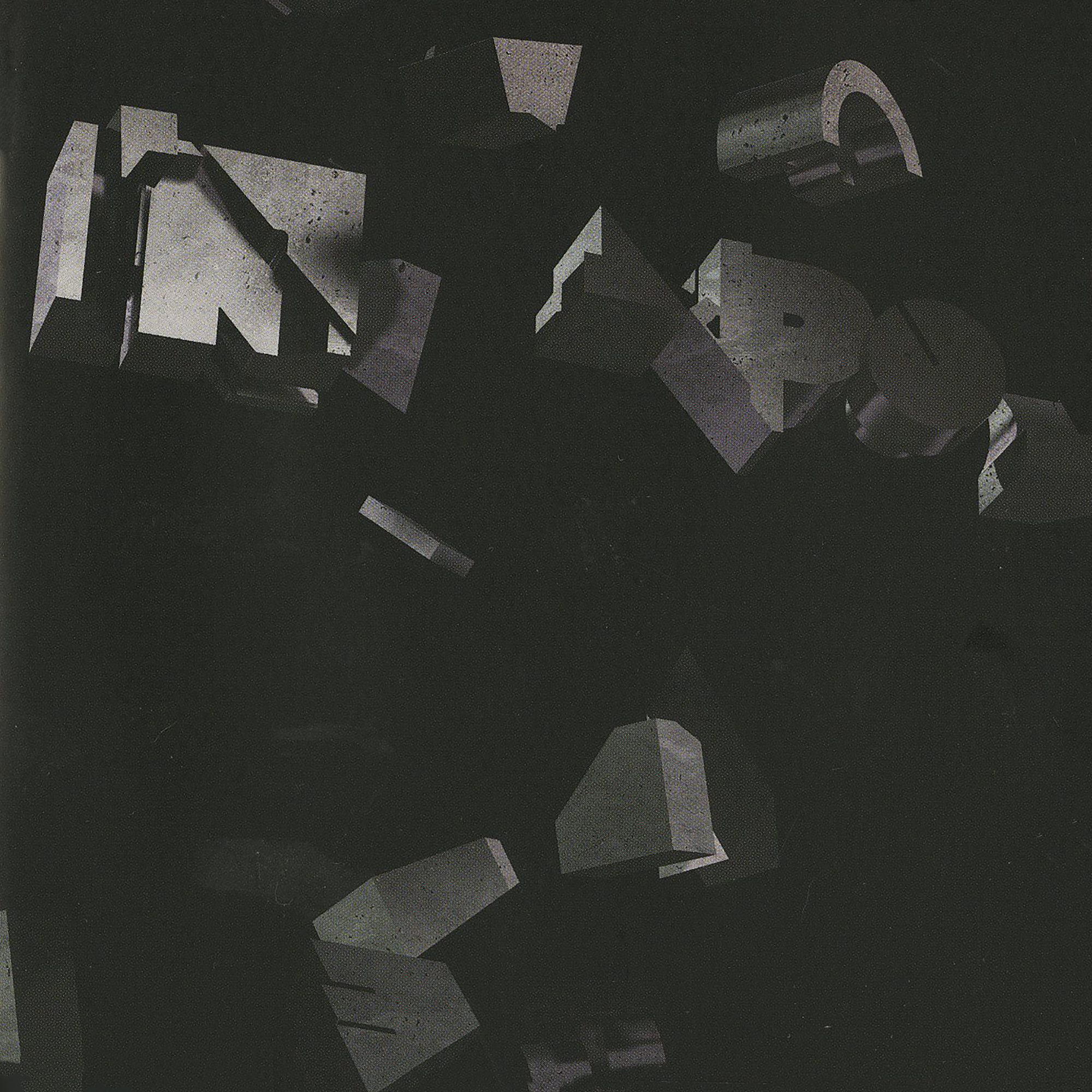
In many ways, Marauder is the closest spiritual cousin to the band’s untouchable first two records. The stark, unfiltered album artwork establishes an uncompromising tone, while the lyricism operates as an unsparing interrogation of self-sabotaging behavior. Featuring raw, abrasive production that leaves listeners no room to hide during its heaviest moments, Marauder captured a revitalized band operating at the absolute peak of their powers.
- Key Track: Stay In Touch
2. Antics (2004)
When a buzz-worthy band announces a rapid-fire follow-up to a landmark debut, skepticism is an industry default. Great art typically demands time, space, and gestation. Yet, defying all conventions, Interpol returned just two years after their debut with an album that actively rivaled its predecessor in songwriting, lyrical depth, and the telepathic interplay between guitars and bass.

Antics falls into the number two spot solely because its older sibling is widely considered a generational masterpiece. Tracks like Slow Hands, C’mere, and Evil remain permanent fixtures of Interpol’s live shows for good reason: they are high-voltage anthems that inject explosive momentum into their setlists when sequenced alongside their darker, moodier material.
- Key Track: Evil
1. Turn On the Bright Lights (2002)
No surprises here. It is virtually impossible to add anything novel to the mountainous critical praise already heaped upon Turn On the Bright Lights. Picture four young men in New York City wearing their post-punk and indie influences openly, sharpening their craft in sweaty rehearsal spaces while future luminaries like the Yeah Yeah Yeahs, The National, and The Strokes rehearsed in the rooms next door.
For Matt Baghurst and millions of fans worldwide, this remains one of the most culturally significant and influential albums of the twenty-first century. From the iconic, trembling opening riff of Obstacle 1 and the cathartic outro of PDA to the emotional dynamism of The New, Turn On the Bright Lights represents the primal spark of why people start bands. Sometimes, lightning strikes, the chemistry aligns with absolute perfection, and an album emerges that defines an entire era. This is that album.

- Key Track: Obstacle 1
Supporting Context & Metrics: The New York Underground
To contextualize Interpol’s enduring relevance, one must examine the socio-cultural topography of New York City at the turn of the millennium. The post-9/11 psychological landscape was one of shock, introspection, and urban claustrophobia. While commercial pop and mainstream rock chased slick radio formats, the underground rehearsal spaces of Brooklyn and Manhattan cultivated a counter-aesthetic.
Data from indie retail partners like Rough Trade illustrates that catalog longevity for artists like Interpol vastly outpaces their contemporary streaming-first peers. Physical media sales—particularly vinyl reissues of Turn On the Bright Lights and Antics—maintain consistent year-on-year growth, proving that the tactile, visual, and sonic world-building constructed by the band continues to recruit new generations of disaffected youth. Furthermore, demographic metrics from their 2022 and 2018 live engagements demonstrate an unusually broad generational spread: aging millennials who purchased the original pressings stand shoulder-to-shoulder with Gen Z music fans discovering post-punk through digital rabbit holes.
Official Statements & Collaborations: Interpol x OBEY
In tandem with the roll-out of their eighth studio album, This Mirror Weighs a Ton, Interpol has expanded their creative horizons beyond the audio spectrum. Demonstrating their long-standing relationship with visual culture, the band partnered with streetwear and contemporary art powerhouse OBEY to release an exclusive capsule collection.
Available exclusively through Rough Trade, the collaboration features a limited-edition heavyweight cotton tote bag showcasing custom artwork designed by OBEY founder and street-art icon Shepard Fairey. The partnership underscores Interpol’s persistent aesthetic continuity—uniting high-contrast monochromatic design with the same stark, urban grit that has defined their visual identity since 2002.
Future Outlook
As Interpol enters its third decade of existence, the trajectory of the band serves as a masterclass in longevity within an unforgiving industry. Many of their early-2000s peers have long since dissolved, splintered, or drifted into irrelevance. Interpol, however, has sustained momentum through rigorous self-assessment, structural adaptability—such as Paul Banks’s successful transition to bass duties post-Carlos Dengler—and an unwavering commitment to their core atmospheric identity.
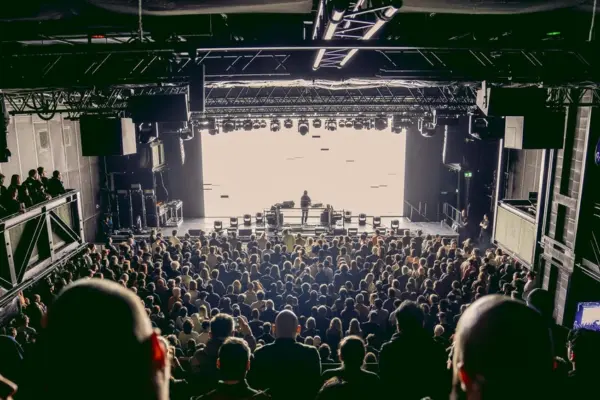
While This Mirror Weighs a Ton settles into the global consciousness, the band continues to tour internationally, proving that the appetite for sophisticated, impeccably tailored gloom has not diminished. Whether experienced through the crackle of a vintage vinyl pressing of Turn On the Bright Lights or in the cavernous acoustics of a sold-out church venue, Interpol remains a vital pillar of alternative music history—and a testament to the enduring power of a great guitar riff and a heavy heart.