In an era dominated by algorithmic homogenization, hyper-targeted pop charting, and the creeping homogeneity of generative AI, contemporary music culture continues to harbor a vital, disruptive counter-current. This movement belongs entirely to the architects of the uncanny—those elusive, masked, and myth-building artists who operate as though they have touched down from another dimension with a singular mandate: to fracture the baseline assumptions of rock, electronic, and avant-garde composition.
From the unexpected 2026 breakout of French-Canadian math-rock microtonal disruptors Angine de Poitrine to the enduring, liminal comfort of Boards of Canada, the modern listening public exhibits a ravenous appetite for mystery. Far from mere gimmickry, anonymity and elaborate world-building serve as protective shields for profound authenticity. By obscuring human identities behind polka-dotted suits, ghillie masks, and alien tongues, these creators force an absolute surrender to the music itself.
This deep-dive investigation explores the pantheon of otherworldly sonic architects—spanning decades of free jazz, electronic experimentation, and ethereal dream pop—to decode the mechanics of cult appeal. We examine how artists like Sun Ra, Aphex Twin, Björk, Arca, Yves Tumor, and Cocteau Twins constructed immersive alternative realities, and how a new vanguard of 2026 subversives are continuing to redraw the outer limits of human imagination.
Detailed Chronology: The Evolution of the Extraterrestrial Aesthetic
The lineage of otherworldly musicianship does not follow a linear path of commercial radio milestones; rather, it charts a parallel timeline of conceptual breakthroughs, radical reinventions, and institutional rejections.
[1950s] Sun Ra establishes the cosmic blueprint of Afrofuturism
   │
[1980s-90s] The Residents, Cocteau Twins, and Aphex Twin pioneer anonymity & glossolalia
   │
[1990s-2000s] Boards of Canada and Daft Punk cement hauntology and machine-human hybrids
   │
[2010s] Grimes and Arca merge cyber-futurism with gender-fluid mutation
   │
[2026] Angine de Poitrine and a new generation redefine cult appeal in the post-AI landscape
The Mid-20th Century: The Cosmic Awakening
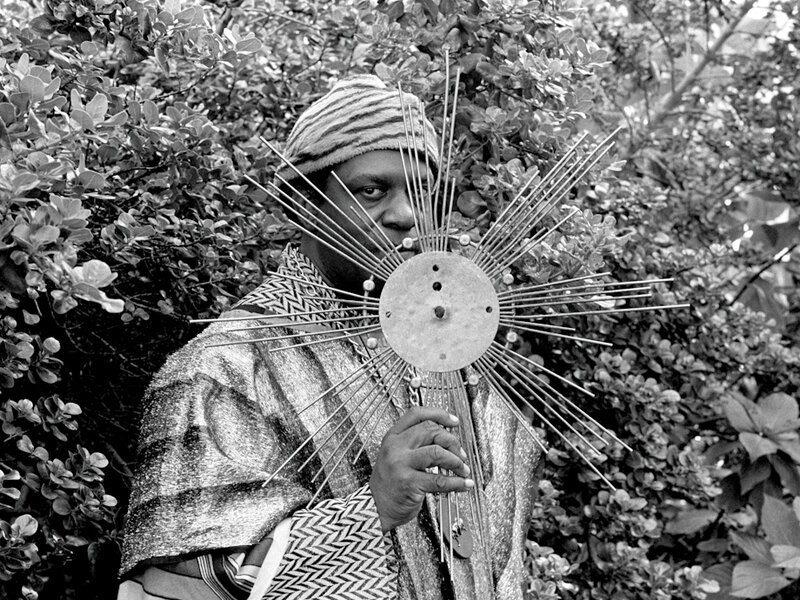
The Sun Ra Arkestra (1950s onward): Herman Poole Blount abandoned his earthly identity to become Sun Ra, merging big-band jazz, avant-garde instrumentation, and ancient Egyptian mythology. By declaring "Space is the Place," he laid the definitive cornerstone for Afrofuturism, establishing that music could serve as a vehicle for cosmic relocation.
The Turn Toward Obscurity: Late 20th Century
The Residents and Cocteau Twins (1980s): While San Francisco’s anonymous collective The Residents hid behind giant eyeball masks to satirize American pop culture, Scotland’s Cocteau Twins pioneered an entirely different form of otherworldliness. Elizabeth Fraser’s glossolalic vocals—composed of non-lexical sounds, emotional gasps, and untranslatable syllables—transformed dream pop into an emotional canvas where listeners projected their own internal mythologies.
Aphex Twin and Daft Punk (1990s): Richard D. James warped IDM and ambient soundscapes with distorted self-portraits and cryptic electronic transmissions, cementing the trope of the genius recluse. Simultaneously, Paris duo Daft Punk strapped on robot helmets, systematically trading their human faces for a permanent, synthesized future.
The Cyber-Futurist Turn: 2010s
Grimes & Arca: Claire Boucher (Grimes) built a personalized artistic mythology merging internet culture, witch-house, and high-concept sci-fi. Meanwhile, Venezuelan-born Arca introduced a visceral, metallic mutation to electronic production. Her transformative five-part KiCk cycle traced a spiritual and physical journey of transition, kicking against oppression and redefining avant-garde pop.
The 2026 Paradigm Shift: The Rise of Angine de Poitrine
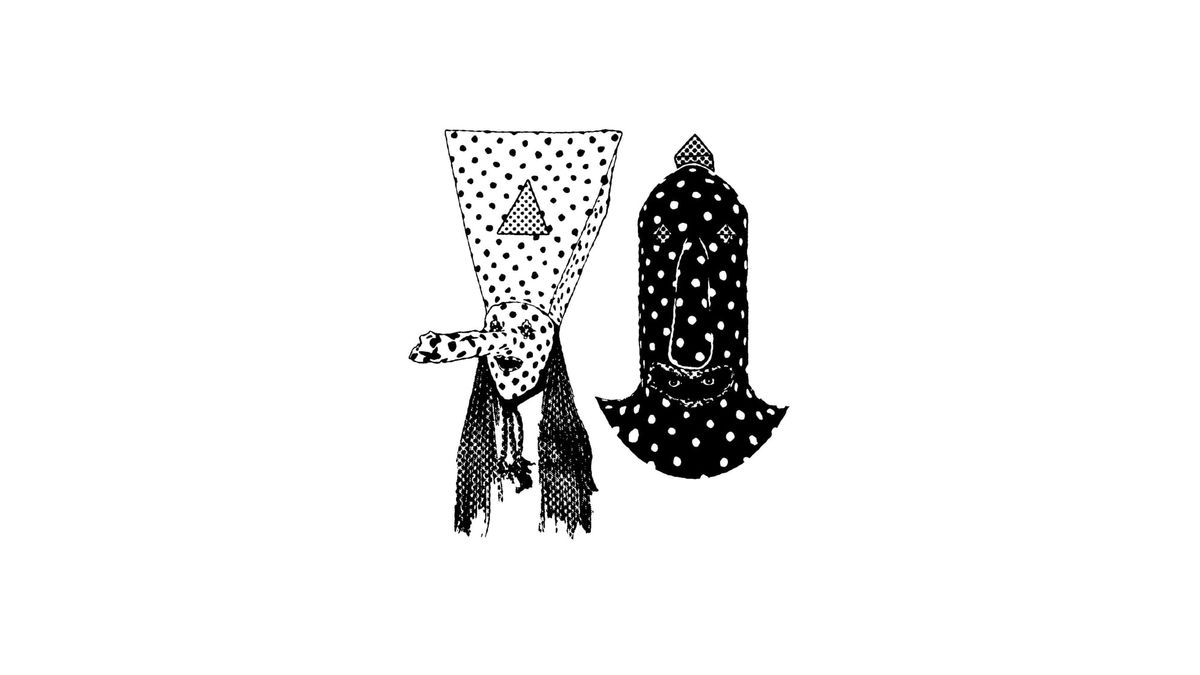
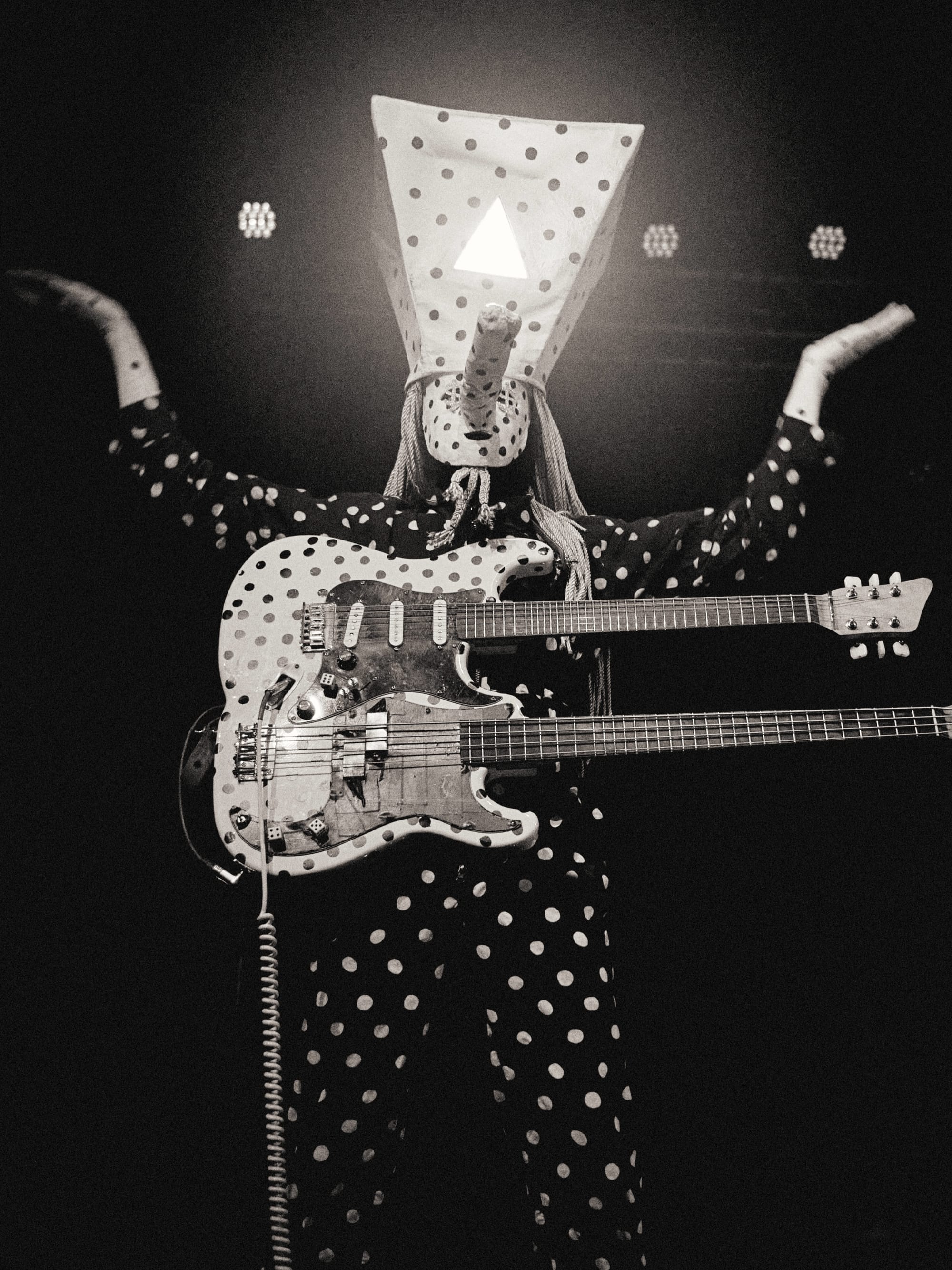
Angine de Poitrine (2024–2026): Operating out of a hybrid math-rock and microtonal dimension, this French-Canadian duo achieved viral ubiquity during their 2026 KEXP performance. Dressed in DIY monochromatic, polka-dotted garments and performing on modified hybrid instruments while conversing exclusively in an alien tongue, they have rapidly emerged as the quintessential sonic cult of the mid-2020s.
Supporting Context & Metrics: The Architecture of Cult Lore
What distinguishes a mainstream pop act from a generational cult phenomenon is not merely sales figures, but the depth of engagement, psychological immersion, and community archaeology fostered around the music.
The Hauntological Resonance of Boards of Canada
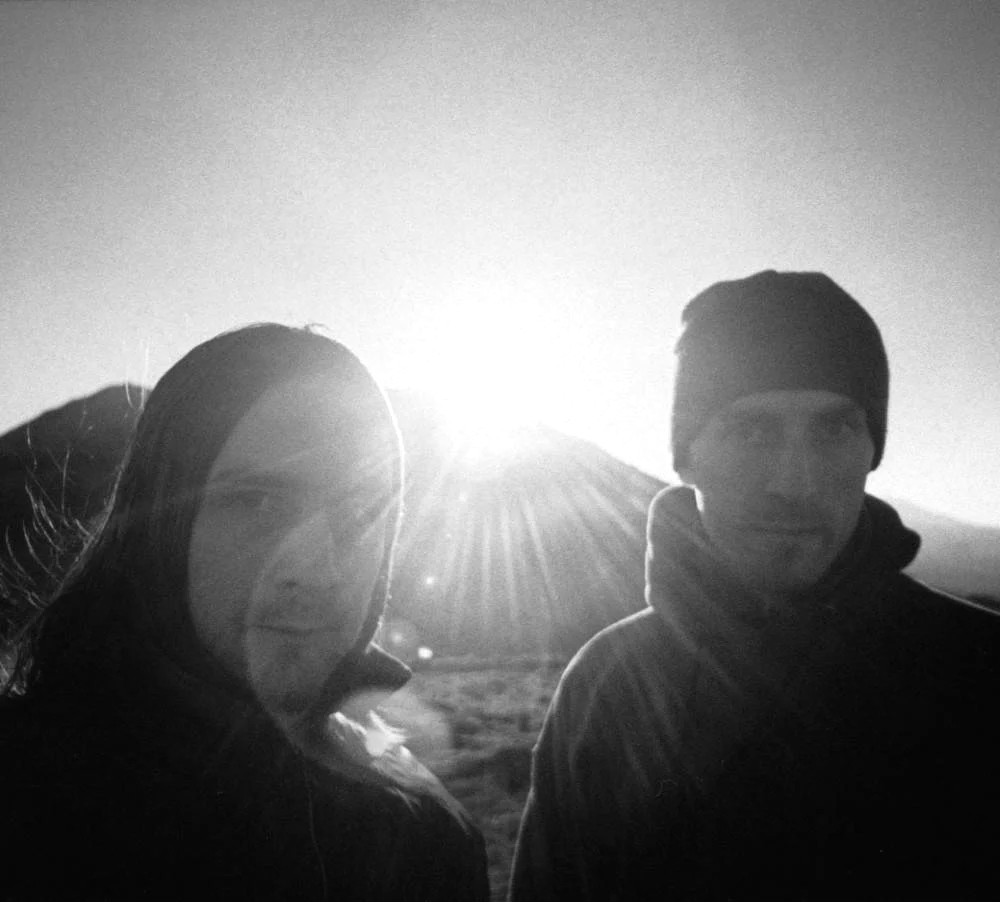
The enduring obsession with Boards of Canada is fueled not by relentless touring or social media saturation, but by silence, scarcity, and deeply unsettling nostalgia. Utilizing analog warmth, heavy tape saturation, and audio snippets scavenged from old VHS tapes, public service broadcasting, and children’s educational television, the Scottish electronic duo operate within the realm of hauntology.
This cultural aesthetic—exploring the ghosts of lost futures and lingering pasts—has cultivated a rabid online following. Dedicated Reddit communities spend decades decoding hidden numerical sequences, deciphering vinyl etchings, and analyzing the liminal spaces embedded within albums like Music Has the Right to Children and Geogaddi. This cultural zeitgeist manifested tangibly in 2026 when director Kane Parsons selected the Inferno track "The World Becomes Flesh" to score the end credits of A24’s viral hit Backrooms, proving that the uncanny, liminal soundscape of Boards of Canada remains profoundly relevant to modern anxieties.
The Ecology of Snapped Ankles and Yves Tumor
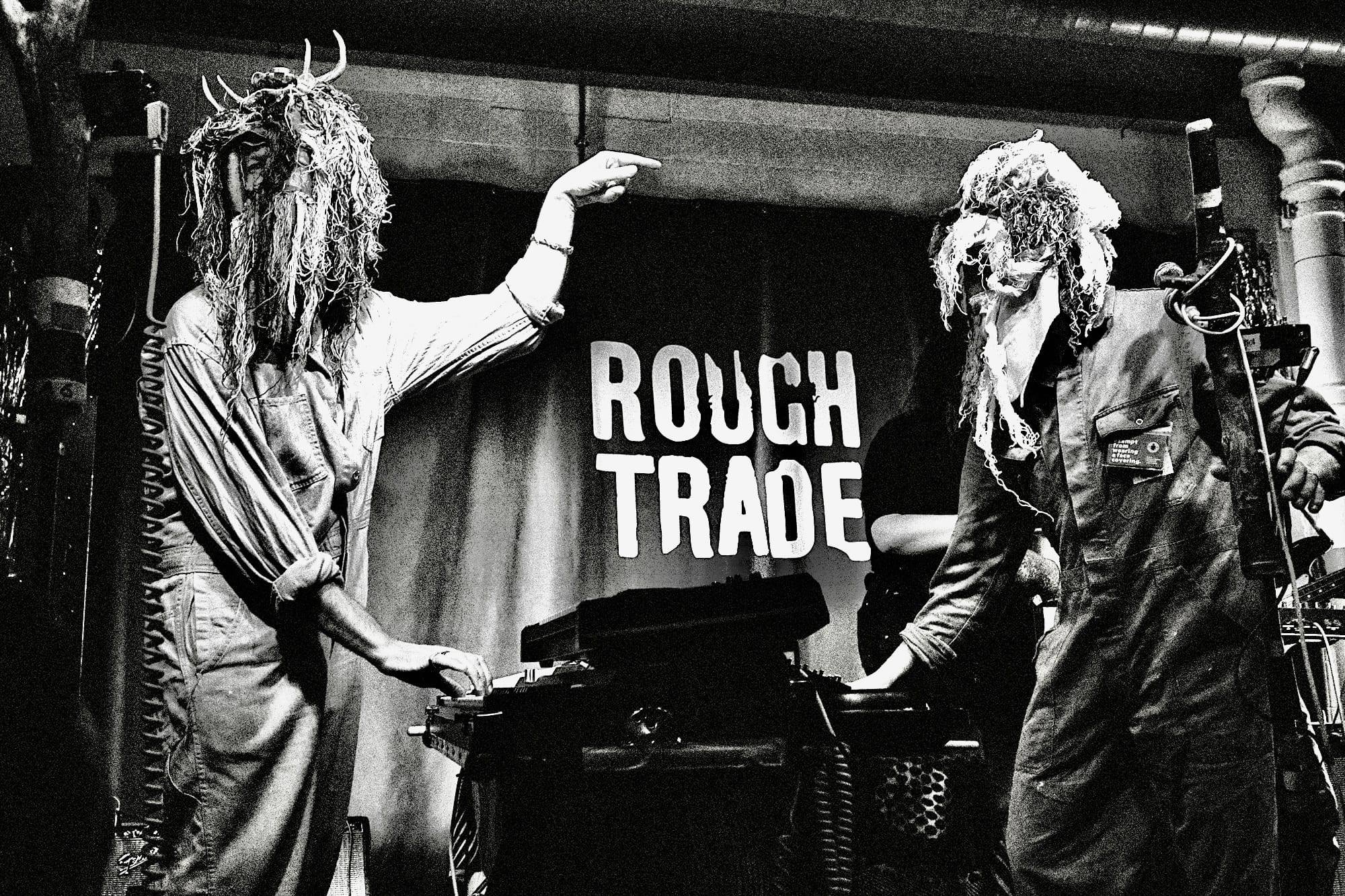
Snapped Ankles: Blurring the line between humans, machines, and woodland spirits, this London-based collective utilizes frantic motorik rhythms, driving dance-punk energy, and full ghillie-suit camouflage. Their anti-capitalist, ecological world-building has united DIY punk collectives and performance-art enthusiasts under a shared canopy of feral, primal escapism.
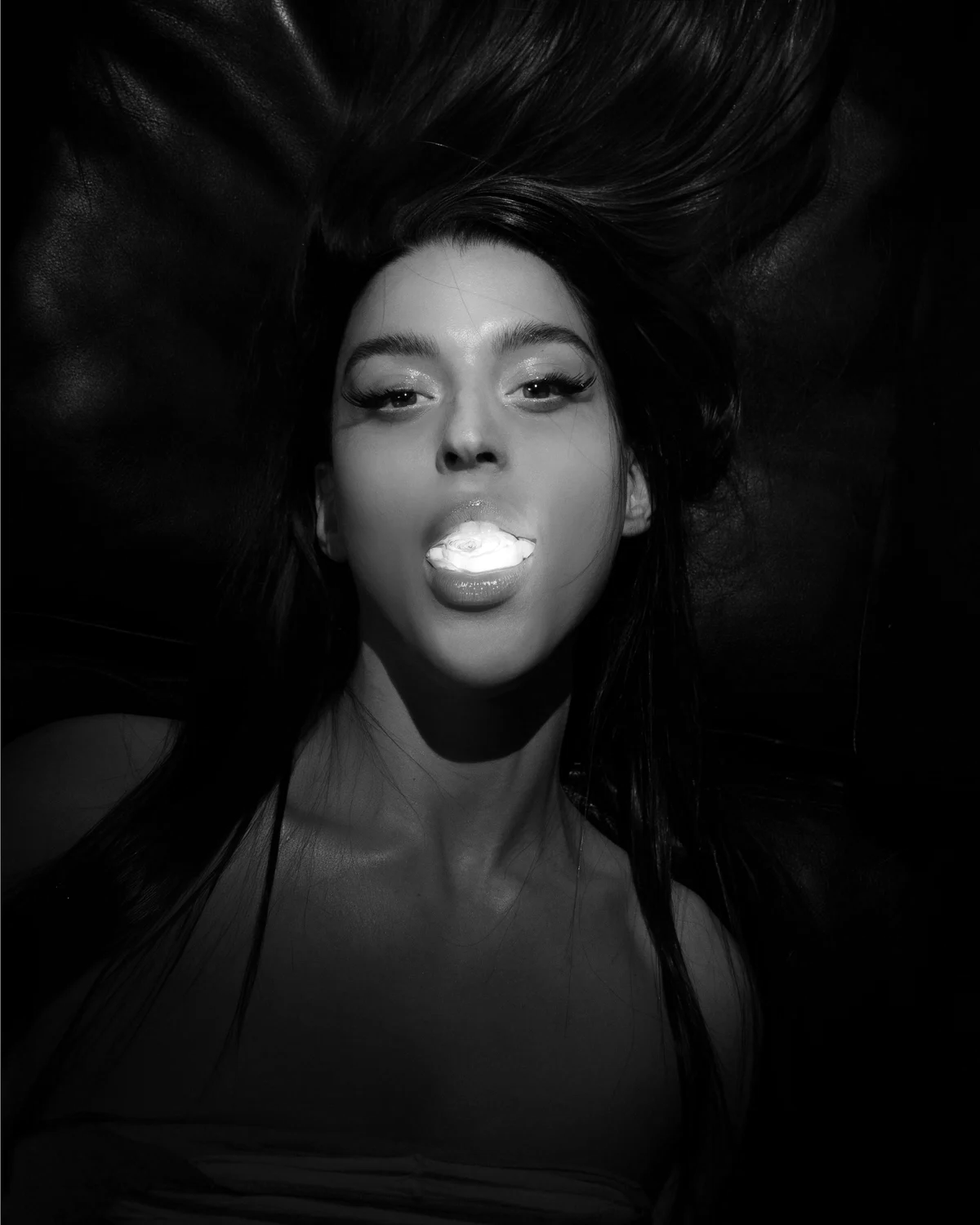
Yves Tumor: Operating in a realm of high theatrics, glam-rock distortion, and industrial noise, Yves Tumor channels the gender-fluid, androgynous sensuality of David Bowie’s Ziggy Stardust and Prince. Their live performances oscillate between grungy, mosh-pit catharsis and silent, hypnotic transfixion, demonstrating how modern alternative acts can weaponize personal mystique.
Official Statements and Artist Philosophy
To truly understand the impetus behind these otherworldly migrations, one must examine the philosophical declarations of the artists themselves.
In a rare and illuminating 2014 interview with Pitchfork, Richard D. James (Aphex Twin) articulated the ultimate ambition of uncompromising sonic creation:
"The holy grail for a music fan, I think, is to hear music from another planet, which has not been influenced by us whatsoever. Or, even better, from lots of different planets."
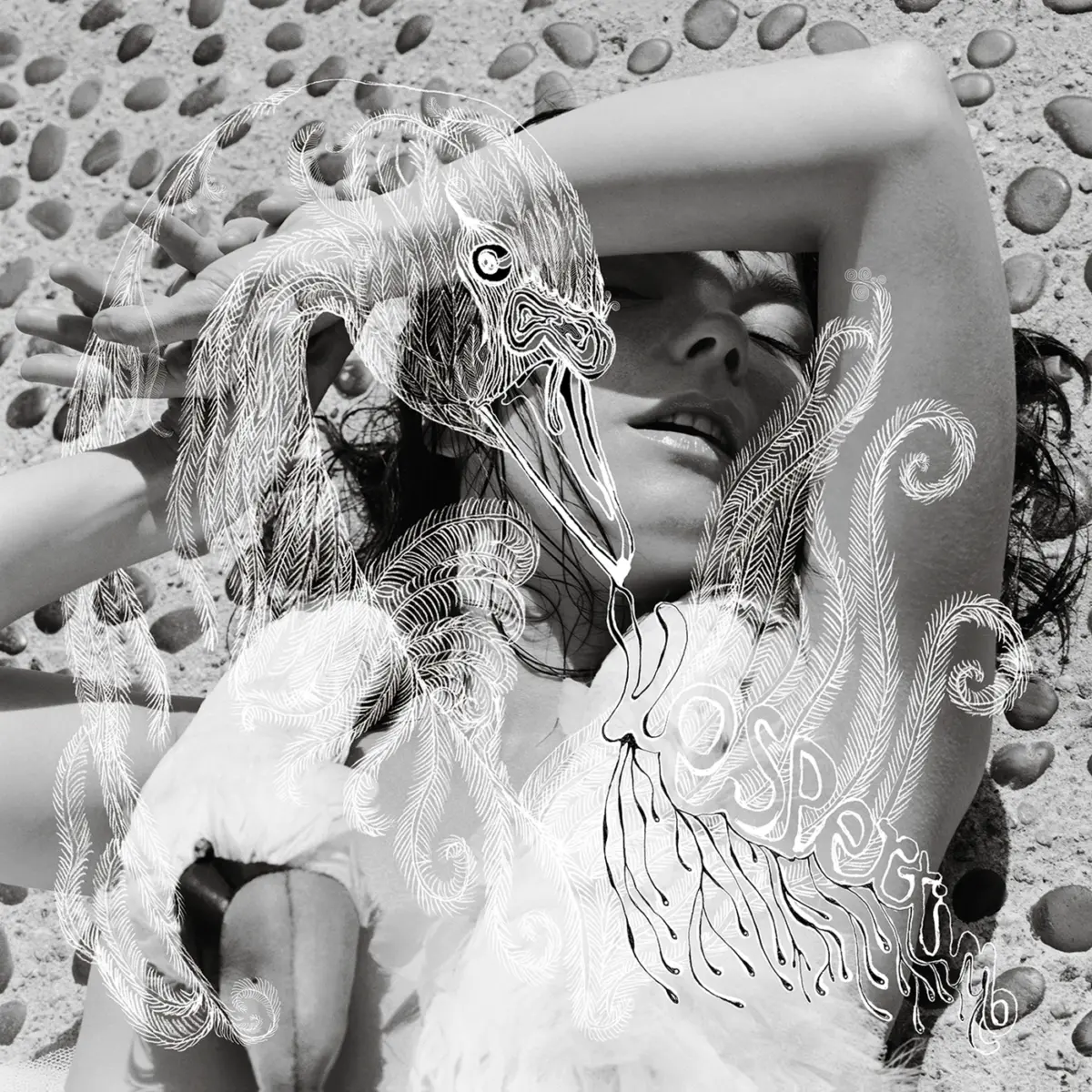
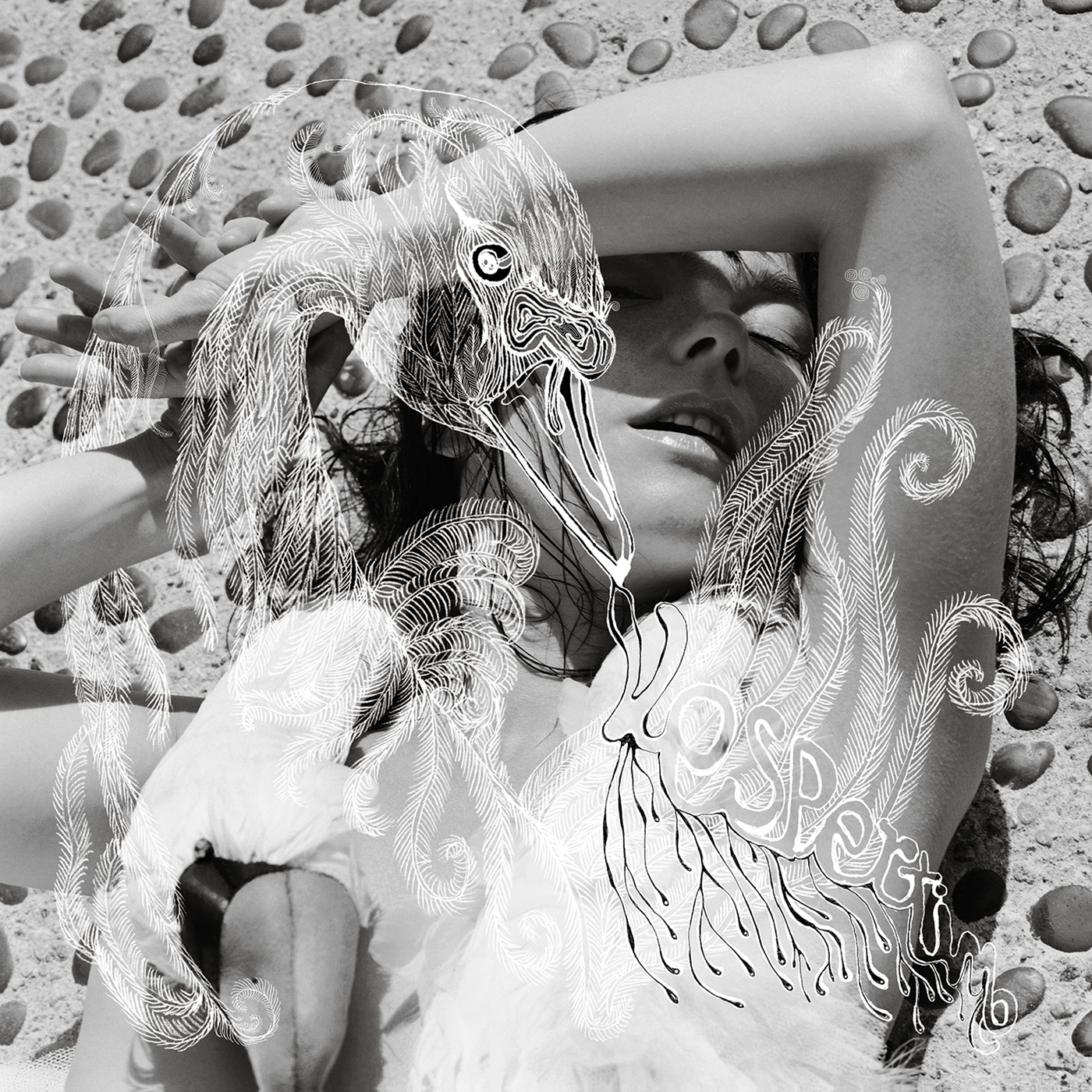
This sentiment echoes across generations. Whether it is Björk structuring her vocal identity around primal guttural croaks, tongue clicks, and breath cycles—creating a distinctly "Björkian" dialect that transcends earthly languages—or Angine de Poitrine steadfastly refusing to break character during interviews or live shows, the mission remains uniform.
As noted by cultural critics observing the modern landscape, anonymity functions not as an evasion of responsibility, but as a megaphone for authenticity. In a media ecosystem saturated by hyper-exposed influencer culture and predictive AI models, withholding the human ego forces listeners to confront raw, unadulterated frequencies. It restores music to its primordial function: an unearthly transmission from an unknown origin.
Future Outlook: The Next Wave of World-Building Icons
As we look deeper into the latter half of the 2026 musical calendar—highlighted by major releases like Arca’s aggressive, boundary-pushing XL Recordings project XXXXX—the appetite for immersive, world-building artistry shows no sign of abating.
The torch is actively being passed to a bold new generation of genre-fluid architects. Artists such as Magdalena Bay, yeule, Jawnino, Deer Park, KAVARI, Murex, Jane Remover, horsegiirL, Blawan, Two Shell, Pollyfromthedirt, Model/Actriz, and Scaler are currently constructing their own autonomous universes.
These rising figures prove that the human desire for escapism, mystery, and radical experimentation is indomitable. As long as artists are willing to drop anchor from foreign stars and challenge the sonic status quo, the future of music will remain wonderfully, beautifully strange.