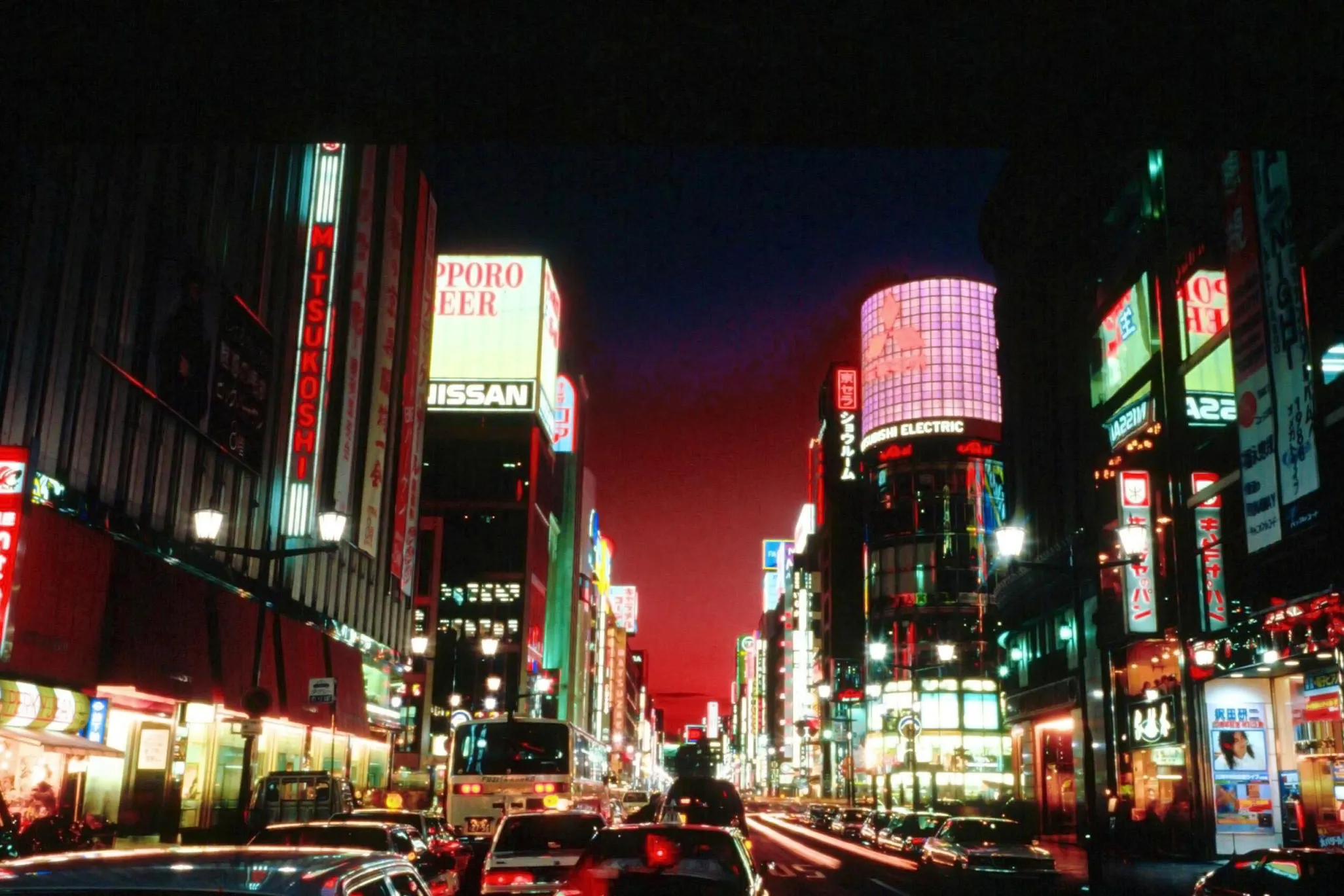
To understand Japanese city pop is to understand a sonic time capsule from an era that never truly existed—at least, not in the way our collective global memory likes to frame it. Defined by sun-soaked, geometric vistas, artificially pristine palm trees stark against azure skies, glowing iridescent neon signs, and skyscraper-lined concrete canyons, city pop is much more than a genre of music. It is an aesthetic, an era, a specific mood, and an aspirational lifestyle.
Originating during the economic boom of 1970s and 1980s Japan—when the nation boasted the second-largest music market in the world—this distinct sound blended western-influenced folk, jazz, funk, soul, disco, and boogie into a sleek, sophisticated concoction. Originally known locally as "New Music," the movement has undergone a monumental global renaissance. Propelled by YouTube algorithms, internet vaporwave communities, and widespread vinyl reissues, a new generation of international listeners has embraced its breezy, optimistic cadence.
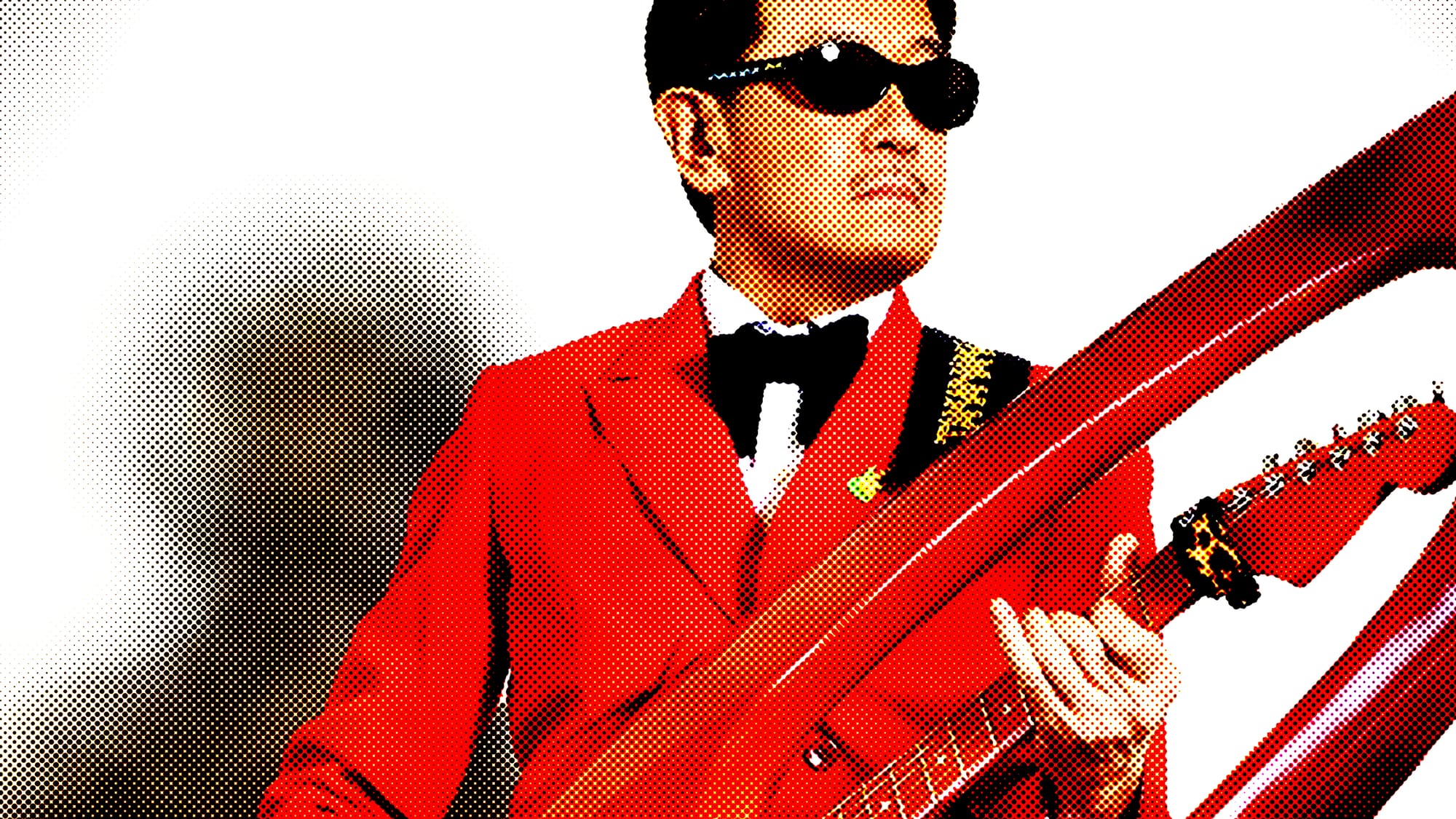
This global revival reaches a landmark moment in August 2026, when guitar virtuoso Masayoshi Takanaka headlines City Pop Waves at the Crystal Palace Bowl, marking London’s first outdoor festival dedicated entirely to the genre. To celebrate this cultural watershed, we turn to Rough Trade Nottingham’s resident city pop specialist, Jono Beard, for a curated, chronological journey through ten essential albums that defined a movement.
Detailed Chronology: 10 Essential City Pop Masterpieces
Japan’s music market during its post-war economic miracle produced an embarrassment of riches, meaning any curated list must leave out titans like Tatsuro Yamashita, Anri, Miki Matsubara, and EPO. However, through a precise chronological exploration of ten foundational records, we trace the evolution of a sound that continues to captivate the globe.
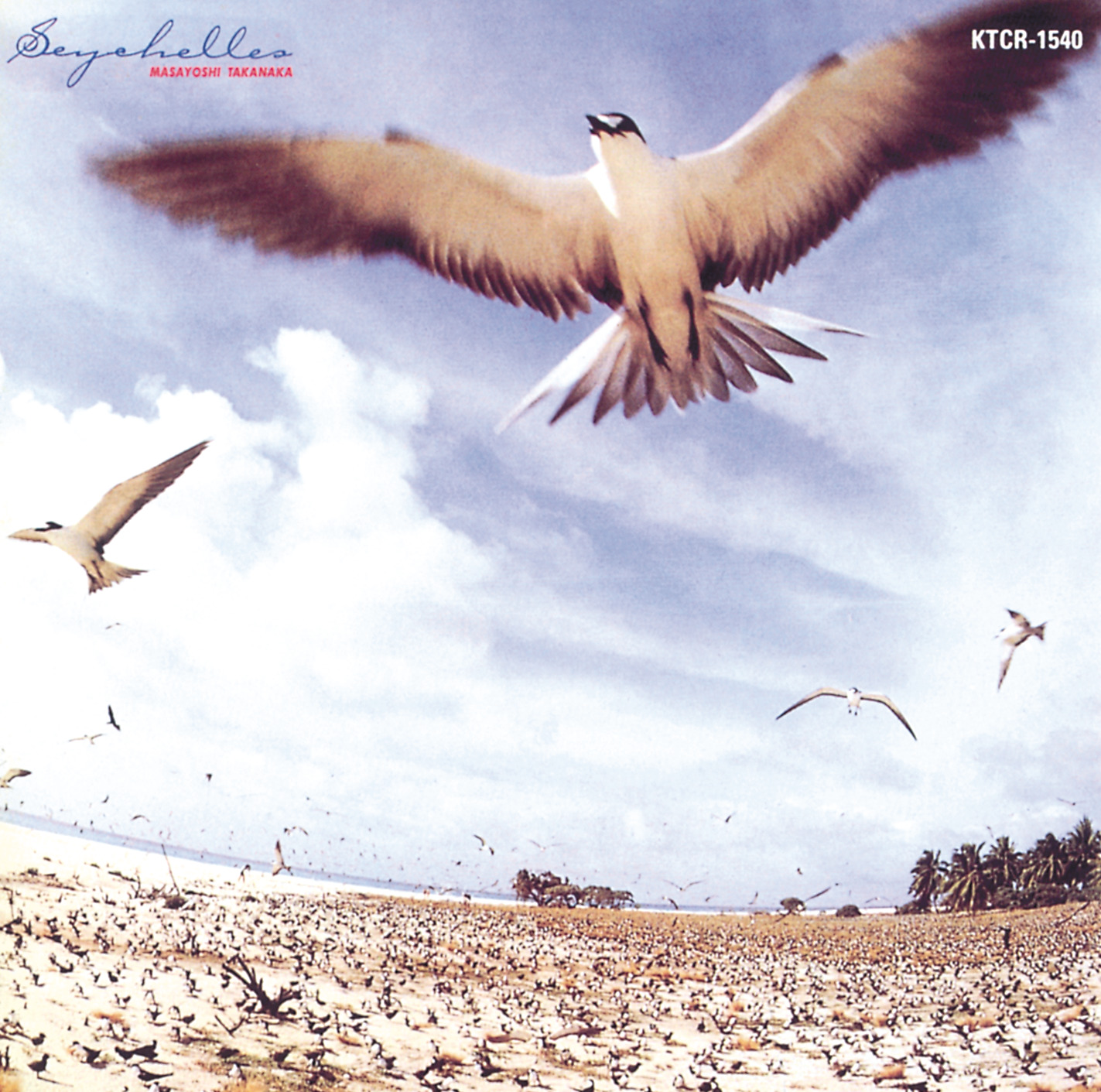
1. Masayoshi Takanaka – Seychelles (1976)
Released in the summer of 1976, Seychelles is a quintessential early release that helped codify the global blueprint for the city pop aesthetic, predated by only a handful of seminal records like Sugar Babe’s Songs. While it frequently dips into jazz-fusion territory—with Takanaka’s virtuosic, liquid guitar lines drawing direct comparisons to Carlos Santana—its vibrant, breezy, and tropical nature birthed the "vibe" the world now associates with the genre. Like American yacht rock, the songs are light, effortless, and driven by masterclass musicianship, cementing Takanaka as an early auteur of feel-good instrumental pop.
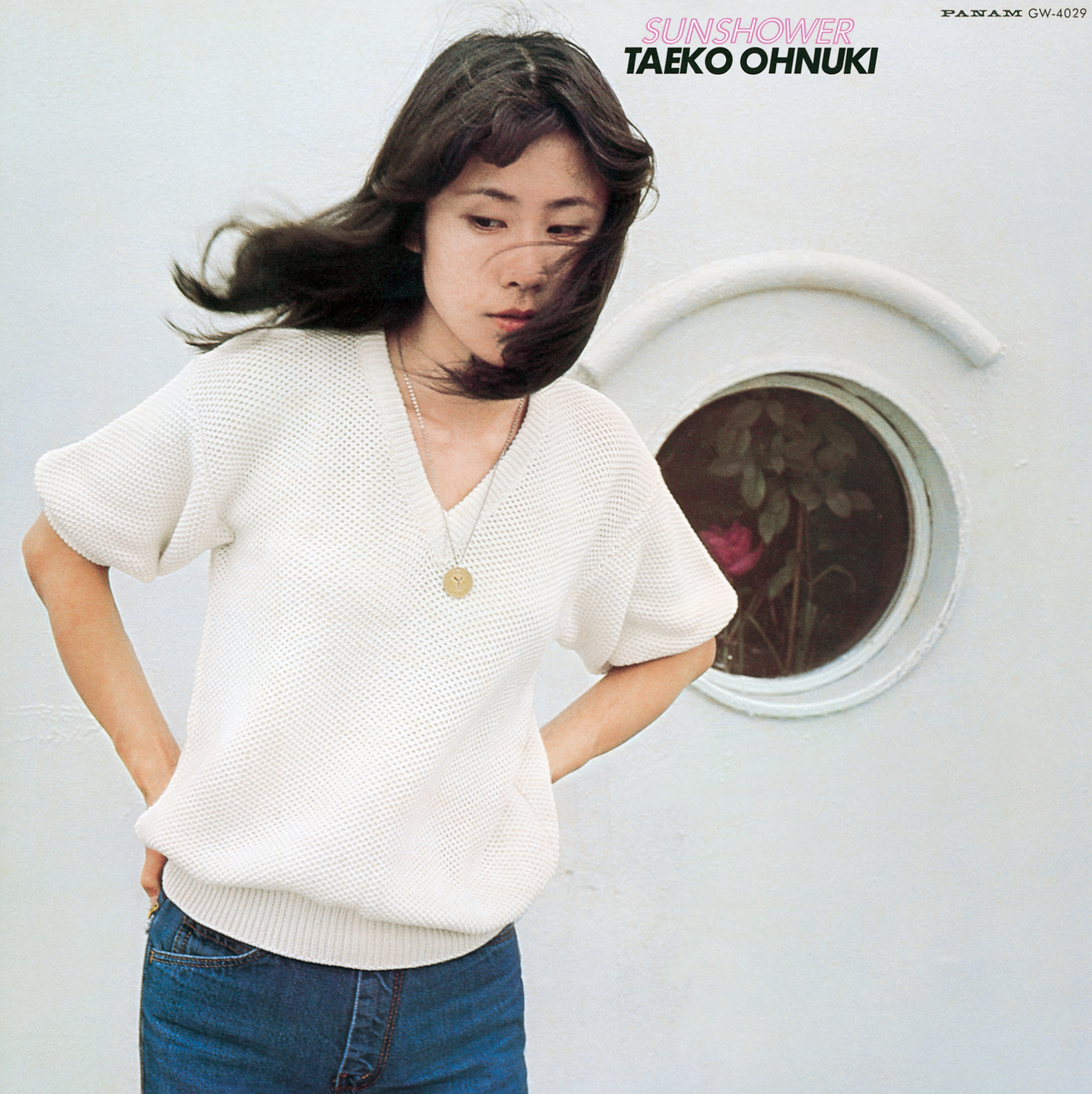
2. Taeko Ohnuki – Sunshower (1977)
Following her time in the foundational group Sugar Babe and her 1976 solo debut Grey Skies, Taeko Ohnuki returned with her sophomore masterpiece, Sunshower. Long celebrated by international crate-diggers since the early 2010s, this record straddles the line between the introspective "New Music" era and the commercially driven, funky sound that would dominate the 1980s. The intricate, groove-heavy arrangements were engineered by a pre-Yellow Magic Orchestra Ryuichi Sakamoto. Sakamoto’s upbeat funk foundations are masterfully counterbalanced by Ohnuki’s pure, airy, and quirky vocal tone, while his rippling synths on the penultimate track, "Sargasso Sea," add an eerie, futuristic edge.
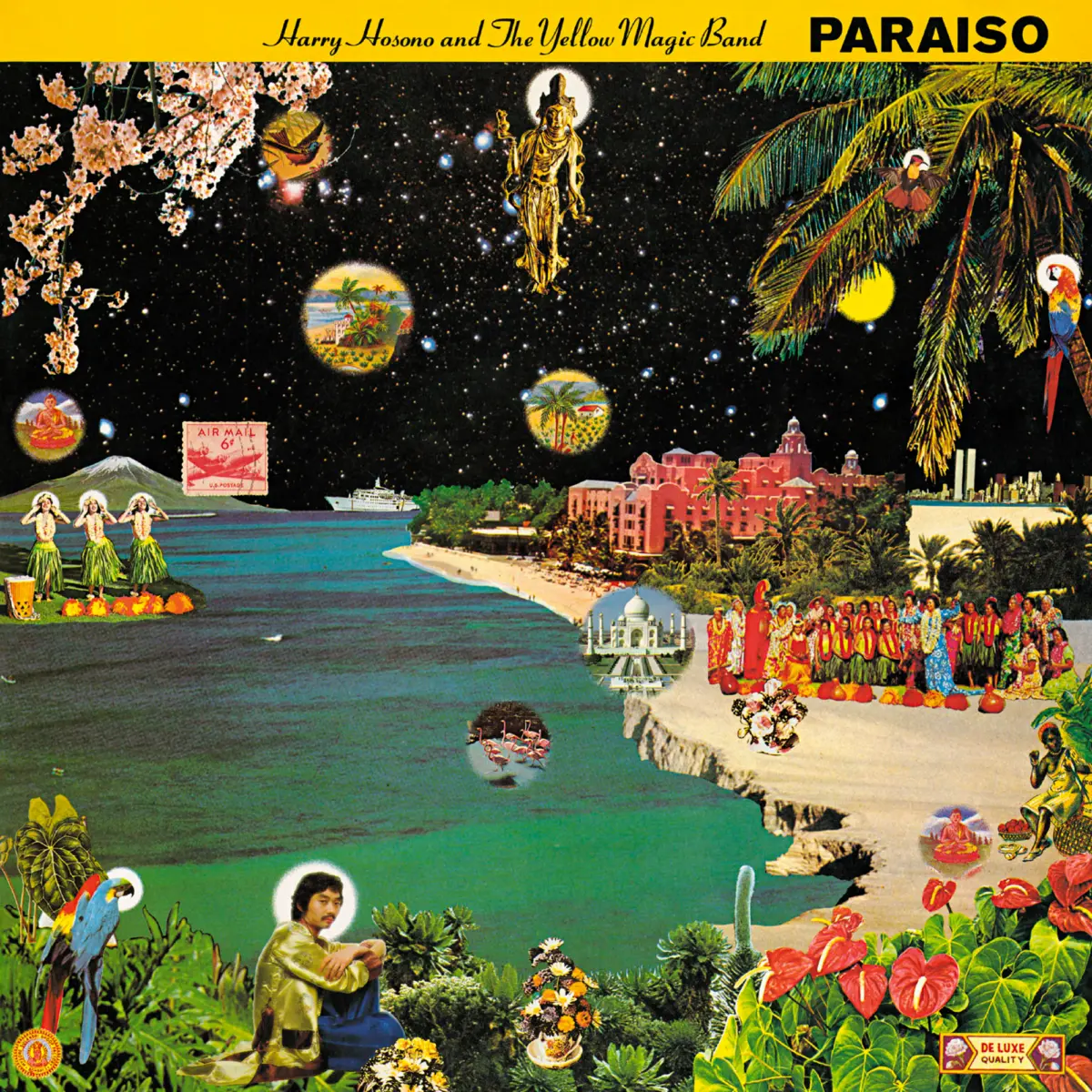
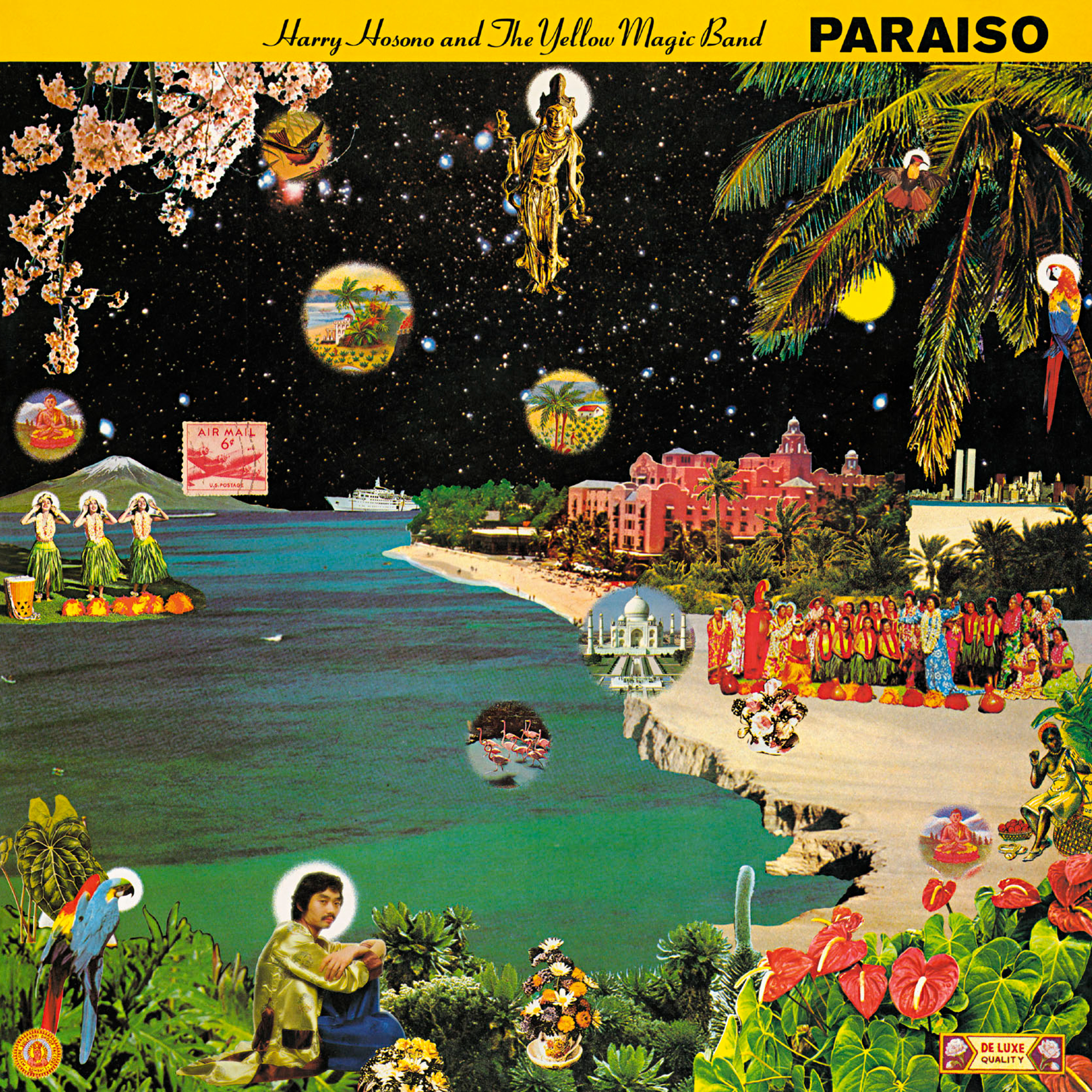
3. Haruomi Hosono – Paraiso (1978)
As one of the wackier records of the movement, Haruomi Hosono’s Paraiso challenges the stereotypically rigid perceptions of Japanese pop culture while delivering a supremely uplifting listening experience. The album serves as a psychedelic, tropicalia-infused collision of exotica and city pop, often evoking the sonic impression of Little Feat fronted by Bill Withers and produced by Les Baxter. As a founding member of Happy End and Yellow Magic Orchestra, Hosono demonstrates his legendary prowess as a composer, producer, and multi-instrumentalist, laying foundational stepping stones for the global appreciation of Japanese avant-pop.
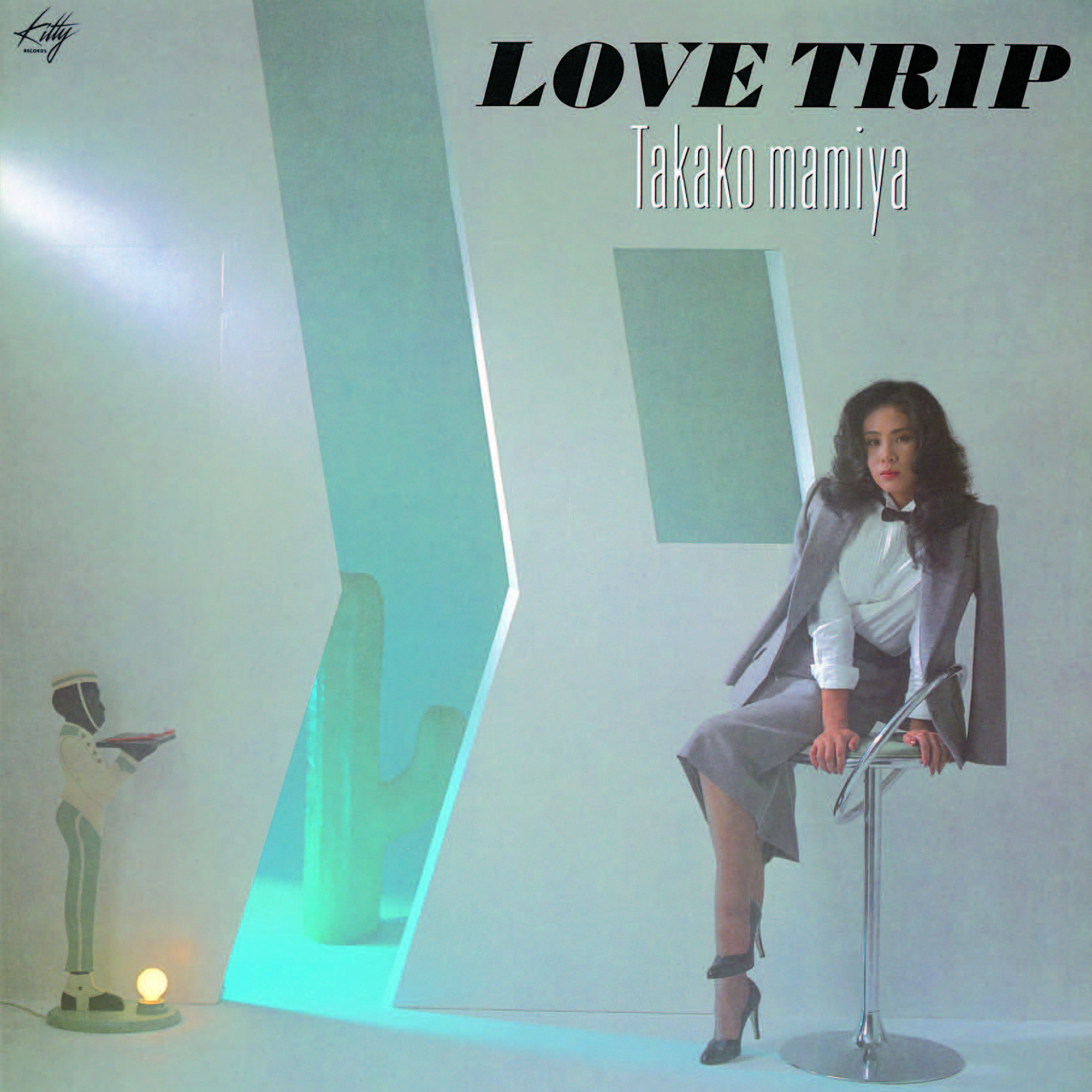
4. Takako Mamiya – Love Trip (1982)
From its effortlessly classy sleeve art to its iconic Kitty Records center label, everything about Takako Mamiya’s Love Trip screamed cult classic. Bolstered by the enigmatic mystique of a singer who released only this single studio album before fading into obscurity, the record easily lives up to its internet-era legendary status. Straddling the intersection of city pop, sophisti-pop, and smooth jazz, tracks from Love Trip sit comfortably alongside Western masterpieces like Roxy Music’s Avalon or Everything But The Girl’s The Language Of Life. It is opulent, sophisticated, and dripping with late-capitalist yuppie ennui.
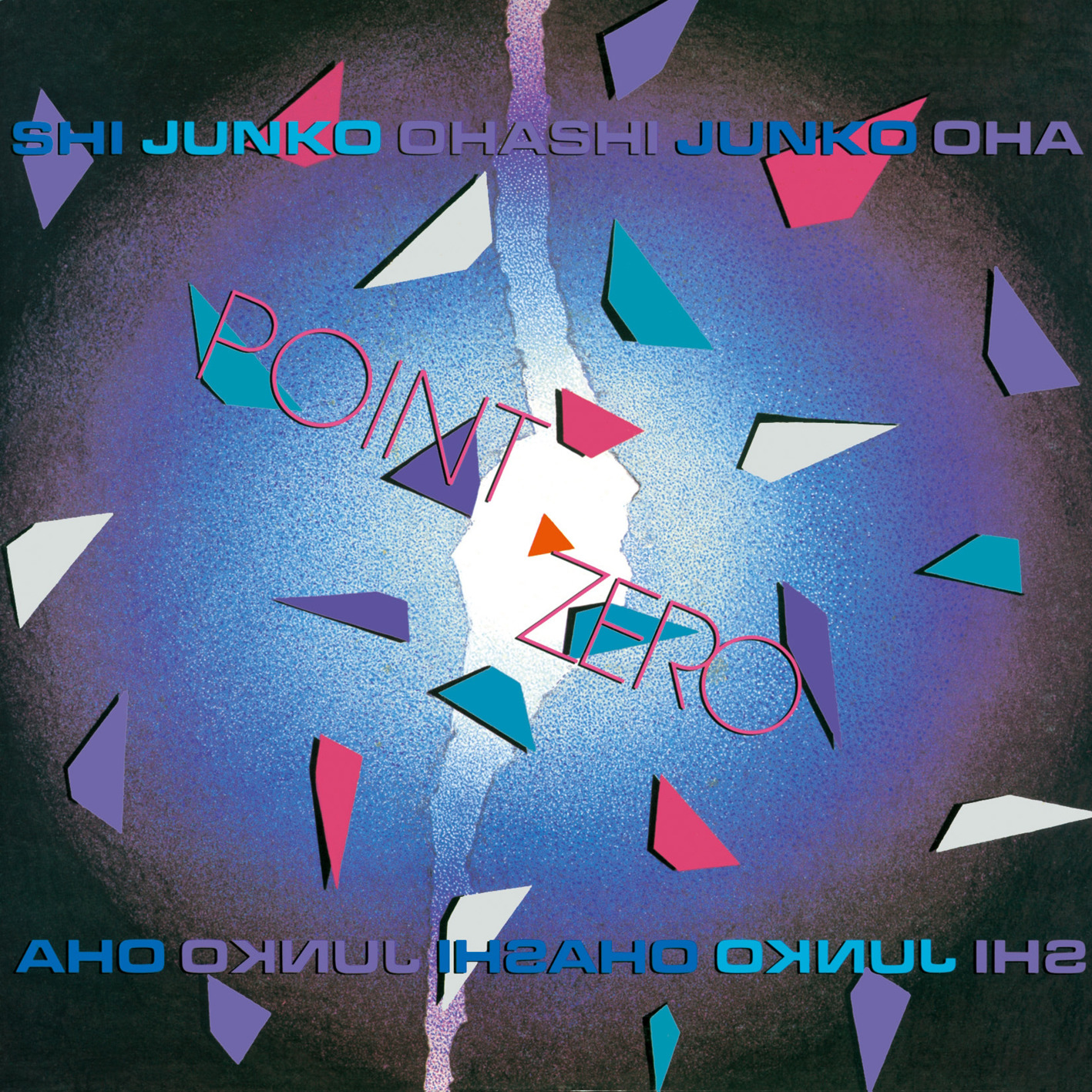
5. Junko Ohashi – Point Zero (1983)
While Junko Ohashi is globally revered for her career-spanning compilation Magical, her 11th studio album, Point Zero, offers a far more adventurous listening experience. Recorded in New York City alongside elite session musicians, Point Zero is a kaleidoscopic, post-disco triumph. Bookended by the gold-standard boogie classic "Dancin" and the ultra-catchy closer "Sugao no Mama de," the record also features the futuristic cut "Sensual Night," proving Ohashi possessed a forward-thinking musical sensibility well ahead of her time.
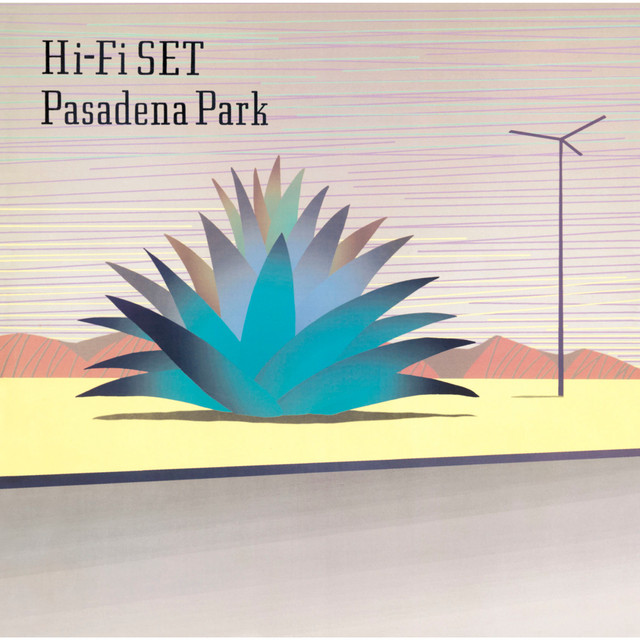
6. Hi-Fi Set – Pasadena Park (1984)
Rising from the ashes of the folk-oriented vocal group Akai Tori (The Red Birds), Hi-Fi Set pivoted toward lush, jazz-inflected funk harmonies reminiscent of Manhattan Transfer. By 1984, their sound had evolved into a decadent archetype of mid-80s production. With minimalist, Japanese Americana-inspired cover art and a sonic profile that bridges Swing Out Sister with The Carpenters, Pasadena Park captures the opulent zenith of the city pop movement.
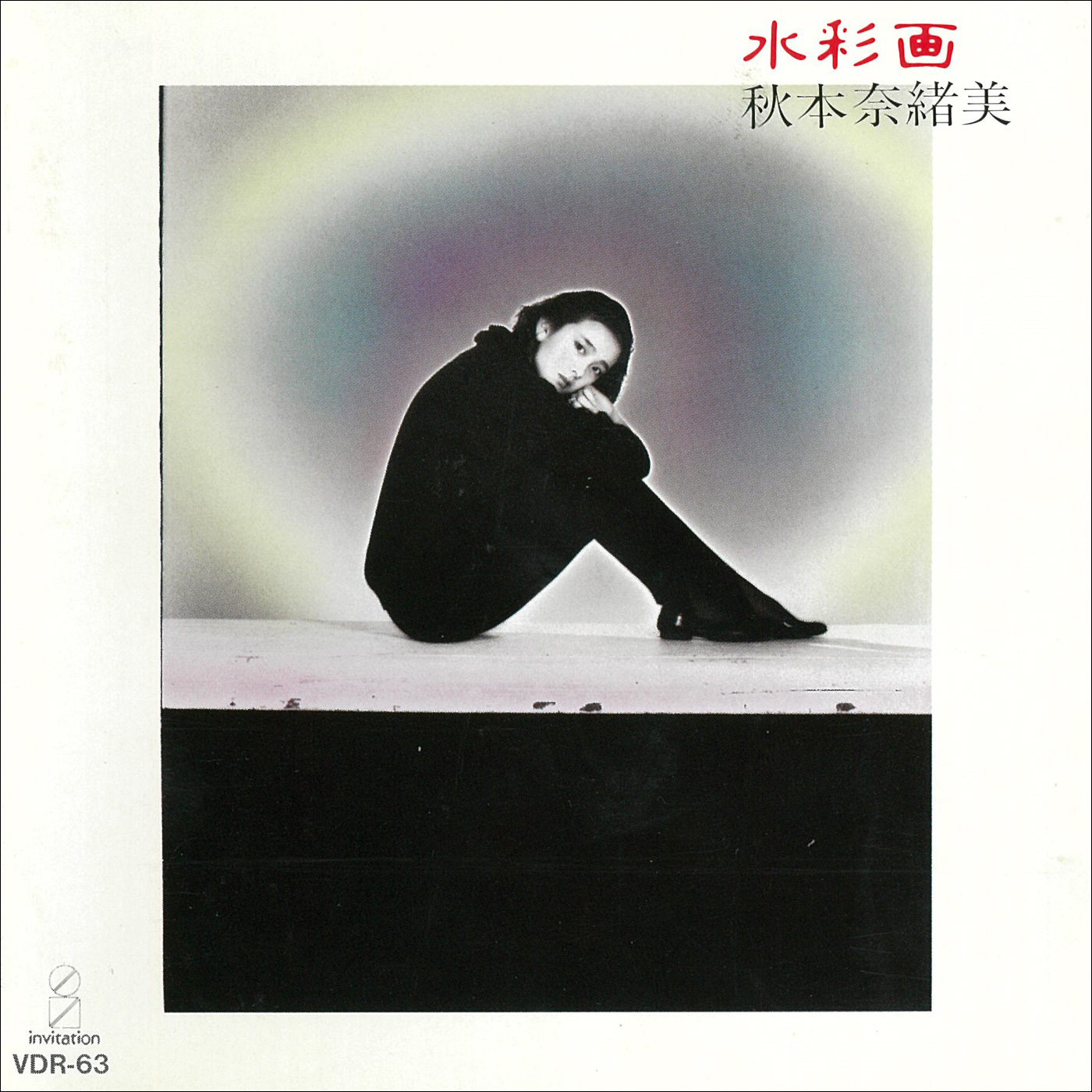
7. Naomi Akimoto – Suisaiga (1984)
Translating to "Watercolor Painting," Naomi Akimoto’s Suisaiga remains a deeply underrated and uniquely anomalous entry in the city pop canon. Eschewing the traditional sunny, funky grooves of its peers, the album operates almost like a dub mix of synth backing tracks stripped of traditional basslines, accented by heavy reverb and deeply understated vocals. Ethereal and ghostly, it acts as a bizarre precursor to modern alternative R&B, demanding to be experienced on its own idiosyncratic terms.
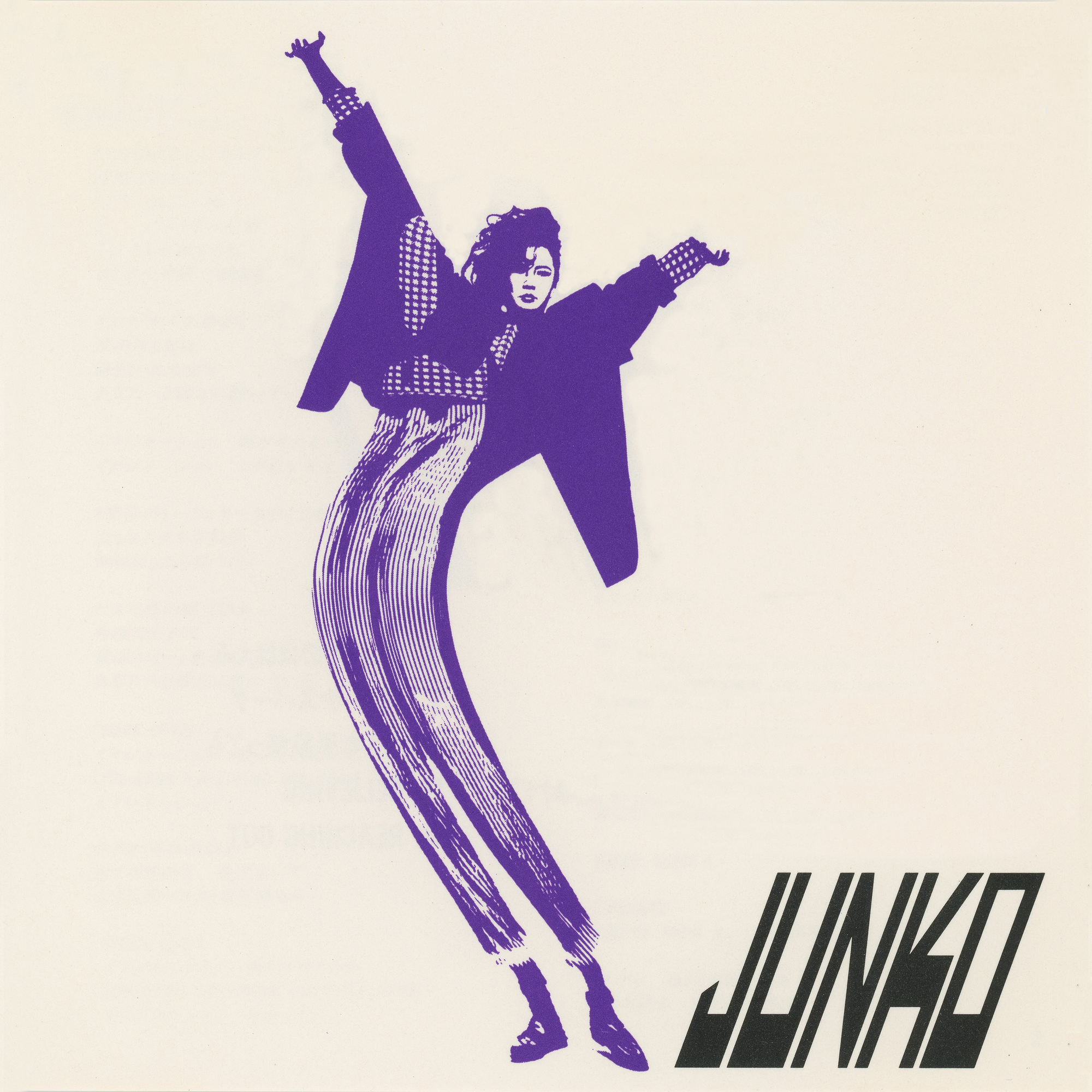
8. Junko Yagami – Communication (1985)
Marking a definitive stylistic shift upon signing with Moon Records, Junko Yagami’s Communication discarded her earlier acoustic tendencies in favor of a digital, Hi-NRG synth-funk landscape. Featuring a zany, Jean-Paul Goude-inspired album cover, the record flows effortlessly from Madonna-esque synth-pop anthems to the electronic reggae-pop of "Johannesburg." It remains an exhilarating, highly cohesive expedition into a futuristic, idealized vision of mid-1980s Tokyo.
9. Rajie – Espresso (1985)
On her seventh and final studio album, Espresso, singer-songwriter Rajie effectively invented a distinctly Japanese, wintry iteration of dream pop, predating Akina Nakamori’s masterwork Fushigi by a full year. Anchored by ethereal vocals, chorused guitar lines, and expansive walls of reverb, Espresso maintains a bright, accessible pop accessibility underneath its otherworldly, melancholic production.
10. RA MU – Thanks Giving (1988)
For fans tracking the evolution of Japanese Idol culture into sophisticated pop, Momoko Kikuchi’s short-lived project RA MU represents a vital final frontier. Teaming up with prolific American backing vocalists Rosalyn Renee Keel and Darelle-Foster Holden, Kikuchi’s signature breathy delivery is framed by bright, new jack swing-inflected R&B production. Thanks Giving stands as a masterclass in cross-cultural stylistic synthesis, closing out the golden age of 1980s Japanese pop innovation.
Supporting Context & Metrics: The Mechanics of a Revival
The resurgence of city pop is not merely a nostalgic quirk of digital algorithms; it is supported by hard market dynamics and shifting consumer habits.
The Vinyl Boom: According to international music retail data, international demand for Japanese pressings and modern Western reissues of 1970s and 1980s Japanese pop has surged by over 300% since 2018. Labels such as Rough Trade, Light in the Attic, and specialized distributors have capitalized on this by importing and repressing long-out-of-print titles.
The YouTube Catalyst: The revival largely traces its roots to 2010s internet culture, where algorithmic recommendations surfaced tracks like Miki Matsubara’s "Stay With Me" to millions of global listeners overnight, turning obscure B-sides into viral anthems with hundreds of millions of streams.
Cultural Delineation: Music historians often note that the term "city pop" itself can be contentious. Domestically, the movement was categorized under the broader umbrella of "New Music," reflecting an amalgamation of American folk influences blended with cutting-edge jazz-funk, disco, and synthesizer technology.
Official Statements & Industry Perspectives
As physical and digital barriers continue to dissolve, industry gatekeepers and artists alike are recognizing city pop as a legitimate global canon rather than a localized novelty.
"Vibrant, breezy, funky and tropical, Seychelles arguably codified much of the vibe of what the world would come to know as city pop."
— Jono Beard, Rough Trade Nottingham
"Perhaps more so than any other genre, the term ‘city pop’ describes more than just the sound of the music. It’s an era but also an aesthetic, a vibe, a feeling, a lifestyle."
— Editorial Consensus, Rough Trade Music Blog
Industry analysts point out that the willingness of Western audiences to embrace lyrics entirely in Japanese underscores a broader shift toward frictionless, globally integrated listening habits. Music consumers no longer require localized linguistic comprehension to connect with the emotional core of an arrangement; instead, the sophisticated chord progressions, immaculate studio production, and romanticized urban imagery do the heavy lifting.
Future Outlook: Where Does City Pop Go From Here?
As we look toward landmark events like the upcoming City Pop Waves festival at the Crystal Palace Bowl in August 2026, the trajectory of city pop points firmly toward mainstream institutional permanence. No longer confined to internet message boards, vaporwave subreddits, and dimly lit vinyl bins, the genre is cementing its status as foundational pop history.
With major labels actively scouring vaults for unreleased master tapes, and contemporary artists across the globe heavily borrowing its breezy, sun-drenched sonic architecture, city pop has successfully graduated from a retro novelty to an enduring pillar of modern music appreciation. For both seasoned crate-diggers and casual listeners diving in for the first time, the urban soundscape of 1980s Tokyo remains open for exploration—proving that the city where the sun never sets on the neon horizon is one listeners will never want to leave.