Executive Overview
The modern musical landscape is defined by a paradox: the hyper-acceleration of digital distribution operating in direct, fierce competition with a thriving renaissance of physical media. As independent music institution Rough Trade marks its milestone 50th anniversary, the decade spanning 2016 to 2025 stands out as one of the most turbulent, experimental, and creatively fertile eras in contemporary recording history.
From the poignant, unexpected farewell of David Bowie’s Blackstar in January 2016 to the monumental, nostalgic reunions of British heavyweights like Oasis, Pulp, and Blur, the past ten years have witnessed the complete reconfiguration of how music is created, marketed, and consumed. Grassroots venues in South London birthed an international post-punk wave, hyperpop mutated into a ubiquitous cultural force powered by world-building visionaries like Charli xcx, and independent hip-hop expanded its creative boundaries through the sustained, stellar output of artists like Little Simz.
Amidst shifting digital algorithms and viral TikTok revivals, physical record sales have staged an extraordinary ascent. This report details the evolution of the independent music ecosystem over the past decade, tracking the critical releases, seismic cultural shifts, and resilient retail spaces that continue to anchor music lovers to the physical format.
Detailed Chronology: Defining Records of 2016–2025
As part of Rough Trade’s monumental 50th-anniversary celebration, the institution curated a definitive 50-record collection—one for every year of operation. The final chapter of this collection—covering the transformative decade between 2016 and 2025—encapsulates the raw energy, genre-blending experimentation, and emotional gravity that defined modern independent music.
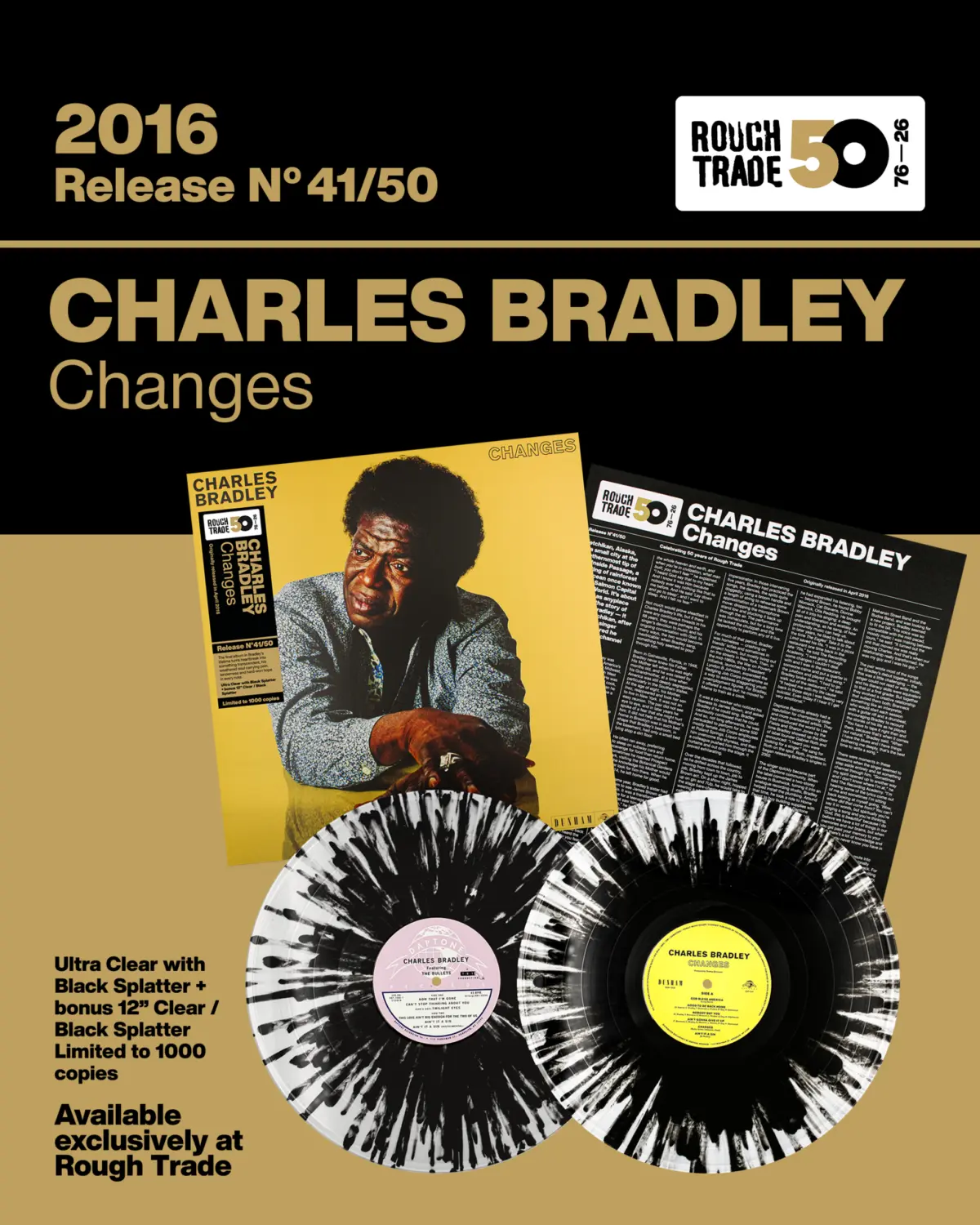
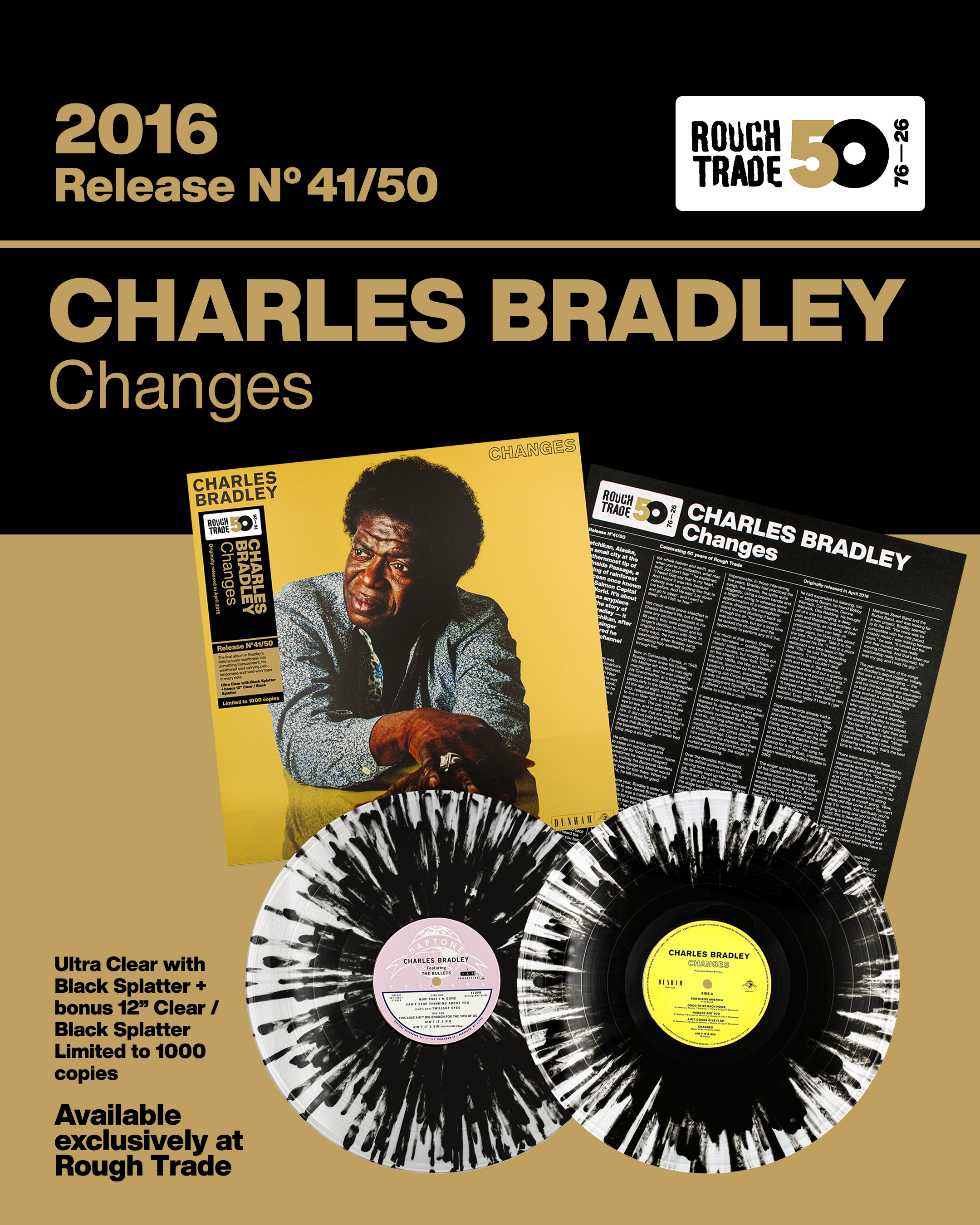
2016: Charles Bradley – Changes
The decade opened with the bittersweet genius of Charles Bradley. Nicknamed "The Screaming Eagle of Soul," Bradley was a once-in-a-generation talent whose every rasp, howl, and vocal break carried the profound emotional weight of a life marked by unimaginable hardship—from periods of homelessness and the tragic murder of his brother to the drafting of his first bandmates into the Vietnam War. Discovered at age 62 by Daptone Records co-founder Gabriel Roth while performing as a James Brown impersonator, Bradley finally found his platform. Released in 2016, Changes stands as a masterclass in raw, lived-in soul. Its centerpiece—a stirring, deeply personal cover of Black Sabbath’s heavy metal track Changes—transformed the original into an anthem of profound grief and resilience, cementing Bradley’s legacy before his untimely passing.
2017: IDLES – Brutalism
When Bristol five-piece IDLES dropped their debut album, Brutalism, it arrived in record store racks like a clenched fist. Dealing explicitly with themes of grief, toxic masculinity, class divides, and socio-economic frustration, the record delivered its messages with uncommon directness. It announced a band that had plenty to say and absolutely no intention of saying it quietly, establishing a new blueprint for British punk that married ferocious sonic delivery with startling emotional vulnerability.
2018: Confidence Man – Confident Music For Confident People
Proving that underground music could be unashamedly euphoric, Brisbane’s Confidence Man delivered a masterclass in dancefloor hedonism with their debut LP. Fusing 1990s Ibiza dance beats, camp lyricism, electro-punk synths, and driving disco rhythms, Confident Music For Confident People was an exercise in sardonic, tongue-in-cheek joy. It compelled listeners to cast off cynicism and surrender entirely to the groove, establishing the Australian outfit as ultimate modern party-starters.
2019: Fontaines D.C. – Dogrel
Whispers of an incendiary new band out of Dublin had been circulating through the industry for months, but the arrival of Dogrel in 2019 sparked a cultural wildfire. Topping Rough Trade’s Albums of the Year list at the close of 2019, the record was an urgent, insistent, and powerful debut. Operating as a poetic brawl and a slick-witted masterpiece, it presented a self-assured, perfectly structured set of songs from five musicians who possessed an innate understanding of tension and release.

2020: Rina Sawayama – SAWAYAMA
As maximalist hyperpop began to distort the boundaries of 2000s bubblegum dance-pop, Rina Sawayama detonated the existing templates entirely. SAWAYAMA emerged as an ambitious, multi-genre collision of pop, nu-metal, R&B, rock, and electronic music, punctuated by electrifying guitar solos and ultra-synthetic production. Serving as a deeply personal exploration of identity, family dynamics, capitalism, and the immigrant experience, tracks like XS proved that modern pop could possess both massive commercial gloss and fierce, critical edge.
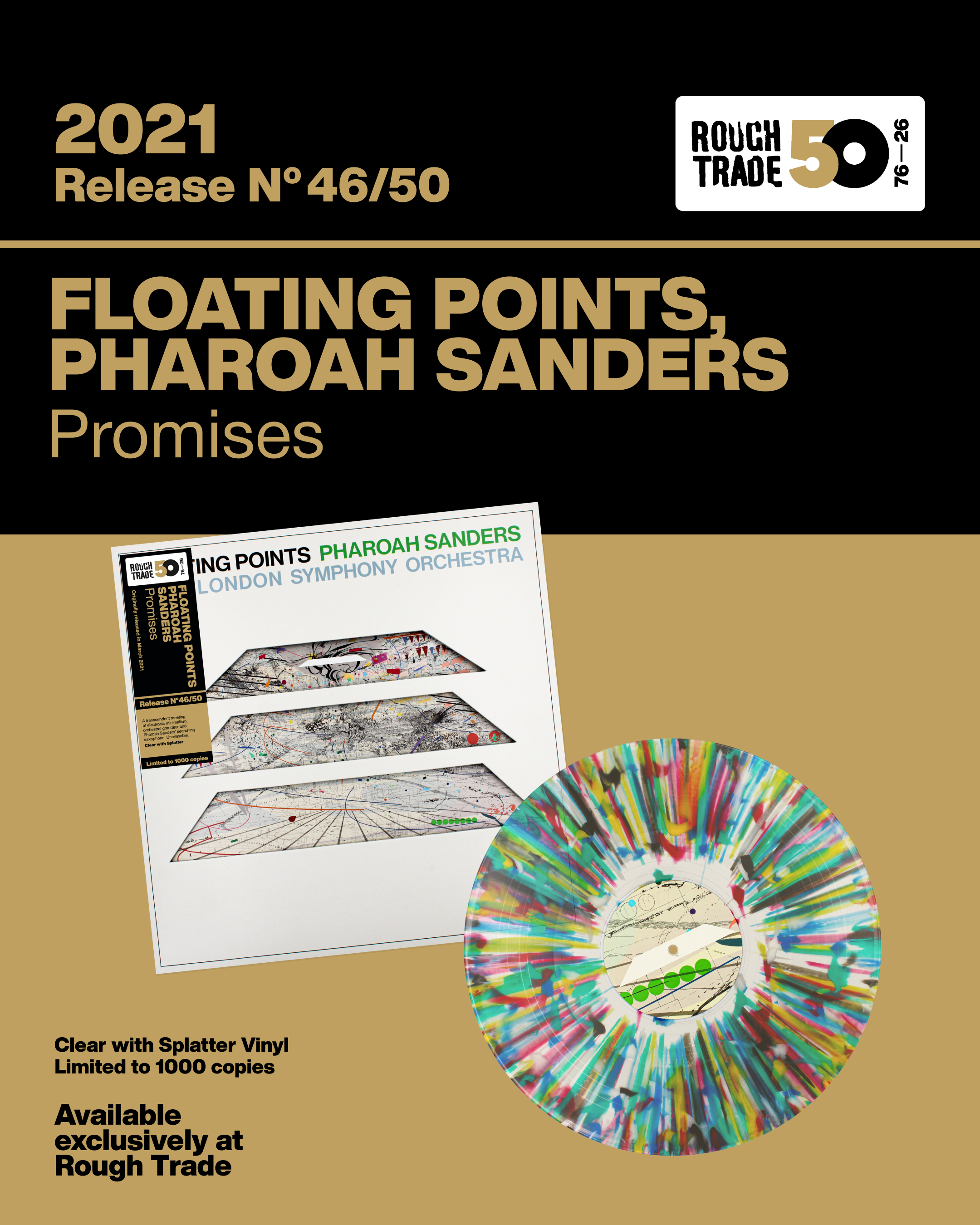
2021: Floating Points, Pharoah Sanders & The London Symphony Orchestra – Promises
Conceived during the quiet isolation of 2019, Promises remains one of the most transcendent and unpredictable collaborative works of the decade. Uniting mid-century free-jazz pioneer Pharoah Sanders, electronic producer/composer Floating Points (Sam Shepherd), and the world-renowned London Symphony Orchestra, the album delivered a meditative nine-movement suite. Eschewing high-energy electronics for deep, slow-burning minimalism, the interplay between Sanders’ saxophone and Shepherd’s atmospheric soundscapes provided a fitting, majestic final career chapter for the late, great Pharoah Sanders.

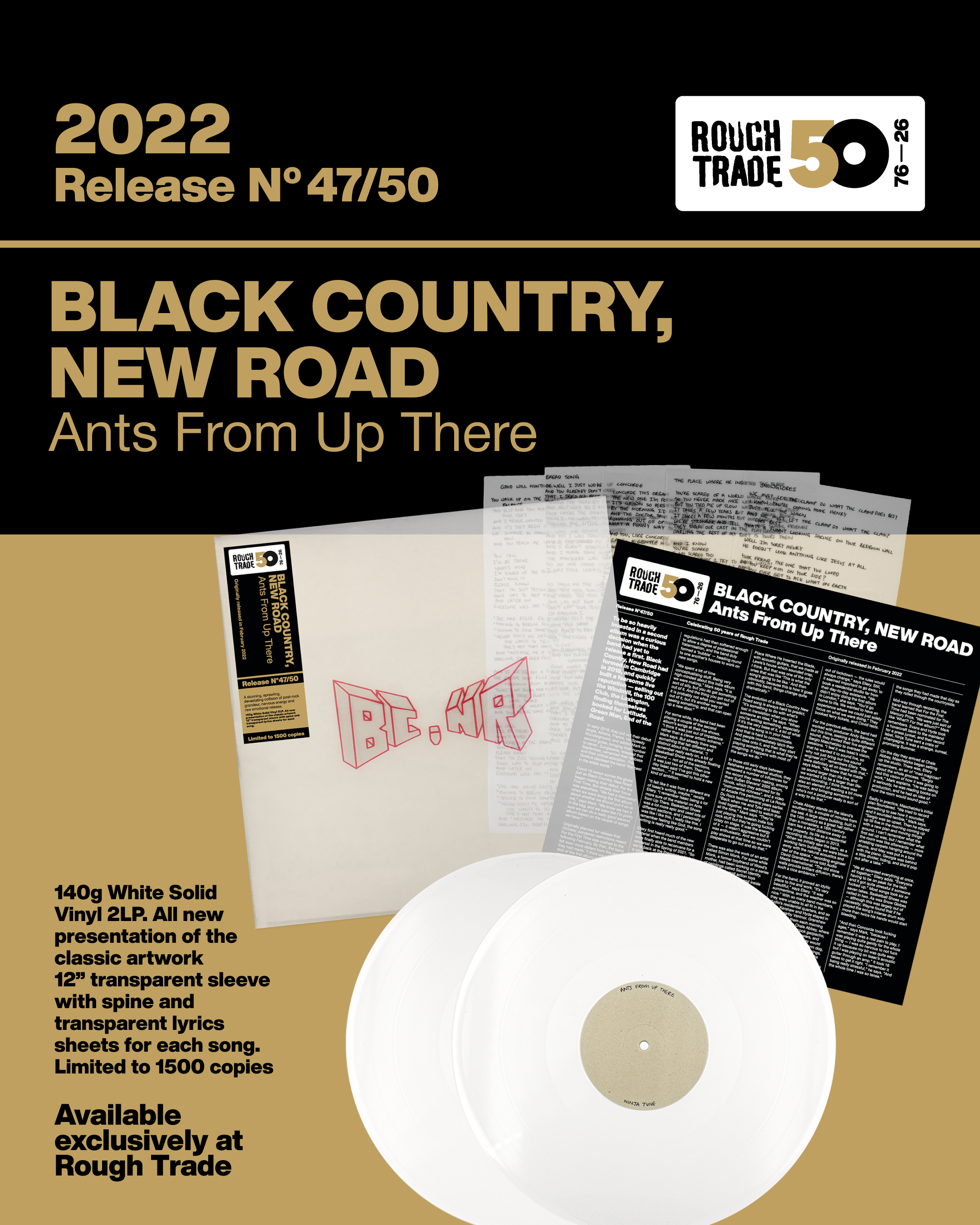
2022: Black Country, New Road – Ants From Up There
Widely regarded as the creative pinnacle of 2022, Black Country, New Road’s sophomore effort stands as a towering monument of contemporary art-rock. Isaac Wood’s intensely vulnerable vocals, paired with the band’s sprawling, orchestral grandeur, created one of the most powerful and bitterly beautiful break-up records of the generation. Tragically, it also served as a gut-wrenching farewell, as Wood departed the group just days before the album’s release—cementing Ants From Up There as the undisputed masterwork of the South London Windmill scene.
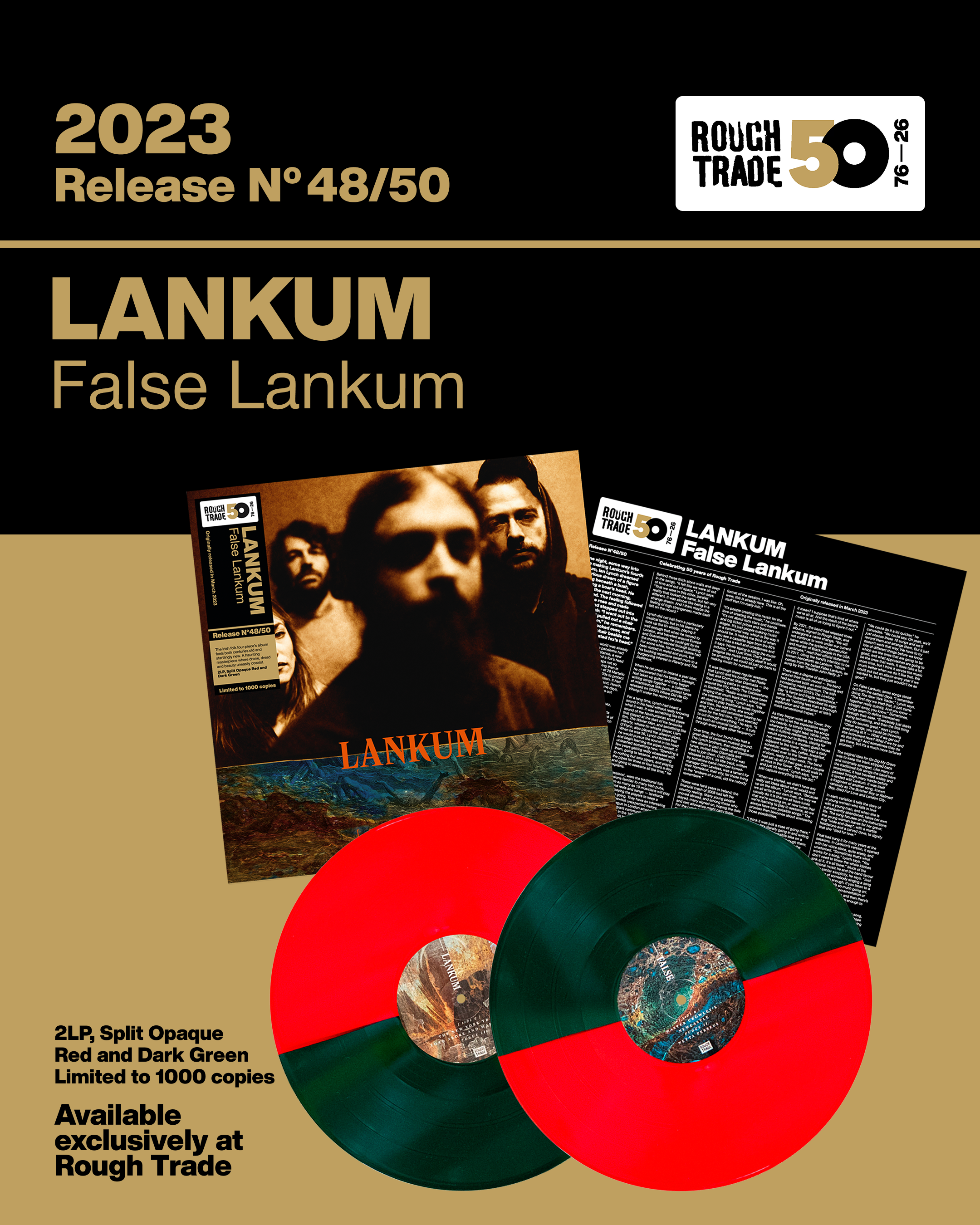
2023: Lankum – False Lankum
Irish folk experimentalists Lankum proved that profound innovation could remain deeply anchored in centuries of tradition. Released via Rough Trade Records, False Lankum enveloped listeners in a dark, atmospheric world of heavy drones, mechanical whirrs, and chilling acoustic instrumentation. Radie Peat’s haunting, ancestral vocals guided the twelve-track journey, imparting a sense of addictive unease that effortlessly bridged the chasm between ancient folklore and modern avant-garde terror.

2024: MJ Lenderman – Manning Fireworks
Mark Jacob Lenderman cemented his status as one of alt-country’s most treasured generational songwriters with Manning Fireworks. Assessing the mundane realities of everyday life through a lens of wry, self-deprecating humor, Lenderman tackled complex subjects such as materialism, Catholicism, heartbreak, and modern isolation. The result was a tightly constructed, nine-track Americana masterpiece that resonated deeply with critics and record collectors alike.
2025: Pulp – More
Marking one of the most celebrated returns in British music history, Pulp delivered their first album of fresh material in nearly 24 years. Jarvis Cocker’s observational lyricism proved as sharp, eccentric, and characterful as ever, embracing a mature perspective while retaining the classic Britpop cocktail of melancholy, romanticism, and everyday absurdity. More demonstrated decisively that the iconic Sheffield outfit still had vital, urgent insights to offer the modern world.

Supporting Context & Metrics: The Grassroots Engine and Global Expansion
The triumphs of these individual records did not occur in a vacuum; they were fueled by a dense, interconnected ecosystem of grassroots venues, independent record labels, and physical retail spaces.
In South London, venues like Brixton’s Windmill became the epicenter of a fertile creative community. Bands such as Goat Girl, Shame, black midi, Squid, Jockstrap, and Black Country, New Road emerged from a collaborative hothouse where experimentation was prioritized over immediate commercial viability. Often lumped together under the tongue-in-cheek banner of the "post-Brexit new wave," these artists shared a collective hunger to drag guitar music into stranger, more textual territories. Concurrently, Sprechgesang—a hybrid of spoken word and melodic vocalization—permeated the indie lexicon, driving the brilliantly deadpan observations of Yard Act and Dry Cleaning, while Wet Leg engineered a supersonic trajectory from the Isle of Wight to international stardom.
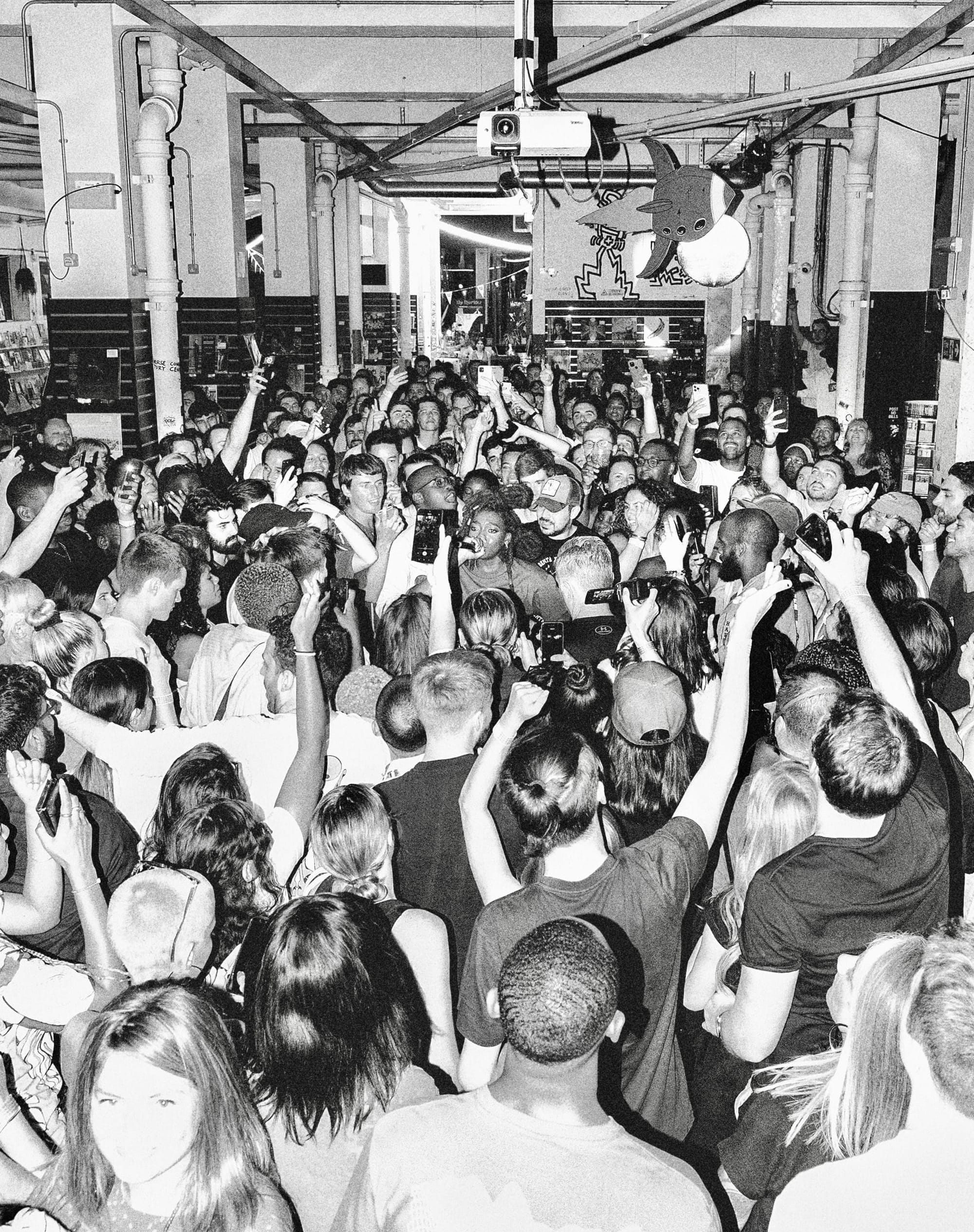
This phenomenon was mirrored globally. New York’s Bodega infused wiry art-punk sensibilities, Stockholm’s Viagra Boys channeled biting societal absurdity, and Melbourne’s Amyl and the Sniffers delivered high-velocity pub rock. Physical record stores served as the vital connective tissue for this international underground. Rough Trade East, in particular, evolved into a vibrant melting pot for London’s indie contingent, hosting intimate in-store performances that allowed fans to witness generational talents at close quarters.
Notably, this decade also witnessed the quiet, steady ascent of independent hip-hop royalty. Little Simz expanded the artistic parameters of the genre through an astonishing, critically acclaimed run of records (GREY Area, Sometimes I Might Be Introvert, NO THANK YOU, and Lotus). Her 2021 live performance at Rough Trade East remains etched into company lore as a defining moment of an artist hitting stratospheric creative heights while connecting intimately with her core audience.
Simultaneously, the retail footprint of Rough Trade itself underwent a major international expansion. While maintaining its historic roots, the institution expanded operations domestically and abroad—opening flagship stores in Bristol, Liverpool, London, and Berlin, establishing a presence in Nottingham, and relocating Rough Trade NYC from Brooklyn to Manhattan.
Official Statements and Industry Insights
Reflecting on a decade marked by both profound loss and unexpected creative resurgences, the core philosophy of independent music retail remains remarkably steadfast. As noted by the Rough Trade team:
"There are few better pleasures in running a record store than seeing something genuinely exciting flourish. The venues get bigger, the crowds wilder, and the records more ambitious, but that first spark of discovery remains much the same."
This sentiment underlines the enduring importance of human curation in an algorithmic age. While platforms like TikTok possess the uncanny ability to catapult a decades-old track back into the global charts or turn a bedroom recording into an overnight phenomenon, the value of tactile, physical music has experienced its own remarkable counter-revolution.

An album can exist universally as data streams across the ether, yet it transforms into something entirely different the moment it sits physically in the listener’s hands. Fifty years after Rough Trade first unlocked its doors, the fundamental mission has not wavered: to foster a physical space where artists and audiences intersect, where intellectual curiosity is generously rewarded, and where a casual recommendation across a counter can send someone home with a record they never knew they desperately needed.
Future Outlook: The Next Fifty Years of Physical Discovery
As the music industry navigates the mid-2020s through an "acid-lime lens"—heavily influenced by the disruptive world-building of artists like Charli xcx and the genre-agnostic fluidity of a generation uninterested in rigid borders between pop, electronic music, rap, and the avant-garde—the future of independent music appears boundlessly complex.
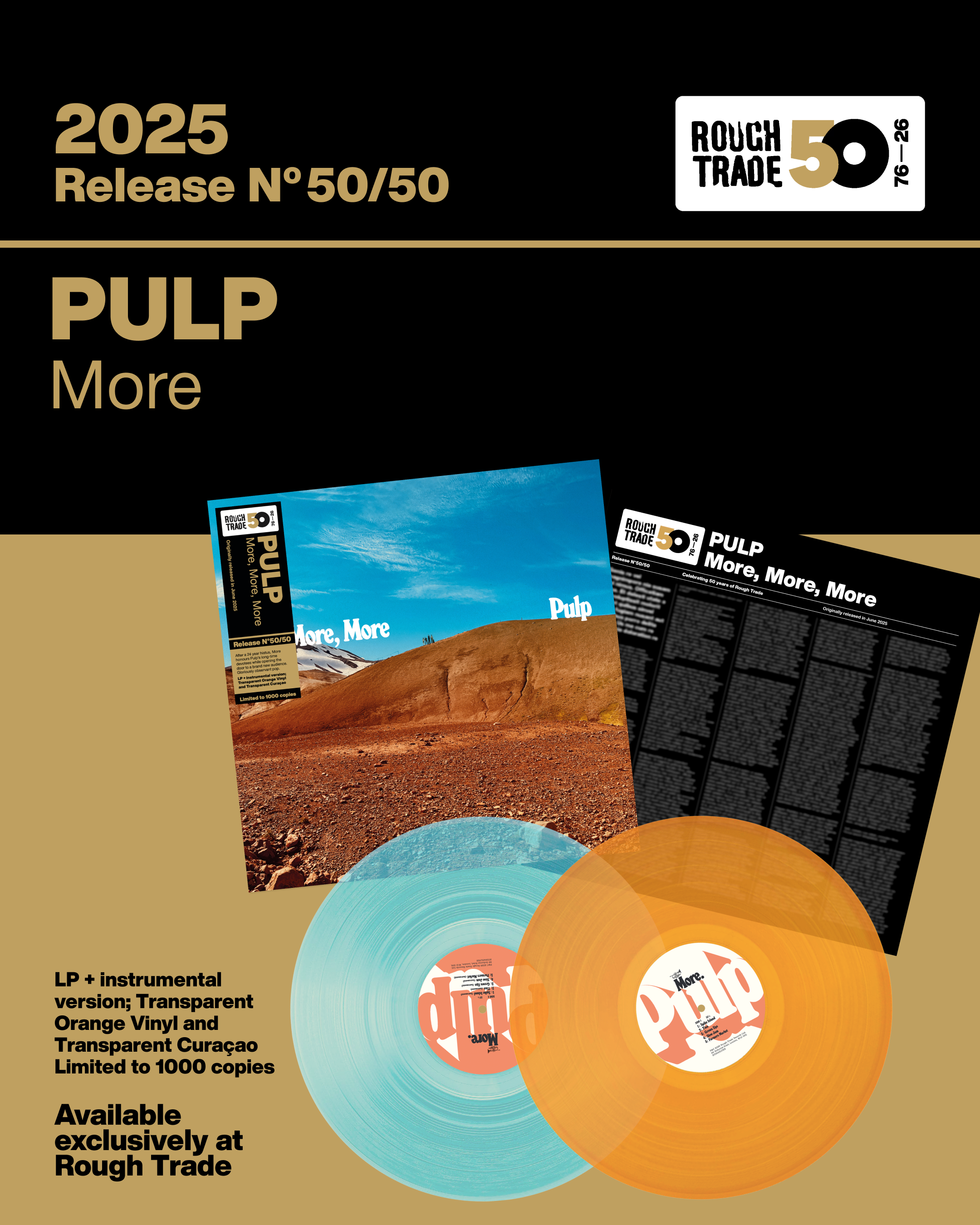
The resurgence of physical formats—spanning vinyl LPs, cassettes, and specialized box sets—proves that music consumers are increasingly craving tangible connections to art in an increasingly digitized world. Projects like the Rough Trade 50th Anniversary Editions, which pair exclusive, limited vinyl pressings with unique liner notes, deep-dive interviews, and historical context, demonstrate that the physical product must offer an immersive cultural experience rather than mere playback functionality.
Looking forward, the challenges facing independent venues, physical retailers, and grassroots artists remain formidable, driven by economic pressures, shifting touring economics, and the dominance of streaming platforms. Yet, if the tumultuous, highly creative decade of 2016–2025 has taught the global music community anything, it is that resilience and radical imagination will always prevail. Whether through the unexpected return of legendary rock icons, the relentless ingenuity of the underground post-punk circuit, or the unyielding dedication of local record store clerks recommending hidden gems across a wooden counter, the pulse of independent music beats stronger than ever. Fifty years in, the crate-digging journey has only just begun.