The contemporary festive season is undergoing a profound sociological pivot. For generations, cultural narratives surrounding Christmas and the New Year have anchored the holiday experience firmly within the framework of collective, multi-generational family units or coupled social pairings. However, evolving demographic shifts, urbanization, and an increasing appreciation for personal autonomy have given rise to a powerful counter-movement: the rise of the solo festive explorer.
No longer viewed merely as a byproduct of circumstance, choosing to navigate the holidays independently has transformed into an intentional lifestyle preference. It is a deliberate reclamation of time, space, and leisure.
This comprehensive guide investigates the burgeoning economic and cultural landscape of independent festive engagement across the United Kingdom for the 2026/2027 season. By examining major metropolitan activations—ranging from immersive cinematic orchestral experiences to high-altitude architectural marvels—this report highlights how leisure operators, event producers, and cultural institutions are adapting to a growing demographic of single consumers. The data demonstrates that independent holiday-goers are not settling for a diminished experience; rather, they are leveraging the freedom of solo attendance to curate bespoke, uncompromised itineraries that prioritize personal enrichment, cultural immersion, and frictionless entertainment.
Detailed Chronology of the 2026/2027 Festive Season
To fully appreciate the scope of independent festive engagement, one must examine the temporal architecture of the upcoming winter season. The 2026/2027 calendar offers a robust array of events specifically suited to solo navigation, spanning from early November through the dawning of the new year.
November 2026: The Season Opens
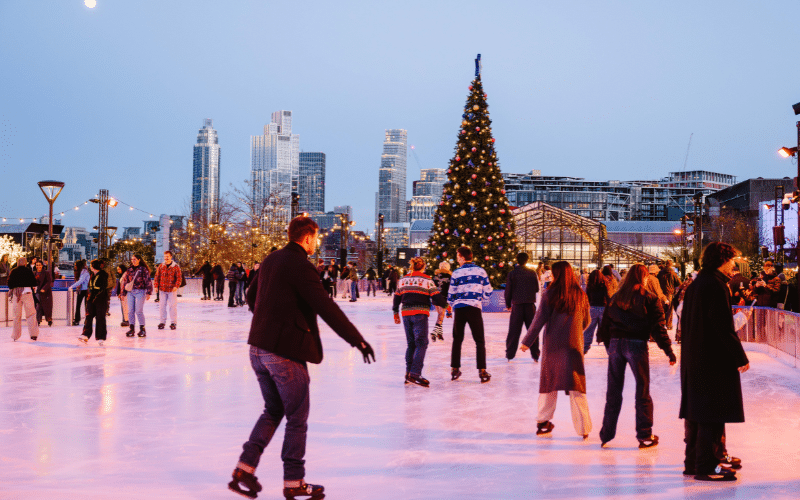
November 6, 2026 – January 3, 2027:Glide at Battersea Power Station opens its triple-interconnected ice rinks, welcoming solo skaters looking to bypass social coordination hurdles and embrace outdoor recreation against the backdrop of the River Thames.
November 11 – 14, 2026: The Good Housekeeping Live event, paired with the Country Living Christmas Market at the Islington Business Design Centre, kicks off the retail and lifestyle segment of the season. This four-day activation provides an ideal environment for independent attendees to sample artisanal goods, engage in workshops, and collect exclusive goodie bags without the constraints of shared timelines.
December 2026: Immersive Spectacle and Culture
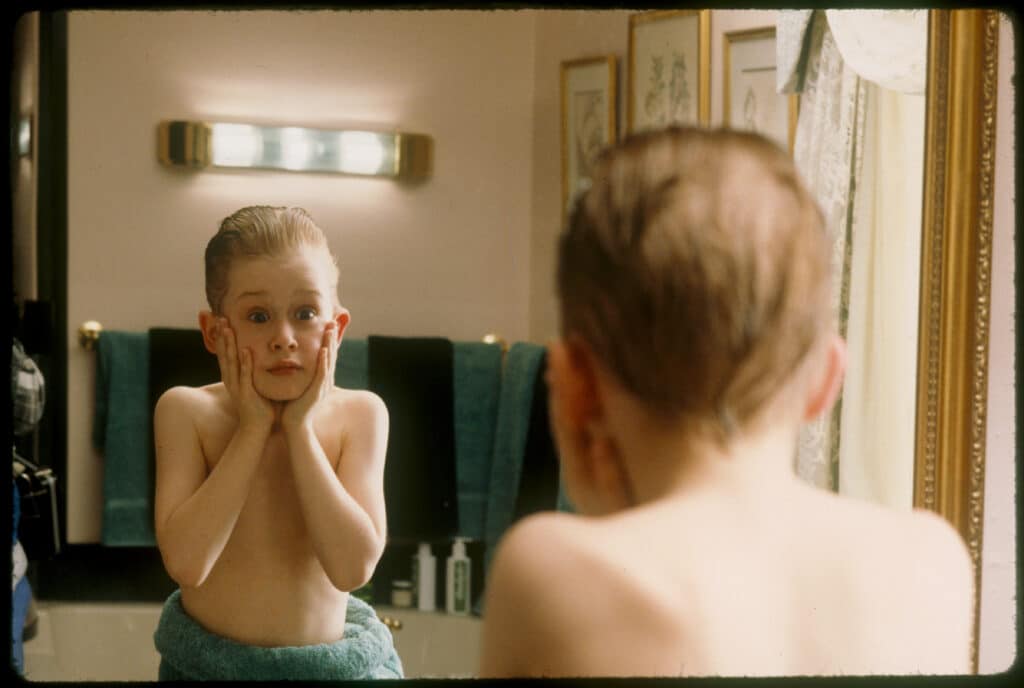
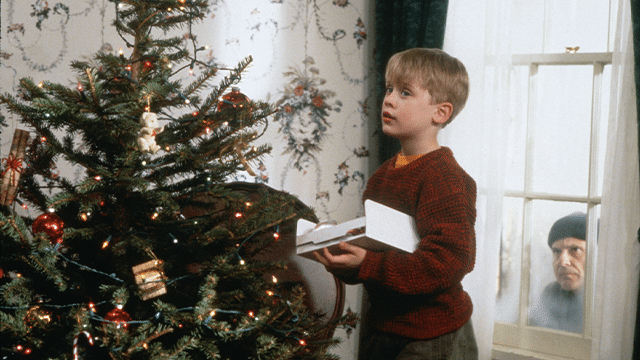
Throughout December (December 2 – 23, 2026):Home Alone in Concert embarks on its extensive UK tour. Bringing John Williams’ iconic score to life with a live symphony orchestra and choir while projecting the holiday classic on the big screen, the tour visits Manchester, Hull, Sheffield, Derby, Bristol, Plymouth, Bradford, Nottingham, and Birmingham.
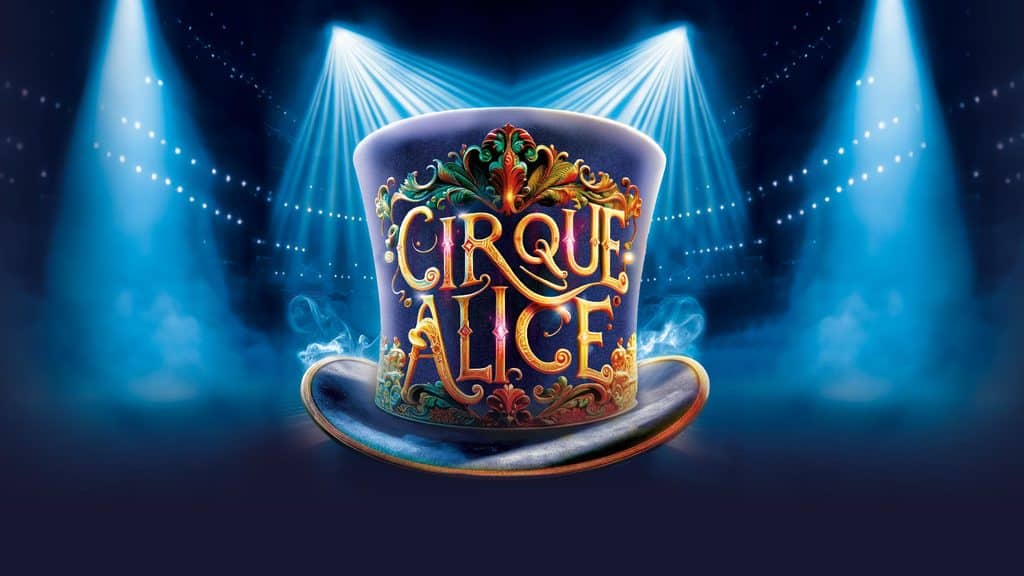
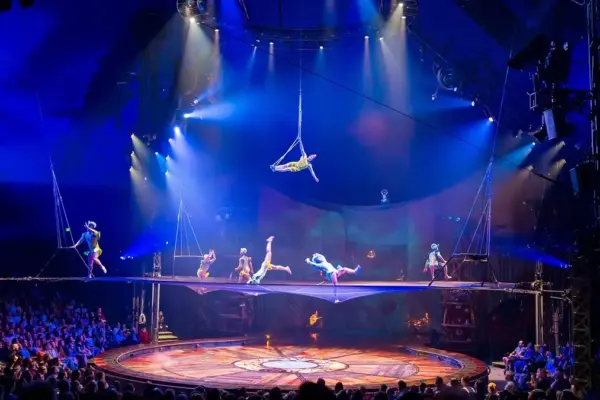
December 13, 2026 – January 3, 2027:Cirque Alice launches its festive run, reimagining Lewis Carroll’s timeless literary creation through an elite international cast of aerialists, acrobats, and contemporary circus performers.
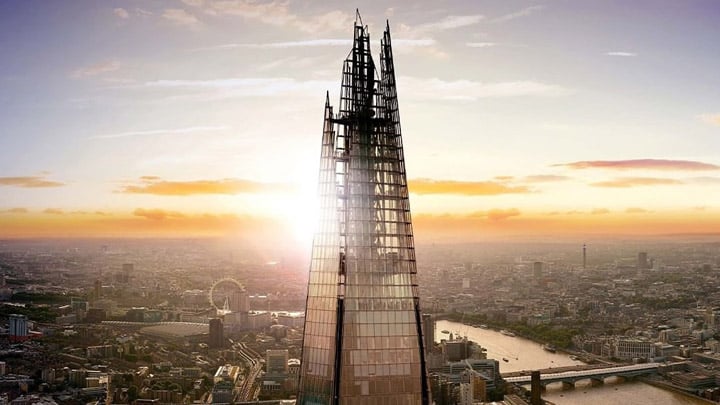
Throughout December (Booking until December 31, 2026): Premium sightseeing landmarks, including The View from The Shard and the Chimney Lift at Battersea Power Station, experience peak visitor traffic. These architectural attractions offer solo travellers unique opportunities for quiet reflection and high-altitude panoramic photography.
January 2027: Ringing in the New Year
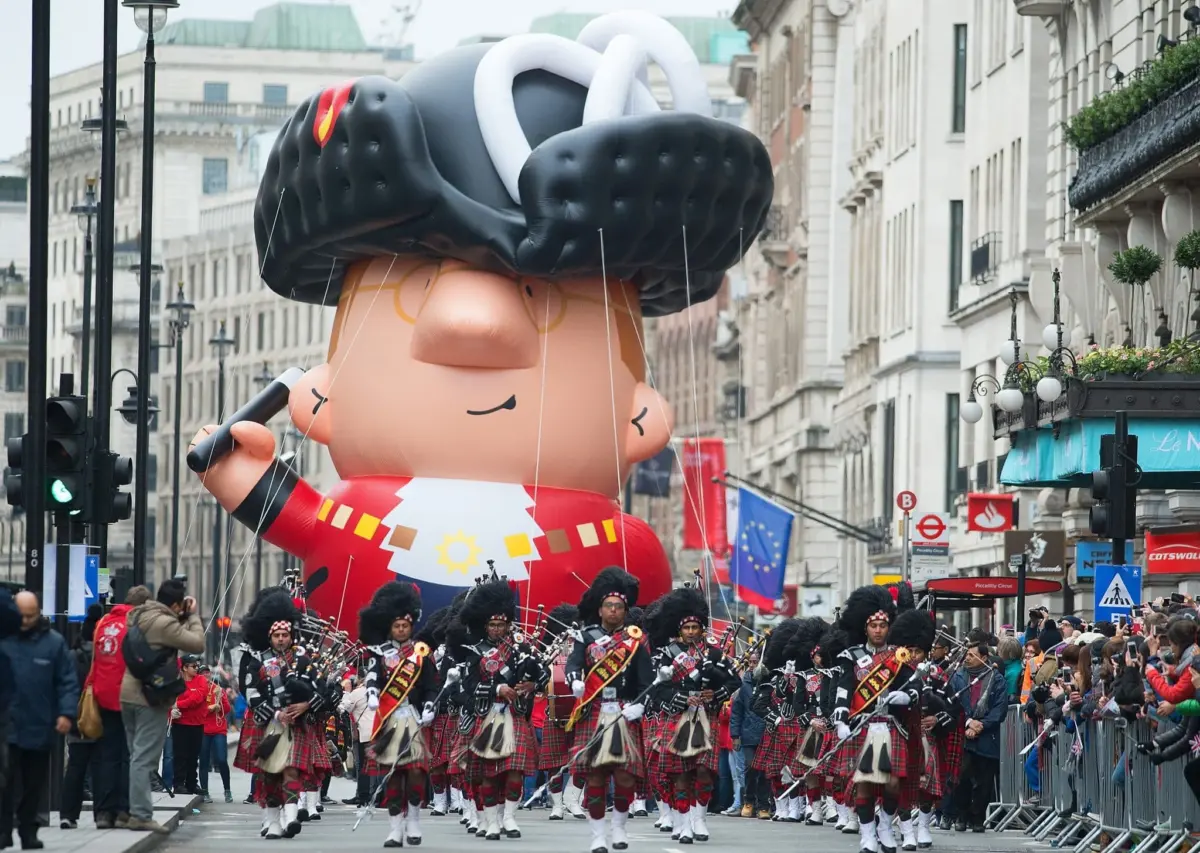
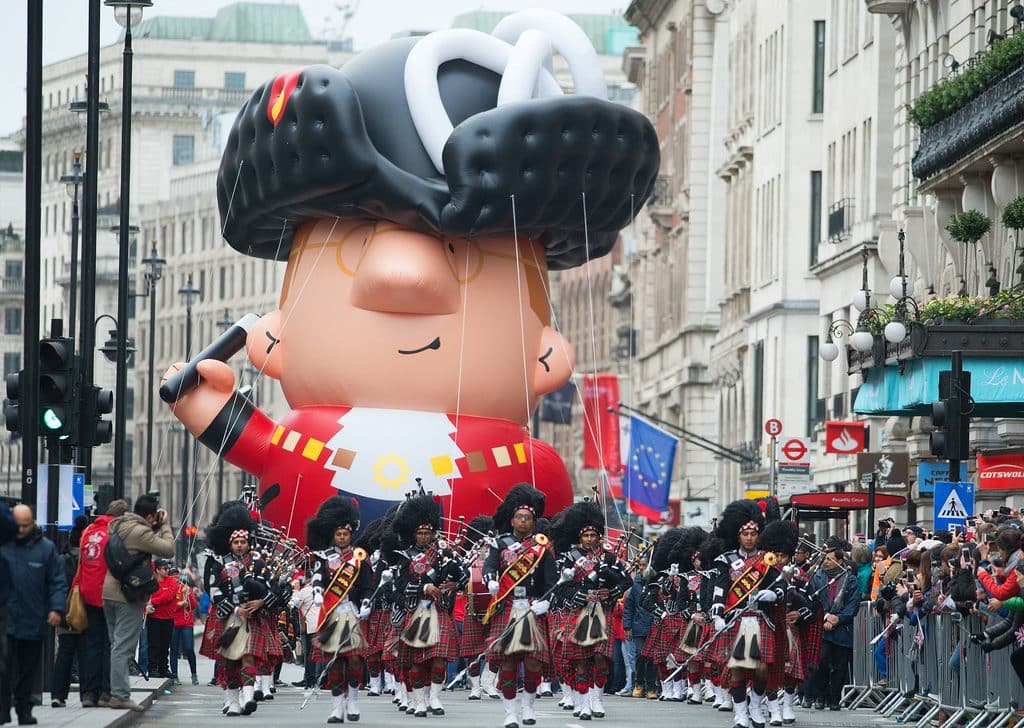
January 1, 2027: The London Parade celebrates its landmark 41st edition in the heart of Westminster. Drawing over 8,500 performers—including marching bands, cheerleaders, and dance troupes along a 2.2-mile route—the event provides a high-energy, vibrant start to the new year for those who prefer their celebrations loud, dynamic, and unapologetically public.
Supporting Context & Metrics: The Rise of the Solo Consumer
The commercial viability of designing events for single attendees is rooted in broader macroeconomic and demographic shifts across the United Kingdom. According to recent Office for National Statistics (ONS) data, single-person households continue to represent one of the fastest-growing housing segments in the country, currently accounting for nearly 30% of all households. This structural shift has created a massive, financially empowered consumer base with disposable income specifically earmarked for experiential leisure.
The Economics of Independence
In the past, event pricing and marketing strategies heavily penalized single consumers through single-supplement charges or by bundling tickets into family or couple packages. However, cultural analysts note a significant pivot in how event organizers approach yield management.
Bespoke Ticketing: Operators of major UK attractions—such as Battersea Power Station and The Shard—have recognized that solo attendees are frequent repeat visitors who spend higher average amounts per capita on on-site retail, food, and beverage because their expenditure is entirely self-directed.
Frictionless Booking: The eradication of social scheduling friction (the classic "group chat indecision") means solo consumers convert from browser to ticket-holder at a significantly higher velocity. Event bookers can thus optimize dynamic pricing models more effectively for off-peak and weekday slots, which are preferentially absorbed by independent patrons.
Psychological and Social Dimensions
Navigating the festive season independently offers profound psychological benefits. Psychologists specializing in leisure and well-being emphasize that "solo-dating"—the practice of taking oneself out to cultural events, exhibitions, and performances—fosters emotional resilience, reduces seasonal anxiety, and encourages mindfulness.
When an individual attends an event like Home Alone in Concert or Cirque Alice alone, sensory engagement is heightened. Unburdened by the need to manage the comfort or opinions of companions, the solo attendee forms an unmediated, deeply personal connection with the art, the architecture, or the atmosphere.
Official Statements and Industry Insights
Cultural commentators and event producers have increasingly tailored their public messaging to validate and celebrate the independent leisure experience.
Maxine Sibihwana, cultural critic and author of the original 2026 guide, emphasizes the liberating nature of the trend:
"The festive season can mean different things for different households, and sometimes that may mean looking for things to do on your own. Whatever your circumstances may be, we’re here to show you how to have a Holly Jolly Christmas. Solo doesn’t have to mean quiet and secluded; it means taking matters into your own hands and curating a season that serves your joy."
Industry stakeholders note that venues are actively designing spaces with the solo visitor in mind. From communal seating arrangements at artisanal food markets like the Country Living Christmas Market to dedicated audio-guide experiences at historical engineering marvels like the Battersea Power Station Chimney Lift, the infrastructure of modern British entertainment is quietly evolving to be aggressively welcoming to the lone explorer.
Furthermore, tourism boards have observed that solo travellers are instrumental in driving weekday footfall. While families and groups concentrate their leisure activities heavily around weekends and school holidays, independent consumers exhibit high flexibility, seamlessly filling capacity slots on Tuesday afternoons or Thursday evenings. This distribution stabilizes operational revenues for cultural venues throughout the intense winter trading period.
Future Outlook: The Permanent Shift in Festive Leisure
As we look toward the remainder of the decade, the accommodation of the solo festive consumer is transitioning from a niche marketing angle to an essential industry standard. Several key trends are projected to shape the future of independent holiday leisure:
Technological Integration for Solo Attendees: Expect the proliferation of augmented reality (AR) and enhanced audio applications at panoramic viewpoints like The View from The Shard. These tools cater directly to independent explorers who prefer self-paced, highly informative educational tours over guided group formats.
Expansion of Cult-Classics in Concert: The immense popularity of cinematic orchestral events—such as the nationwide tour of Home Alone in Concert—signals a permanent appetite for immersive, nostalgic entertainment. Producers are already looking at expanding similar live-score formats for other holiday cinematic milestones, recognizing that fans of all social configurations relish the communal yet anonymous environment of a darkened concert hall.
Inclusive Hospitality Design: Restaurants, popup bars, and market stalls embedded within major holiday activations (such as the Islington Business Design Centre) are redesigning floor plans to include counter seating, shared long-tables, and solo-friendly tasting flights. This ensures that independent patrons never feel spatially marginalized in environments traditionally dominated by large parties.
Conclusion
Ultimately, the 2026/2027 festive season proves that magic is not contingent upon a crowd. Whether one chooses to glide across the frozen Thames at Battersea, ascend to the clouds via the historic chimney lifts, lose oneself in the whimsical high-wire acrobatics of Cirque Alice, or roar along with 8,500 performers at the London Parade, the independent holiday experience stands out as a triumphant assertion of personal freedom. For the modern solo explorer, the message is clear: the most rewarding relationship you can cultivate this winter is the one you have with your own joy.