Executive Overview
As television networks and streaming giants prepare yet another autumn slate featuring fresh adaptations of Jane Austen’s Pride and Prejudice and Sense and Sensibility, the industry’s perpetual romance with Hampshire’s most famous novelist shows zero signs of cooling down. For decades, costume dramas have leaned heavily into the comforting cadence of Regency-era matchmaking, drawing audiences into drawing rooms filled with witty repartee, strict class boundaries, and inevitable happy endings.
Yet, this over-reliance on a singular literary voice has left an expansive, richer, and far more radical literary landscape largely unexplored. Beneath the surface of the 18th-century novel lies a treasure trove of narrative anarchy. Long before modern algorithms prioritized "high-concept" television pitches, Georgian and Enlightenment-era writers were already engineering tales of identity-shifting masquerades, toxic power dynamics, toxic fandoms, social surveillance, and dark gothic dread.
This deep-dive investigation examines why contemporary television—currently obsessed with prestige antiheroes, psychological suspense, and subversive social critique—is missing a massive cultural opportunity. By moving past the well-worn paths of Austen and looking toward five groundbreaking, largely overlooked 18th-century novels, this article explores how Eliza Haywood, Samuel Richardson, Charlotte Lennox, Fanny Burney, and Anne Radcliffe offer ready-made blueprints for the next generation of prestige streaming hits.
Detailed Chronology: The Evolution of the 18th-Century Novel on Screen
To understand why these texts are ripe for cinematic translation, it is essential to trace how the novel evolved as a medium during the 1700s—shifting from scandalous early experiments in identity to atmospheric examinations of psychological terror.
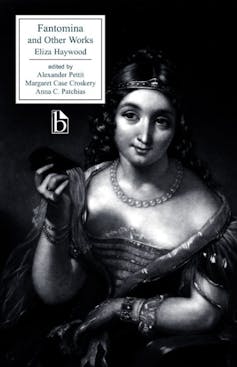
- 1725: The Rise of the Masquerade (Fantomina). Eliza Haywood captures the pulse of an emerging consumer society where personal identity becomes fluid. In an era when public spaces in London were expanding, literature began to interrogate how women could reclaim autonomy through performance and deception.
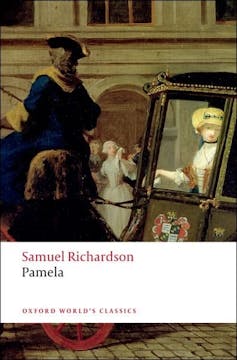
- 1740: Epistolary Intimacy and Institutional Power (Pamela). Samuel Richardson revolutionizes fiction by placing the inner monologue and written letters of a servant girl center stage. The text ignites a continent-wide cultural war over consent, economic precarity, and the abuse of aristocratic privilege.
- 1752: The Meta-Fictional Critique (The Female Quixote). Charlotte Lennox introduces a heroine whose obsession with romance fiction distorts her perception of reality. This marks an early, sophisticated exploration of fandom culture, media literacy, and the systematic dismissal of female intellectual spaces.
- 1778: The Comedy of Social Entry (Evelina). Fanny Burney bridges the gap between mid-century social satire and the domestic realism later perfected by Austen. Evelina establishes the blueprint for navigating the psychological mines of high-society ton and class mobility.
- 1794: The Gothic Renaissance (The Mysteries of Udolpho). Anne Radcliffe codifies the Gothic blockbuster. By anchoring terrifying supernatural aesthetics to very real socio-legal traps faced by women, Radcliffe proves that suspense can be both cerebral and terrifying.
Supporting Context & Metrics: The Modern Streaming Appetite for 18th-Century Tropes
Why do these specific 18th-century narratives align so cleanly with 21st-century streaming metrics? Industry analysts point to several overlapping cultural shifts in audience consumption over the past decade:
- The Antiheroine Renaissance: Modern audiences have grown weary of flawless, passive heroines. Shows like Fleabag, Killing Eve, and Succession have primed viewers to embrace messy, morally ambiguous, and fiercely ambitious characters. 18th-century heroines like Haywood’s Fantomina—who manipulates her lover through elaborate falsehoods—satisfy this hunger for complexity.
- The Rise of "Romantasy" and Fandom Discourse: BookTok and book-stagram communities have transformed reading into an interactive, public sport. Charlotte Lennox’s The Female Quixote (1752), which lampoons obsessive readers who confuse fiction with reality, reads like an uncannily accurate prophecy of modern fandom wars and romantic escapism.
- Institutional Accountability (#MeToo and Beyond): Richardson’s Pamela tackles workplace harassment, economic coercion, and structural abuse of power centuries before social media movements formalized these discussions. Adapting such texts allows modern creators to interrogate historical power imbalances without sacrificing narrative tension.
Five Forgotten Masterpieces Ready for the Prestige Screen
1. Fantomina: or, Love in a Maze (1725) by Eliza Haywood
- The Pitch: Gossip Girl meets Identity Thief, filtered through a sharply satirical Georgian lens.
- The Narrative: The unnamed protagonist becomes infatuated with a dashing gentleman named Beauplaisir. Realizing that respectable women command little long-term attention, she assumes a succession of distinct personas—a naive country maid, an impoverished widow, a haughty flirt, and a mysterious masked mistress—to keep the man chasing her across London.
- Why It Works Today: Long before Tinder profiles, catfish scandals, or curated Instagram personas, Eliza Haywood recognized that attraction is an act of performance. By shedding her respectable identity, Fantomina gains unprecedented geographical and sexual agency. In an era obsessed with personal branding, digital anonymity, and constant visibility, a high-concept limited series following a master manipulator of male desire would be explosive television.
2. Pamela: or, Virtue Rewarded (1740) by Samuel Richardson
- The Pitch: A psychological thriller exploring class warfare, gaslighting, and institutional coercion.
- The Narrative: Pamela Andrews, a remarkably astute 15-year-old maidservant, finds herself trapped in a country estate after the death of her mistress, continuously targeted by the predatory advances of her wealthy young master, Mr. B. Through her frantic, detailed letters home, she documents her strategies of resistance, imprisonment, and eventual negotiation.
- Why It Works Today: Pamela was the Gone Girl of its day—a publishing sensation that divided readers and inspired fierce debate. While its ambiguous resolution—where the abused servant ultimately marries her tormentor—provokes intense discomfort among modern readers, this friction is precisely what makes it a goldmine for prestige television. Handled by a visionary showrunner, an adaptation could dissect the toxic intersections of economic precarity, consent, and survival with razor-sharp modern clarity.
3. The Female Quixote, or, The Adventures of Arabella (1752) by Charlotte Lennox
- The Pitch: A meta-textual romantic comedy for the BookTok generation.
- The Narrative: Raised in secluded aristocratic isolation, the beautiful Arabella spends her formative years devouring massive, multi-volume French romance novels. Convinced that the real 18th-century English countryside operates by the laws of chivalry and epic romance, she interprets ordinary social slights as mortal insults and assumes every passing suitor is a disguised prince.
- Why It Works Today: Lennox’s novel feels like an uncanny dispatch from contemporary internet culture. Arabella’s obsession with "book boyfriends" and chivalric tropes mirrors modern debates surrounding romantasy and fan fiction. More importantly, The Female Quixote exposes a timeless societal double standard: why do patriarchal institutions constantly pathologize and police female imagination? An adaptation would deliver sparkling comedy while validating the profound, redemptive power of imaginative spaces.
4. Evelina: Or, The History of a Young Lady’s Entrance Into the World (1778) by Fanny Burney
- The Pitch: The sharp, biting social satire of Bridgerton combined with the psychological intimacy of Normal People.
- The Narrative: Cast out as a secret illegitimate child, young Evelina Anville is suddenly thrust out of her rural shelter and into the blinding lights of London and Bath high society. Navigating vulgar relatives, predatory suitors, and her own crippling self-doubt, she struggles to find her footing among the aristocracy.
- Why It Works Today: Fanny Burney was famously Jane Austen’s favorite writer, and Evelina is widely recognized as the stylistic bridge to Austen’s masterpieces. Because Evelina is an outsider looking in, her perspective is inherently comedic, vulnerable, and deeply human. Her awkward social missteps and painful education in the hypocrisy of the ton offer a universal coming-of-age arc that would resonate instantly with contemporary viewers seeking smart, character-driven period drama.
5. The Mysteries of Udolpho: A Romance (1794) by Anne Radcliffe
- The Pitch: A prestige Gothic horror series in the vein of Crimson Peak or Rebecca.
- The Narrative: Following the death of her parents, the sensitive Emily St. Aubert is dragged across the Pyrenees by her terrifying, avaricious uncle, Montoni, and imprisoned in the dark, labyrinthine castle of Udolpho. Surrounded by howling winds, unearthly noises, veils that hide unspeakable horrors, and sinister guardians, Emily must rely solely on her wits to preserve her sanity and inheritance.
- Why It Works Today: Gothic literature is currently experiencing a massive cultural renaissance as audiences lean into stories that externalize psychological dread and systemic entrapment. Radcliffe’s masterpiece is not just a parade of spooky ghosts—it is a rigorous, chilling examination of female vulnerability under patriarchal legal frameworks. With sweeping alpine cinematography, high-stakes suspense, and a brooding villain, The Mysteries of Udolpho could easily anchor a prestige streaming anthology.
Future Outlook: Reclaiming the Margins of Georgian Literature
While Jane Austen will deservedly retain her crown as the queen of domestic irony, the entertainment industry’s persistent tunnel vision has deprived audiences of the broader, wilder spectrum of 18th-century storytelling.
The novels penned by Haywood, Richardson, Lennox, Burney, and Radcliffe demonstrate that Enlightenment-era literature was far more radical, dangerous, and formally experimental than the sanitized costume dramas typically favored by traditional broadcasters. They toyed with unreliable narrators, deconstructed media consumption, weaponized disguise, and laid bare the terrifying mechanics of gendered power.
As streaming platforms continuously hunt for fresh intellectual property that combines high production values with incisive social commentary, they need look no further than the forgotten bookshelves of the 18th century. Three hundred years after their initial publication, these fierce, unconventional narratives are more than ready for their grand cinematic close-up.