Executive Overview
Since stepping away from the long shadows of his storied collaborative past to launch a solo career in 2013, Johnny Marr has systematically dismantled the notion that sidemen cannot successfully command center stage. Over the past decade, the legendary Manchester-born guitarist, songwriter, and producer has wasted no time establishing himself as one of Britain’s most vital, enduring, and best-loved indie-rock icons. Having already gifted fans four stellar studio albums—including an ambitious double-LP release—alongside three electrifying live records and a comprehensive career-spanning compilation, Marr’s creative engine shows no signs of slowing down.
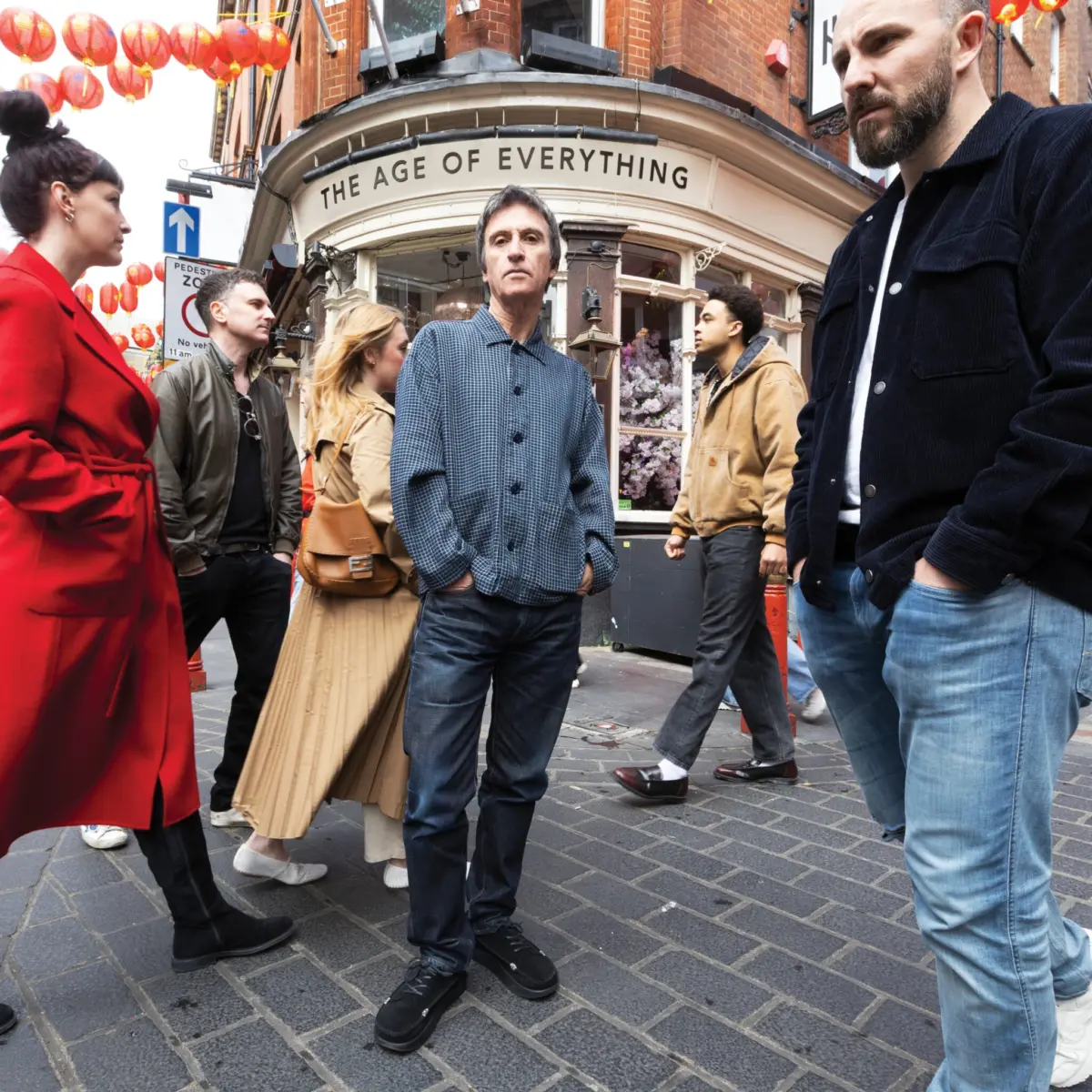
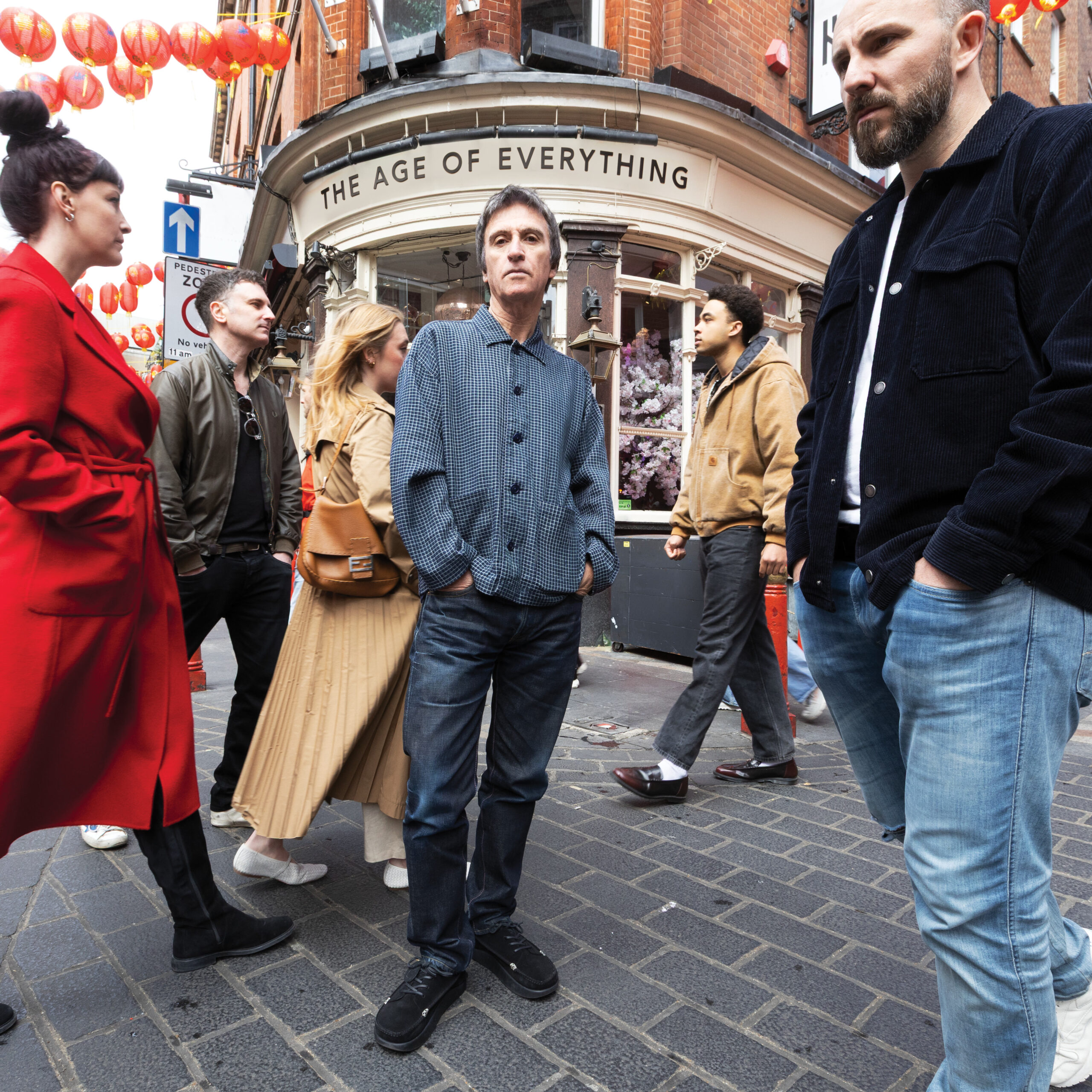
Now, with the release of his fifth solo studio album, The Age of Everything, the former Smiths virtuoso returns to the absolute fore of the contemporary music landscape. This latest offering is a sharply crafted, fiercely observant audio-documentary of the present moment. Merging classic, instantly recognizable jangle-pop melodies with towering, complex guitar work and an undeniable post-punk flair, The Age of Everything positions Marr not just as a nostalgia act resting on his laurels, but as a razor-sharp commentator on the anxieties of the twenty-first century.
Across its ten meticulously arranged tracks, the album wrestles with the overwhelming nature of a technology-driven culture, capturing the dizzying speed of modern living while simultaneously searching for genuine moments of renewal, human connection, and artistic defiance. Rather than offering simplistic escapism, Marr uses his signature guitar wizardry to mirror the chaos of the world back to the listener, delivering some of the most compelling, structurally cohesive, and emotionally resonant work of his entire career.
Detailed Chronology: From Indie Architect to Solo Vanguard
To fully appreciate the weight and artistic triumph of The Age of Everything, one must contextualize the extraordinary journey that brought Johnny Marr to this point. Marr’s career is practically a masterclass in modern rock history, functioning as a golden thread that ties together several of the most influential bands of the past four decades.
The Foundational Years and Legendary Collaborations
Emerging in the early 1980s as the musical architect and co-songwriter of The Smiths alongside Morrissey, Marr revolutionized guitar pop. His intricate, chiming arpeggios and avoidance of traditional rockist power-chords redefined the sonic palette of British indie music. Following the acrimonious and seismic breakup of The Smiths in 1987, Marr embarked on a nomadic yet remarkably fertile creative journey.
Rather than settling down, he became rock’s ultimate collaborator. He lent his unmistakable stylistic fingerprints to The Pretenders, joined forces with Matt Johnson in The The, and teamed up with Bernard Sumner of New Order to form the critically acclaimed electronic-dance outfit Electronic. Beyond permanent band memberships, Marr’s phonebook-length resume includes elite session work and co-writing credits for an eclectic pantheon of music royalty, including the Pet Shop Boys, Crowded House, Everything but the Girl, and Blondie, among countless others.
The Solo Renaissance (2013–Present)
Despite these monumental achievements, it wasn’t until 2013—with the release of his debut solo album, The Messenger—that Marr finally stepped up to the microphone as a permanent frontman. What followed was a prolific decade of tireless touring, international festival appearances, and consistent artistic output.
The Messenger was quickly followed by Playland (2014), the sprawling, cinematic double-album Call the Comet (2018), and the razor-sharp indie-pop-infused Fever Dreams Pts. 1–4 (2022). Throughout this solo tenure, Marr honed a distinct voice that married his iconic guitar tones with a newfound lyrical directness.
The culmination of this decade-long evolution arrives with The Age of Everything. Written and recorded during a period of profound global and technological shifts, the album represents a synthesis of Marr’s entire musical lineage. It looks back at his past touchpoints while marching boldly into an uncertain future, cementing his status as a rare legacy artist who continues to write vital, contemporary chapters.
Supporting Context & Metrics: Anatomy of an LP
To understand how The Age of Everything functions as an artistic statement, one must examine the sonic architecture, thematic topography, and structural sequencing that hold the ten-track record together.
The Soundscape: Light, Dark, and Digital Noise
At its core, The Age of Everything is an album defined by juxtaposition. The opening track and lead single, "Spin," immediately establishes a sense of timelessness. Driven by cascading, jangling guitars and an infectious, upbeat melody, the track contrasts sharply with its sobering lyrical commentary on the confusion, overstimulation, and psychological torment of modern-day living.
Throughout the record’s ten songs, Marr maintains a delicate, healthy balance between dark atmospheric tension and bright melodic release. The tracks capture the suffocating weight of an algorithm-driven society where human attention is mined for profit, yet they consistently pivot toward a search for possibility, resilience, and spiritual renewal.
Intertextuality and Stylistic Touchpoints
Marr’s melodic sensibilities on this record are as sharp and unfaltering as ever, frequently winking at distinct eras of his storied career:
- "How Come" features bright, kinetic flourishes that will instantly transport longtime fans back to the golden era of The Smiths.
- "In and Out of Love" acts as a brilliant, rhythmic nod to the deadpan urban poetry of Lou Reed, blending narrative grit with sophisticated guitar textures.
- "Ophelia," as Marr himself has openly acknowledged, draws thematic and structural inspiration from Shakespeare, yet features synth-laced, rhythmic elements that would not feel remotely out of place in his pioneering work with Electronic.
The Tracklist Sequencing: From Fire to Final Questions
The remarkable cohesion of The Age of Everything stems from Marr’s decades of studio experience and instinctive sequencing. Tracks like "Fire with Fire" and "All in a Life" lean into opposing, complementary aspects of his solo aesthetic.
The LP closes with a masterclass in sequencing: it first erupts with the rallying call-to-arms of "Fire with Fire," before immediately pivoting into the brooding, ominous rumination of the closing title track. This final number leaves the listener hanging on a haunting, unresolved question: Is there truly a way past the hyper-connected, digitized world we have constructed for ourselves?
Official Statements and Artistic Philosophy
Throughout the rollout and press cycle for The Age of Everything, Johnny Marr has remained refreshingly candid about the limitations of art in the face of systemic global crises. Rather than adopting the role of a detached prophet or a political savior, Marr approaches his songwriting from a place of shared vulnerability.
Acknowledging the Limits of Melody
At no point during the album’s runtime does Marr claim to hold the keys to salvation. In fact, he purposefully subverts the traditional "rock star gives uplifting pep talk" trope. At one of the album’s most emotionally potent lyrical junctures, he explicitly acknowledges:
"Melodies and good times / Won’t take away the feeling that lingers"
In various interviews surrounding the release, Marr has elaborated on this line, noting that music cannot magically erase the climate anxiety, political polarization, and digital fatigue that define modern existence. However, he insists that acknowledging these heavy realities through communal art is a necessary act of survival.
Confronting the Digital Panopticon
Speaking on the overarching themes of The Age of Everything, Marr has described the record as a direct reaction to the "ambient panic" of the 2020s.
"We are living through an era where everything is documented, monetized, and accelerated," Marr explained during a recent preview session. "I wanted to make a record that didn’t necessarily try to escape that reality, but instead looked it dead in the eye. The guitar has always been my weapon against silence and confusion. On this album, I wanted it to cut through the digital noise and remind people what it feels like to be physically, emotionally present in a room."
By balancing grave ecological and cultural concerns with an infectious, driving sense of hope, Marr achieves a rare alchemy: a protest record that you can dance to, and a philosophical inquiry wrapped in world-class indie-rock craftsmanship.
Future Outlook: The Legacy of a Living Legend
With The Age of Everything now out in the world, Johnny Marr faces a musical landscape vastly different from the one he entered with The Smiths over forty years ago. Yet, remarkably, he remains one of the few artists from his generation who is neither trapped in amber nor frantically chasing fleeting youth-culture trends.
The Live Circuit and Cultural Resonance
Marr’s immediate future involves an extensive global tour designed to bring the complex sonic layers of The Age of Everything to life on stage. Known for high-energy performances that seamlessly weave deep cuts from his solo catalog, classic Smiths anthems, and collaborative hits, Marr’s live shows continue to draw multi-generational audiences. Younger fans, discovering him through modern indie bands he has inspired, stand shoulder-to-shoulder with veterans who bought The Queen Is Dead on vinyl in 1986. This cross-generational appeal guarantees that his new material will not exist in a vacuum, but will instead be road-tested and amplified by passionate crowds worldwide.
What Lies Beyond The Age of Everything
Looking further down the horizon, Marr’s relentless work ethic suggests that The Age of Everything is merely another milestone rather than a destination. Whether he eventually returns to film scoring (having previously contributed stellar work to soundtracks like Inception, The Amazing Spider-Man 2, and No Time to Die), dives back into unexpected collaborations, or begins plotting album number six, one truth remains absolute.
Johnny Marr has successfully rewritten the rulebook for veteran musicians. He has proven that longevity in rock-and-roll does not require compromise, repetition, or emotional stagnation. On The Age of Everything, he looks at a fragmented, hyper-accelerated world and responds with the most potent tools at his disposal: sharp intellect, unstoppable momentum, and the eternal, healing power of the electric guitar.