Executive Overview
Generational nostalgia has officially claimed the box office. Nearly three decades after the 1998 release of Practical Magic—an adaptation of Alice Hoffman’s 1995 novel that originally struggled at the box office before achieving immortal status as an autumnal perennial—audiences are packing cinemas once more. In ticket queues spanning generations, Gen X nostalgia-seekers in slim-knit cardigans and floral maxi dresses stand shoulder-to-shoulder with tattooed Gen Z cinephiles and "WitchTok" millennials. They have gathered in gleeful anticipation for Practical Magic 2, a sequel arriving 27 years after the original film first cast its spell.
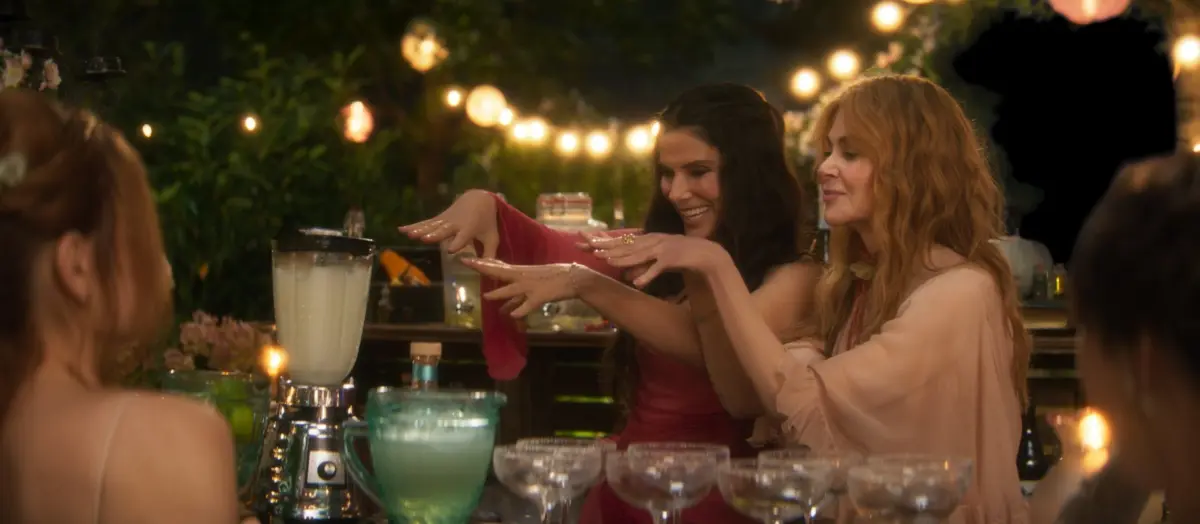
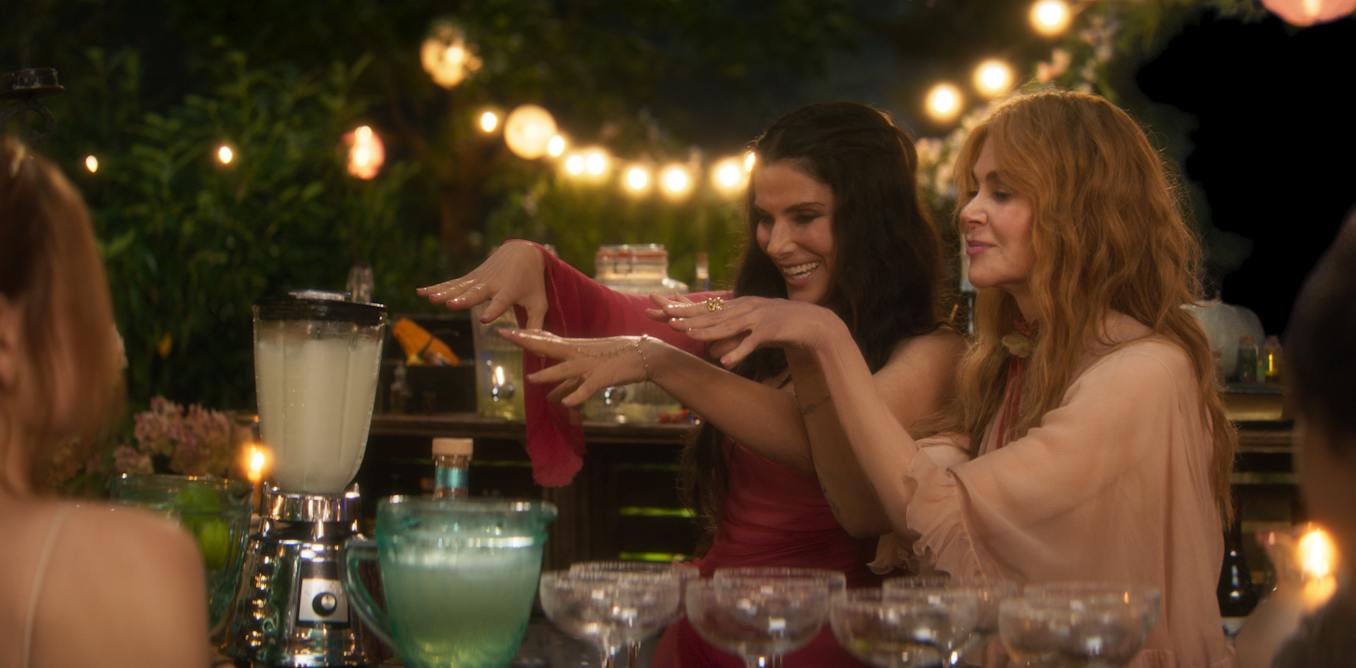
The returning ingredients read like a fan’s ultimate checklist: Nicole Kidman and Sandra Bullock reprising their roles as the free-spirited Gillian and sensible Sally Owens; Susanne Bier stepping behind the camera as a seasoned female director; and screen legends Dianne Wiest and Stockard Channing stepping back into the fray as the beloved aunts, Jet and Franny.
Yet, beneath the gleeful veneer of coven reunions and cinematic escapism lies a turbulent undercurrent of missed opportunities, puzzling casting choices, and creative missteps. Most notably, the conspicuous absence of Evan Rachel Wood—who played Sally’s eldest daughter, Kylie, in the original film—has ignited fierce debates among loyal fans and cultural critics alike. Coupled with heavy-handed plotlines, heavy reliance on tired romantic tropes, and an awkward pivot into English village pastiche, Practical Magic 2 struggles to reconcile its desire to milk 1990s intellectual property with the nuanced, messy realities of modern feminist storytelling.
Detailed Chronology: From Cult Flop to Cult Phenomenon
To understand the cultural weight and subsequent stumbles of Practical Magic 2, one must trace the trajectory of the original film. When Practical Magic premiered in October 1998, it was met with lukewarm reviews from mainstream critics. It was a slow burn, an autumnal melodrama that Sandra Bullock herself famously noted needed time "to marinate."
The Evolution of a Cult Classic
Based on Alice Hoffman’s novel, the film followed the Owens sisters—a lineage of Massachusetts witches burdened by a generational curse ensuring that any man who fell in love with them would meet an untimely death. The original movie walked a delicate tightrope between cozy escapism and genuine darkness. It featured domestic abuse, accidental manslaughter, demonic possession via a resurrected malevolent spirit, and a makeshift coven of local women uniting to perform an exorcism.
Despite its initial box office indifference, the film resonated deeply with audiences looking for refuge. It tapped into a cultural zeitgeist defined by a yearning for pagan matriarchal solidarity, packaged as a frothy, comforting cinematic blanket whenever women grew weary of navigating a patriarchal society. Over the decades, it evolved from an underappreciated 90s supernatural drama into an essential seasonal watch, embraced by successive generations seeking sisterhood, community, and the occult.
The 27-Year Gap and the Sequel’s Premise
Fast-forward 27 years to the arrival of Practical Magic 2. The narrative picks up two and a quarter decades later. Sally Owens (Bullock) has spent years successfully concealing her family’s magical heritage from her grown daughters, Kylie (now played by Joey King) and Antonia (Maisie Williams).
Predictably, the ancestral curse refuses to stay buried. When Kylie’s boyfriend, Gideon (Xolo Maridueña), suffers a sudden and critically debilitating injury, the curse strikes once more. Desperate to save him, Kylie flees across the Atlantic to England in search of an elusive magical cure. This precipitates a transatlantic rescue mission: Sally, Gillian, and Aunts Jet (Wiest) and Franny (Channing) must cross the ocean, team up with a scholarly warlock (Lee Pace), and confront ancient dark forces.
Unfortunately, the execution of this transatlantic adventure often veers into unintentional comedy.
Supporting Context & Metrics: The Casting Controversy and Creative Missteps
While the reunion of the core cast generated headlines, it is the omissions and narrative choices that have dominated post-release discourse.
The Re-Casting of Kylie Owens
The most glaring omission from the sequel’s lineup is Evan Rachel Wood. In the 1998 film, a young Wood portrayed Sally’s eldest daughter, Kylie. When Joey King was subsequently cast in the role for the sequel, loyal fans expressed immediate dismay.
The rationale provided by the production—cited by the director as a matter of "age"—strains all credulity. Wood is 39 years old, making her chronologically prime to play an older Kylie 27 years after the original film. Replacing an original cast member who is the appropriate age for the timeline leaves a gaping narrative hole.
This casting shift prompts uncomfortable questions about Hollywood’s treatment of women in their late thirties. More troublingly, observers cannot help but wonder if the public fallout surrounding Wood’s 2021 abuse allegations against Marilyn Manson factored into studio risk assessments. If the film industry is actively sidelining survivors to mitigate PR friction, it places Practical Magic 2’s loudly touted feminist ethos at direct odds with the corporate machinery that produced it.
Narrative Stumbles and Tone Deafness
Beyond the casting controversy, the film’s creative choices frequently alienate the audience. The decision to transplant a portion of the narrative to an idyllic English village feels less like a natural plot progression and more like a high-budget pastiche of a Christmas romantic comedy. Complete with obligatory red phone boxes to signal to viewers that, yes, they are in the United Kingdom, the setting evokes the saccharine schmaltz of The Holiday—only with a script that makes that seasonal romance look like Shakespearean drama.
Furthermore, the romantic subplots strain suspension of disbelief. Gideon’s cloying devotion to Kylie is so exaggerated that Kylie’s reciprocated affection plays like a running joke. When a male character’s emotional trajectory feels entirely artificial, it inevitably casts a pall over a narrative ostensibly built on authentic female bonds.
Critics have also noted structural imbalances in the script. Why does Sally consistently receive the lion’s share of romantic subplots? The introduction of Lee Pace’s professor-warlock marks Sally’s third "love-at-first-sight" encounter across just two films. Had Gillian’s historical romantic dysfunction been granted adequate screen time, the supporting talents of Kidman, Williams, and Channing might have been better utilized. Instead, audiences are treated to a rehash of Bullock’s wide-eyed, gooey romantic double-takes.
Official Statements & Industry Perspectives
The reception of Practical Magic 2 highlights a broader Hollywood paradox: the insatiable appetite for nostalgic intellectual property clashing with a persistent corporate timidity regarding mature female narratives.
Industry analysts point out that nostalgia-driven greenlights are designed for immediate financial return rather than artistic continuity. By prioritizing fresh, hyper-marketable younger stars like Joey King and Maisie Williams over continuity with original actors like Evan Rachel Wood, studios signal that youth remains the ultimate currency—even within franchises ostensibly celebrating generational matriarchy.
In interviews surrounding the press tour, the returning cast members have emphasized the joy of reuniting. Sandra Bullock and Nicole Kidman have both spoken movingly about the enduring bond of sisterhood that defined the original shoot. Yet, these statements highlight the disconnect between the actors’ genuine off-screen camaraderie and the mechanical, plot-heavy constraints of the sequel’s script.
When director Susanne Bier defended casting decisions through the lens of modernizing the franchise for contemporary demographics, critics argued that true modernization would mean embracing the complexity of aging women—both behind and in front of the camera—rather than recycling tired rom-com tropes.
Future Outlook: Will the Coven Endure?
Despite its script vulnerabilities, tonal unevenness, and questionable casting logic, Practical Magic 2 is unlikely to fade into obscurity.
The fundamental truth of Practical Magic is that its survival has never depended entirely on critical consensus. The franchise thrives because its audience possesses a deep, enduring hunger for stories celebrating female solidarity, spiritual community, and the "old ways." For the millennials and Gen Z viewers discovering the magic through streaming platforms, and for the Gen X fans reliving their youth, the emotional core of the Owens family remains intact.
What Lies Ahead for the Franchise?
-
Streaming Longevity: Much like its predecessor, Practical Magic 2 is primed to find its true home as a seasonal streaming staple, watched recursively every autumn alongside contemporary pagan comfort watches.
-
Fan-Driven Discourse: The casting controversy surrounding Evan Rachel Wood will likely cement her version of Kylie as a beloved alternate timeline in fan fiction and internet retrospectives, serving as a case study in Hollywood’s handling of legacy characters.
-
The Future of Legacy Sequels: As studios continue to mine the 1990s and early 2000s for catalog extensions, Practical Magic 2 serves as both a warning and a template. Audiences will show up for nostalgia and sisterhood, but they will readily call out corporate sanitization and superficial writing.
Ultimately, Practical Magic 2 is a flawed vessel. It stumbles through its romantic subplots, relies too heavily on geographic clichés, and falters by erasing continuity in favor of demographic calculations. Yet, beneath the missteps lies the unshakeable foundation built by Hoffman’s original prose and the indelible chemistry of Bullock and Kidman. Men may come and go, curses may strike, and Hollywood executives may continue to misread their audiences—but the deep, messy, resilient bond of sisterhood remains forever.