Executive Overview
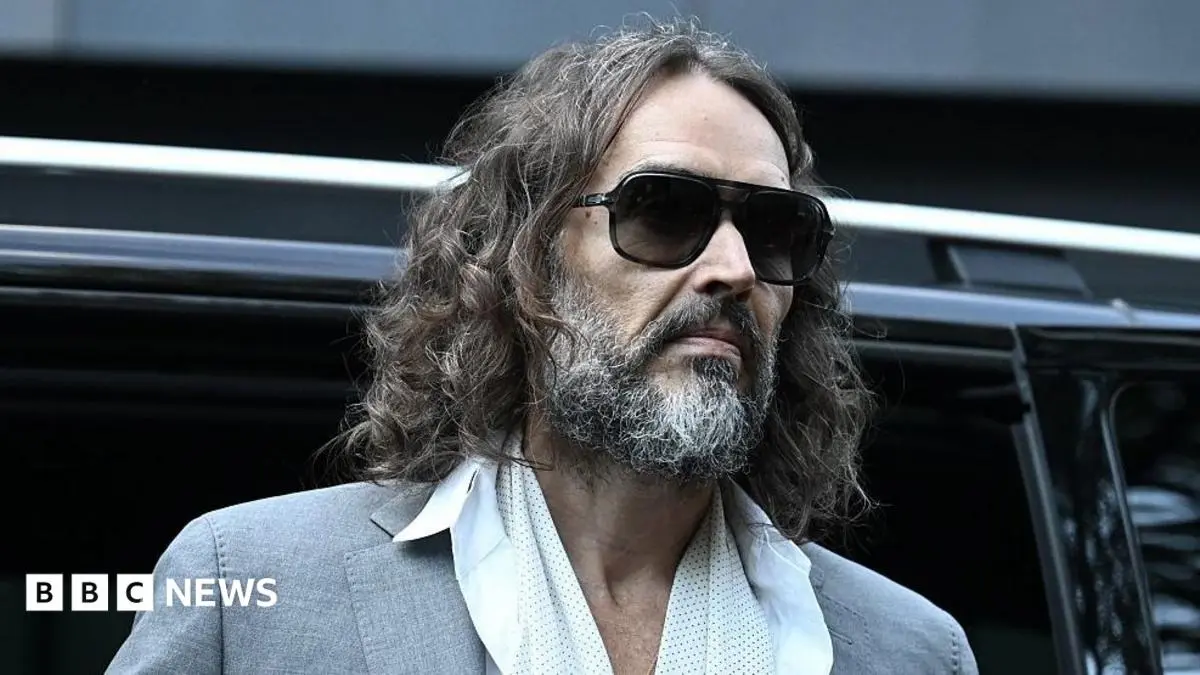
The high-profile criminal trial of British comedian and media personality Russell Brand entered a deeply emotional and pivotal phase this week as jurors heard harrowing accounts from close confidants and family members of one of the primary complainants. Brand, 51, is currently fighting a battery of serious criminal allegations, having pleaded not guilty to all seven charges brought against him. The indictment includes three counts of rape, three charges of sexual assault, and one count of indecent assault. The sprawling legal case encompasses allegations spanning a full decade, from 1999 to 2009, and involves six distinct female complainants.
During the latest court sessions, the prosecution zeroed in on an alleged incident said to have occurred in 2009 following a live performance at the Hammersmith Apollo theatre in London. Through a combination of live video-link testimony, in-person witness appearances, and formal written statements read aloud to the court, a distressing picture emerged of the aftermath of the alleged encounter. Friends of the complainant detailed immediate disclosures of physical pain, emotional trauma, and deep-seated fears regarding sexual health. Furthermore, statements submitted by the complainant’s parents corroborated a timeline of profound distress, revealing that the young woman sought refuge at her family home for two months following the alleged attack and underwent sexual health screenings out of concern for contracting HIV.
The trial, which has drawn intense domestic and international media scrutiny, represents a watershed moment in the public accountability of prominent cultural figures. As the Crown Prosecution Service builds its case across multiple historical complainants, the current testimonies offer a window into the psychological burden carried by survivors of sexual violence, the complexities of reporting historic assaults, and the intricate web of personal relationships that often bear the early weight of such disclosures.
Detailed Chronology of the 2009 Allegations
The focal point of the recent court proceedings centers on a sequence of events allegedly unfolding in the autumn of 2009. According to the evidence presented to the jury, the complainant and a female friend had attended Brand’s comedy show at the iconic Hammersmith Apollo theatre in West London. Following the conclusion of the performance, the two women were extended an invitation to visit the defendant’s backstage dressing room—a meeting that served as the catalyst for the subsequent events.
The Invitation and the Journey to Hampstead
The first witness, testifying via video link, recalled that she and her friend met Brand at the Hammersmith Apollo. Shortly after this initial backstage encounter, the complainant reportedly visited Brand’s London residence. The situation escalated when Brand allegedly arranged transportation for the woman, sending a private car to collect her and bring her to his home in Hampstead, North London.
The witness told the court that she spoke with the complainant "quite soon after" the incident took place. The emotional state of her friend was described as utterly shattered. "She was just crying—really upset," the witness recounted to the jury.
The Nature of the Alleged Assault
According to the testimony, the encounter between Brand and the complainant began under consensual circumstances, but quickly crossed legal and physical boundaries without the complainant’s consent. The witness stated that her friend described Brand as acting in a manner that was "quite aggressive."
Crucially, the witness recounted the specific details her friend shared regarding the escalation of the encounter: "He forcibly put it in my bum, and it really, really hurt."
Prompted by the severity of the disclosure, the witness stated that she specifically interrogated the complainant about whether she had verbally communicated her lack of consent. The witness asked if the complainant had told Brand "no" when the nature of the encounter shifted. According to the testimony, the complainant answered affirmatively—and repeatedly.
"She told me that she was in a lot of pain," the witness testified, adding that the physical toll was so severe that the complainant stated "she couldn’t sit down" comfortably in the days that followed.
The Second Friend’s Testimony and the Aftermath
A second friend of the same complainant subsequently took the witness stand, providing corroborating details that reinforced the narrative of physical trauma and emotional degradation. This witness told the jury that the complainant had explicitly stated she repeatedly instructed Brand to stop during the assault.
In a particularly damning portion of the testimony, the second friend revealed that the psychological nadir of the experience occurred not merely during the act itself, but immediately afterward. The witness stated that the complainant reported a chilling lack of empathy from the defendant.
"[She] said that Brand told her she’d been dirty and had to clean up her mess," the witness told the court, noting further that the defendant "was quite cold and keen to get her gone."
Faced with these disclosures, the second friend described offering immediate practical advice. She urged the complainant to seek medical attention immediately due to anal tearing and severe physical discomfort, while also encouraging her to confide in her parents and contact the police. However, the prevailing sentiment at the time was one of hesitation and intimidation.
"She just wasn’t sure—it was all a bit chaotic in her head. She felt like it wasn’t worth it," the witness explained to the jurors. "She didn’t think she would be believed, and she didn’t think it would be worth it to go. She kind of put it behind her."
Supporting Context & Metrics
The ongoing trial against Russell Brand is not an isolated legal battle; rather, it is part of a broader, systemic re-evaluation of accountability within the entertainment industry. The statistics and structural frameworks surrounding historical sexual assault allegations provide essential context for understanding why victims often delay coming forward.
Understanding Historical Sexual Assault Metrics
Criminological data consistently demonstrates that sexual offenses are among the most underreported crimes globally. According to reports from organizations such as Rape Crisis England & Wales and official Home Office crime statistics:
- Reporting Delays: A significant percentage of sexual assault survivors wait years—sometimes decades—before reporting incidents to law enforcement or even disclosing them to close friends and family.
- Psychological Barriers: Common deterrents to immediate reporting include fear of disbelief, shame, self-blame, fear of professional or social retaliation (particularly when dealing with wealthy or influential public figures), and the psychological mechanism of compartmentalization, colloquially described by witnesses in this trial as trying to "put it behind her."
- Corroborative Evidence in Historic Cases: Because physical forensic evidence degrades or disappears entirely over a span of years or decades, prosecutions of historic sex offenses rely heavily on "relationship evidence"—testimonies from individuals to whom the complainant made contemporaneous disclosures, as well as medical and familial records.
The Scope of the Indictment
The legal parameters of the case against Brand involve complex parameters:
- Timeframe: 1999 to 2009 (a 10-year period spanning the height of Brand’s rise in British television, radio, and stand-up comedy).
- Complainants: Six distinct women have come forward with allegations.
- Charges: Seven total criminal counts, broken down into three counts of rape, three charges of sexual assault, and one count of indecent assault.
- Plea: Brand has maintained his innocence throughout the proceedings, entering a formal plea of not guilty to all charges.
Official Statements and Familial Evidence
In addition to the testimonies of the complainant’s peers, the court received formal written statements from the complainant’s mother and father. These documents provided an intimate look at the immediate personal crisis experienced by the young woman in the wake of the 2009 incident.
The Mother’s Statement
The mother’s statement detailed how her daughter sought sanctuary in the family home, staying with her parents for approximately two months following the alleged attack. The mother recalled the blunt, harrowing moment of disclosure:
"I just remember her saying ‘he raped me’."
The statement further highlighted a terrifying health anxiety that gripped the complainant during that period. The mother noted that her daughter became "very worried about HIV," a fear that first surfaced spontaneously during a car journey. The mother’s statement reiterated the context of the initial meeting: "She said she went to his place, went to see him, as she had always admired him."
The Father’s Statement
The complainant’s father corroborated the timeline of severe emotional and physical distress. During the two-month stay at her parents’ house, the father observed that his daughter was "very upset and very unwell," visibly traumatized by an event she struggled to process.
In his submitted statement, the father recounted a specific conversation in the car with his daughter:
"They were having sex, she asked him to stop, she kept saying she had been assaulted. I turned to her in the car and asked if she asked him to stop, and she said ‘no’ several times. I said ‘you have been raped, that’s rape’."
The father confirmed that, following this conversation, his daughter underwent a sexual health check. However, he also noted during the proceedings that he had only recently become aware of the specific allegation that his daughter is accusing Brand of anal rape—underscoring the deeply private and compartmentalized nature of the trauma the complainant carried for years before the criminal investigation was formalized.
Future Outlook
As the trial progresses, the legal teams for both the prosecution and the defense face a demanding roadmap. The presentation of corroborative witness testimony and familial statements represents a critical phase for the Crown, seeking to establish a consistent pattern of disclosure and emotional impact that aligns with the legal definition of non-consent.
Key Developments to Watch
- Cross-Examination of Witnesses: Legal analysts will be monitoring how the defense cross-examines friends and family members, looking for potential inconsistencies in timelines, statements, or recollections of events that occurred over a decade ago.
- Additional Complainants: With six total complainants included in the indictment, the current testimonies represent only a fraction of the total scope of the trial. Future court dates will likely introduce evidence regarding the other five women.
- Potential Defense Testimony: Whether Russell Brand will take the stand in his own defense remains one of the most anticipated questions of the trial. In high-profile criminal trials of this nature, a defendant’s decision to testify can fundamentally alter the trajectory of the courtroom dynamics.
- Deliberations and Verdict: The trial is expected to continue for several weeks as both sides exhaust their witness lists and present closing arguments. Ultimately, the case will rest in the hands of the jury, who must weigh the historical testimonies against the presumption of innocence and the rigorous standards of proof required in criminal courts.
The proceedings continue to cast a long shadow over discussions surrounding consent, power dynamics in the entertainment industry, and the enduring psychological journeys of those who choose to bring historic allegations into the light of a courtroom.