For decades, the cultural archetype of the fashion enthusiast was inextricably linked to excess: overflowing walk-in closets, relentless trend-chasing, and a continuous cycle of purchasing low-cost garments designed for temporary utility. However, the socio-economic and environmental landscape of consumerism is experiencing a profound structural shift. Market surveys conducted over the past few years indicate that approximately one-third of all global shoppers now routinely purchase second-hand clothing. Among Generation Z consumers, this figure surges to just under 50 percent, eclipsing traditional fast-fashion hauls in favor of vintage discoveries, thrifted finds, and pre-worn fits.
Yet, this transition toward circular commerce is not without systemic flaws. While acquiring used apparel holds a significantly lighter environmental footprint than purchasing virgin textiles, overconsumption remains a persistent threat. For many consumers, thrifting functions as a supplementary habit rather than a replacement for fast-fashion consumption, leading to a new iteration of accumulation.
To resolve this paradox, style enthusiasts must learn to reconcile their passion for sartorial expression with the ecological imperatives of degrowth and mindful consumption. Drawing upon recent psychological research, consumer behavior studies, and circular economy frameworks, this report outlines five foundational strategies to redefine personal style without falling into the trap of modern overconsumption.
Detailed Chronology: The Evolution of Consumerism and the Rise of Circular Fashion
To understand how the modern fashion market arrived at its current crossroads, it is necessary to examine the historical trajectory of apparel production, consumer habits, and the subsequent backlash against hyper-consumption.
The Late 20th Century – The Democratization and Acceleration of Style: The rise of globalized supply chains and low-cost manufacturing birthed the "fast fashion" business model. Brands compressed design-to-shelf timelines to mere weeks, encouraging consumers to view clothing as disposable commodities rather than long-term investments.
The 2010s – The Digital Haul Era: Social media platforms accelerated trend cycles into hyper-drive. Haul videos—where influencers displayed mountains of newly purchased, inexpensive items—normalized massive, frequent consumption. Concurrently, environmental auditing began exposing the staggering carbon, water, and waste footprints of the textile industry.
The Early 2020s – The Second-Hand Explosion: Propelled by economic pressures, climate anxiety, and digital resale platforms, consumer attitudes underwent a seismic pivot. Second-hand shopping transitioned from a niche, budget-driven activity to a mainstream cultural marker of conscious consumerism and individuality.
The Present Day – The Overconsumption Paradox: As third-party resale markets mature, researchers have identified a worrying trend: consumers are buying more pre-owned items while simultaneously maintaining their fast-fashion acquisition habits. The challenge of the current era is shifting the focus from where we buy to how much we consume.
Supporting Context & Metrics: The Psychology of Overload and the Economics of Restraint
The modern retail environment is engineered to induce choice overload—a cognitive state where the volume of options exceeds human processing capacity, leading to decision fatigue and impulsive purchasing behavior. Psychological studies demonstrate that individuals experience heightened satisfaction and decisional ease when operating within constrained environments. When a wardrobe is streamlined, the brain solves creative styling puzzles using limited variables, fostering cognitive flexibility and deep appreciation for existing possessions.
Furthermore, economic research underscores the relationship between garment retention and personal identity. When consumers invest time, care, or manual labor into their clothing—whether through curating, styling, or mending—garments transition from anonymous commodities to tangible extensions of the self.
Key Industry Metrics
33%: The proportion of general shoppers who now regularly purchase second-hand clothing.
<50%: The adoption rate of pre-owned fashion among Generation Z demographics, making them the primary drivers of the circular fashion shift.
48 Hours: The recommended psychological cooling-off period required to eliminate the vast majority of impulse-driven digital purchases.
Five Pillars of Mindful Fashion Consumption
[Mindful Fashion Ecosystem]
       │
       ├─ 1. Shop Your Closet (Creative Restyling)
       ├─ 2. Embrace Having Less (Combating Decision Fatigue)
       ├─ 3. Shop Like a Collector (Long-Term Value Assessment)
       ├─ 4. Try Renting & Borrowing (Circular Access Models)
       ├─ 5. Learn Mending Techniques (Deepening Psychological Connection)
1. Shop Your Closet and Ignite Creative Restyling
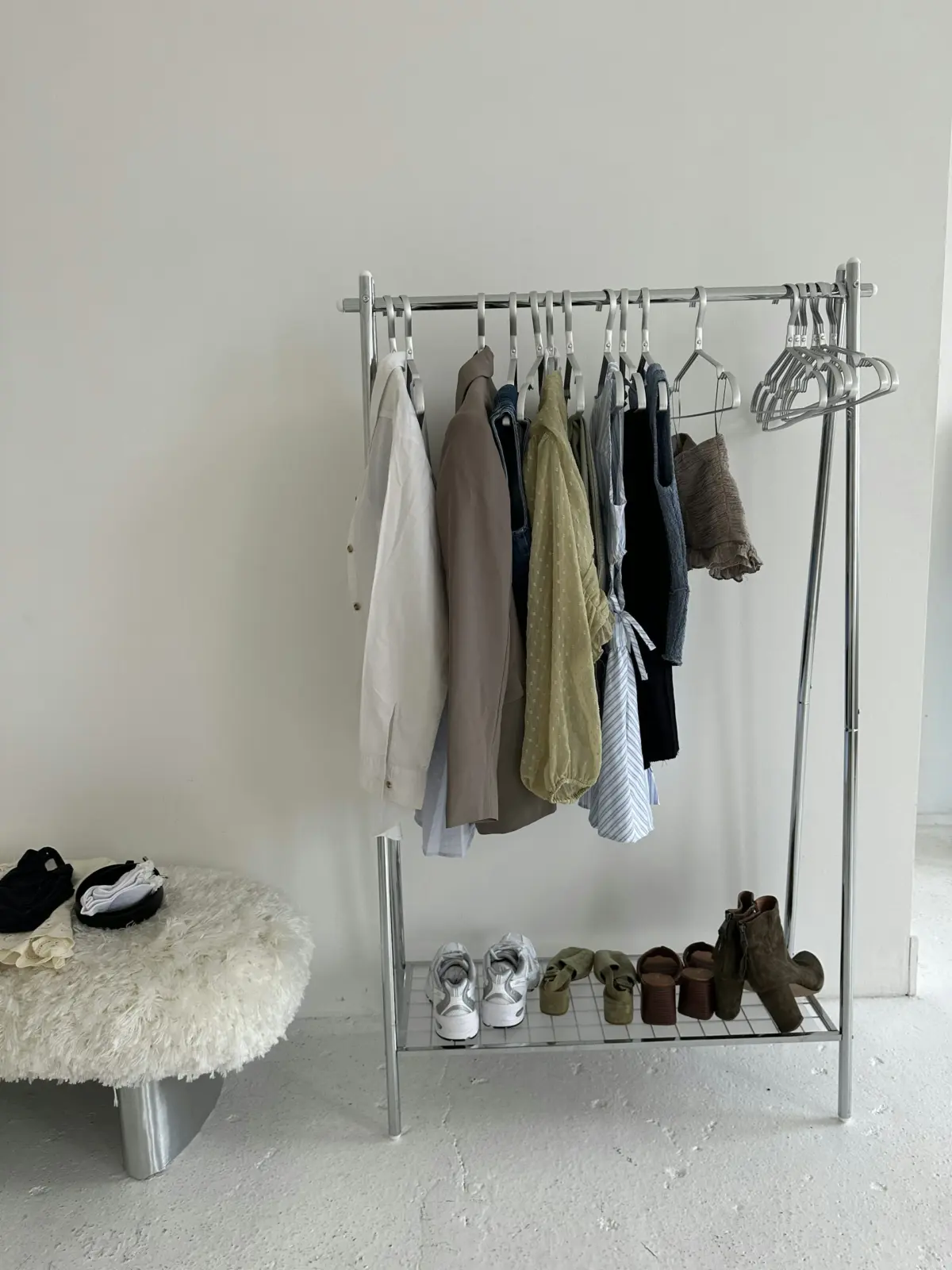
The concept of "shopping your closet"—systematically generating novel outfit combinations using only existing wardrobe components—has migrated from online micro-trends to a recognized psychological strategy for combatting consumption fatigue.
Academic research indicates that a small, versatile capsule wardrobe fosters cognitive creativity. When forced to navigate stylistic constraints, the brain engages in problem-solving activities that generate genuine satisfaction. To execute this effectively:
Treat Styling as a Project: Avoid treating wardrobe organization as a burdensome chore. Dedicate relaxed time blocks to experiment with silhouettes and color pairings free from morning rush-hour pressure.
Leverage Digital Inspiration: Utilize platforms like Pinterest, searching for precise garments—such as "oversized wool blazer minimalist styling"—to unlock dormant potential in neglected items.
The Ten-Day Challenge: Commit to wearing ten consecutive outfits that have never been paired together before, capturing successful combinations via mirror selfies to build a personalized digital lookbook for busy days.
2. Embrace Having Less to Eradicate Choice Paralysis
The psychological phenomenon of choice overload dictates that an overabundance of options directly impairs decision-making capabilities. A consumer faced with eighteen identical black T-shirts experiences higher cortisol levels and greater dissatisfaction than one choosing between two curated options.
Reorganizing your existing inventory not only streamlines daily routines but transforms the physical closet into a curated gallery. Grouping garments by fabric weight, color spectrum, or historical silhouette allows you to rediscover forgotten favorites and recognize the structural craftsmanship embedded in pieces you already own.
3. Adopt the Mindset of a Collector and Curator
Transitioning away from fast-fashion habits requires wholesale adoption of a curator’s mentality. A collector does not accumulate indiscriminately; instead, they seek out unique, high-value, archival pieces that align with a clearly defined personal aesthetic.
Material Evaluation: Before acquiring any new item, evaluate its physical integrity. Inspect seam stitching, lining construction, fabric weight, and the presence of natural fibers such as wool, linen, silk, and organic cotton.
Strategic Want-Lists: Maintain a running inventory of actual wardrobe gaps. Implementing a strict 48-hour waiting period for non-essential purchases dramatically curtails the neurological reward loop associated with impulse buying, effectively eliminating buyer’s remorse.
4. Leverage Circular Access: Renting, Borrowing, and Sharing
The modern fashion economy has expanded far beyond traditional ownership models. Rental platforms and peer-to-peer sharing networks have matured into vital components of circular fashion infrastructure.
Occasion Wear Mitigation: Specialty garments—such as formal wear, seasonal outerwear, and trend-specific pieces—are primary drivers of single-use textile waste. Renting these items eliminates the environmental guilt and financial waste associated with single-event attire.
Wardrobe Swapping: Establishing formal or informal clothing exchange circles with friends provides access to novel styles without driving raw material extraction or manufacturing demand.
5. Master the Art of Mending and Upcycling
The physical act of repairing a garment establishes a profound psychological bond between wearer and object. Investing manual labor, time, and physical touch into garment maintenance directly increases its perceived value and extends its functional lifecycle.
Playful Mending: Modern visible mending transforms structural flaws into artistic features. Utilizing contrasting embroidery threads, geometric patches, or creative stitching turns accidental tears into personalized design statements.
Skill Acquisition: For those lacking basic needlework capabilities, thousands of accessible tutorials on platforms like YouTube and TikTok provide step-by-step guidance on everything from button replacement to complex hemming.
Official Statements and Industry Expert Perspectives
Industry analysts and behavioral psychologists agree that systemic reform within the fashion sector relies as much on individual psychological realignment as it does on corporate supply chain transparency.
"The future of sustainable fashion is not merely about substituting new polyester for recycled polyester, or virgin cotton for organic cotton. It is fundamentally about redefining our relationship with volume. True sustainability requires us to consume less, cherish more, and view our wardrobes as living archives rather than disposable collections."
— Dr. Elena Vance, Senior Researcher in Consumer Psychology and Circular Economies
Environmental economists further emphasize that technological innovations in textile recycling will remain overwhelmed unless consumer demand for hyper-fast micro-trends is actively dismantled through education and cultural shifts.
Future Outlook: The Horizon of Conscious Style
As regulatory bodies across the European Union and North America increasingly scrutinize the environmental toll of the textile industry—implementing stricter waste management laws, digital product passports, and anti-greenwashing measures—the landscape of personal style is poised for radical transformation.
The trajectory of modern fashion points away from mindless accumulation and toward a hybrid ecosystem defined by curated archival collections, peer-to-peer sharing networks, and localized repair cultures. By adopting mindful consumption habits, today’s style enthusiasts can successfully harmonize their passion for sartorial creativity with the urgent ecological boundaries of the twenty-first century.