Executive Overview
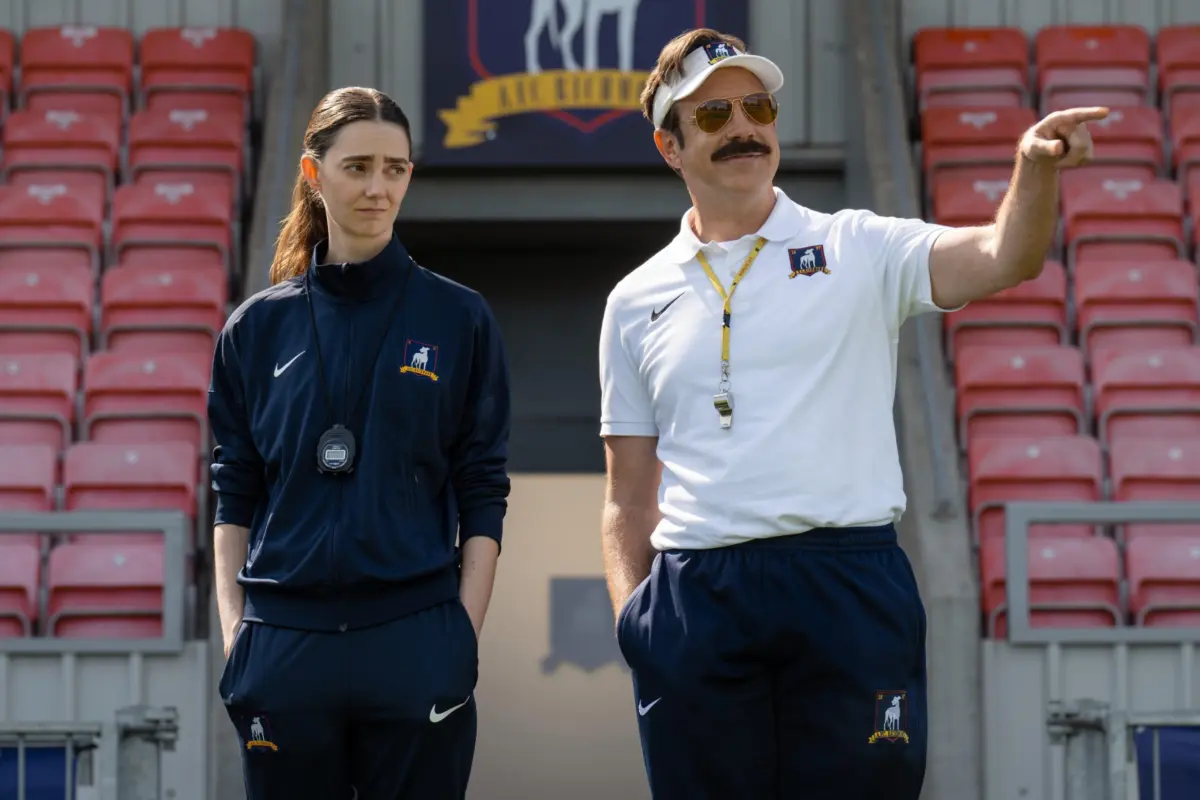
The AFC Richmond locker room has once again undergone a seismic, status-quo-shattering reshuffle. Following the dramatic conclusion of the Ted Lasso Season 4 finale on Apple TV+, audiences were left reeling from a series of high-stakes departures, unexpected promotions, and quiet personal reckonings. Most notably, the titular optimist Ted Lasso—portrayed by series co-creator and anchor Jason Sudeikis—stepped down from his prominent managerial post, passing the baton to lead the Lady Greyhounds into a new era under successor Alice Chilton (Tanya Reynolds). Instead of returning to Kansas or holding the top job, Ted opted to pivot into a supporting role, stepping back onto the technical staff as an assistant manager alongside Coach Beard (Brendan Hunt).
This pivot was not a last-minute writer’s room pivot or a fan-service afterthought. According to co-creator, executive producer, writer, and star Brendan Hunt, Sudeikis engineered Ted’s demotion from the very inception of the Season 4 writers’ room. It was envisioned as the narrative heartbeat of the entire season—an exploration of burnout, parental guilt, and the realization that sometimes the most courageous thing a leader can do is step out of the spotlight to prioritize family and personal well-being.
However, as the dust settles on an explosive fourth season that few fans expected to see after Season 3 seemingly brought the curtain down on the comedy-drama, the future of the beloved series remains shrouded in ambiguity. While the finale leaves multiple compelling narrative threads dangling—including Roy Kent’s managerial ascension at Chelsea, Rebecca Welton’s matrimonial and ownership victories, and the structural overhaul of Richmond’s coaching staff—the creative team insists that a potential fifth season is far from guaranteed. As Sudeikis plays his cards close to his chest, viewers are left wondering whether AFC Richmond has truly blown the final whistle or if there is still extra time left on the clock.
Detailed Chronology: Breaking Down the Season 4 Finale
The Season 4 finale delivered narrative twists that fundamentally realigned the trajectory of nearly every major character in the Ted Lasso universe. The episode operated on multiple emotional and professional fronts, resolving long-standing character arcs while planting deliberate seeds for future conflicts.
The Lady Greyhounds and the Passing of the Torch
When Apple TV+ unexpectedly renewed Ted Lasso for a fourth season following its triumphant three-season run, the primary narrative hook centered on Ted’s return to the United Kingdom. Tasked with managing the newly formed women’s team, the Lady Greyhounds, Ted was thrust back into the relentless pressures of elite football management.
Throughout the season, however, it became increasingly clear that Ted’s heart was caught in a tug-of-war. The arrival of his son, Henry, in London was meant to bridge the geographical and emotional distance between them. Instead, the daily grind of professional football meant Ted continued to miss crucial moments in his son’s life—a painful reality underscored by an unwittingly heartbreaking "Employee of the Year" plaque gifted by his own demanding legacy.
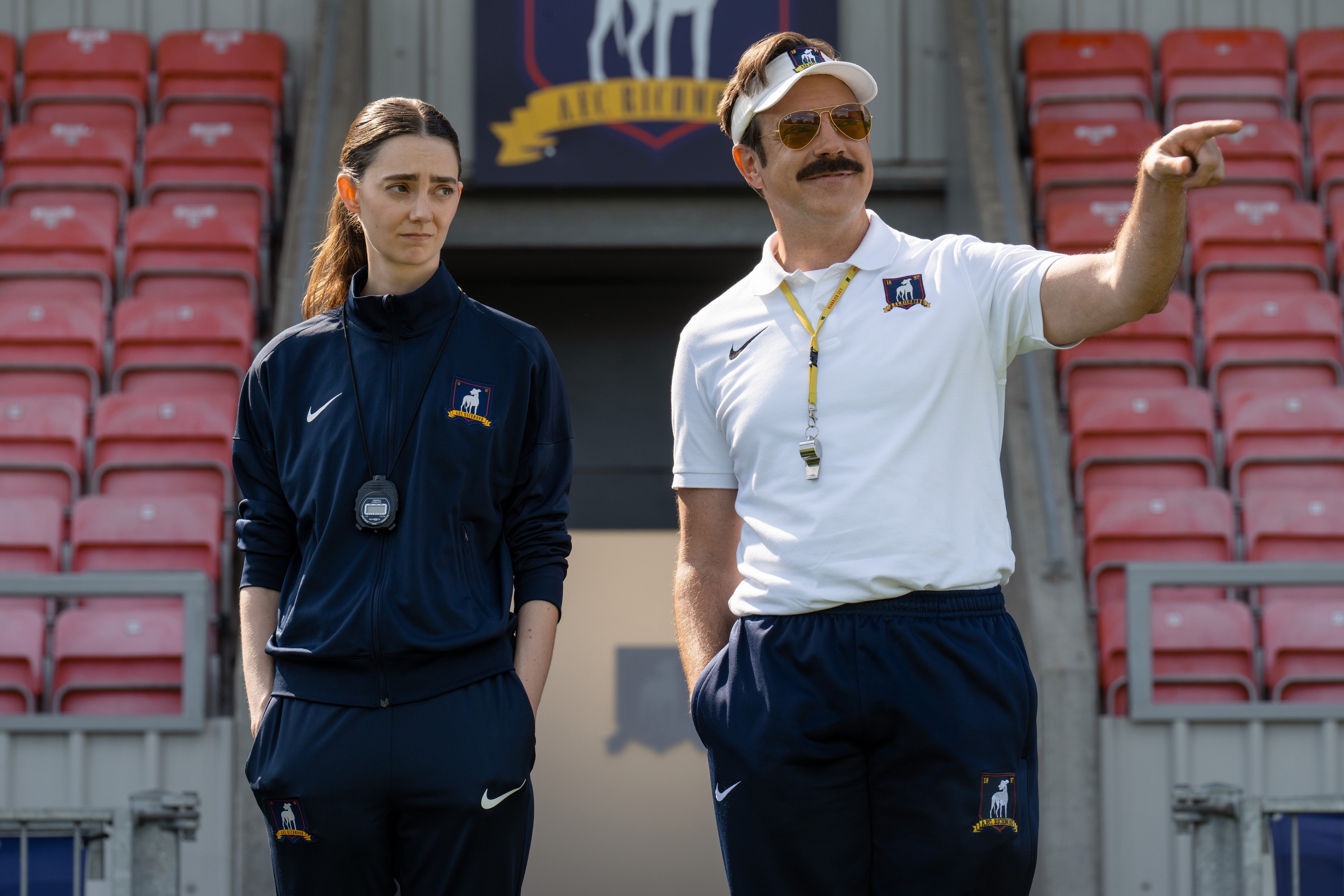
Recognizing that his unrelenting devotion to his work was taking a deleterious toll on his relationship with Henry, Ted made the conscious decision to step down. Crucially, his departure from the head coaching role was not abrupt. He handed the reins of the Lady Greyhounds to Alice Chilton, a character whose professional readiness had steadily blossomed under Ted’s mentorship throughout the season. With Alice prepared to take charge, Ted stepped into the background, willingly accepting a position as an assistant manager alongside Coach Beard.
Roy Kent’s High-Stakes Leap to Chelsea
While Ted sought a quieter, more supportive rhythm to his professional life, his former adversary-turned-protege Roy Kent (Brett Goldstein) accelerated into the fast lane. Having served in various coaching capacities at Richmond, Roy accepted a high-profile managerial position at Premier League powerhouse Chelsea FC.
This career milestone arrives at a uniquely chaotic time in Roy’s personal life. As he takes on the immense pressure of managing one of England’s most historic and demanding clubs, he and Keeley Jones (Juno Temple) are simultaneously preparing to welcome their first child. The juxtaposition of Roy’s fierce, foul-mouthed tactical brilliance against the tender, anxiety-ridden realities of impending fatherhood sets up a compelling character arc should the series continue.
Rebecca Welton’s Triumph: Boardrooms and Matrimony
On the executive side of AFC Richmond, club owner Rebecca Welton (Hannah Waddingham) secured a series of definitive victories that solidify her legacy in English football. In a romantic development that delighted fans, Rebecca proposed to Matthijs (Matteo van der Grijn), charting a hopeful new course for her personal happiness.
Simultaneously, Rebecca weathered the complex corporate and emotional tides of club ownership. Following the poignant passing of Mae Green (Annette Badland)—the fierce, beloved proprietor of the Crown & Anchor pub—Mae left her remaining stake in AFC Richmond to Rebecca in her will. This bequest, combined with Rebecca’s astute navigation of club politics, ensures that she retains absolute majority ownership of Richmond, safeguarding the club’s cultural soul against corporate predators.
Supporting Context & Metrics: The Anatomy of a Surprise Renewal
The existence of a fourth season of Ted Lasso remains one of the most fascinating case studies in modern television production. When the Season 3 finale aired in May 2023, it was heavily marketed as the definitive conclusion of the narrative arc. The emotional beats—Ted returning to Kansas, integrating back into his son’s daily life, and leaving AFC Richmond in the capable hands of Roy, Beard, and Nathan Shelley (Nick Mohammed)—felt structurally final.
However, the unprecedented cultural footprint and astronomical viewing figures generated by the series prompted Apple TV+ to aggressively pursue a continuation.
The Metrics of Success
- Viewership Momentum: Ted Lasso consistently ranked as one of the most-watched streaming comedies globally throughout its initial three-season run, driving substantial subscriber acquisition for Apple TV+.
- Critical Acclaim: The series amassed dozens of Emmy nominations and multiple wins, cementing its status as a defining cultural touchstone of the post-pandemic streaming era.
- The Season 4 Pivot: Bringing the show back required navigating the delicate balance of preserving the emotional integrity of the original finale while introducing fresh conflict. The introduction of the Lady Greyhounds allowed the writers to expand the fictional universe without merely retreading old men’s football dynamics.
Brendan Hunt noted that the misdirection embedded in the Season 4 premiere was calculated from day one. The season opener deliberately opens with a close-up of Ted’s name badge identifying him simply as an "assistant manager." While many fans initially dismissed this as a temporary visual gag or a transitional phase before he reclaimed full managerial authority, the finale bookended the season by returning Ted to that exact badge. It was a masterclass in narrative foreshadowing, hiding in plain sight for thirteen episodes.
Official Statements: Behind the Creative Decisions
In interviews following the Season 4 finale, co-creator and star Brendan Hunt offered deep insights into the psychological motivations driving Ted Lasso’s decisions, shedding light on the collaborative creative process he shares with Jason Sudeikis.
Sudeikis’s Vision for Ted’s Burnout
"That was something Jason wanted to happen from the beginning of the writers’ room," Hunt told Variety, discussing Ted’s ultimate decision to step down from the head coaching position. "He saw Ted stepping down as just kind of fundamental to what the season was going to be."
Hunt elaborated on the emotional calculus behind Ted’s demotion, emphasizing that the character’s internal conflict has always revolved around parenthood rather than professional ambition.
"The Henry thing is the main thing," Hunt explained. "The whole idea of bringing Henry to London this time, he thought in his head, ‘now I’ll have much more time with Henry’ — and it hadn’t worked out that way. He’s missed his games, and especially as he’s reminded by the Employee of the Year plaque that his record-setting father bequeathed him unwittingly."
This existential mirror forces Ted to confront a hard truth about modern work culture. As Hunt succinctly put it: "You can be a little too devoted to your work, and it can be deleterious to your health. He just wants to make sure he’s with Henry more."
The Evolution of Alice Chilton
Ted’s decision to step aside was equally informed by the growth of those around him, specifically Alice Chilton. When Ted first encountered Alice, she possessed raw potential but lacked the seasoning required to manage at the elite level. Over the course of Season 4, her trajectory proved instrumental in facilitating Ted’s own exit strategy.

"She was almost ready when we first met her, and now she’s much more ready," Hunt noted. By transferring leadership of the Lady Greyhounds to Alice, Ted not only empowered a rising tactical mind but also freed himself from the crushing administrative and emotional weight of being the primary decision-maker. "He was just ready to be support personnel at this time, and have more of his free time, and see what he can do with it."
Future Outlook: Will There Be a Season 5?
With all four seasons of Ted Lasso now streaming globally on Apple TV+, the critical question on the minds of millions of subscribers is whether the creative team will reconvene for a fifth season. The finale deliberately leaves the chessboard wide open: Roy Kent is charting unknown waters at Chelsea, Ted is happily entrenched as an assistant manager, Rebecca is poised as a secure majority owner, and the team dynamics at Richmond have shifted into an entirely new configuration.
Yet, despite the fertile narrative ground, confirmation of a fifth season remains stubbornly elusive.
The Poker Game of Television Renewal
When asked about the prospects of a Season 5 pickup, Brendan Hunt was refreshingly candid about his position within the corporate and creative hierarchy. He indicated that Sudeikis operates with characteristic secrecy regarding the long-term future of the intellectual property.
"Jason plays the cards close to his chest, and I’m not privy to whatever poker game that I hope is happening between the powers that be," Hunt admitted.
He added that while the creative team has always harbored ambitions for expansive storytelling, they are equally at peace if the current finale serves as the final word for AFC Richmond.
"I think we’ve always basically hoped we were coming back for more than one, but if it ends up just being one [additional season], then OK, that’s fine. It did end nicely."
What Lies Ahead for the Richmond Faithful?
If Apple TV+ and the creative ensemble decide to authorize a fifth season, the thematic focus will likely shift away from Ted Lasso’s personal redemption—which has largely reached its zenith—and toward institutional legacy. Watching Ted navigate a low-stress, highly supportive assistant coaching role while genuinely prioritizing his relationship with Henry offers a refreshing dynamic. Meanwhile, watching Roy Kent attempt to conquer Stamford Bridge while changing diapers provides rich comedic and dramatic fodder.
Until the executives in Los Angeles and the creative minds in the writers’ room finalize their next move, AFC Richmond rests in a state of suspended animation. Whether this finale represents a permanent farewell or merely the end of another chapter, the legacy of Ted Lasso’s brand of radical empathy, belief, and institutional transformation remains firmly cemented in television history.