Executive Overview
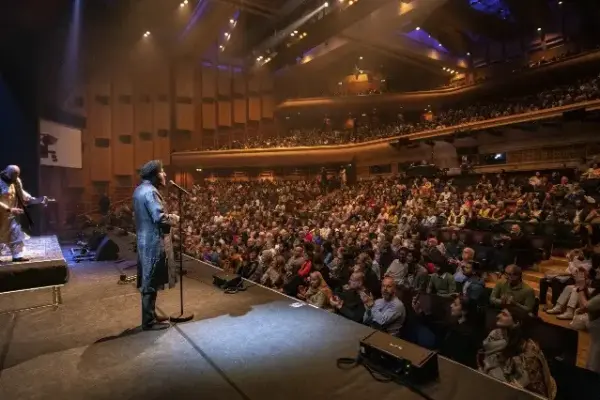
Live music is back in full force, drawing record crowds to festivals, sweaty basement clubs, and sprawling arena tours. For Generation Z—individuals currently aged 20 to 29—the gig economy of sound represents a vital cultural touchstone, a space for community, escapism, and emotional release following years of pandemic-era isolation. Yet, beneath the booming basslines and high-decibel euphoria lies a rapidly escalating public health crisis that threatens to silence the very generation driving today’s music boom.
A striking new study released by the Royal National Institute for Deaf People (RNID) reveals that a staggering 83% of Gen Z music fans report experiencing hearing and ear issues after attending live music events. The data forms the bedrock of the RNID’s urgent new awareness initiative, the “Don’t Lose The Music” campaign, which seeks to confront the normalization of post-gig hearing damage and overhaul how young people approach ear protection.
Despite the near-universal prevalence of post-concert auditory symptoms—ranging from mild muffling to debilitating, permanent ringing—preventative measures remain woefully underutilized. Only 20% of surveyed Gen Z concertgoers “often” wear earplugs when stepping into loud environments. Instead, the culture of live music continues to operate under a dangerous assumption: that temporary discomfort is simply the price of admission.
This investigative report explores the core findings of the RNID study, examines the pervasive myths surrounding ear protection, shares the cautionary experiences of industry professionals facing irreversible auditory decline, and highlights the broader systemic challenges—including overstretched healthcare services—that make hearing preservation more urgent than ever.
Detailed Chronology: The Anatomy of a Modern Auditory Crisis
To understand how Gen Z arrived at this critical juncture, it is necessary to trace the convergence of post-pandemic gig culture, shifting social norms, and the modern acoustic environment.
The Post-Pandemic Sound Surge
When global lockdowns lifted, the live entertainment sector experienced an unprecedented resurgence. Pent-up demand sent millions of young people rushing back to festivals and clubs. Sound systems were pushed to their absolute limits to deliver the visceral, chest-rattling bass that modern electronic, pop, and hip-hop fans crave. However, this rush back to the dancefloor occurred with little parallel education regarding the physical toll of sustained high decibel levels on unprotected ears.
The RNID Study and the "Don’t Lose The Music" Launch
Recognizing an impending generational wave of preventable hearing loss, the RNID commissioned comprehensive research targeting the 20-to-29 demographic. The findings, published as part of the "Don’t Lose The Music" campaign, laid bare the alarming disconnect between awareness and action.
- The Symptoms: 83% of respondents reported experiencing symptoms such as ringing, buzzing, or muffled hearing following live music events.
- The Frequency: Crucially, 10% of those surveyed stated that they experience these warning signs on a "regular" basis, indicating chronic overexposure to noise levels that exceed safe occupational thresholds.
- The Protective Gap: Despite 83% experiencing symptoms, a mere 20% incorporated earplugs into their regular concert-going routine.
Dismantling the Myths
As part of its rollout, the campaign has targeted the psychological and logistical barriers preventing young people from safeguarding their hearing. Chief among these is the persistent myth that wearing earplugs fundamentally ruins the live music experience.
For decades, foam earplugs designed for industrial construction sites—which block out high frequencies and muffle sound into an unintelligible muddy sludge—have given ear protection a bad reputation. The RNID’s current push emphasizes modern, high-fidelity musician earplugs. These specialized devices utilize acoustic filters to attenuate volume evenly across all frequencies, allowing concertgoers to enjoy crystal-clear sound quality while reducing decibels to safe levels.
Furthermore, the campaign addresses the aesthetic and social stigma historically associated with wearing earplugs in social spaces. By normalizing ear protection as standard gear—much like bringing a phone charger or a reusable water bottle—the initiative hopes to make earplugs as ubiquitous at festivals as sunglasses.
Supporting Context & Metrics: The Scale of the Problem
The findings of the RNID study do not exist in a vacuum. They are part of a broader, systemic audio-health crisis that spans from grassroots club culture to international touring headliners.
The Math of Decibels
To contextualize the risk, standard live music events frequently reach decibel (dB) levels between 100dB and 110dB. For context, human ears can begin to sustain damage from prolonged exposure to sounds over 85dB (roughly equivalent to heavy city traffic or a loud restaurant). At 100dB, the National Institute for Deafness and Other Communication Disorders (NIDCD) estimates that permanent hearing damage can occur after just 15 minutes of unprotected exposure.
When a Gen Z fan attends a three-hour festival set or an all-night club night, their inner ear hair cells—delicate sensory receptors that convert sound vibrations into neural signals—are subjected to relentless mechanical stress. Unlike reptiles or birds, human hair cells do not regenerate once damaged or destroyed.
The Healthcare Bottleneck: The Three-Year Wait
The consequences of failing to protect one’s hearing extend far beyond a temporary post-gig annoyance. Chronic tinnitus (ringing in the ears) and noise-induced hearing loss can severely impact mental health, sleep quality, and professional life.
Compounding this crisis is the state of clinical infrastructure. Data published in February 2025 revealed that individuals suffering from severe tinnitus can face wait times of up to three years for specialized NHS treatment in certain regions. With public health systems buckling under the weight of backlogs, prevention remains the only truly effective strategy against lifelong auditory damage.
Industry Shockwaves: High-Profile Casualties
The crisis is not limited to fans in the crowd; it is deeply impacting the artists who create the music. The vulnerability of the human ear spares no one, regardless of status or experience.
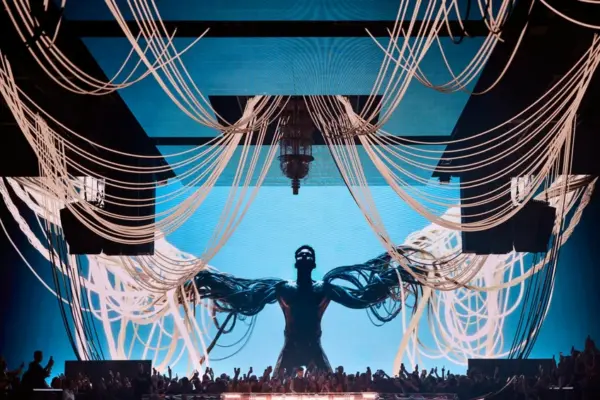
In June 2025, renowned electronic music producer and DJ Purple Disco Machine sent shockwaves through the dance music community when he announced the cancellation of a string of upcoming tour dates. The artist revealed that he was suffering from tinnitus and hearing loss so severe that he required a mandatory month-long hiatus from touring simply to stabilize and recover.
Incidents of artists stepping back due to auditory trauma—ranging from electronic pioneers to rock legends—underscore an uncomfortable truth: the modern music industry’s volume arms race is physically unsustainable for the bodies driving it.
Official Statements and Personal Testimonies
Statistics tell one part of the story, but human narratives illuminate the emotional and psychological toll of irreversible hearing damage.
The Voice of Experience: KEM
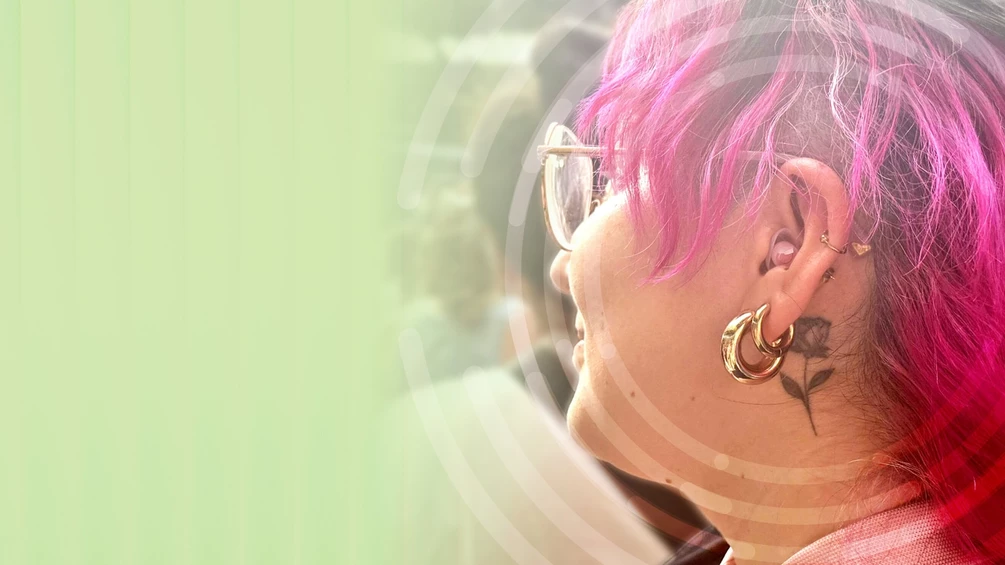
Among the most vocal advocates for the RNID campaign is Natalie, a DJ and content creator who performs under the moniker KEM. Her journey from casual gig-goer to outspoken advocate highlights how easily warning signs are dismissed until it is too late.
"I’d often experience ringing in my ears after events, but assumed it was normal because it always went away — until one day it didn’t," Natalie shares candidly.
Reflecting on her transition from ignorance to hard-won awareness, she notes the psychological weight of permanent injury:
"I now know that temporary ringing can be a warning sign of hearing damage, but by the time I understood that, the damage was already permanent… While I can’t undo what’s happened, I hope sharing my experience encourages others to take protecting their hearing seriously."
Practical Guidelines from the RNID
In addition to advocating for high-fidelity earplugs, the RNID has published comprehensive, actionable guidance designed to help music fans navigate live events safely without sacrificing their enjoyment. Key recommendations include:
- Strategic Positioning: Avoid standing directly in front of or immediately adjacent to large stack speakers and subwoofers. Distance significantly drops decibel exposure.
- Scheduled Recovery Breaks: Step away from loud stages every hour or so. Spending 10 to 15 minutes in a quiet foyer, bar area, or outdoor space gives the inner ear vital recovery time.
- Tailored Protection: Visit the RNID’s dedicated guides to choose earplugs suited to individual needs—whether attending massive open-air festivals, intimate acoustic gigs, or thumping underground techno clubs.
Future Outlook: Safeguarding the Future of Sound
As the live music sector continues to expand, the cultural narrative surrounding hearing health is undergoing a slow but necessary paradigm shift. The old-school machismo of enduring physical pain for the sake of "authenticity" is steadily giving way to a more mindful, sustainable approach to nightlife and gig culture.
Changing the Culture from the Ground Up
Protecting Gen Z’s hearing requires a multi-pronged cultural intervention. Promoters, venue operators, and festival organizers bear a corporate and ethical responsibility to foster safer acoustic environments. This includes providing free or low-cost earplugs at box offices and bars, monitoring decibel caps more rigorously, and integrating quiet zones into festival layouts.
Concurrently, educational institutions, music publications, and digital content creators must continue to amplify the message pioneered by organizations like the RNID. When respected artists like KEM and Purple Disco Machine openly discuss their battles with tinnitus, it dismantles the stigma of wearing earplugs and reframes protective gear as a mark of professionalism and self-respect.
The Bottom Line
Music is one of humanity’s most profound and enduring joys. For Gen Z, live events offer irreplaceable moments of connection and euphoria. However, experiencing that joy should not require sacrificing one’s sensory future.
As the "Don’t Lose The Music" campaign demonstrates, the tools to prevent a generational hearing crisis are already available. Whether through investing in modern high-fidelity earplugs, taking strategic breaks from the speakers, or simply rethinking how we value our physical well-being in loud spaces, the choice is clear. Protecting our ears today ensures that we will still be able to hear, love, and create music tomorrow.
To read the RNID’s full report and explore their comprehensive guides on choosing the right earplugs, visit the RNID Don’t Lose The Music campaign portal.