Executive Overview
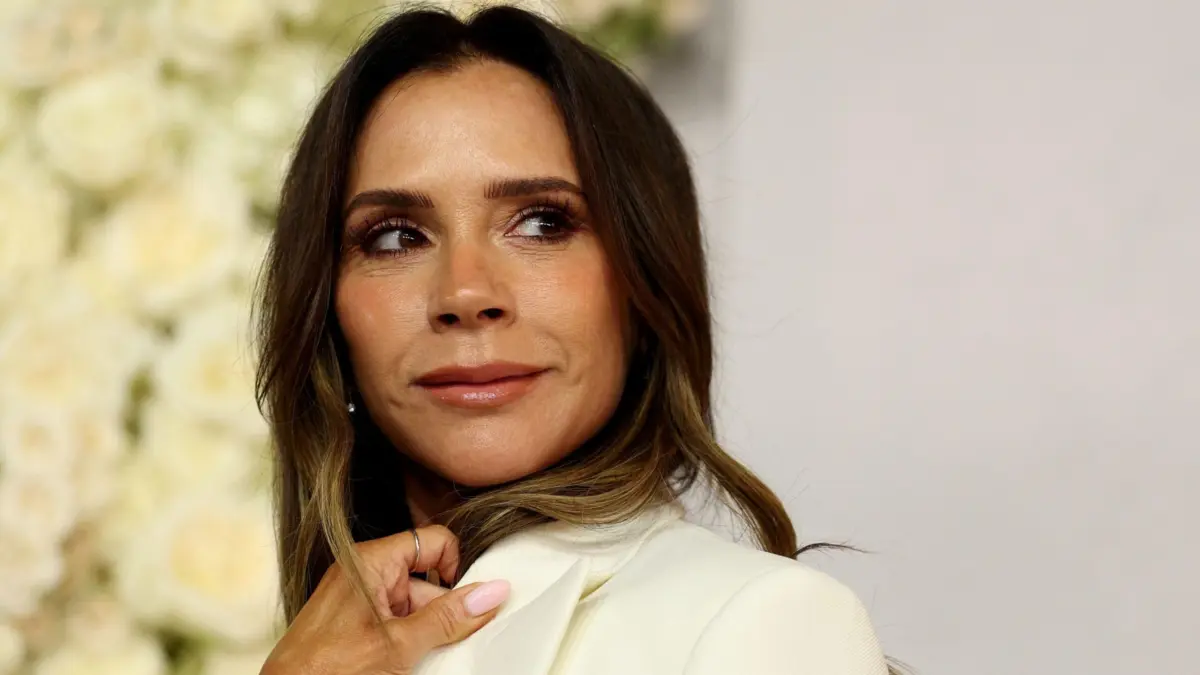
In what marks a monumental turning point for luxury fashion and celebrity-led enterprise, Victoria Beckham Holdings Ltd has officially posted its first-ever operating profit. Newly released financial accounts reveal that the company—steered creatively by the former Spice Girl—achieved an operating profit of £7.3 million in 2025. This milestone shatters years of persistent financial losses, operational turbulence, and public skepticism that dogged the brand since its inception in 2008.
For nearly two decades, the journey of Victoria Beckham’s eponymous label has been scrutinized by fashion critics, skeptics, and business analysts alike. Often dismissed in its early days as a vanity project bankrolled by global fame, the brand has fought tooth and nail to transition from a novelty celebrity line into a respected, high-end powerhouse. Today, propelled by soaring demand for its ready-to-wear collections, a fiercely loyal international customer base, and a runaway success in the beauty and skincare sector, the label has proven its staying power.
"We have all worked hard for a long time for this moment of profitability and growth," Victoria Beckham reflected in an interview with the Financial Times. "We’ve been very transparent about the problems that we had in the business, but have recovered and are now growing at a sensible pace. After 20 years, people don’t look at my brand as a celebrity brand any more."
This comprehensive report details the arduous chronology of the brand’s survival, the operational restructuring that saved it from the brink of collapse, the role of media exposure in driving sales, and the strategic roadmap that secured its long-awaited financial health.
Detailed Chronology: Two Decades of Highs, Lows, and Survival
2008–2016: The Difficult Genesis and Mounting Losses
When Victoria Beckham launched her eponymous fashion label in 2008, the fashion establishment was largely unimpressed. Transitioning from pop royalty and a globally recognized style icon to a serious, credible luxury designer was an uphill battle. Armed with a modest collection of structured dresses, Beckham initially operated out of a small studio with a skeletal staff.
While critical reception gradually improved as her tailoring matured and won over elite department stores, the backend of the business was plagued by unsustainable costs. Rapid expansion, lavish overheads, and inefficient supply chains pushed Victoria Beckham Holdings deep into the red. For years, the company operated at a multi-million-pound loss, forcing the founder to continuously inject capital to keep the doors open.
2017: The Capital Lifeline and NEO Investment
By 2017, the financial strain had reached a critical juncture. To salvage the enterprise, Beckham secured a vital £30 million investment by selling a 30% stake to private equity firm NEO Investment Partners. This partnership triggered a much-needed corporate restructure, replacing loose spending habits with strict fiscal discipline.
Behind-the-scenes revelations later exposed the sheer scale of the financial mismanagement prior to the intervention. Executives spoke of "mindblowing" waste, which included eccentric overheads such as flying design furniture across the globe and spending tens of thousands of pounds annually on office plants. Under NEO’s guidance, these extravagances were swiftly pruned, laying the groundwork for a leaner, more agile corporate model.
The Family Sacrifice and Private Debts
The road to profitability was not without personal toll. In candid disclosures featured in a high-profile Netflix documentary, the true financial dependency of the early years came to light. The brand was once "tens of millions in the red," requiring substantial bailouts from Victoria’s husband, football legend Sir David Beckham.
"For her to have to come to me and say, ‘Can I have some… We need some more money, the business needs more money’—that was hard for both of us because I didn’t have the money to keep doing this," Sir David admitted during the documentary series.

Victoria echoed the gravity of those moments, noting, "If he hadn’t believed in me, I wouldn’t still have a business now." The emotional and financial investment from her family bought the brand the precious time it needed to find its footing.
2019–2025: Diversification, Beauty, and the Netflix Effect
Recognizing that ready-to-wear fashion alone could not bridge the profitability gap, the company executed a brilliant pivot into the beauty and cosmetics market in 2019. Victoria Beckham Beauty capitalized on the founder’s distinct aesthetic, offering premium skincare and makeup products that quickly gained a cult following.
Simultaneously, a 2024 Netflix documentary chronicling Beckham’s entrepreneurial struggles aired globally, offering a masterclass in organic marketing. The series humanized the brand, generated immense public sympathy and curiosity, and directly catalyzed a surge in retail sales—particularly within the denim and jersey lines.
By 2025, all these elements converged, culminating in the historic £7.3 million operating profit announcement.
Supporting Context & Metrics: Breaking Down the Numbers
The 2025 financial disclosures reveal a thriving, dual-engine business model that has successfully weathered macroeconomic headwinds and a notoriously volatile global luxury market.
Fashion Rebounds with Double-Digit Growth
The fashion division experienced "strong double-digit growth" in 2025. Consumer demand shifted heavily toward casual luxury, with denim and jersey lines recording record-breaking sales. This resurgence proves that the brand is no longer reliant solely on red-carpet showpieces, but is successfully capturing the everyday luxury market with accessible yet high-end wardrobe staples.
Skincare Success and the Power of the Waiting List
On the beauty front, 2025 proved to be one of the division’s strongest trading periods on record. The undisputed star of the portfolio was the brand’s Foundation Drops, an innovative cosmetic product that generated a staggering 25,000-strong waiting list prior to its launch. This singular product launch single-handedly doubled the size of the company’s skincare sector, proving that Victoria Beckham Beauty is a heavyweight competitor in the clean luxury space.
Strategic Market Positioning
Operating against a backdrop of inflationary pressures, supply chain complications, and a cautious global consumer base makes the brand’s turnaround all the more impressive. By diversifying away from wholesale-heavy models and leaning into direct-to-consumer e-commerce and high-margin beauty products, the company has insulated itself against traditional retail downturns.
Official Statements and Industry Reactions
The corporate leadership behind Victoria Beckham Holdings has been vocal about the resilience and strategic focus required to reach this milestone.
David Belhassen, chairman of Victoria Beckham Holdings and founder of NEO Investment Partners, issued a glowing assessment of the company’s current posture:

"With two complementary growth engines in fashion and beauty, an increasingly international customer base and a focused operating model, the business is powerfully positioned for its next phase of profitable growth."
Reflecting on the early days of excessive spending, Belhassen previously noted the dramatic cultural shift within the company offices—moving from unchecked expenditures like £70,000 yearly office plant budgets to disciplined, data-driven management.
Sybille Darricarrère Lunel, Chief Executive Officer of Victoria Beckham, emphasized the sheer magnitude of achieving profitability amidst challenging global economic conditions:
"Achieving our first operating profit is a landmark moment for Victoria Beckham and reflects several years of disciplined execution and strategic investment. Delivering this result against a more challenging luxury market and macro backdrop makes it an even more significant milestone for the business."
For Victoria herself, the achievement represents the ultimate vindication of a two-decade labor of love. Having survived the sneers of fashion purists, crippling financial deficits, and personal vulnerability on screen, she has cemented her legacy not merely as an icon of pop culture, but as a formidable business leader.
Future Outlook: What Lies Ahead for the Brand?
With the monkey of operating losses finally off its back, Victoria Beckham Holdings Ltd enters a brand-new era of strategic expansion. The roadmap for the future centers on scaling international markets—particularly North America and Asia—where appetite for both her minimalist tailoring and luxury cosmetics continues to swell.
Industry analysts suggest that the brand is now an attractive candidate for further institutional investment, secondary stake sales, or even a future initial public offering (IPO), though executives have remained tight-lipped regarding long-term financial exits.
For now, the immediate focus remains on product innovation within the beauty division and maintaining design integrity within the ready-to-wear collections. Victoria Beckham has proven that endurance, resilience, and a willingness to confront uncomfortable business truths can transform even the most scrutinized celebrity endeavor into an enduring commercial success.