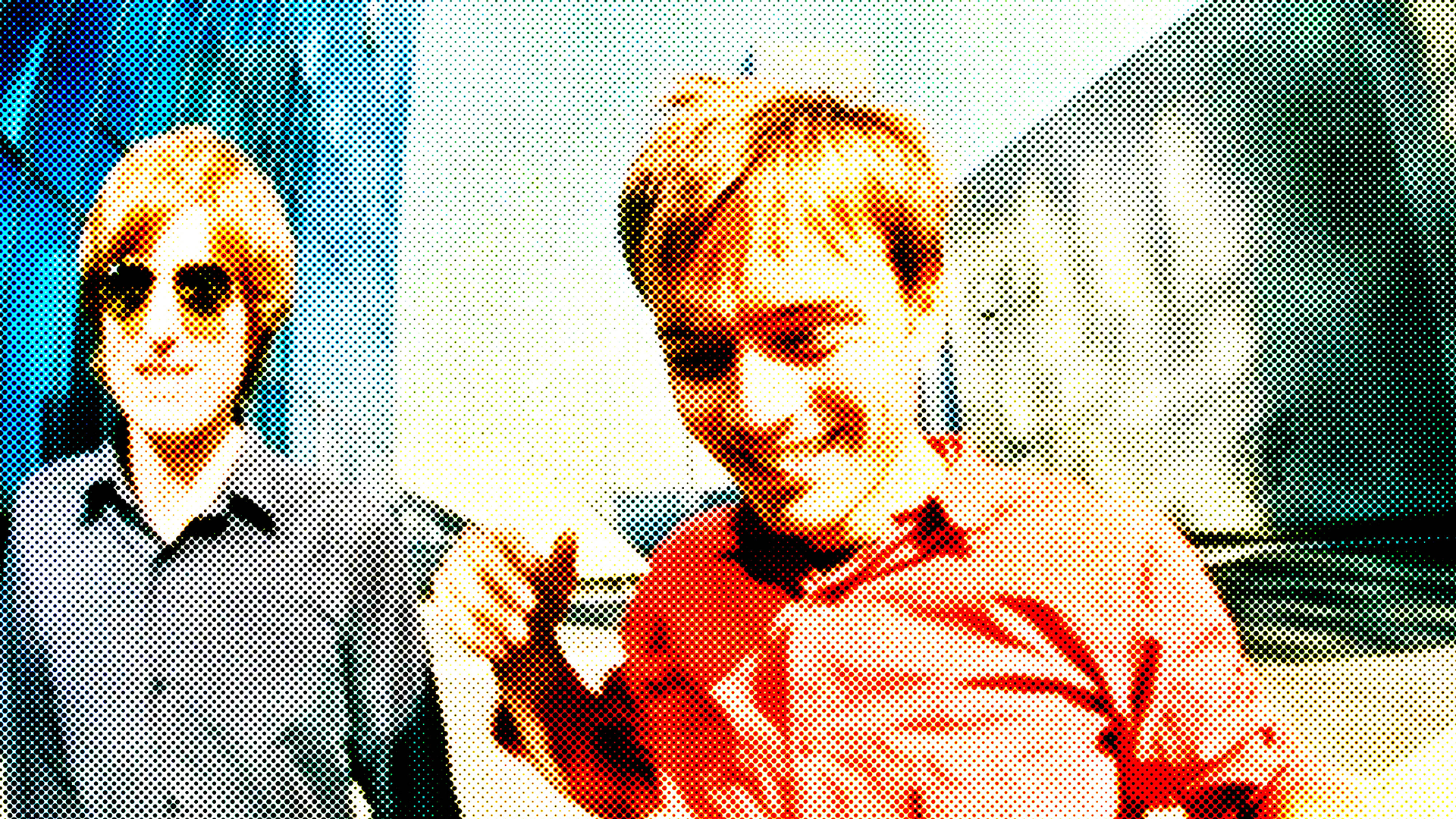
"Whether it’s to mellow you out before your outbound or as a cure to the holiday blues on the inbound—a bit of Air before you’re in the air is always the answer."
Executive Overview
Music is the invisible architecture of memory. As the warmer months prompt a collective cultural defrosting, the auditory landscape shifts from the insular, muffled tones of winter to expansive, sun-drenched frequencies. A carefully curated soundtrack has the unique capacity to amplify outdoor gatherings, solitary park walks, and high-stakes seasonal travel. It acts as an acoustic thread woven through sunlit days, anchoring transient experiences into the golden haze of long-term reminiscence.
This comprehensive review explores the essential records required to navigate the distinct micro-climates of the modern summer experience. From the clinical, high-stress environments of international terminals to wide-open asphalt horizons, oppressive urban heatwaves, backyard barbecues, and slow-paced coastal retreats, this feature categorizes the definitive albums designed to soundtrack every operational context of the warmer months. Drawing on foundational touchstones from electronic pioneers, yacht-rock maestros, and contemporary auteurs, we examine 10 cornerstone records—alongside extensive cross-genre listening recommendations—that define the ultimate summer listening paradigm.
Detailed Chronology: The Evolution of Seasonal Soundscaping
The codification of "summer music" has evolved significantly over the past half-century, transitioning from regional pop singles designed for AM radio to sophisticated, immersive long-form albums that manipulate mood, temperature, and spatial awareness.
Era I: The Pioneers of Atmosphere (1970s–1980s)
The late 1970s and 1980s established the structural blueprints for environmental listening. In 1978, ambient music pioneer Brian Eno revolutionized transit spaces with Music for Airports, deliberately engineering audio to combat the clinical alienation of modern infrastructure. Simultaneously, the late-70s singer-songwriter boom birthed widescreen driving records like Gerry Rafferty’s City to City (1978), utilizing polished production to capture the infinite horizon of the open road. This era also laid political and cultural foundations for communal gatherings, notably through Stevie Wonder’s 1980 masterpiece Hotter Than July, which merged pop sensibilities with urgent socio-political commentary.
Era II: The Electronic and Trip-Hop Renaissance (1990s)
The 1990s injected a profound sense of downtempo cinematic texture into the seasonal canon. Propelled by the advent of chill-out rooms, ambient electronica, and trip-hop, French duo Air released Moon Safari in 1998, reshaping how listeners perceived pre-flight rituals. That same year, Morcheeba’s Big Calm codified the seaside lounge aesthetic by seamlessly blending soul, dub, and breakbeats. In 1999, Aim’s Cold Water Music introduced glacial production techniques to underground hip-hop, offering an auditory antidote to seasonal overheating.
Era III: The Contemporary Synthesis (2010s–Present)
In the modern era, artists have increasingly utilized textured instrumentation and cross-genre pastiche to evoke physical environments. From the soulful, sun-baked psychedelia of Alabama Shakes’ Sound & Colour (2015) to the pandemic-forged ambient stillness of Ed O’Brien’s Blue Morpho (2026) and the archival rediscovery of Vini Reilly’s work with The Durutti Column, today’s seasonal soundtracks prioritize tactile immersion over simple pop escapism.
Supporting Context & Metrics: The Curated Soundscapes
I. Best Albums for the Airport
Gate-ready records designed for take-off, touch-down, and every unexpected delay in between.
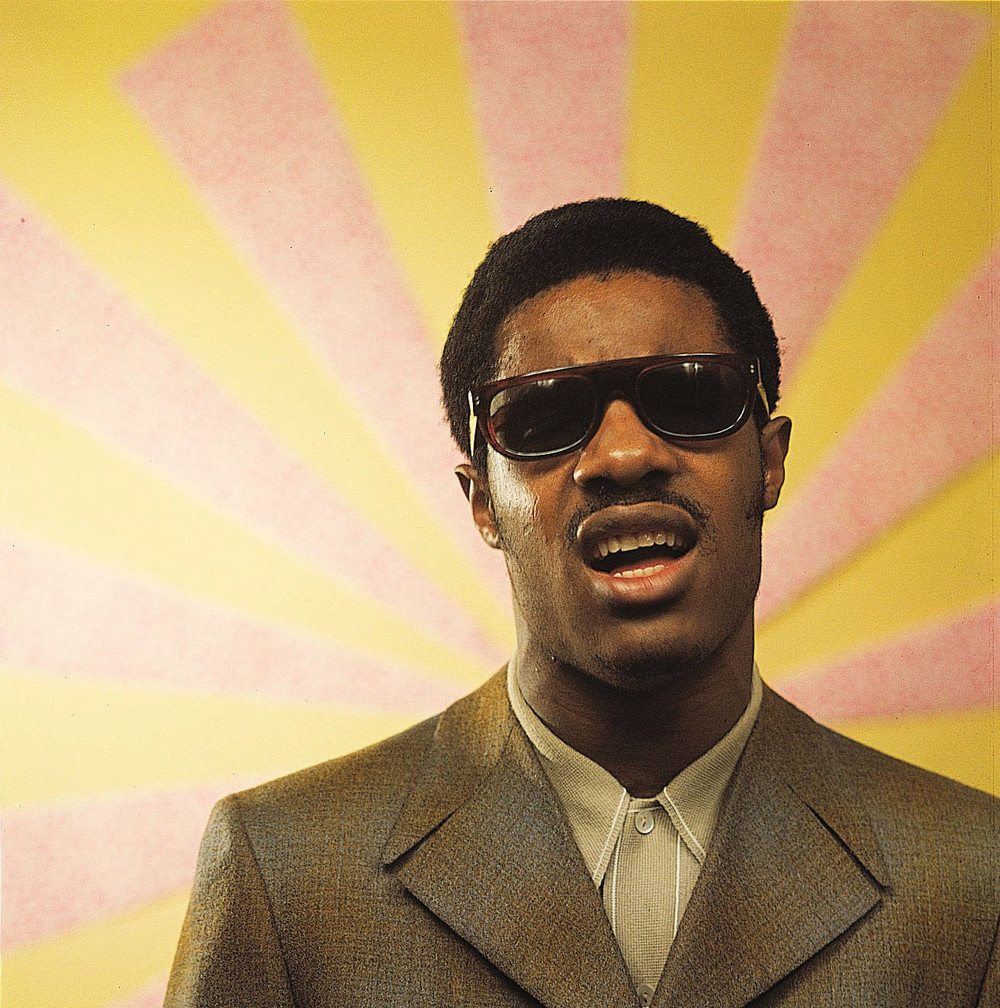
Air – Moon Safari (1998)
Airports demand specific sonic conditions: a delicate balance of ambient escapism and emotional grounding. Spanning 43 minutes of dreamy, downtempo 1990s electronica, French trailblazers Nicolas Godin and Jean-Benoît Dunckel established a blueprint that influenced an entire generation of producers, from Lemon Jelly to Zero 7.
For modern listeners, Vegyn’s 2024 authorized rework, Blue Moon Safari, offers a fresh perspective on the source material. Whether utilised to soothe pre-flight anxiety on the outbound journey or to medicate post-holiday blues upon your return, listening to Air before taking to the skies remains an essential travel ritual.
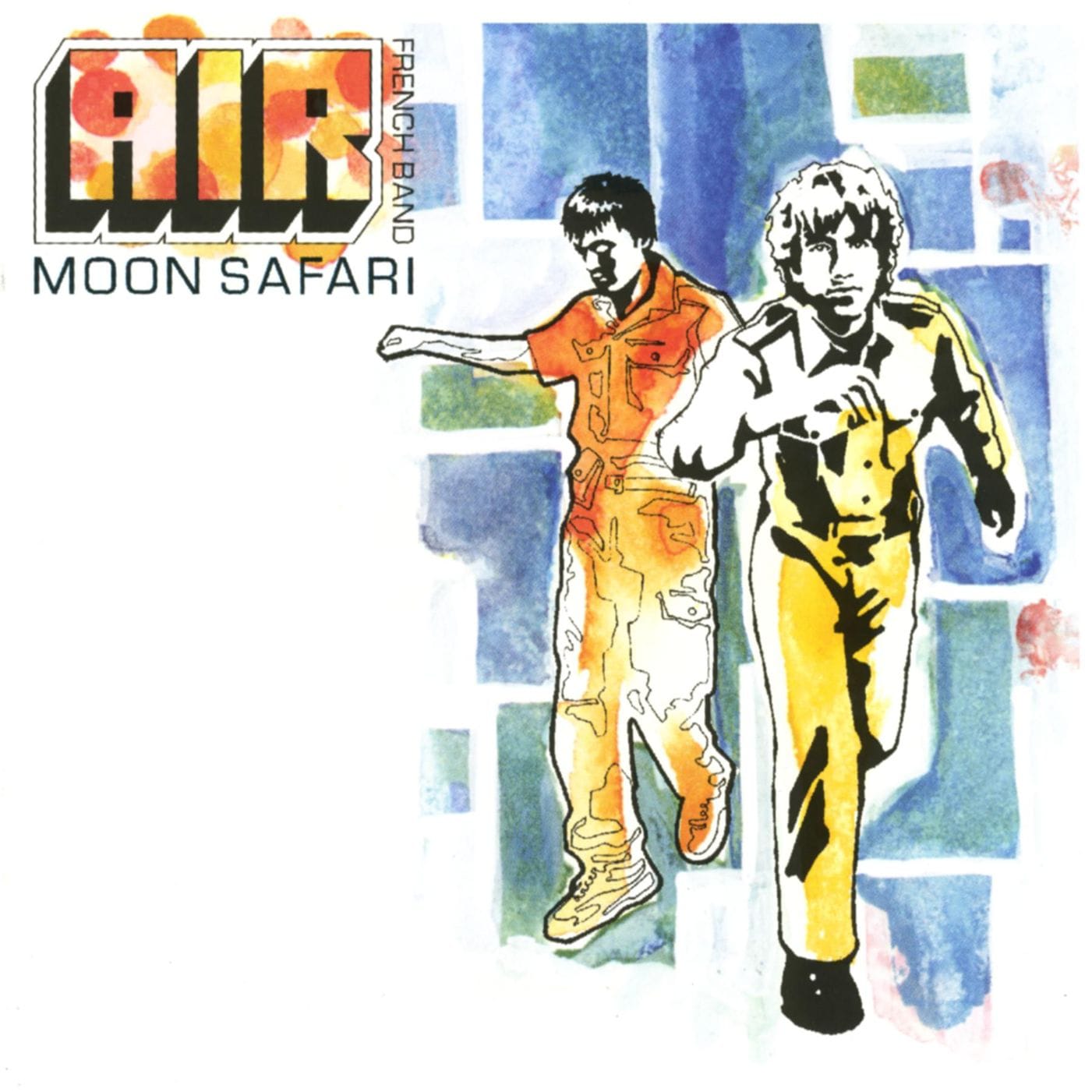
Brian Eno – Ambient 1: Music for Airports (1978)
As the foundational masterwork of ambient music, few records are as symbiotically linked to their physical environment as Brian Eno’s 1978 release. Inspired by frustration over the stressful, impersonal atmosphere of contemporary air terminals, Eno sought to transform spaces of transit into zones of quiet reflection.
Rather than filling every sonic void, the album utilizes slow-moving piano phrases, suspended vocal loops, and spacious synthesizer textures to soften the harsh acoustic reality of announcements, rolling luggage, and bustling crowds. Nearly 50 years after its release, its influence persists across contemporary ambient compositions and cinematic soundscapes, encouraging listeners to slow down and embrace the auditory environment.
Further Listening: Boards of Canada – Music Has The Right To Children; Air – Pocket Symphony; Four Tet – There Is Love In You; Helado Tropical – Helado Tropical.
II. Best Albums for a Road Trip
Open roads, open windows, and long-form records built to go the distance.
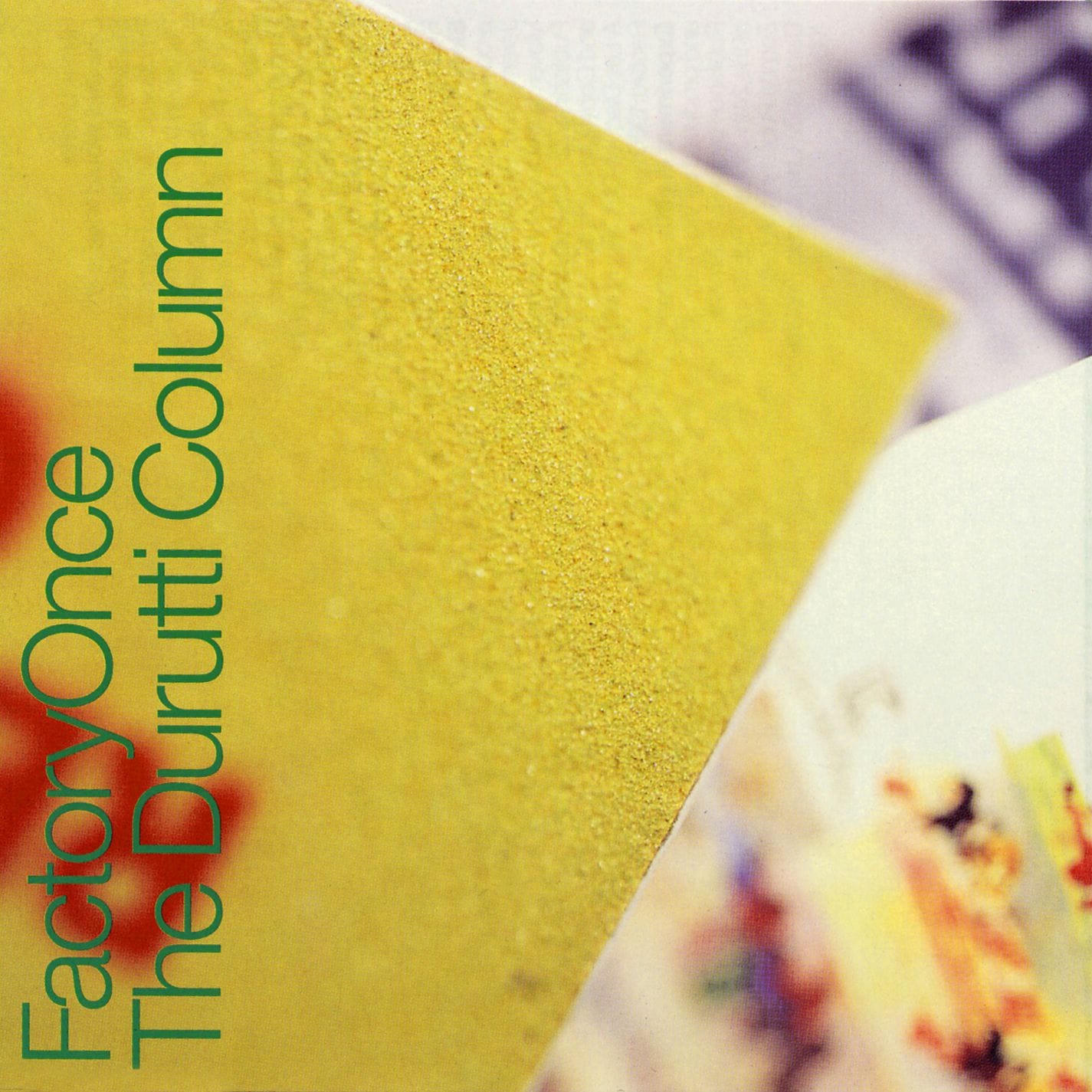
The Durutti Column – The Return of the Durutti Column (1980)
Released in 1980 via Manchester’s influential Factory Records, Vini Reilly’s debut under The Durutti Column moniker is a masterclass in atmospheric guitar tone and sonic space. Paired with Martin Hannett’s intricate electronic production, Reilly’s jazz-inflected phrasing provides an ideal antidote to travel fatigue.
The iconic birdsong introduction of Sketch For Summer instantly evokes sun-lit afternoons, rolling golden fields viewed from a passenger window, and warm summer breezes. With acknowledged admirers ranging from Blood Orange and Harry Styles to The Avalanches and Mark William Lewis, the project’s legacy is profound. Furthermore, the band’s 2026 release, Renascent—their first full-length album in sixteen years—revives their signature dub-inflected melancholia, offering a seamless companion for extended highway excursions.
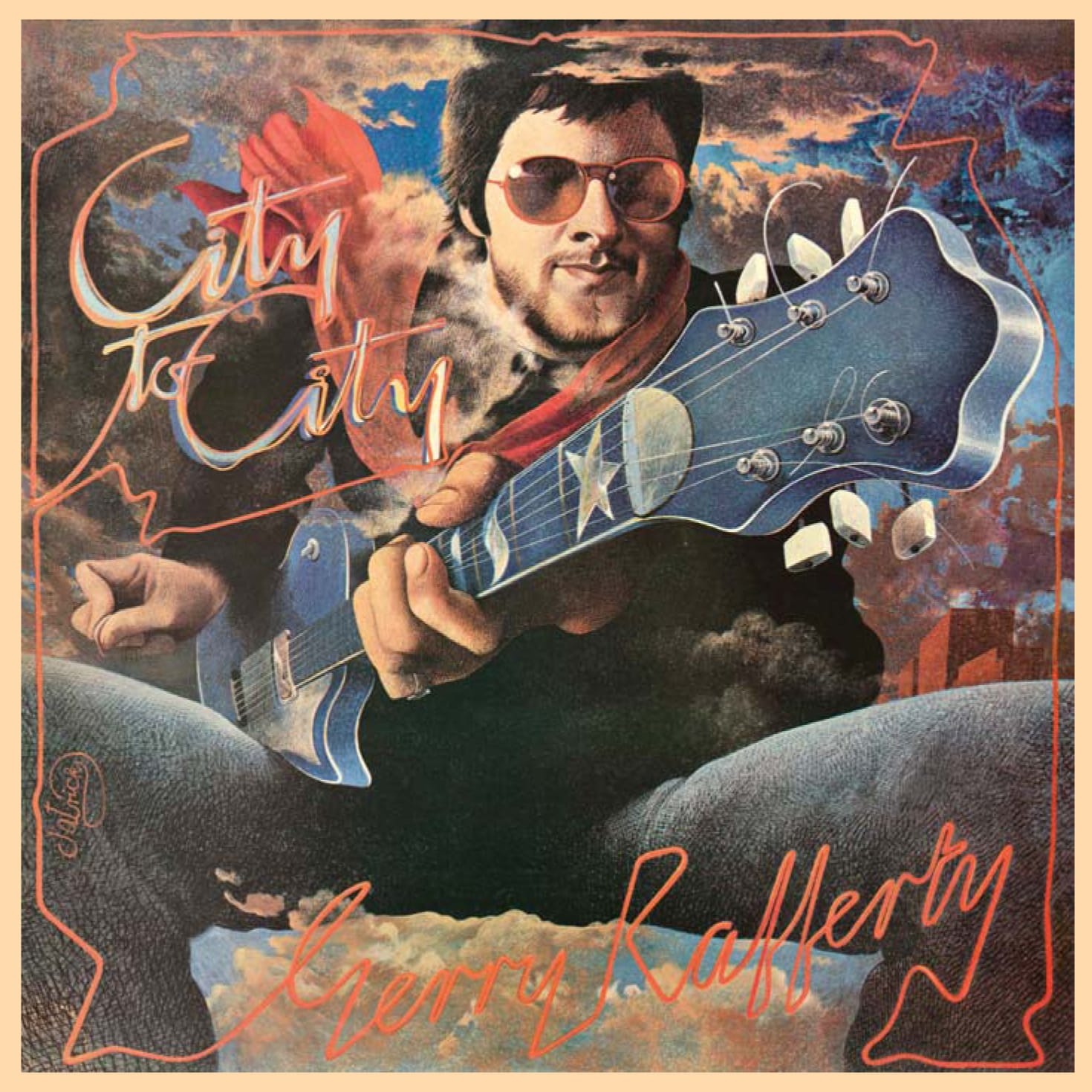
Gerry Rafferty – City to City (1978)
Scottish singer-songwriter Gerry Rafferty gifted the global airwaves a defining yacht-rock masterwork with 1978’s City to City. While it initially dominated U.S. radio charts, the record has aged gracefully, accumulating emotional resonance with each passing summer.
Anchored by Raphael Ravenscroft’s iconic, searing saxophone performance on the standout track Baker Street, the album provides an effortlessly breezy backdrop for coastal drives as the sun dips below the horizon.
Further Listening: Khruangbin & Leon Bridges – Texas Sun; Rolling Blackouts Coastal Fever – Hope Downs; Paul Simon – Graceland; Lord Huron – Strange Trails.
III. Best Albums to Keep Cool in a Heatwave
Ice-cold sonic textures engineered for long, stifling days.
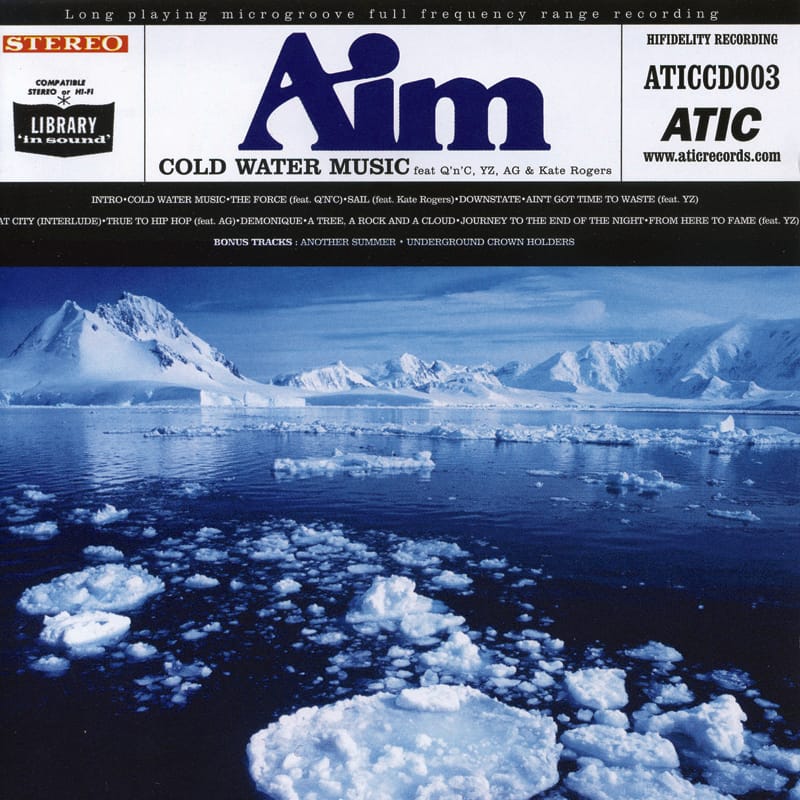
Aim – Cold Water Music (1999)
Functioning as an acoustic plunge into glacial waters, Andrew Turner’s debut as Aim pairs striking blue-hued artwork with soulful samples and icy synthesizer pads. Emerging in the late 1990s, Turner established himself as a producer capable of marrying unhurried, boom-bap hip-hop breakbeats with the crisp vocal deliveries of guest rappers such as A.G., QNC, and YZ.
Tracks like The Force showcase a golden-age rap heavyweight status that remains remarkably potent. Cold Water Music endures as an understated triumph of the trip-hop genre, functioning as a refreshing sonic breeze on days when ambient temperatures soar.
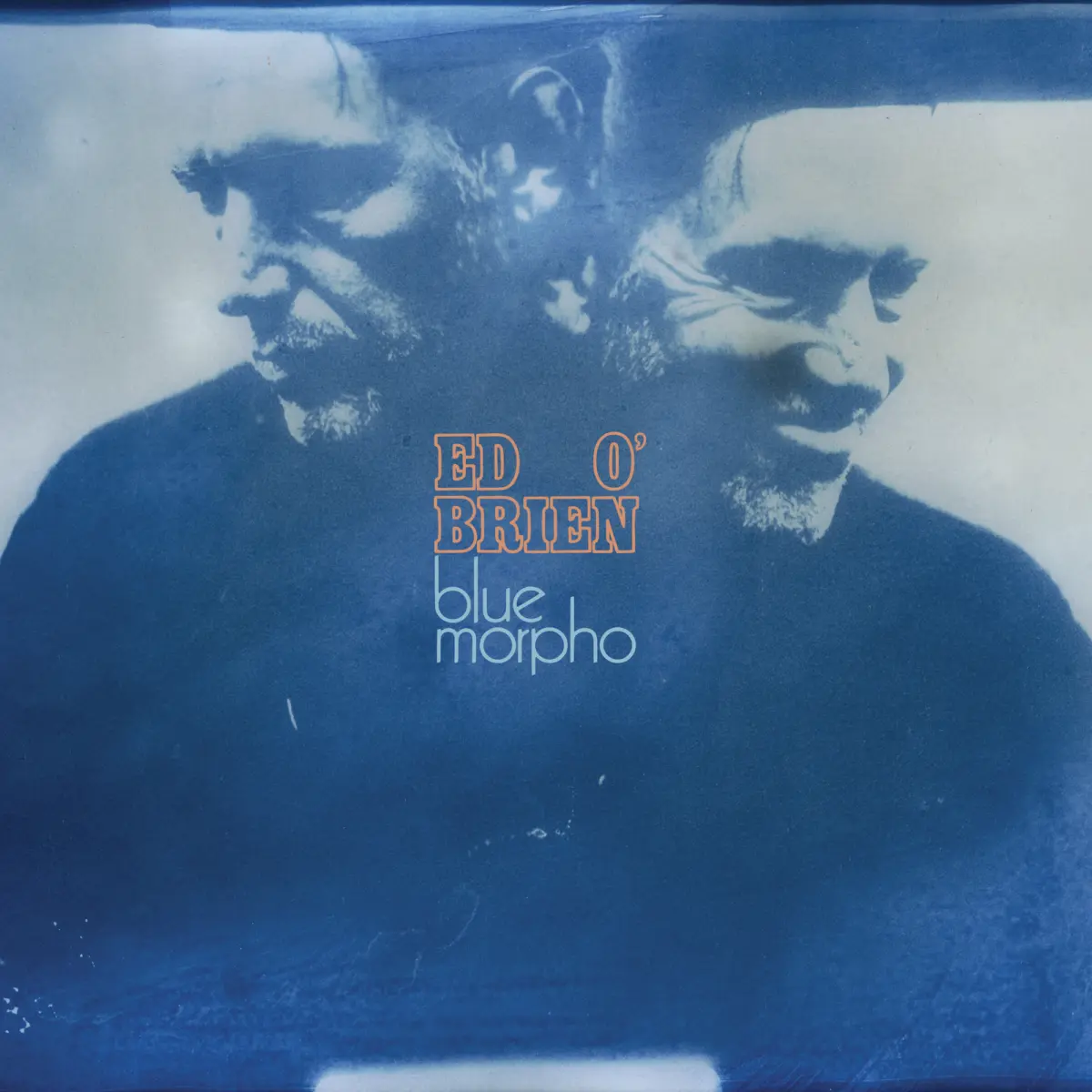
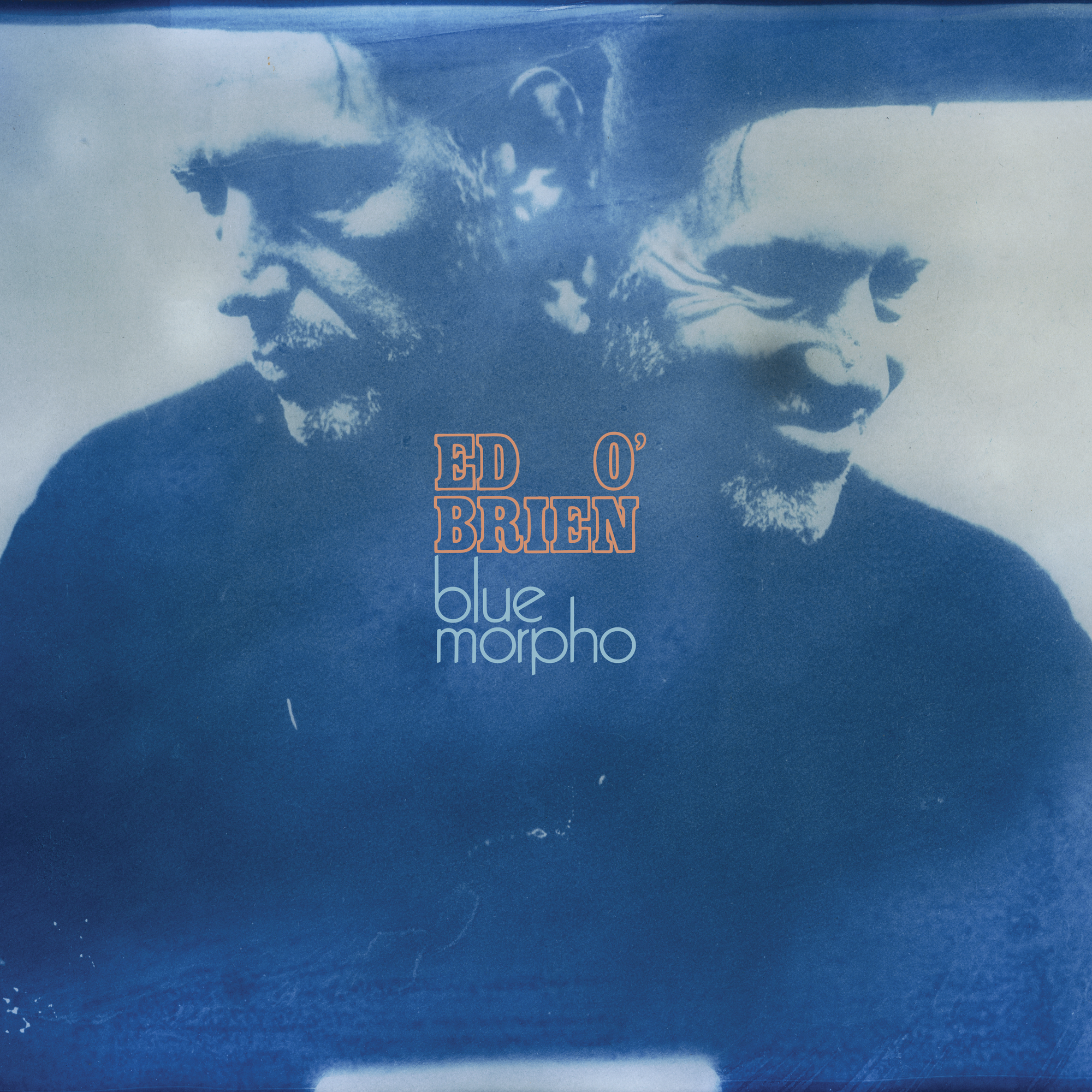
Ed O’Brien – Blue Morpho (2026)
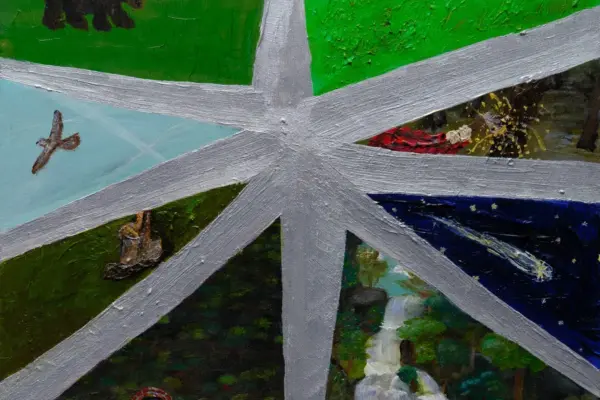
While many summer records emphasize high-energy euphoria, Blue Morpho locates its seasonal power in stillness. Named after the iridescent tropical butterfly encountered by Radiohead guitarist Ed O’Brien during an extended stay in Brazil, the album integrates the rich rhythmic cadence of South American soundscapes.
Conceived during a period of introspection in the Welsh countryside, the record was released via Transgressive as O’Brien’s definitive solo statement under his own name (following his earlier work under the EOB moniker). Its crystalline synthesis of tropicalia, ambient electronics, and lush textures constructs an auditory oasis away from blistering heat.
Further Listening: Masayoshi Takanaka – Seychelles; The KLF – Chill Out; Björk – Vespertine; Miles Davis – Kind of Blue.
IV. Best Albums for a BBQ
Crowd-pleasing, rhythm-driven records designed to spark the coals and sustain the celebration.
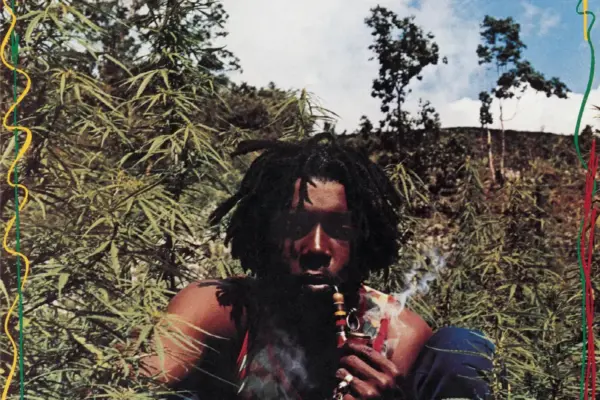
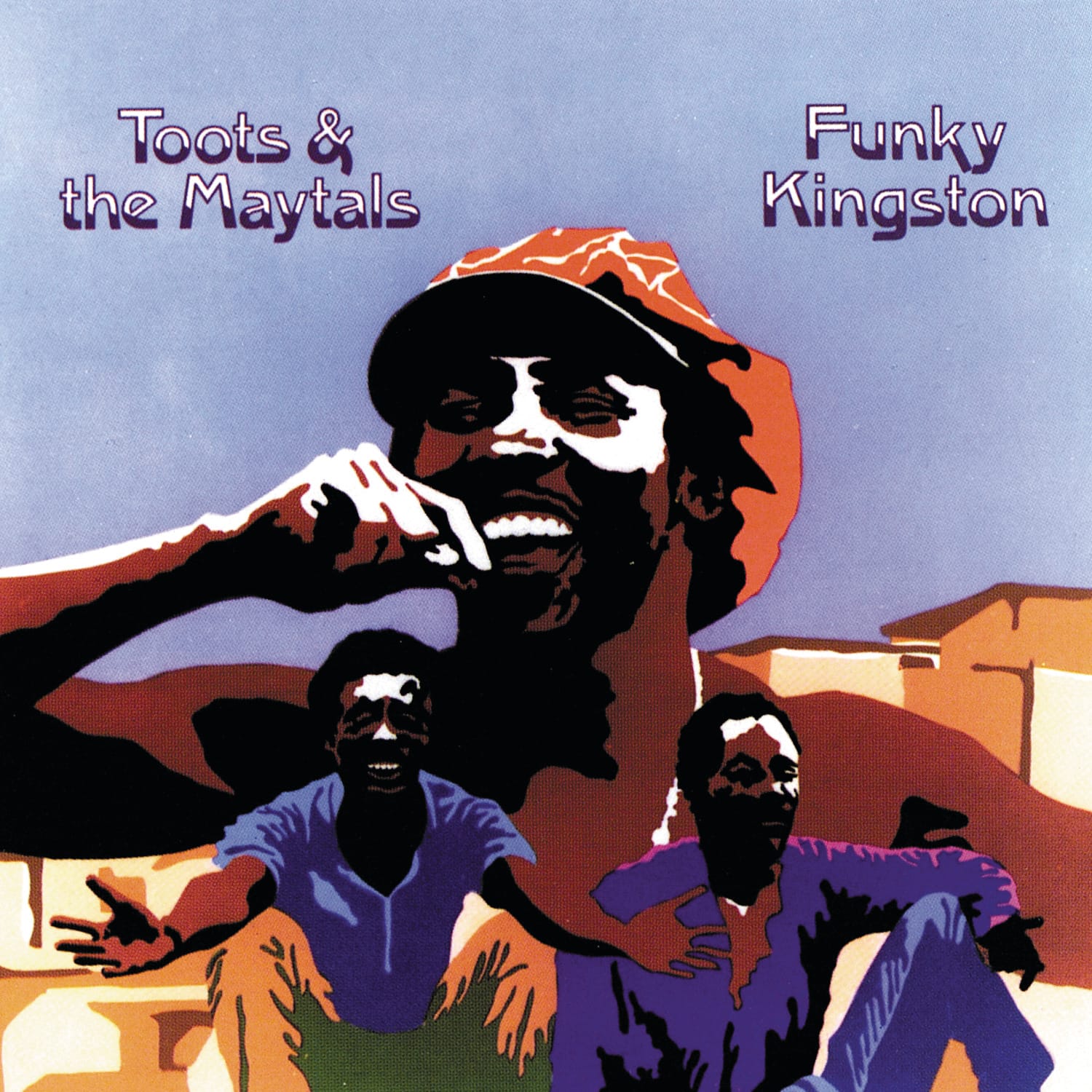
Toots & The Maytals – Funky Kingston (1973)
Few auditory experiences match the warmth of roots reggae while garden coals reach their optimal temperature. Originally issued in Jamaica and the UK on Dragon Records, Funky Kingston delivers an exuberant synthesis of reggae, funk, and soul.
Bandleader Frederick "Toots" Hibbert infuses the tracks with working-class Jamaican resilience, creating an uplifting manifesto that encourages joy in the face of hardship. By the time Pressure Drop reverberates across the lawn, casual afternoon gatherings easily transform into barefoot garden dances.
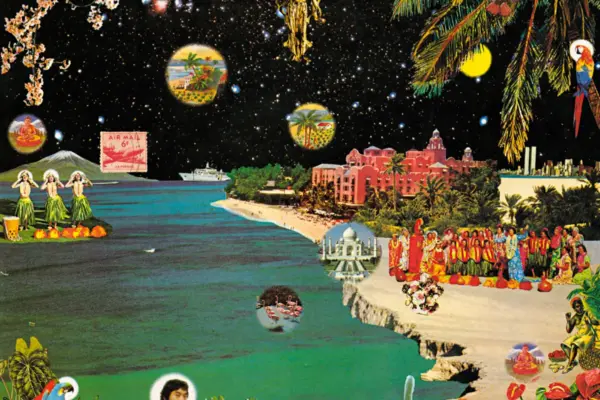
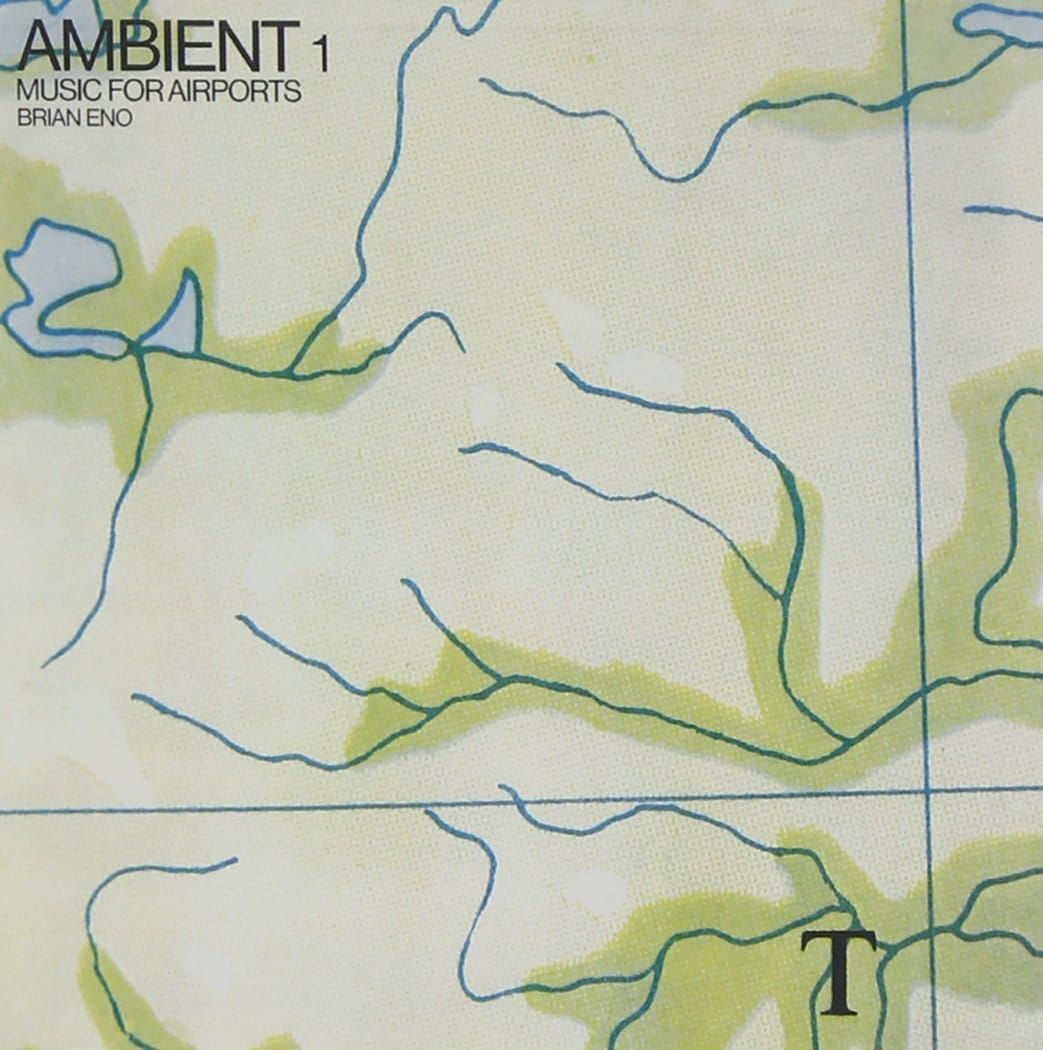
Stevie Wonder – Hotter Than July (1980)
Released in the immediate wake of disco’s commercial decline, Stevie Wonder’s Hotter Than July successfully married Caribbean-inflected rhythms with sophisticated pop structures.
The record’s enduring legacy rests on its cultural and political resonance, spearheaded by Happy Birthday, an anthemic composition that galvanized the campaign to establish Martin Luther King Jr.’s birthday as a U.S. national holiday. Anchored by the infectious basslines of Master Blaster (Jammin’), the album captures peak summer exuberance, communal togetherness, and rhythmic celebration from start to finish.
Further Listening: The Streets – A Grand Don’t Come For Free; The Doors – Morrison Hotel; Creedence Clearwater Revival – Cosmo’s Factory; Moby – Play.
V. Best Albums for a Beach Holiday
Sun-soaked, unhurried records engineered for slow days by the shoreline.
Morcheeba – Big Calm (1998)
True to its title, Morcheeba’s sophomore album Big Calm drifts across the listener with a shimmering, hypnotic grace. Guided by Skye Edwards’ velvet-smooth vocal delivery, the record draws deeply from the trip-hop lexicon while incorporating elements of soul, jazz, dub, and blues.
The title track notably features vocal interpolations from The Temptations’ Papa Was a Rollin’ Stone and Chris Harwood’s Never Knew What Love Was. Bolstered by organic instrumentation and relaxed breakbeats, tracks like The Sea practically mimic the rolling rhythm of coastal tides. It is an essential companion for Mediterranean hotel bars, seaside loungers, and tranquil Sunday mornings alike.
Alabama Shakes – Sound & Colour (2015)
Alabama Shakes specialize in a tactile brand of American roots music that mirrors the sensation of direct sunlight on closed eyelids. Sound & Colour serves as a textbook study in dynamic texture, pairing lazy, psychedelic grooves with Brittany Howard’s powerhouse vocal performances.
Tracks such as Gemini, This Feeling, Guess Who, and the hypnotic title track form a cornerstone for modern beach-side playlists. Furthermore, anticipation surrounds the band’s August 2026 release, I Must Be Dreaming, marking their first full-length collection of new material in over a decade.
Further Listening: Metronomy – The English Riviera; Masayoshi Takanaka – Brasilian Skies; Nirosta Steel – My Skyscraper; Clairo – Charm.
Future Outlook: The Ongoing Curatorial Shift
As the physical markers of seasons continue to blur in an era of shifting global climates, the role of curated audio in defining our relationship with time and space becomes increasingly vital. The enduring appeal of the 10 masterworks detailed above—spanning ambient electronic blueprints, roots reggae, classic soul, and exploratory rock—demonstrates that listeners do not merely consume seasonal music; they inhabit it.
Looking ahead, industry trends indicate a growing consumer demand for physical vinyl formats that anchor digital consumption, with independent record retailers reporting sustained spikes in catalog purchases ahead of seasonal travel periods. Whether listeners seek out the icy minimalism of Ed O’Brien or the timeless groove of Stevie Wonder, the architecture of summer sound remains a dynamic, evolving discipline—one that transforms ordinary transit and idle afternoons into cinematic milestones.