Executive Overview
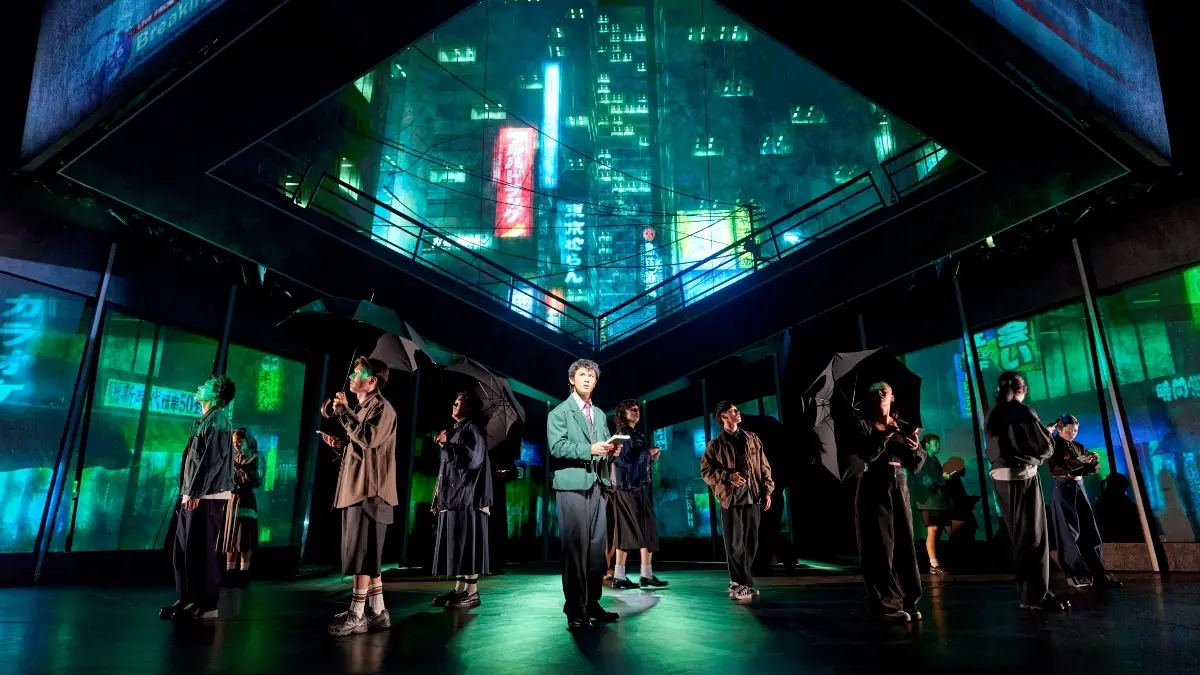
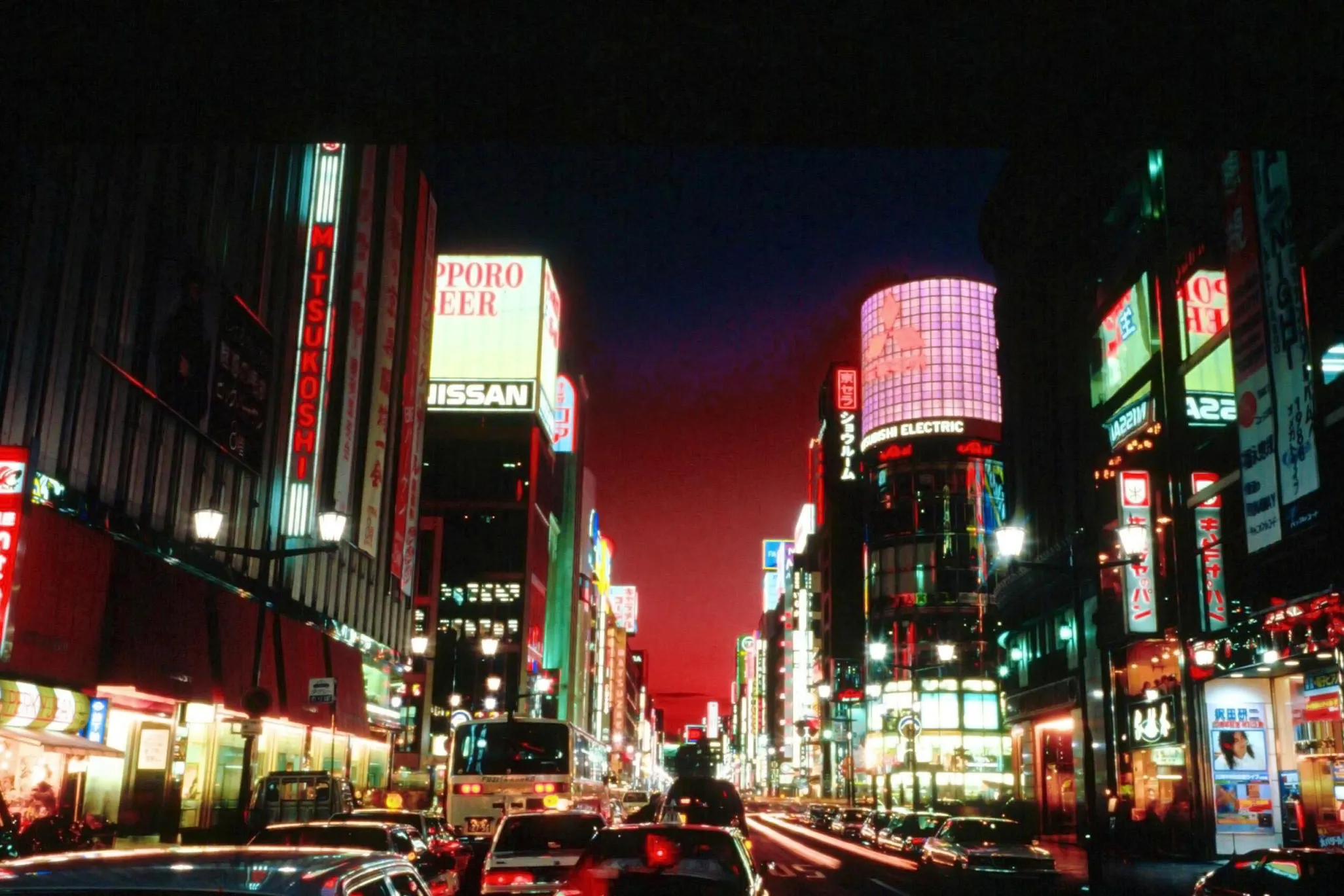
Sun-soaked geometric vistas stretch out unmarred, while artificially perfect palm trees stand sentinel against the bluest sky imaginable. Neon signs glow iridescent pink, skyscrapers pierce the night air, and impeccably clean freeways lead toward an urban existence defined by endless romance and possibility. More so than almost any other genre, "city pop" transcends simple auditory categorization to capture an entire era, aesthetic, vibe, feeling, and lifestyle.
Originating during Japan’s booming economic miracle of the late 1970s and 1980s, city pop blended the sophisticated structures of Western jazz, funk, soul, disco, and boogie with a uniquely cosmopolitan Japanese sensibility. Though once locally categorized under the broader umbrella of "new music," the genre has traveled far beyond its historical borders. It has inspired a massive, digitally native global audience with its sleek arrangements, sunlit grooves, and sophisticated escapism.
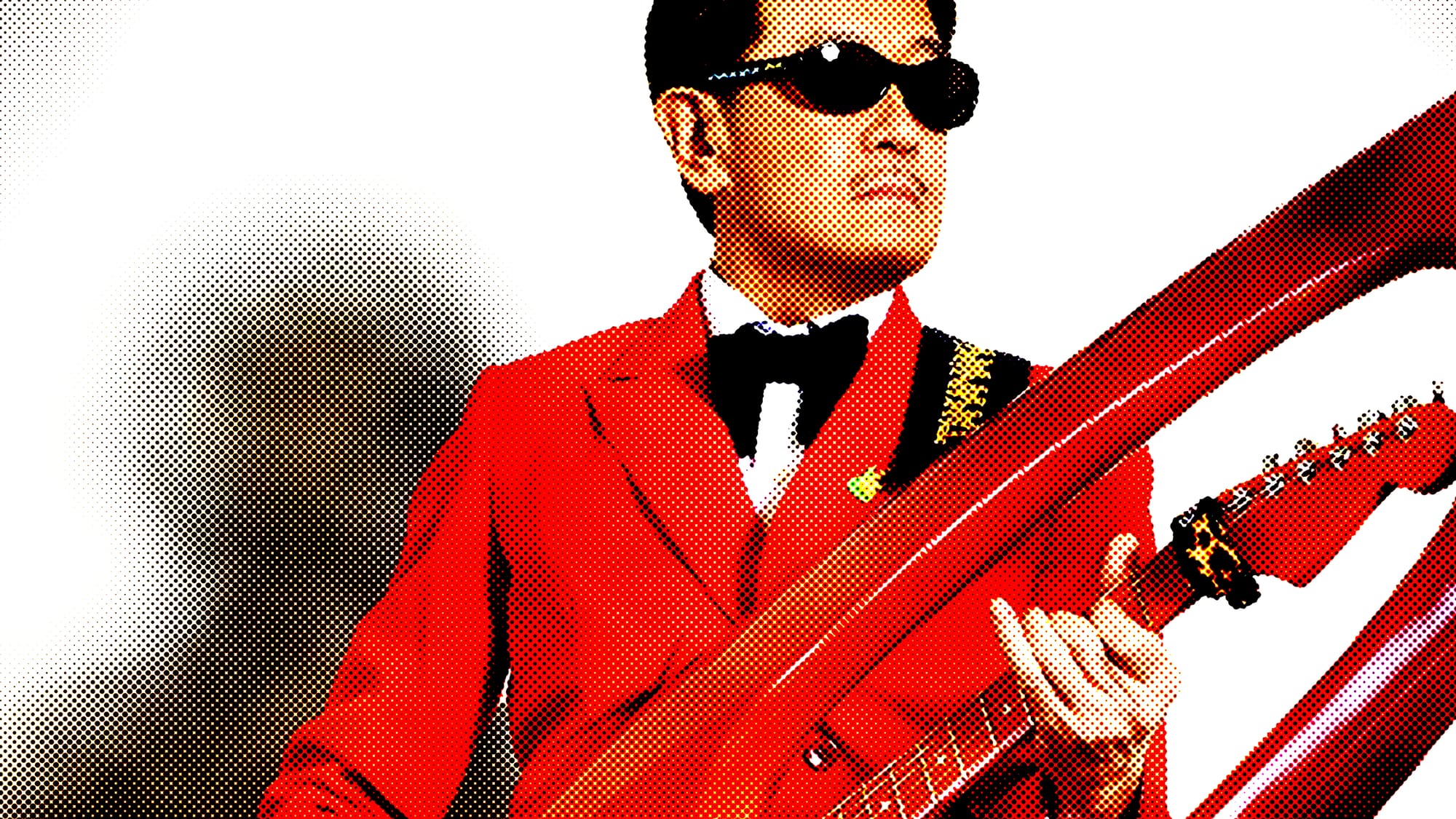
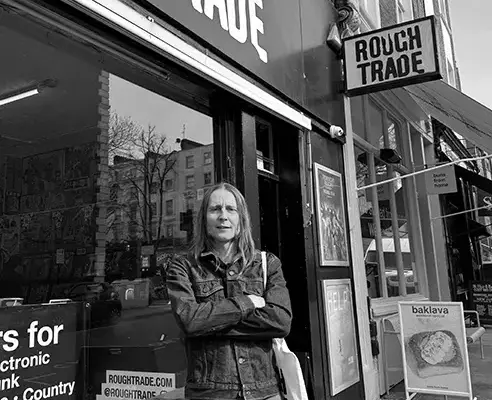
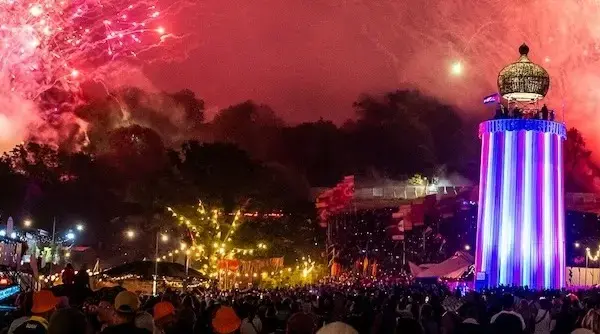
This global revival reaches a landmark cultural zenith in August 2026, when guitar virtuoso Masayoshi Takanaka headlines City Pop Waves at the Crystal Palace Bowl—London’s first major outdoor festival dedicated exclusively to city pop. To celebrate this watershed moment in contemporary music culture, we turned to Rough Trade Nottingham’s resident crate-digger and city pop specialist, Jono Beard. Below, Beard guides us through ten chronological masterpieces that define the genre, mapping an unforgettable journey from Takanaka’s tropical 1976 benchmark Seychelles to RA MU’s late-eighties electro-funk opus Thanks Giving.
Detailed Chronology: Ten Essential City Pop Albums
Japan possessed the second-largest music market in the world during the genre’s golden age, yielding an embarrassment of riches that defies a single compilation. However, through a carefully curated chronological lens, we can trace the evolutionary arc of city pop from its jazzy roots to its hyper-stylized digital zenith.
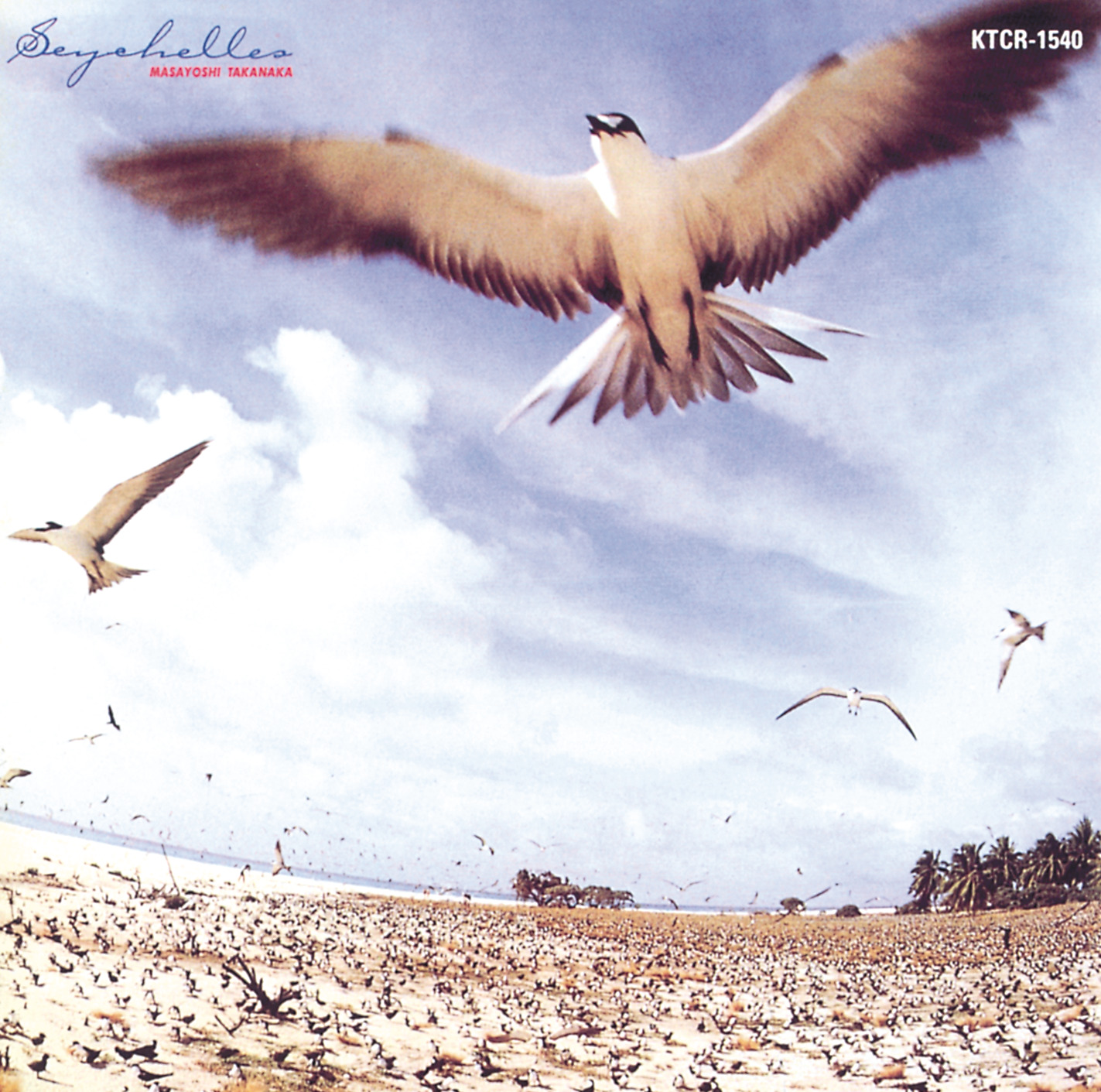
1. Masayoshi Takanaka – Seychelles (1976)
Released in the summer of 1976, Seychelles is a quintessential milestone and one of the earliest complete statements of the genre, pipped to the post by only a few seminal releases from the previous year, such as Sugar Babe’s Songs. While Takanaka’s virtuosic, breezy guitar work is often categorized as jazz fusion—frequently drawing comparisons to Carlos Santana—this vibrant, tropical record essentially codified the atmospheric "vibe" the world would later recognize as city pop. Much like Western yacht rock, these songs are light, impeccably produced, and anchored by astonishingly high-level musicianship. Takanaka’s intricate arrangements reveal an artist already fully formed as an auteur.
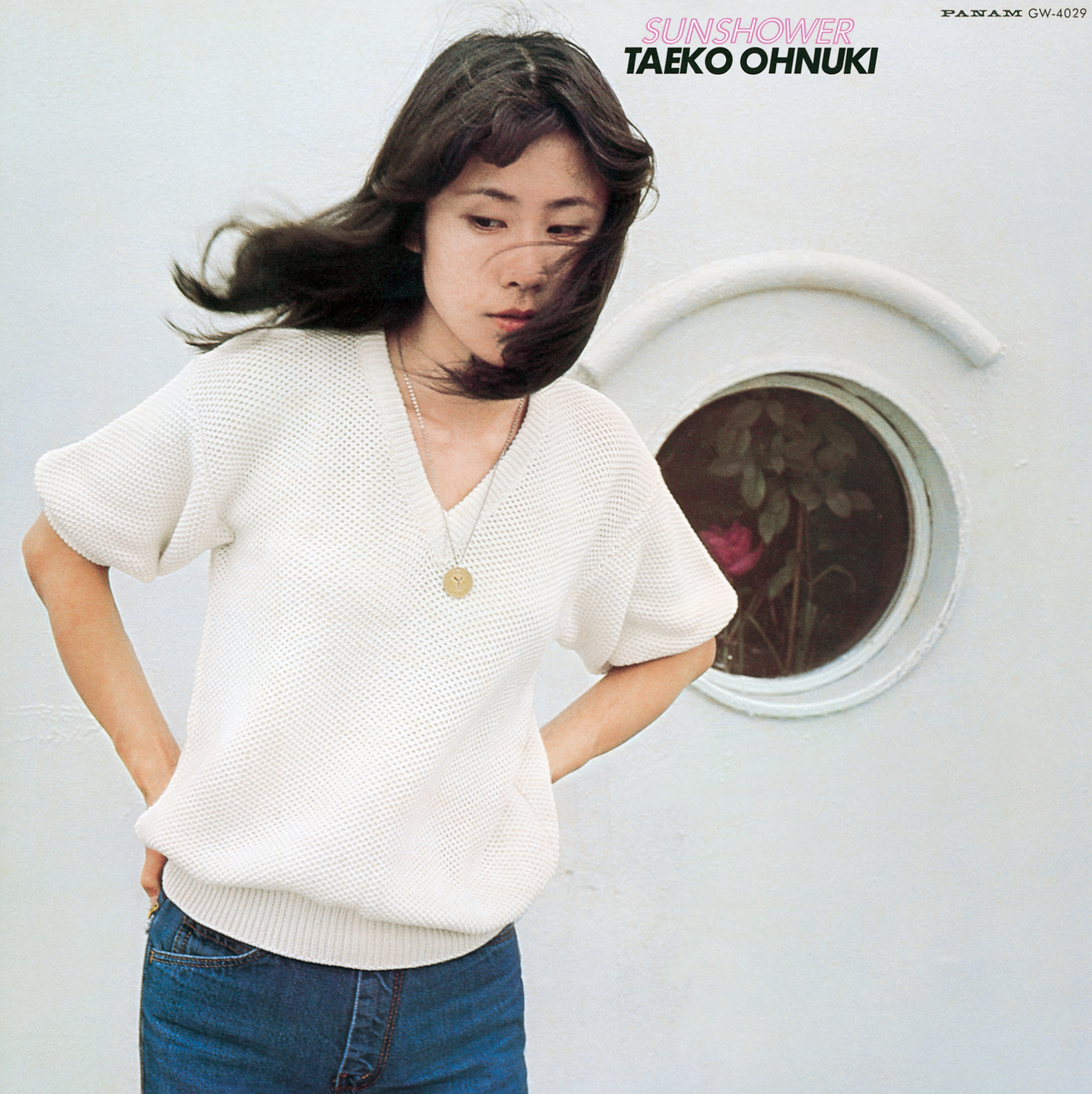
2. Taeko Ohnuki – Sunshower (1977)
Following her time in the pioneering group Sugar Babe and her understated 1976 debut solo effort Grey Skies, Taeko Ohnuki delivered her sophomore masterpiece, Sunshower, in 1977. Long before the internet age turned Japanese vintage pop into a global subculture, Sunshower was earning international acclaim among crate-diggers. Standing on the precipice between the early "new music" movement and the commercial, funk-forward sound that would define the 1980s, the album features arrangements by a pre-Yellow Magic Orchestra Ryuichi Sakamoto. Sakamoto’s dynamic funk foundations are brilliantly juxtaposed against Ohnuki’s pure, airy, and quirkily unique vocal delivery, culminating in the rippling, eerie synths of the penultimate track, Sargasso Sea.
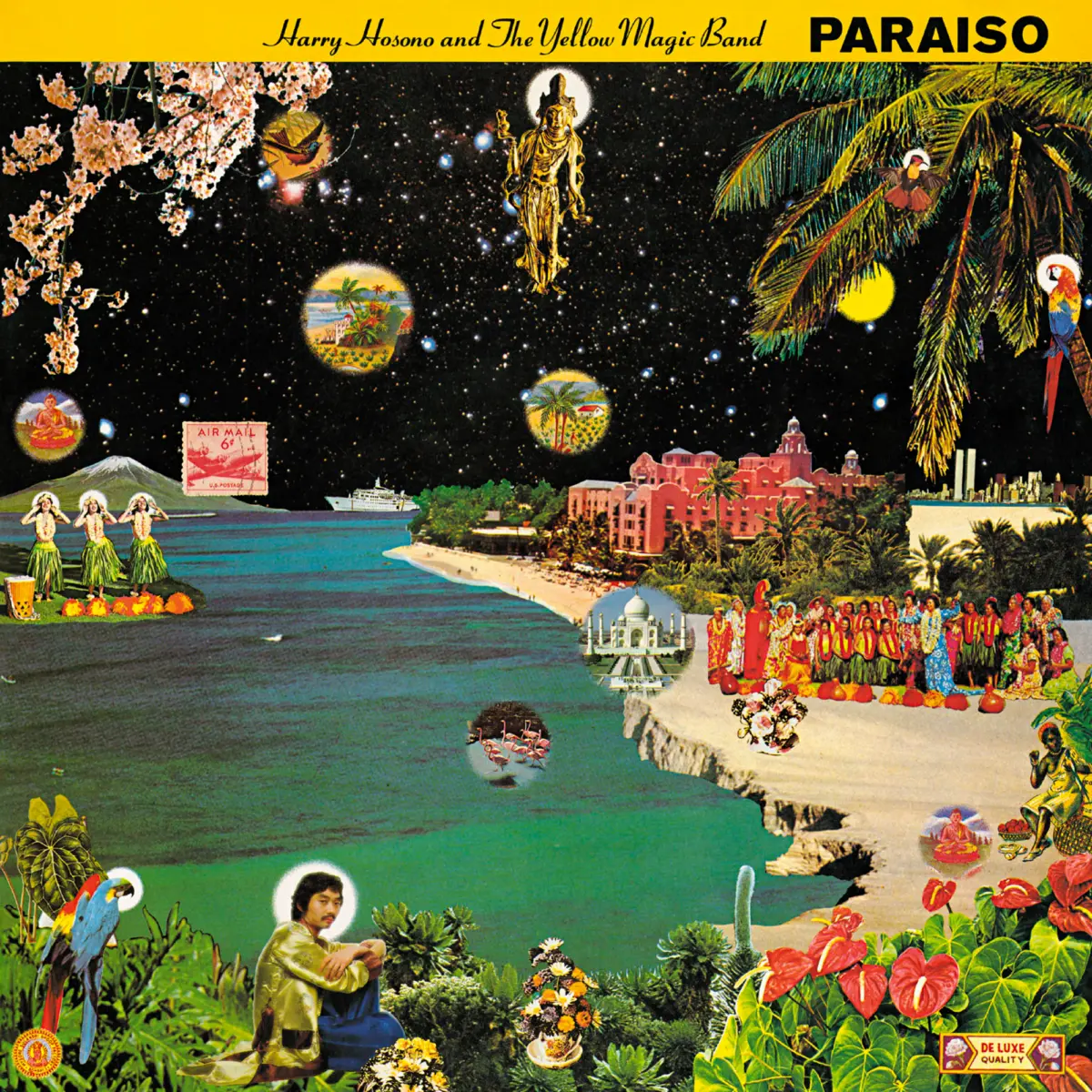
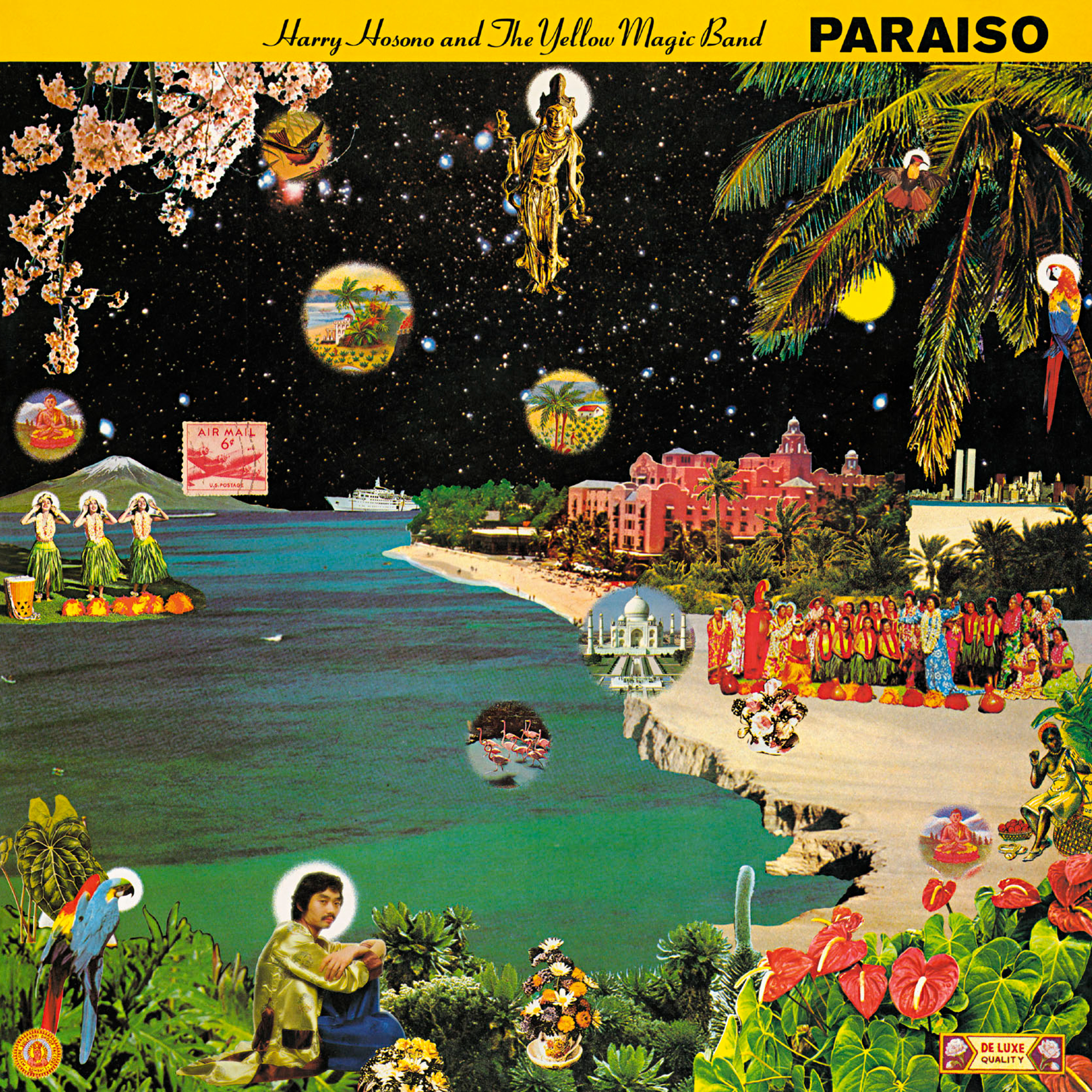
3. Haruomi Hosono – Paraiso (1978)
As one of the wackier entries in the canon, Haruomi Hosono’s Paraiso leans heavily into the playful experimentalism that often characterizes Western perceptions of Japanese pop culture. Yet, above all else, it remains a supremely uplifting, psychedelic pastiche of exotica and tropicalia. Imagine a record akin to Little Feat fronted by Bill Withers and produced by lounge pioneer Les Baxter. As a founding member of Happy End and Yellow Magic Orchestra, Hosono’s compositional genius shines brightly here, offering an eccentric detour from the standard urban-slick formula of traditional city pop.
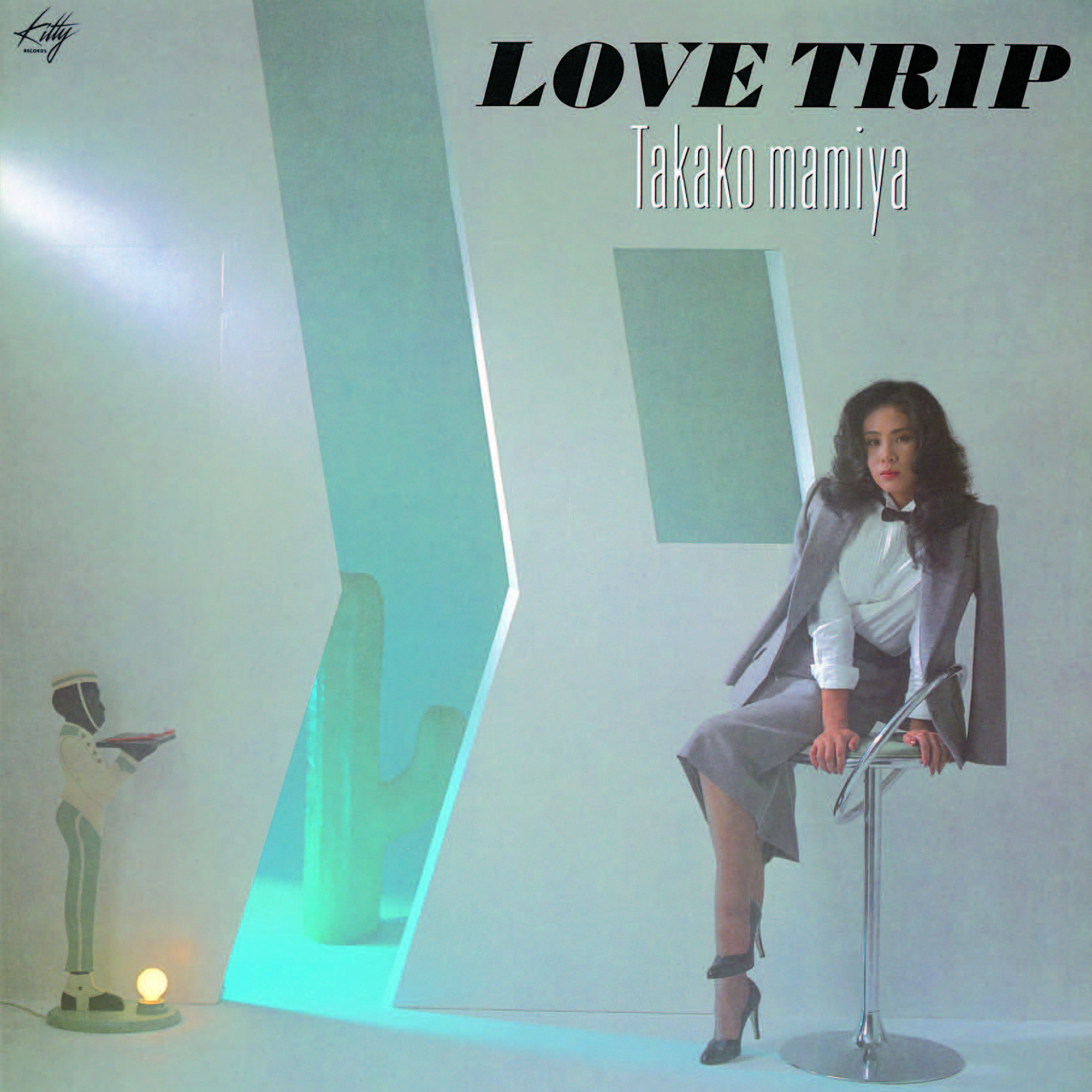
4. Takako Mamiya – Love Trip (1982)
From its effortlessly classy sleeve art to its iconic Kitty Records center label, everything about Love Trip screams "cult classic." Compounded by the enigmatic disappearance of Mamiya from the public eye—this remains her sole full-length release—the album has attained internet-era legend status. Yet the music easily justifies the hyper-focus. Operating at the intersection of city pop, sophisti-pop, and smooth jazz, tracks from Love Trip sit comfortably alongside records like Roxy Music’s Avalon, Randy Crawford’s Secret Combination, and Everything But The Girl’s The Language Of Life. It is opulent, sophisticated, and dripping with upscale yuppie ennui.
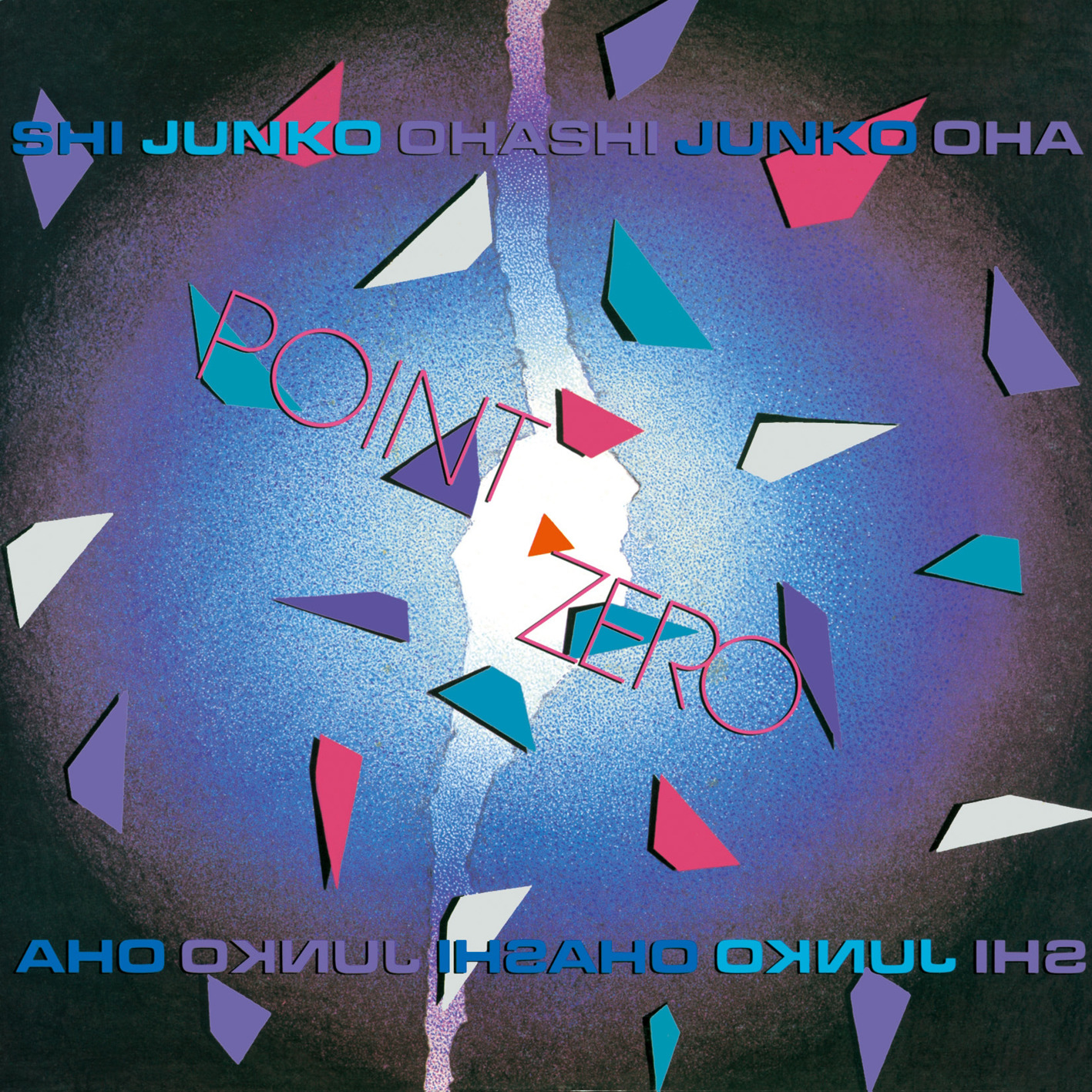
5. Junko Ohashi – Point Zero (1983)
While Junko Ohashi is perhaps globally best-known for her career-spanning compilation Magical, her eleventh studio album, Point Zero, offers a far more compelling journey for dedicated enthusiasts. Recorded in New York City alongside elite studio session players, it is a kaleidoscopic, experimental post-disco triumph. Bookended by the gold-standard boogie classic Dancin’ and the irresistibly catchy closer Sugao no Mama de—arguably the quintessential city pop anthem—the album also features the futuristic Sensual Night, proving Ohashi’s creative vision was years ahead of its time.
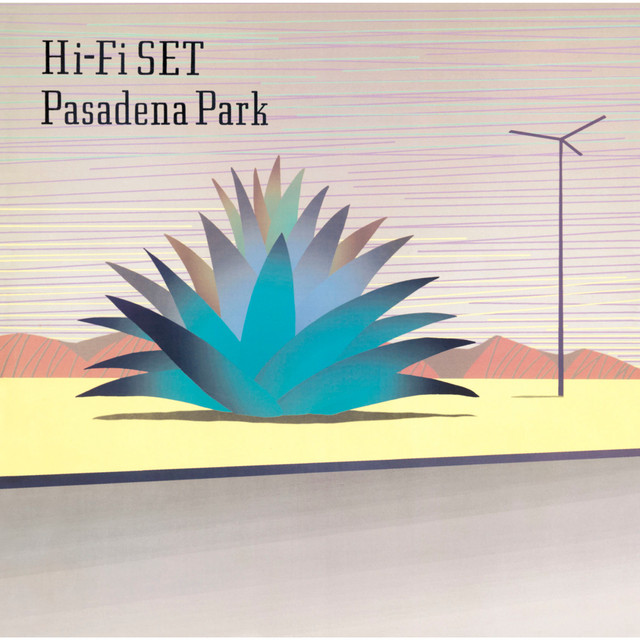
6. Hi-Fi Set – Pasadena Park (1984)
Rising from the ashes of the folk-oriented vocal outfit Akai Tori (The Red Birds), Hi-Fi Set paired close-harmony vocal arrangements with sophisticated jazz-funk rhythms and a distinct touch of theatrical flair, reminiscent of Manhattan Transfer. By 1984, their sound had evolved into the lush, decadent aesthetic that came to define the mid-eighties urban boom. Featuring minimalist Japanese Americana sleeve art and a sophisticated sophisti-pop sound that bridges Swing Out Sister and The Carpenters, Pasadena Park serves as an archetypal text for the genre.
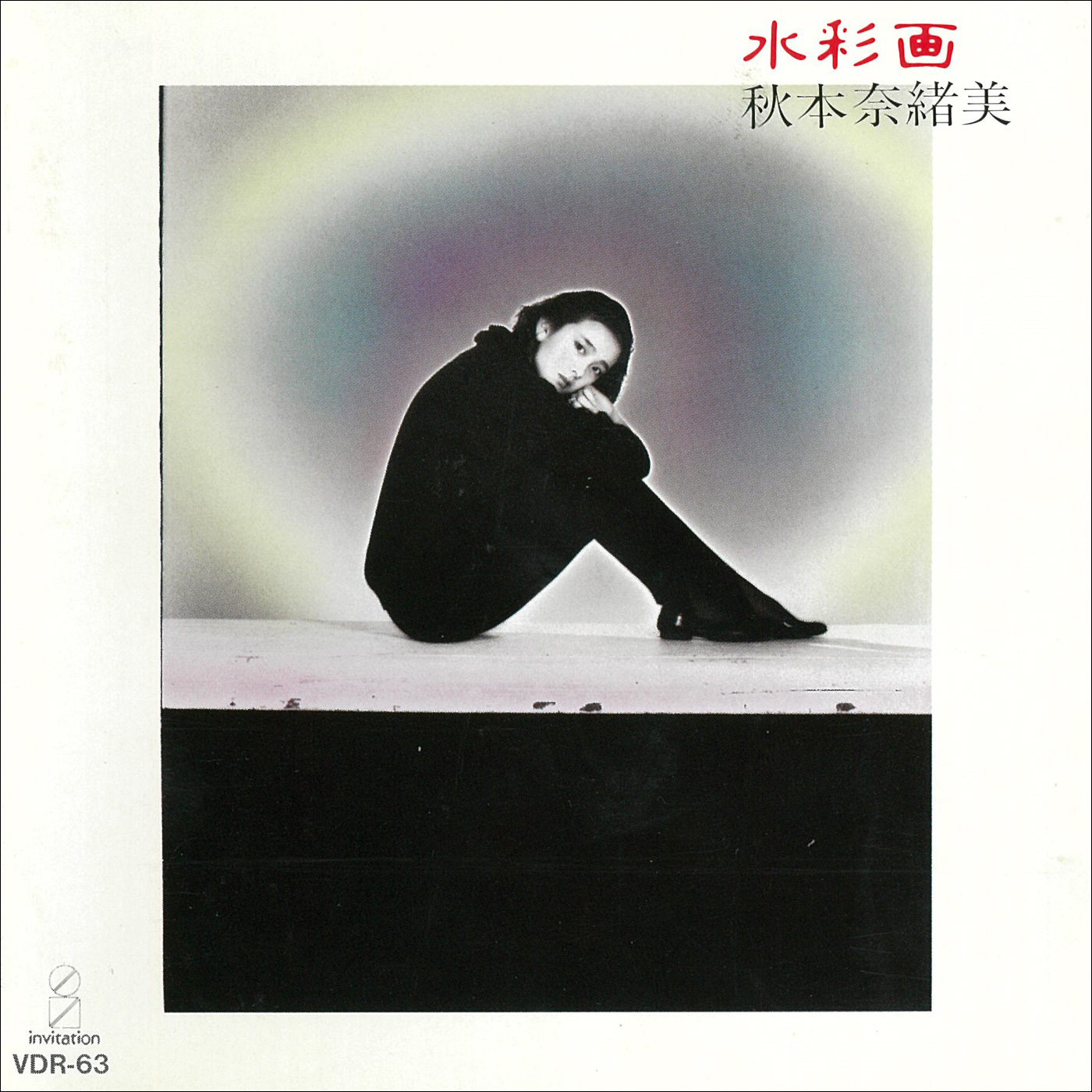
7. Naomi Akimoto – Suisaiga (1984)
Suisaiga (meaning "watercolour painting") is a deeply underrated and entirely unique anomaly within the Japanese pop landscape. Avoiding the traditional sun-soaked funk and driving basslines of its contemporaries, Akimoto’s sophomore effort leans into a minimalist, ethereal sonic space. Imagine a dub mix consisting solely of the synthesizers and drum machines from a sweeping pop ballad, drenched in heavy reverb and anchored by fragile, understated vocals. It avoids funk entirely, offering instead an atmospheric precursor to modern alternative R&B.
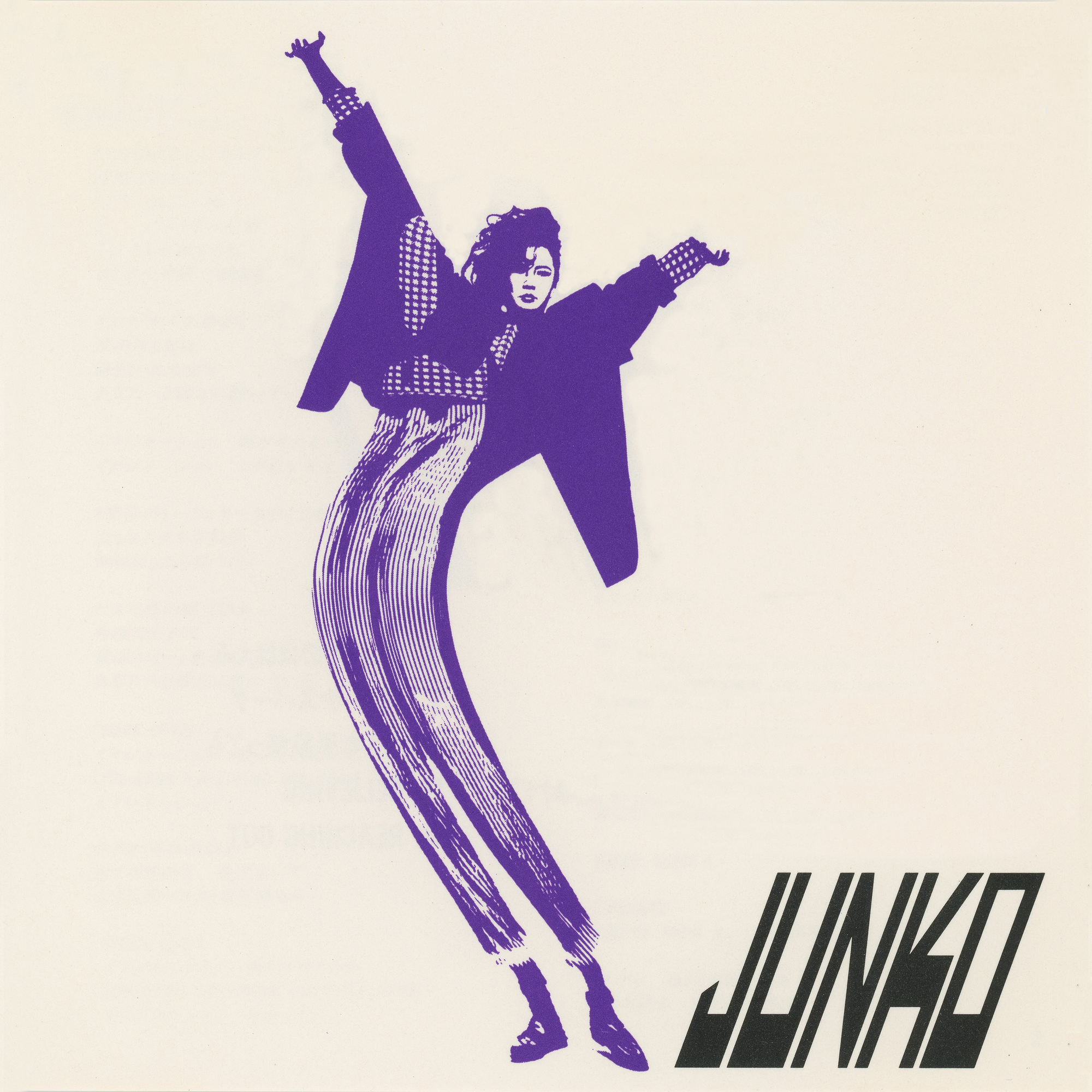
8. Junko Yagami – Communication (1985)
Junko Yagami’s discography is filled with landmark records, but Communication stands as her most cohesive full-length statement. Following her departure from Discomate Records to sign with Moon Records, Yagami pivoted toward a digital, Hi-NRG synth-funk aesthetic. From its zany, Jean-Paul Goude-inspired cover art to the Madonna-esque title track and the electronic reggae-pop of Johannesburg, the album transports the listener directly into an idealized, futuristic vision of mid-eighties Tokyo.
9. Rajie – Espresso (1985)
Emerging from the initial singer-songwriter wave, Rajie crafted several traditional city pop gems before dropping her seventh and final studio album, Espresso, in 1985. On this record, she essentially invented a uniquely Japanese, wintry variant of dream pop, predating similar Western movements by years. Featuring ethereal vocals and dreamlike synthesizers underpinned by chorused, reverb-drenched guitars, Espresso retains a light, accessible pop core while offering an intensely otherworldly listening experience.
10. RA MU – Thanks Giving (1988)
Led by idol-turned-pop innovator Momoko Kikuchi, RA MU—whose name transliterates the romaji for l’amour—represented the late-eighties convergence of the Japanese idol scene and city pop. Backed by powerhouse vocalists Rosalyn Renee Keel and Darelle-Foster Holden, whose soulful harmonies anchored thousands of Japanese pop tracks during the decade, Kikuchi’s breathy delivery floats effortlessly over bright, sparkly production informed by American R&B and new jack swing. It is a brilliant, high-energy punctuation mark to the golden era of the genre.
Supporting Context & Metrics: The Anatomy of a Revival
The resurgence of city pop is not merely a nostalgic internet trend; it represents a major economic and cultural shift in how non-Western music finds global longevity.
- The Digital Catalyst: Beginning in the early 2010s through YouTube recommendation algorithms and early music blog communities, albums like Taeko Ohnuki’s Sunshower and Tatsuro Yamashita’s Ride On Time found a second life among digital listeners searching for atmospheric backgrounds for work, study, and late-night city commutes.
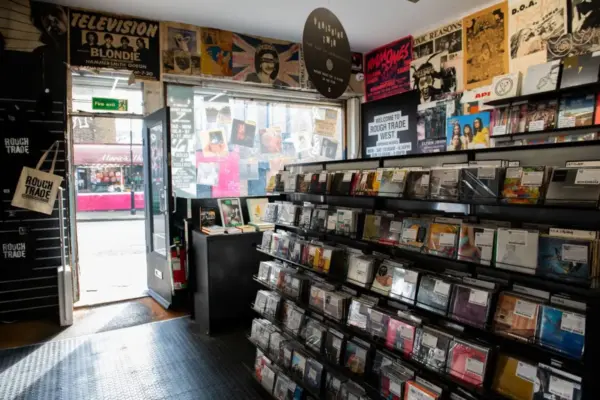
- Vinyl Market Dynamics: Historically, acquiring original pressings of city pop masterpieces required navigating expensive secondary markets and Japanese import auctions. Today, driven by surging global demand, international distributors and domestic record companies (such as Rough Trade and various specialized reissue labels) are aggressively pressing and repressing these titles on vinyl to meet international consumer appetites.
- Market Significance: During the genre’s formative years in the late 1970s and 1980s, Japan maintained the second-largest recorded music market globally. This immense capital fueled high-budget studio sessions, bringing together world-class arrangers, avant-garde electronic musicians (such as members of Yellow Magic Orchestra), and elite session players whose technical proficiency rivals any Western counterpart of the era.
Official Statements & Industry Perspective
Reflecting on the ongoing global obsession with the genre, Jono Beard of Rough Trade Nottingham notes the unique emotional resonance city pop holds for modern listeners who never experienced the bubble-era economy of Shōwa-period Japan:
"Perhaps more so than any other genre, the term ‘city pop’ describes more than just the sound of the music. It’s an era but also an aesthetic, a vibe, a feeling, a lifestyle. It can be at once quaint and aspirational, shallow and profound, retro and futuristic. It belongs to a time and a place that most Western fans will never know, and which maybe never truly existed."
Discussing the sheer breadth of the movement—which frequently leaves canonical heavyweights like Tatsuro Yamashita, Anri, Miki Matsubara, and EPO off concise top-ten lists—Beard emphasizes that discovery remains the ultimate joy for contemporary collectors:
"There were many albums and artists I wanted to write about but didn’t have the space… But the great thing for anyone getting into city pop these days is that it’s becoming easier than ever to find on vinyl outside of Japan thanks to the efforts of record companies and distributors. I hope that with this article, I’ve been able to introduce you to some amazing music that you’ll come to love as much as I do."
Future Outlook: Live Performance and the Next Wave
As city pop transitions from a digital secret shared on online forums to an established pillar of global music appreciation, its presence in the live music ecosystem is expanding rapidly.
The milestone booking of Masayoshi Takanaka as the headliner for City Pop Waves at the Crystal Palace Bowl in August 2026 marks a structural turning point. No longer confined to localized Japanese nostalgia acts or underground DJ sets, the genre is proving its viability on major international festival stages. This London-based festival signals a broader industry shift: live promoters are recognizing that the intricate musicianship, sophisticated jazz-funk compositions, and timeless sunny escapism of city pop translate effortlessly to large-scale open-air settings.
Looking ahead, industry analysts expect increased licensing collaborations, high-profile vinyl box set reissues, and further crossover events bridging veteran Japanese artists with contemporary Western producers and sample-based beatmakers. As physical distribution channels continue to normalize the global supply of these once-elusive records, the neon-lit horizon of city pop shows no signs of dimming.