Executive Overview
Pop superstar Ed Sheeran finds himself at the center of an escalating storm—both meteorologically and politically—as he prepares to resume his high-profile United States tour at Foxborough’s Gillette Stadium. What was originally slated to be a standard, blockbuster stadium stop has morphed into a multi-layered controversy involving severe weather disruptions, high-stakes geopolitical fallout, and swift consumer protection intervention from state regulators.
As a severe New England "nor’easter" batters the coastline with winds reaching up to 70 miles per hour, production crews have faced harrowing delays, leaving the viability of the open-air weekend concerts hanging in the balance. Yet, the meteorological threats are merely the latest chapter in an ongoing saga that began weeks ago when billionaire stadium owner Robert Kraft reportedly objected to supporting acts expressing solidarity with Palestine. The subsequent axing of rapper Macklemore triggered a domino effect of walkouts among supporting acts and backing musicians, forcing a radical restructuring of Sheeran’s live set and alienating segments of the fan base.
Compounding the logistical and public relations nightmare, Massachusetts Attorney General Andrea Joy Campbell stepped in, compelling Ticketmaster to issue mandatory refunds to dissatisfied ticket holders. This rare consumer protection ruling acknowledges that a near-total overhaul of a concert lineup breaches standard expectations of service. Meanwhile, the sidelined Macklemore has pivoted his sudden scheduling freedom into a series of benefit concerts across Europe, drawing a sharp ideological line in the sand regarding the responsibilities of artists in the public eye. As the gates of Gillette Stadium prepare to open—weather permitting—this weekend serves as a compelling case study in how modern live entertainment, corporate governance, and geopolitics increasingly collide.
Detailed Chronology of the Crisis
The Catalyst: The Foxborough Controversy and the Macklemore Fallout
The roots of the current crisis trace back to high-level friction between tour organizers and venue ownership. Gillette Stadium, owned by New England Patriots billionaire owner Robert Kraft, became a flashpoint when Kraft reportedly objected to rapper Macklemore’s vocal on-stage support for Palestine. According to industry insiders, Kraft threatened to pull the plug on Sheeran’s multi-night residency unless the rapper was removed from the bill—a hardline stance that allegedly rippled across other prominent US stadium venues as well.
Pressured by these heavyweight ownership demands, Sheeran’s promoter ultimately axed Macklemore from the tour. However, this corporate-driven censorship unleashed an unprecedented backlash within the creative community. In an act of solidarity with Macklemore, all other supporting acts booked for the tour, as well as Sheeran’s own dedicated backing band, abruptly pulled out of the engagements.
Left in a bind just days before major performances, Sheeran was forced to scramble. He restructured his Philadelphia concert the previous weekend, stripping down the production, delaying set times, and hastily recruiting a replacement band solely for the portions of the show that required live instrumental accompaniment. This improvised format was intended to carry over to the massive two-night stand at Gillette Stadium.
Regulatory Intervention: The Attorney General Steps In
The drastic alterations to the tour lineup did not go unnoticed by consumers or state regulators. Historically, major ticketing platforms like Ticketmaster operate under strict "no refunds" policies, leaving fans financially locked into events regardless of creative changes. However, the systematic dismantling of the entire support lineup shifted the legal and consumer landscape.
Recognizing the gravity of the situation, Massachusetts Attorney General Andrea Joy Campbell’s office received nearly 200 formal complaints from bewildered concertgoers struggling to secure refunds through Ticketmaster. Campbell’s office acted decisively, issuing a formal demand that ticket holders be granted a straightforward pathway to recover their funds if they no longer wished to attend.
In a landmark determination, the Attorney General’s office argued that altering nearly all the performing acts and backing musicians simultaneously constituted such a dramatic, fundamental change to the purchased service that Ticketmaster’s strict enforcement of its purchase policy was legally unfair. Consequently, Ticketmaster was forced to capitulate, offering refunds to any ticket holder who requested them at least 24 hours prior to showtime.
The Meteorological Threat: Enter the Nor’easter
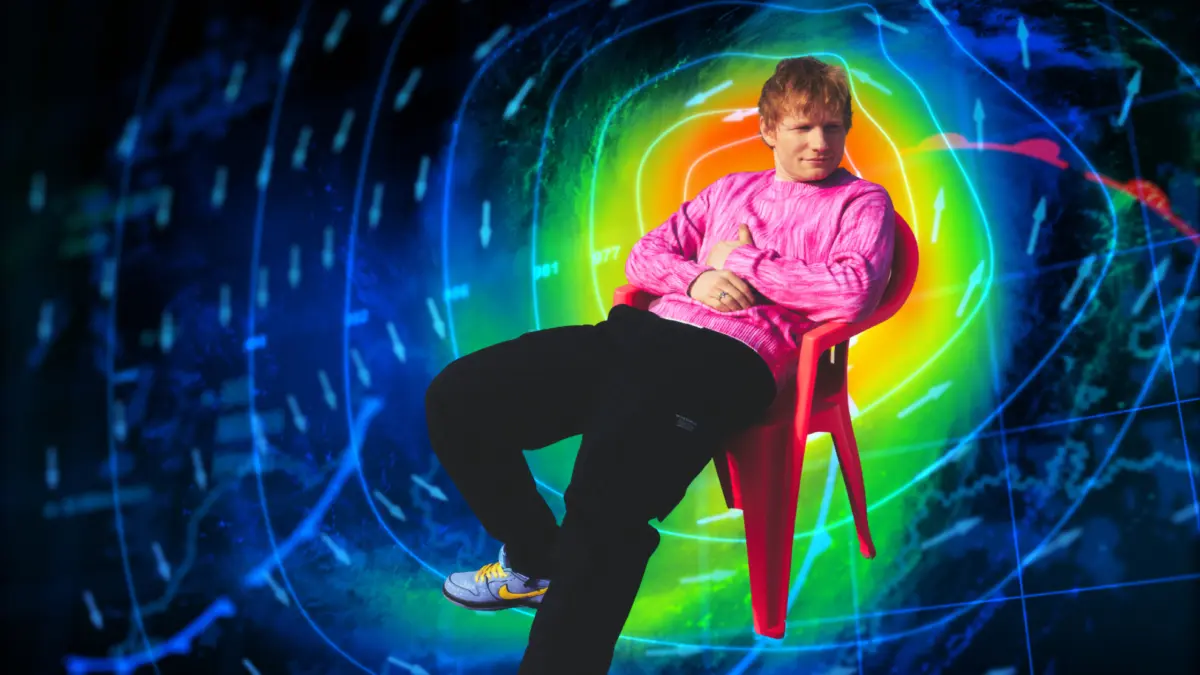
As if navigating a political and logistical minefield were not enough, mother nature decided to weigh in. A ferocious "nor’easter" storm system descended upon New England, promising wind gusts of up to 70 mph and several inches of torrential rain throughout the weekend.
According to reports from TMZ, the inclement weather severely impacted pre-production schedules at Gillette Stadium. Stage construction, which had begun smoothly on Thursday morning, was abruptly halted by Thursday evening. Crew members were told to pause all assembly while higher-ups urgently debated whether to dismantle the partially built mega-stage entirely to prevent structural damage from the incoming gale-force winds.
The prospect of open-air performances in freezing, rain-soaked, and potentially hazardous conditions introduced a stark irony to the weekend: it appeared increasingly possible that regional weather patterns, rather than political boycotts or artist walkouts, might succeed in silencing Sheeran’s Foxborough run altogether. While conspiracy theorists on social media jokingly—and absurdly—began attributing the storm’s uncanny timing to clandestine weather-control programs, real-world safety officials maintained a close watch on structural integrity and crowd safety metrics.
Supporting Context, Metrics, and Stakeholders
To fully grasp the magnitude of the Foxborough crisis, it is essential to analyze the primary stakeholders, financial metrics, and broader cultural dynamics at play.
+-------------------------------------------------------------------------+
                    KEY STAKEHOLDERS IN THE SHEERAN CRISP
+-------------------------------------------------------------------------+
| Stakeholder                  | Role / Position                          |
+-------------------------------------------------------------------------+
| Ed Sheeran                   | Headlining artist navigating structural  |
|                              | changes and makeshift backing bands.     |
+-------------------------------------------------------------------------+
| Robert Kraft                 | Billionaire Gillette Stadium owner who   |
|                              | reportedly forced Macklemore's removal.  |
+-------------------------------------------------------------------------+
| Macklemore                   | Ousted supporting act who pivoted to     |
|                              | European "Free Palestine" benefit shows. |
+-------------------------------------------------------------------------+
| Andrea Joy Campbell          | Massachusetts AG who successfully forced |
|                              | Ticketmaster to issue consumer refunds.  |
+-------------------------------------------------------------------------+
| Messina Touring Group        | Tour promoters caught in the crossfire   |
|                              | of venue demands and fan backlash.       |
+-------------------------------------------------------------------------+
Economic and Logistical Impact
- Stadium Capacity: Gillette Stadium holds upwards of 65,000 spectators per night, representing massive multi-million-dollar box office stakes for a weekend residency.
- Refund Volume: While precise numbers remain proprietary, consumer protection advocates note that the precedent set by AG Andrea Joy Campbell could influence future ticket-buyer rights litigation across the live music industry. Ticketmaster’s compliance underscores the vulnerability of standard ticketing contracts when lineups are radically altered post-purchase.
- Production Costs: Halting, dismantling, and potentially reassembling a stadium-grade touring stage amidst severe weather incurs tens of thousands of dollars in daily labor and operational overhead.
The Ideological Schism in Live Music
The fallout from the Macklemore cancellation highlights a profound ideological division within the modern music industry. On one side stand corporate venue owners, major promoters, and commercial stakeholders who favor maintaining an "apolitical" sphere of entertainment to safeguard brand partnerships, corporate sponsorships, and mainstream box office revenues.
On the other side are artists and fans who argue that massive public platforms carry inherent social and moral responsibilities. Macklemore’s subsequent announcement of charity concerts in Dublin, London, and Paris—designed to raise funds for organizations supporting Palestinian civilians—cites this exact sentiment. In an official Instagram statement following his dismissal, Macklemore remarked:
"Being apolitical during a genocide doesn’t work anymore. People are asking artists to show up, educate themselves and be in community. To use the stage for more than entertainment. To push back when the call for a Free Palestine is met with attempts to silence it."
By rallying artists who are willing to risk commercial consequences to speak out, Macklemore transformed an isolated cancellation into an international solidarity movement.
Official Statements and Public Discourse
The convergence of political censorship, legal intervention, and extreme weather generated a massive wave of public commentary from all involved parties.
The Attorney General’s Office
Defending the intervention on behalf of Massachusetts consumers, AG Andrea Joy Campbell released a pointed statement detailing the rationale behind the mandated refunds:
"After hearing from nearly 200 consumers who were struggling to obtain refunds from Ticketmaster for Ed Sheeran’s shows at Gillette Stadium this weekend, my office jumped into action to demand that consumers be provided a clear path to get their money back if they no longer want to attend due to significant changes to the line-up."
Her office emphasized that substituting nearly an entire supporting roster fundamentally alters the core service purchased by the consumer, rendering traditional no-refund policies legally untenable in this specific context.
The Artist’s Perspective
While Ed Sheeran himself has largely sought to maintain focus on his musical delivery—adapting his performance style to accommodate solo sections and replacement musicians—the broader artistic community has used the incident to debate free expression. Prominent industry figures have increasingly questioned where the line is drawn between venue curation and outright censorship, particularly when geopolitical expression is penalized.
Future Outlook: Implications for the Live Entertainment Industry
As the dust settles on the Gillette Stadium residency—whether played out under clearing skies or suspended entirely by the nor’easter—the long-term ramifications of this event will likely ripple across the global touring ecosystem.
- Evolution of Ticketing Policies: The successful intervention by Massachusetts AG Andrea Joy Campbell sets a powerful precedent. Promoters and ticketing agencies may face stricter scrutiny when altering tour lineups, potentially leading to more flexible refund clauses written into standard terms of service.
- Venue-Artist Relations: The incident underscores the immense leverage held by billionaire venue owners over touring acts. Moving forward, artists with strong socio-political convictions may scrutinize venue ownership and booking agreements more closely before committing to major multi-night residencies.
- The Weaponization of Platforms: As artists increasingly view their stages as platforms for sociopolitical commentary, clashes with corporate ownership are bound to repeat. The successful pivot by Macklemore to European benefit concerts demonstrates that being dropped from a mainstream stadium tour can paradoxically amplify an artist’s activist profile on an international scale.
Ultimately, Ed Sheeran’s Foxborough weekend will be remembered not merely as a stop on a pop tour, but as a defining nexus where the unyielding forces of nature, law, and global politics converged on the live stage.