In the lexicon of popular music, few phrases carry as much psychological weight—or commercial dread—as "the difficult second album." Commonly referred to in North America as the "sophomore slump," this cultural phenomenon describes the distinct moment an artist attempts to match or exceed the critical acclaim and commercial resonance of a breakout debut.
The mechanics of this pressure cooker are multifaceted. Modern industry evolution has weaponized the follow-up record through complex, gated marketing campaigns, algorithm-driven expectations, and an army of cultural critics ready to scrutinize every note before a needle even hits the wax. The sophomore project is burdened with anticipation long before it is heard.
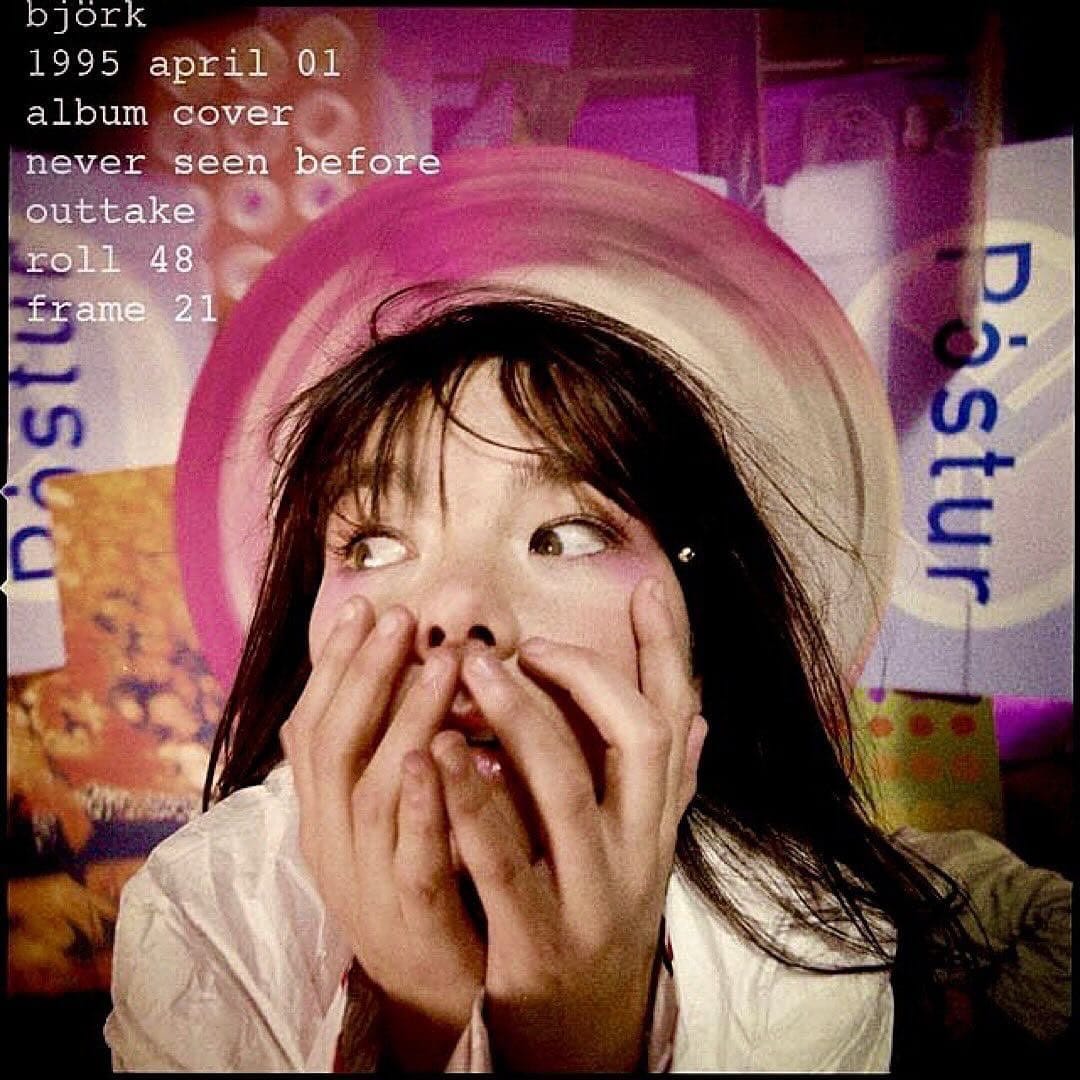
Yet, musical history is rich with defiant counter-narratives. Across generations, boundary-pushing acts have completely shattered the second-album curse. Icons such as Led Zeppelin, Bob Dylan, Nirvana, Radiohead, Adele, OutKast, Mobb Deep, PJ Harvey, Björk, and SZA did not merely survive their sophomore releases; they expanded their loyal fanbases exponentially, redefined their sonic boundaries, and permanently altered the landscape of contemporary music.
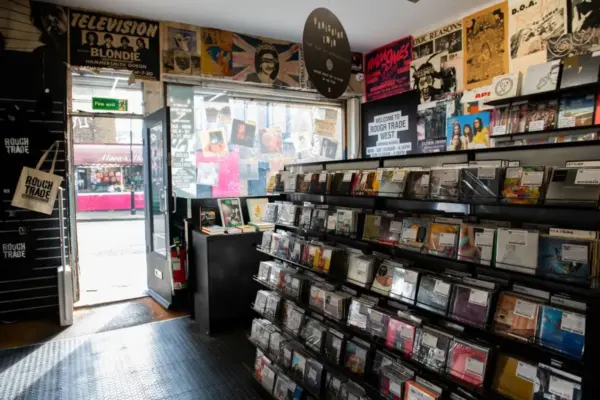
What is the exact recipe for a triumphant second album? Whether artists choose to replicate the winning formula of an acclaimed debut or radically upend their sonic palette, there is no single rulebook. To better understand how lightning strikes twice, we examine ten defining sophomore albums housed within the Rough Trade Essential collection—records that pushed sound further, met inflated expectations, and, in many cases, yielded the defining work of an artist’s career.
Detailed Chronology: Ten Sophomore Masterpieces
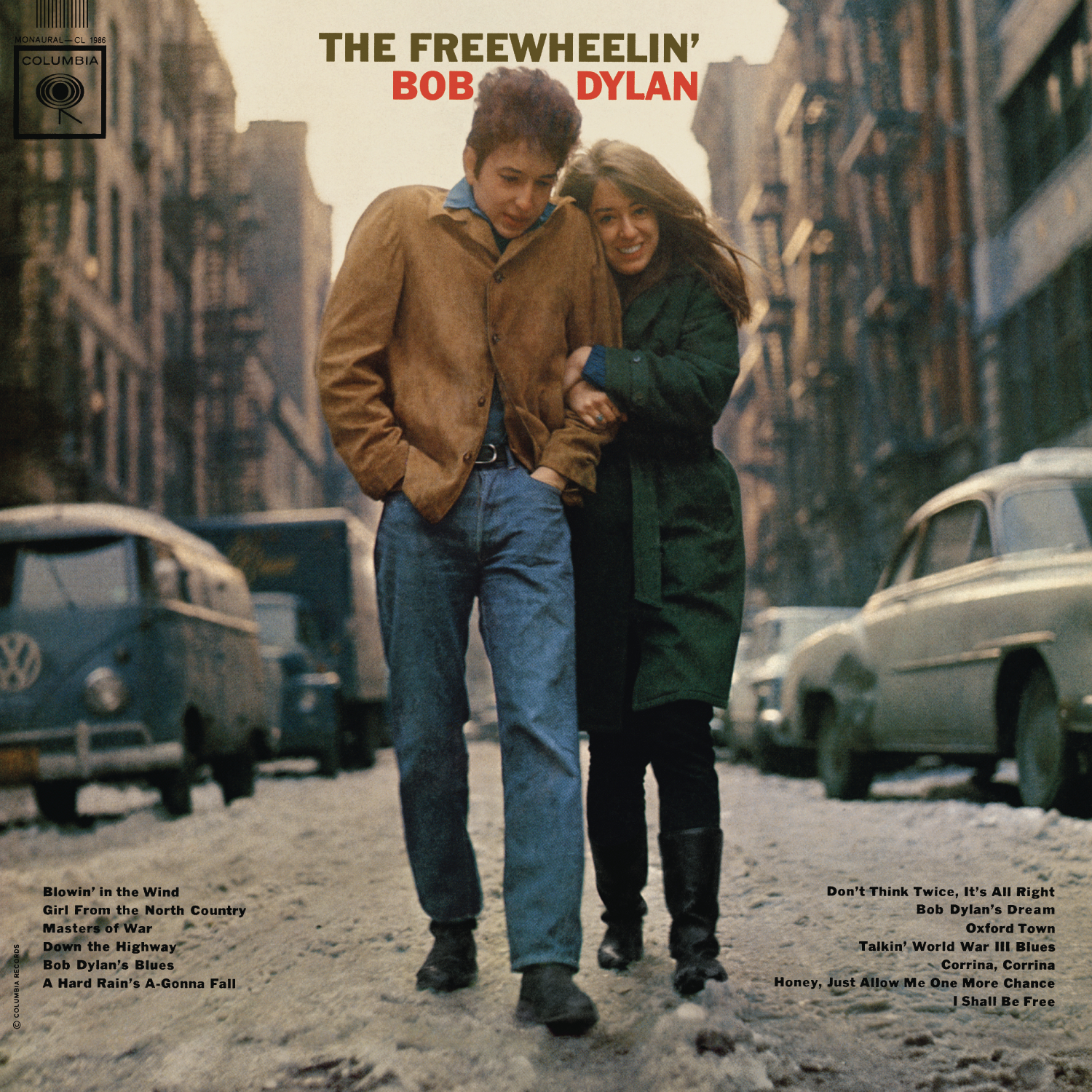
1. Bob Dylan – The Freewheelin’ (1963)
The album that transformed Bob Dylan from a folk-circuit hopeful into one of popular music’s most vital generational voices, The Freewheelin’ marked a profound departure. Following underwhelming commercial returns on his 1962 self-titled debut—which heavily relied on traditional blues standards—Dylan pivoted toward modern acoustic storytelling. Balancing urgent, searing protest anthems with tender love songs and hyper-literate poetry, the record established a template that would shape generations of singer-songwriters. Its foundational impact on folk, rock, and lyricism remains impossible to overstate.
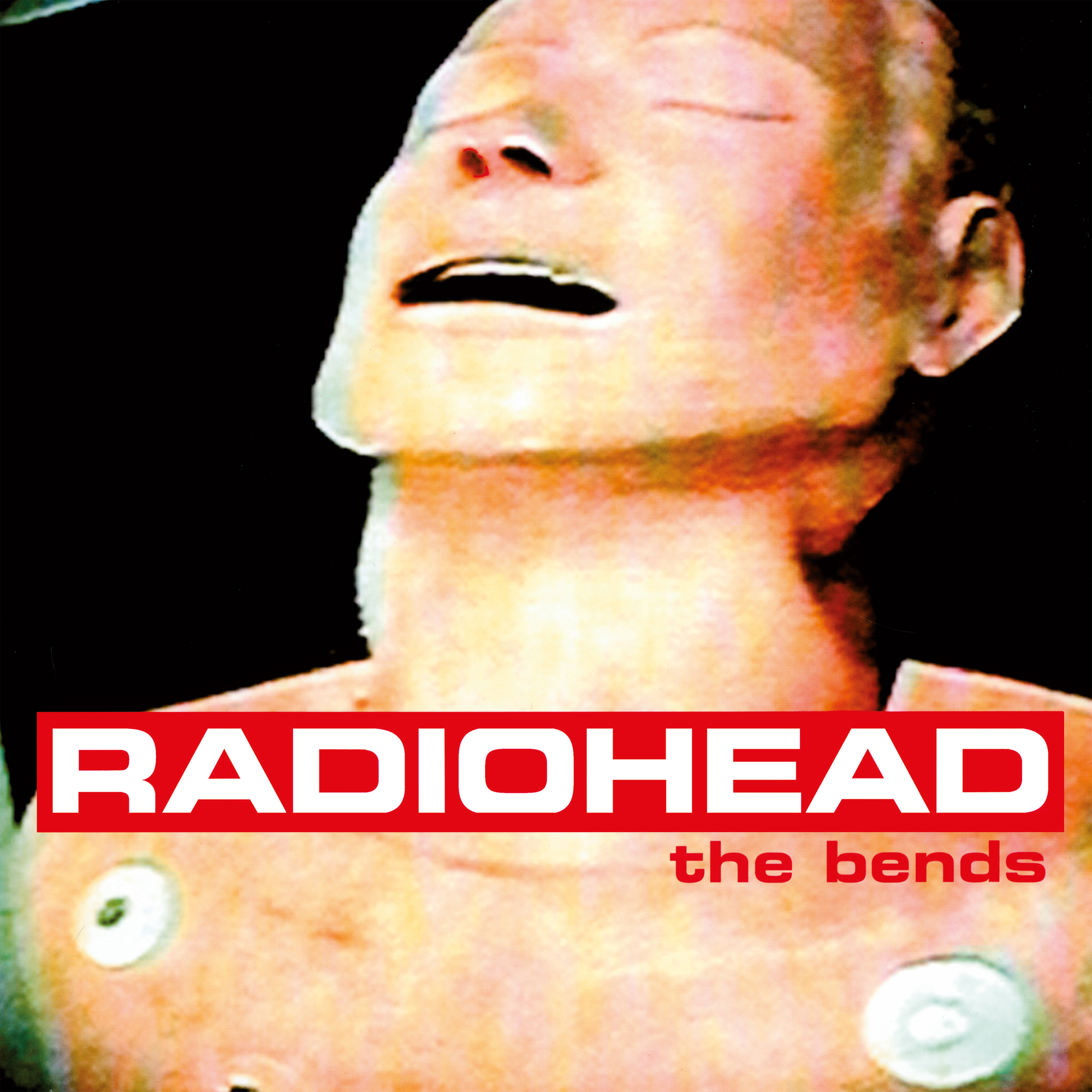
2. Radiohead – The Bends (1995)
Released at the height of the Britpop era, Radiohead’s second album flatly refused to submit to the era’s trendy tropes and stylistic signifiers. The Bends was acutely self-aware of its sophomore status; its title referenced decompression sickness from surfacing too quickly while scuba diving—a sharp metaphor for the dizzying, unexpected success of their breakout hit, "Creep."
While their debut, Pablo Honey, was widely pigeonholed as a derivative grunge-adjacent project, The Bends was recognized as a massive artistic leap. Thom Yorke’s soaring falsetto pierced through a dense wall of acoustic and electric guitars, delivering abstract yet sonically concise production. Reflecting on the transition in a 1996 interview with Addicted To Noise, guitarist Jonny Greenwood noted:
"It’s weird. It’s been kind of a reversal from Pablo Honey. We had an album that sold a lot but wasn’t taken much notice of and now we’ve become that horrible thing of a band’s band, or a critic’s band."
That critical darling status hardened into enduring legacy. The Bends anchored Radiohead’s long-term credibility, birthing timeless alternative radio staples like "Fake Plastic Trees," "High and Dry," and "Street Spirit (Fade Out)."
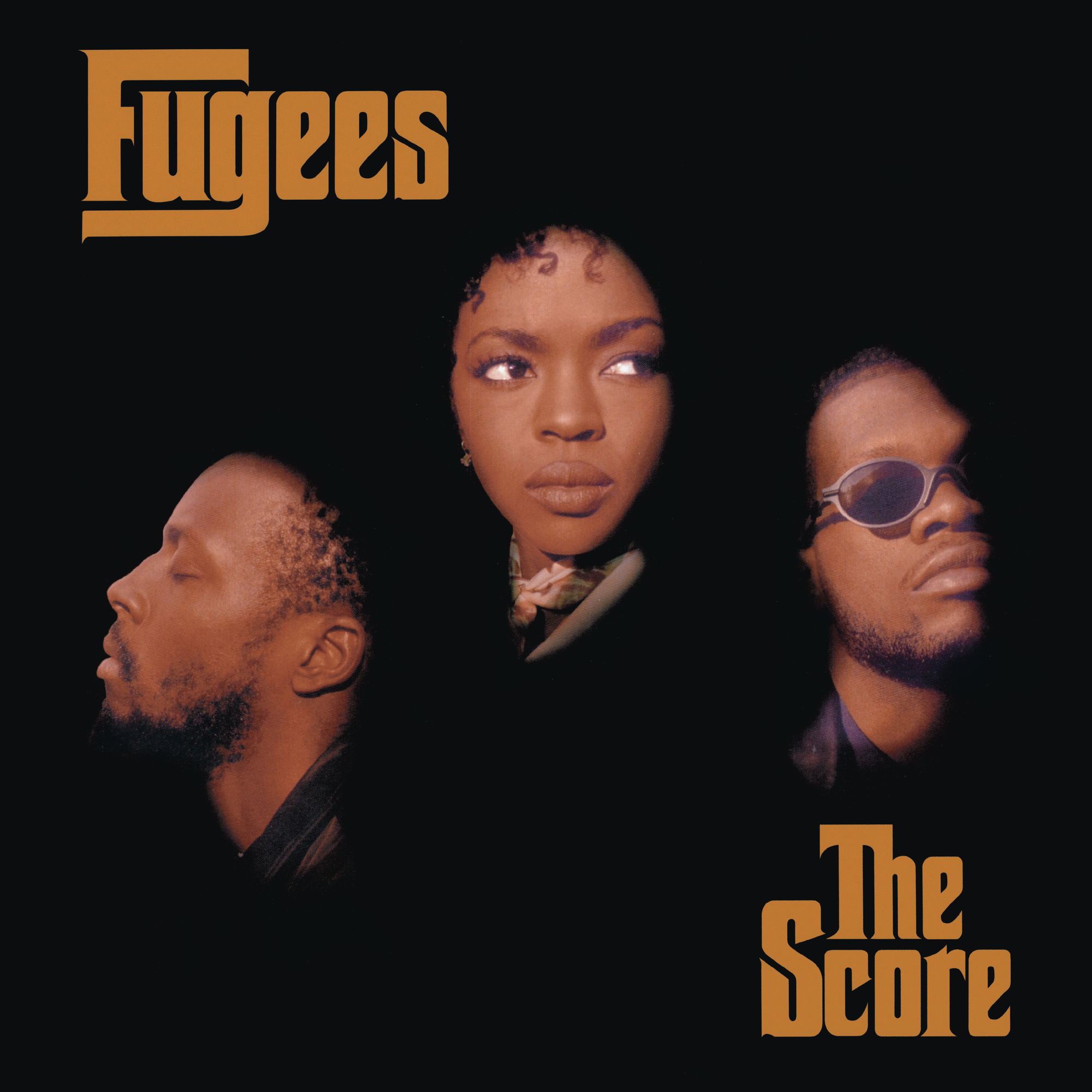
3. Fugees – The Score (1996)
An essential cornerstone of any serious hip-hop collection, The Score showcased the distinct, complementary voices of Lauryn Hill, Wyclef Jean, and Pras, wrapping them in unforgettable melodic hooks. A quantum leap beyond their debut, Blunted on Reality, the album delivered a smoother, more atmospheric synthesis of hip-hop and reggae. It leaned heavily into conscious lyricism, rich soul samples, and Hill’s commanding vocal performances. Their ingenious hip-hop reworking of Roberta Flack’s "Killing Me Softly" remains a touchstone of 1990s culture. Winning the Grammy Award for Best Rap Album, The Score cemented the Fugees not only as pioneers of alternative hip-hop, but as a tragic shooting star: it served as both their commercial zenith and their final studio album as internal tensions fractured the group.
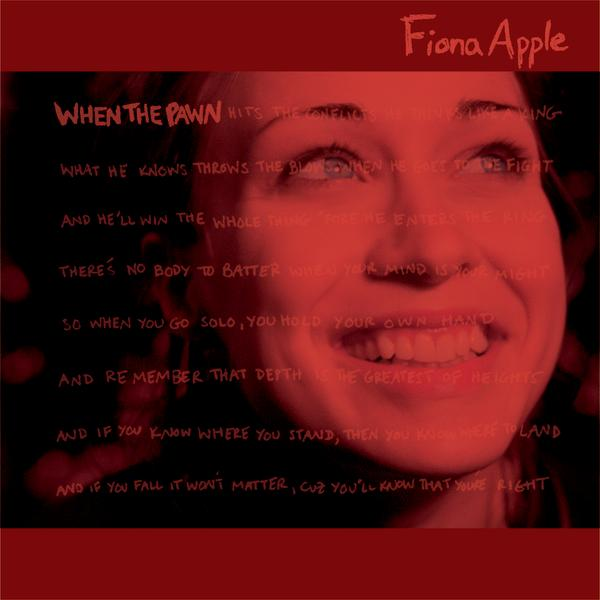
4. Fiona Apple – When the Pawn… (1999)
Fiona Apple’s second album bared the fierce, uncompromised teeth beneath her strange and beautiful sonic world. A breathtaking collision of jazz-inflected piano arrangements and lacerating, deeply personal lyricism, When the Pawn… refused to soften its emotional blows. Lines like "Hunger hurts, but starving works when it costs too much to love" captured an artist unwilling to comfort her listeners at the expense of emotional truth. While 1996’s Tidal announced a prodigious talent, this sophomore release—completed before Apple turned 22—cemented a devoted cult following that resonated with her unflinching explorations of trauma, mental health, and power dynamics.
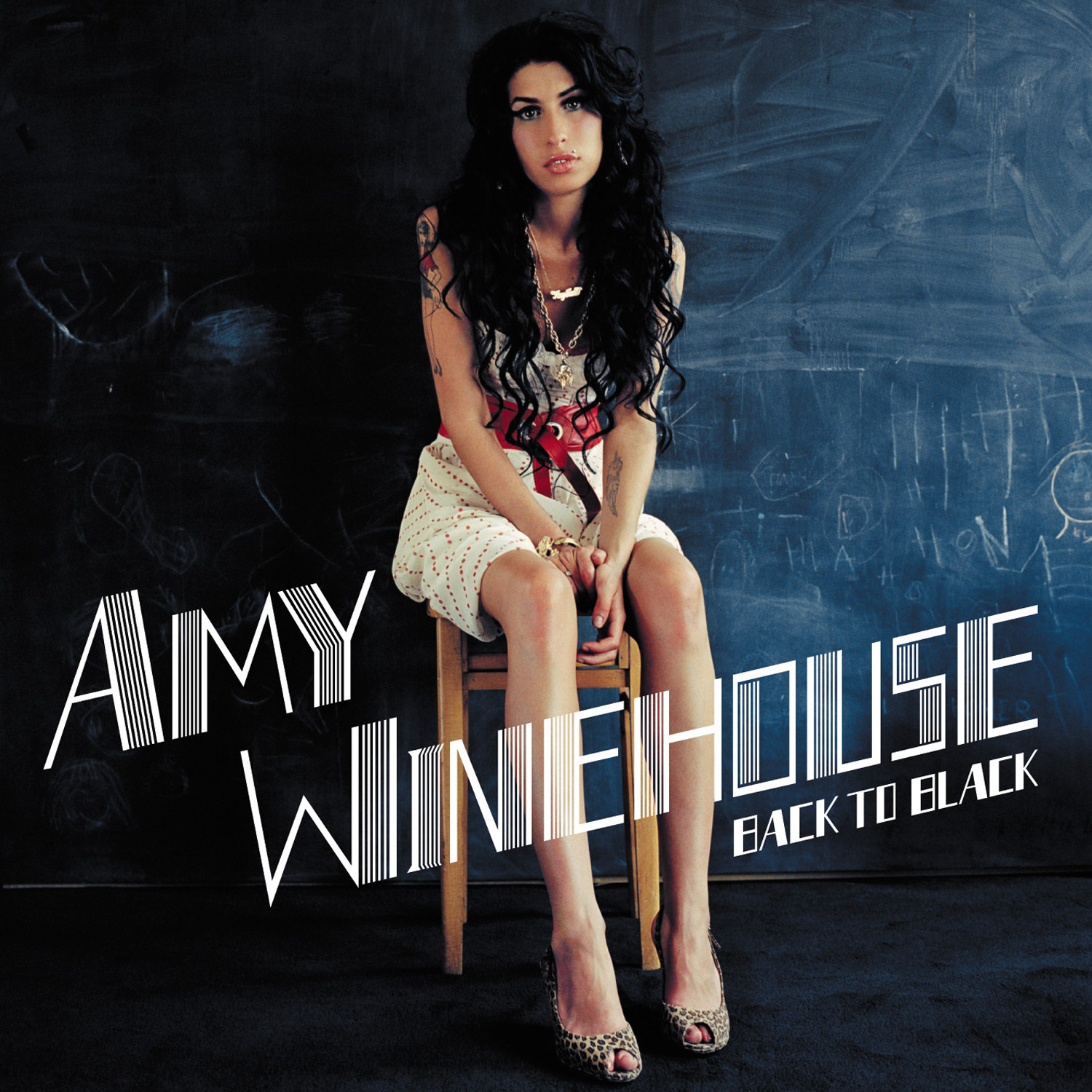
5. Amy Winehouse – Back to Black (2006)
To put it plainly, everything Amy Winehouse recorded confirmed her status as a once-in-a-generation talent. Back to Black channeled the raw emotional wreckage of her life—interrogating heartbreak, guilt, grief, and addiction—and built upon the smoky, jazz-club aesthetics of her debut, Frank. The result was a record that sounded instantly timeless while capturing the exact anxieties of its cultural moment. Emerging as the UK’s best-selling album of 2007, Winehouse successfully transmuted personal turmoil into sonic gold, effortlessly dodging any traditional sophomore slump.
6. Big Thief – Capacity (2017)
Scarcely a year after releasing their acclaimed debut, Masterpiece, Adrianne Lenker and her bandmates returned with a record that maintained their fierce intensity while cultivating a quietly devastating atmosphere. Blending rustic folk storytelling with understated indie-rock arrangements, tracks like "Mary" and "Mythological Beauty" highlighted Lenker’s rare gift for converting hyper-specific emotional pain into universal truths. Capacity marked the exact moment Big Thief’s emotional world blew wide open, proving their debut was merely the opening chapter of a legendary catalog.
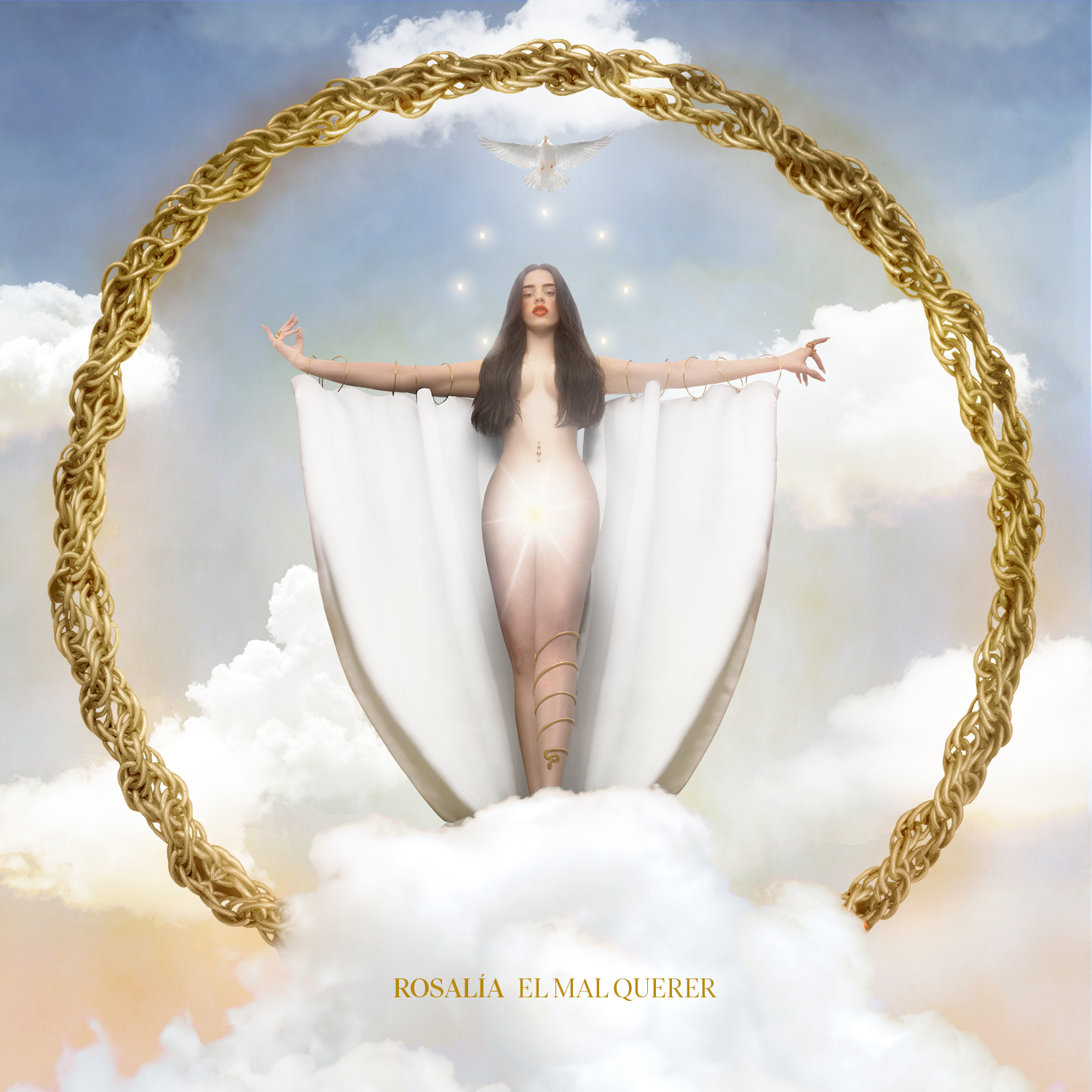
7. Rosalía – El Mal Querer (2018)
Structured around the narrative arc of a 14th-century anonymous Occitan novel addressing themes of toxic love, jealousy, and control, Rosalía’s sophomore effort is a masterclass in conceptual framing. Melding traditional Spanish flamenco structures with contemporary pop, R&B, and avant-garde electronic production, El Mal Querer completely shifted global expectations of what Spanish-language pop music could achieve. It stands as an undisputed modern classic.
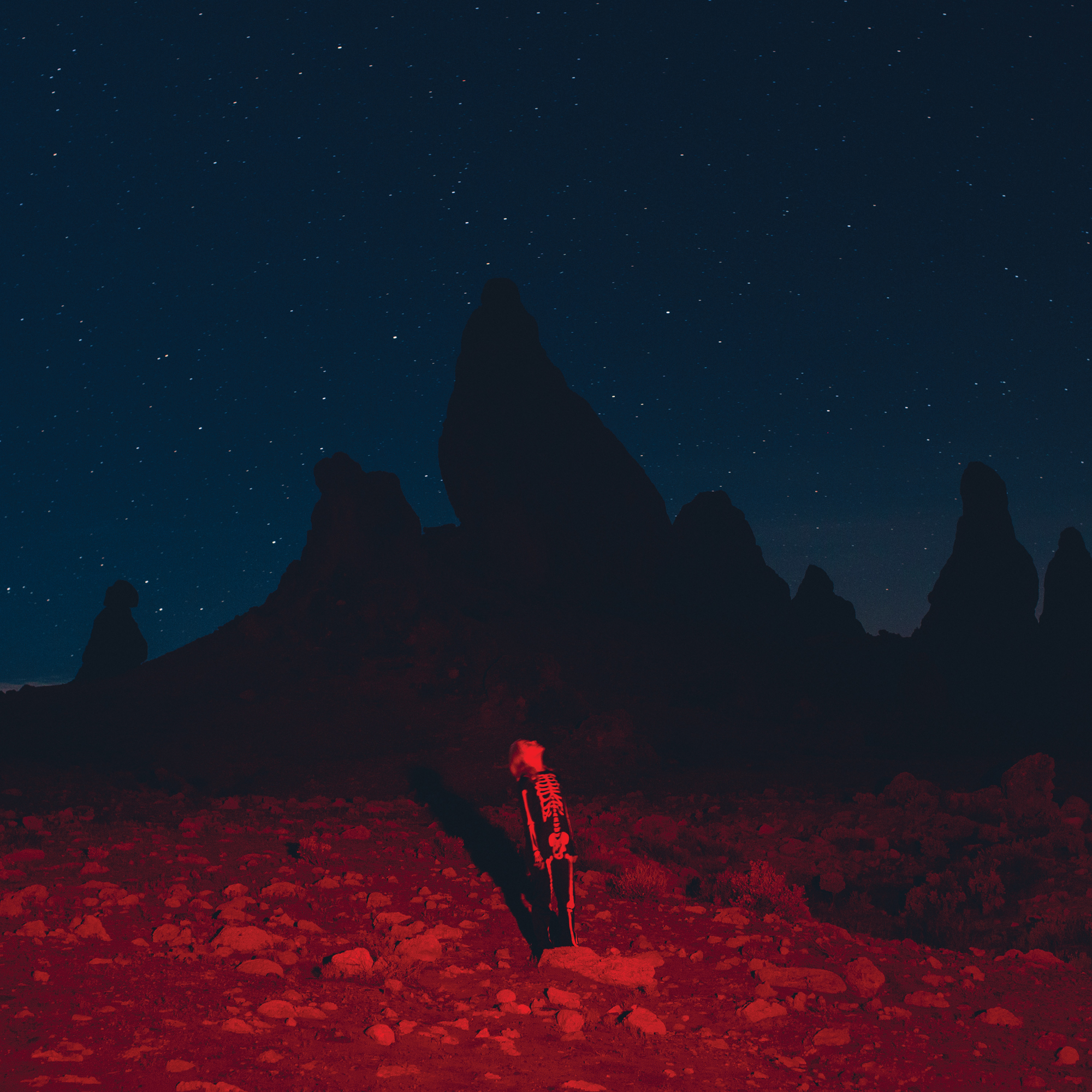
8. Phoebe Bridgers – Punisher (2020)
Expanding outward from the intimate parameters of her 2017 debut, Stranger in the Alps, Phoebe Bridgers utilized Punisher to construct lusher orchestration, haunting vocal harmonies, and wry, devastating lyricism that found gallows humor in everyday dread. Becoming a fixture of the independent music ecosystem—deeply tied to Rough Trade’s history following her 2017 in-store performances—Bridgers solidified her reputation as a generational chronicler of modern melancholy.
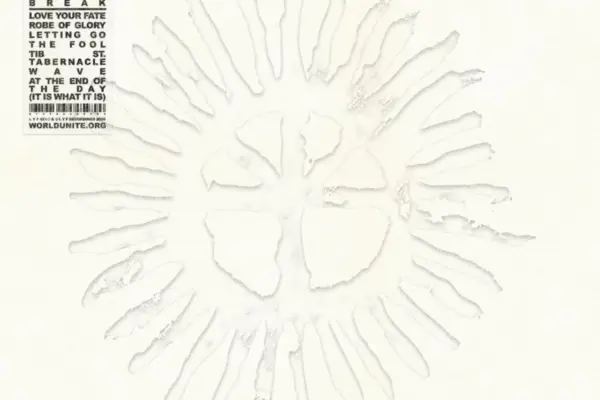
9. Dean Blunt – Black Metal (2014)
The elusive and enigmatic Dean Blunt returned with a sprawling sophomore full-length that synthesized hazy R&B, experimental electronics, dub, folk, and fractured pop. Built entirely on shifting atmospheres and deliberate ambiguity, Black Metal represented a massive widening in scope compared to his debut, Redeemer. Bolstered by the haunting, compelling vocals of frequent collaborator Joanne Robertson, the record drifts through strange, beautiful, and occasionally unsettling sonic terrain. Released via Rough Trade Records—a rare institutional home outside of Blunt’s own World Music imprint—Black Metal cemented his cult-icon status.
10. Black Country, New Road – Ants From Up There (2022)
Ants From Up There propelled Black Country, New Road from an underground buzz band into one of the most ambitious and daring collectives in modern guitar music. Featuring sweeping string arrangements, dramatic crescendoes, piano-driven ballads, and moments of ecstatic chaos, the album was also notable as the final release featuring original lead vocalist Isaac Wood. The band boldly characterized the record as their true debut—a fully realized, mature overhaul of their initial blueprint:
"The music has got its own sound world and, production-wise, has its own sound world too. It feels like the first album we have done. A grown-up album." — Lewis, Black Country, New Road (Rough Trade Interview, 2022)
Supporting Context & Metrics
The historical persistence of the "sophomore slump" is not merely an industry myth; it is an economic and psychological reality. Debut albums frequently benefit from years of incubation—songs written over adolescence or early adulthood, rigorously road-tested in local venues, and refined without corporate timelines. Conversely, second albums are frequently conceptualized under intense contractual deadlines, rigorous touring schedules, and unprecedented media scrutiny.
Yet, quantitative data from modern streaming ecosystems and physical retail metrics show that sophomore albums possessing distinct sonic pivots—such as Radiohead’s transition from grunge-pop to art-rock on The Bends, or Rosalía’s blending of traditional flamenco with electronic pop on El Mal Querer—frequently achieve higher long-term catalog retention than carbon copies of debuts. Longevity belongs to the risk-takers.
Official Statements & Industry Perspectives
The internal friction of engineering a follow-up record often dictates an artist’s career trajectory. Throughout modern music history, creators have articulated the existential dread of the sophomore release:
Thom Yorke (Radiohead) frequently reflected on the band’s deliberate pivot away from the commercial expectations set by "Creep," aiming to build an artistic identity founded on experimentation rather than radio formulas.
Lewis (Black Country, New Road) emphasized the importance of granting a band spatial and sonic autonomy, noting that treating a second album as a "true debut" relieves the burden of past expectations.
Future Outlook
As the music industry accelerates into an era of algorithm-driven micro-trends and hyper-saturated release schedules, the pressure on emerging artists to deliver an immediate, commercially viable follow-up has never been higher. Platforms reward constant output, which actively threatens the incubation periods traditionally required to craft a masterpiece.
However, as demonstrated by the enduring legacies of Bob Dylan, Amy Winehouse, SZA, and Black Country, New Road, the appetite for artistic evolution remains insatiable. The sophomore slump will always haunt the boardrooms of major labels, but for the true innovators, the second album remains the ultimate canvas—a place to quiet the noise, break the mold, and prove that the debut was only the beginning.