Executive Overview
When modern society thinks of bigamy, it frequently calls to mind the realm of theatrical farce—perhaps conjuring images of Ray Cooney’s 1983 West End hit Run For Your Wife, where a frantic London cabby dashes between two households. Yet, historical archival records expose a far more harrowing reality. Far from a mere punchline or a quirky historical footnote, bigamy was a complex web of abandonment, manipulation, financial exploitation, and severe legal retribution.
Historical source material concerning bigamy is remarkably heavy with weeping. Tears manifest behind the scenes as the shockwaves of a discovered crime ripple through unsuspecting households; they appear as calculated or desperate pleas for mercy in front of magistrates; and they flow publicly in courtrooms, caught between the terror of execution and the profound relief of an acquittal.
New historical research—detailed extensively in the books Double Trouble and Double Lives—demolishes the romanticized notion that bigamy was historically tolerated as an informal, victimless "divorce by mutual consent." Instead, historical trials reveal that bigamy was deeply reliant on elaborate deception, frequently carried out at great personal and financial cost, and met with surprisingly brutal state punishments. From 17th-century capital statutes to 19th-century penal transportation to Australia, the long arm of the law pursued bigamists with vigor, while the human toll fell disproportionately on deceived spouses left to pick up the pieces.
Detailed Chronology: The Evolution of Bigamy, Punishment, and Legal Enforcement
To understand how bigamy was handled across the centuries, one must trace the evolution of statutory law and penal practices in Britain, where the crime transformed from a capital offense into a heavily policed indictable misdemeanor.
The 17th Century: The Threat of the Gallows
Bigamy was officially codified as a felony crime under English law in 1604. Under the early statutes, the offense carried the ultimate penalty: execution. While judges and juries were frequently reluctant to send individuals to the gallows solely for contracting an illegal second marriage, the mere shadow of death hung heavily over every trial. This ultimate legal terror explains why contemporary accounts frequently describe weeping defendants and terrified witnesses during early seventeenth-century proceedings.
The 18th Century: Branding and Suspicion
As the centuries progressed, capital punishment for bigamy fell increasingly out of favor, but the state’s response remained starkly punitive. Until the close of the 18th century, convicted bigamists were routinely branded on their thumbs with a hot iron—a permanent, public mark of their criminality designed to warn future communities.
Deception during this period was already a high-stakes game. In 1742, a particularly sharp-witted 18th-century wife suspected her husband, William Bury, of deceit. When Bury stood before the court weeping and begging for forgiveness, his wife suspected he had simply "spit on his fingers" to counterfeit his tears. Demonstrating an absolute lack of sympathy, she pushed forward with her prosecution anyway, resulting in a historical record that highlights the deep cynicism surrounding bigamist apologies.
The 19th Century: Transportation, Hard Labor, and Privacy
The dawn of the 19th century brought industrialization, urbanization, and changing methods of penal correction.
- Penal Transportation: Records show that approximately a quarter of all prosecuted bigamists—amounting to 254 individuals—were sentenced to penal transportation to Australia during the early 19th century.
- Incarceration Standards: Even after transportation practices began to decline, sentences of imprisonment remained remarkably stiff. While some historical summaries, such as those cited by historian Lawrence Stone, erroneously pointed to lenient rulings—such as a famous case where Thomas Hall was supposedly sentenced to a single day in prison—deeper archival inspection reveals that Hall actually served a strict four-month term. Nominal sentences were exceedingly rare.
- Shifting Venues: Mid-century bigamists adapted to increased state surveillance by altering their tactics. Fearing exposure in local parish churches, many bigamists sought out the greater anonymity of civil register offices, which opened in 1837.
The 20th Century: Professional Grifters and Shorter Sentences
By the 20th century, sentencing guidelines began to soften, and shorter prison terms became the legal norm. However, this era also birthed a terrifying new breed of serial bigamist. Men like John Woodgate Kinsella—prosecuted multiple times in 1900, 1908, and 1918—turned bigamy into a sophisticated career of romance fraud. Utilizing lonely hearts advertisements, Kinsella duped over a dozen working-class women into marriage, systematically stripping them of their hard-earned savings before vanishing.
Supporting Context & Metrics: The Myth of the "Victimless Crime"
For decades, certain social historians have downplayed the severity of bigamy. Prominent historian Lawrence Stone famously characterized specific mid-nineteenth-century bigamy cases as a form of "divorce by mutual consent." This argument suggested that when a deserted first wife agreed not to prosecute her errant husband in exchange for ongoing financial support, the arrangement functioned as a socially acceptable solution to an otherwise unresolvable marital breakdown—especially during an era when formal divorce was legally inaccessible to the working classes and cohabitation carried immense social stigma.
Why Deception Defeats the "Acceptability" Hypothesis
The historical evidence, however, thoroughly invalidates the theory that bigamy was widely accepted by everyday communities. The strongest counter-argument to the "social acceptability" thesis is simple: if bigamy was an accepted practice, why was elaborate deception necessary?
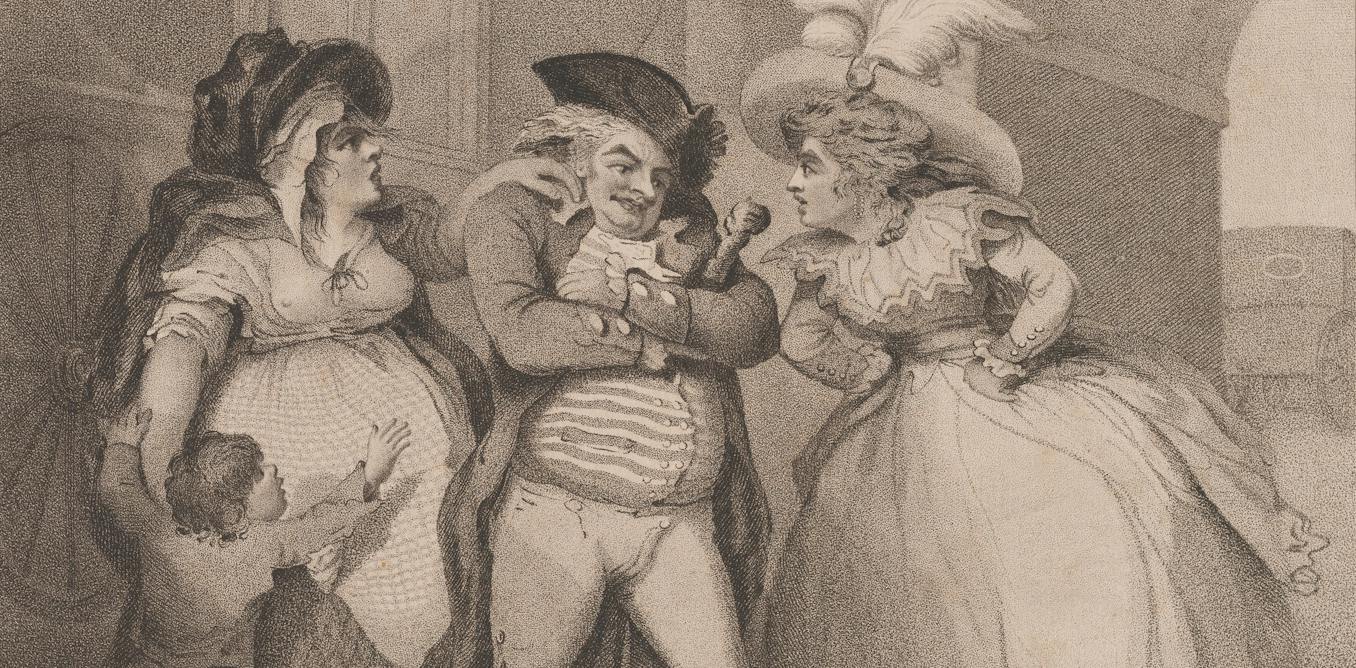
An analysis of historical trial records and the geographic locations of bigamous weddings reveals a clear pattern of evasion. Bigamists did not casually announce their secondary unions. Very rarely did a bigamist marry a second time in the same church or community unless they operated under a delusional belief in their legal entitlement to remarry. Instead, bigamists actively put geographic distance between their first and second ceremonies, especially in rural areas, or utilized the privacy of urban register offices.
Furthermore, the logistical nightmare of maintaining a double life meant that few perpetrators could sustain two households simultaneously. The financial and emotional drain was extraordinary. One notable 20th-century bigamist who attempted to manage two families by frantically bicycling across London lasted a mere few months; his weekly wage of £2 and 7 shillings simply could not stretch across two distinct homes.
Nuance in Motive: From Despair to Predatory Fraud
While many bigamists were driven by sheer selfishness, historians emphasize that motivations varied widely, generating distinct categories of offenders:
- The Desperate and Trapped: Some individuals entered second relationships out of genuine emotional isolation or desperate life circumstances. Consider George Harrower (prosecuted in 1816), whose first wife was permanently confined in a lunatic asylum, or Benjamin Griffiths (prosecuted in 1847), whose wife abandoned him for his own nephew, leaving him to bigamously marry the woman who had stepped up to care for his children.
- The Brief Dalliance: Some perpetrators engaged in brief, reckless affairs masquerading as marriages, returning to their original spouses almost immediately. John Mase Smith holds a stark record for brevity, heading back to his first wife at 5:00 AM on the very morning after his bigamous wedding in 1849.
- The Professional Predator: At the darkest end of the spectrum were serial fraudsters like John Woodgate Kinsella. These men were not escaping broken homes; they were calculated predators exploiting the vulnerabilities of women at a time when financial independence for females was severely constrained.
Official Statements and Expert Insights
Modern legal historians specializing in domestic crime and gender studies have increasingly pushed for a re-evaluation of how marital crimes are perceived in the public consciousness.
Dr. [Author of Double Trouble and Double Lives], whose extensive archival research underpins much of our modern understanding of historical bigamy, notes:
"While popular culture has long framed bigamy through the lens of comedy—laughing at the harried husband rushing across town—the archival reality is drenched in distress. Deception was systemic, and the emotional and financial fallout for the secondary wives, who frequently woke up to find their marriages null and their social standing ruined, was catastrophic."
Legal scholars examining nineteenth-century jurisprudence emphasize that state prosecutors viewed bigamy not merely as a moral failing, but as a direct assault on the integrity of civil registration and property rights.
A spokesperson for the legal history archive project at the Old Bailey digital repository remarked:
"When we look at the prosecution records of William Bury or the sentencing trends tracked by legal historians, we see a judicial system determined to stamp out unregulated marital mobility. The state drew a hard line because bigamy introduced profound legal chaos regarding inheritance, legitimacy, and public parish relief."
Future Outlook: Parallels to Modern Romance Fraud
As historical investigations into bigamy continue to mature, researchers are drawing direct, alarming parallels between historical bigamists and contemporary digital criminals.
The mechanics of historical bigamy—where traveling salesmen or serial daters used physical distance, false names, and forged backgrounds to dupe vulnerable partners—are the direct conceptual ancestors of modern online romance fraud (catfishing). Just as John Woodgate Kinsella exploited the print media of the early 20th century via lonely hearts columns to harvest the savings of working-class women, modern fraudsters leverage social media platforms, dating applications, and encrypted communication channels to orchestrate multi-million-dollar romance scams across international borders.
Key Takeaways for Contemporary Crime Analysis:
- The Persistence of Motive: Financial greed and emotional manipulation remain the primary drivers of deceptive multi-partner relationships across centuries.
- The Evolution of Venue: While 19th-century bigamists hid behind register offices and geographic relocation, modern fraudsters hide behind digital screens and fake online identities.
- The Need for Enhanced Protection: Just as 19th-century courts eventually recognized the necessity of protecting unsuspecting spouses from fraudulent marriages, modern legal frameworks are continuously forced to adapt to safeguard victims of sophisticated online romance fraud.
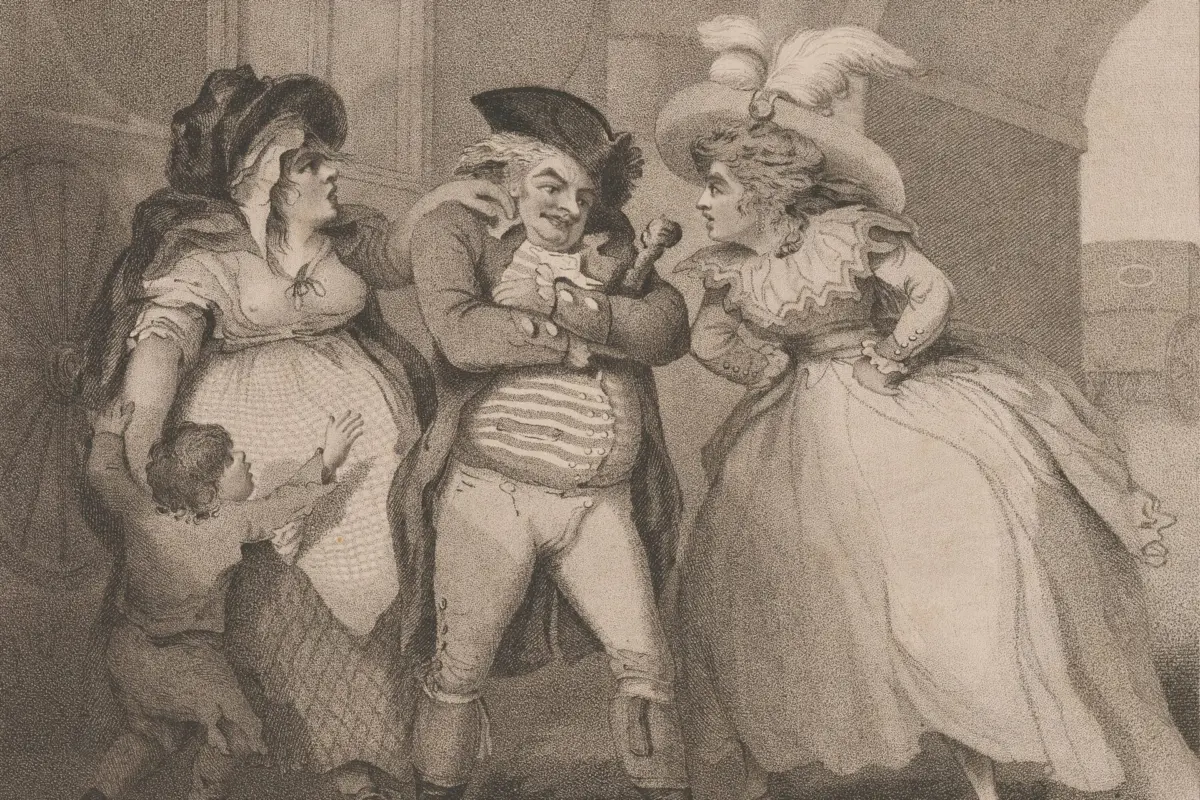
Ultimately, lifting the comedic veil from bigamy reveals a sobering historical truth. The tears shed by deserted wives, betrayed husbands, and terrified defendants in old courtroom engravings were entirely justified. Bigamy was never a harmless joke; it was a devastating breach of trust, severely punished by the state, and leaving a trail of emotional wreckage that resonates down to the romance scams of the digital age.