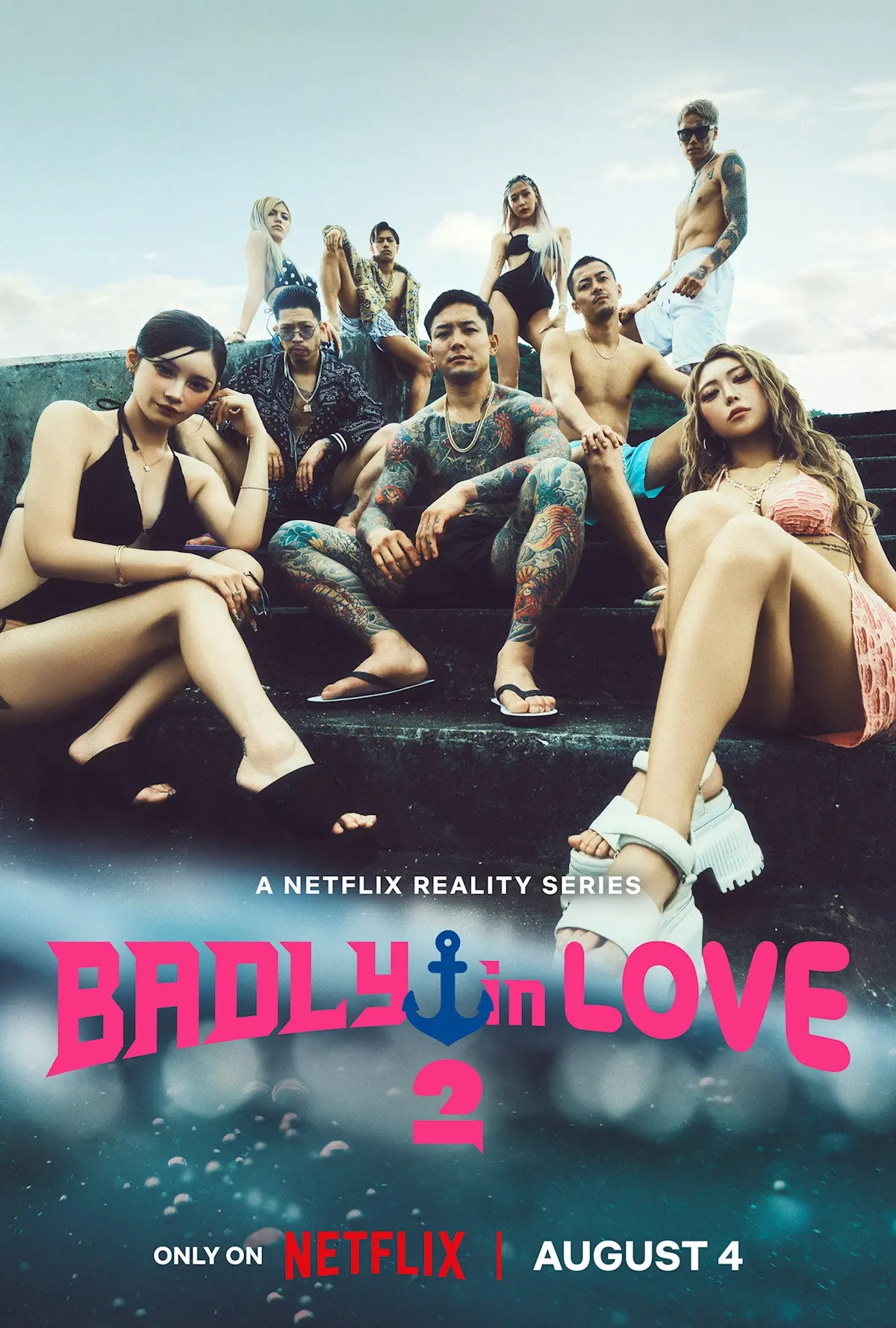
In an abrupt policy reversal, the Japanese government has officially terminated an unconventional collaboration with streaming giant Netflix. The partnership linked the hit reality dating program Badly in Love to a national public awareness initiative designed to promote offender rehabilitation and societal reintegration.
The Ministry of Justice’s Rehabilitation Bureau announced the cancellation following weeks of mounting public outrage. The controversy reached a boiling point after a Season 2 contestant casually confessed on air to a violent teenage crime—specifically, setting another individual on fire.
The coalition between a government body tasked with upholding justice and a commercial reality television format featuring members of Japan’s rebellious yankii youth subculture quickly spiraled into a public relations disaster. Critics argued that the campaign insensitive to crime victims, trivialized violent offenses, and dangerously blurred the lines between genuine criminal rehabilitation and sensationalized entertainment. Despite the Ministry’s initial defense of the campaign as a progressive tool for social outreach, the intense digital and political backlash forced officials to pull promotional posters from probation offices nationwide and sever all ties with the program.
Detailed Chronology: From Bureaucratic Hope to Public Outrage
The Genesis of the Partnership
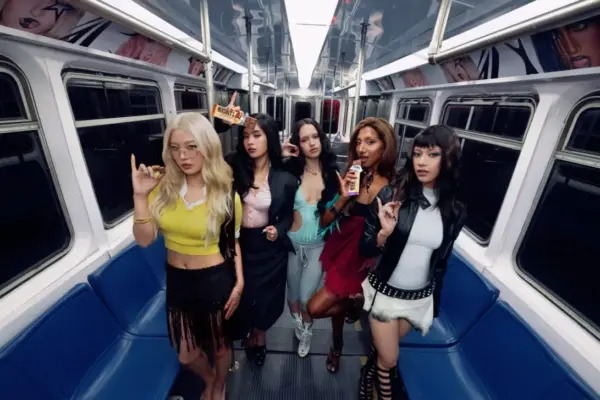
When the Ministry of Justice first explored partnering with Netflix for the second season of Badly in Love, officials viewed the collaboration as a groundbreaking opportunity to modernize their public messaging. The show, which follows young men and women from Japan’s fringe yankii subculture as they navigate communal living, romantic pursuits, and personal demons, seemingly aligned with the bureau’s core mission: demonstrating that individuals can overcome troubled pasts and successfully reintegrate into society.
Before signing off on the campaign, representatives from the Rehabilitation Bureau reviewed the finished episodes. Believing the narrative arc—captured by slogans like "People can change. Together."—supported the message of second chances, the ministry greenlit a promotional campaign. Approximately 2,000 posters featuring heavily tattooed contestants, paired with provocative slogans such as "Rehabilitation, bring it on!" and "Getting back on your feet is love," were distributed to probation offices and related institutions across the country.
The Catalyst: Episode 5 Confession
The collaborative effort unravelled rapidly following the global premiere of Season 2 on August 4. While the show quickly climbed Netflix’s charts to secure the number-one spot in Japan, the narrative trajectory took a darker, more controversial turn by Episode 5.
During the broadcast, a male contestant revealed to his fellow cast members that he had been arrested during his youth after setting another person on fire. Although the contestant expressed remorse for his actions, the confession immediately sparked a firestorm across Japanese social media.
Viewers and commentators questioned the appropriateness of featuring an individual who had committed such a severe act of violence within a government-sanctioned rehabilitation campaign. The revelation transformed the perception of the show from an inspiring tale of redemption into a platform where violent pasts were seemingly normalized for entertainment value.
Escalation and Institutional Retreat
As discussions surrounding the episode spilled over into mainstream media and television talk shows, political figures and advocacy groups weighed in. Former vice education minister Hiroyuki Yoshiie—widely known as the "Yankii Teacher"—appeared on TV Asahi’s ABEMA Prime to condemn the segment. Yoshiie pointed out that setting someone on fire constituted an extreme act of violence bordering on attempted murder, remarking, "I think it’s pretty uncool to proudly talk about past exploits."
Concurrently, the Ministry of Justice began receiving a wave of complaints from citizens, most notably crime victims and their advocates, who argued that the campaign caused deep psychological discomfort and made light of traumatic offenses. Facing unrelenting pressure and the risk of institutional distrust, the Rehabilitation Bureau capitulated. Last week, the ministry officially pulled the plug on the campaign, ordering all facilities nationwide to immediately remove and discard the promotional posters.
Supporting Context & Metrics: The Phenomenon of Badly in Love
Understanding the Yankii Subculture
To fully grasp the cultural friction surrounding Badly in Love, one must understand the socio-cultural weight of the yankii subculture in Japan. Emerging predominantly in the 1970s and evolving through subsequent decades, yankii refers to a rebellious youth subculture traditionally associated with juvenile delinquency, anti-authoritarian attitudes, and distinct aesthetic markers.
Characterized by dyed or permed hair, modified school uniforms, riding customized motorcycles, and, in more extreme cases, affiliations with low-level street gangs or bosozoku (biker gangs), yankii have long occupied a complex space in the Japanese cultural imagination. While they are often viewed as societal outsiders or troublemakers, pop culture has frequently romanticized them as misunderstood rebels with a strict, albeit unconventional, moral code of loyalty and camaraderie.
Streaming Success and Global Reach
The controversy occurred against the backdrop of massive commercial success for the Netflix property. The first season of Badly in Love, which dropped in December 2025, became an unexpected breakout hit both domestically and internationally. It dominated Japan’s weekly Top 10 chart for four consecutive weeks, broke into the global Top 10 for non-English-language series for three weeks, and charted prominently across key Asian markets including South Korea, Singapore, Hong Kong, and Taiwan.
Capitalizing on this momentum, Season 2 shifted its production setting from a traditional school environment to a tropical "Marine Academy" in Okinawa. Featuring nine new contestants with complicated backgrounds and released in three weekly batches, the show quickly reclaimed the top spot on Netflix’s Japanese TV charts upon its August rollout—making the government’s sudden withdrawal all the more disruptive to its promotional strategy.
Official Statements and Public Debate
The Ministry of Justice Speaks
In its formal retraction statement, the Rehabilitation Bureau walked a fine line between defending its underlying philosophy and acknowledging the valid concerns raised by the public.
"There was no intention to condone crime or delinquency itself, nor to glorify or downplay such past acts," the ministry stated.
The bureau emphasized that while it was terminating the collaboration because it failed to effectively "raise awareness and deepen understanding of the significance and role of rehabilitation and protection," the decision should not be misinterpreted.
"This decision does not negate the difficulties faced by those who are struggling to live, including those appearing in this work, or the efforts to rehabilitate those who have committed crimes in the past."
A Divided Public Discourse
The controversy ignited a broader societal debate regarding how modern media handles former offenders and whether society provides adequate pathways for their reintegration.
Prominent online personalities and commentators defended the show’s underlying premise. For instance, TikToker Yuna, who revealed she had previously been approached to participate in Badly in Love, argued on ABEMA Prime that marginalized individuals with criminal records still require spaces where they belong. She suggested that observing others visibly strive for personal growth can inspire broader societal healing, prompting viewers to reflect, "Maybe I can change too."
Conversely, critics maintained a firm stance against the commercialization of violent pasts. Opponents argued that the distinction between petty delinquency—which the yankii subculture is historically known for—and severe, violent crimes like arson or attempted murder must not be blurred by reality television producers eager for shock value. Furthermore, victims’ advocacy voices stressed that state-backed campaigns must prioritize the emotional security and closure of those harmed by crime over the redemption arcs of perpetrators.
Future Outlook: The Intersection of Government, Media, and Ethics
The collapse of the Badly in Love partnership marks a critical turning point for how Japanese state institutions engage with modern streaming platforms and influencer culture. As public broadcasters and government agencies increasingly look to digital media formats to reach younger, harder-to-engage demographics, this incident serves as a cautionary tale regarding the unpredictable nature of unscripted television.
Moving forward, the Japanese Ministry of Justice will likely exercise far greater caution before entering into promotional agreements with entertainment franchises. Reality television inherently relies on emotional vulnerability, dramatic confessions, and the unearthing of personal trauma to drive engagement—elements that inherently conflict with the measured, sensitive, and victim-conscious approach required by public administration.
For Netflix and the producers of Badly in Love, the termination of the government tie-up is unlikely to impact the show’s streaming future. With Season 2 continuing its uninterrupted run on the platform, the controversy may paradoxically fuel even higher viewership figures, driven by the intense media scrutiny surrounding its content. However, the episode underscores a sobering reality for creators operating at the intersection of social issues and commercial entertainment: the pursuit of dramatic narratives can easily cross ethical boundaries, alienating the very communities institutions are sworn to protect.