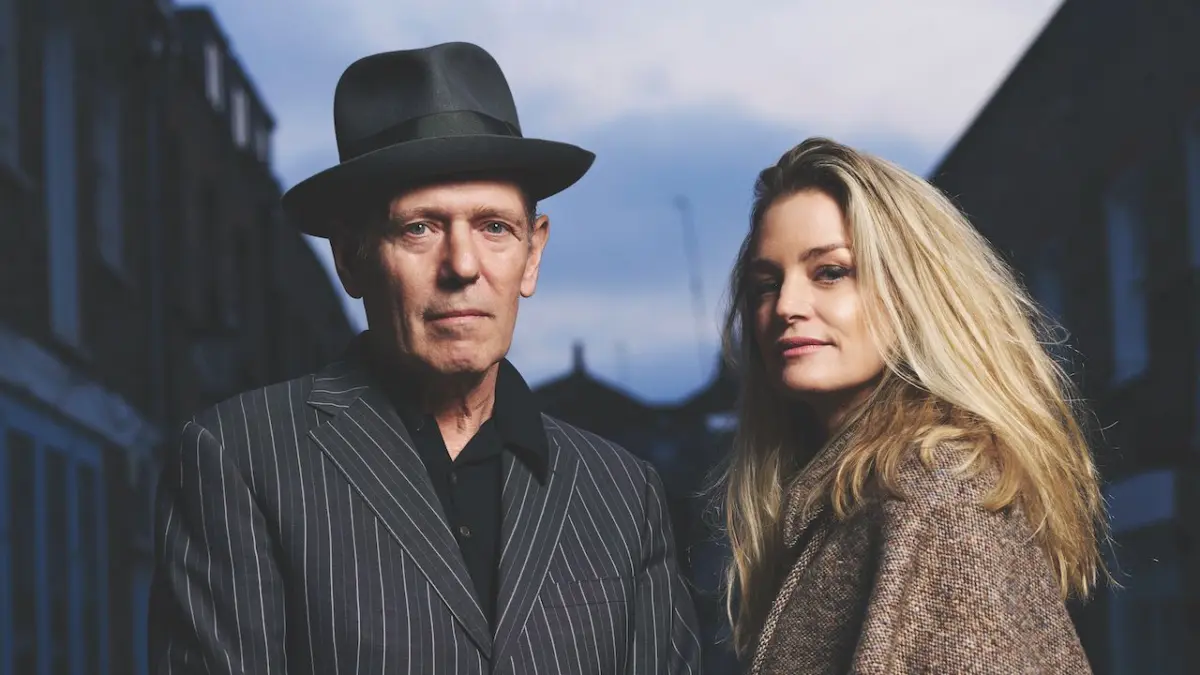
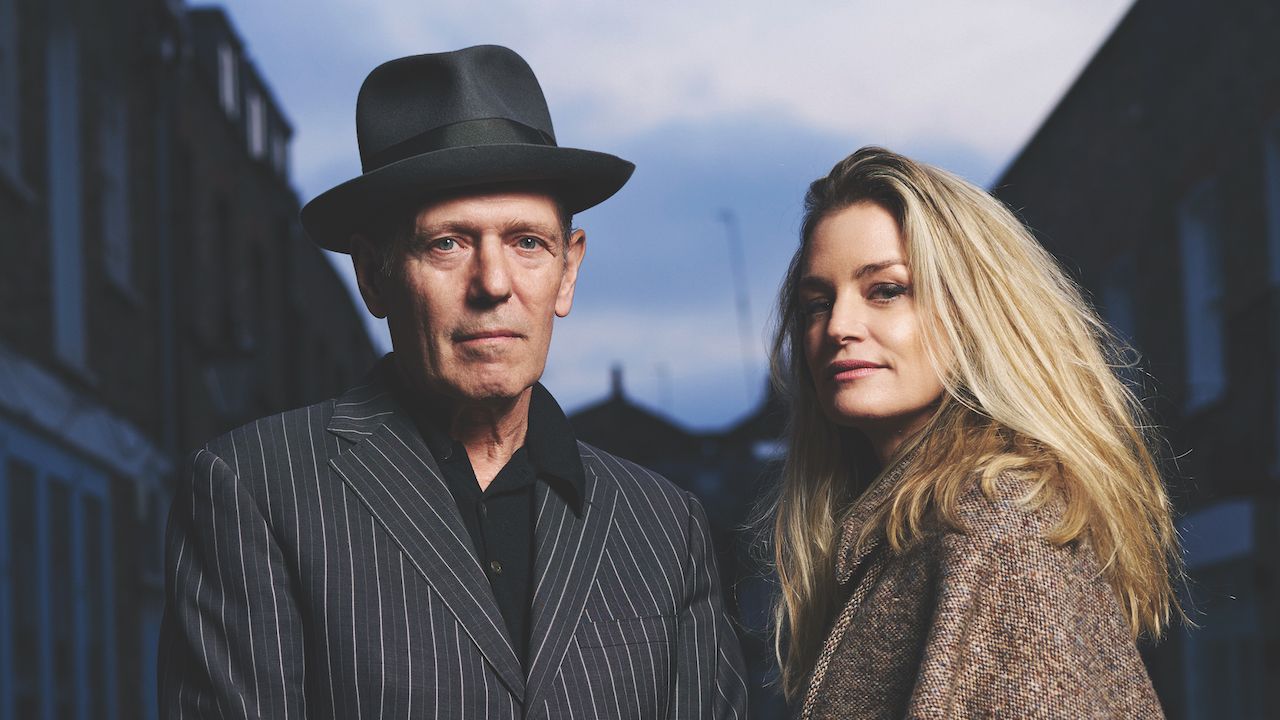
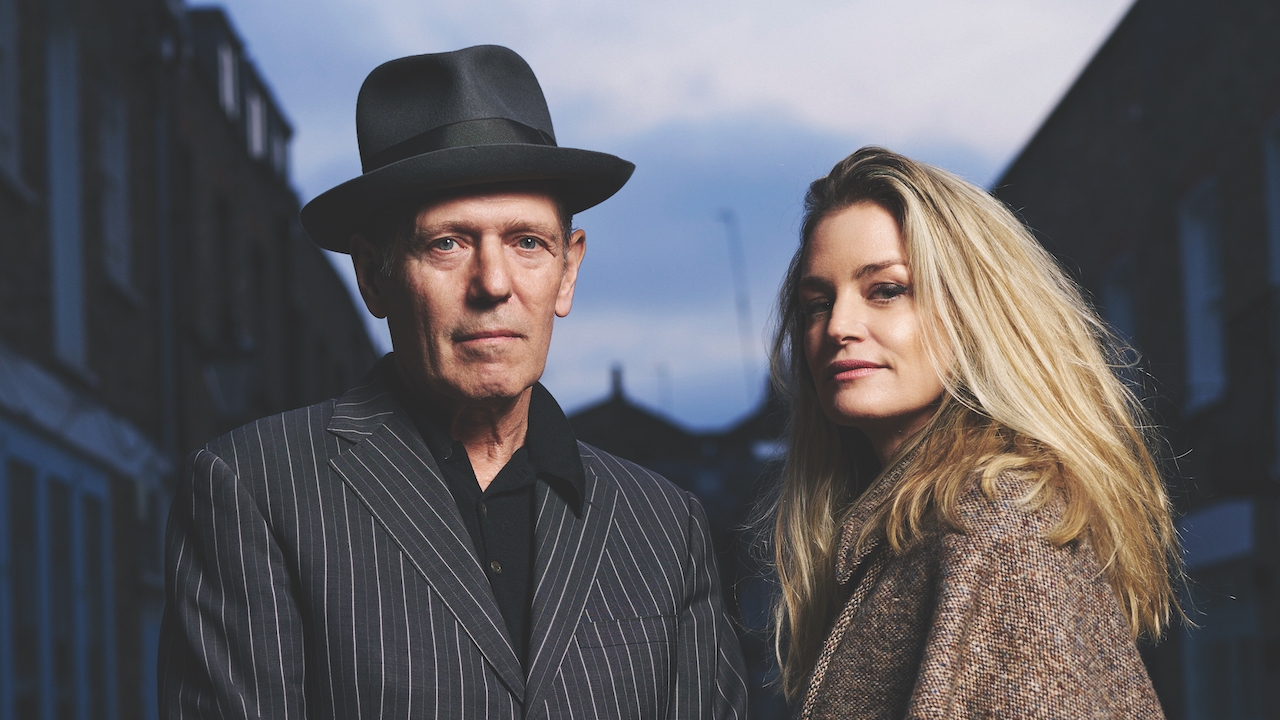
In an era defined by genre convergence and unexpected artistic unions, few collaborations present as compelling a study in stylistic synthesis as that of Galen Ayers and Paul Simonon. Released in 2023 under the moniker Galen & Paul, their joint album Can We Do Tomorrow Another Day? brought together two seemingly antithetical musical dynasties: the fiery, politically charged punk legacy of The Clash and the whimsical, sun-dappled progressive psychedelia of the Canterbury scene.
The project features songwriting born from shared experiences in the Mediterranean, captured during the height of the COVID-19 pandemic, and produced by the legendary Tony Visconti. Supported by high-profile guest performances—including keyboards and arrangements from Gorillaz and Blur mastermind Damon Albarn—the ten-track record showcases a gentle, cinematic world of chanson, Latin pop, acoustic folk, and dub-inflected rhythms.
Far from a mere nostalgic exercise or celebrity vanity project, the album represents a distinct "third space" created between two disparate creative forces. Simonon, the visual artist and bassist whose iconic bass-smashing image on the cover of London Calling helped define punk rock visual culture, paired his instinctual, four-string minimalism with Ayers—an academically trained singer-songwriter, multi-instrumentalist, and daughter of late Soft Machine co-founder Kevin Ayers. Together, they forged an artistic identity grounded in raw emotional honesty, shared European aesthetic influences, and a deep appreciation for acoustic songwriting.
Detailed Chronology
[Late 1970s–1980s]  ---> [2020–2021]            ---> [Late 2021–2022]      ---> [2022–2023]         ---> [May 2023]
Simonon in The Clash;     Pandemic Isolation;         London Convergence;         Studio Recording;         Album Launch;
Galen raised among        Simonon paints in           Duo establishes joint       Visconti produces;        'Can We Do Tomorrow
Canterbury scene legends. Mallorca; Galen in Greece.  songwriting partnership.    Albarn guest features.    Another Day?' released.
1. Distinct Lineages (1970s–2010s)
Paul Simonon: A founding member and bassist of The Clash, Simonon shifted heavily back toward fine art and select musical ventures following the band’s dissolution in the mid-1980s. His subsequent work included supergroups such as The Good, the Bad & the Queen (with Damon Albarn, Simon Tong, and Tony Allen) and Gorillaz collaborations.
Galen Ayers: Raised in Deià, Mallorca, amidst a bohemian enclave of progressive musicians, poets, and intellectuals, Ayers initially resisted entering the music industry. After pursuing an academic route and earning two Master’s degrees, she eventually embraced her lineage, releasing solo material while developing her own acoustic songwriting voice.
2. Pandemic Isolation and Mediterranean Genesis (2020–2021)
During the strict lockdowns of the COVID-19 pandemic, Simonon isolated in a remote Mallorcan fishing village. Primarily intending to focus on painting, he picked up an acoustic guitar to explore melodic ideas influenced by classic European pop, French chanson, and local Mediterranean sounds.
Simultaneously, Ayers was isolated in Greece, writing acoustic material influenced by her childhood roots in Mallorca and her father’s legacy of laidback, sun-drenched songwriting.
3. London Convergence and Groundwork (Late 2021)
Upon returning to London post-lockdown, Simonon and Ayers met to exchange ideas. Discovering a shared emotional resonance and a mutual affinity for European musical traditions, they decided to collaborate formally.
The duo established a strict creative rule: absolute candidness, reliance on gut instinct, and an absence of ego.
4. Production and Recording (2022–Early 2023)
Enlisting iconic producer Tony Visconti (celebrated for his landmark work with David Bowie, T. Rex, and Thin Lizzy), the pair entered the studio to refine their acoustic sketches into fully realized studio compositions.
The recording sessions brought in notable session players and long-time friends, including Damon Albarn, who added piano and keyboards, and studio musicians skilled in Latin percussion, accordion, and brass.
5. Release and Critical Reception (May 2023)
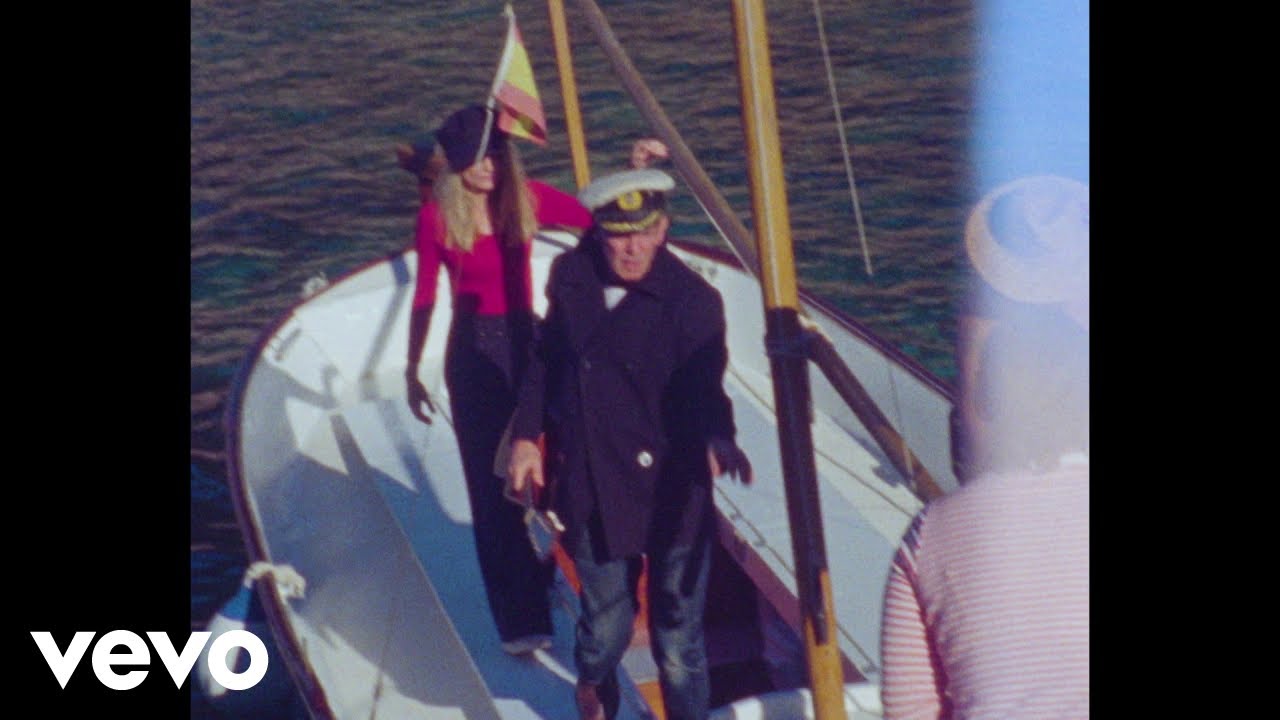
The lead singles, including "Hacia Arriba" and "Room at the Top," were released alongside cinematic music videos that highlighted the album’s dual-language lyrics (English and Spanish) and breezy, nostalgic aesthetic.
Can We Do Tomorrow Another Day? was released to critical acclaim, praised for its effortless charm, organic arrangements, and the surprisingly seamless chemistry between its co-creators.
Supporting Context & Metrics
To understand the creative alchemy behind Can We Do Tomorrow Another Day?, one must examine the contrasting cultural frameworks, stylistic influences, and key metrics that shaped the collaboration.
+-----------------------------------------------------------------------------------+
|                            CREATIVE COLLABORATION MATRIX                          |
+-----------------------------------------------------------------------------------+
| PARAMETER             | PAUL SIMONON                      | GALEN AYERS           |
+-----------------------+-----------------------------------+-----------------------+
| Primary Background    | Punk Rock / Fine Art              | Psych-Folk / Academia |
| Musical Roots         | The Clash, Reggae, Dub, Chanson   | Canterbury Scene, Soft|
|                       | (Jacques Dutronc, Jacques Brel)   | Machine, Syd Barrett  |
| Primary Role          | Bass, Guitars, Vocals, Art Direction| Vocals, Guitars, Lyrics|
| Artistic Philosophy   | Raw instinct, visual texture,     | Emotional vulnerability,|
|                       | tightrope-walking without a net  | narrative depth       |
+-----------------------------------------------------------------------------------+
The Musical and Cultural Synthesis
The pairing bridges two distinct currents of British musical history:
The Punk Ethos vs. Progressive Complexity: Simonon’s formative years were spent in the anti-establishment crucible of late-1970s London punk, where technical dexterity was often subordinated to raw energy, social commentary, and immediate expression. Conversely, Ayers was raised in the shadow of progressive and psychedelic rock—a realm characterized by complex harmonic structures, eccentric lyrical themes, and virtuoso instrumentation.
The Common Ground: Despite these disparate origins, the two found commonality in classic 1960s European chanson (such as Françoise Hardy and Jacques Dutronc) and the intimate, song-focused psychedelia of early Syd Barrett. This middle ground allowed them to bypass the traditional boundaries of both punk and prog.
Geographic Influence: Mallorca as a Creative Anchor
Mallorca—specifically the village of Deià—serves as a vital geographical anchor for the project. Historically a sanctuary for artists, poets (such as Robert Graves), and musicians, the island directly influenced the record’s sonic palette:
Bilingual Lyricism: Tracks on the album comfortably shift between English and Spanish, mirroring Ayers’ childhood upbringing in Mallorca, where she spoke the local dialect, Mallorquín.
Instrumentation: The album incorporates nylon-string guitars, accordions, brass sections, and wooden percussion, evoking a seaside Mediterranean tavern atmosphere rather than an urban recording studio.
Official Statements & Insights
During interviews surrounding the launch of Can We Do Tomorrow Another Day?, both artists detailed the origins of their partnership, their family histories, and the creative instincts that guided their work.
On the Genesis of the Partnership and Honest Communication
Reflecting on how their initial dialogues evolved into a full-fledged album, Ayers emphasized the transformative power of joint composition:
"After the hard Covid lockdown, Paul was just coming back to London from Spain and I was coming back from Greece. We’d both been writing songs. We started chatting and realised we were in the same place. The fun thing, I think, is this third space that opens up in any good collaboration, because you’re being pushed in ways that you wouldn’t necessarily go if you were just alone."
— Galen Ayers
Simonon underscored the necessity of transparency when entering an uncharted artistic alliance:
"It was quite intense in a way, because you open up completely. We both agreed from the beginning that we should be totally honest with each other. That seemed to be the best way to move forward: going by gut instinct."
— Paul Simonon
On Differing Musical Heritage and Finding Middle Ground
Addressing his historical stance on progressive rock and his early transition into music via fine art, Simonon shared a candid perspective on his origins and his time in The Clash:
"I got to art college, met Mick Jones, and somehow ended up playing bass. Mick said, ‘You’re a bit like Stuart Sutcliffe.’ I went, ‘Who’s he?’ He said, ‘The one that was in The Beatles. He couldn’t play bass either, but he was a good artist.’ So that was sort of my inspiration in the very beginning."
— Paul Simonon
When asked if progressive rock had ever been on his radar, Simonon added:
"My brother used to be into Yes and things like that, but it just didn’t speak to me. It didn’t represent anything that I felt. They knew too many chords, that’s the problem! Galen and I are really from two different worlds."
— Paul Simonon
Ayers clarified how they crossed that musical divide:
"But we did find some middle ground. You enjoyed the early Syd Barrett albums I played you… When I started getting interested in songwriting there were progressives in my house at all times."
— Galen Ayers
On Childhood, Legacy, and Unconventional Inheritances
Ayers recounted growing up amidst legendary figures of 1960s and 70s rock, including Gong founder Daevid Allen and King Crimson guitarist Robert Fripp:
"I went to see King Crimson a few years back and met Robert Fripp. I said, ‘I’m sure you were our babysitter at some point.’ He goes, ‘Well, you didn’t look like that!’… Sometimes I dread it when I go to these get-togethers of like-minded people, because it’s either, ‘Your dad owes me money!’ or ‘Your dad slept with my wife!’ or something. I’m like, ‘It’s not my fault! I didn’t do anything!’ But it’s always said with a smile. He was well-loved."
— Galen Ayers
Ayers also shared a poignant story about inheriting a priceless piece of rock history from her father, Kevin Ayers:
"Kevin was unconventional in terms of presents. On my 21st birthday he was playing his J200 Gibson that Jimi Hendrix gave him. It’s the guitar I’d grown up with, a beautiful-sounding guitar. He just put it in the case, closed it, kicked it softly across the floor and his exact words were: ‘Take over, kid!’"
— Galen Ayers
Simonon remarked on Kevin Ayers’ unique approach to artistic mentorship:
"Kevin shoved the guitar towards Galen and said: ‘You’re on your own now.’ That’s a great attitude! I love the story Galen told me about him… There was a guitar on the floor and he just shoved it over. I think that says quite a lot."
— Paul Simonon
On the Nature of the Artistic Life
Summoning a letter written to her by her late father, Ayers shared a foundational piece of advice regarding the reality of living as a creative artist:
"He wasn’t very fatherly in terms of giving advice. But he wrote this beautiful letter to me, where he likened being a songwriter or an artist to being a tightrope walker. You just have to live a life where you don’t have a safety net. If you get scared or stop, you fall; so you just push forward."
— Galen Ayers
Future Outlook
The release of Can We Do Tomorrow Another Day? marks a notable chapter in the ongoing post-Clash renaissance of Paul Simonon and establishes Galen Ayers as an artist capable of navigating complex cross-generational music legacies.
                                  [FUTURE TRAJECTORY]
                                           |
    +--------------------------------------+--------------------------------------+
    |                                      |                                      |
[LIVE PERFORMANCES]               [CROSS-GENRE IMPACT]               [CONTINUED COLLABORATION]
Intimate European tours           Model for pairing vintage              Potential follow-up sessions
highlighting dual-language        punk sensibilities with                utilizing the duo's established
acoustic craftsmanship.           psych-folk heritage.                   "third space" dynamic.
Live Performance and International Showcases: Following the success of their initial live dates, the duo demonstrated that their acoustic studio chemistry translates into an engaging stage presence. Future live outings are expected to lean heavily into intimate, European theatre settings that complement the album’s acoustic fidelity.
A Template for Intergenerational Collaboration: The project offers a blueprint for how veteran artists can collaborate with younger songwriters without resorting to retro retreads or commercial compromises. By prioritizing gut instinct and total candor over genre expectations, Simonon and Ayers established a collaborative model based on mutual respect.
Enduring Artistic Evolution: For Simonon, the partnership reinforces his lifelong stance that visual art and music remain interconnected forms of expression, free from rigid stylistic boundaries. For Ayers, it validates her decision to embrace her songwriting heritage on her own terms—carrying forward the spirit of the Canterbury legacy while creating a modern sound distinctly her own.