In an era dominated by hyper-compressed digital streaming, algorithmic playlisting, and the ubiquitous, flattened audio of mobile devices, Los Angeles is experiencing a profound counter-movement rooted in physical analog formats and acoustically optimized spaces. The city that once birthed the frictionless sprawl of car culture and mass-media consumption is now cultivating an intimate, communal reverence for high-fidelity sound.
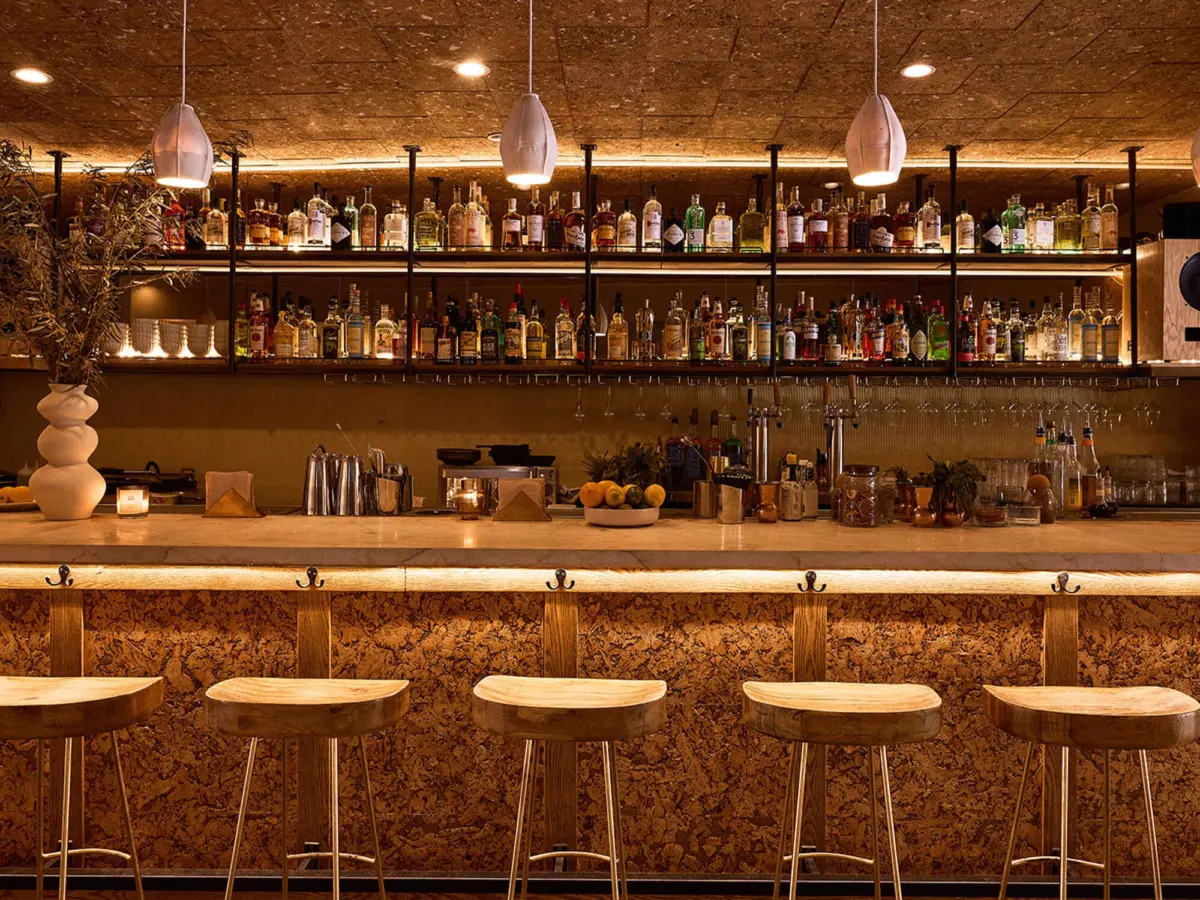
From the historic corridors of Hollywood to the bohemian enclaves of Highland Park, Venice Beach, and Downtown LA, hi-fi bars have transformed the city’s nightlife landscape. These venues are not merely drinking establishments equipped with decent audio equipment; they are temples of intentional listening. Marrying bespoke acoustic engineering, vintage analog hardware, rare vinyl curation, and hospitality, these spaces offer a tactile antidote to the digital fatigue of the twenty-first century.
This report investigates five distinct institutions defining the Los Angeles hi-fi movement: Gold Line, Only The Wild Ones, Johnny’s Hi-Fi, the Vinyl Room at the Hollywood Palladium, and Bar Franca. Through interviews with owners, sound designers, and curators, we examine how architectural acoustics, vintage mixers, and custom-built speaker arrays are reshaping how Los Angeles listens to music.
Detailed Chronology: The Evolution of LA’s Hi-Fi Landscape
The roots of the modern American hi-fi bar trace directly back to Tokyo’s legendary kissaten—listening cafes where patrons sat in absolute silence, absorbing jazz and classical records on world-class tube-amplified systems. However, transplanting this austere model to the vibrant, social nightlife culture of Southern California required a radical cultural translation.
2018: The Spark and the Pioneer
The movement formally established a foothold in Los Angeles in 2018 with the opening of In Sheep’s Clothing in the Arts District. Founded on the Japanese listening room ethos, it captured the early wave of renewed interest in physical vinyl. Though the venue ultimately succumbed to the economic pressures of the COVID-19 pandemic in 2020, its legacy was already cast. It proved that an audience existed for curated, high-end analog soundscapes outside of a traditional club or home listening room.
Simultaneously in 2018, Gold Line opened its doors in Highland Park. Co-founded by Peanut Butter Wolf (founder of Stones Throw Records) and Jason McGuire, Gold Line survived the pandemic to claim the title of the oldest operating hi-fi bar in the United States. Rather than imposing the quiet, reverent silence of a Japanese jazz bar, Gold Line leaned into Los Angeles’ eclectic party culture. They stocked the shelves with thousands of records from Stones Throw’s deep catalog, bridging the gap between critical audiophile appreciation and uninhibited neighborhood revelry.
Post-Pandemic Expansion: 2020–2024
Following the reopening of the live entertainment sector, the hi-fi bar trend metastasized across every corner of the Los Angeles basin. Entrepreneurs and audiophiles alike realized that consumers were hungry for spaces that offered tactile, multi-sensory engagement.
In Venice Beach, hospitality veteran Heather Tierney launched Only The Wild Ones (OTWO), marrying the organic ethos of natural winemaking with custom-built horn speakers. In Highland Park, historic neighborhood haunts like Johnny’s were retrofitted with top-tier vintage McIntosh amplification and custom analog speaker rigs, proving that modern fidelity could successfully inhabit vintage spaces without sacrificing historical character.
2025–2026: Institutional Integration
By 2025 and 2026, the hi-fi movement graduated from independent neighborhood experiments to integrated institutional models. Downtown’s Bar Franca, helmed by underground party promoter Rolando Alvarez, brought club-grade Danley acoustic engineering into an intimate cocktail bar setting.
Concurrently, the legendary Hollywood Palladium converted a neglected subterranean storage closet into the Vinyl Room, a members-only and pre-show hi-fi lounge that honors the venue’s rich history stretching back to 1941. This evolution demonstrates that high-fidelity sound is no longer a niche hobby for purists, but a vital cornerstone of contemporary entertainment architecture.
The Venues: Inside 5 Architectural and Acoustic Masterpieces
1. Gold Line (Highland Park)
Address: 5607 N Figueroa St, Los Angeles, CA 90042
Acoustic Design: Analog Workshop (Jake Viator)
The Gear: Altec Lansing Malibu (front room, inverted horns at ear level), Altec Lansing Valencia 846B (back lounge), McIntosh amplifiers, Bozak CMA-10-2DL 1970s disco mixer, dual Technics SL-1200 MK2 turntables.
Operating as the nation’s oldest surviving hi-fi bar, Gold Line is a masterclass in curation. Co-owner Peanut Butter Wolf has populated the venue with a rotating library of 3,000 hand-selected vinyl records situated directly within arm’s reach of visiting DJs.
The audio system was designed by Jake Viator of Analog Workshop, who also engineered the Stones Throw recording studio located directly upstairs. The physical layout makes clever use of vintage Altec Lansing speakers. In the front room, the Malibu speakers are physically inverted so that their high-frequency horns sit precisely at ear level for patrons mingling near the bar.
Rather than enforcing strict listening etiquette, Gold Line champions a fluid, energetic atmosphere. "The best DJ sets here are people who come in and freestyle it," says co-owner Jason McGuire. "It’s pointless to force the Japanese patient vibe on people here. Bar culture is a lot different," adds Viator. "People want to have a good time and let loose. That doesn’t mean the system has to sound bad."
2. Only The Wild Ones (Venice Beach)
Address: 1031 Abbot Kinney Blvd, Los Angeles, CA 90291
Acoustic Design: Max Van Ville
The Gear: Klipsch + OJAS KO-R1 speakers, dual custom subwoofers (integrated into the bar structure and opposing wall), custom Van Ville-built rear cabinets.
Heather Tierney’s journey into high-end audio began with a personal home system—a set of Tannoy speakers powered by an Accuphase amplifier. This domestic romance quickly expanded into a commercial footprint encompassing locations in New York, Austin, and Venice Beach.
Designed by music director Max Van Ville, the Venice Beach location of Only The Wild Ones (OTWO) centers around custom Klipsch + OJAS KO-R1 speakers. Low-end frequencies are masterfully managed by dual subwoofers strategically split between the bar counter and the opposing wall, creating an enveloping, three-dimensional sonic wave.
Tierney draws a direct philosophical parallel between her dual passions: natural wine and vinyl records. "Natural wine is how wine has always been made. It’s just going back to the old way," she explains. "It’s real music that’s pressed into the wax. It’s connected to the source. You feel the soul."
3. Johnny’s Hi-Fi (Highland Park)
Address: 5006 York Blvd, Los Angeles, CA 90042
Acoustic Design: Analog Workshop
The Gear: Altec Carmel 838As, custom Analog Workshop speakers, dual McIntosh 7270 amplifiers, MasterSounds Two Valve MK2 mixer, dual Technics SL-1200 turntables, Pioneer RT-909 reel-to-reel player.
Originally opened as a neighborhood taproom in 1946 by Johnny Dysthe, Johnny’s has preserved its mid-century patina under the co-ownership of Johnny Santiago. Rather than gutting the space to create a sterile minimalist listening room, Santiago prioritized historical continuity.
"We want the warmth of that neighborhood bar," Santiago states. "When we were building it out, our north star was: we want the room to feel like your favorite old leather jacket. The booths. The color. The lighting. Everything."
The audio engineering, executed once again by Analog Workshop, injects pristine clarity into the vintage room via Altec Carmel 838As and McIntosh 7270 power amps. Notably, Johnny’s distinguishes itself from its contemporaries by housing a rare Pioneer RT-909 reel-to-reel tape deck, with future programming planned around dedicated analog tape listening sessions.
4. Vinyl Room at the Hollywood Palladium (Hollywood)
The Gear: MasterSounds Clarity-M hi-fi speaker system, Full Fat Audio amplification, ceiling-mounted Fulcrum Acoustic reference speakers.
Carved out of a former poster and memorabilia storage closet, the Vinyl Room represents the corporate and cultural integration of hi-fi culture into major entertainment venues. Operating as an exclusive pre-show lounge and members-only club attached to the 1941-era Hollywood Palladium, the space is steeped in local music history.
The room’s sound system avoids traditional acoustic room treatments while delivering pristine coverage via a MasterSounds Clarity-M setup and hidden ceiling-mounted Fulcrum Acoustic reference speakers. General manager Ryan Blank curates a dynamic rotation of Los Angeles DJs who pivot their sets based on the evening’s main-stage headliner—spanning everything from punk rock to hip-hop and bluegrass album listening parties for artists like Billy Strings.
Located in the gritty heart of Downtown LA, Bar Franca transitioned from a historic lesbian bar into an acoustic sanctuary under the stewardship of underground party organizer Rolando Alvarez (Midnight Lovers).
Given the physical constraints of the diminutive room, Alvarez turned to Danley Sound Labs for their legendary acoustic efficiency. "We have used Danley almost exclusively for Midnight Lovers productions because of the warmth, clarity, and acoustic character of the systems," Alvarez notes. "There is also an incredible efficiency to Danley. You can achieve a tremendous amount of sound with a relatively small physical footprint and power requirement, which becomes especially important in a room the size of Franca."
By utilizing SM96 loudspeakers and THmini subwoofers, Bar Franca delivers the warmth and transient speed of a high-end festival rig scaled down to an intimate cocktail lounge, where patrons are never more than a few feet away from the selector.
Supporting Context & Metrics
The proliferation of Los Angeles hi-fi bars does not exist in a vacuum; it is part of a broader macroeconomic and cultural resurgence in physical music media.
The Vinyl Resurgence: According to industry tracking data, vinyl record sales have experienced uninterrupted growth for nearly two decades, frequently outpacing compact discs in unit sales. This physical renaissance has trained a new generation of consumers to appreciate tactile album art, analog mastering warmth, and ritualistic listening.
Acoustic Engineering Economics: Constructing a true hi-fi hospitality space requires substantial capital expenditure. Premium analog signal chains—encompassing vintage broadcast-grade mixers (Bozak, MasterSounds), high-end tube or solid-state amplification (McIntosh, Accuphase), and custom-built horn-loaded loudspeakers (Altec, Klipsch, Danley)—frequently command equipment budgets running well into the tens of thousands of dollars per venue.
Spatial Optimization: Unlike standard commercial venues that prioritize maximum patron capacity and background noise reduction, hi-fi bars treat the room itself as an instrument. Placement of bass-traps, custom cabinetry, and asymmetric speaker arrays are calculated to minimize phase cancellation and standing waves within irregular architectural footprints.
Official Statements & Industry Perspectives
The movement is unified by a shared philosophy: that audio quality directly impacts human behavior and emotional connection within communal spaces.
"People want to have a good time and let loose. That doesn’t mean the system has to sound bad."
— Jake Viator, Analog Workshop / Sound Designer (Gold Line, Johnny’s Hi-Fi)
"When I really get into something, I go all the way in. There’s something about slowing down and really feeling the music. It’s the vibration. It’s almost like a three-dimensional sound."
— Heather Tierney, Founder, Only The Wild Ones
"We want the room to feel like your favorite old leather jacket. The booths. The color. The lighting. Everything."
— Johnny Santiago, Co-owner, Johnny’s Hi-Fi
"Franca is tiny, warm, and personal. You are never very far from the person selecting the music."
— Rolando Alvarez, Curator, Bar Franca
Future Outlook
As Los Angeles continues to densify and digital noise pollution increases across daily life, the demand for intentional, analog-based third spaces is projected to accelerate. The success of venues ranging from DIY neighborhood bars in Highland Park to corporate-backed lounges in Hollywood proves that high fidelity is no longer an elitist pursuit confined to residential audiophile dens.
Future developments in the LA hi-fi scene are expected to embrace deeper technological and artistic crossovers:
Extended Analog Integration: More venues are expected to follow Johnny’s lead by incorporating multi-track reel-to-reel tape machines and direct-to-disc playback systems alongside traditional turntables.
Acoustic Architecture as Standard: As new hospitality entrepreneurs enter the market, basic sound design will no longer suffice; custom horn loading and bespoke cabinet building will likely become baseline requirements for upscale venue design.
Live-to-Analog Events: Spaces like the Vinyl Room at the Hollywood Palladium pave the way for real-time acoustic integration between major live performance stages and adjacent listening lounges.
Ultimately, Los Angeles’ hi-fi bars have established a permanent cultural foothold. By anchoring community socialization to uncompromising sonic excellence, these venues remind listeners of what has been missing in the digital age: the physical warmth of shared acoustic space.