In a seismic shift for independent music distribution, SoundCloud has announced the testing of a new, native direct-to-fan music sales feature. Long celebrated as the digital incubator where underground movements bubble up and tomorrow’s chart-toppers upload their first rough cuts, the platform is finally bridging the gap between musical discovery and direct commercial transactions.
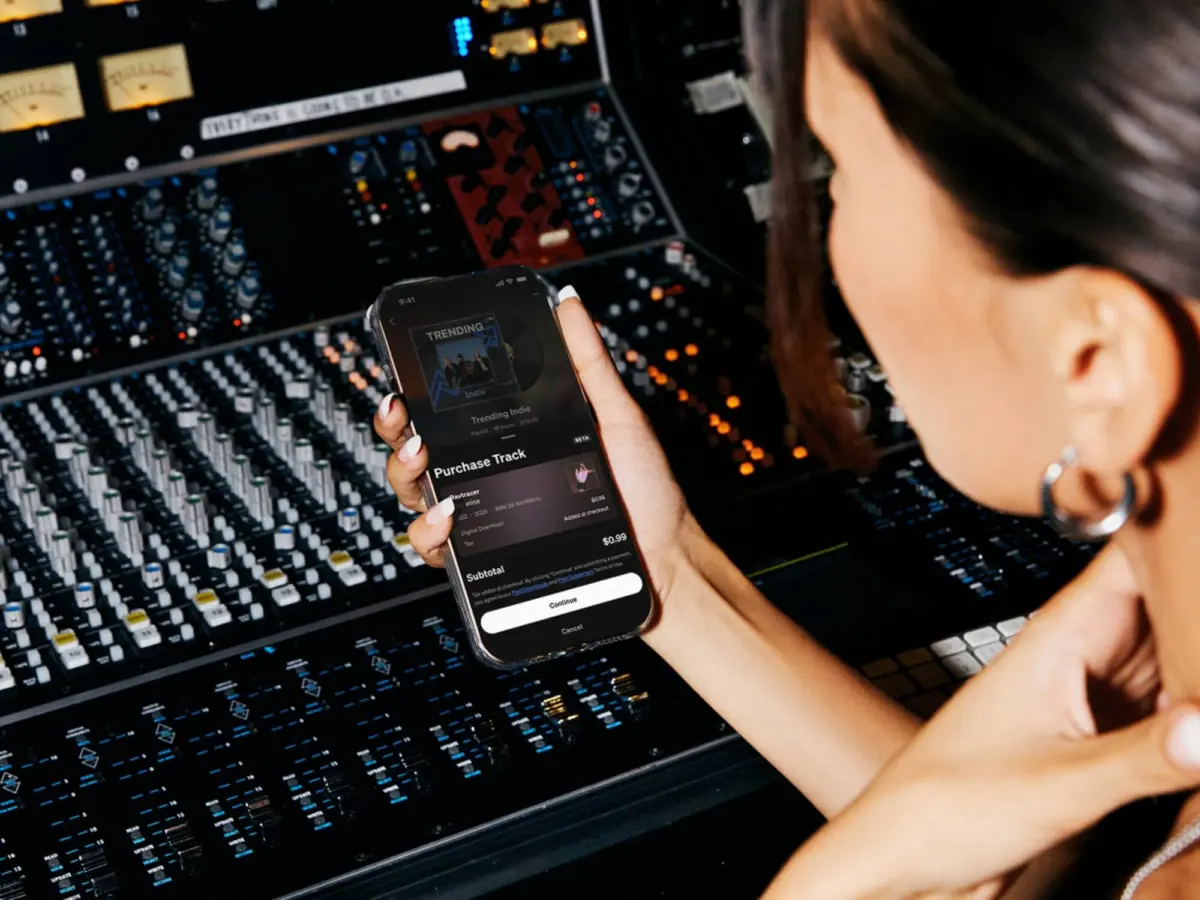
Under the banner of this new feature, creators can sell high-quality audio downloads—including pristine WAV files and standard MP3s—directly from their SoundCloud profiles. In a move calculated to disrupt traditional digital storefronts and appeal heavily to grassroots artists, SoundCloud is taking zero commission on these sales. Once standard transaction fees and taxes are accounted for, creators pocket 100% of the revenue.
Echoing the community-first ethos that made platforms like Bandcamp a lifeline for independent musicians, this initiative promises to eliminate third-party friction. No longer will fans be forced to bounce between platforms—clicking a link on SoundCloud, navigating an external marketplace, creating a separate login, and completing a purchase elsewhere. Instead, the entire pipeline from stream to sale happens natively.
Initially rolling out as an exclusive beta test for 200 US-based Artist Pro creators, the feature is scheduled for a wider autumn rollout following iterative updates based on creator feedback. As the music industry continues to grapple with fractional streaming payouts and unsustainable economic models for emerging talent, SoundCloud’s bold move could fundamentally alter how independent artists monetize their art, build localized communities, and sustain their careers on a single platform.
Detailed Chronology: From Discovery Engine to Commercial Ecosystem
To understand the weight of SoundCloud’s latest pivot, one must look at the platform’s evolutionary arc over the past two decades. Founded in 2007 by Alexander Ljung and Eric Wahlforss, SoundCloud was conceived as a platform for musicians to share audio recordings with collaborators. It quickly morphed into an open-access cultural phenomenon.
The SoundCloud Era and the Streaming Dilemma
Throughout the 2010s, SoundCloud became the epicenter of seismic underground music shifts, most notably the "SoundCloud Rap" explosion that launched the careers of artists like XXXTENTACION, Lil Uzi Vert, Juice WRLD, and Trippie Redd. It was a place defined by uninhibited creativity, lo-fi aesthetics, and peer-to-peer discovery.
However, monetization has historically been SoundCloud’s Achilles’ heel. While the platform excelled at virality and community building, it struggled to turn organic buzz into a sustainable financial engine for creators. Traditional ad-supported tiers and generic streaming models often yielded negligible payouts for indie acts. Recognizing that the modern creator economy demands diverse revenue streams, SoundCloud systematically began introducing monetization infrastructure over recent years:
Fan-Powered Royalties (FPR): A user-centric payment model ensuring that a user’s subscription fee goes directly to the specific artists they actually listen to, rather than being pooled globally.
Fan Support: Direct tipping and patronage tools enabling listeners to financially back their favorite creators.
Merchandise & Ticketing Integrations: Partnerships allowing artists to sell physical goods and concert tickets directly alongside their tracks.
The Direct Sales Beta: Summer 2026
The introduction of direct-to-fan music sales represents the culmination of this multi-year diversification strategy. Recognizing that listeners wanted a frictionless way to financially reward creators beyond microscopic per-stream royalties, SoundCloud engineered a native digital storefront.
The feature entered its initial testing phase in mid-2026, restricted to a curated cohort of 200 US-based Artist Pro creators. This closed beta serves as a vital proving ground. SoundCloud is leveraging the testing period to stress-test digital delivery systems, fine-tune user interface integrations within the Artist Studio and Fan Support Dashboard, and gather direct telemetry and qualitative feedback from creators. Following this refinement period, the feature is slated for a full-scale public rollout to all eligible creators later in the autumn.
Supporting Context & Metrics: The Case for Direct-to-Fan Commerce
SoundCloud’s decision to launch direct-to-fan sales is not a speculative gamble; it is a calculated response to hard data and existing user behavior. For years, independent creators have been hacking together makeshift solutions to monetize their dedicated fanbases, and SoundCloud’s internal metrics reveal a massive, untapped commercial appetite.
The Numbers Driving the Shift
According to internal platform data shared by SoundCloud:
The External Routing Problem: Approximately 250,000 artists currently rely on external platforms, forcing them to manually redirect their SoundCloud listeners to off-site storefronts to buy albums, EPs, or single tracks.
A Vast Catalog of Intent: There are currently 2.4 million tracks on SoundCloud that feature external purchase links.
Traffic Leakage: More than 500,000 SoundCloud users click through to these external sites every single year, representing a massive leakage of potential engagement and impulse-buy momentum.
Demand for Ownership: Market research commissioned by the platform indicates that 28% of surveyed artists either already sell downloadable music files directly to their fans or are actively looking for the tools to start doing so.
Challenging the Streaming Status Quo
The broader music industry has reached a boiling point regarding streaming economics. With payouts often measured in fractions of a cent per stream, independent artists find it nearly impossible to sustain a living wage off passive listening alone. While a stream is an effective discovery mechanism—introducing a casual listener to a new sound—a direct purchase represents genuine economic support and deeper psychological investment.
By offering high-resolution formats like WAV alongside standard MP3s, SoundCloud is also catering to audiophiles, DJs, and dedicated collectors who value archival quality and physical-adjacent digital ownership. In doing so, the platform directly challenges the hegemony of centralized digital distributors, positioning itself as a holistic ecosystem where an artist can upload their first bedroom demo, build a cult following, and sell high-margin direct-to-fan merchandise, tickets, and music downloads under one digital roof.
Official Statements & Industry Perspectives
The philosophical underpinning of SoundCloud’s new initiative centers on workflow consolidation and artist empowerment.
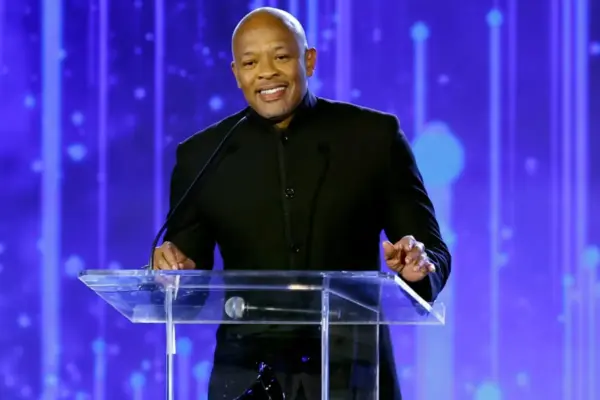
In an official statement announcing the feature, SoundCloud CEO Eliah Seton emphasized the company’s commitment to streamlining the artist experience:
"Artists should be able to build their audience in one place, on one platform. SoundCloud has always been where artists find their first fans and build real communities. We’re continuing to bring more of what they need to grow their careers into that same experience, while letting fans directly support the music they love."
This sentiment has resonated strongly across the independent music community, drawing immediate comparisons to Bandcamp, the pioneer of the direct-to-fan model. Bandcamp revolutionized independent music commerce through initiatives like Bandcamp Fridays—launched in 2020 at the height of the COVID-19 pandemic—during which the company waived its revenue shares entirely to support artists facing touring cancellations.
By adopting a similar zero-commission structure (deducting only standard processing fees and taxes), SoundCloud is positioning itself as a fierce competitor to Bandcamp, while offering a distinct advantage: the world’s most robust organic discovery engine. While Bandcamp is celebrated as a marketplace, it relies heavily on external traffic generation. SoundCloud, conversely, boasts a massive, built-in algorithmic discovery network where millions of users actively hunt for new music daily. Merging a discovery-first social network with a zero-commission sales marketplace creates a potent economic flywheel.
Future Outlook: What This Means for the Creator Economy
As SoundCloud prepares for the broader autumn rollout of its direct music sales feature, industry analysts are looking closely at the long-term ramifications for the broader creator economy.
1. The Death of the Friction Economy
In digital commerce, friction is the silent killer of conversion rates. Every extra click, every forced account creation, and every redirection to an unfamiliar external website drastically diminishes the likelihood that a casual listener will complete a purchase. By keeping the entire transaction lifecycle inside the SoundCloud interface, the platform is capitalizing on the psychology of the "impulse buy." When a user hears a transcendent track on their morning commute, the ability to purchase and download the WAV file with two taps transforms passive appreciation into immediate commerce.
2. Heightened Competition Among Independent Platforms
SoundCloud’s entry into zero-commission sales throws down the gauntlet to legacy distributors, aggregators, and niche marketplaces. Platforms that rely on high percentage-cuts or expensive monthly subscription tiers to access basic sales tools will be forced to reevaluate their value propositions. If creators can upload, market, stream, and sell their music in one unified ecosystem without sacrificing a percentage of their digital sales, competitors will need to innovate rapidly to retain market share.
3. Deepening Fan-Artist Relationships
Beyond the immediate financial boost, direct-to-fan sales foster a psychologically meaningful bond between creators and consumers. When a fan owns a digital file directly from the artist—rather than streaming it from a nebulous, algorithm-driven pool—they transition from a passive consumer to an active patron. Combined with SoundCloud’s existing ecosystem of Fan Support, ticketing, vinyl pressing, and Fan-Powered Royalties, this new feature cements the platform’s evolution from a simple streaming utility into an all-in-one career accelerator.
As the beta phase progresses and feedback rolls in from the initial cohort of US-based Artist Pro creators, the music world will be watching closely. If SoundCloud successfully scales this zero-commission model to its global user base this autumn, it could permanently rewrite the economic playbook for independent artists navigating the digital age.