Music is rarely a monolith; instead, it is a vast, interconnected ecosystem built upon the foundational records of preceding generations. For musicians who helped define the progressive rock landscape—such as virtuoso guitarist Steve Hackett—the journey from wide-eyed teenagers standing awkwardly at a London funfair to architects of complex sonic tapestries began in the grooves of vintage vinyl.
In a retrospective look curated by Michael Heatley, celebrated alongside the release of Steve Hackett and Steve Rothery’s collaborative project The Roaring Waves on InsideOutMusic, we are granted a rare glimpse into the formative record crates of rock history. Spanning from 1964 to 1978, this curated selection of 10 seminal UK singles and LPs—ranging from the soul-stirring Motown exuberance of Martha & The Vandellas to the fragile, visionary brilliance of a teenage Kate Bush—charts more than just a personal listening history. It maps the DNA of progressive rock itself.
This feature explores the chronological milestones, cultural undercurrents, and technical wizardry that turned humble pieces of vinyl into timeless artifacts. With estimated collector valuations ranging from modest £3 bargain finds to £175 holy grails, these records represent the pivotal moments when pop music broke its own boundaries and learned to fly.
Detailed Chronology: The Vinyl Milestones of a Musical Awakening
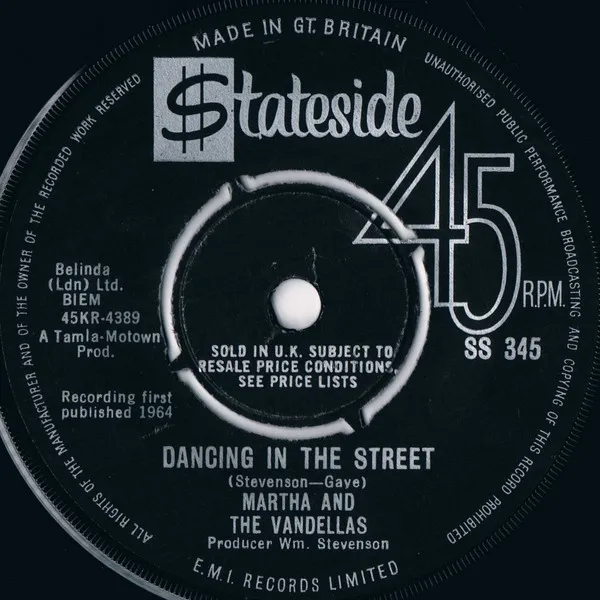
1. Martha & The Vandellas – Dancing In The Street
Format: 7” Single (Stateside SS 345, UK, 1964)
Estimated Value: £20
The journey begins in 1964 at the Battersea funfair. Amidst the neon lights and the awkward, gender-segregated paralysis of 14-year-old adolescence—where girls and boys stood on opposite sides, utterly terrified to cross the divide—a portable radio or fairground speaker blasted a clarion call. It was Martha & The Vandellas’ “Dancing In The Street.”
Though framed as an exhortation toward global movement, to those terrified teenagers, it was an impossible fantasy. Yet, its impact was seismic. Years later, meeting Martha Reeves, the sentiment was clear: this was arguably the finest track Motown ever produced. It touched every conceivable musical base, serving as an unmatched clarion call to youth culture that demanded attention and foreshadowed the social explosions of the decade.
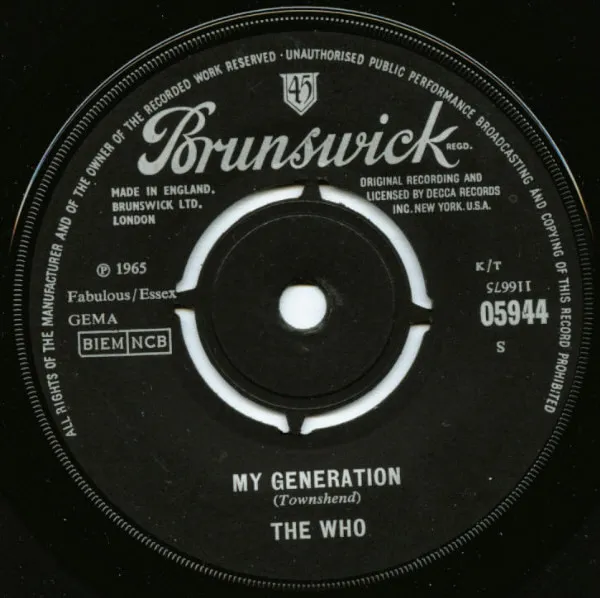
2. The Who – My Generation
Format: 7” Single (Brunswick 05944, UK, 1965)
Estimated Value: £20
By 1965, the polite boundaries of early-decade pop were being systematically dismantled. Enter The Who’s “My Generation,” a raw, blistering call to arms dripping with unapologetic teenage rebellion and raw attitude.
For aspiring guitarists of the era, the track held a legendary technical misconception. Many assumed the mid-song solo was executed on the six-string, only to discover later that it was John Entwistle’s trailblazing, growling bass work tearing through the mix. Untethered to the transient Mod or Hippie subcultures—subcultures that felt too confining, too bound by fleeting flags—The Who projected an enduring, timeless defiance that refused to age.
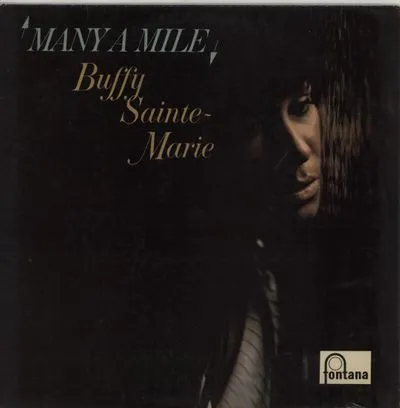
3. Buffy Sainte-Marie – Many A Mile
Format: LP (Fontana TFL 6047, UK, 1965)
Estimated Value: £5
The folk revival of the mid-1960s brought intellectual rigor and raw emotional vulnerability to the mainstream. At age 15, discovering Buffy Sainte-Marie’s second album, Many A Mile, was a transformative experience.
Bridging the gap between traditional folk arrangements and piercing protest poetry, Sainte-Marie’s delivery on tracks like “Must I Go Bound” redefined vocal expression. Her voice was an unfiltered sob from the first note to the last, carrying a weight of tragedy and resilience that could melt even the hardest heart. First glimpsed on the 1965 television program Heartsong alongside Marianne Faithfull and Julie Felix, Sainte-Marie proved that fragility and political resolve could comfortably coexist on vinyl.
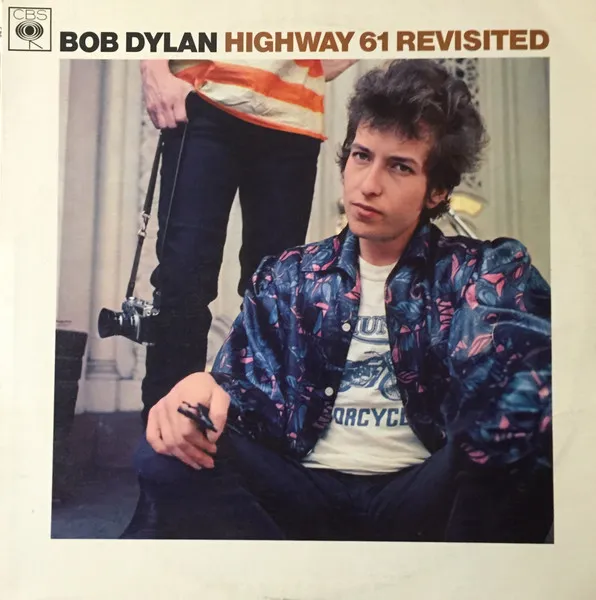
4. Bob Dylan – Highway 61 Revisited
Format: LP (CBS BPG 62572, UK, 1965)
Estimated Value: £80
The mid-sixties shift toward electric instrumentation sparked fierce debates in living rooms across Britain. While blues-rock purists leaned heavily into the virtuosic guitar gymnastics of Cream or Jeff Beck, Bob Dylan’s Highway 61 Revisited demanded a different kind of appreciation.
To bridge the gap with a dedicated "Dylanologist" friend, one had to move past traditional notions of instrumental flash and embrace raw lyrical intensity. When Dylan backed his biting prose with a powerhouse ensemble featuring Mike Bloomfield and Al Kooper, songs like “Like A Rolling Stone” were elevated. The combination of stinging electric guitars and swirling keyboards proved that words could cut as sharply as any riff.
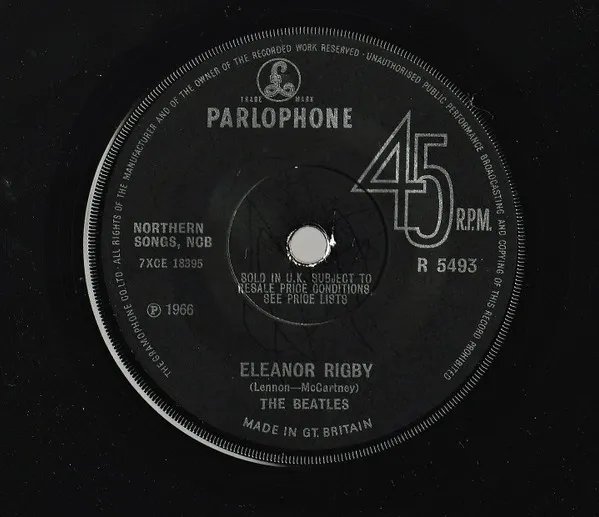
5. The Beatles – Eleanor Rigby
Format: 7” Single (Parlophone R 5493, UK, 1966)
Estimated Value: £15
For many architects of progressive rock, 1966’s “Eleanor Rigby” stands as perhaps the finest rock song ever composed—despite barely fitting the traditional definition of rock ’n’ roll. Driven entirely by a haunting string arrangement and an acute, fly-on-the-wall narrative, it functioned as a cinematic, three-minute mini-documentary.
When transitioning into the world of professional songwriting with bands like Genesis, artists quickly realized how notoriously difficult it was to execute a convincing narrative within a pop song format. The Beatles made it look effortless, establishing a gold standard of storytelling and colour in lyrics by which all subsequent pop and rock compositions would be judged.
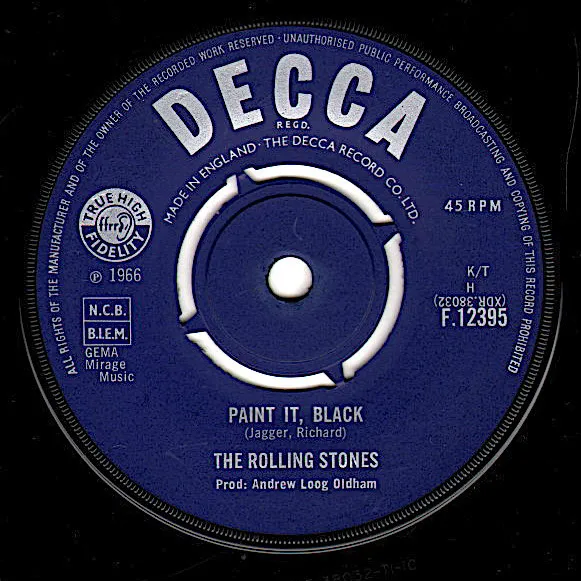
6. The Rolling Stones – Paint It, Black
Format: Decca F 12395, 7” Single (UK, 1966)
Estimated Value: £15
The dark, brooding atmosphere of 1966 brought Mick Jagger’s vocals to a career-peak intensity on “Paint It, Black.” Musically, the track operates as a sophisticated two-part invention.
Instead of a traditional verse-chorus structure, the song weaves the vocal melody seamlessly beneath an exotic, insistent sitar line, flowing directly into what many mistake for a chorus but is actually an organic extension of the verse. Endless hours spent in adolescent bedrooms attempting to parse and replicate the intertwined guitar licks of Brian Jones and Keith Richards served as an indispensable masterclass in texture and tension.
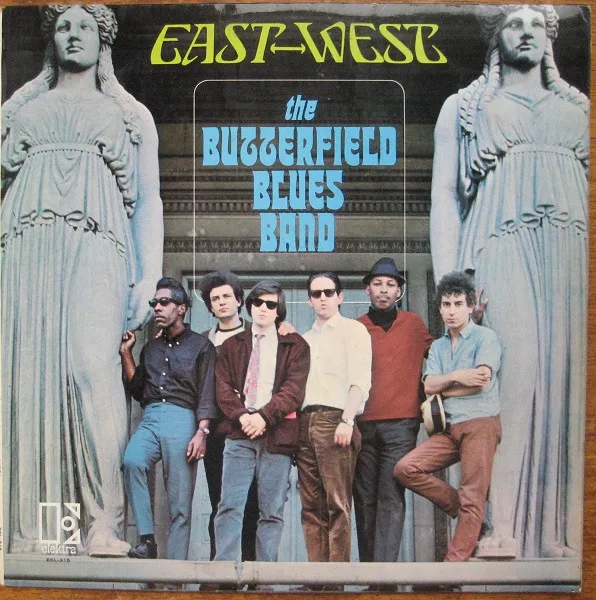
7. The Paul Butterfield Blues Band – East-West
Format: LP (Elektra EKL 315, UK, 1966)
Estimated Value: £50
Live music in 1966 could still be an intimate, earth-shattering affair. Witnessing the Paul Butterfield Blues Band perform at Eel Pie Island to a sparse crowd of roughly 20 people was a revelation. From the very first note executed on the harmonica—an instrument already central to many young musicians’ lives—Paul Butterfield completely redefined expectations.
While the album was anchored in the blues, its ambitious 13-minute title track, penned by Mike Bloomfield, shattered genre boundaries. Seamlessly blending Eastern, Western, Mexican, and Indian musical idioms, it offered a kaleidoscopic cross-cultural mixture that even left Butterfield himself sounding momentarily adventurous and untethered.
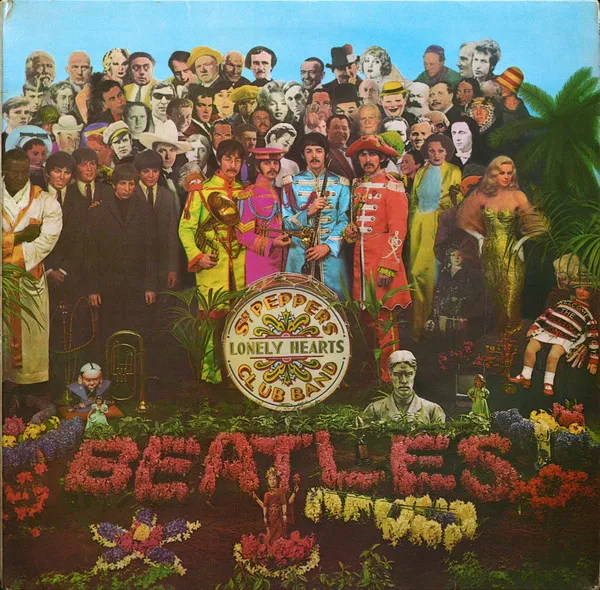
8. The Beatles – Sgt. Pepper’s Lonely Hearts Club Band
Format: LP (Parlophone PCS 7207, UK, 1967)
Estimated Value: £175
As the most valuable physical artifact on this list (£175), Sgt. Pepper’s Lonely Hearts Club Band remains a towering monument to studio experimentation. The title track brilliantly wrong-foots the listener, opening with the mundane cacophony of an orchestra tuning up before a high-octane rock band aggressively seizes control.
Paul McCartney’s blistering vocal delivery is punctuated by clever theatrical interjections that justified the album’s conceptual framing. Crucially, The Beatles understood the power of restraint; they knew precisely when not to play. This calculated economy was a core element of the charm and surrealist "magic realism" that defined the late-60s counterculture, perfectly complemented by the poignant, domestic heartbreak of “She’s Leaving Home”—serving as the ultimate thematic bookend to “Eleanor Rigby.”
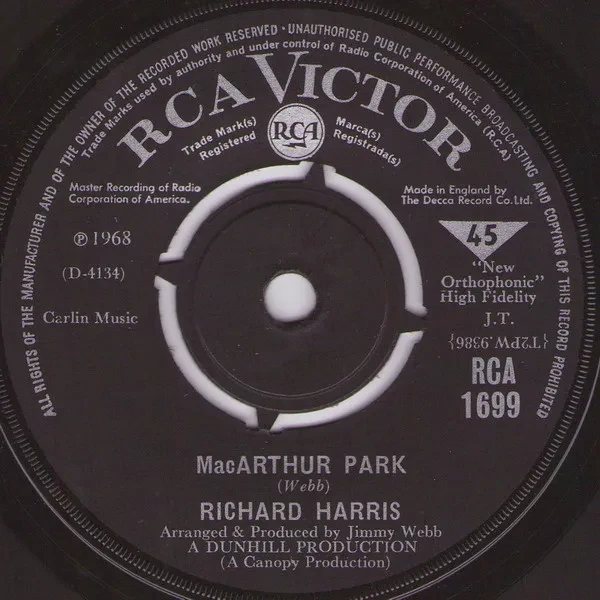
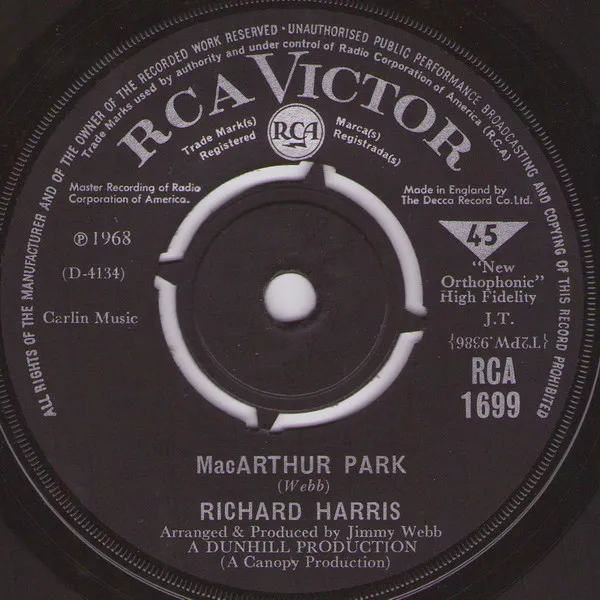
9. Richard Harris – MacArthur Park
Format: 7” Single (RCA 1699, UK, 1968)
Estimated Value: £3
Written by a young Jimmy Webb, “MacArthur Park” is a sweeping paean to lost love built upon a daring, unorthodox chord sequence and lush orchestral arrangements. Actor Richard Harris approached the lyric not as a standard pop vocal, but with the raw emotional gravity of a dramatic performance.
Clocking in at an epic seven minutes, the track acted as a direct structural template for the ambitions of emerging progressive rock groups like Genesis. It proved that popular music could embrace storytelling, unexpected harmonic shifts, and a hybrid instrumentation of old and new classical elements without losing its emotional core.
10. Kate Bush – The Man With The Child In His Eyes
Format: 7” Single (EMI 2806, UK, 1978)
Estimated Value: £15
A decade after the cinematic scope of the late ’60s, a new prodigy emerged. Much like Jimmy Webb, Kate Bush demonstrated a compositional maturity well beyond her years, having famously penned “The Man With The Child In His Eyes” at just 13 years old.
Drawn from her 1978 debut masterpiece, The Kick Inside, the song balances fantasy with the delicate, tentative early stirrings of romance. Because of her youth, the track relies heavily on the imagination, utilizing sublime brass arrangements and an otherworldly vocal delivery to create a timeless vignette of youthful introspection.
Supporting Context & Metrics: The Economics of Nostalgia
To understand the enduring appeal of these records, one must examine the intersection of cultural capital and physical rarity. The valuation of these 10 releases—ranging from accessible £3-£5 sonic blueprints to highly coveted £175 pressings like Sgt. Pepper—reflects a thriving secondary market driven by nostalgia and audiophile reverence.
Artist
Title
Format / Year
UK Label & Cat. No.
Est. Value (£)
Martha & The Vandellas
Dancing In The Street
7” (1964)
Stateside SS 345
£20
The Who
My Generation
7” (1965)
Brunswick 05944
£20
Buffy Sainte-Marie
Many A Mile
LP (1965)
Fontana TFL 6047
£5
Bob Dylan
Highway 61 Revisited
LP (1965)
CBS BPG 62572
£80
The Beatles
Eleanor Rigby
7” (1966)
Parlophone R 5493
£15
The Rolling Stones
Paint It, Black
7” (1966)
Decca F 12395
£15
Paul Butterfield Blues Band
East-West
LP (1966)
Elektra EKL 315
£50
The Beatles
Sgt. Pepper’s…
LP (1967)
Parlophone PCS 7207
£175
Richard Harris
MacArthur Park
7” (1968)
RCA 1699
£3
Kate Bush
The Man With The Child…
7” (1978)
EMI 2806
£15
These figures highlight how initial pop phenomena transition into prized collector’s items. More importantly, they underline a broader industry trend: the tactile experience of vinyl continues to serve as an anchor for musicians who view recorded music not as disposable data, but as historical touchstones.
Official Statements and Industry Insights
Reflecting on how these formative records continue to cast long shadows over modern composition, industry voices emphasize the unbroken chain of artistic influence.
"It was always going to be a limitation to tie yourself to a single flag like the Mods or the Hippies," notes Steve Hackett, reflecting on the fluid identity of 1960s icons. "The records that truly mattered were the ones that broke those boundaries—whether it was Dylan bringing lyrical intensity to electric rock, or The Beatles treating a pop single like a cinematic canvas."
Musicologists and critics alike have long pointed out that the progressive rock explosion of the late 1960s and 1970s did not occur in a vacuum. It was the direct result of genre-blurring milestones—such as the cross-cultural improvisations of the Paul Butterfield Blues Band and the ambitious, multi-movement structures of Jimmy Webb compositions—breeding a generation of musicians unwilling to accept the traditional three-minute radio constraint.
Future Outlook: Preserving the Blueprint
As physical media experiences a sustained renaissance in the digital age, the lessons embedded within these 10 historic releases remain profoundly relevant for contemporary songwriters and producers. The willingness to experiment with unconventional arrangements, merge disparate cultural traditions, and prioritize emotional storytelling over algorithmic trends is precisely what separates transient hits from enduring art.
Projects like Steve Hackett and Steve Rothery’s The Roaring Waves, released via InsideOutMusic, prove that the exploratory spirit of the 1960s and ’70s is far from exhausted. By continuing to honour the foundational vinyl records that shaped their artistic sensibilities, modern progressive masters ensure that the golden age of musical discovery remains an active, evolving dialogue for generations to come.