Executive Overview
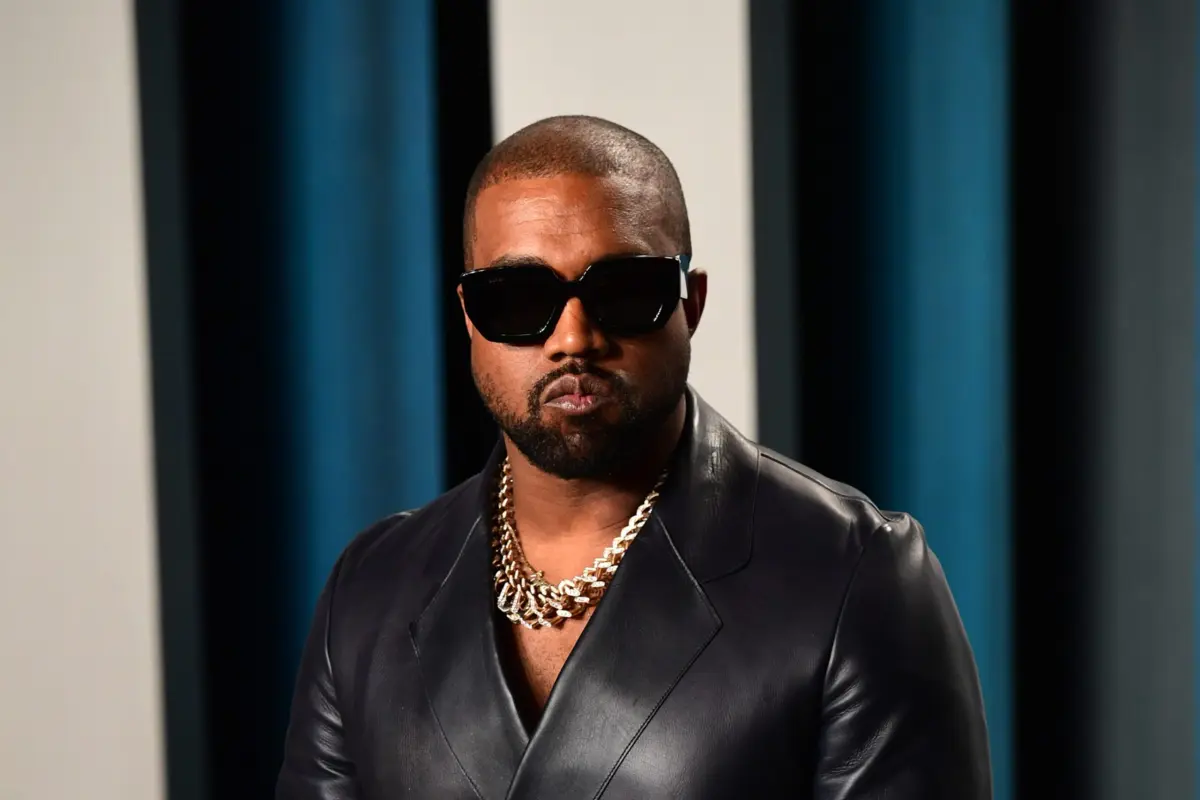
The protracted legal battles surrounding recording artist and fashion designer Ye—formerly known as Kanye West—have taken another complex turn in Los Angeles Superior Court. Attorneys representing West Coast Trial Lawyers APLC have officially moved to dismiss claims filed against their firm by the Grammy-winning artist and his corporate entity, Shore Drive Holdings LLC. This latest legal maneuver represents a high-stakes counter-offensive in an ongoing dispute that initially arose from the chaotic, highly publicized renovation of Ye’s multi-million-dollar Malibu residence.
The underlying conflict began when Tony Saxon, a handyman and project manager hired by Ye, filed a lawsuit alleging severe undercompensation, deplorable working conditions, and wrongful termination. Saxon’s initial legal victory—secured when a Los Angeles jury awarded him $140,000, a verdict later upheld by Judge Brock T. Hammond—should have marked the conclusion of the courtroom drama. Instead, it has metastasized into a broader legal war.
In response to a $1.8 million mechanic’s lien placed on his Malibu property in January 2024, Ye and Shore Drive Holdings filed a countersuit. The artist’s legal team characterized the lien as a "fabrication" and a bad-faith "pressure device" designed to coerce financial settlements for unrelated employment claims. Seeking to invalidate the lien entirely while pursuing an eye-watering $2.27 million in damages, Ye’s cross-complaint targeted both Saxon and the law firm that facilitated the filing.
Now, West Coast Trial Lawyers is fighting back, arguing that the claims directed at them are legally deficient, ambiguous, and fundamentally barred by California’s robust litigation privilege. This report examines the intricate timeline of the dispute, the core legal arguments put forward by both parties, the financial figures and working conditions that ignited the controversy, and the broader implications for celebrity real estate management and legal liability.
Detailed Chronology: From Malibu Remodeling to Courtroom Showdown
To understand how a residential renovation project devolved into a multi-million-dollar cross-litigation, it is necessary to trace the events chronologically, beginning in the tumultuous months of late 2021.
Phase 1: The 2021 Malibu Mansion Project
In 2021, Ye acquired a striking, Tadao Ando-designed concrete architectural masterpiece situated along the pristine coastline of Malibu, California. Seeking to drastically alter the minimalist structure, the artist engaged Tony Saxon to act as a project manager, caretaker, and de facto supervisor for the extensive renovations.
According to court documents filed by Saxon, the working arrangement was formalized under a verbal and preliminary agreement promising $20,000 per week. However, Saxon’s tenure on the job site was short-lived and fraught with peril. Saxon alleged that he was thrust into hazardous working conditions, forced to sleep on the bare concrete floors of the mansion while doubling as a round-the-clock security guard. Furthermore, Saxon claimed he was pressured to undertake dangerous demolition work—such as removing large security windows and heavy electrical systems without proper permits, professional equipment, or safety gear.
The relationship fractured permanently in November 2021. Saxon maintained that he was abruptly fired after refusing to comply with what he described as increasingly erratic and dangerous demands from Ye. Despite his weeks of labor and supervision, Saxon alleged he was severely undercompensated, receiving only a single $20,000 payment alongside $100,000 earmarked strictly for third-party construction costs.
Phase 2: Litigation and Jury Verdict (September 2023 – March 2024)
Frustrated by the unpaid wages and the conditions of his termination, Saxon initiated formal legal action in September 2023 through a lawsuit filed in Los Angeles Superior Court. The complaint laid bare sensational allegations regarding life inside the Malibu mansion under Ye’s direction, detailing labor code violations, wrongful termination, and unpaid wages.
As the case wound its way through the judicial system, it culminated in a jury trial in March 2024. The jury returned a verdict in favor of Saxon, ordering Ye to pay $140,000 in damages to rectify the undercompensation. Judge Brock T. Hammond subsequently upheld this verdict, rejecting attempts by Ye’s defense to set the award aside.
Phase 3: The Lien and the Countersuit (January 2024 – July 2024)
While the primary wage dispute was heading toward trial, a parallel conflict erupted over property encumbrances. In January 2024, a $1.8 million mechanic’s lien was recorded against Ye’s Malibu property.

Ye and his corporate entity, Shore Drive Holdings LLC, viewed the lien not as a legitimate claim for construction labor and materials, but as an aggressive tactic designed to cloud the property’s title and force a settlement. On July 10, Ye’s legal team filed an amended cross-complaint naming both Saxon and West Coast Trial Lawyers APLC as defendants. The cross-complaint alleged that the lien was a deliberate fabrication, asserting that the parties who prepared, verified, and recorded it were fully aware of its lack of legal foundation. Ye’s legal strategy shifted from defense to aggressive offense, seeking to declare the lien void while demanding $2.27 million in damages.
Phase 4: The Motion to Dismiss (Current Proceedings)
The legal battle reached its latest inflection point when attorneys for West Coast Trial Lawyers filed formal court papers before Judge Hammond. Seeking a total dismissal of the claims lodged against the law firm, the defense argued that Ye’s pleadings failed to meet basic legal standards of clarity and specificity. The motion sets the stage for a critical judicial review of how far legal immunity extends when attorneys represent clients in high-profile property and employment disputes.
Supporting Context & Metrics: The Financial and Structural Stakes
The financial figures and property details associated with this lawsuit highlight the high-stakes environment in which celebrity real estate projects operate.
- The Property Valuation: The Malibu mansion at the center of the dispute is an architectural icon designed by legendary Japanese architect Tadao Ando. Purchased by Ye for approximately $57 million, the brutalist concrete structure became a canvas for controversial architectural modifications before sitting largely vacant and falling into a state of semi-demolition.
- The Wage Discrepancy: The baseline of the original dispute centered on Saxon’s contracted rate of $20,000 per week. Over the course of his employment, the discrepancy between promised compensation and actual disbursements totaled hundreds of thousands of dollars, culminating in the jury’s $140,000 award.
- The Escalated Damages: What began as a six-figure labor dispute has expanded exponentially. Ye’s cross-complaint seeks $2.27 million in damages against Saxon and his legal representation, alongside an order declaring the $1.8 million mechanic’s lien entirely void.
- The Mechanic’s Lien Mechanics: Under California law, a mechanic’s lien is a statutory remedy designed to secure payment for contractors, laborers, and material suppliers who improve real property. However, recording an invalid or exaggerated lien can expose the filer and their representatives to claims of slander of title and abuse of process—the very legal theories Ye’s team is attempting to leverage against West Coast Trial Lawyers.
Official Statements and Legal Arguments
The core of the current courtroom battle rests on contrasting interpretations of civil procedure, professional liability, and constitutional protections for legal advocacy.
Arguments from Ye’s Legal Team (Shore Drive Holdings LLC)
In their amended cross-complaint, Ye and his corporate representatives pulled no punches regarding the $1.8 million lien. They argued that the encumbrance was never a legitimate reflection of work performed on the property, but rather a calculated "pressure device."
According to Ye’s filings:
- The lien was intentionally recorded to cloud the title of the Malibu mansion, effectively freezing the property’s marketability.
- The device was utilized to coerce payment for unrelated employment claims that Saxon and his attorneys were aggressively pursuing in the underlying litigation.
- The individuals and entities who prepared, verified, and stood behind the lien—including the attorneys at West Coast Trial Lawyers—did so with constructive or actual knowledge of its falsity, making them direct participants in what Ye’s team terms an unlawful abuse of the legal process.
Arguments from West Coast Trial Lawyers APLC
In their motion to dismiss filed before Judge Hammond, the attorneys representing West Coast Trial Lawyers countered with a two-pronged attack: procedural vagueness and absolute legal immunity.
- Uncertain and Ambiguous Pleadings: The firm’s legal representation argued that Ye’s cross-complaint violates California pleading standards by being "uncertain, ambiguous and unintelligible." Specifically, the defense pointed out that the complaint improperly lumps multiple parties and distinct legal theories together without properly apportioning specific conduct to individual defendants. As a result, the firm argues, it is impossible for them to mount an adequate defense because they cannot clearly discern which specific allegations are directed at the law firm versus those directed at Saxon.
- The Litigation Privilege: The cornerstone of the firm’s dismissal request relies on California Civil Code Section 47(b), commonly known as the litigation privilege. The defense contends that all claims asserted against the law firm arise directly from "protected petitioning activity"—namely, the routine filing of legal documents, liens, and pleadings in connection with an active judicial proceeding. Under California law, publications and communications made in the course of judicial proceedings are generally shielded from tort liability, a protection designed to ensure that attorneys and litigants can access the courts without fear of subsequent retaliatory lawsuits.
Future Outlook and Broader Industry Implications
As Judge Hammond prepares to evaluate the motion to dismiss, the outcome of this hearing will carry significant ramifications for both the immediate litigants and the broader legal and real estate communities in California.
Immediate Judicial Next Steps
If Judge Hammond agrees with West Coast Trial Lawyers, the claims against the firm will be dismissed—either with or without leave to amend. Should the dismissal be granted without leave, Ye’s legal team would be barred from pursuing damages directly against the attorneys, though their primary litigation against Tony Saxon would likely proceed. Conversely, if the judge denies the motion, the law firm will be forced to answer the allegations on their merits, opening up a potentially contentious discovery phase regarding internal firm communications, the verification process of the mechanic’s lien, and the boundaries of attorney liability in aggressive civil litigation.
Broader Implications for Celebrity Real Estate and Labor
This case serves as a cautionary tale regarding the intersection of high-end celebrity real estate management, informal contracting practices, and aggressive litigation strategies.
- Documentation and Compliance: The initial dispute underscores the financial and legal perils of operating high-value construction projects without watertight, written contracts and strict adherence to state labor and safety regulations. The fact that a project manager was allegedly sleeping on bare concrete floors highlights a severe breakdown in professional management standards.
- The Limits of Mechanic’s Liens: The cross-complaint highlights the legal risks associated with utilizing mechanic’s liens in contentious employment disputes. While liens are powerful tools for securing unpaid construction funds, using them as leverage in broader tort or wage disputes frequently invites counterclaims for slander of title and malicious prosecution.
- Attorney Accountability vs. Privilege: The motion to dismiss brings to the forefront a perennial tension in American jurisprudence: where does zealous legal advocacy end, and actionable liability begin? By invoking the litigation privilege, West Coast Trial Lawyers is testing the judiciary’s willingness to protect law firms from being dragged into cross-complaints filed by adversaries seeking to penalize legal representation for the actions of their clients.
As the litigation grinds forward in Los Angeles Superior Court, all eyes will be on Judge Hammond’s forthcoming ruling. Whether this chapter marks the beginning of the end or merely another prolonged skirmish in Ye’s turbulent legal saga remains to be seen, but the boundaries of attorney liability in California property disputes hang firmly in the balance.