Executive Overview
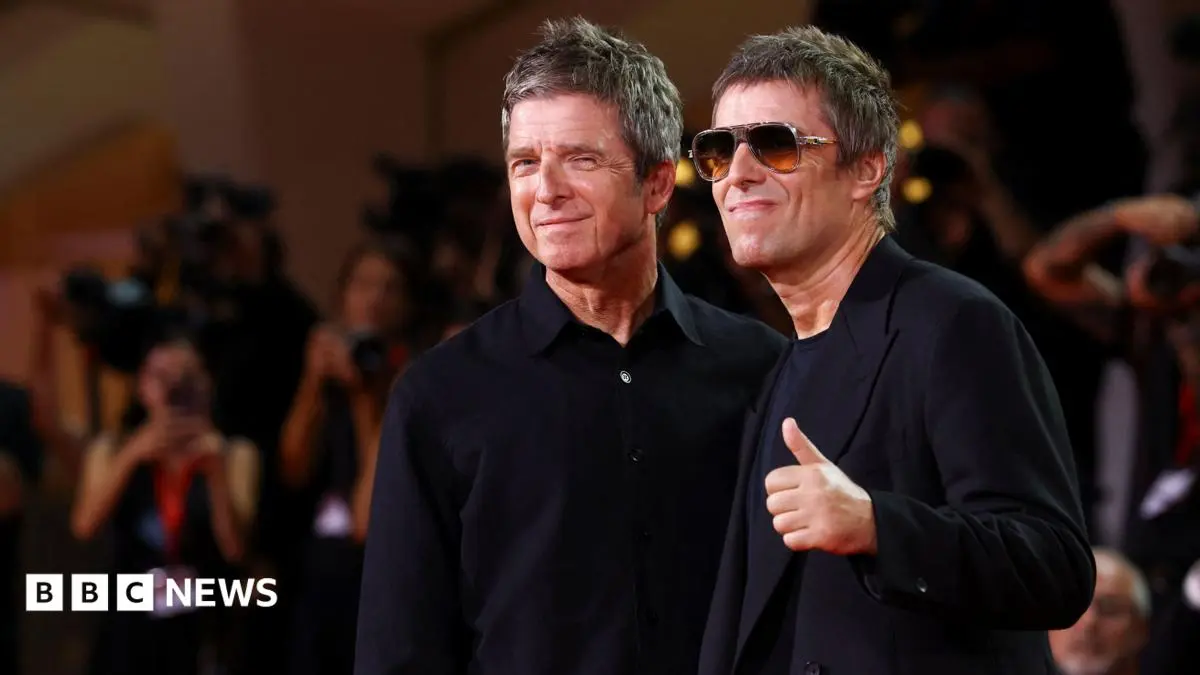
Fifteen years after a fateful backstage altercation in Paris brought a sudden, violent halt to one of the defining rock acts of a generation, Oasis returned. The 2025 comeback tour captured the imagination of the global music community, erasing more than a decade and a half of bitter estrangement with the opening chords of Hello. Yet, as documented in the new feature-length film Don’t Look Back In Anger, the path from the ashes of 2009 to the stadiums of 2025 was as carefully curated as it was fiercely anticipated.
Directed with a keen eye for visual spectacle, the documentary serves as both a monument to the enduring power of Britpop and a masterclass in myth-making. It offers audiences a ringside seat to the euphoria of global fandom while simultaneously sidestepping the grit, friction, and uncomfortable realities that characterized the brothers’ prolonged separation. While the music remains electric, the film operates under a self-imposed restraint, glossing over the mechanics of the reconciliation, avoiding the controversies that threatened to derail the comeback, and presenting a sanitized version of rock-and-roll redemption.
Nevertheless, for millions of fans worldwide, the film is a vital souvenir of a cultural reset. It captures the sheer emotional gravity of an era revived, even if it leaves demanding viewers asking what happened behind the closed doors of the dressing room. As rumors swirl regarding a monumental return to Knebworth next summer, the documentary acts as both a victory lap and a tantalizing trailer for what may yet come.
Detailed Chronology: From Paris to the Stage
The Anatomy of a Fracture
To understand the weight of the 2025 reunion, one must revisit the abruptness of the 2009 collapse. During the peak of their global dominance, fueled by era-defining anthems like Wonderwall, Roll With It, and Live Forever, the internal pressure cooker of the Gallagher brothers reached a boiling point. The climax—or rather, the nadir—came backstage at the Rock en Seine festival in Paris.
Fan-shot footage from that fateful night preserves the surreal moment a festival promoter stepped before a bewildered crowd to deliver the death knell of modern rock’s most volatile partnership. Informing the audience of a "huge fight together in the dressing room," the promoter announced with distinct irritation that the band no longer existed. Eyewitness accounts, such as one shared by Scottish singer Amy McDonald via social media, described the altercation as seismic, noting that Liam had smashed Noel’s guitar during the brawl.
What followed was a 15-year silence. The brothers carved out separate empires—Noel with the High Flying Birds, Liam with Beady Eye and a subsequent chart-topping solo career—while fans and the music press endlessly debated the possibility of a truce.
The Rehearsal Room: Uneasy Truce
Don’t Look Back In Anger opens not with the history of the feud, but abruptly with the preparation for the comeback. A brief caption notes that the brothers did not speak for a decade and a half, immediately pivoting to the rehearsal studios where the tour is being assembled.
The tension in the room is palpable. Under Noel’s meticulous instruction, the band begins piecing together the setlist, notably rehearsing fan favorites like Columbia (which, ironically, ultimately missed the final tour setlist). Liam is conspicuously absent during the initial arrangements, leaving the crew and bandmates to wonder which version of the younger Gallagher will walk through the door.
When Liam finally arrives, he brings his trademark theatrical friction. True to form, he immediately complains about the acoustic sound-proofing panels positioned in front of Joey Waronker’s drums. "They’re already giving me the hump," he huffs.
Yet, the magic endures. The moment Liam steps up to the microphone, the atmospheric anxiety dissolves. Rhythm guitarist Paul "Bonehead" Arthurs—strategically positioned as a buffer between the two brothers—beams from ear to ear. But old habits die hard; a couple of hours into a rehearsal, mid-song, Liam casually waves goodbye and strolls out of the space.
"I’m not sure whether our kid’s enjoying himself," Noel remarks dryly to his bandmates.
In a subsequent voice-over, however, Liam clarifies his mindset. Enjoyment was never the primary objective; survival and excellence were. Having given up alcohol and cigarettes for the duration of the tour—referring strictly to the physical intoxicants, not the legendary B-side—Liam emphasizes the gravity of the undertaking. "If you’re not on it, chaos can ensue," he notes. "These songs, they need to be treated with the utmost respect."
Supporting Context & Metrics: The Global Impact
The emotional high-water mark of the documentary lies in its global canvas. Eschewing a purely British perspective, filmmakers follow the tour across Dublin, Manchester, São Paulo, Tokyo, and New York. Each stop reveals a deep, almost religious connection between the audience and the music.
Fan Narratives and Cultural Resonance
The film excels when it turns its lens away from the backstage politics and toward the terraces and stadium floors. We meet a diverse array of devotees:
- A dedicated fan who named her beloved pet dog "Bonehead."
- A South Korean Haenyeo (traditional free-diver) who credits Oasis’s catalog with pulling her out of a debilitating depression.
The sheer sociological gravity of the reunion visibly stuns the Gallagher brothers, particularly Noel. "The gravity hit me of what it meant to people and it took me by surprise," Noel reflects on camera. "I have to say it actually knocked me back."
During performances of tracks like Slide Away, audience members are captured sinking to their knees with hands clasped in prayer, while younger fans stand in awe-struck stupors, unable to process the historic reality unfolding before them.
Structural Shortcomings and Omissions
Despite these powerful vignettes, media critics and long-time observers have pointed out significant structural flaws in the film’s narrative. In a traditional biographical music documentary, a triumphant opening night in Cardiff would serve as the climactic final scene—the emotional resolution after years of bitter pain.
In Don’t Look Back In Anger, however, that triumphant moment arrives roughly 40 minutes into the runtime. Every subsequent concert sequence essentially rinses and repeats the same thematic beats. While the live audio mix is pristine and Liam’s vocal delivery is remarkably powerful, the directors are left scrambling for narrative drive.
To compensate, the film shifts focus to local color:
- In Manchester, cameras follow a local priest delivering a sermon centered on the Christian virtue of brotherly forgiveness.
- In London, the narrative tracks a survivor of the Manchester Arena bombing, reflecting on how Don’t Look Back In Anger transcended its status as a Britpop track to become an international anthem of resilience.
However, this focus creates noticeable historical gaps. The film sidesteps the complex reality that Liam spent a significant portion of the post-bombing mourning period publicly criticizing Noel for failing to appear at charity benefit concerts supporting the survivors.
Furthermore, other major controversies surrounding the tour are completely omitted:
- Dynamic Pricing Controversy: The documentary ignores the massive public backlash regarding ticketing inflation that overshadowed the initial tour launch, though Liam briefly mutters an apology for the lack of "cheap seats" during one live set.
- Bonehead’s Absence: While Noel praises Bonehead as "the sound of Oasis," the guitarist himself never speaks on camera. The film makes no mention of the cancer diagnosis that forced Arthurs to miss the final leg of the tour.
- Unexplored Threads: Teasers of Noel missing weeks of rehearsals due to a debilitating back injury, and revelations that the Gallagher cousins met for the first time during the tour, are introduced and then abruptly abandoned.
Official Statements & Behind-the-Scenes Realities
The documentary suggests a conscious editorial decision was made to focus strictly on the music and the spectacle. Cameras were either barred from capturing the private lives of Liam and Noel off-stage, or the brothers simply maintained a strictly professional boundary.
Their joint interview sessions provide sporadic highlights—such as Liam’s sharp-witted impersonation of Mick Jagger’s creaking limbs, which critics agree is worth the price of admission alone. Yet, an overarching sense remains that both men are on their best behavior for Disney Plus, maintaining a polished corporate image punctured only by their characteristic use of profanity.
Key Insights from the Cast and Crew
- Noel Gallagher on the Reconciliation: "The little things that used to annoy us about each other have all gone away. It’s not a power struggle any more."
- Liam Gallagher on Tour Discipline: "If you’re not on it, chaos can ensue… These songs, they need to be treated with the utmost respect."
- Amy McDonald (Musician/Eyewitness on the 2009 Split): Documented the severity of the Paris fallout in real-time, highlighting the intense volatility that defined the band’s peak years.
Future Outlook: The Legend Continues
While Don’t Look Back In Anger may frustrate documentary purists looking for an unflinching, deep-dive investigative expose into the dysfunctional mechanics of the Gallagher family, it succeeds spectacularly on a sensory level.
As a commemorative artifact of tear-soaked euphoria and musical communion, it is unmatched. More importantly, viewed through an industry lens, the film operates as a high-budget promotional vehicle for the band’s next strategic phase: the much-rumoured, highly anticipated return to Knebworth slated for the summer of 2026.
Whether the fragile peace between Liam and Noel will hold through another massive global campaign remains to be seen. But for now, the music has reclaimed its throne, and the Gallagher brothers have proven that, historical friction notwithstanding, the appetite for pure, unadulterated Britpop majesty has never been stronger.
Oasis: Don’t Look Back In Anger opens in cinemas worldwide on Wednesday, September 9.