Executive Overview
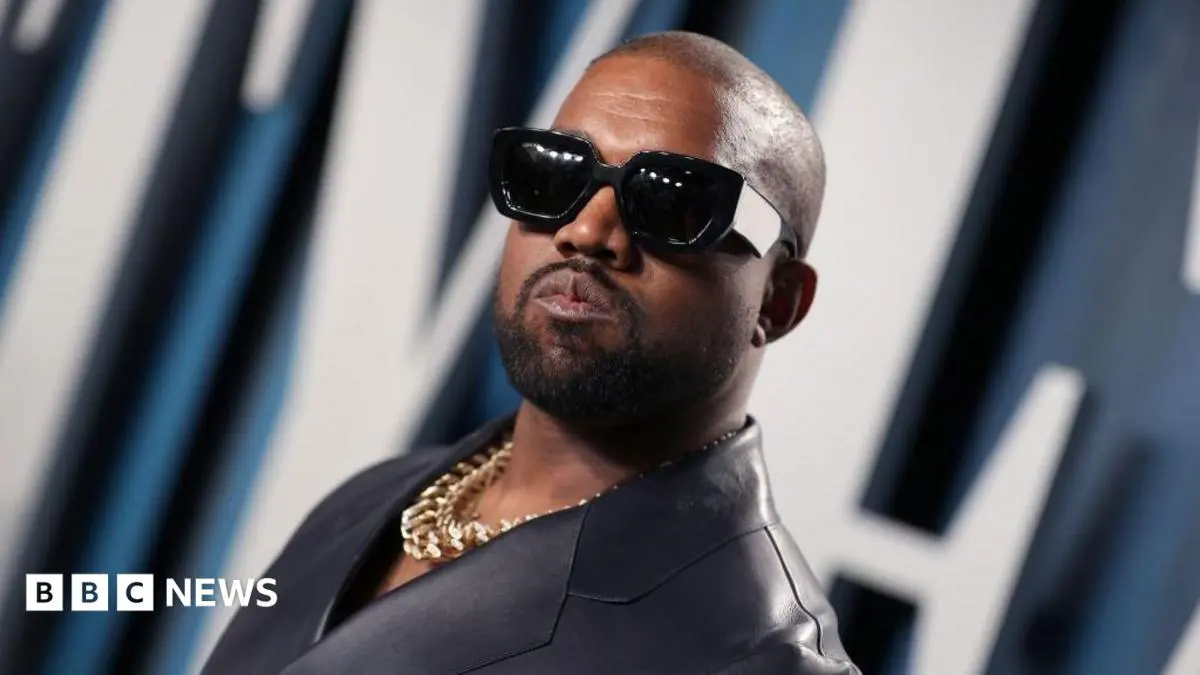
In an abrupt reversal that has sent shockwaves through the international entertainment industry and the Russian cultural landscape alike, St. Petersburg’s Gazprom Arena has announced the cancellation of two upcoming concerts by the American rapper Ye, formerly known as Kanye West. The high-profile events, initially scheduled for October 10 and 11, were poised to mark a monumental milestone: Ye would have become the first major Western musical performer to host a concert in the Russian Federation since the country’s full-scale invasion of Ukraine in February 2022.
The canceled performances were intended to serve as a pivotal chapter in the embattled artist’s ongoing efforts to rehabilitate his public image and rebuild his international touring footprint following years of catastrophic professional fallout driven by antisemitic hate speech, erratic behavior, and offensive public outbursts. However, the commercial and geopolitical tightrope of bringing one of American music’s most volatile figures to a nation isolated by Western sanctions proved insurmountable.
Gazprom Arena’s stunning announcement—disseminated via social media—asserted that no formal rental agreement had ever been executed between the venue and the concert’s organizers. Consequently, the stadium administration declared that the events could not proceed on its grounds. The venue acknowledged receipt of a barrage of public complaints regarding the booking, though it sought to distance itself from the controversy by insisting it bore no responsibility for originating the concert schedule.
Conversely, the Moscow-based promotion firm responsible for the venture, Say Agency, has pushed back aggressively, claiming it learned of the cancellation simultaneously with the general public through media reports. While the contractual standoff between the venue and the promoters threatens to drag on through legal and corporate channels, the broader implications of this collapse extend far beyond a standard tour cancelation. This incident exposes the fragile intersection of Russian domestic politics, nationalist sentiment, Western cultural hegemony, and the monumental public relations liabilities associated with an artist attempting to stage a global comeback in the shadow of hate-speech scandals.
Detailed Chronology of a Collapsing Deal
The unraveling of Ye’s historic Russian booking is a masterclass in corporate miscommunication, conflicting public relations strategies, and high-stakes maneuvering between promoters and venue management. The timeline leading up to the cancellation highlights deep fractures in how the venture was approved, marketed, and ultimately scuttled.
Early October 2024: The Unveiling and Institutional Enthusiasm
The genesis of the scheduled St. Petersburg shows appeared, at least initially, to have the tacit backing of major Russian cultural infrastructure. Organizers at Say Agency secured what they described as an official, approved clearance letter from the Gazprom Arena administration earlier in the month. Emboldened by this institutional green light, the promotional firm moved forward with a massive marketing push.
Remarkably, just one week prior to the cancellation announcement, the official social media channels of the Gazprom Arena hummed with excitement over the impending arrival of the American icon. In a series of promotional posts that stunned international observers, the stadium publicly lauded Ye as "the most influential musical artist of our time." For a brief window, it seemed that bureaucratic hurdles had been cleared and that the path was open for a blockbuster international event that would bypass Western cultural blockades.
Mid-October 2024: Public Backlash and the Sudden Pivot
As news of the sold-out concerts—slated for October 10 and 11—spread globally and domestically, the political and social backlash intensified. Conservative factions, nationalist politicians, and concerned citizens began bombarding Gazprom Arena’s customer service and public relations channels with angry complaints. The grievances focused both on Ye’s checkered past and the jarring optics of hosting a premier American celebrity while Russia remained heavily sanctioned by the West.
Sensing a rapidly deteriorating public relations crisis, the stadium’s executive leadership executed a sudden about-face. On social media, Gazprom Arena dropped its enthusiastic endorsement, stating unequivocally that no final rental agreement had been signed. "Accordingly, the concert cannot take place on our site," the stadium declared, explicitly noting that it had received numerous complaints regarding the booking while stressing that it "was not and is not" responsible for orchestrating the performance.
The Promoters Fight Back
The stadium’s unilateral withdrawal caught Say Agency entirely off guard. Taking to their official Telegram channel, representatives for the Moscow-based firm expressed stunned disbelief.
"We learned about [the cancellation] at the same time as you did, through the media," Say Agency wrote in an initial dispatch. "As of now, the Ye concert has not been canceled. We are trying to contact the venue to find out the reason for the post and resolve the issue. We will keep you updated."
In subsequent statements, Say Agency elaborated on the contractual status of the booking. The promoters admitted that while the formal rental agreement had not yet been signed, the deadline for final execution did not expire until later in the week. They argued that their public announcement of the concerts earlier in the month had been entirely legitimate, resting securely on the foundation of the official approval letter greenlit by Gazprom Arena weeks prior.
As of this writing, the legal and logistical standoff continues, with Ye’s publicist in the West remaining tight-lipped and international media scrambling to determine whether Say Agency can salvage the dates at an alternative venue within the Russian Federation or if the entire venture is dead in the water.
Supporting Context & Metrics: The Anatomy of a PR Disaster
To fully grasp why Gazprom Arena ultimately balked at hosting Ye, one must examine the staggering scale of his reputational implosion over the past two years, as well as the unique geopolitical climate of contemporary Russia.
The Descent Into Hate Speech
Ye’s modern crisis began in earnest in late 2022, when he unleashed a torrent of antisemitic remarks across various social media platforms. The fallout was swift and catastrophic: his accounts were suspended, and blue-chip fashion houses and corporate partners—including Adidas, Balenciaga, and Gap—severed multi-million-dollar ties with the rapper, stripping him of his billionaire status.
The rhetoric escalated rather than subsided. In subsequent interviews and public appearances, the musician doubled down, culminating in declarations where he praised Adolf Hitler, released a track entitled "Heil Hitler," and briefly permitted the merchandising of garments featuring swastikas.
The Apology and the Controversy of Timing
In January of this year, Ye launched a concerted effort to cleanse his public record. He purchased a full-page advertisement in the Wall Street Journal to issue a sweeping, public apology.
"I am not a Nazi or an antisemite," the advertisement read.
Reflecting on what he termed a "four-month-long manic episode of psychotic, paranoid and impulsive behaviour," Ye expressed deep mortification over his actions. He attributed his conduct to his diagnosed bipolar disorder, noting the insidious nature of the condition: "You’re manic [and] you don’t think you’re sick."
However, media analysts and watchdog groups immediately questioned the authenticity and timing of the apology. The statement coincided precisely with the rollout of a new studio album, Bully, and the commencement of a global concert tour designed to test international waters.
Global Pushback and Canceled Tours
While Ye managed to execute his first major U.S. concert in over five years in Los Angeles this April, his international reception has been uniformly hostile. Planned stops across Western Europe—including England, France, Italy, and Poland—were systematically canceled by venue operators and municipal authorities who refused to host an artist tainted by unrepented hate speech.
Faced with mounting closures in the West, Ye’s team pivoted eastward, seeking audiences in regions less tethered to Western corporate cancel culture. Yet, as the St. Petersburg debacle proves, the toxic weight of his brand has begun to transcend geopolitical boundaries, alienating even those institutions that might otherwise welcome a high-profile Western defection from the cultural embargo.
Official Statements and Local Reactions
The cancellation has ignited a fierce public debate across Russian media channels, pitting nationalist politicians against pragmatic concert promoters who believe art should transcend political friction.
The Nationalist Backlash
While there is no verifiable evidence that direct orders from the Kremlin forced Gazprom Arena’s hand, conservative political figures made their opposition to the concert abundantly clear. Vitaly Milonov, a notoriously conservative Russian lawmaker known for his staunch anti-Western rhetoric, voiced strong objections to the booking, suggesting that if the American rapper was permitted to perform at all, his setlist should be drastically overhauled.
"Maybe after this he’ll stop his disgusting antics and become a normal person," Milonov remarked in a blistering video statement, proposing that Ye perform traditional Russian folk songs rather than his standard, boundary-pushing American catalog. Milonov’s comments encapsulated the deep ambivalence within nationalist circles: a simultaneous desire to consume Western pop culture icons as a validation of Russian openness, paired with an intense moralistic urge to police foreign visitors.
Say Agency’s Defiant Defense
In the face of mounting external pressure and corporate abandonment, Say Agency doubled down on its artistic justification for bringing Ye to Russia. In a detailed Telegram post published last week, the agency directly addressed the cloud of controversy surrounding the star:
"Not everything Kanye West said should be forgotten," the agency argued. "Many people are talking about Kanye today. Many are trying to criticise him for words spoken during difficult times. But it’s easy to judge based on a single statement. It’s more difficult to listen to a person who has been changing the industry for decades. We listened, and we want to remind you."
Fan Disappointment
On the ground, the reaction from Russian fans has been a mixture of heartbreak and cynicism directed at bureaucratic interference. Underneath Say Agency’s Telegram updates, disappointed ticket holders vented their frustrations.
"This was the shortest concert of my life," one fan lamented, mourning the premature death of the event.
"It’s a shame that the government is putting obstacles in your way," another added, reflecting a common public sentiment that invisible bureaucratic and political forces ultimately torpedoed what would have been a landmark cultural event for St. Petersburg.
Future Outlook: What Lies Ahead for Ye’s International Tour?
The aborted St. Petersburg venture casts a long, uncertain shadow over Ye’s ongoing attempts to mount a global comeback. The ramifications of the Gazprom Arena cancelation are multifaceted and carry profound implications for the artist’s career trajectory:
- Tour Viability in Non-Western Markets: If a major arena in Russia—a nation actively seeking to thumb its nose at Western cultural boycotts—ultimately rejected Ye due to public relations toxicity and contractual friction, it signals that his path forward in other international markets will be extraordinarily narrow. Promoters globally will view booking the rapper as an extreme institutional liability.
- Legal and Financial Fallout: The standoff between Say Agency and Gazprom Arena is unlikely to vanish quietly. With thousands of tickets sold and substantial capital already deployed for logistics, staging, and marketing, civil litigation or corporate arbitration over breach of contract and reputational damages remains a distinct possibility.
- The Limits of Rehabilitation: Ye’s Wall Street Journal apology and his framing of his offensive behavior as a manic episode driven by bipolar disorder have clearly failed to inoculate him against the consequences of his actions. As long as venues fear massive public blowback, protests, and administrative intervention, the music mogul will find himself increasingly confined to friendly or unverified territories, struggling to reclaim his once-unassailable throne at the apex of global pop culture.
For now, Ye’s camp remains officially silent, leaving millions of fans and industry watchers waiting to see whether the self-proclaimed musical genius can rescue his Russian tour from the brink of total collapse, or if St. Petersburg will stand as a monument to the enduring cost of hate speech in the modern global economy.