Executive Overview
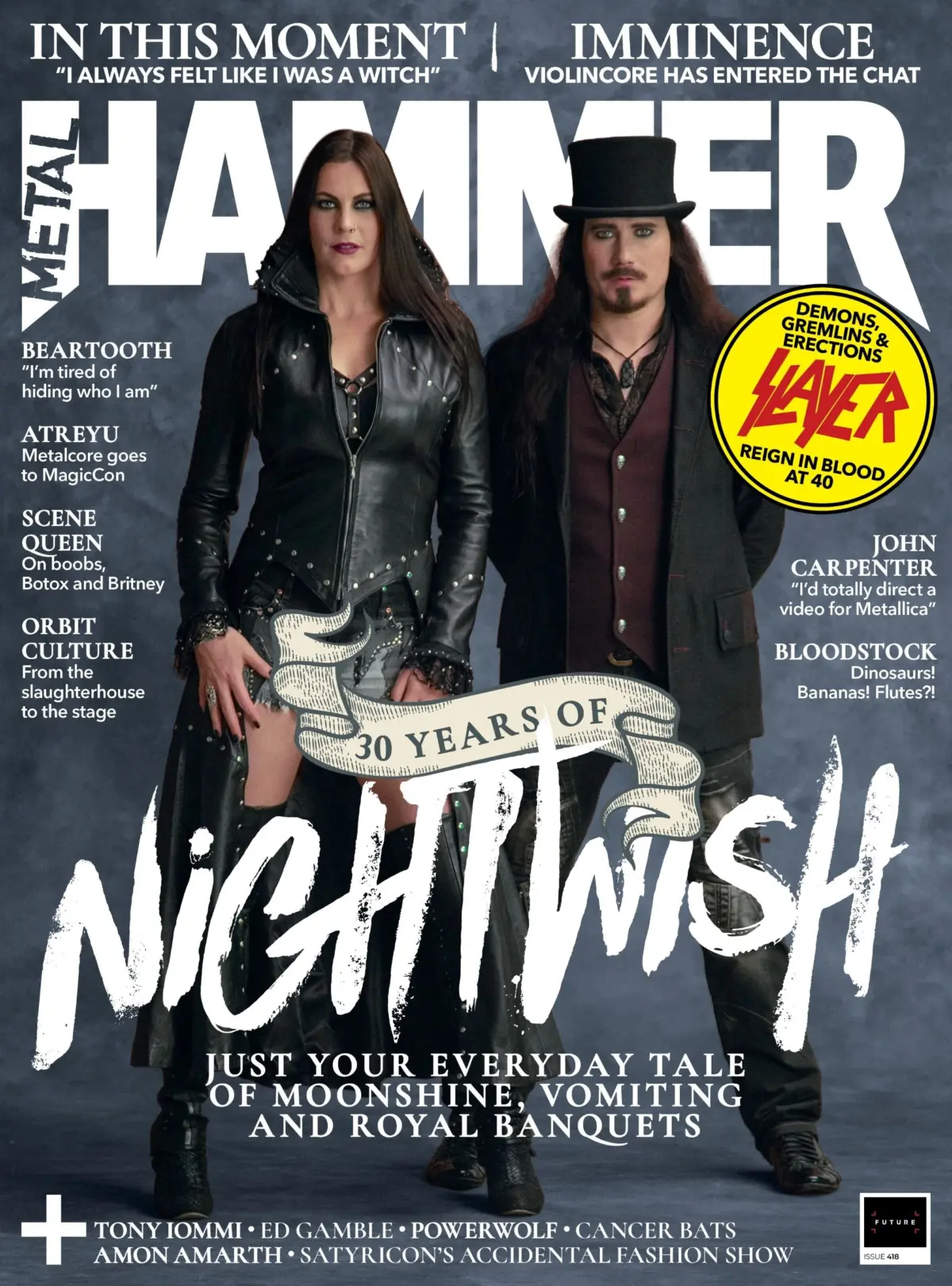
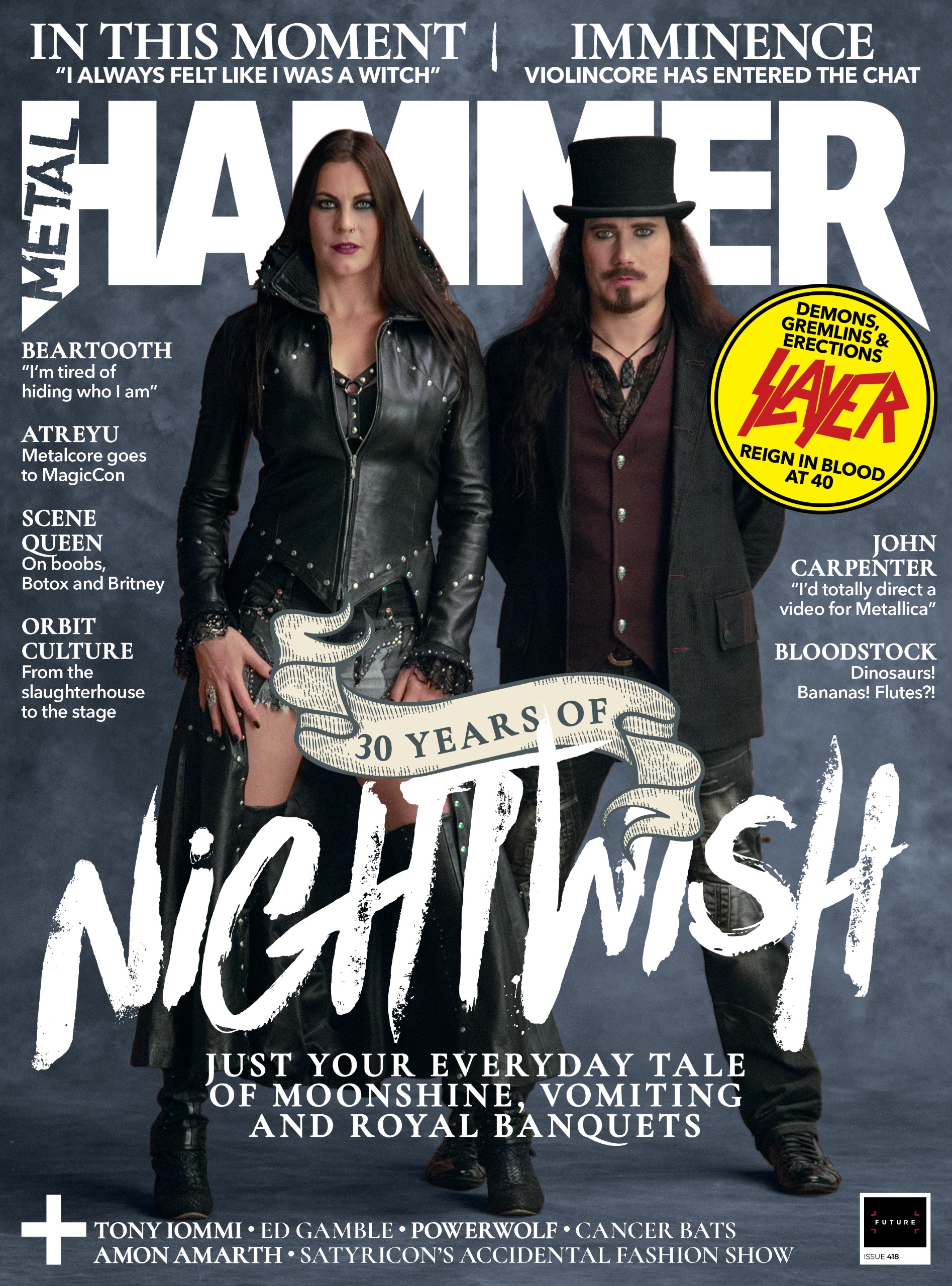
The global heavy music landscape continues to demonstrate remarkable artistic durability and stylistic diversification, driven by the legacy of foundational acts alongside a new wave of genre-defying artists. At the epicenter of this ongoing evolution is the Finnish symphonic metal flagship Nightwish, currently celebrating three decades of international prominence. Founded in the small, rural municipality of Kitee, Finland, Nightwish transformed from an experimental acoustic project into one of Europe’s highest-grossing heavy metal exports, bridging classical orchestration with heavy guitar riffs.
A comprehensive critical review of contemporary heavy music—as highlighted in recent industry retrospectives and primary feature accounts published by Metal Hammer (Issue 418)—reveals a genre undergoing profound cultural, thematic, and economic shifts. From the historical origins of symphonic metal in Scandinavian provincial towns to extreme thrash metal’s legacy via Slayer’s landmark 1986 album Reign in Blood, the heavy music industry exhibits a dual commitment to preserving legacy history while embracing disruptive micro-genres such as "violincore" and "bimbocore."
This report provides an authoritative analysis of these structural shifts, examining key artistic milestones, primary accounts from seminal figures such as Tuomas Holopainen and Maria Brink, key industry metrics, and the broader trajectory of heavy music across international markets.
Detailed Chronology: From Kitee’s Moonshine Roots to Global Arena Dominance
[1986] ─────────────────── Slayer releases "Reign in Blood", establishing extreme thrash metal benchmarks.
[1996] ─────────────────── Tuomas Holopainen conceives Nightwish around a campfire in Kitee, Finland.
[Late 1997] ────────────── Nightwish releases debut album "Angels Fall First" (Reaches No. 5 in Finland).
[Dec 31, 1997] ─────────── Nightwish performs its first live concert at a local Kitee studio.
[2000s–2010s] ─────────── International expansion, high-profile vocalist transitions, world tours, and royal banquets.
[Present Era] ──────────── Nightwish marks 30th Anniversary; inauguration of the Nightwish Museum in Kitee.
The Origins and Development of Nightwish (1996–Present)
Nightwish was conceived in July 1996 by keyboardist and principal songwriter Tuomas Holopainen in Kitee, a small eastern Finnish town traditionally known for its birch forests, moonshine production, and local sports clubs. Holopainen’s initial concept focused on atmospheric, acoustic music, but quickly morphed into a dramatic fusion of operatic vocals, heavy metal power riffs, and cinematic orchestral arrangements.
In late 1997, the group released its debut studio album, Angels Fall First. Despite minimal mainstream press infrastructure at the time, the record rapidly resonated with domestic audiences, entering the official Finnish Albums Chart at No. 5. This rapid commercial success forced the band to transition immediately from a studio project into a live touring unit.
Nightwish’s maiden live performance took place on New Year’s Eve, December 31, 1997, inside a local recording studio in Kitee. The intense psychological pressure of premiering a highly personal compositional style provoked severe anxiety in Holopainen, setting the stage for a career marked by relentless artistic perfectionism, frequent lineup restructurings—including controversial lead vocalist replacements across three eras (Tarja Turunen, Anette Olzon, and Floor Jansen)—and eventual international critical acclaim that led to performances at state banquets and major arena tours.
Historical Milestones in Extreme Metal Strategy
Parallel to the evolution of symphonic metal, extreme metal reached its foundational maturity during the mid-to-late 1980s. Key among these milestones was the production and distribution of Slayer’s 1986 opus Reign in Blood. Produced by Rick Rubin, the album established a definitive blueprint for thrash metal through unprecedented tempo compression, violent lyricism, and relentless audio engineering, serving as a historic counterpoint to the orchestral metal movements that emerged in Northern Europe a decade later.
Supporting Context & Industry Metrics
The contemporary heavy music industry operates across diverse commercial and cultural touchpoints, ranging from specialized regional museums to non-traditional cross-media promotional avenues.
Commercial Realities and Regional Infrastructure
The creation of the dedicated Nightwish Museum in Kitee, Finland—the only museum of its kind dedicated exclusively to a active symphonic metal group—underscores the socio-economic impact of heavy music tourism in the Nordic countries. In Finland, heavy metal has long enjoyed mainstream cultural legitimacy, contributing directly to regional economies through international fan pilgrimage, archival preservation, and cultural export subsidies.
| Artist / Focus | Subgenre / Category | Key Milestone / Metric | Cultural / Economic Impact |
|---|---|---|---|
| Nightwish | Symphonic Metal | Debut Angels Fall First charted at No. 5 (Finland, 1997) | Established dedicated tourist museum in Kitee; international arena draw. |
| Slayer | Thrash Metal | 1986 release of Reign in Blood | Standardized extreme metal sound design and production dynamics globally. |
| Orbit Culture | Modern Groove/Melodic Death | Frontman transition from slaughterhouse labor to international touring | Represents working-class mobility within the modern European metal ecosystem. |
| Imminence | Metalcore / Violincore | Integration of classical violin into post-hardcore structures | Pioneered new instrumental micro-genre ("violincore") targeting streaming demographics. |
| Scene Queen | Bimbocore / Satirical Metal | Social media-driven subgenre development | Broadened metal demographics through hyper-pop and feminist thematic satire. |
Demographic Diversification and Cross-Industry Integration
Modern metal acts are increasingly utilizing non-conventional platforms to expand their audience base beyond traditional venue circuits:
- Geek Culture Crossovers: American metalcore outfit Atreyu recently anchored live performances at Amsterdam’s MagiCon, an international convention centered around the collectible card game Magic: The Gathering. This intersection demonstrates growing commercial alignment between heavy music subcultures and tabletop gaming markets.
- High Fashion Collaborations: Norwegian black metal pioneers Satyricon expanded the boundaries of traditional metal staging by providing live musical performance scoring for high-fashion runway shows, illustrating the genre’s ongoing integration into elite art and design spaces.
- Alternative Subgenres: Swedish group Imminence engineered a fusion of classical string arrangements and modern metalcore, coining the term violincore. Similarly, artist Scene Queen pioneered bimbocore, combining heavy breakdown structures with hyper-pop aesthetics, targeting younger, digital-native demographics on platforms such as TikTok.
Official Statements and Primary Accounts
In direct candid testimony gathered during recent retrospectives, prominent artists across the heavy music spectrum offered key insights into their creative processes, stage fright, identity struggles, and artistic ambitions.
Tuomas Holopainen on Early Vulnerability and Stage Fright
Reflecting on Nightwish’s inaugural performance on December 31, 1997, founder and main composer Tuomas Holopainen recounted the severe physical and psychological toll of stepping into the public eye with his personal compositions:
"I was so scared I thought I was going to die. I think I vomited before the show. I’d played shows before, but I was just the keyboardist in those bands, I wasn’t responsible for those songs. Nightwish was my baby, I was like, ‘I can’t fucking do this!’"
Holopainen’s account highlights the distinct emotional weight carried by primary songwriters navigating the transition from isolated creative environments to public scrutiny.
+-------------------------------------------------------------------+
|                  PRIMARY ARTIST TESTIMONIALS                     |
+-------------------------------------------------------------------+
| "I was so scared I thought I was going to die. Nightwish was my  |
|  baby..."                                                         |
|  — Tuomas Holopainen (Nightwish)                                  |
+-------------------------------------------------------------------+
| "Moving to Los Angeles at 25 as a young mother was a necessity to |
|  carve out an uncompromising artistic path."                      |
|  — Maria Brink (In This Moment)                                   |
+-------------------------------------------------------------------+
| "Living authentically requires absolute honesty with your core    |
|  audience."                                                       |
|  — Caleb Shomo (Beartooth)                                        |
+-------------------------------------------------------------------+
Maria Brink on Resilience and Spiritual Identity
In a wide-ranging retrospective on her life and career, In This Moment vocalist Maria Brink detailed her early struggles as a teenage mother, her decision to relocate to Los Angeles at age 25 to pursue a professional career in heavy music, and her long-standing affinity for alternative spiritual identity:
Brink highlighted how navigating early parental responsibilities while seeking entry into a male-dominated industry shaped her dramatic, theatrical stage persona. She noted that embracing her personal belief systems and feeling aligned with modern spiritual countercultures ("feeling like a witch") allowed her to build one of the most visually distinctive live acts in contemporary American rock.
Caleb Shomo on Authenticity and Public Identity
Beartooth mastermind Caleb Shomo addressed his ongoing commitment to transparency, discussing the personal and professional impact of coming out to his fan base via social media. Shomo emphasized that stepping into his authentic self was vital not only for his personal mental health, but also for maintaining creative integrity within a band built on raw emotional honesty.
Further Notable Perspectives
- John Carpenter (Director/Composer): The legendary horror filmmaker confirmed his standing interest in crossing over into heavy metal visual media, expressing a strong desire to direct an official music video for thrash metal icons Metallica.
- Niklas Karlsson (Orbit Culture): The frontman detailed his swift transition from working shifts in a slaughterhouse to performing on major European festival stages, describing how physical labor influenced his aggressive rhythm guitar work.
- Tony Iommi (Black Sabbath): The pioneering guitarist offered technical insights into the creative process behind his first solo release in two decades, emphasizing the importance of riff structure in preserving heavy metal’s core identity.
Future Outlook: Subgenre Hybridization and Sector Longevity
The heavy music ecosystem is entering a critical transitional phase. As legacy acts from the 1970s and 1980s (such as Black Sabbath, Anthrax, and Slayer) face natural age-related retirements, the industry’s economic resilience relies heavily on middle-tier heritage acts reaching 30-year milestones (Nightwish) alongside innovative micro-genre pioneers.
Key Drivers of Sector Growth
- Iterative Micro-Genres: The success of acts like Imminence (violincore) and Scene Queen (bimbocore) indicates that heavy music’s future expansion depends on breaking traditional aesthetic boundaries. By integrating classical instruments, digital hyper-pop production, and internet satire, modern acts are securing new audiences without sacrificing heavy musical elements.
- Cross-Media Branding: Collaborations between metal artists and peripheral entertainment industries—such as gaming conventions, cinematic scoring, and high-fashion runways—are providing essential revenue diversification in a streaming-dominated economy.
- Festival Infrastructure Resilience: The continued success of specialized independent festivals, such as Britain’s Bloodstock Open Air, demonstrates strong consumer demand for live heavy music experiences, acting as a crucial incubator for rising underground bands transitioning into global festival headliners.
Strategic Conclusion
As Nightwish celebrates 30 years of operation, their journey from a small studio in Kitee to international critical acclaim illustrates the enduring power of thematic conviction in heavy music. Supported by a diverse ecosystem that spans thrash retrospectives, personal identity narratives, and digital-first subgenres, heavy metal continues to demonstrate exceptional adaptability, proving that its cultural and commercial footprint remains as strong as ever.