Executive Overview
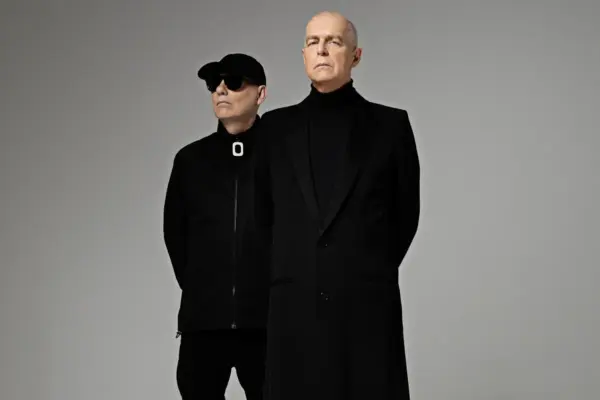
The landscape of early 2000s electronic music was defined by a collision of high art, subversive performance, and avant-garde fashion. At the epicentre of this cultural tremor stood Fischerspooner, the pioneering New York art-pop duo whose theatricality permanently warped the boundaries of popular music and live performance. Now, more than two decades after they first shocked and seduced the underground music scene, the duo has officially partnered with Demon Records for a comprehensive, career-spanning catalogue reissue campaign.
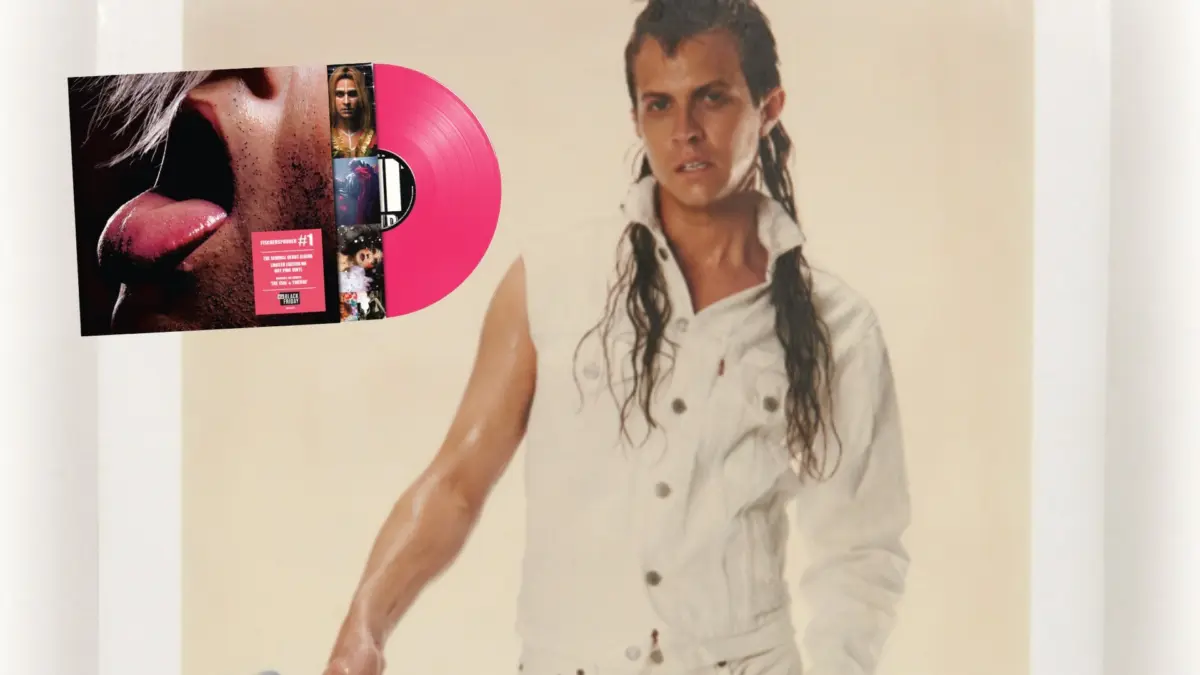
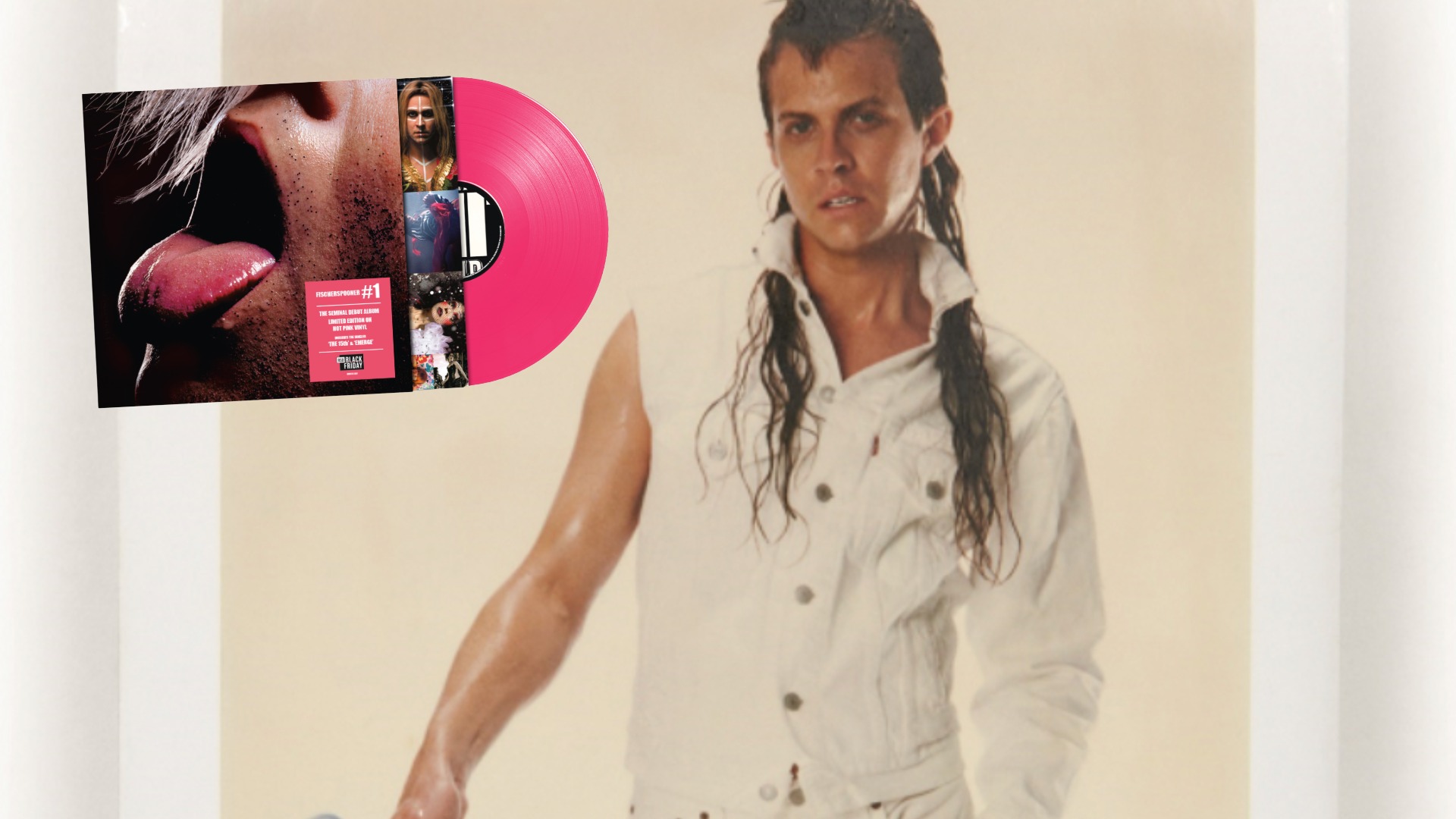
The initiative launches with a striking, limited-edition hot pink vinyl pressing of their landmark 2001 debut studio album, #1. Marking the record’s first official vinyl availability since its initial, highly sought-after pressings in the early 2000s, this collector’s item will drop on November 27 for Record Store Day Black Friday, available exclusively through participating independent record stores.
Beyond this initial offering, the multi-tiered campaign promises to unearth rare material, archival recordings, and visual ephemera, culminating in a definitive, comprehensive box-set scheduled for release in the spring of 2027. Founding members Warren Fischer and Casey Spooner have expressed profound enthusiasm for the project, viewing it not merely as a commercial venture, but as a vital archival preservation of a multimedia experiment that anticipated the aesthetic and performative anxieties of the digital age.
Detailed Chronology: From Lower East Side Art Project to Global Electroclash Icons
To understand the cultural weight of Fischerspooner’s catalogue being preserved, one must trace the winding, unorthodox trajectory of a project that was never just a band. Formed in New York City in 1998 by classically trained musician Warren Fischer and performance artist Casey Spooner, Fischerspooner began as an ephemeral underground art installation rather than a traditional musical act.
The Genesis: Lower East Side Experiments (1998–2000)
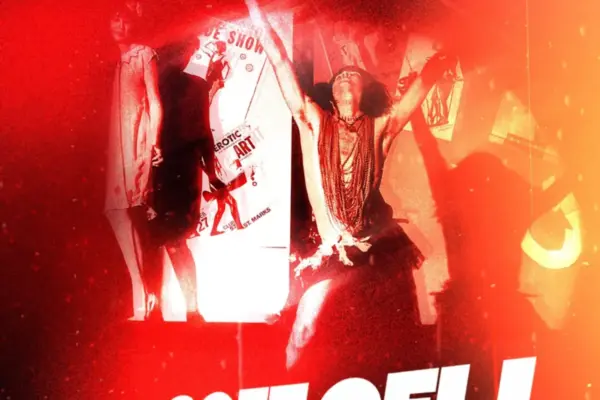
Emerging from the gritty, post-millennial Lower East Side art scene, Fischer and Spooner sought to dissect, parody, and elevate the mechanisms of modern entertainment. Their early shows were less rock concerts and more Dadaist theatre pieces—incorporating massive casts of dancers, elaborate costume changes, surrealist video backdrops, and tongue-in-cheek choreography. They treated electronic pop music as raw material, a vehicle to explore consumerism, celebrity culture, and the absurdity of pop stardom before social media algorithms even existed to codify those themes.
The Breakthrough and the Birth of Electroclash (2001–2003)
By 2001, the duo had synthesized their multimedia performance art into a cohesive recorded statement with the self-released album #1. Originally pressed in limited quantities, the record quickly became an underground sensation. It was spearheaded by the hypnotic, driving single "Emerge," a track that paired deadpan, spoken-word-style vocals with pulsating, retro-futuristic synthesizer lines.
"Emerge" became the unofficial anthem of the burgeoning electroclash movement—a micro-genre that fused 1980s synth-pop, new wave, and electro with the gritty, ironic sensibilities of 21st-century indie sleaze and New York art-world cool. As the single gained traction across European and American clubs, major labels took notice. Fischerspooner signed a high-profile major-label deal with Capitol Records, which re-released #1 in 2003 to international acclaim, transforming the art-project-turned-band into global festival headliners and fashion week fixtures.
Evolution, Remixes, and Multimedia Expansion (2004–2018)
Throughout the 2000s and 2010s, Fischerspooner continuously pushed the boundaries of their sonic and visual identity. Their sophomore studio album, Odyssey (2005), leaned further into organic instrumentation, sophisticated pop structures, and collaborations with R.E.M. frontman Michael Stipe. They followed this with Entertainment (2009) and the critically lauded SIR (2018)—the latter executive produced by close collaborator Michael Stipe and featuring lush, queer-positive art-pop production that explored heartbreak and desire.
Simultaneously, the duo established themselves as elite remixers. Their distinct production touch—transforming tracks into cinematic, dancefloor-ready monoliths—was enlisted by some of the biggest names in pop and rock, including Kylie Minogue, The Killers, Daft Punk, and The Chemical Brothers. Despite their commercial and critical milestones, much of their early catalog fell out of physical print, turning original vinyl pressings of #1 into holy grails for collectors on Discogs and secondary markets.
Supporting Context & Metrics: The Reissue Landscape and Cultural Legacy
The announcement of the Demon Records partnership arrives at a time of profound cultural reappraisal for the music of the early 2000s. As generation-defining subcultures like indie sleaze and electroclash experience a massive resurgence among Gen Z and millennial music consumers, the demand for physical artifacts of that era has skyrocketed.
The Vinyl Renaissance Meets Record Store Day
Vinyl record sales have continued to break modern economic records, with independent record stores acting as the cultural cathedrals of this physical media revival. By choosing a Record Store Day Black Friday window for the hot pink vinyl edition of #1, Demon Records and Fischerspooner are leaning directly into this ecosystem. Limited-edition color pressings tied to specific cultural milestones routinely command high secondary market values and drive foot traffic to brick-and-mortar stores, ensuring that physical music discovery remains a tactile, community-driven experience.
Archival Scope and the 2027 Box-Set
While the hot pink vinyl of #1 serves as the glamorous opening salvo, the true jewel of the campaign is the comprehensive box-set slated for the spring of 2027. According to statements from the camp, this multi-disc collection will not merely compile the studio albums. It is expected to draw heavily from the duo’s vast, largely unseen multimedia archive—including:
- Early demo cassette tapes and unreleased club mixes from their 1998–2000 Lower East Side era.
- Rare video documentation of their seminal, early performance-art theater pieces.
- Photographic prints, manifestos, and zines detailing the aesthetic philosophy of the Fischerspooner project.
- Expanded liner notes featuring essays contextualizing the electroclash movement within modern art history.
This archival rigor elevates the campaign from a standard nostalgia cash-in to a legitimate cultural preservation project, ensuring that the ephemeral nature of performance art is permanently locked into music history.
Official Statements: The Artists Reflect on a 25-Year Legacy
The partnership with Demon Records has afforded both Warren Fischer and Casey Spooner an opportunity to reflect on a quarter-century of creative output, artistic evolution, and cultural subversion.
Reflecting on the inception of the project, classically-trained musician Warren Fischer highlights the experimental ethos that drove their early days:
"Fischerspooner started in 1998 as an experiment incorporating music, image, and performance to explore what entertainment was and could be. Sincere and absurd, I’m excited #1 is coming back on vinyl with Demon, so people can hear it again on its own terms, twenty-five years later."
Fischer’s emphasis on the dichotomy of being "sincere and absurd" encapsulates the paradox at the heart of Fischerspooner’s music. They utilized the polished machinery of pop music to critique the very industry they were infiltrating, wrapping biting social commentary in neon aesthetics and infectious synthesizer hooks.
Performance artist Casey Spooner, known for his commanding, theatrical stage presence and avant-garde fashion statements, emphasizes the emotional and historical weight of seeing their life’s work cataloged:
"It’s exciting that all our creative work and history is being carefully preserved. To have all these ideas gathered in one place and properly archived is a huge gift. There’s so much more that hasn’t been seen and amazing stories yet to be told."
Spooner’s remarks hint at the vast treasure trove of unreleased visual and sonic material currently being cataloged for the 2027 box set. For an act whose identity was defined as much by visual presentation, costume design, and conceptual provocation as by audio, the systematic archiving of their history represents a monumental milestone.
Future Outlook: What Lies Ahead for Fischerspooner and Their Fans
As the music world prepares for the November 27 release of #1 on hot pink vinyl, the implications of this reissue campaign extend far beyond a single holiday shopping season.
- Reintroducing a Masterpiece to a New Generation: Younger listeners, accustomed to genre-fluid electronic music and hyper-stylized internet aesthetics, will find a clear ancestor in Fischerspooner. The release allows a new generation to experience #1 on high-fidelity vinyl, appreciating tracks like "Emerge," "Sweet Revenge," and "Rhins Theme" outside the confines of compressed YouTube streams or low-bitrate MP3s.
- Solidifying Art-Pop History: By partnering with an established reissue specialist like Demon Records, Fischerspooner is securing its permanent place in the academic and cultural canon of electronic music. They join the ranks of pioneering electronic acts whose catalogs are treated with archival reverence.
- The Road to Spring 2027: Over the next couple of years, fans can anticipate a rolling campaign of digital rarities, music video restorations, and promotional announcements leading up to the release of the definitive box set. This extended rollout will undoubtedly spark renewed interest in the duo’s broader cultural footprint, potentially inspiring academic panels, retrospective art gallery exhibitions, and perhaps even specialized live events celebrating the anniversary of their debut.
Ultimately, the resurrection of Fischerspooner’s catalog proves that true artistic vision transcends its time. What began as an ironic, absurdist art experiment on the Lower East Side in 1998 has proven to be enduringly prophetic. As #1 spins onto turntables this November, it will do so not as a relic of the past, but as a vibrant reminder of a time when pop music dared to be deeply weird, fiercely intellectual, and radically entertaining.