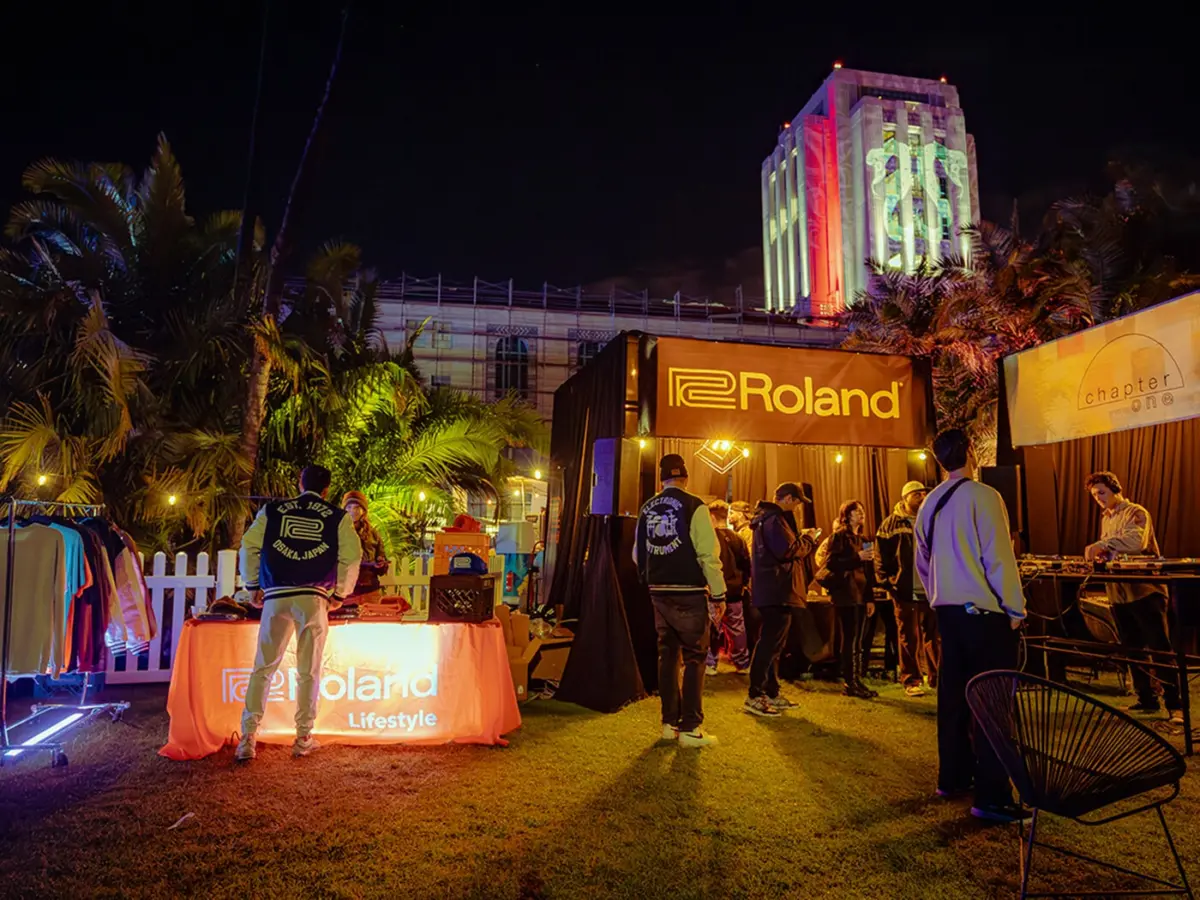
Amidst the sun-drenched concrete and palm trees of San Diego’s Waterfront Park, the bi-annual CRSSD Festival serves up a sensory overload of deep house, techno, and live electronic acts. Temperatures routinely hover around a punishing 32°C (90°F), drawing out a sea of festival-goers outfitted in tank tops, vibrant sunglasses, and ice-cold brews. Yet, tucked away from the main stages lies a destination that defies conventional festival instincts: a dimly lit black tent humming with the hypnotic frequencies of hardware synthesizers, glowing computer screens, and punchy drum machines.
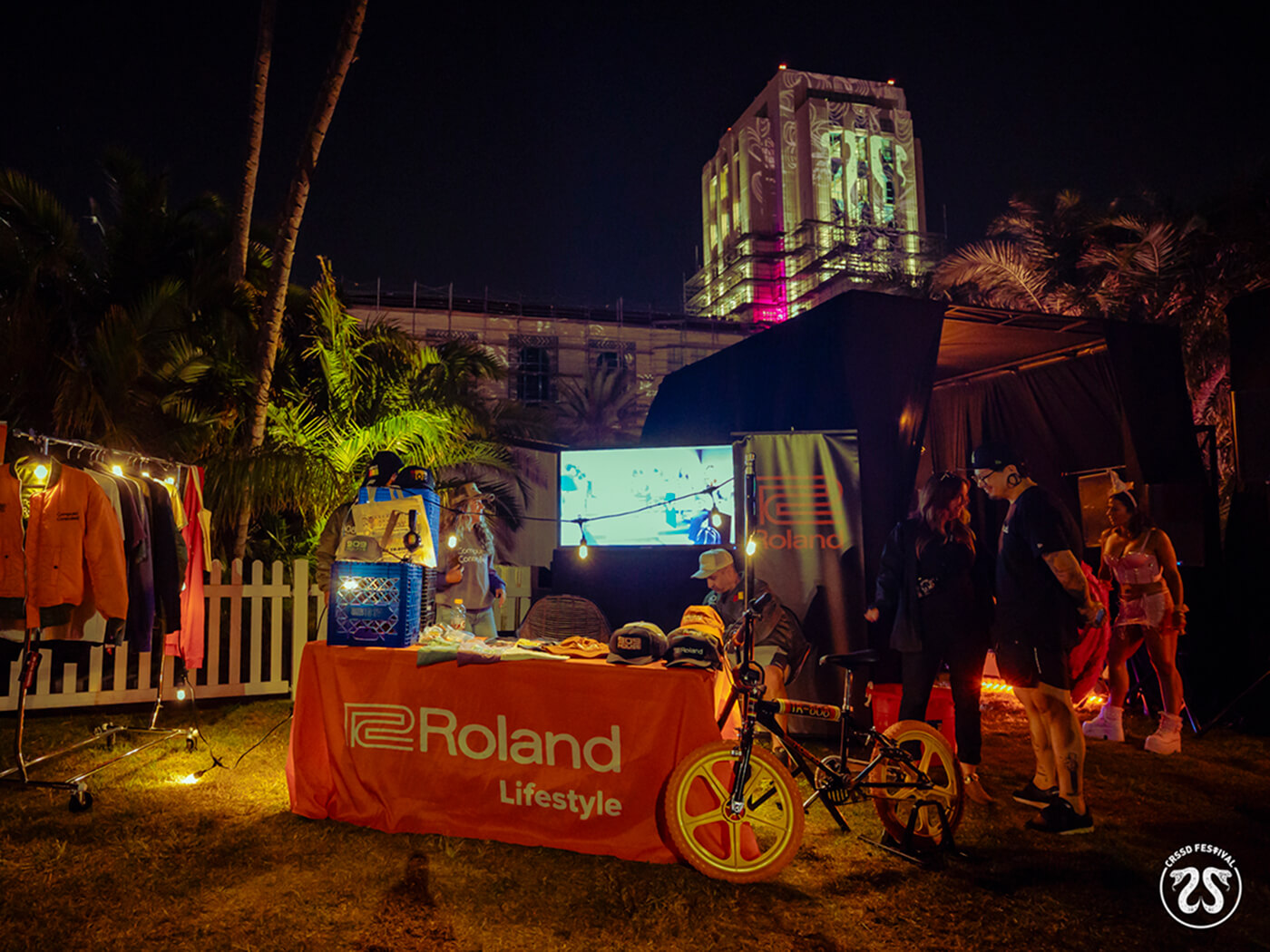
This is the CRSSD Lab—a staple fixture of the festival landscape for over eight years. For seasoned producers and curious onlookers alike, the Lab provides a vital, tactile counter-narrative to the passive consumption typically associated with massive electronic music events. Here, industry heavyweights like Roland and independent L.A.-based record store Chapter One set up shop, offering an immersive oasis where festival patrons can swap the dancefloor for a mixing desk.
While major music technology brands often rely on glossy digital ad campaigns and remote influencer marketing, Roland and Chapter One are taking a radically grounded approach. By embedding themselves directly within the festival’s sweaty, high-energy ecosystem, they are breaking down the intimidation barriers of music production and vinyl culture. Through face-to-face interactions, hands-on masterclasses, and an environment that prioritizes accessibility over ego, these brands are proving that the line between consumer and creator is far thinner than many realize.
Detailed Chronology: The Evolution of the CRSSD Lab Experience
To understand the cultural and commercial significance of the CRSSD Lab, it is necessary to trace its footprint across the eight-year history of the festival. What began as a modest, experimental sideline activation has steadily evolved into a beating heart of community engagement.
The Early Years: Planting Seeds in Waterfront Park
When CRSSD Festival first launched at Waterfront Park, organizers sought to curate an event that mirrored the sophisticated tastes of underground electronic music enthusiasts. Recognizing that a significant percentage of attendees were aspiring DJs, bedroom producers, or avid crate-diggers, festival producers carved out a dedicated space for interactive learning.
In its infancy, the Lab was largely regarded as a novelty—a quiet zone where music tech enthusiasts could escape the bass-heavy onslaught of the ocean view stages. However, as electronic music production became more democratized through software and affordable hardware, the demand for physical interaction with gear surged. Roland recognized this cultural shift early on, establishing a semi-permanent footprint that prioritized live workshops, hardware demonstrations, and direct consumer feedback loops.
The Convergence of Gear and Wax
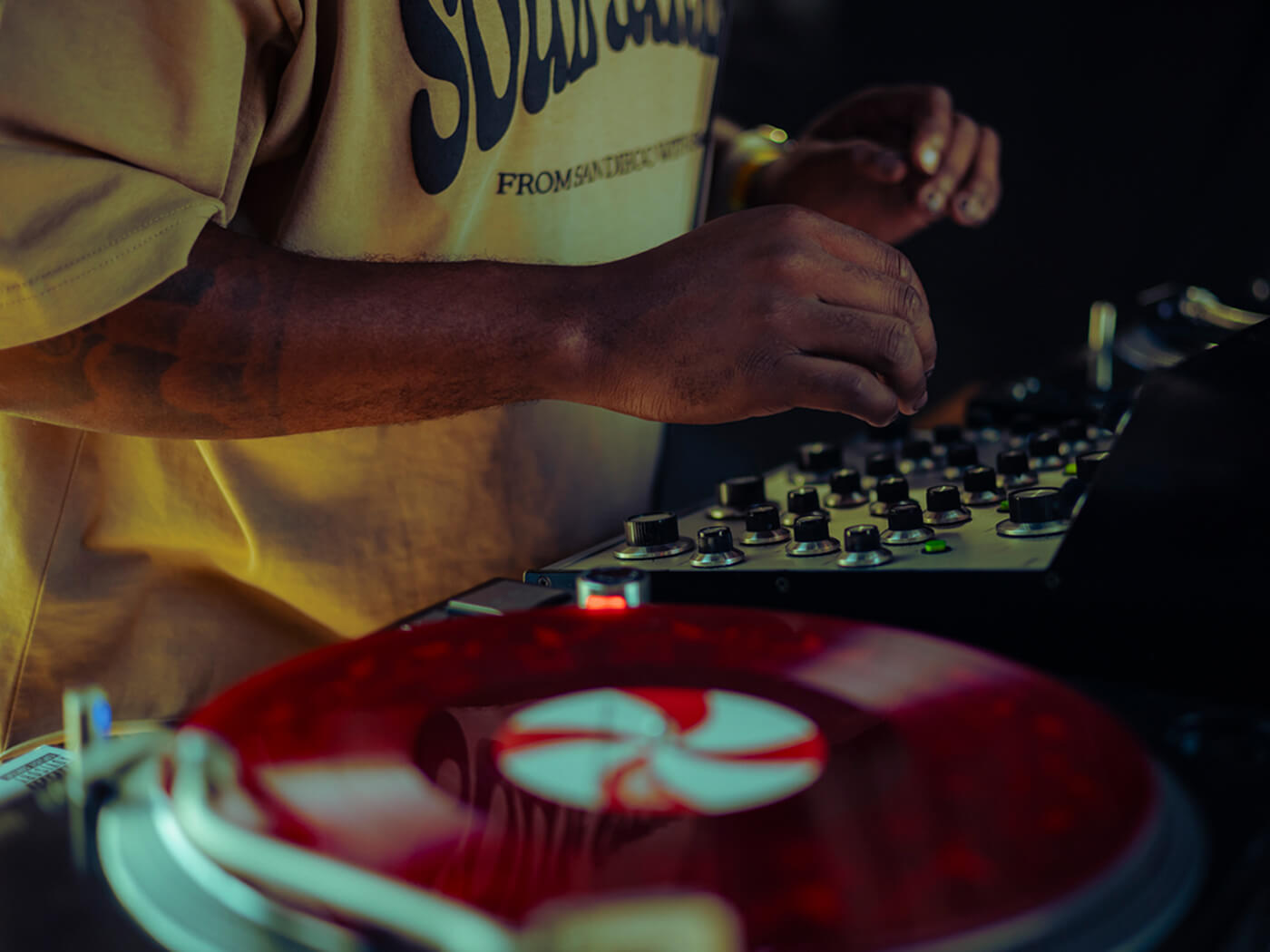
As the years progressed, the Lab expanded beyond purely digital and electronic hardware integration. The introduction of Chapter One Records transformed the space into a hybrid ecosystem where the creation of music (via Roland’s synthesizers and drum machines) met the physical artifact of its distribution (via vinyl records spun on Technics turntables).
By the late 2010s and early 2020s, the Lab format had been perfected. Roland brought its latest flagship instruments—ranging from the Juno-X synthesizer to advanced drum machines—while Chapter One established a thriving pop-up record store. Throughout the spring and fall editions of the festival, local DJs began performing intermittent sets inside the tent, bridging the gap between passive listening and active performance. Today, the CRSSD Lab is no longer just a brand activation zone; it is a fully realized cultural touchpoint that anchors the festival experience for thousands of weekend warriors.
Supporting Context & Metrics: The Anatomy of a Festival Activation
Operating a hardware and vinyl booth in the middle of a 32°C dance music festival comes with unique logistical hurdles, yet the metrics and operational successes speak for themselves.
Hardware Meets Software: The Setup
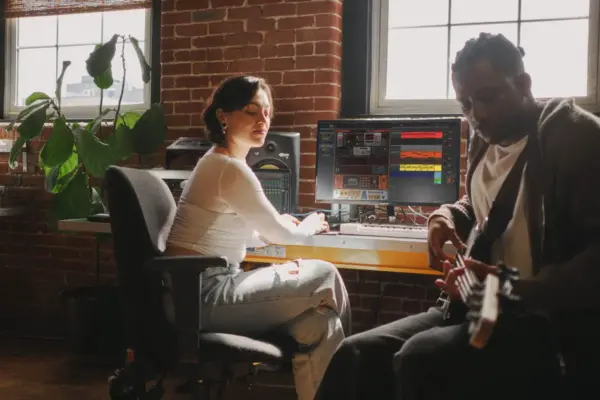
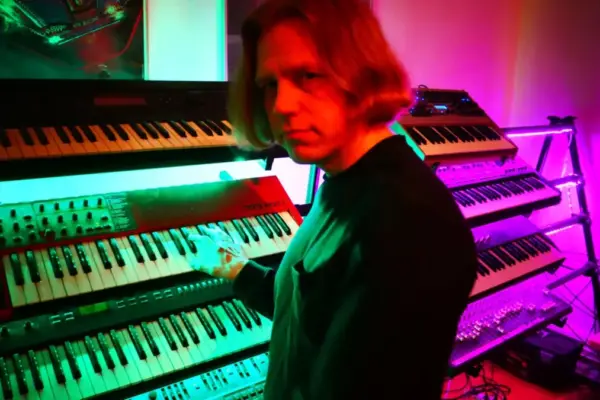
Stepping inside the Roland booth reveals a meticulously engineered audio network. Synthesizers, rhythm boxes, guitars, and external effects processors are hardwired directly into Ableton Live setups. The workflow is designed for fluidity and instant gratification:
Collaborative Jamming: Festival attendees can walk up to the table, learn the basics of a piece of gear or software within minutes, and record custom audio loops directly into the Digital Audio Workstation (DAW).
The Relay System: Once a user has laid down their part, they step aside, allowing the next curious attendee to build upon the previous layer. This organic, tag-team music-making process often results in surprisingly cohesive impromptu jams.
Accessible Mixing: For those less inclined toward live synthesis, a Roland DJ-202 controller is integrated into the rig, offering a welcoming entry point for fans looking to test their hand at beatmatching pre-selected tracks.
Vinyl Crate-Digging in the Desert Heat
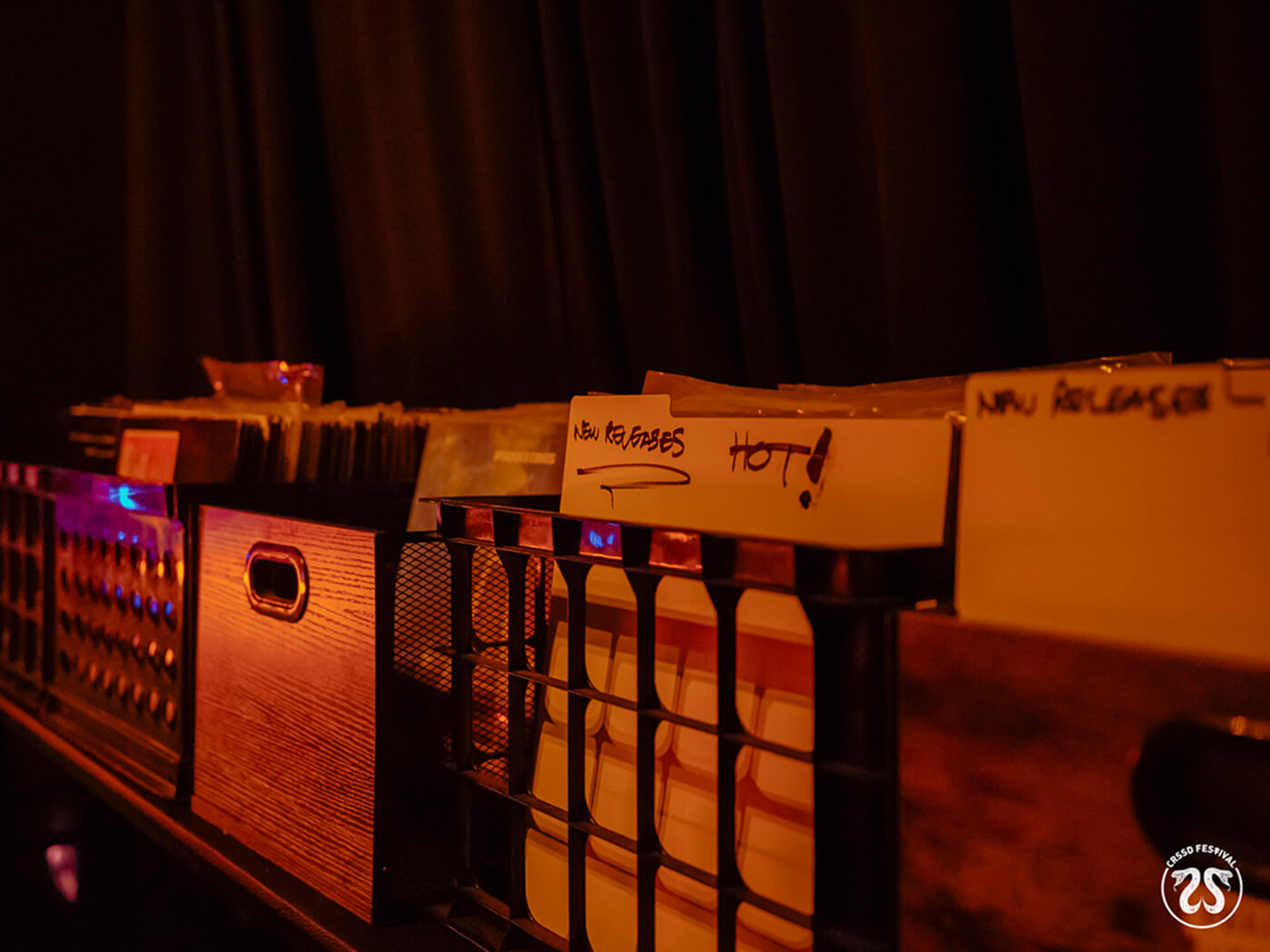
Parallel to Roland’s high-tech setup is Chapter One’s analog haven. Far from being a passive merch table, the Chapter One booth operates as a high-volume record shop operating in an unconventional retail environment.
High Sell-Through Rates: According to Chapter One’s team, approximately 80 percent of the booth’s physical stock is sold out by the conclusion of the festival weekend.
Diverse Pricing and Curation: Inventory ranges from $5 underground dance singles to premier collector’s items—such as Daft Punk’s iconic Random Access Memories LP, which routinely draws covetous glances from passing audiophiles.
The Paper Bag Service: By 3:00 PM on any given festival day, a towering stack of pre-purchased vinyl, carefully tucked into paper carrier bags, awaits patrons at the counter, ensuring they can safely retrieve their hauls at the end of the night without hauling heavy wax across festival grounds.
Official Statements: Why Brands Keep Coming Back
To unpick the motivation behind this sustained physical presence, one must look directly to the brand representatives who spend their weekends sweating under the black tent.
Roland’s Global Vision: Direct-to-Consumer Connection
For Mar Keith Anthony, Roland’s Global Brand Relations Manager, the value of the CRSSD Lab lies in its sheer rarity.
"Who else do you see out here getting one-on-one with their end users?" Anthony asks, highlighting a glaring vacuum in modern music tech marketing.
Roland’s experiential strategy is not limited to San Diego; the company deploys similar pop-up installations at Movement in Detroit and Stagecoach—the massive country music festival held annually on the Coachella grounds in Indio, California.
Anthony emphasizes that the primary objective is education wrapped in inspiration:
"We’re creating and fostering collaboration, and teaching skills at the same time. People don’t know how simple music-making tools are these days. People walk in like, ‘Oh, I don’t make music,’ and I’m like, ‘I can literally show you in five minutes how to do it!’ That’s our goal. We’re just trying to inspire people to pick up instruments and make music."
The feedback loop generated by these interactions is invaluable for product development and community outreach. Anthony notes that parents frequently bring their children to the booth, viewing the accessible hardware as a low-friction entry point into production. Furthermore, power users routinely use the space to pitch specialized creative workflows, asking if they can sync external laptops to the booth’s master hardware rigs.
Chapter One’s Analog Bridge: Reaching a New Generation
Max Coletto of Chapter One Records shares a parallel perspective regarding the physical marketplace. While the immediate metric of success is commercial—selling records—the intangible benefits heavily outweigh traditional retail metrics.
"It’s definitely a good feeder to our community in L.A.," Coletto explains. "We see really young first-timers—people who are just getting into electronic music—and we see 50 to 60-year-olds who have been listening to this music their whole lives… It’s always a nice little memory for them. It’s not just about getting the record, it’s about interacting with them. It’s a whole experience."
Coletto has observed a fascinating demographic shift at the booth. While crate-digging was historically dominated by veteran collectors and obsessive DJs, the CRSSD Lab attracts a surprisingly youthful and inquisitive cohort.
"I’m definitely noticing a younger audience," Coletto remarks. "An audience that doesn’t necessarily know specific artists or labels, but there’s a huge amount of curiosity because they’ve dipped their toes into this underground electronic music, and they’re really excited to learn. They ask about local labels and what artists to check out. There’s just a general curiosity among the younger crowd that’s really exciting because you can tell there’s an increased demand for this kind of slightly underground, left-of-centre music."
Future Outlook: Translating Festival Energy into Lifetime Creators
As the lines between live music consumption, bedroom production, and physical media ownership continue to blur, initiatives like the CRSSD Lab offer a vital blueprint for the future of music retail and instrument manufacturing.
For Roland, the philosophy driving the CRSSD tent mirrors their broader retail strategy, such as the launch of their flagship brick-and-mortar store in New York City. In both environments, the corporate mandate shifts away from high-pressure sales pitches and toward experiential education. By demystifying synthesizers, drum machines, and software integration in high-traffic cultural hubs, brands can successfully convert passive festival-goers into active lifelong creators.
As long as electronic music continues to draw crowds to waterfronts, parks, and deserts across the globe, the presence of pop-up laboratories like CRSSD Lab will remain essential. They remind us that behind every massive festival stage, pounding sound system, and midnight DJ set lies the fundamental human desire to turn inspiration into sound.