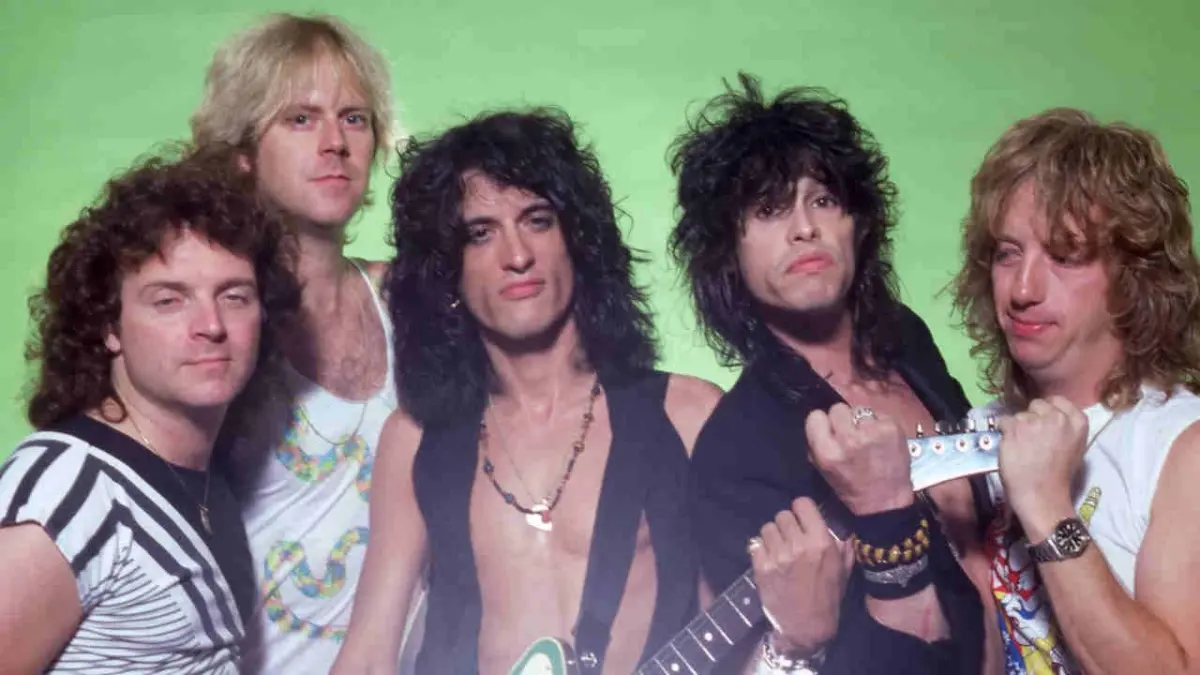
In an extraordinary reversal that has reshaped the narrative around one of North America’s most resilient musical exports, Aerosmith has formally announced its return to the live stage. Following what was previously believed to be a permanent, health-mandated retirement from touring, the iconic Boston quintet—led by frontman Steven Tyler and guitarist Joe Perry—is scheduled to headline a pair of high-profile, all-star concerts at the Hollywood Bowl on October 29 and November 1.
The announcement arrives on the heels of a devastating setback in late 2023, when Tyler suffered severe, fractured vocal cords during the band’s "Peace Out" farewell tour. That injury forced the cancellation of all remaining tour dates and led to widespread speculation that the band had played its final notes. However, the upcoming Hollywood Bowl engagements, featuring an elite roster of supporting acts including Guns N’ Roses, The Black Crowes, and Heart, signal a carefully orchestrated resurgence.
For over five decades, Aerosmith has maintained a singular position in the pantheon of American popular music. Having survived relentless internal fractures, devastating substance abuse crises, shifting industry landscapes, and major health emergencies, the group’s endurance remains an anomaly in modern entertainment history. This report analyzes the trajectory of Aerosmith’s career, examining the historical milestones, commercial metrics, and operational dynamics that define their legacy as they prepare for their return to the spotlight.
Detailed Chronology: Five Decades of Excess, Exile, and Escalation
  1970               1975–76              1979–81             1986               1998              2023–2024
   │                    │                    │                 │                  │                     │
Formation         *Toys in the          Perry/Whitford      Run-DMC         "I Don't Want        Vocal Trauma &
 in Boston         Attic* & *Rocks*        Departures       "Walk This Way"    to Miss a Thing"      Hollywood Bowl
                   solidify status         debilitate       reinvigorates      hits Billboard       Return Announced
                   as US rock giants       the lineup        global band         #1 spot
1. The Feral 1970s and the "Toxic Twins" Era (1970–1978)
Formed in Boston in 1970 when vocalist Steven Tyler, guitarist Joe Perry, bassist Tom Hamilton, drummer Joey Kramer, and guitarist Brad Whitford coalesced from various regional acts, Aerosmith forged a sound that repurposed British blues-rock—specifically the gritty swagger of The Rolling Stones and the metallic riffs of Led Zeppelin—for American suburban audiences.
- 1973: The band releases its self-titled debut album via Columbia Records. Though initially met with modest commercial response, the album contains "Dream On," a composition that would slowly mature into a quintessential rock anthem.
- 1975–1976: With the release of Toys in the Attic (1975) and Rocks (1976), Aerosmith achieved critical and commercial dominance. Hits such as "Walk This Way" and "Sweet Emotion" combined swaggering rhythmic grooves with clever, double-entendre lyricism.
- The Downward Spiral: During this period, Tyler and Perry earned the moniker "The Toxic Twins" due to their heavy consumption of narcotics and alcohol. The band’s live performances became increasingly erratic, reflecting severe internal strife.
2. Fractures, Exile, and Commercial Decline (1979–1984)
By the late 1970s, chemical dependencies and interpersonal hostility reached a breaking point during the recording of Night in the Ruts.
- 1979: Following a backstage altercation in Cleveland, Joe Perry departed the group to form The Joe Perry Project.
- 1981: Rhythm guitarist Brad Whitford also exited, forming Whitford/St. Holmes. The band recruited Jimmy Crespo and Rick Dufay as replacements, releasing Rock in a Hard Place (1982). Despite honorable efforts, the album lacked the volatile chemistry of the founding lineup and suffered commercially.
3. The Great Resurrection and Hip-Hop Crossover (1985–1989)
In 1984, original manager Tim Collins facilitated a reconciliation among the founding members, leading to a full reunion tour. However, the true catalyst for their second act occurred in an unprecedented fusion of genres.
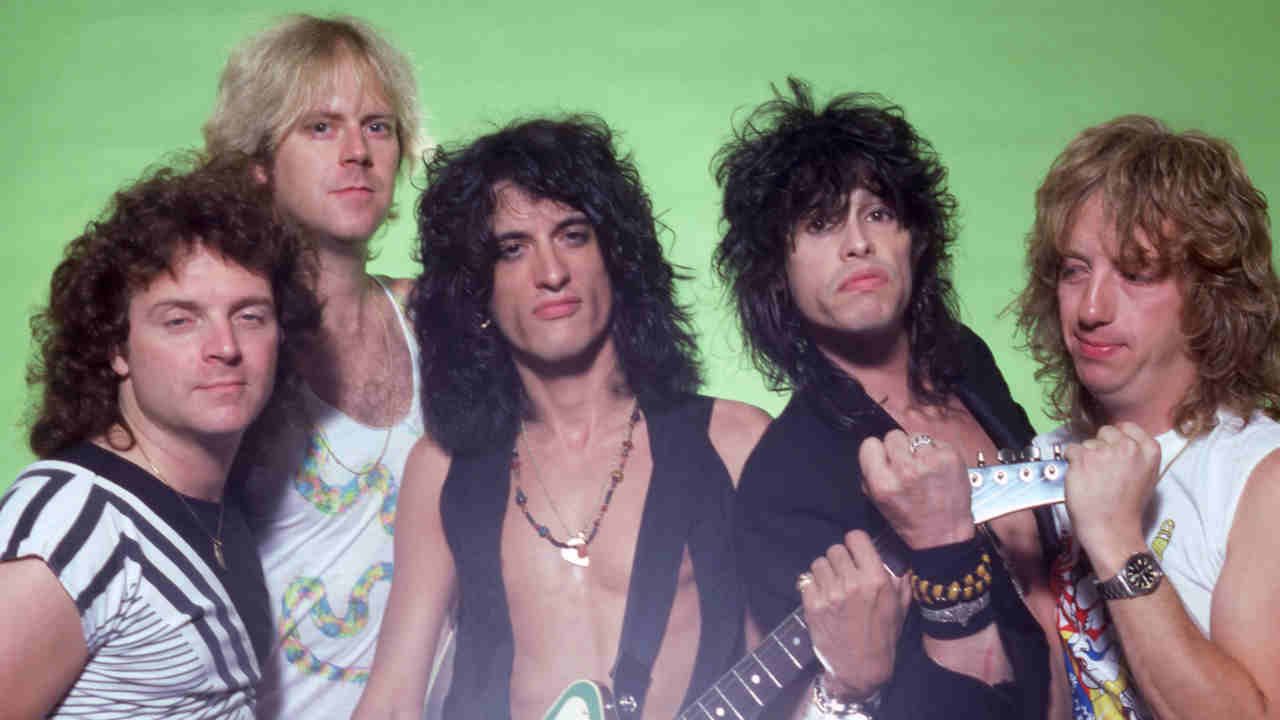
- 1986: Hip-hop pioneers Run-DMC, encouraged by producer Rick Rubin, recorded a hybrid rap-rock version of Aerosmith’s 1975 track "Walk This Way," featuring guest appearances by Tyler and Perry. The track became a global phenomenon, dismantling radio boundaries between rock and hip-hop, exposing Aerosmith to a younger MTV demographic, and re-establishing their cultural relevance.
- 1987–1989: After completing group rehabilitation programs, Aerosmith signed with Geffen Records and enlisted outside songwriters (such as Desmond Child and Jim Vallance) and producer Bruce Fairbairn. The resulting albums—Permanent Vacation (1987) and Pump (1989)—spawned massive hit singles ("Dude (Looks Like a Lady)," "Rag Doll," "Love in an Elevator," "Janie’s Got a Gun"), catapulting the group to multi-platinum status.
+-------------------------------------------------------------------------------+
|                      AEROSMITH'S COMMERCIAL PEAKS                             |
+-------------------------------------------------------------------------------+
|  Album                 | Release Year | RIAA Certification (US Sales)         |
+------------------------+--------------+---------------------------------------+
|  Toys in the Attic     |     1975     |  9x Platinum (9,000,000+)             |
|  Rocks                 |     1976     |  4x Platinum (4,000,000+)             |
|  Permanent Vacation    |     1987     |  5x Platinum (5,000,000+)             |
|  Pump                  |     1989     |  7x Platinum (7,000,000+)             |
|  Get a Grip            |     1993     |  7x Platinum (7,000,000+)             |
|  Nine Lives            |     1997     |  2x Platinum (2,000,000+)             |
+-------------------------------------------------------------------------------+
4. MTV Hegemony and Billboard Supremacy (1990–2000s)
- 1993: Aerosmith released Get a Grip, which debuted at No. 1 on the Billboard 200 chart and went on to sell over 20 million copies worldwide. Driven by music videos starring Alicia Silverstone and Liv Tyler ("Cryin’," "Crazy," "Amazing"), the band dominated global broadcasting.
- 1998: The band achieved its first-ever Billboard Hot 100 No. 1 single with the power ballad "I Don’t Want to Miss a Thing," written by Diane Warren for the blockbuster film Armageddon. The song expanded their listener demographic into mainstream pop audiences.
5. Friction, Residencies, and Vocal Trauma (2010–2024)
- 2009–2019: Internal tensions flared as Tyler pursued solo endeavors, including a high-profile stint as a judge on American Idol, which drew public criticism from Perry. Despite this friction, the band celebrated its 50th anniversary with the successful "Deuces Are Wild" residency in Las Vegas.
- 2023–2024: Aerosmith launched their "Peace Out: The Farewell Tour" in September 2023. Just three shows into the run, Steven Tyler suffered a vocal hemorrhage and a fractured larynx, forcing a complete halt to operations and leading to an August 2024 announcement that the band would retire from live performances. The newly announced Hollywood Bowl dates mark a dramatic reversal of that decision.
Supporting Context & Metrics: The Commercial and Cultural Footprint
To fully understand Aerosmith’s status alongside contemporaries like KISS and European counterparts like The Rolling Stones, one must examine their commercial footprint and industry records.
1. Sales and Certifications
- Global Record Sales: Estimated at over 150 million units worldwide, making them one of the best-selling American hard rock bands in history.
- RIAA Certifications: Aerosmith holds the record for the most total certifications by an American rock group, including 25 gold, 18 platinum, and 12 multi-platinum albums.
- Hall of Fame Recognition: The band was inducted into the Rock and Roll Hall of Fame in 2001, their first year of eligibility.
2. Billboard Chart Performance
Aerosmith achieved rare multi-generational success on the Billboard charts, spanning four distinct decades:
                  HISTORICAL CHART PERFORMANCE

   100 ─────────────────────────────────────────────────── ★ "I Don't Want to Miss a Thing"
                                                           (1998 - #1 Hot 100)
    75 ─────────────────────── ★ "Love in an Elevator"
                                (1989 - #5 Hot 100)
    50 ─── ★ "Dream On"
           (1976 - #6 Hot 100)
    25 ───────────────────────────────────────────────────
     0 ────┴───────────────────┴──────────────────────────┴─────────────────────────
          1970s               1980s                      1990s
3. Musical Architecture: The "Bad Boys from Boston" vs. KISS
While KISS constructed a rock empire on merchandising, theatrical makeup, and branding, Aerosmith relied on blues-based musicianship, swagger, and street-level authenticity. The guitar dialogue between Joe Perry’s rhythmic riffing and Brad Whitford’s technical lead work, anchored by Tom Hamilton and Joey Kramer, provided a raw foundation that influenced subsequent generations—most notably Guns N’ Roses, Motley Crue, and The Black Crowes.
Official Statements and Event Framework
The upcoming Hollywood Bowl performances on October 29 and November 1 are structured not merely as standard concert dates, but as a major celebration of American rock music.
The Hollywood Bowl Return Frame
Industry sources confirm that Tyler’s voice has undergone rigorous rehabilitation under the care of top vocal specialists. The decision to select the Hollywood Bowl—a historic 17,500-seat amphitheater—allows the band to deliver a production suited to a landmark occasion while minimizing the wear of an extended arena tour.
While formal press releases from the band’s management team have remained characteristically understated, statements surrounding the event emphasize the collaborative nature of the shows:
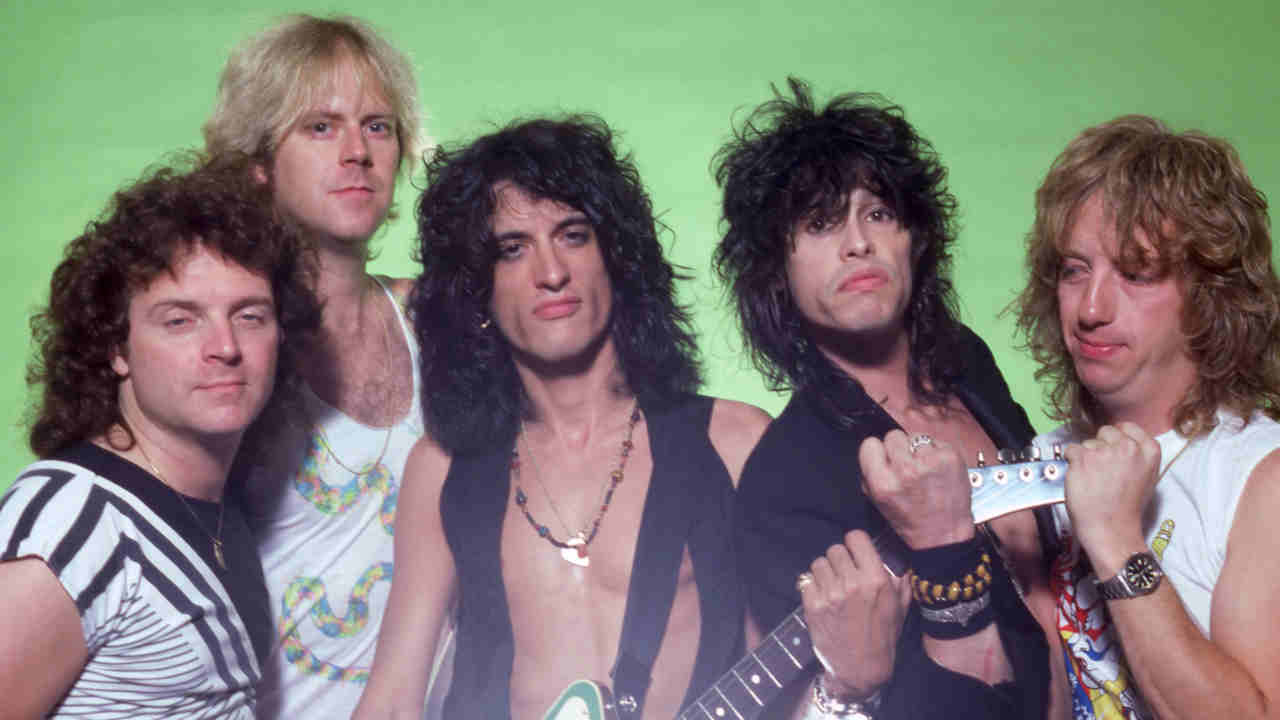
"The road has always been our home, and while the physical toll of five decades of rock ‘n’ roll is real, the music and the connection with our fans remains unbroken. Bringing together our closest brothers and sisters in rock—Guns N’ Roses, The Black Crowes, Heart—for these nights in Hollywood is the ultimate expression of where we came from and what we leave behind."
— Aerosmith Representative / Official Statement
Guest Artist Alignment
The inclusion of Guns N’ Roses, The Black Crowes, and Heart serves a dual purpose:
- Historical Continuity: Guns N’ Roses explicitly cited Aerosmith as their primary musical inspiration during their late-1980s ascent, while The Black Crowes shared tour bills with Aerosmith during their early-1990s peak.
- Event Scale: The inclusion of these major rock acts elevates the two-night engagement into a major festival-level event, relieving pressure on Tyler to carry a multi-hour show entirely on his own.
Future Outlook: The Architectural Shift of Legacy Hard Rock
Aerosmith’s decision to return via targeted, high-profile events rather than an exhaustive world tour reflects a broader trend among aging classic rock acts.
+-------------------------------------------------------------------------+
|                  THE EVOLUTION OF LEGACY ROCK TOURS                     |
+-------------------------------------------------------------------------+
|  Traditional Model (1970–2010)     |  Modern Legacy Model (2020+)       |
+------------------------------------+------------------------------------+
|  • 80–120 global dates per year    |  • Event-based destination shows   |
|  • High physical attrition         |  • Curated multi-artist lineups     |
|  • Album promotion cycle           |  • Historical catalog celebration  |
|  • Standard arena/stadium itinerary|  • Hybrid residencies & festivals  |
+------------------------------------+------------------------------------+
1. The Death of the Extended World Tour
As classic rock artists enter their seventies and eighties, the traditional model of extensive world tours is becoming increasingly unsustainable. Severe vocal strain (as experienced by Steven Tyler and Brian Johnson), orthopedic injuries, and general physical fatigue have forced legacy acts to reconsider live performance strategies.
2. Destination Events and Residency Models
Following the blueprint laid out by the Eagles, U2 at the Sphere, and various Las Vegas residencies, Aerosmith’s Hollywood Bowl engagement points toward a future where classic rock bands operate through destination events. This model offers several distinct advantages:
- Controlled Conditions: Fixed venues allow bands to adjust staging, acoustics, and scheduling around medical or physical constraints.
- Higher Production Value: Resources are concentrated into a few landmark performances rather than stretched across months of travel.
- Preservation of Vocal and Musical Quality: Limiting back-to-back performance dates gives singers like Tyler the recovery time needed to maintain vocal clarity without risking permanent injury.
Conclusion
Aerosmith’s upcoming performances at the Hollywood Bowl mark another surprising chapter in a career defined by improbable comebacks. From their early days in Boston to their mid-career revival and beyond, the band has consistently defied industry expectations. Whether these shows mark a final farewell or the beginning of a selective, event-driven era, Aerosmith’s legacy as one of hard rock’s most durable acts remains secure.