Executive Overview
In a major development for collectors and enthusiasts of early 2000s electronic music, pioneering New York art-pop duo Fischerspooner have officially announced a comprehensive partnership with Demon Records. The alliance will see the group’s influential, high-concept catalog meticulously restored, remastered, and reissued across multiple physical formats over the coming years.
The campaign launches on November 27 with a vibrant, limited-edition hot pink vinyl pressing of the duo’s groundbreaking 2001 debut studio album, #1. Marking the first time the record has been pressed on vinyl since its original, highly coveted early-2000s run, this release is slated as an exclusive offering for Record Store Day Black Friday, available solely through participating independent record shops.
Beyond this initial collector’s item, the partnership promises a deep dive into the duo’s extensive archives, culminating in a comprehensive career-spanning box set scheduled for release in the spring of 2027. For Warren Fischer and Casey Spooner—the masterminds behind an act that fundamentally blurred the lines between high art, electronic music, fashion, and commercial performance—this reissue initiative represents far more than a nostalgia trip. It is a vital institutional preservation of an era-defining project that anticipated the aesthetic and performative shifts of modern pop culture.
Detailed Chronology: The Evolution of Fischerspooner
1998–2000: The Manhattan Underground and Conceptual Genesis
Fischerspooner was conceived in New York City in 1998 by classically trained musician Warren Fischer and performance artist Casey Spooner. Initially operating as an underground multimedia experiment, the project was designed to critique and simultaneously embrace the mechanisms of modern entertainment, consumerism, and pop stardom.
Rather than functioning as a traditional band, early Fischerspooner performances felt more like avant-garde theater pieces staged in Lower East Side art galleries, underground clubs, and impromptu warehouse spaces. The duo combined throbbing electroclash beats, satirical lyricism, elaborate costume design, and modern dance choreography, creating an immersive sensory environment that stood in sharp contrast to the gritty, guitar-driven rock revival dominating New York at the turn of the millennium.
2001–2003: The Breakthrough of #1 and Global Crossover
The project reached a global tipping point with the independent release of their debut album, #1, in 2001. Powered by infectious, minimalist electronic production and the theatrical, tongue-in-cheek single "Emerge," the album quickly transcended avant-garde art circles to become a critical and commercial touchstone of the burgeoning global electroclash movement.
"Emerge" became an inescapable anthem across European and North American underground clubs, characterized by its iconic, high-concept music video that parodied the machinations of the music industry. The success of #1 earned the duo a major-label deal with Capitol Records, which re-released the album in 2003 with expanded production and wider distribution. This propelled Fischerspooner onto international festival stages, where their elaborate live shows—featuring a troupe of up to twenty dancers, massive video projections, and quick-change costume theater—redefined what electronic music live acts could achieve.
2005–2018: Artistic Expansion, Remix Dominance, and Later Records
Following their explosive debut, Fischerspooner continually challenged expectations. Their sophomore studio album, Odyssey (2005), leaned further into lush, organic instrumentation and classic pop songwriting while maintaining their signature electronic edge.
Throughout the 2000s and 2010s, Warren Fischer and Casey Spooner also established themselves as elite remixers and collaborators. They lent their distinct avant-pop sensibilities to a diverse array of global superstars, notably crafting defining remixes for pop royalty such as Kylie Minogue and indie-rock heavyweights The Killers, bridging the gap between underground dance music and mainstream pop infrastructure.
After a prolonged hiatus, the duo returned with their third studio album, Sir (2018), executive produced by R.E.M. frontman Michael Stipe. Exploring themes of queer identity, romance, and political disillusionment, Sir proved that the duo’s conceptual acuity had only sharpened over time.
Supporting Context & Metrics: The Cultural and Commercial Impact of #1
To understand the cultural weight of Demon Records’ new reissue campaign, one must examine the landscape of electronic music at the turn of the millennium. In 2001, commercial electronic music was largely sequestered to Ibiza superclubs or underground raves. Fischerspooner, alongside contemporaries like Peaches, Felix da Housecat, and Ladytron, helped spearhead the "electroclash" genre—a bridge between 1980s synth-pop, post-punk, and techno that prioritized visual style, irony, and fashion as much as the music itself.
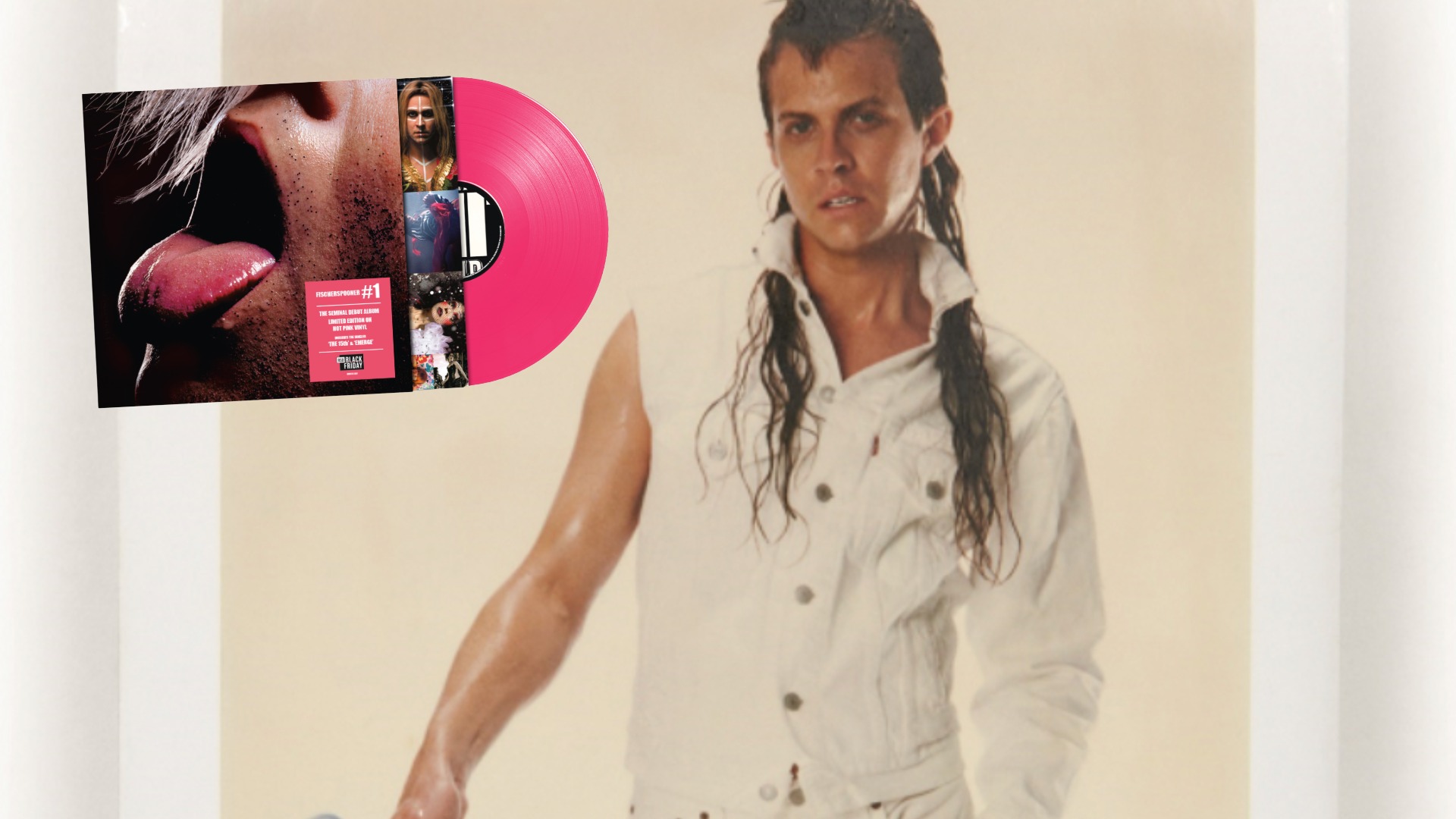
- Vinyl Scarcity: Since its original limited pressings in the early 2000s, original vinyl copies of #1 have become "holy grails" for collectors, regularly commanding steep aftermarket prices on secondary marketplaces like Discogs. The upcoming hot pink vinyl edition directly addresses this pent-up demand.
- The Record Store Day Phenomenon: By partnering with Record Store Day for its Black Friday event on November 27, Demon Records ensures that the release drives foot traffic directly to independent record stores—vital cultural hubs that align with Fischerspooner’s roots in independent, community-driven art spaces.
- Cross-Disciplinary Legacy: Long before the era of TikTok aesthetics and multi-platform pop star personas, Fischerspooner proved that music could exist simultaneously as fine art, fashion editorial, and commercial product. Their influence can be directly traced through modern pop auteurs who utilize high-fashion, high-concept world-building.
Official Statements: Perspectives from the Duet
The announcement of the reissue campaign has prompted deep reflection from both founding members regarding the longevity and intent of their artistic output.
Reflecting on the foundational ethos of the project, Warren Fischer shared insights into the initial artistic experiment:
"Fischerspooner started in 1998 as an experiment incorporating music, image, and performance to explore what entertainment was and could be. Sincere and absurd, I’m excited #1 is coming back on vinyl with Demon, so people can hear it again on its own terms, twenty-five years later."
Highlighting the importance of archival preservation and hinting at unreleased treasures waiting in the wings, Casey Spooner expressed his enthusiasm for the comprehensive partnership:
"It’s exciting that all our creative work and history is being carefully preserved. To have all these ideas gathered in one place and properly archived is a huge gift. There’s so much more that hasn’t been seen and amazing stories yet to be told."
These statements underline a mutual appreciation for how aging catalogs can be re-contextualized for modern audiences who may have missed the original movement or are only now discovering the roots of modern indie-sleaze and electro-pop.
Future Outlook: Looking Ahead to the 2027 Box Set and Beyond
As the music industry increasingly values physical media, comprehensive archiving, and tactile collector items, Fischerspooner’s catalog campaign with Demon Records sets a high benchmark for how electronic music heritage should be treated.
The immediate rollout begins on November 27 with the Record Store Day Black Friday exclusive of #1 on hot pink vinyl. Fans and collectors are advised to check in with their local participating independent record shops early, as allocations for these specialized releases are strictly limited.
Looking further down the horizon, the announcement of a definitive career-spanning box set slated for the spring of 2027 suggests a much deeper archival excavation. This milestone release is expected to feature rare remixes, unreleased studio demos, visual documentation of their legendary early performances, and extensive liner notes charting the duo’s journey from downtown New York galleries to global stages.
For a project that began as a cheeky, high-concept interrogation of celebrity and entertainment, Fischerspooner’s ongoing legacy proves that their brand of sincere absurdity was far ahead of its time. Two and a half decades later, the culture has finally caught up.