Executive Overview
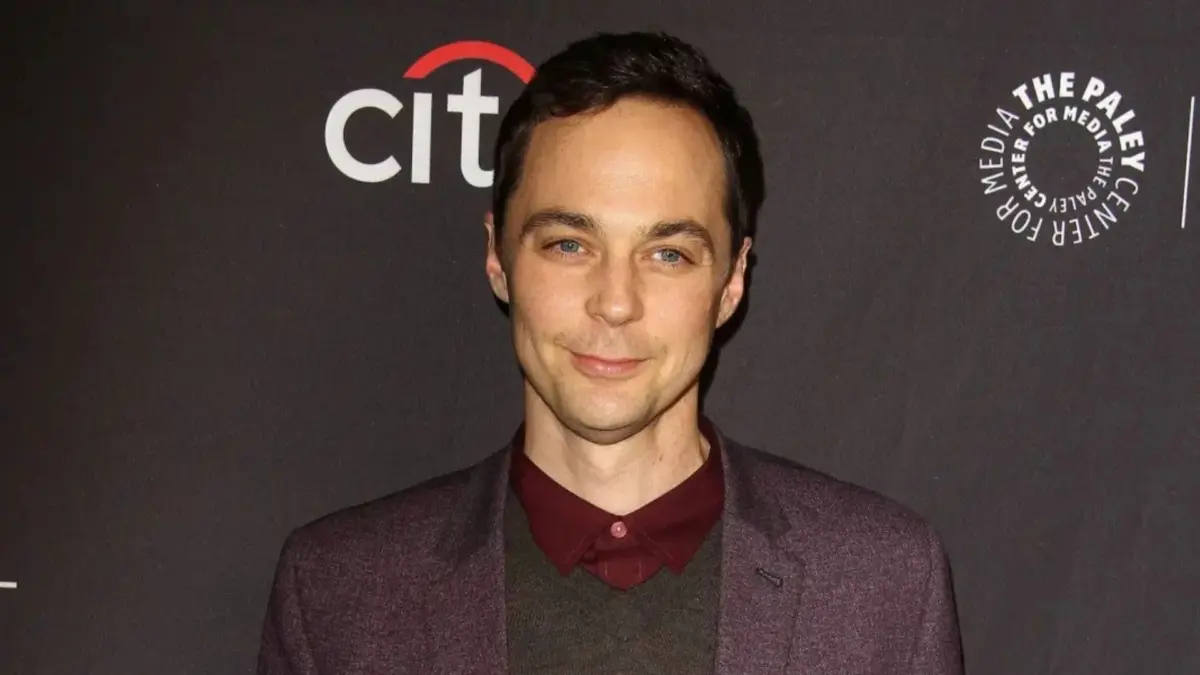
In the competitive landscape of modern television, few actors have managed to translate critical acclaim into historic financial leverage quite like Jim Parsons. Best known for his iconic, Emmy-winning portrayal of the eccentric theoretical physicist Sheldon Cooper on CBS’s The Big Bang Theory, Parsons stands as a towering figure in contemporary entertainment economics. According to consensus tracking by leading financial publications and industry analysts for 2026, Parsons’ estimated net worth hovers around $160 million.
While this figure represents a third-party calculation rather than an audited, self-reported ledger, it encapsulates a textbook masterclass in career positioning. Parsons’ wealth is not merely the byproduct of a lucrative salary; it is the result of a meticulously constructed ecosystem of escalating episodic wages, rare backend syndication equity, successful multi-platform production ventures, prestigious Broadway credits, and high-profile commercial endorsements.
Financial trackers often diverge on exact asset valuations—with conservative estimates placing his fortune closer to $35 million when accounting only for liquid holdings and ignoring real estate or residual streams—the $160 million baseline remains the prevailing metric among industry analysts. This comprehensive investigation examines the trajectory of Jim Parsons’ career, breaking down the milestones, contracts, and business strategies that forged one of television’s most enduring fortunes.
| Quick Financial Fact | Detailed Breakdown |
|---|---|
| Estimated Net Worth | $160 million (2026 consensus) |
| Primary Wealth Source | Television acting, syndication residuals, and executive production |
| Breakout Role | Sheldon Cooper in The Big Bang Theory (CBS, 2007–2019) |
| Peak Television Salary | ~$1.2 million per episode (Seasons 8–10) |
| Secondary Income Streams | Voice acting, Broadway theater, commercial endorsements, spinoff production |
| Notable Production Credits | Young Sheldon (Narrator/EP), Call Me Kat (EP) |
| Critical Accolades | Four Primetime Emmy Awards (nine nominations), Golden Globe Award |
Detailed Chronology: From Houston Stages to Global Stardom
Early Life and Formative Years (1973–2000)
Born James Joseph Parsons on March 24, 1973, in Houston, Texas, Parsons discovered his affinity for performance at an early age. Encouraged by school productions and a supportive family, he immersed himself in the theatrical arts. He attended the University of Houston, where his dedication to the craft manifested in nearly 20 stage productions, establishing a rigorous foundation in classical performance.
Upon earning his undergraduate degree, Parsons was accepted into the prestigious Old Globe and University of San Diego Shiley Graduate Theatre Program. This elite classical training served as his launchpad into professional theater in New York City. However, the transition to mainstream television and film was characterized by the quintessential struggle of the working actor. Throughout the early 2000s, Parsons navigated a grueling cycle of regional theater, low-budget indie films, and commercial bit parts. As IMDb records indicate, mainstream success remained a distant horizon right up until his life-changing casting call in 2007.
The Catalyst: The Big Bang Theory Era (2007–2019)
The tectonic shift in Parsons’ career occurred when he auditioned for a new multi-camera sitcom on CBS created by Chuck Lorre and Bill Prady. Cast as the socially inept, hyper-intelligent, and endearing Sheldon Cooper, Parsons breathed life into a character that would become a pop-culture phenomenon.
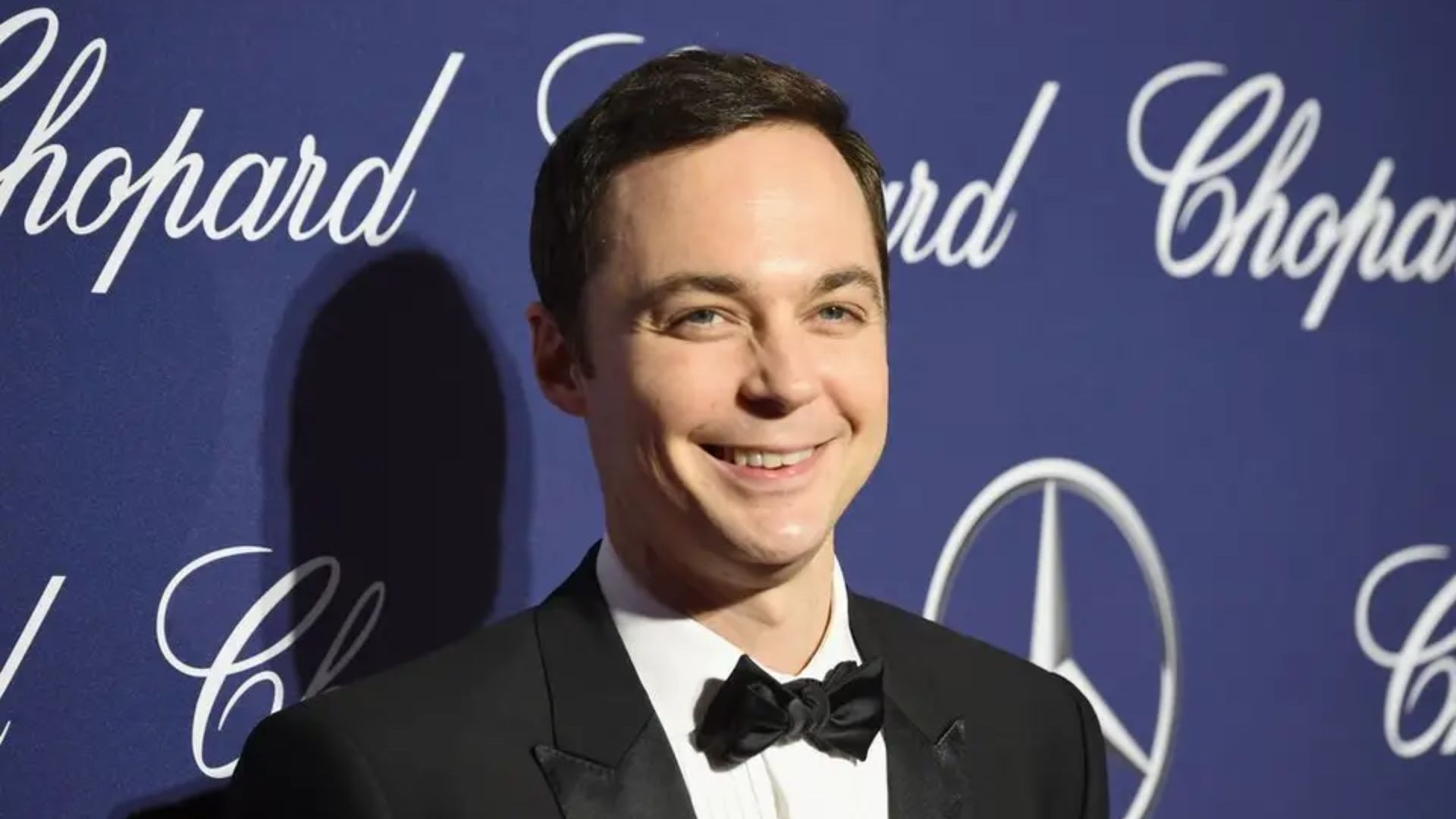
Over 12 seasons, The Big Bang Theory evolved from a modest ratings contender into a global juggernaut. Parsons’ brilliant physical comedy and distinctive cadence earned him widespread critical adoration. He secured nine Primetime Emmy Award nominations for the role, capturing four wins in the Outstanding Lead Actor in a Comedy Series category—an elite milestone shared by only a handful of television legends in history.
As the show’s ratings skyrocketed, so did its stars’ compensation. Parsons, alongside co-stars Johnny Galecki and Kaley Cuoco, leveraged the series’ indispensable reliance on its core trio to orchestrate some of the most lucrative contract negotiations in television history.
Supporting Context & Financial Metrics
Television Salary Escalation
Parsons’ financial ascent on The Big Bang Theory followed a steep, stair-stepped trajectory. According to public salary disclosures and industry trade reports, his per-episode compensation evolved as follows:
- Season 1: $60,000 per episode
- Seasons 2–4: $250,000 per episode
- Seasons 5–7: $350,000 per episode
- Seasons 8–10: $1.2 million per episode
- Seasons 11–12: $1.0 million per episode (a voluntary pay cut taken by the core cast to allow for salary increases for supporting co-stars Mayim Bialik and Melissa Rauch)
According to comprehensive calculations compiled by Celebrity Net Worth, this wage progression resulted in an estimated $177.7 million in gross salary over the show’s 12-season run, prior to taxes, agent fees, and backend profit participation.
The Power of Backend Syndication and Equity
While episodic salaries formed the bedrock of Parsons’ wealth, his long-term financial security was cemented through backend equity points. Smart negotiation by the principal cast secured them a percentage of the show’s backend syndication pool—a rare concession for television actors in the modern era.
Industry reports indicate that Parsons, Cuoco, and Galecki negotiated a 1% equity stake in the show’s backend profits. When The Big Bang Theory entered off-network syndication, the initial wave of domestic and international sales reportedly generated over $1 billion in its first year alone. This translated to an immediate windfall of approximately $10 million for each of the lead actors in year one, with ongoing residuals continuing to compound across global streaming platforms and syndication reruns for decades to come.

Diversification: Producing, Film, Broadway, and Endorsements
Beyond his primary sitcom role, Parsons systematically diversified his portfolio:
- Executive Producing & Spinoffs: Parsons extended his footprint in the television landscape by serving as an executive producer and narrator on the hit CBS prequel series Young Sheldon (2017–2024). He also executive produced the Fox sitcom Call Me Kat (2021–2023), starring former co-star Mayim Bialik.
- Film and Voice Work: With over 40 acting credits to his name, Parsons has appeared in prominent cinematic projects such as Hidden Figures, The Muppets, and Extremely Wicked, Shockingly Evil and Vile, alongside prolific voice work in animated features and television staples like Family Guy and The Simpsons.
- Broadway Theater: Parsons has maintained a strong presence on the stage, starring in critically acclaimed Broadway productions including The Normal Heart, Harvey, and An Act of God. His theatrical work frequently overlaps with peak earning periods; Forbes notably tied his stage commitments to his record-setting $29 million annual earnings report in 2015.
- Commercial Endorsements: High-profile campaigns—most notably a lucrative run of Intel commercials that cleverly utilized his Sheldon Cooper persona—contributed heavily to Forbes naming him the world’s highest-paid television actor multiple times (including 2015, 2016, and 2018, when he pulled in $26.5 million).
Official Statements & Industry Standing
While Jim Parsons rarely grants interviews focusing explicitly on his net worth—maintaining a private, understated demeanor regarding his personal finances—industry watchdogs, media executives, and guild records consistently position him at the pinnacle of television earners.
His transition away from The Big Bang Theory in 2019—which ultimately forced the network to conclude the series despite its massive ratings—was driven by creative fulfillment rather than financial exhaustion. In interviews surrounding the show’s conclusion, Parsons expressed a desire to explore diverse theatrical and cinematic challenges, proving that his artistic ambitions supersaturated mere monetary accumulation.
Furthermore, his philanthropic and public profile has been officially recognized by major cultural institutions. In 2013, he and his partner, art director Todd Spiewak, received awards from the LGBTQ organization GLSEN, and the GLAAD Media Awards honored Parsons with the prestigious Stephen F. Kolzak Award in 2018 for his advocacy and visibility in entertainment.
Future Outlook and Wealth Preservation
As of 2026, Jim Parsons’ financial trajectory exhibits remarkable stability. Rather than relying on a single, high-risk blockbuster project, his wealth is protected by a diversified asset structure:
- Perpetual Residuals: The global syndication and streaming rights for The Big Bang Theory guarantee a steady, institutionalized stream of passive income that defies Hollywood’s traditional boom-and-bust cycle.
- Producing Infrastructure: Having established his credentials as an executive producer through Young Sheldon and Call Me Kat, Parsons possesses the industry relationships and institutional backing to package, pitch, and monetize future television and film projects.
- Selective Project Choice: Unburdened by financial necessity, Parsons is positioned to select prestige film, television, and Broadway engagements purely on their artistic merit, thereby preserving his brand value while continuously generating fresh revenue streams.
In summary, Jim Parsons’ $160 million fortune is a masterclass in modern entertainment economics. By combining generational comedic timing with hard-nosed business leverage, rare syndication equity, and intelligent diversification into production and theater, Parsons transformed a singular television character into a permanent, self-sustaining financial empire.