Executive Overview
With over 700 recorded credits to his name, two Grammy Awards adorning his mantelpiece, and an esteemed position as an adjunct professor at the University of Southern California (USC), legendary percussionist Peter Erskine stands as a titan in the pantheon of modern music. There are few sonic nuances, rhythmic complexities, or stylistic shifts that Erskine has not navigated, mastered, and ultimately redefined over a career spanning more than six decades.
From his prodigious beginnings as a four-year-old playing on practice pads to his foundational years with the colossal big bands of Stan Kenton and Maynard Ferguson, Erskine’s trajectory mirrors the evolution of contemporary jazz, fusion, and crossover pop. His tenure with the revolutionary jazz-fusion powerhouse Weather Report cemented his status among the global elite. Yet, his restless artistic curiosity has continually propelled him past the boundaries of traditional genres. Whether driving the intricate, sophisticated rhythms of Steps Ahead, laying down immaculate grooves for icons like Joni Mitchell and Kate Bush, or leading his own cutting-edge ensembles, Erskine’s legacy is defined by an unyielding dedication to musicality, listening, and the eternal search for the perfect groove.
In this deep-dive profile, we explore the milestones, the pivotal collaborations, the legendary bandleaders, and the philosophical shifts that have shaped Peter Erskine into one of the most revered and influential drummers of the 20th and 21st centuries.
Detailed Chronology: From Big Band Prodigy to Fusion Royalty
1. The Formative Years: Stan Kenton and Maynard Ferguson
Erskine’s rhythmic awakening began early. Encouraged by his father—a former bass player and swing band leader during his college days—Erskine picked up the sticks at the tender age of four. By seven, he was already immersing himself in the rigorous environment of jazz summer camps, setting the stage for a remarkably accelerated musical education.
It was at one of these jazz camps that Erskine crossed paths with the legendary bandleader Stan Kenton, an encounter that would alter the course of his life.
"Serendipity as well as destiny seem to have played their roles in my becoming the drummer for the Stan Kenton Orchestra," Erskine reflects. "Attending the summer jazz camps, he brought his music into my world and me into his orbit. Sooner or later, I would have the opportunity to audition for him."
Having absorbed Kenton’s music since childhood, and fresh off a comprehensive education in both big band and orchestral drumming at the prestigious Interlochen Arts Academy, Erskine was more than ready. He spent three formative years touring with Kenton, honing the precise reading skills, dynamic control, and powerhouse stamina required to drive a massive brass ensemble. Following a brief return to university, Erskine hit the road again—this time with high-note trumpet maestro Maynard Ferguson.
While Ferguson was famously demanding, fiercely determined, and occasionally confrontational as a bandleader, Erskine regards him as one of the best bosses he ever had. In these powerhouse big bands, young musicians learned the foundational dichotomy of professional drumming: small groups demanded fearless improvisational abilities, while big bands required unyielding ensemble discipline. Erskine was fortunate enough to sit in the rhythmic chair where both skill sets were aggressively sharpened.
2. The Weather Report Phenomenon and the Magic of Jaco Pastorius
The defining chapter of Erskine’s career as a fusion architect began on a single night when a visionary fretless bass player caught one of Ferguson’s live performances.

"My joining Weather Report was a matter of being in the right place at the right time," Erskine explains. "Jaco heard me playing with Maynard. Weather Report were looking for a drummer who had both ensemble experience as well as improvisational abilities. I would need to work on developing my improvisational gifts as well as fortitude."
Described by co-founder Joe Zawinul (via Julian "Cannonball" Adderley) as both "a state of mind and a fact of life," Weather Report was the undisputed king of 1970s jazz-fusion. Alongside Zawinul, saxophonic innovator Wayne Shorter, and bass virtuoso Jaco Pastorius, Erskine completed the definitive lineup often referred to by aficionados as the "Big Four."
During his mid-70s tenure across four landmark albums, Erskine made indelible, highly inventive contributions to tracks such as "Pinocchio," "Brown Street," "Port Of Entry," "Fast City," and "Dara Factor One." Yet, true to his self-effacing nature, Erskine is often his own harshest critic:
"The version of the band when I was in it was not and is not my favourite version—I’m a huge fan of the first album, plus Mysterious Traveller and Heavy Weather—but you do the best you can do. That said, ‘Sightseeing’ [a studio cut from the live/studio hybrid album 8.30, featuring Erskine] is one of the better things I ever heard the band do."
3. Word Of Mouth and the Tragedy of Jaco Pastorius
During his final years with Weather Report, Pastorius launched his own ambitious big band project, Word Of Mouth, tapping Erskine to anchor the recording sessions for the 1981 debut album.
Reflecting on those sessions, Erskine paints a vivid picture of Pastorius’s brilliant, albeit troubled, creative spirit:
"Word Of Mouth reveals Jaco’s compositional abilities as well as his potential. Had Jaco stayed alive, it’s impossible to imagine the incredible music he might have made. Such a loss for us all. Still, the music is powerful, audacious, soaring and beautiful."
One specific memory stands out as the high-water mark of Pastorius’s pride during those intense sessions: "His happiest moment in making the album was when, during a mixdown session at A&M Studios, Burt Bacharach stopped by to approvingly listen to ‘Three Views Of A Secret.’ It’s the proudest I ever saw Jaco."
Supporting Context & Metrics: Navigating Genre Boundaries
As musical and personal tensions mounted within Weather Report, both Pastorius and Erskine departed. Erskine transitioned into Steps Ahead, an organic, highly accessible fusion ensemble founded by saxophonist Michael Brecker and trumpeter Randy Brecker.
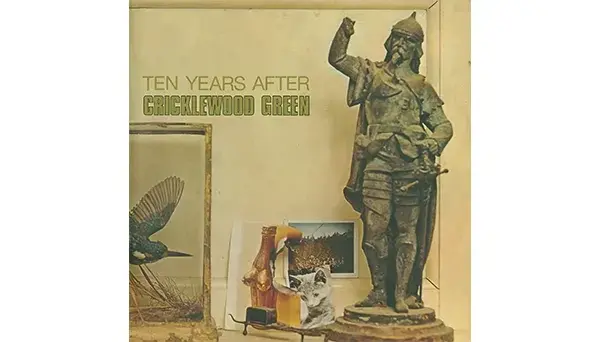
"Steps Ahead brought me to New York City, and that journey also brought me on several occasions to Japan, where I fell in love with the woman who would become my wife," Erskine recalls warmly. "So I have incredibly warm feelings about the band and those musicians. The Modern Times album stands the test of time just about as well as anything else I’ve ever done. Wonderful music."
The Pop Pantheon: Joni Mitchell and Kate Bush
Erskine’s stylistic adaptability stems from a core belief that every musical experience informs the next. This philosophy has led him far beyond the jazz clubs and into the recording studios of iconic singer-songwriters, including Vince Mendoza, Diana Krall, Steely Dan, Joni Mitchell, and Kate Bush.
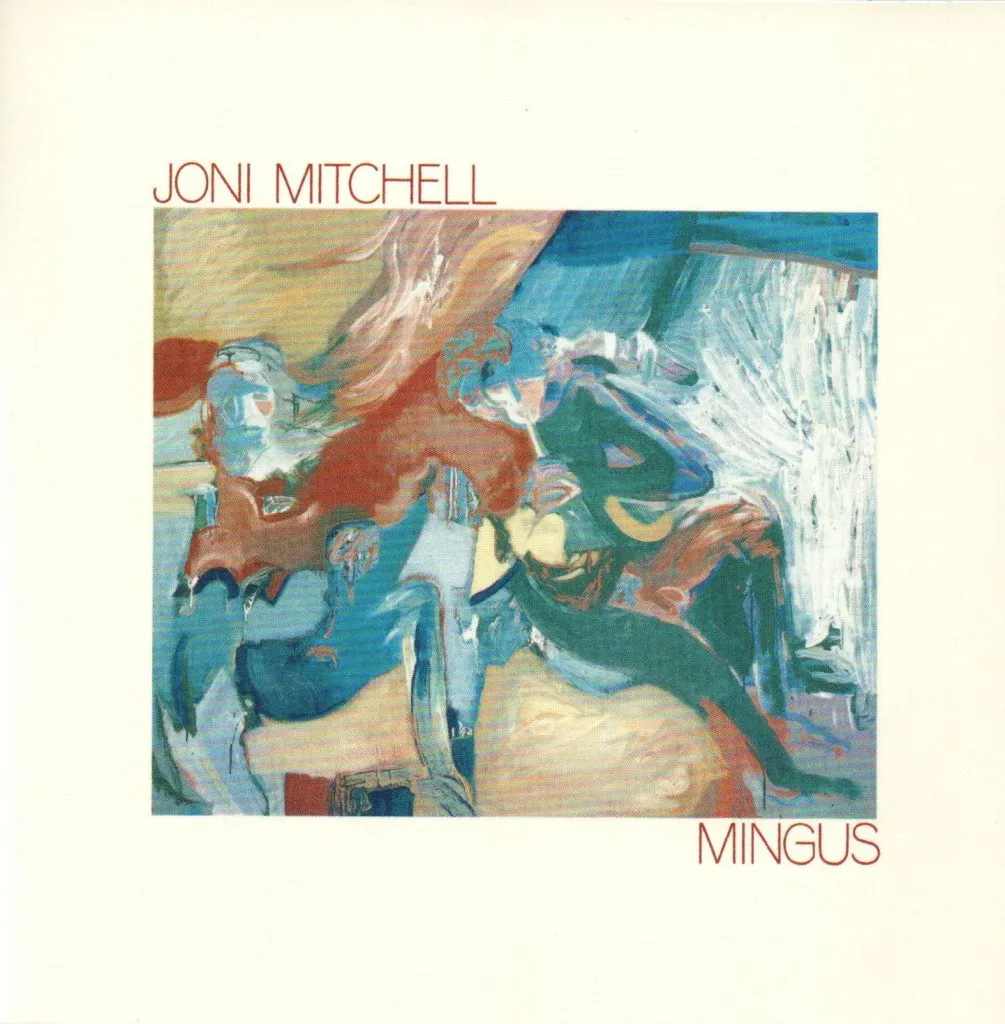
- Joni Mitchell: Erskine’s entry into Mitchell’s orbit was a direct result of his creative partnership with Jaco Pastorius. His nuanced, texturally rich drumming provided the rhythmic scaffolding for some of Mitchell’s most adventurous, jazz-infused compositions.
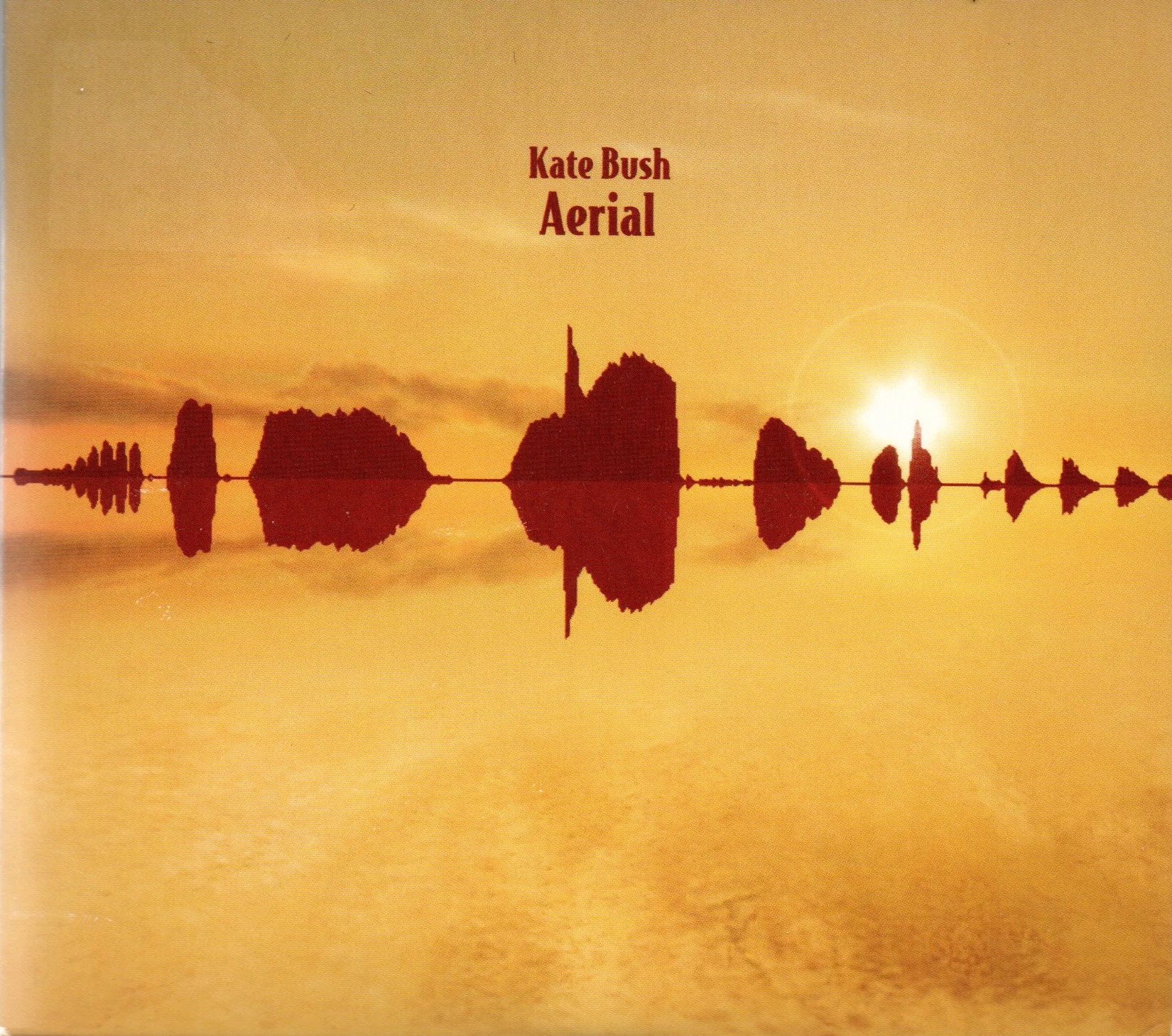
- Kate Bush: Erskine’s collaboration with the legendary British auteur came via composer Mark-Anthony Turnage and the BBC. After watching a documentary chronicling the addition of drums to one of Turnage’s orchestral pieces, Bush enlisted Erskine’s distinct rhythmic sensibility.
"Joni and Kate are both incredibly powerful artists," Erskine notes. "Their music has spoken to countless listeners. How fortunate for me to be the drummer on some of their work."
Official Statements and Artistic Philosophy
The Birth of Fuzzy Music and the Dr. Um Band
At the turn of the century, seeking complete artistic autonomy, Erskine established his own independent record label, Fuzzy Music. The venture provided a platform for his uncompromised creative visions. In 2015, he teamed up with vocalist Jack Fletcher to form Dr. Um, a collective of kindred spirits dedicated to absolute musical freedom. Across three acclaimed albums released under this playfully titled moniker, Erskine demonstrated his sublime, understated mastery of the kit.
The Return to Acoustic Purity
Despite his extensive history with high-powered electric fusion, Erskine’s artistic journey has recently come full circle.
"Dr. Um was fun," he reflects, "but I’m back to acoustic music-making now. I had to get some of the lingering electric out of my system, but nothing beats the purity of playing an instrument softly, sweetly and swingingly. THAT is not something I was ready to know or learn when I was a younger drummer in all of those different bands."
Future Outlook: Passing the Torch
Today, Peter Erskine’s influence extends far beyond the recording studio and concert stage. Through his academic position as an adjunct professor at the University of Southern California, he is actively shaping the minds of the next generation of percussionists. By imparting the lessons learned from Stan Kenton, Maynard Ferguson, Joe Zawinul, and Jaco Pastorius, Erskine ensures that the rich traditions of acoustic swing, intricate big band arrangement, and fearless improvisation remain vibrant and alive.
Whether he is leading a quiet acoustic trio, writing instructional books, or managing his independent label, Peter Erskine remains a perpetual student of rhythm—proving that after 700 records and a lifetime behind the kit, the master’s pursuit of musical truth is never truly finished.