Executive Overview
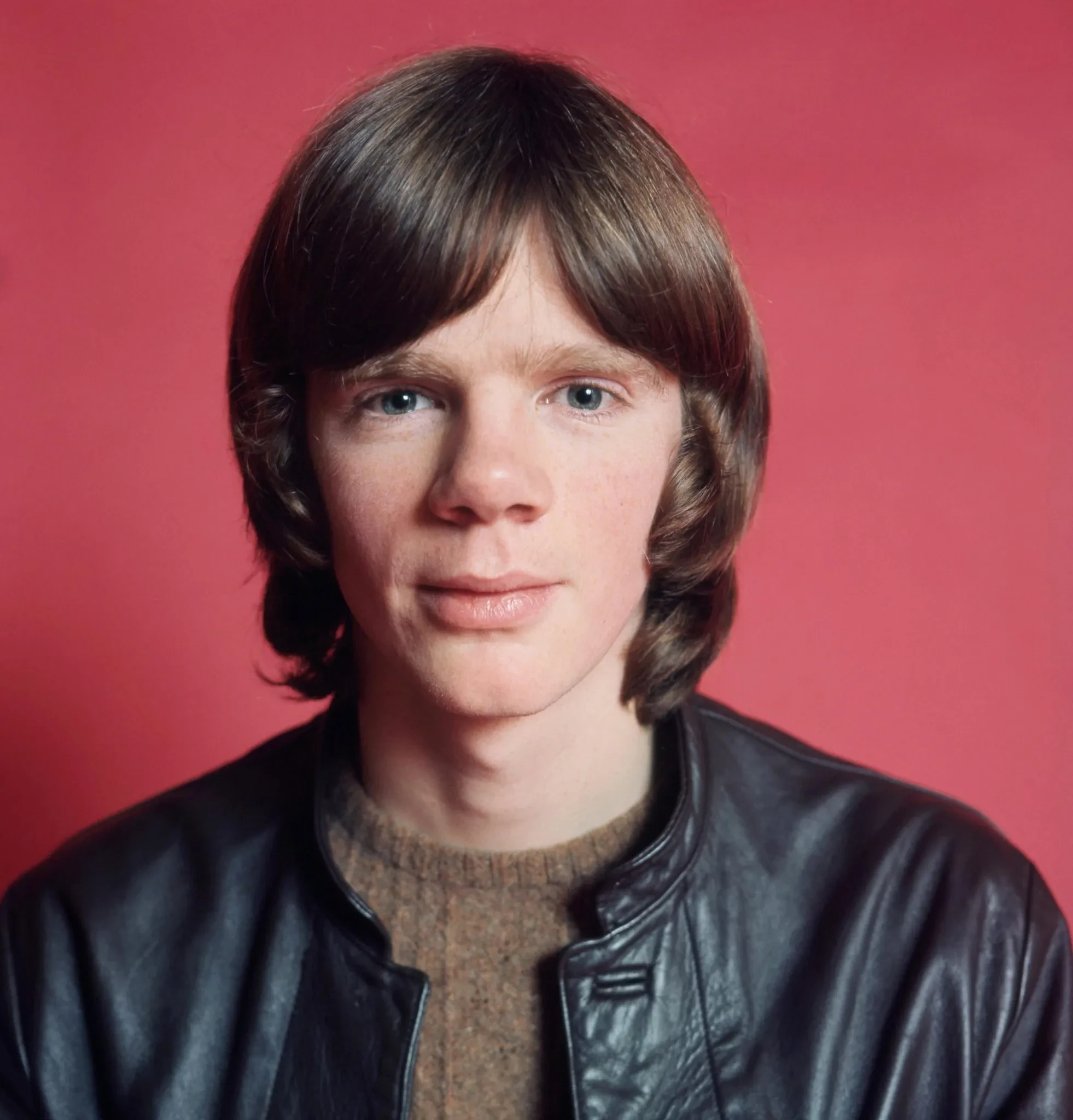
In the grand, intricate tapestry of popular music history, few figures possess a resume as sprawling, eclectic, and genre-defining as Derek "Blue" Weaver. For anyone who has ever stared mesmerized at Pete Frame’s legendary, hand-drawn Rock Family Trees, the profound value of a musician who can seamlessly bridge the gap between Wales’s mod-soul pioneers Amen Corner, the quintessentially English folk-rock innovators Strawbs, the glam-rock swagger of Mott the Hoople, and the global disco phenomenon of the Bee Gees is immeasurable. Toss in a session discography that stretches from the proto-punk shock rock of Alice Cooper and the avant-garde grit of Lou Reed to the synthesizer-driven pop brilliance of the Pet Shop Boys, and you still have barely scratched the surface of Weaver’s monumental career.
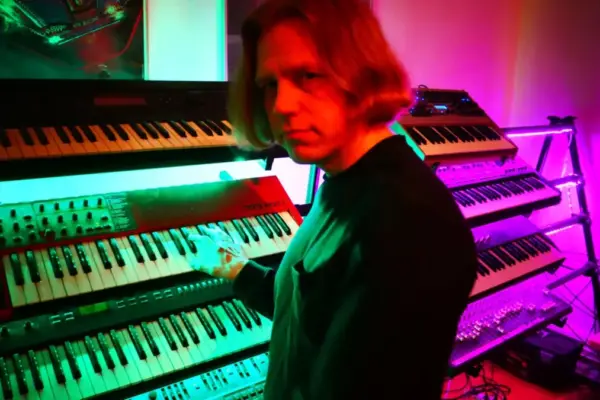
Operating out of his private studio in northern Germany at the vibrant age of 79, Weaver remains a vital, active force in contemporary music. His latest project—shepherding the archival release of the Strawbs’ landmark 1972 transition album, Grave New World Live, captured during a triumphant 2019 performance in Lakeside, New Jersey—serves as both a nostalgic look backward and a testament to a career that refuses to gather dust.
Whether recounting how a chance studio encounter with Bob Ezrin landed him on a Lou Reed record, or reflecting on his status as the only keyboard player to perform on six consecutive US Billboard number-one hits with the Bee Gees, Weaver’s journey is a masterclass in timing, raw talent, and unyielding adaptability. This feature-length profile explores the life, times, and ongoing legacy of a true journeyman virtuoso, charting his path across decades of seismic shifts in the global music industry.
Detailed Chronology: From Welsh Mod-Soul to Global Stardom
The Formative Years and Amen Corner (Late 1960s)
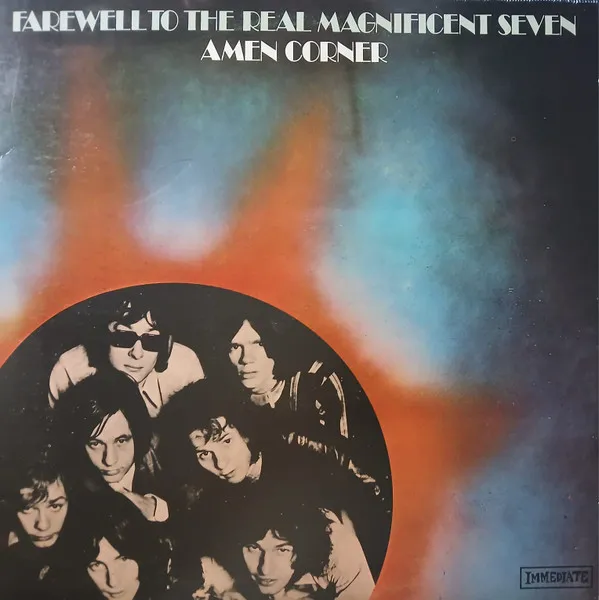
Long before he was rubbing shoulders with rock royalty in London studios or commanding arenas with the Gibb brothers, Derek Weaver was cutting his teeth in the fertile ground of late-1960s British pop. As a core member of Amen Corner—a Welsh pop-soul outfit renowned for their high-energy performances and infectious brass arrangements—Weaver experienced the whirlwind of early chart success. Alongside future rhythm-section partner Dennis Bryon, Weaver helped forge a sound that blended American soul influences with British Invasion sensibilities, scoring hits like "(If Paradise Is Half As Nice)." Yet, the restless creative spirit that would define his professional life meant he was destined for a much broader stage.
The Strawbs Era and Grave New World (1970–1973)
Following his time in Amen Corner, Weaver found a creative home that would anchor much of his artistic identity: the Strawbs. Initially celebrated as a progressive folk outfit helmed by the enigmatic Dave Cousins, the band was on the cusp of a major transformation when Weaver joined their ranks.
The catalyst for this evolution was the 1972 release of Grave New World, a cinematic, ambitious song-cycle that effectively transitioned the Strawbs from acoustic folkies into major-league progressive rockers. Weaver’s keyboard work—encompassing organ, piano, and early synthesizer textures—added a dramatic, theatrical sweep to Cousins’ poetic lyricism.
Though personnel shifts and enticing outside offers would occasionally pull him away, Weaver maintains that the Strawbs occupy a unique space in his heart. In a recent interview, he remarked with characteristic fondness that the Strawbs were "the only group I never left," illustrating a lifelong bond with Cousins and the material they created together.
The Bee Gees and Global Domination (1975–1980s)
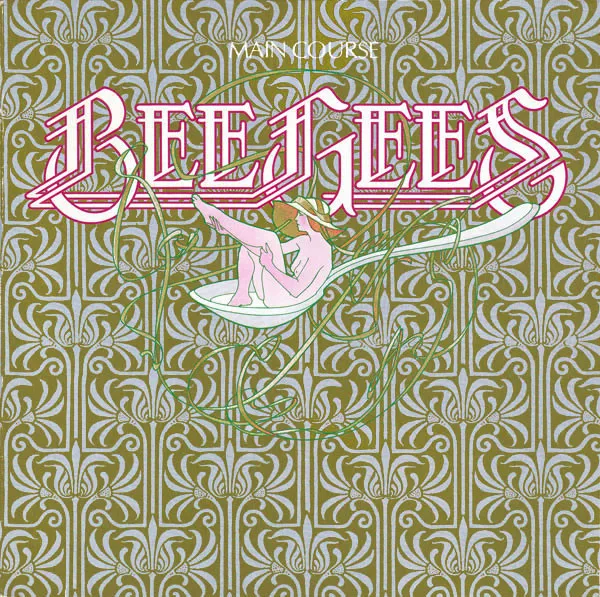
By the mid-1970s, Weaver’s reputation as a top-tier session and touring keyboardist caught the attention of the Bee Gees. Joining the band’s lineup in 1975 alongside former Amen Corner bandmate Dennis Bryon, Weaver stepped into a creative hotbed just as the Gibb brothers were orchestrating one of the most astonishing commercial comebacks in pop history.
Weaver’s contributions to the Saturday Night Fever soundtrack and subsequent multi-platinum releases solidified his place in music history. His website proudly, yet accurately, notes that he is "the only keyboard player to have played on six consecutive US No. 1 hits"—a staggering statistic that places him at the absolute epicenter of late-1970s pop culture. The lush string pads, infectious electric piano riffs, and rhythmic clavinet lines that powered tracks like "Stayin’ Alive" and "Night Fever" owed a massive debt to Weaver’s tasteful and technically precise arrangements.
The 1980s: Fairlight Synthesizers and the Pet Shop Boys
As the music industry hurtled into the 1980s, acoustic and traditional electric instruments were rapidly supplanted by digital sampling and computerized workstations. At the forefront of this technological revolution was the Fairlight CMI synthesizer—the defining sonic signature of the decade.
Weaver’s mastery of the Fairlight made him an indispensable ally to emerging electronic acts, most notably the Pet Shop Boys. Brought in by manager Tom Watkins to help flesh out tracks following the monumental success of "West End Girls," Weaver became instrumental in translating the duo’s studio creations into viable live performances.
His involvement culminated in an historic, avant-garde live outing at the Institute of Contemporary Arts (ICA) in London in August 1985, where Neil Tennant, Chris Lowe, and Weaver performed surrounded by towering banks of Fairlights, introduced by the pioneering computer-generated TV character Max Headroom. It was an eccentric, visionary convergence of pop, technology, and media that epitomized the cutting edge of 1980s culture.
Supporting Context & Metrics: The Session King’s Imprint
To truly understand Blue Weaver’s impact, one must examine the sheer breadth of his studio contributions. The transition from a struggling musician living out of his minicab in London to an elite session player reads like rock-and-roll mythology.
The Accidental Lou Reed Session
Following his initial departure from the Strawbs, Weaver found himself down on his luck, driving a minicab to pay London’s relentless rent. A chance encounter at Morgan Studios with American producer Bob Ezrin changed everything. Weaver had previously contributed atmospheric Mellotron work to Alice Cooper’s smash-hit 1973 album Billion Dollar Babies, a contribution that earned Ezrin’s deep respect.
When Weaver and Ezrin reconnected in the studio, Ezrin suddenly realized he was missing a keyboard player for an impromptu tracking session. As Weaver tells it:
"We were sitting there talking… and then, suddenly, Steve Winwood walks over. He had to leave for another gig. So, Bob said, ‘Oh, shit, we haven’t got a keyboard player.’ And then he’s sort of looking at me…"
Ezrin unceremoniously pushed Weaver onto the still-warm piano stool, introducing him to an ensemble that included Jack Bruce, Aynsley Dunbar, and guitarist Steve Hunter. Following a quick warm-up jam, Lou Reed walked into the room. Chord charts were quickly jotted down, and Weaver’s foundational piano work gave life to the track "Men of Good Fortune" from Reed’s landmark Berlin album.
The Roads Not Taken: Yes and The Moody Blues
Weaver’s peerless reputation also led to near-misses with other progressive rock titans. In 1974, following the departure of Rick Wakeman, the progressive rock giants Yes approached Weaver to fill the formidable keyboard chair. Having already observed the daunting task of following Wakeman during his time in the Strawbs, Weaver respectfully declined the offer. However, demonstrating remarkable collegiality, he recommended his friend Patrick Moraz for the gig—a recommendation that changed the trajectory of Yes’s Relayer era.
Similarly, Weaver discovered years later—posthumously, through an interview—that Graeme Edge and The Moody Blues had strongly considered asking him to join their ranks following Patrick Moraz’s departure. Reflecting on this revelation, Weaver smiles at the thought:
"I remember listening to [1967’s] Days Of Future Passed when we were driving in the van with Amen Corner and thinking it was incredible. Had it happened, I’d have been Moody Blue Weaver…"
Official Statements and Archival Triumphs
The centerpiece of Weaver’s current professional narrative is the long-awaited archival release, Grave New World Live, scheduled to hit shelves on October 9, 2026. Culled from a celebratory 2019 concert in Lakeside, New Jersey—a municipality whose mayor happens to be an obsessive Strawbs aficionado—the recording captures the classic album performed sequentially in its entirety, accompanied by humorous and insightful commentary from writer and performer Wesley Stace.
Recalling the meticulous preparation for the evening, Weaver shares an amusing anecdote regarding the audience’s enthusiasm:
"It was a fantastic week. We did three or four days in the hall, and one evening was taken up with Grave New World Live, with Wesley Stace doing a commentary. It was funny. Dave [Cousins] went onstage beforehand and said, ‘Look, we’ve organised this with a linking narrative, so we would appreciate it if you saved the applause to the end and not between numbers.’ So, we went through the album tracks in order and opened up with Benedictus. We finished, and the whole audience started cheering and clapping. Then they remembered, they calmed down…"
This profound respect for Dave Cousins—who sadly passed away in July of the previous year—remains the emotional bedrock of Weaver’s reflections on the Strawbs. Far from viewing Cousins merely as a bandleader, Weaver elevates him to the pantheon of literary giants:
"He was the one who had the least recognition for the quality of his musicianship and songwriting. He’s not just a songwriter, a lyricist, he’s a poet—in every one of his songs, you can take the music away and there’s a story there."
Future Outlook: Academia, Touring, and Refusing to Fade
At 79 years of age, many legendary musicians would be content to quietly archive their memorabilia and enjoy a well-earned retirement. Not Blue Weaver. His schedule reflects the boundless energy of a man half his age, divided between modern production work in his German studio and rigorous academic engagement.
In a delightful twist of irony for someone who admits he "hardly went to school," Weaver was recently appointed as an honorary Professor of Music at Bangor University. Rather than treating the title as an empty honorific, Weaver has actively integrated his vast personal history and Strawbs material into his teaching modules, passing down the empirical wisdom of 1970s studiocraft and progressive arrangement to a new generation of musicians.
On the live front, Weaver continues to tour Europe, performing in a critically acclaimed stage show dedicated to the music and history of the Bee Gees. Rejecting any notion that he is participating in a standard, cynical tribute act, Weaver is quick to clarify the artistic integrity of the production:
"We’re the one band that doesn’t pretend to be the Bee Gees. The show is called Massachusetts, and it’s with the Egiziano brothers."
Featuring the powerhouse vocal talents of the three Italian siblings—whose voices still raise the hairs on Weaver’s arms—alongside occasional guest appearances by former Bee Gees guitarist Vince Melouney, the Massachusetts show bridges the gap between historical reverence and live performance vitality.
As Grave New World Live prepares for its October 2026 release, Derek "Blue" Weaver stands as an enduring monument to an era when pop music was an adventurous, collaborative laboratory. From the folk-rock cathedrals of the Strawbs to the disco inferno of Studio 54 and the synthetic frontiers of the Pet Shop Boys, Weaver has continuously joined the dots of music history. And as he looks toward the future from his studio in Germany, one thing remains certain: for Blue Weaver, the music has never truly stopped.