Executive Overview
In the heart of London’s upscale Mayfair district, at 25 Brook Street, a quiet brick townhouse stands as a dual monument to musical genius separated by centuries. This year marks a monumental milestone for the British cultural landscape: the 25th anniversary of the opening of Handel House—now universally known as the Handel Hendrix House. To commemorate a quarter-century of preserving, celebrating, and breathing life into the historic spaces once inhabited by two revolutionary composers, the institution has curated an expansive anniversary season.
At the center of this quarter-century celebration is a headline-grabbing, star-studded concert scheduled for November 10 at St George’s Hanover Square, George Frideric Handel’s own parish church. This landmark musical gathering will see two of the UK’s foremost period-instrument ensembles, The Brook Street Band and The London Handel Players, join forces for a rare collaborative performance. Featuring celebrated mezzo-soprano Helen Charlston, the evening program is thoughtfully designed to showcase the intimate, brilliant, and deeply emotional chamber works Handel composed during his early decades in the British capital.
Beyond the concert hall, the anniversary festivities include an exclusive pre-concert reception hosted within the historic walls of Brook Street itself, allowing patrons to walk the very wooden floors where the Messiah was orchestrated and where rock-and-roll icon Jimi Hendrix would later sleep two centuries later. Compounding the silver jubilee excitement is the institution’s current flagship exhibition, Hallelujah House: Inside Handel’s HQ, which offers an immersive deep dive into the domestic and professional engine room of Baroque London’s most prolific composer.
This comprehensive report explores the quarter-century journey of the Handel Hendrix House, dissects the historical significance of the anniversary repertoire, highlights the museum’s ongoing cultural impact, and examines the future outlook of one of London’s most cherished musical shrines.
Detailed Chronology: From Baroque Haven to Silver Jubilee
To understand the weight of this 25-year milestone, one must trace the winding historical arc of 25 Brook Street. The chronology of this address is a fascinating tale of urban preservation, grassroots cultural campaigning, and the miraculous survival of physical spaces that shaped the course of Western music.
The Baroque Era: Handel at 25 Brook Street (1723–1759)
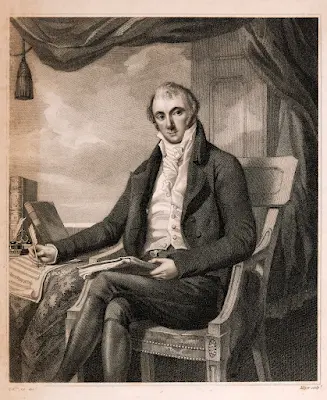
When George Frideric Handel signed the lease for 25 Brook Street in 1723, Mayfair was a newly developing, fashionable London suburb. Handel was already a celebrated figure in England, having won the favor of King George I and captured the public imagination with operas like Rinaldo and orchestral blockbusters like the Water Music.
Handel was the very first tenant of the newly built terrace house. For thirty-six years—until his death in the upstairs bedroom on April 14, 1759—this address served as his creative headquarters. It was within these rooms that he composed virtually all of his mature masterpieces, including the timeless oratorio Messiah, Saul, Israel in Egypt, Samson, and Solomon. Here, he rehearsed with musicians, managed his own opera and oratorio companies, stored his priceless music manuscripts, and welcomed both royalty and commoners. Brook Street was not merely Handel’s home; it was the crucible of British Baroque musical culture.
The Intervening Centuries: Commercialization and Decay
Following Handel’s death, the house underwent numerous transformations. As Mayfair evolved from a residential neighborhood into a bustling commercial district, 25 Brook Street was converted into retail space on the ground floor, with offices and apartments occupying the upper floors. Over the decades, the historical integrity of the building was severely compromised. Walls were knocked down, fireplaces were covered, and the memory of Handel’s residency faded into a footnote of architectural history.
By an extraordinary twist of fate, the adjacent upper-floor apartment at 23 Brook Street became home to a very different kind of musical revolutionary in the late 1960s. Jimi Hendrix, the legendary American guitarist and singer-songwriter, moved into the flat in 1968. During his brief but legendary tenure in London, Hendrix described the flat as his "only home in England." Standing on the precipice of international superstardom, Hendrix spent hours listening to records, giving interviews, and buying vintage clothes in nearby Carnaby Street, entirely unaware that he was living directly next door to the ghosts of Baroque royalty.
The Birth of the Museum: 2001 and Beyond
By the late 20th century, the fate of 25 Brook Street hung in the balance. Thanks to the tireless lobbying of the Handel House Trust—founded in 1995 by Stanley Sadie, the renowned musicologist and editor of The New Grove Dictionary of Music and Musicians—the building was acquired and meticulously restored to its 18th-century appearance.
On November 8, 2001, Handel House officially opened its doors to the public as a museum. For the first time, visitors could step inside the composing room where Messiah was brought to life.
In a subsequent expansion, the museum acquired the upper floors of No. 23 where Jimi Hendrix had lived. Following a major capital campaign and restoration project, the unified Handel Hendrix House opened its doors in full in 2023, creating a singular, unbroken cultural nexus that bridged two distinct centuries of musical revolution under one roof. Now, in late 2025 and moving into 2026, the institution celebrates 25 years of continuous public engagement, education, and artistic celebration.
Supporting Context & Metrics: The Anniversary Repertoire
The anniversary concert on November 10 at St George’s Hanover Square is not merely a celebratory gala; it is an academic and artistic exploration of Handel’s London years. Curated with exquisite precision, the program features works that trace the evolution of Handel’s chamber style during his most productive decades at Brook Street.
The Program Breakdown
The concert features a tripartite structure focusing on instrumental mastery and vocal brilliance:
- Trio Sonata in B minor (HWV 386): Composed during the 1720s and formally published in 1733, this work showcases Handel’s supreme counterpoint and melodic inventiveness. Musicologists note that the buoyant, driving energy of the final Allegro movement shares thematic and stylistic DNA with the famous Chandos Anthems that Handel wrote earlier in his career at Cannons.
- Sonata in A major (HWV 361): Dating from a similar period, this sonata exemplifies the intimate, conversational nature of Baroque chamber music. Written for solo violin and basso continuo, it highlights the expressive capabilities of period instruments played by members of The Brook Street Band and The London Handel Players.
- Cantata Mi palpita il cor (HWV 132c): The vocal centerpiece of the evening, this exquisite secular cantata explores the turbulence of unrequited love. Written during Handel’s early London years in the 1710s, the piece provides a window into the Italianate vocal style that Handel successfully imported to the English stage.
The Artists: A Collaborative Triumph
Bringing this repertoire to life requires performers who specialize in the esoteric demands of historically informed performance (HIP). The pairing of The Brook Street Band—named affectionately after Handel’s residential address—and The London Handel Players represents an unprecedented summit of British Baroque specialists.

Mezzo-soprano Helen Charlston, widely acclaimed for her crystalline tone, profound emotional intelligence, and mastery of Baroque repertoire, takes center stage for Mi palpita il cor. Charlston’s voice possesses the agility and dramatic weight required to navigate Handel’s demanding vocal ornamentation, promising an unforgettable interpretation of the lovesick protagonist.
Pre-Concert Festivities
To elevate the anniversary experience beyond the concert hall, tickomold holders are invited to a special pre-concert reception beginning at 5:30 PM inside 25 Brook Street. Guests can sip celebratory drinks surrounded by period-appropriate furnishings, original art, and historical artifacts before taking the brief, scenic walk through historic Mayfair to St George’s Hanover Square—the very church where Handel worshipped and where his parishioners first encountered his musical genius.
Official Statements & Exhibition Spotlight: Hallelujah House
The silver jubilee is anchored not only by live performance but also by a major curatorial achievement: the landmark exhibition Hallelujah House: Inside Handel’s HQ.
Unlocking the Composer’s Private World
Hallelujah House explores the dual nature of 25 Brook Street as both a domestic sanctuary and a high-stakes professional headquarters. For decades, music historians have debated how Handel managed the intense logistical pressures of mounting Italian opera seasons and massive oratorio premieres in 18th-century London. This exhibition provides definitive answers by examining the physical infrastructure of the house.
According to museum curators, the exhibition sheds light on:
- The Rehearsal Studio: How the first-floor front room functioned as an acoustic testing ground where castrati, prima donnas, and instrumentalists gathered to read through fresh scores.
- The Study and Office: The nerve center where Handel managed business contracts, corresponded with librettists, and dealt with the fickle financial realities of London theater management.
- The Domestic Retreat: Rare personal items, letters, and contemporary accounts that paint a vivid portrait of Handel as a man of formidable intellect, refined culinary tastes, and deep personal generosity.
Curator and Management Perspectives
Speaking on the significance of the 25-year milestone, leadership at the Handel Hendrix House emphasized the resilience and enduring relevance of the institution.
"Reaching 25 years is a testament to the power of place," noted a senior spokesperson for the trust. "When Stanley Sadie and his colleagues fought to save 25 Brook Street in the 1990s, they were preserving bricks and mortar. But over the last quarter-century, this house has transformed from a static museum into a living, breathing engine of creativity. By uniting Handel’s Baroque sanctuary with Hendrix’s rock-and-roll flat, we have created a cultural space unlike any other in the world. This anniversary season is a tribute to everyone who has walked through our doors, played our instruments, and kept the flame of musical history burning bright."
The exhibition has already drawn widespread critical acclaim from music critics across the United Kingdom. Reviewers have praised its innovative use of spatial storytelling, noting that visitors leave with a palpable sense of what it felt like to stand in the room while history was being written in ink on parchment.
Future Outlook: Preserving the Legacy for the Next Generation
As the Handel Hendrix House closes out its silver jubilee year and looks toward the future, the institution faces both exciting opportunities and profound responsibilities. Preserving 18th-century timber structures in the heart of modern London requires constant, meticulous conservation efforts. Yet, the leadership remains steadfast in its commitment to expanding public access, educational outreach, and artistic innovation.
Educational Initiatives and Community Engagement
A core pillar of the institution’s strategic vision for the next quarter-century is the expansion of its educational programming. By partnering with London schools, music academies, and community organizations, the Handel Hendrix House aims to demystify classical music and historical preservation for younger generations.
Upcoming initiatives include:
- Masterclasses and Workshops: Expanding opportunities for young period-instrument specialists to study directly with members of ensembles like The Brook Street Band and The London Handel Players.
- Digital Archives: Enhancing virtual tours and online exhibitions to make the collections at 25 Brook Street accessible to global audiences who cannot travel to Mayfair.
- Cross-Genre Residencies: Continuing the tradition of creative dialogue between past and present by inviting contemporary musicians, composers, and sound artists to draw inspiration from the Brook Street spaces—following in the footsteps of Jimi Hendrix.
Conclusion: A Timeless Melody in Mayfair
Twenty-five years after its initial opening, the Handel Hendrix House stands as a triumphant symbol of cultural preservation. It reminds us that buildings are more than physical structures; they are vessels of human memory, emotion, and artistic creation.
Whether through the soaring strains of a Handel cantata performed by Helen Charlston at St George’s Hanover Square, the immersive historical deep dive of the Hallelujah House exhibition, or the silent, resonant walls of Brook Street itself, the message of this silver jubilee is clear. The music written in these rooms two and a half centuries ago—much like the revolutionary spirit that echoed through them in the 1960s—remains vibrantly alive, echoing into the future with undiminished brilliance.
Full event details, ticketing information for the November 10 concert, and exhibition schedules can be accessed directly via the official Handel Hendrix House Website.