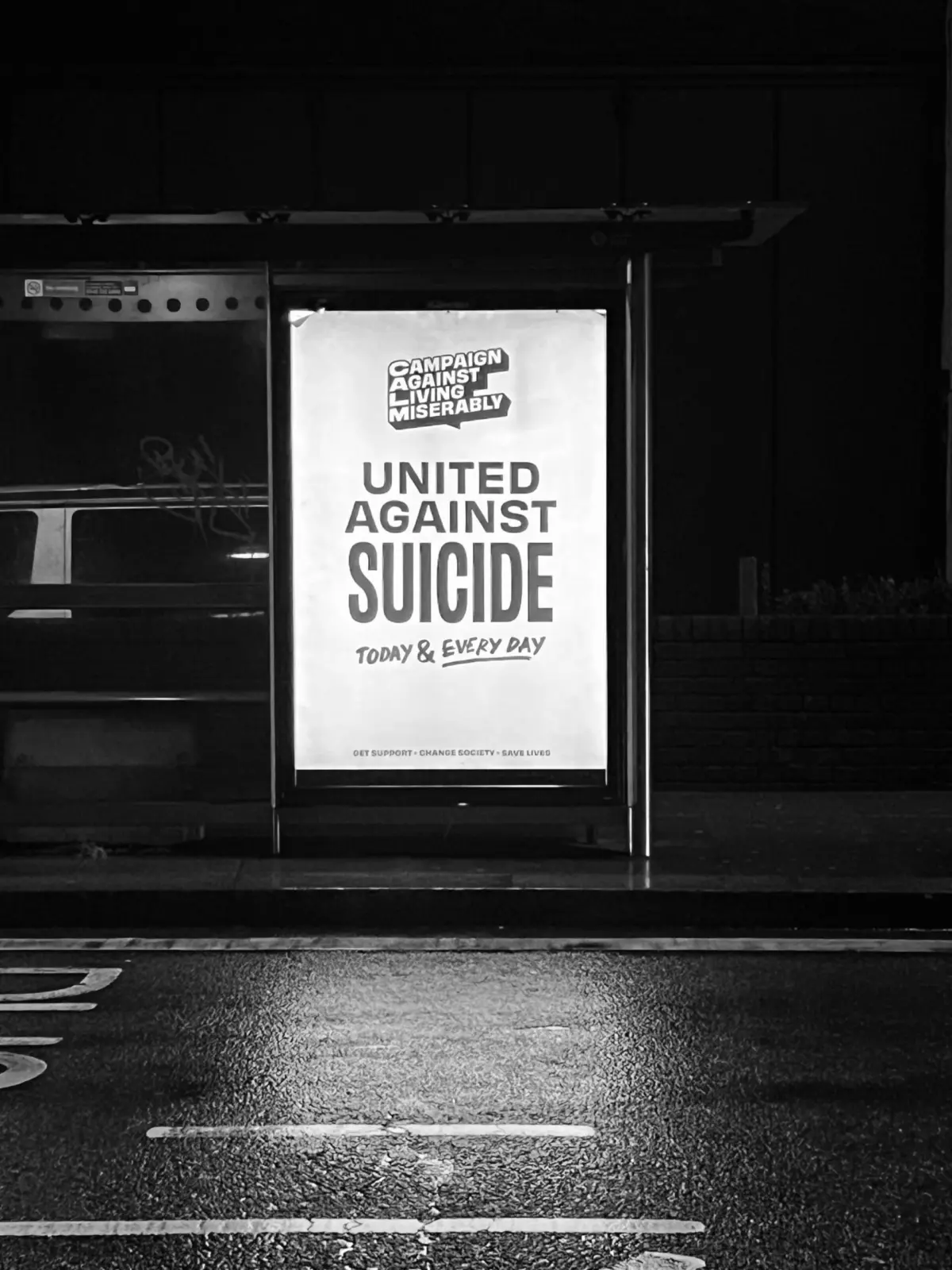
Finding the Lifeline: Rough Trade, CALM, and Changing the Narrative on Suicide
Every year on September 10th, World Suicide Prevention Day unites communities, advocates, and institutions worldwide in a singular mission: to raise public awareness, dismantle lingering stigmas, and reinforce the foundational message that suicide is preventable. For 2026, the guiding theme—Changing the Narrative on Suicide—serves as an urgent call to action. It challenges society to initiate open, compassionate, and stigma-free conversations, actively dismantling the walls of silence that far too often isolate those in crisis.
In recognition of this critical day, renowned independent music retailer Rough Trade sat down with Simon Gunning, Chief Executive Officer of the Campaign Against Living Miserably (CALM). The conversation explores the persistent public health challenges surrounding suicide, the unique vulnerabilities embedded within the creative industries, and the profound, life-affirming role that music plays in connecting, grounding, and ultimately saving lives.
Executive Overview: A Partnership Rooted in Resonance
Music has long functioned as more than mere entertainment; it offers profound connection, catharsis, a sense of belonging, and, in many defining moments, an absolute lifeline. This foundational belief drives the ongoing partnership between Rough Trade and CALM, a leading suicide-prevention charity dedicated to providing life-saving interventions and fundamentally reshaping how society talks about mental health.
By leveraging its physical stores, digital platforms, and expansive music community, Rough Trade amplifies CALM’s mission. The core message of the partnership is straightforward yet vital: nobody should ever have to struggle alone.
However, the urgency behind this initiative cannot be overstated. According to recent data from CALM, approximately 125 people die by suicide every week in the United Kingdom. It remains the single biggest killer of men under the age of 50, while recent statistics also highlight an alarming rise in suicide rates among young women under 24. Behind these stark metrics lie real human lives—families, friends, colleagues, and communities forever altered by profound loss.
Detailed Chronology: The Evolution of Mental Health Advocacy and Public Perception
Over the past decade, cultural attitudes toward mental health have undergone a visible transformation. Across large segments of society, it has become progressively more acceptable to openly discuss emotional struggles, seek professional help, and have one’s vulnerabilities taken seriously. Organizations like CALM have been at the forefront of this shift, working tirelessly to normalize the conversation around psychological distress.
Despite these strides in general mental health awareness, suicide prevention has lagged behind, remaining heavily obscured by deep-seated stigma, shame, and institutional silence.
The Persistence of Stigma
In conversation with Rough Trade, CALM CEO Simon Gunning emphasized that while society has grown more comfortable discussing general anxiety and depression, the specific topic of suicide remains intensely taboo.
"It’s true we’ve made progress on mental health… Where we haven’t seen progress, however, is in suicide prevention. The whole area of suicide and its prevention is shrouded in stigma and shame, and that is the fundamental change we need to make."
With roughly 6,500 people dying by suicide annually in the UK, the scope of the crisis is vast. Statistical models indicate that one in four people will experience suicidal thoughts in their lifetime, and one in 13 UK adults will attempt to take their own life. Gunning stresses that these figures do not represent an anonymous demographic; they encompass mothers, fathers, brothers, sisters, friends, and colleagues.
Shifting Cultural Behaviors: Reaching In vs. Reaching Out
A prevailing misconception is that individuals experiencing a crisis will naturally reach out for help when things become unbearable. In reality, demanding that a struggling person initiate contact places an undue burden on someone whose cognitive and emotional reserves are already depleted.
Gunning argues that society must evolve from expecting people to "reach out" to actively "reaching in." This requires everyday citizens to take the initiative—asking direct questions, checking in on loved ones, and abandoning the polite avoidance that allows hidden pain to fester. To assist the public in overcoming the fear of saying the "wrong thing," CALM has developed practical educational tools, including their digital Conversation Coach, designed to help people build confidence in navigating difficult dialogues.
Supporting Context & Metrics: Unpacking the Myths of Seasonal and Digital Pressures
To effectively change the narrative on suicide, society must confront several persistent myths regarding when and why crises occur.
The Summer Paradox
Conventional wisdom often leads people to assume that winter—with its long nights, dropping temperatures, and limited daylight—is the period when suicide rates peak. However, public health data frequently points toward the spring and summer months as times of heightened risk.
Gunning explains that this phenomenon is largely driven by social comparison. Warmer weather brings societal expectations of joy, outdoor gatherings, picnics, and high-visibility social activities. For individuals battling depression or isolation, the stark contrast between their internal reality and the external display of perceived happiness can amplify feelings of inadequacy and despair.

Furthermore, Gunning highlights a fundamental misconception regarding the psychological trajectory of suicide:
"The glaring misconception around suicide is that it’s a linear process. We feel great, then a bit rubbish, then totally shit, then we attempt suicide. It’s not like that. It can come out of nowhere or fester for years."
Suicide ideation is rarely a simple, one-time event. An individual might experience crisis points in early life, recover, and face challenges decades later. Because survival is overwhelmingly the most likely outcome of intervention, utilizing practical intervention frameworks—such as the CALM C.A.R.E. Kit—equips everyday people to support one another through both high and low points.
The Digital Landscape and the Loss of the "Off Switch"
In the modern era, digital behavior plays a profound role in shaping psychological well-being. While technology offers unprecedented connectivity, it also introduces environments that can exacerbate feelings of isolation and despair.
CALM monitors several key digital pressures closely:
- Comparison Culture: Constant exposure to curated, idealized versions of other people’s lives can erode self-worth.
- Online Toxicity: Cyberbullying, targeted abuse, and hostile comment sections heighten feelings of rejection and hopelessness.
- The Loss of the "Off Switch": Late-night scrolling, the compulsion to remain constantly available, and algorithms that feed negative emotional states trap users in echo chambers with little room for mental recovery.
Ultimately, Gunning notes that the guiding question regarding screen time should not merely be about hours logged, but about impact: Is this digital behavior helping the person feel connected and supported, or is it making their world feel smaller, harsher, and inescapable?
Official Statements & Industry Vulnerability: The Creative Sector
Creative professionals face a distinct set of psychological pressures. Making music, comedy, or art is an inherently exposing endeavor; artists continually bare their deepest emotions to a critical, often unforgiving public audience.
Mental Health in the Music Industry
Research consistently indicates that musicians and creative workers experience elevated rates of mental health struggles and suicide risks. Self-belief and creative passion can only shield an individual from so much industry volatility, financial instability, and public scrutiny. Organizations like Help Musicians UK and CALM work continuously within the sector to address these systemic pressures, advocating for better infrastructure and support systems for artists and crew members alike.

Music as a Preventive Superpower
Despite these occupational risks, music itself remains one of humankind’s most potent emotional vehicles. Discussing the intersection of art and mental health, Gunning points out that music provides a unique language for complex, difficult-to-articulate emotions—citing the existential weight of The Cure, the raw energy of Fontaines D.C., the fury of IDLES, and the poignant melancholy of Elliott Smith.
Crucially, music functions as an active mechanism for suicide prevention:
"Having a ticket to a gig can be the reason a person decides to stay, and there’s fascinating research into the impact music has on the brain to actually regulate it during moments of crisis. The fact is, artists are already playing a huge part in suicide prevention for their fans that they might not be aware of, but we’re looking to work with the industry to bring this superpower out into the open."
Future Outlook: A Call for Cultural Transformation
As the world continues to navigate the complexities of modern public health, the path forward relies on collective accountability and the destruction of lingering taboos. Preventing suicide requires moving past the fear of addressing the topic head-on.
When asked what advice he would give to someone worried about a friend, colleague, or loved one, Gunning’s directive is clear and uncompromising:
"Don’t avoid the S-word (suicide). Don’t avoid really asking how they’re doing. Do visit thecalmzone.net, do use the NHS and listen to lots and lots of varied music. It will nourish your soul."
Suicide prevention is not solely the domain of clinical professionals; it is a shared social responsibility rooted in empathy, proactive engagement, and the fundamental belief in human hope.
If You Need Support
If you are struggling, worried about someone close to you, or navigating the grief of losing someone to suicide, support is available 365 days a year:
- CALM Helpline: Call 0800 58 58 58 (free, confidential, and anonymous) or use their webchat service from 5 PM to midnight daily at thecalmzone.net.
- Samaritans: Call 116 123 free at any time of day or night.
- Emergency Services: If you or someone you know is in immediate physical danger, call 999 or go to your nearest A&E department.