At the dawn of the 1980s, British progressive rock giant Jethro Tull stood at a high-stakes sonic crossroads. Having built an indelible reputation on intricate folk-rock tapestries, acoustic flutes, medieval iconography, and complex concept albums, the band’s mastermind—flautist, vocalist, and chief songwriter Ian Anderson—felt an irresistible pull toward the emerging digital landscape. What followed was one of the most audacious, radical, and polarizing pivots in progressive rock history: an era defined by programmable drum machines, digital sequencers, cutting-edge synthesizers, and sharp, contemporary lyricism exploring Cold War paranoia and technological alienation.
This transformative epoch spawned Ian Anderson’s official solo debut, Walk Into Light (1983), and Jethro Tull’s 15th studio album, Under Wraps (1984). Created in close collaboration with keyboard prodigy Peter-John Vettese, these recordings moved far beyond the pastoral glades and squirrel-filled forests of Tull’s traditional imagery. Instead, they pushed the music into a sleek, mechanized aesthetic that divided traditionalists while showcasing some of the band’s most intricate compositions and exceptional guitar work.
Decades after its initial release—and following years of lukewarm commercial reception and fan debate regarding its cold, drum-machine-heavy production—this controversial chapter is undergoing a comprehensive archival reappraisal. Through newly remixed expanded editions curated by Bruce Soord (leader of modern progressive outfit The Pineapple Thief), both Walk Into Light and Under Wraps have been given a dramatic sonic restoration. By breathing modern warmth and punch into the original master tapes and digital samples, these reissues offer a compelling invitation to reassess Jethro Tull’s brave leap into the digital age.
Detailed Chronology: From Folk Tapestries to Digital Terminals
[1980] "A" Album
  └─ Intended as Ian Anderson solo project; released as Jethro Tull under label pressure.
  └─ Influx of synths (Eddie Jobson); lineup shift following bassist John Glascock's passing.

[1982] "The Broadsword and the Beast"
  └─ Arrival of keyboard maestro Peter-John Vettese.
  └─ Hybrid of traditional folk-rock narrative and burgeoning synth textures.

[1983] "Walk Into Light"
  └─ Ian Anderson’s debut true solo album, co-written with Vettese.
  └─ recorded in Anderson's Buckinghamshire home studio; heavy electronic focus.

[1984] "Under Wraps"
  └─ Full band assembly (Anderson, Barre, Pegg, Vettese).
  └─ Espionage, surveillance, and Cold War themes; heavy reliance on programmed drum patterns.

[1984] Hammersmith Odeon Tour
  └─ Thematic live performances integrating high-concept (and controversial) stagecraft.

[2024–2026] The Bruce Soord Reissue Project
  └─ Exhaustive remixing of "Walk Into Light" and "Under Wraps: The Unwrapped Edition".
  └─ Restoration of drum sample textures and separation of original multi-tracks.
1980–1981: The "A" Realignment and Lineup Shift
The roots of Tull’s electronic metamorphosis were planted amid personal grief and structural upheaval. Following the tragic death of long-serving bassist John Glascock in 1979, Anderson sought to pause the main band entity to work on a solo outing. Recorded with guest keyboardist/violist Eddie Jobson (Roxy Music, UK) and long-time Tull guitarist Martin Barre, the resulting 1980 project—titled A—was intended as Anderson’s solo departure.
However, pressure from Chrysalis Records forced the album to be issued under the Jethro Tull moniker. The unexpected shift left longtime members Dee Palmer, John Evan, and Barriemore Barlow on the outside, signaling a hard reset for the group’s internal dynamic.
1982: The Transition of The Broadsword and The Beast
By 1982, a new operational paradigm had crystallized. Anderson recruited 24-year-old keyboard virtuoso Peter-John Vettese to replace Jobson. Vettese brought a deep command of newly emerging programmable synths and digital hardware.
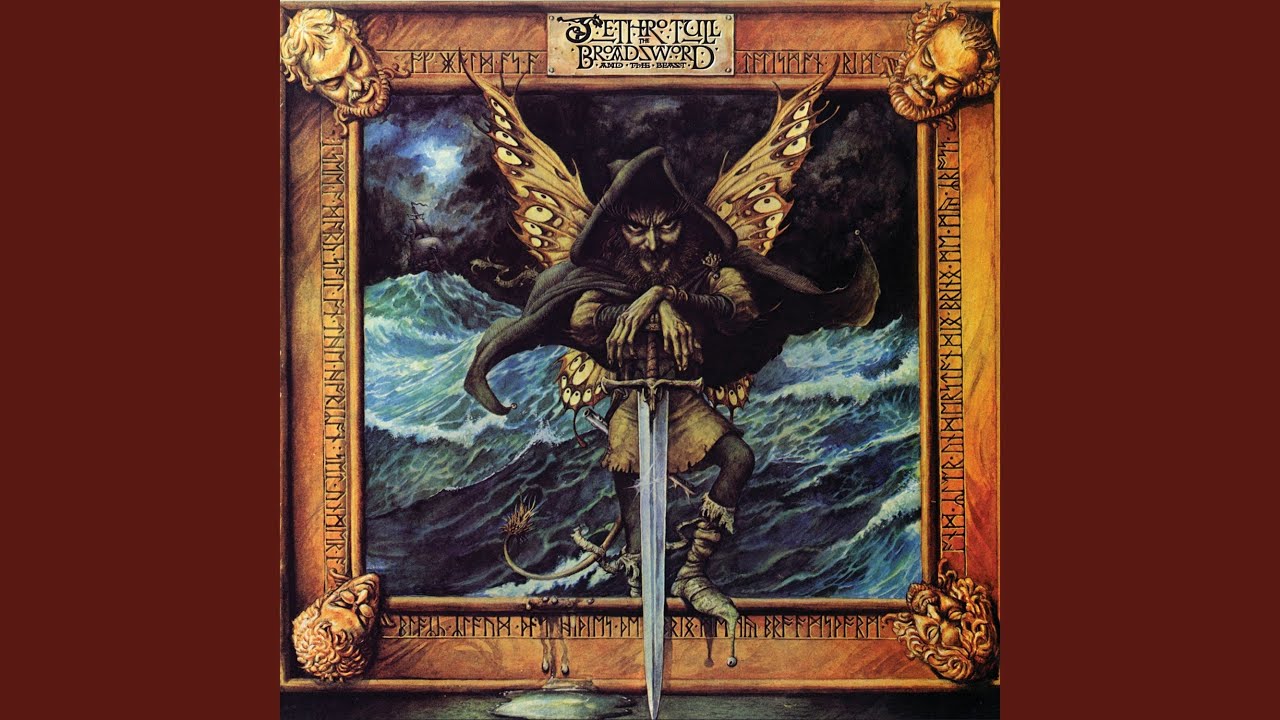
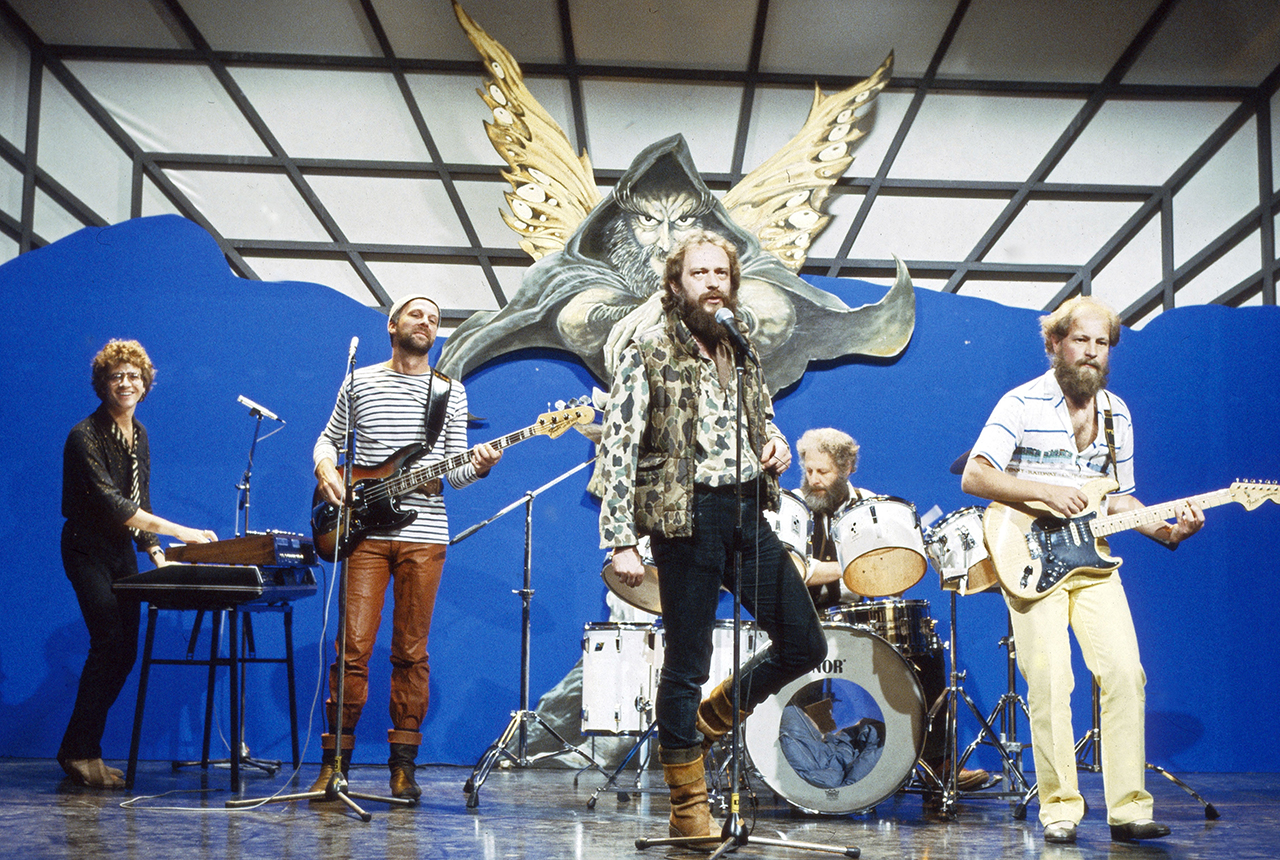
On 1982’s The Broadsword And The Beast, the band struck a delicate equilibrium: Vettese’s electronic textures were draped over classic, folk-tinged songwriting and fantasy imagery. The record achieved substantial critical and commercial success, comforting core fans while secretly laying the groundwork for a far more complete technical migration.
1983: Walk Into Light — The True Solo Debut
Eager to test digital technology without compromise, Anderson re-engaged with the solo concept, bringing Vettese along as a full co-compositional partner. Working out of Anderson’s newly constructed home studio in Buckinghamshire, the duo fully immersed themselves in sequencers, MIDI setups, and digital sound synthesis.
Released in 1983, Walk Into Light was starkly modern. Songs like User-Friendly, Trains, Looking For Eden, and A Different Germany traded acoustic guitars for pulsing basslines, computer terminal metaphors, and commentary on a fractured, militarized Europe. It marked the first time Anderson had formally shared foundational songwriting duties with another musician.
1984: Under Wraps — The Band Steps into the Machine
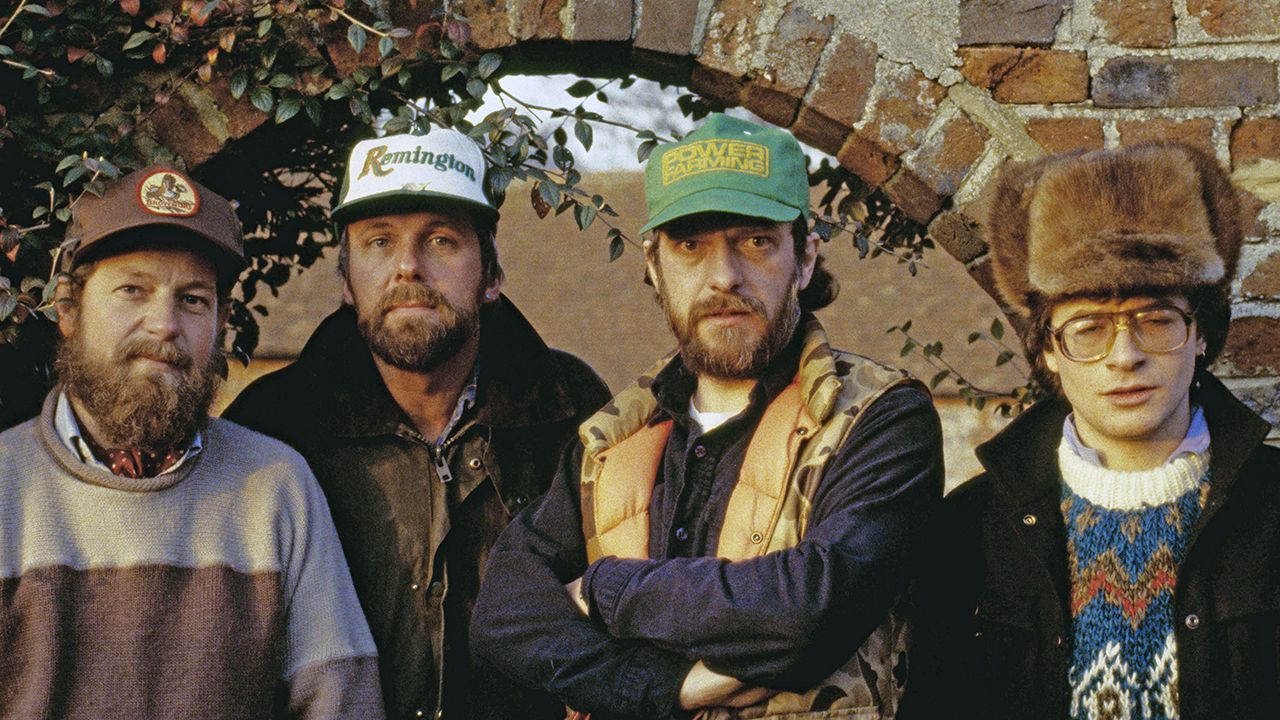
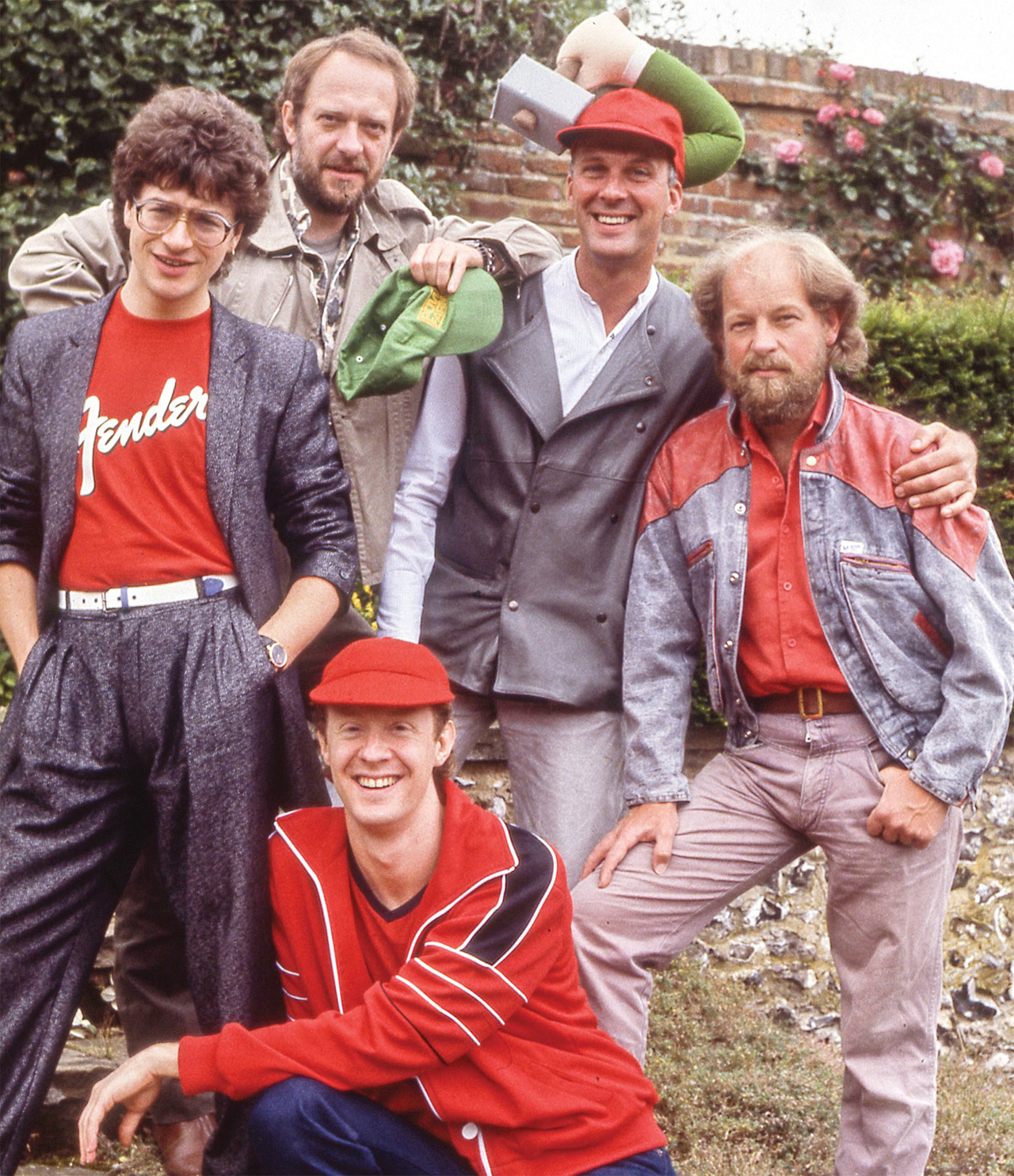
Fresh from their studio experimentations, Anderson and Vettese brought guitar icon Martin Barre and Fairport Convention bassist Dave Pegg into the fold to record Jethro Tull’s 15th studio album, Under Wraps. Rather than hiring a traditional session drummer, Anderson and Vettese meticulously programmed every percussion track using high-end drum machines and digital samplers.
The album’s narrative scope shifted toward international espionage, political intrigue, surveillance, and nuclear anxiety, heavily inspired by Cold War realities and spy fiction. While the musicianship was fiercely complex—featuring rapid time-signature shifts and staggering guitar solos from Barre—the album’s thin, brittle production and mechanized drum sounds alienated large swaths of the fanbase upon its September 1984 release. It stalled at No. 78 on the UK Album Chart and failed to break into the US Billboard Top 200.
2020s: The Bruce Soord Restoration Project
For decades, Under Wraps remained the black sheep of Jethro Tull’s classic-era discography, its raw musical brilliance obscured by early digital recording limitations. Recognizing the hidden quality of the underlying performances, Anderson initiated an overhaul for the band’s extensive box-set reissue series.
Mix engineer Bruce Soord was brought in to overhaul both Walk Into Light and Under Wraps. Soord re-processed the original drum samples, separated tightly packed frequency bands, and restored lost dynamic range, culminating in Under Wraps: The Unwrapped Edition and the updated remix of Walk Into Light.
Supporting Context, Technical Metrics, and Geopolitical Backdrop
Production & Sonic Restoration Metrics
Album Metric / Parameter
Original 1983/1984 Releases
Bruce Soord Reissue Editions
Primary Rhythm Source
Early E-mu / Linn digital drum samples; rigid early-80s quantizing.
Re-sampled, dynamic frequency isolation; enhanced acoustic depth.
Recording Environment
Home-built barn studio in Buckinghamshire (16-track/24-track analogue-to-digital setup).
Multi-track 24-bit/96kHz digital transfers from master analogue tapes.
Thatcherism, Cold War surveillance, technological love, nuclear paranoia.
Historical snapshot of mid-80s geopolitics through a modern lens.
Technical Architecture & Drum Machine Dilemmas
A primary point of contention for Under Wraps was its complete lack of an acoustic drum kit. During pre-production for the modern reissue, Anderson briefly considered having Jethro Tull’s current touring drummer, Scott Hammond, re-record every drum part live. However, the sheer complexity of the original machine sequences proved an insurmountable obstacle.
"I talked to our drummer, Scott Hammond, about doing it, and he really didn’t like the idea of having to sit and learn all that material, transcribing it all in order to recreate the essence of the drum components… It would have involved many, many weeks of work, and it would have been very expensive."
— Ian Anderson
Ultimately, Bruce Soord adopted a hybrid engineering strategy: leaving the original programmed patterns intact while running the samples through modern studio processors to infuse them with spatial depth, low-end punch, and organic warmth.
[Original 1984 Multi-Track Tapes]
       │
       ├─► (Attempted Live Re-recording: Rejected as impractical)
       │
       ▼
[Bruce Soord Digital Extraction]
       │
       ├─► Frequency Isolation of Vintage Sample Transients
       ├─► Spatial Re-tubing & Analog-Style Saturation
       └─► Re-balanced EQ against Martin Barre's Guitars & Dave Pegg's Bass
       │
       ▼
[Modern Hybrid Master: "Under Wraps - Unwrapped"]
Geopolitical and Paranormal Backdrop
The anxiety permeating Under Wraps and Walk Into Light was not merely artistic theatricality; it was grounded in the immediate physical surroundings of Anderson’s life in the early 1980s. Anderson’s home studio in Buckinghamshire was located just six miles from the United Kingdom’s Strike Command—a subterranean bunker complex operated jointly by British and American forces near High Wycombe.
During the height of East-West tensions, the proximity to a prime nuclear target generated an ambient, existential dread:
Nuclear Contingency: Anderson maintained extra vehicles and reserves of gasoline on site, prepared to evacuate his family to the remote western coast of Scotland in the event of an imminent ground-burst nuclear strike.
Political Satire: Tracks such as Lap Of Luxury poked fun at the rising materialism of Thatcher-era Britain, lampooning the consumerist rush for Japanese imports like Datsuns and Toyotas as symbols of newfound middle-class status.
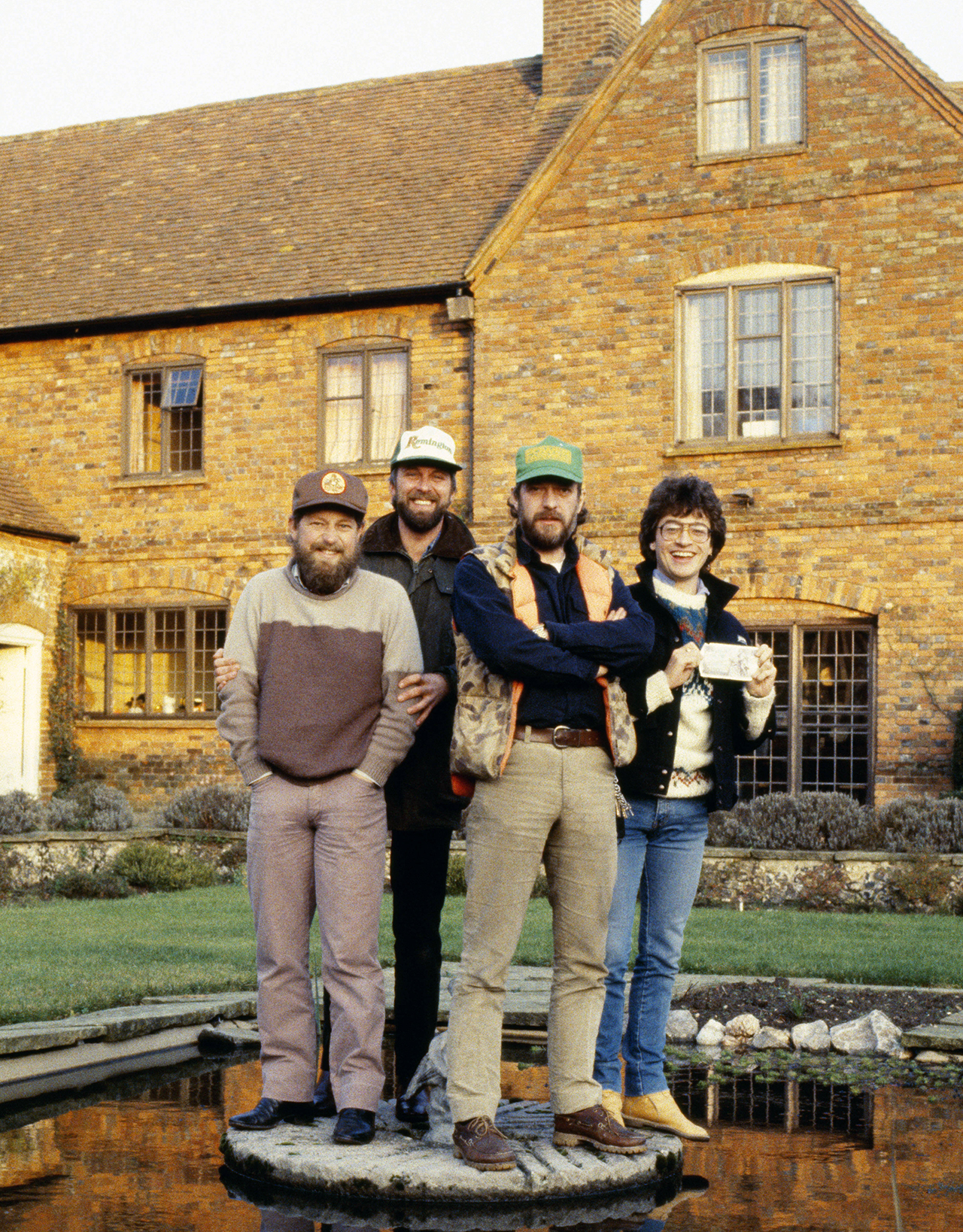
Haunted Surroundings: Recording sessions at Anderson’s 16th-century manor house—built over the ruins of a pre-Reformation nunnery—were plagued by unsettling occurrences. Keyboardist Peter-John Vettese, housed in an attic room, reported supernatural encounters that left previous residents sleeping with lights on. Studio settings, locked and alarmed overnight, were frequently found inexplicably altered by morning, with mixing faders pushed and control knobs rotated.
Official Statements and Band Perspectives
Ian Anderson on Composition and Backlash
Reflecting on the bold decision to leave behind the acoustic glades for digital synthesizers, Ian Anderson remains unapologetic about the band’s willingness to risk fan outrage:
"It seemed like a challenge to either embrace new electronic sounds and see what it might do for me, or just ignore it completely and stay in an analogue world with my head in the sand… It was a step into the unknown.
Where did people feel we should be? Maybe in a kind of wooded glade with squirrels and friendly little animals popping up… But maybe we went too far in one direction before—with A Passion Play, for instance; and with Under Wraps, it was another step too far for some of the fanbase. We just have to accept that you can’t please all of the people all of the time. But it wasn’t really that radical. Certainly not as big a step as Bob Dylan took when he went electric."
Addressing the early 1980s collaborative spark with Peter-John Vettese, Anderson noted:
"I never really worked with anybody at all in a compositional sense… There were many examples on that record of sketchy ideas that I had in terms of melody, and of course, I wrote all the lyrics. But [Vettese] would come up with a lot of little musical ideas, and I would say, ‘Oh, that’s good. Maybe we can put that here, and I can build something on there.’"
Dave Pegg on Band Dynamics and Thematic Antics
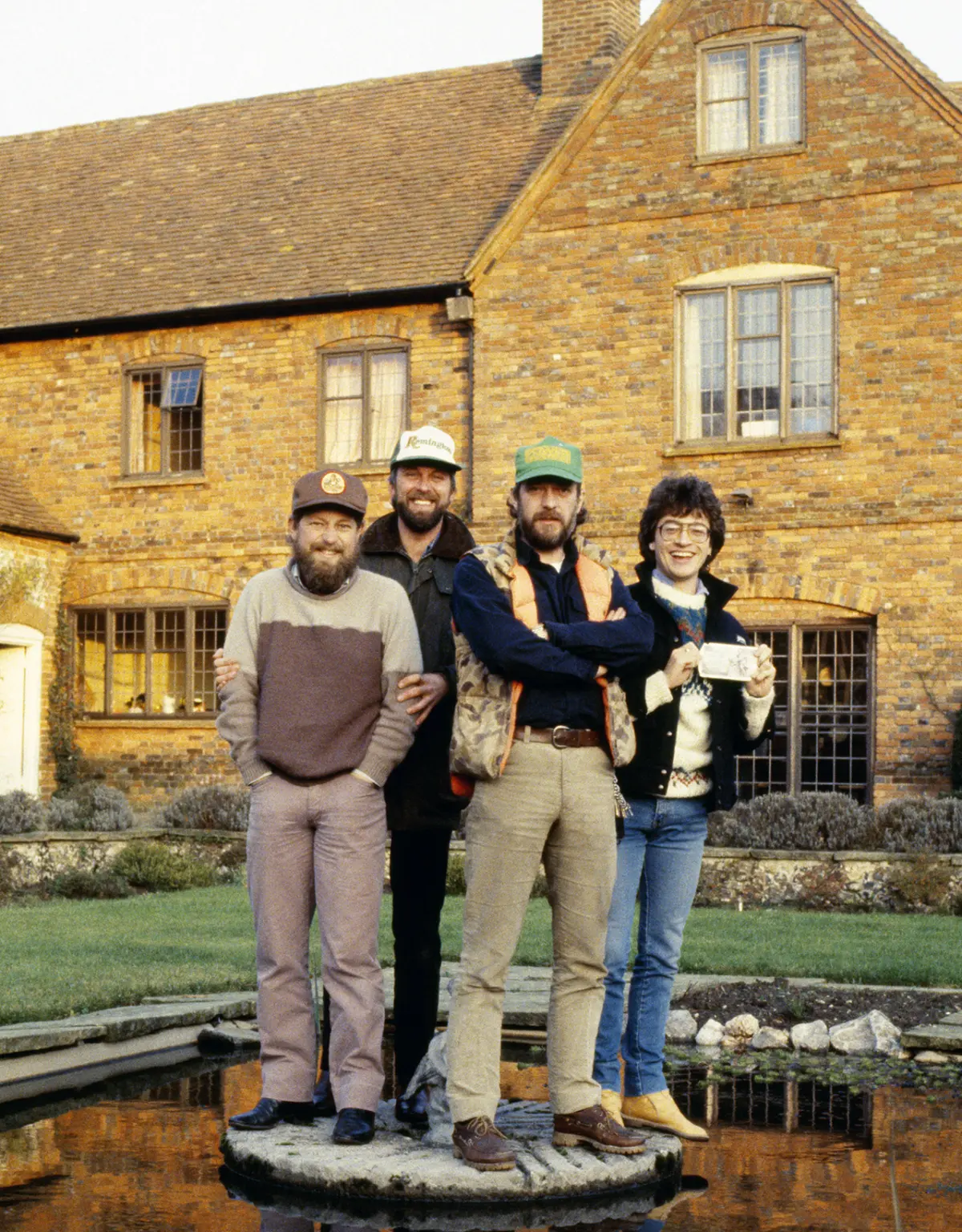
Despite the serious, high-tech nature of the recording sessions, the internal atmosphere at Anderson’s Buckinghamshire estate was full of eccentric humor. In the liner notes for the reissue, bassist Dave Pegg recalled the band’s unconventional off-hours entertainment:
"We used to play asymmetric hedge tennis. It was always Martin and me—the Brummies—against Peter and Ian. And we used to let them win, of course! You couldn’t see over the top of the hedge; it was two or three feet taller than we were. The other two would go on the other side and we’d hit this shuttlecock back and forth. You never knew where it was coming from. It was absolutely hilarious!"
Pegg, whose musical background was rooted in traditional English folk with Fairport Convention, faced a steep learning curve adapting to the rapid-fire, complex synth patterns of Under Wraps. Yet, as Anderson observed upon reviewing the unreleased mixes, Pegg’s baseline precision and Martin Barre’s scorching guitar performances represent some of the highest technical achievements in the entire Jethro Tull canon.
On the 1984 Live Production
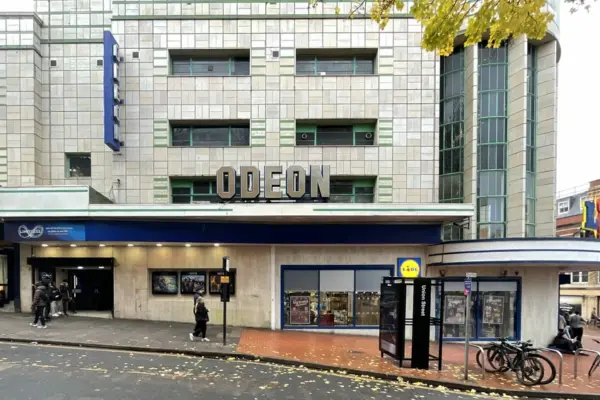
The 1984 tour behind Under Wraps featured elaborate theatrical set pieces inspired by cold-war cloak-and-dagger thrillers. This included a notorious stage stunt during live performances of the title track at London’s Hammersmith Odeon:
"At the end of the second or third song, a naked woman would jump out of her paper packaging and run across the stage in strobe lighting so that you couldn’t really see her properly… Audience members would say after the show that they thought they saw a naked lady, but they weren’t really sure because of the strobe lighting.
There are two reasons you couldn’t do it today. First because it would be politically incorrect, and second you have to give warnings about using flashing lights. So it was a product of its 1984 time, never to be repeated. Not one of our finest moments, in retrospect…"
Future Outlook and Critical Legacy
The release of Under Wraps: The Unwrapped Edition and the Bruce Soord 2026 remix of Walk Into Light signals a dramatic pivot in how Jethro Tull’s mid-80s output is perceived by the broader music community. For decades, music historians reduced Under Wraps to an unfortunate victim of trendy 1980s production techniques. However, modern audio restoration allows the underlying craftsmanship to shine through the vintage sheen.
Stripped of its thin, harsh top-end, Under Wraps reveals itself as a daring bridge between classic progressive rock and hyper-modern art-pop. The complex time signatures of Nobody’s Car, the rhythmic drive of Saboteur, and the evocative, film-noir atmosphere of Tundra demonstrate a band fearlessly striving forward rather than resting on the commercial security of their 1970s achievements.
As digital production technology comes full circle, listeners in the 21st century—accustomed to electronic hybrids across modern progressive genres—are uniquely equipped to appreciate what Ian Anderson and Peter-John Vettese were attempting to build in their Buckinghamshire barn. Far from being a misstep, Jethro Tull’s electronic era stands as a testament to an artist’s refusal to stay safe, proving that true progressive music requires a willingness to step into the unknown—no matter how dark or uncharted the path ahead may seem.