Executive Overview
The mid-2010s through the mid-2020s will be remembered as an era of profound disruption, grassroots resilience, and spectacular sonic evolution in the global music industry. Marking its monumental 50th anniversary, Rough Trade—the vanguard of independent record retail and culture—has reflected on a transformative ten-year period stretching from 2016 to 2025. This decade began under the shadow of a monumental loss with the passing of David Bowie, yet it rapidly blossomed into an epoch of bold, genre-agnostic experimentation, high-profile reunions, and a remarkable physical vinyl resurgence.
From the smoky, intimate confines of Brixton’s Windmill venue to the sprawling, neon-drenched realms of hyperpop and alt-country, independent music has continually shattered its own boundaries. As Rough Trade expands its international footprint—establishing hubs in Bristol, Liverpool, Berlin, Nottingham, and relocating Rough Trade NYC from Brooklyn to Manhattan—the foundational ethos of the record store remains unchanged: fostering physical spaces where music creators and devout listeners collide. In celebration of this legacy, the final installment of the Rough Trade 50th Anniversary Editions—spanning the pivotal years of 2016 through 2025—encapsulates an era defined by radical authenticity, emotional gravity, and uncompromising artistic vision.
Detailed Chronology: The Soundscape of 2016–2025
The narrative arc of contemporary music over the past decade is best understood as a chronological journey through shifting cultural landscapes, underground uprisings, and monumental artistic statements.
2016: The Poignant Dawn and Soulful Revival
The decade commenced with a profound paradox: jubilation and grief. Released on his 69th birthday, David Bowie’s 26th studio album, Blackstar, arrived mere days before his death from cancer. It instantly converted from an adventurous late-career pivot into a towering, prophetic final statement, proving that even after five decades of relentless reinvention, the Starman remained focused on the horizon.
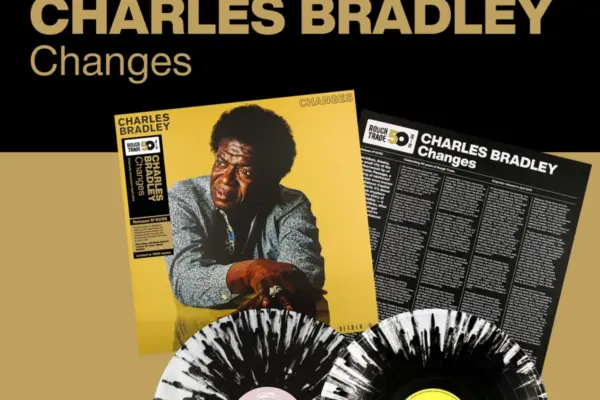
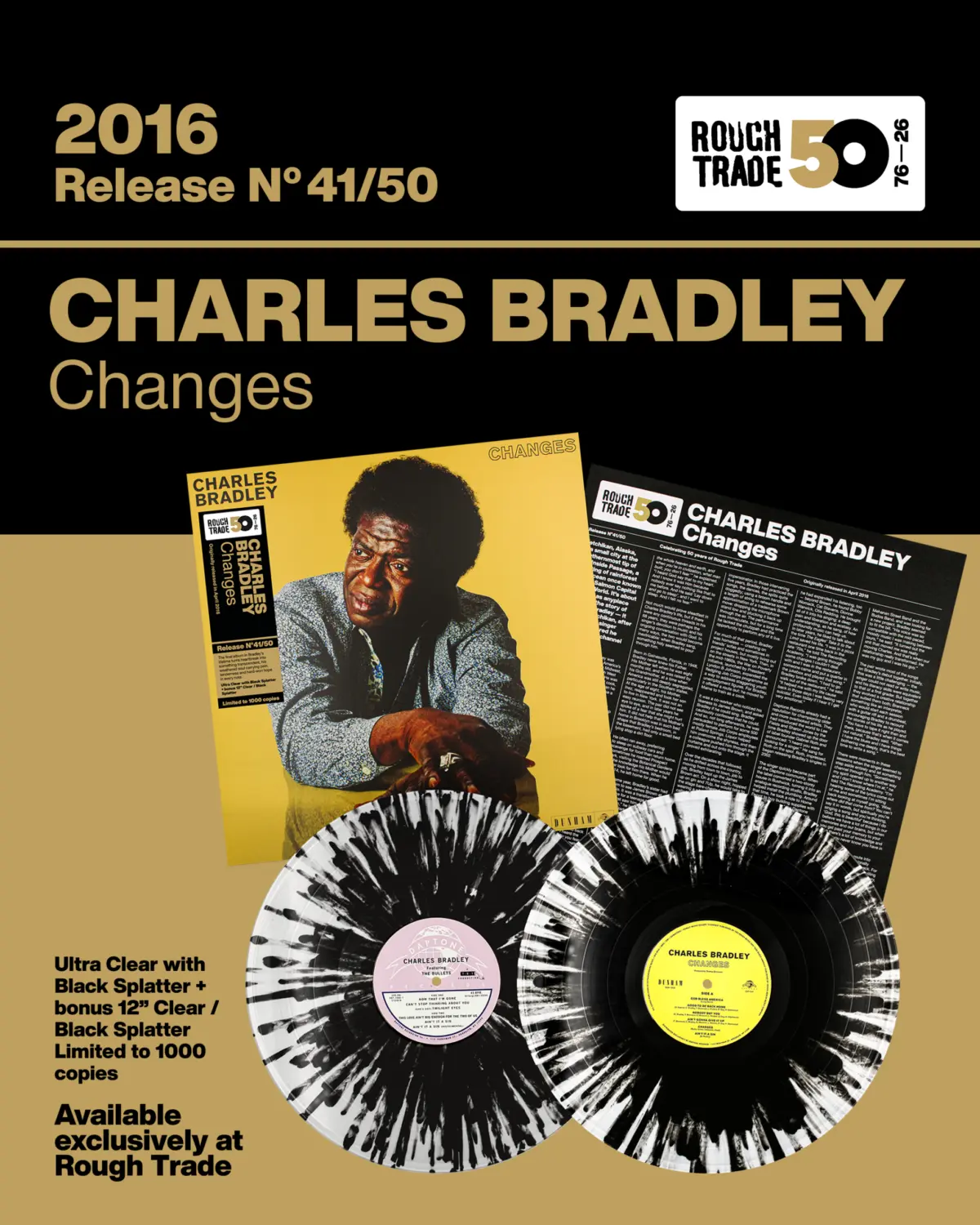
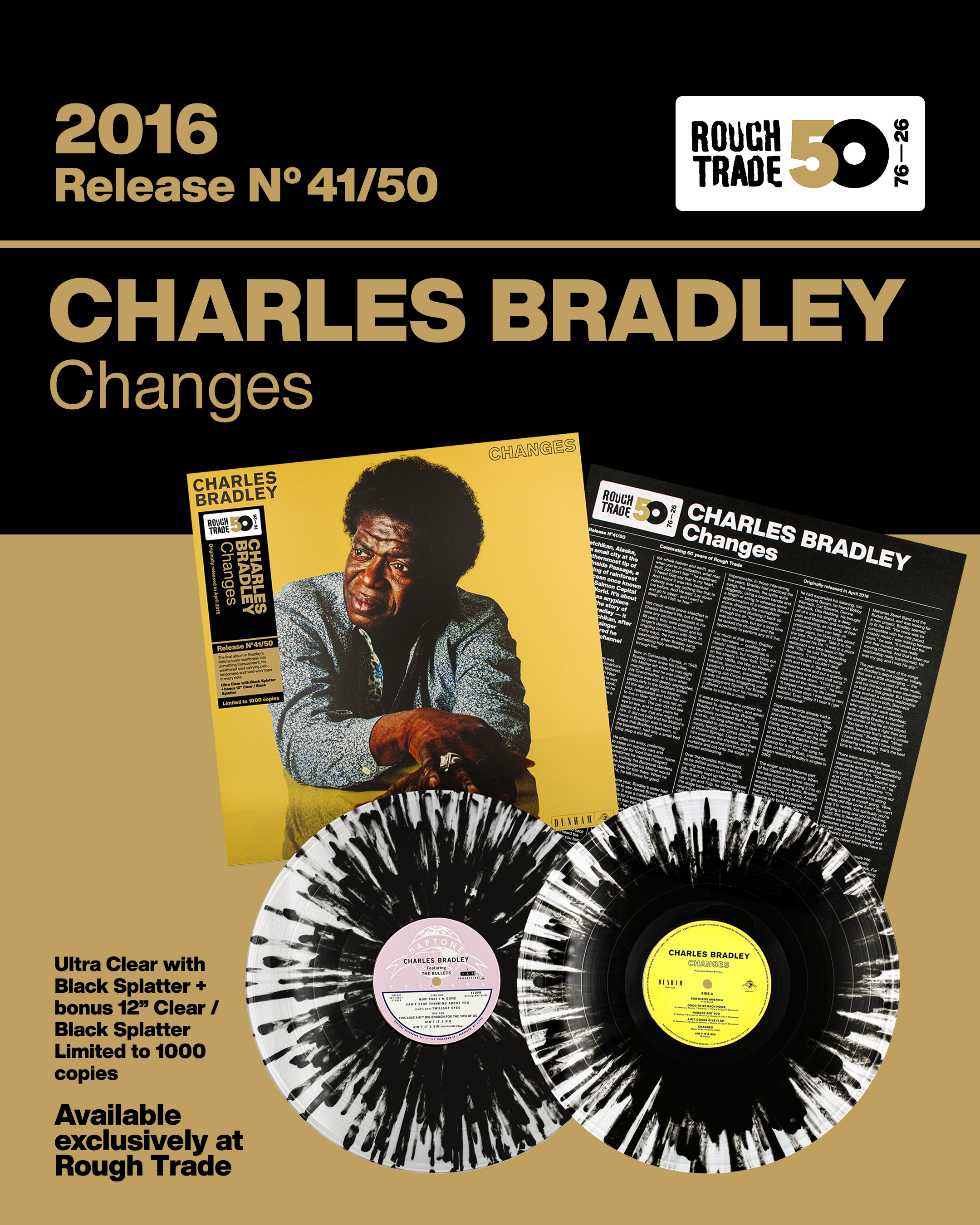
Simultaneously, the timeless power of human perseverance found expression in the late Charles Bradley. Nicknamed “The screaming eagle of soul,” Bradley overcame a harrowing life of homelessness, personal tragedy, and the trials of the Vietnam War era to release his masterpiece, Changes, via Daptone Records. Transforming Black Sabbath’s heavy metal lament into a stirring, deeply personal soul standard, Bradley cemented his status as a once-in-a-generation vocalist.
2017: Directness and Defiance
As the UK political and social climate fractured, underground rock responded with an aggressive, cathartic directness. Bristol five-piece IDLES erupted into the public consciousness with their debut album, Brutalism. Hitting the record racks like a clenched fist, the record addressed grief, toxic masculinity, class disparity, and existential frustration with an unyielding roar, serving notice that the band had plenty to say and zero interest in whispering.
2018: Electro-Punk Hedonism and Global Grooves
Shifting away from gritty realism, Brisbane’s Confidence Man injected unadulterated euphoria into the independent circuit. Their debut, Confident Music For Confident People, offered a masterclass in tongue-in-cheek hedonism. Fusing 1990s Ibiza dance beats, camp lyricism, electro-punk synths, and disco grooves, the duo commanded listeners to drop their cynicism and hit the dancefloor.
2019: The Poetic Brawl of Dublin’s Finest
Whispers of a new Irish guitar revolution crystallized with the release of Dogrel by Fontaines D.C. Rising from the pavements of Dublin and quickly captivating the Notting Hill community, the album emerged as Rough Trade’s Album of the Year for 2019. It was a poetic brawl—an urgent, slick-witted, and structurally flawless debut from five musicians who possessed an innate understanding of tension, release, and timeless lyricism.

2020: The Maximalist Explosion of Hyperpop and Identity
As global lockdowns forced artists inward, Rina Sawayama detonated existing pop conventions with her self-titled tour-de-force, SAWAYAMA. Melding maximalist hyperpop, early 2000s dance-pop nostalgia, nu-metal guitars, and R&B, Sawayama navigated complex themes of identity, family capitalism, and the immigrant experience. Tracks like "XS" proved that pop music could be fiercely intellectual, heavily synthetic, and head-bangingly heavy all at once.
2021: Intergenerational Meditation and Collaborative Magic
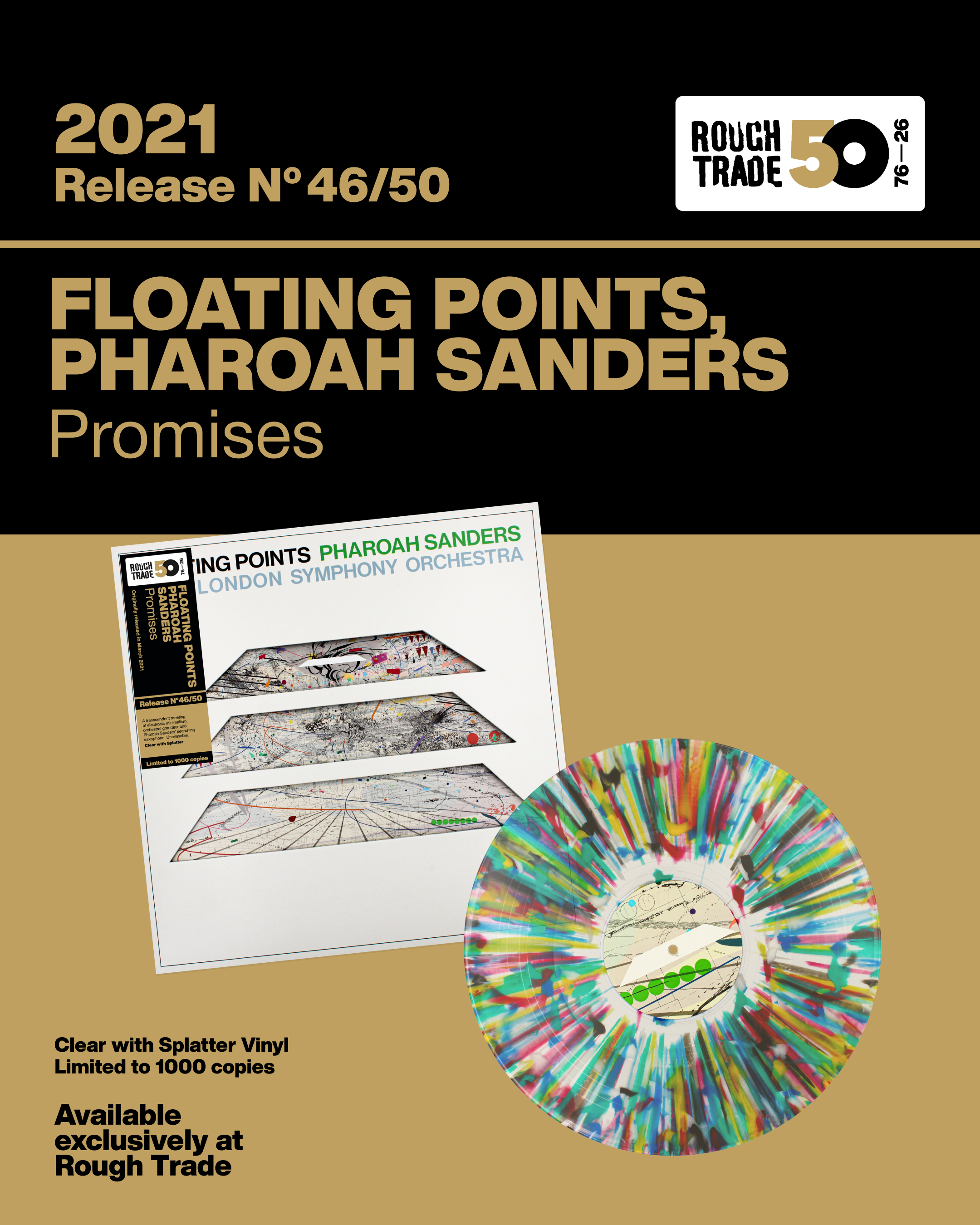
Amidst the collective stillness of the pandemic, electronic producer Floating Points, free-jazz pioneer Pharoah Sanders, and the legendary London Symphony Orchestra achieved the improbable. Promises emerged as a masterwork of minimalist patience and profound emotional resonance. Spanning nine connected movements, the album united Sanders’ transcendent saxophone with delicate ambient soundscapes, serving as a breathtaking, late-career pinnacle for the legendary saxophonist.

2022: The Windmill’s Crowning Glory
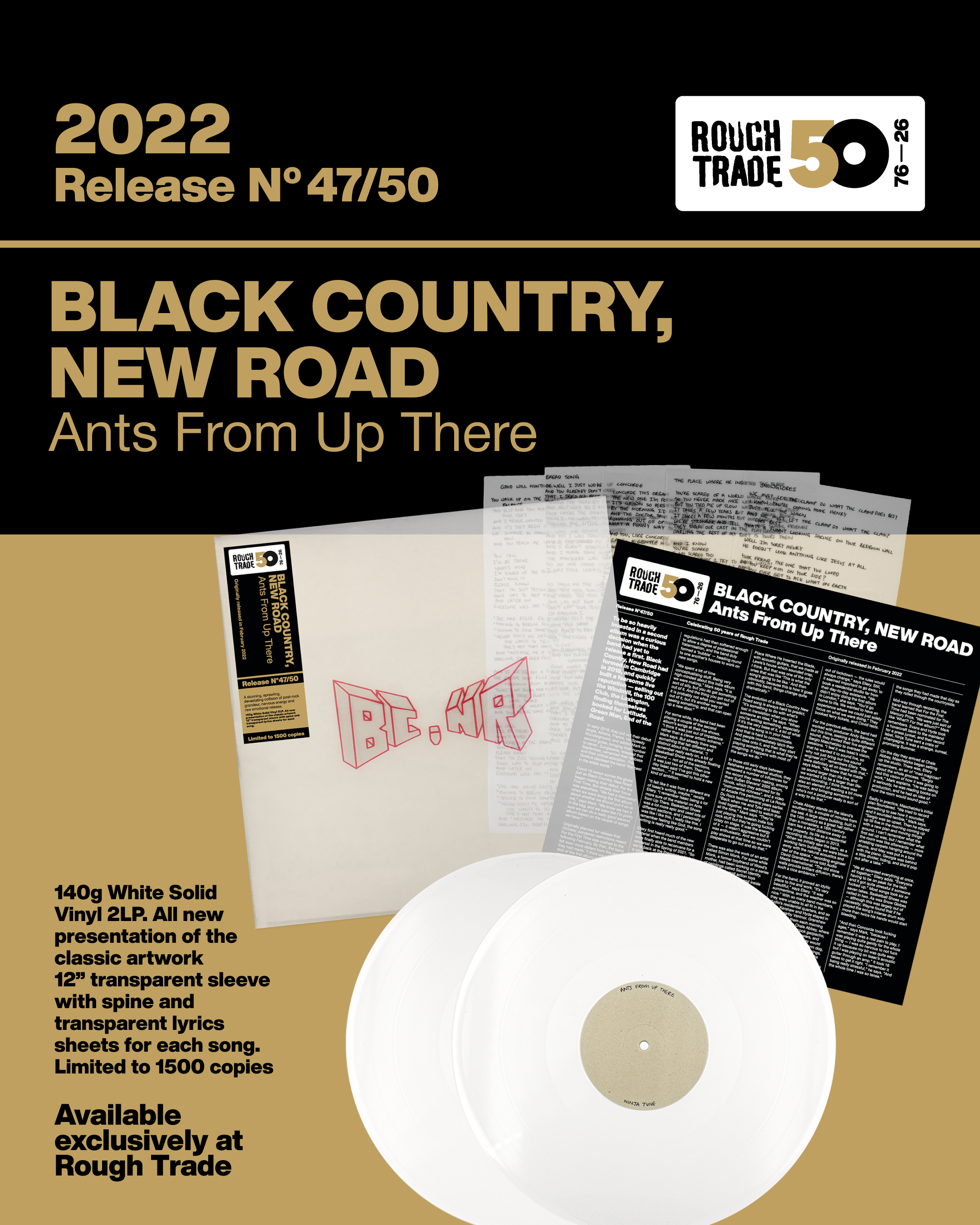
The grassroots London scene centered around Brixton’s Windmill venue reached its zenith with Black Country, New Road’s sophomore release, Ants From Up There. Widely regarded as the pinnacle of 2022, the album paired Isaac Wood’s devastatingly vulnerable vocal delivery with sweeping, orchestral grandeur. It stands as one of the most powerful break-up records of the modern era—a gut-wrenching, majestic farewell given Wood’s departure just days prior to its release.
2023: Ancestral Drones and Folk Experimentalism
Irish folk experimentalists Lankum anchored their art in centuries of dark tradition with False Lankum. Released via Rough Trade Records, the quartet wrapped heavy drones, industrial distortion, and Radie Peat’s haunting, ancestral vocals around traditional frameworks. The resulting twelve tracks evoked an addictive, atmospheric unease, proving that acoustic music could be as heavy and abrasive as doom metal.

2024: The Mundane Poetry of Alt-Country
Mark Jacob Lenderman—better known as MJ Lenderman—redefined modern Americana with Manning Fireworks. Through wry humor, self-deprecating wit, and piercing observations on Catholicism, materialism, and isolation, Lenderman confirmed his status as a generational songwriting talent, wrapping existential dread in sun-faded guitar hooks.
2025: The Triumphant Return of Britpop Royalty
Rounding out the decade, Pulp returned with More, their first collection of new material in nearly 24 years. Jarvis Cocker’s observational lyricism proved as sharp, eccentric, and razor-sharp as ever. Blending mature perspective with the signature Britpop cocktail of melancholy, romance, and everyday absurdity, Pulp demonstrated that their voice in the cultural landscape remained entirely unmatched.

Supporting Context & Metrics: The Anatomy of a Movement
The musical output of 2016–2025 was sustained by a thriving global ecosystem of independent venues, record stores, and cross-pollinating subcultures:
- The "Post-Brexit New Wave": British guitar music underwent a radical structural overhaul. Spawned from tight-knit communities around venues like The Windmill, bands such as black midi, Squid, Goat Girl, Shame, Jockstrap, and Yard Act popularized Sprechgesang (spoken-song delivery), marrying dry, journalistic observations of modern British life with jittery, avant-garde instrumentation.
- Global Art-Punk and Pub Rock: The underground was decidedly international. New York contributed the wiry art-punk of Bodega, Stockholm provided the absurd, high-octane post-punk of Viagra Boys, and Melbourne delivered the relentless pub-rock velocity of Amyl and the Sniffers.
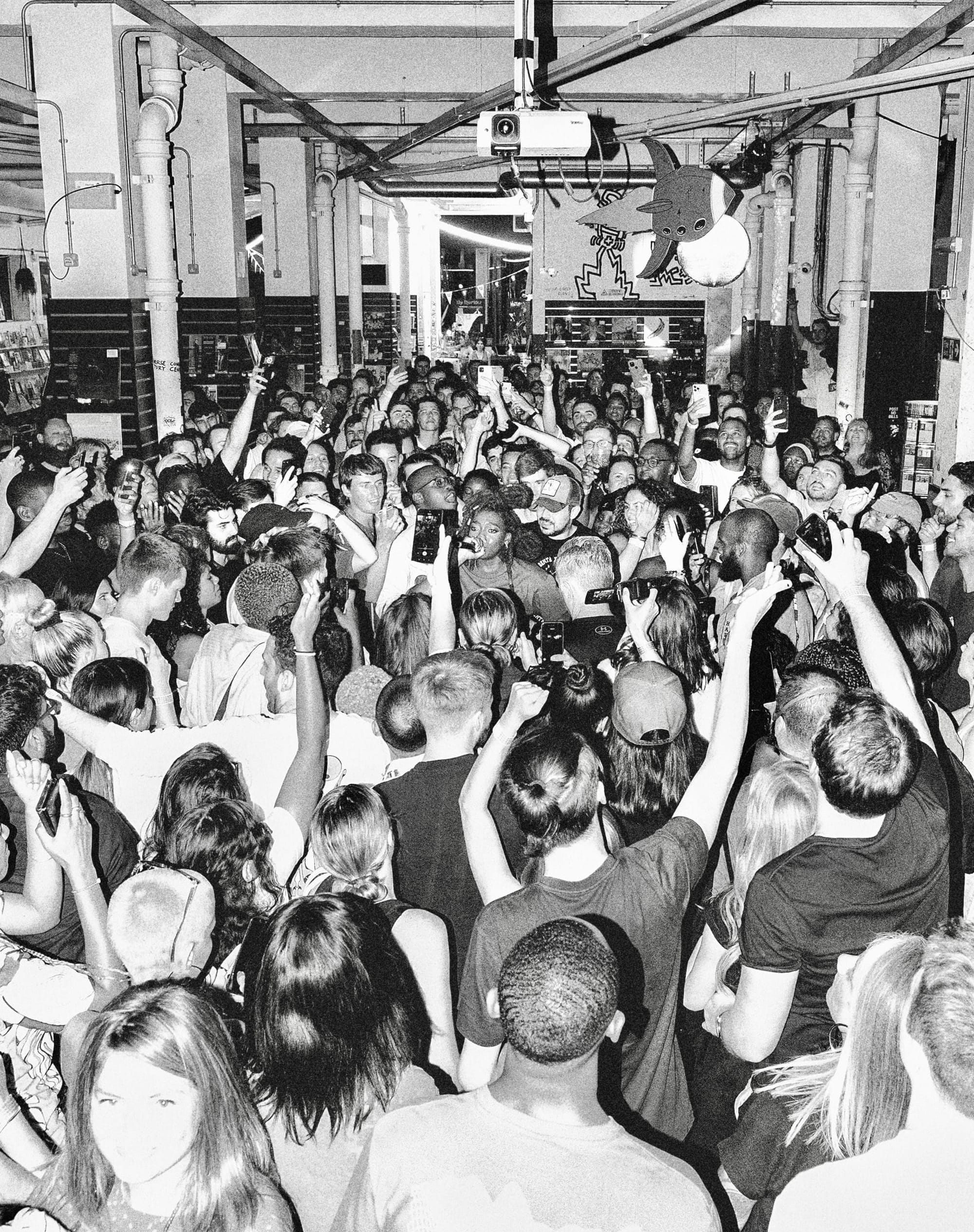
- The Ascent of Independent Rap: Little Simz expanded the structural and thematic boundaries of UK independent hip-hop. Her landmark sequence of albums—culminating in GREY Area, Sometimes I Might Be Introvert, NO THANK YOU, and Lotus—cemented her status as a literary titan of modern rap, with her intimate 2021 live performance at Rough Trade East standing as a defining moment of the decade.
- Genre-Agnostic World-Building: Charli xcx’s BRAT became a definitive cultural monolith of the mid-2020s, merging music, fashion, language, and communal attitude into an adaptable blueprint. It underscored a generational shift where artificial boundaries between pop, electronic music, rap, and the avant-garde have completely dissolved, heavily influenced by the pioneering, tragic blueprint left by the late SOPHIE.
Official Statements and Retrospective Insights
Reflecting on a decade of unprecedented retail expansion and musical milestones, the staff at Rough Trade have continually emphasized the core philosophy driving their operations:
"There are few better pleasures in running a record store than seeing something genuinely exciting flourish. The venues get bigger, the crowds wilder and the records more ambitious, but that first spark of discovery remains much the same."
This sentiment echoes across every counter interaction, live in-store performance, and exclusive vinyl pressing. From witnessing Fontaines D.C. step off the Notting Hill pavements to watching Phoebe Bridgers, CMAT, and Geese transition from cramped back rooms to festival headlining slots, the physical record store has operated not merely as a commercial storefront, but as a vital cultural incubator.
Future Outlook: The Ascendancy of Physical Music
As the music industry navigates the hyper-accelerated mechanics of the digital age—where TikTok algorithms can resurrect decades-old catalogs overnight or launch bedroom recordings into global phenomena—the demand for tangible, physical media has experienced an extraordinary renaissance.
The paradox of the modern listener is clear: an album can exist infinitely in the digital ether, yet it only achieves true permanence once it sits physically in the listener’s hands. As Rough Trade celebrates 50 years of curatorial excellence, the mission remains absolute: maintaining sanctuaries where curiosity is tangibly rewarded. Fifty years after unlocking its original doors, the independent music ecosystem proves that there has never been more vital, challenging, and transformative sound left to discover.