It is an axiom without a singular author, yet it rings as loud and true as a subterranean bassline rattling through a towering stack of custom-built speaker cabinets. For nearly eight decades, the story of reggae and sound system culture has been defined by motion, migration, and sonic innovation.
Originating on the sun-baked streets of Kingston, Jamaica, in the 1940s, this immense cultural legacy was forged by tight-knit crews of entrepreneurial DJs, vinyl record collectors, and self-made audio technicians. Armed with a shared, infectious devotion to bass-heavy music, these pioneers loaded massive, staggeringly powerful speaker stacks onto trucks and street corners, transforming urban spaces into open-air dancefloors.
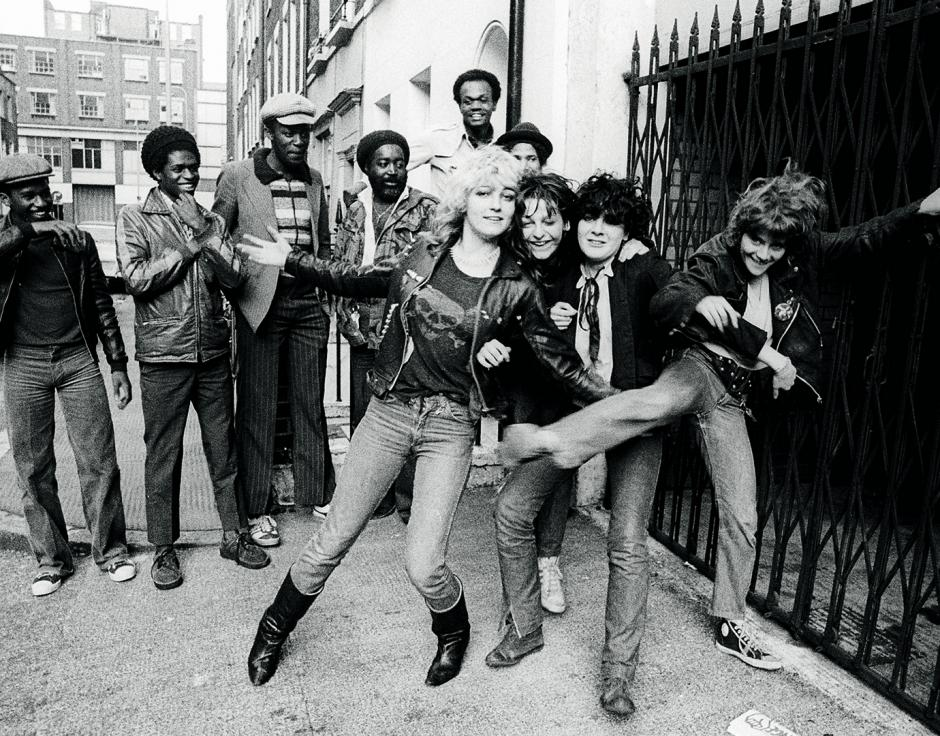
As ska and rocksteady mutated into the hypnotic pulses of reggae and dub, the Windrush generation carried this vibrant sonic infrastructure across the Atlantic to Great Britain. Here, sound system culture embedded itself deep within the fabric of Black British life and the burgeoning underground music scene. By the late 1970s, a symbiotic relationship had formed between reggae and punk. Bound together by independent record labels, DIY spaces, and countercultural record shops, these parallel movements united against a backdrop of socio-political turbulence.
Now, as we reflect on decades of sonic evolution and look toward major milestones—including 60 years of the historic Notting Hill Carnival—this piece revisits ten essential reggae and dub albums. Curated through the lens of Rough Trade’s rich history, these foundational records trace a bass-shaking legacy that continues to vibrate through modern music.
Executive Overview
Sound system culture is far more than a method of audio playback; it is a living, breathing socio-political institution. Born out of post-war Kingston, sound systems functioned as community radio stations, mobile dance halls, and platforms for marginalized voices long before mainstream media deigned to acknowledge them.
When these massive acoustic arrays arrived in the United Kingdom via Caribbean migration, they encountered a British youth culture ripe for radical expression. The cross-pollination of Jamaican sound systems with British punk, post-punk, and electronic music birthed entirely new subcultures.
This deep-rooted connection forms the bedrock of institutions like Rough Trade. Opening its original doors on Kensington Park Road in West London in 1976, Rough Trade sat squarely within the multicultural counterculture of Notting Hill and Ladbroke Grove. Here, Caribbean communities, reggae sound systems, and punk musicians shared the same streets, venues, and revolutionary ideals.
Today, the influence of these early sound system architects can be heard everywhere—from the dub-inflected breakdowns of modern electronica to the pervasive use of dancehall samples in global chart-toppers. To understand contemporary club culture, hip-hop production, and remix artistry, one must first understand the mixing desks of Kingston and the heavy-duty speaker stacks of London.
Detailed Chronology: Ten Essential Reggae and Dub Masterpieces
1. Jimmy Cliff – The Harder They Come (1972)
More than a mere film companion, The Harder They Come was the definitive compilation soundtracking Perry Henzell’s legendary cinematic milestone. The album operates much like a miniature sound-system session, seamlessly sequencing vocalists, harmony groups, and deejays.
Alongside Cliff’s defiant title track and "You Can Get It If You Really Want," the record features Toots and the Maytals’ visceral "Pressure Drop," The Melodians’ Rastafarian standard "Rivers of Babylon," and Desmond Dekker’s "Shanty Town." Released in the UK by Island Records and via its Mango imprint in North America, the album successfully repackaged music engineered for Jamaican dances and local jukeboxes into a coherent international art form, paving the way for Island’s subsequent global campaigns with Bob Marley and Toots and the Maytals.
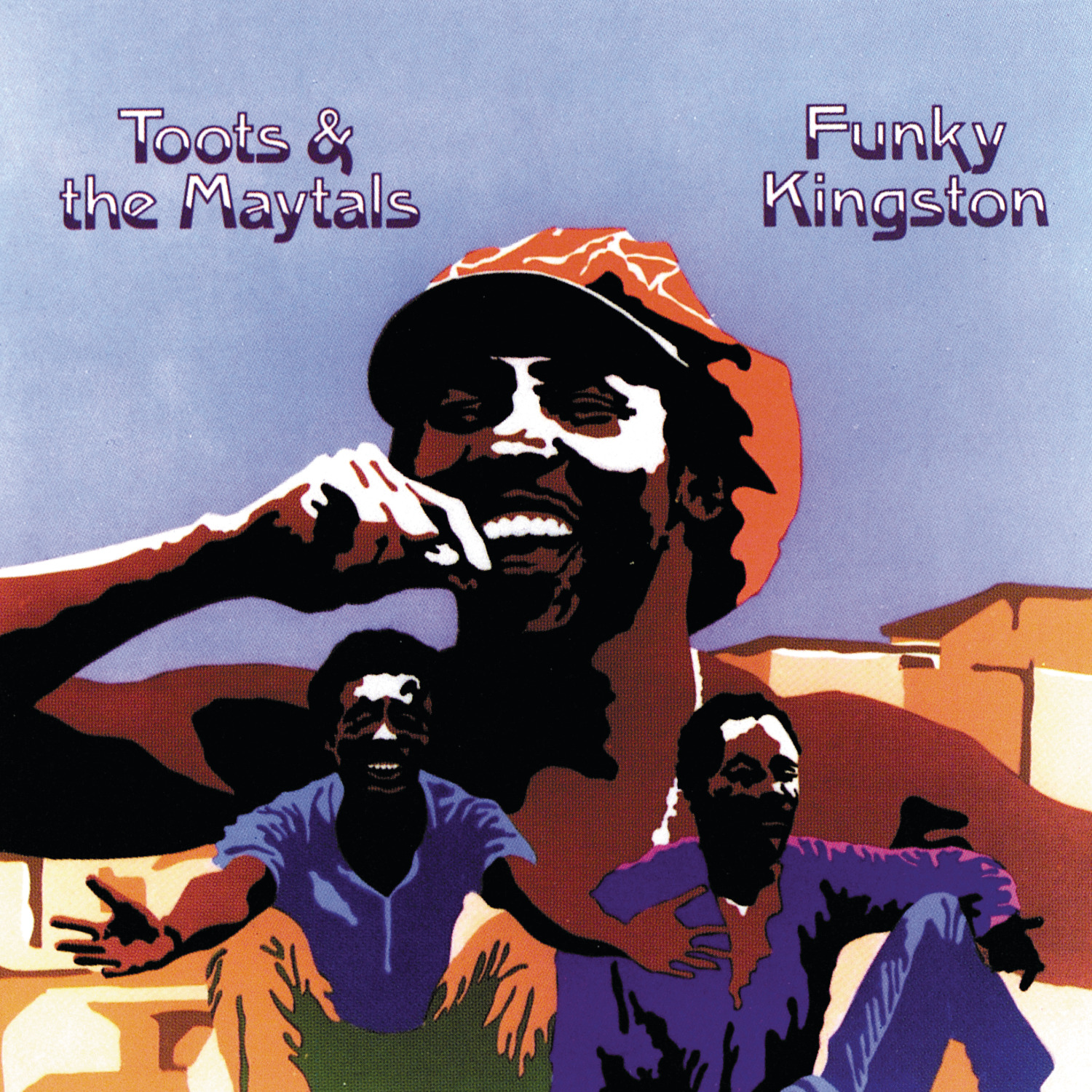
2. Toots and the Maytals – Funky Kingston (1973)
“Almost heaven, West Jamaica / True ridge mountains, shining down the river.”
Recorded primarily at Dynamic Sounds in Kingston and produced by Warwick Lyn, Dave Bloxham, and Island founder Chris Blackwell, Funky Kingston stands as a monumental artistic statement by Toots Hibbert, Raleigh Gordon, and Jerry Matthias. As veterans of Clement “Coxsone” Dodd’s Studio One—Jamaica’s first Black-owned recording studio—The Maytals had already helped evolve ska and rocksteady before explicitly naming the new genre with their track "Do the Reggay." Driven by Hibbert’s church-honed, soul-drenched vocals and supported by a razor-sharp rhythm section, the album folded elements of soul, funk, and country into its core, proving that reggae possessed universal emotional resonance.
3. Marcia Griffiths – Sweet and Nice (1974)
Originally issued in Jamaica under the title Play Me Sweet and Nice, Marcia Griffiths’ 1974 solo debut occupies a crucial intersection between rocksteady, soul-reggae, and the nascent language of lovers rock. Its significance to sound-system culture lies in its mood: romantic, sublime vocal cuts designed to cool the atmosphere following a succession of aggressive roots and dub records.
Like many of her peers, Griffiths cut her teeth at Coxsone Dodd’s Studio One before forming the duo Bob and Marcia alongside Bob Andy. Their international Trojan-released cover of Nina Simone’s "Young, Gifted and Black" proved that Jamaican arrangements could successfully transform American soul standards. In the same year her debut dropped, Griffiths joined Rita Marley and Judy Mowatt to form the I-Threes, the legendary all-female vocal collective backing Bob Marley & The Wailers.
4. King Tubby – Dub From The Roots (1975)
"Reggae enthusiasts might debate extensively who is the forefather of dub, but it’s inarguable that King Tubby, if not the creator of dub, is at the very least one of its most valuable innovators."
Osbourne Ruddock, universally known as King Tubby, fundamentally transformed the mixing desk from a passive recording tool into an active, primary instrument. Tubby systematically stripped reggae tracks down to their bare rhythmic foundations, rebuilding them in real-time through strategic applications of reverb, tape delay, echo, and sudden dropouts. Dub from the Roots captures this radical methodology—a studio mix that feels perpetually live, unstable, and infinitely abstract.
Born from the "version" flips of standard 7-inch singles, Tubby’s dub plates provided sound system selectors with exclusive material and gave deejays expansive sonic space to toast. His studio innovations laid the direct technical blueprints for remix culture across hip-hop, post-punk, and modern electronic dance music.
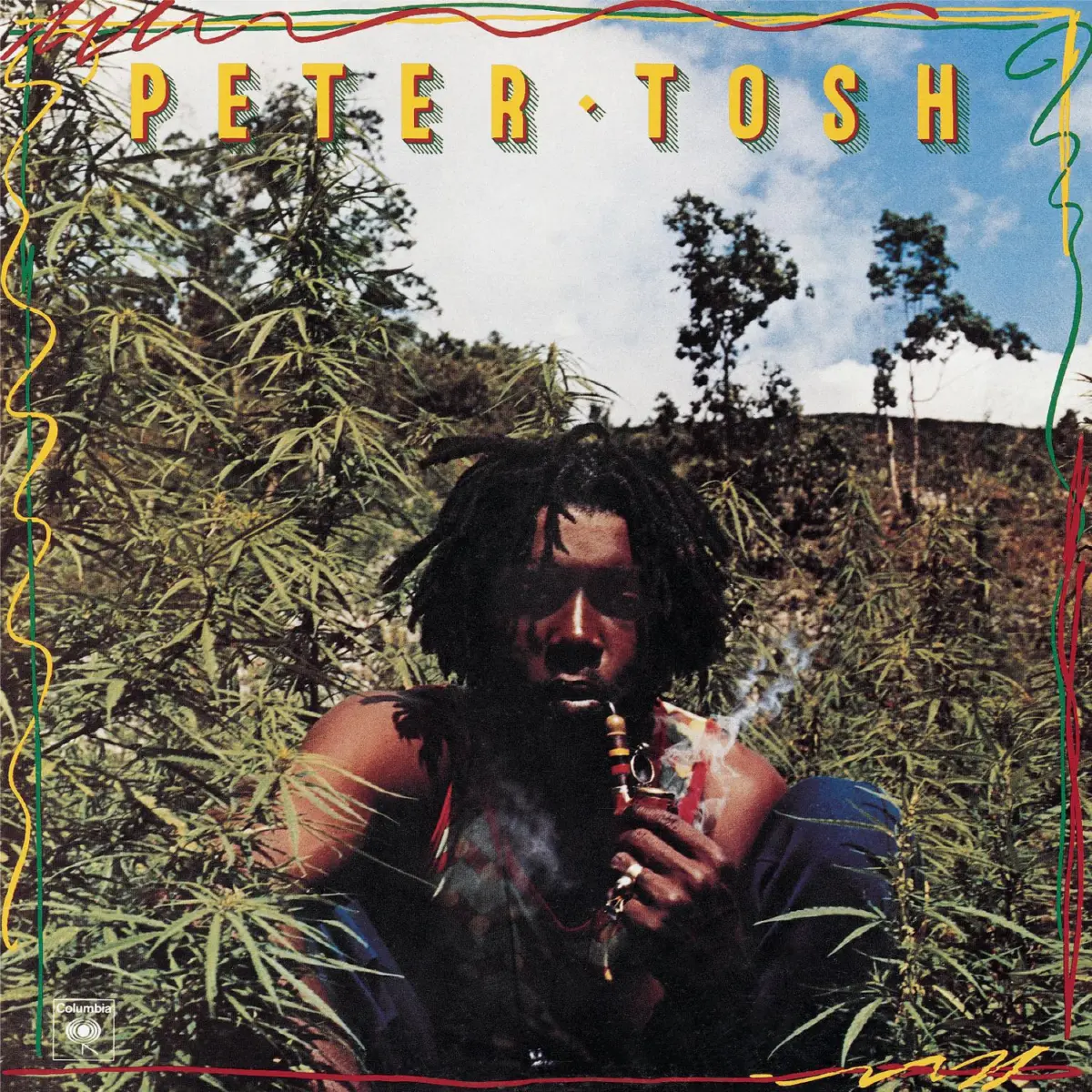
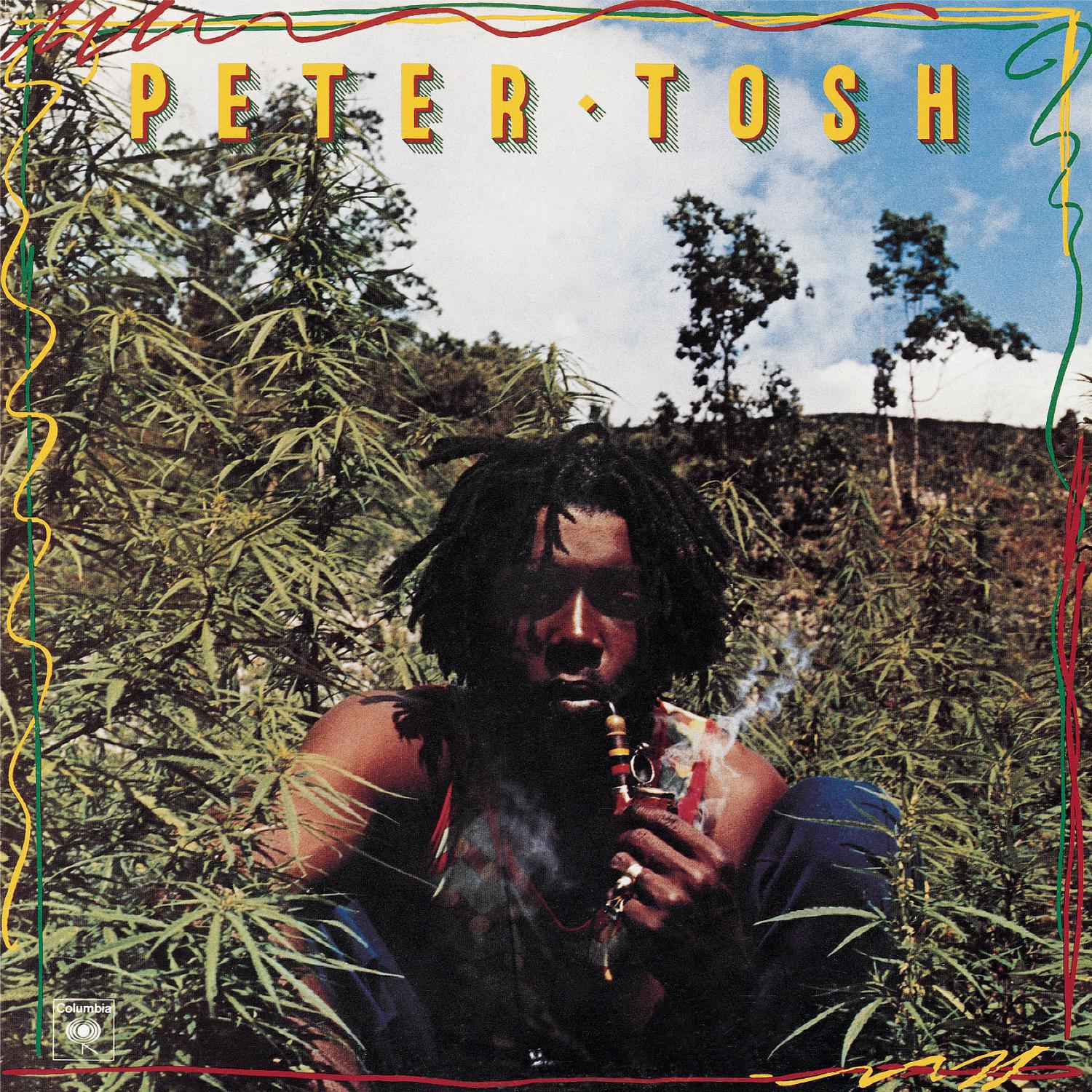
5. Peter Tosh – Legalize It (1976)
Peter Tosh honed his extraordinary vocal harmonies alongside Bob Marley and Bunny Wailer in the original lineup of The Wailers. After recording for Studio One and collaborating with Lee “Scratch” Perry and Chris Blackwell, Tosh embarked on a fierce solo career.
Legalize It proved to be the ultimate sound-system material, driven by Tosh’s uncompromising, defiant lyricism that directly targeted systemic injustice, political corruption, and archaic drug laws. Earning the moniker the "Stepping Razor" for his sharp, unyielding messages, Tosh fought tirelessly against human rights abuses and police brutality. Though the album was initially banned in Jamaica due to its explicit political advocacy for cannabis, its subversive brilliance ultimately transformed it into a global anthem for personal autonomy and civil liberty.
6. Lee “Scratch” Perry and the Upsetters – Super Ape (1976)
Lee “Scratch” Perry possessed an innate, alchemical understanding of how to make a recording studio behave like an active sound system. Crafted at his legendary Black Ark studios, Super Ape is a masterclass in sonic texture, layering heavy bass, rolling drums, jagged percussion, ghostly vocal fragments, and eccentric samples. Tracks like "Croaking Lizard"—which reworks his production for Max Romeo on the seminal "Chase the Devil" (later famously sampled by The Prodigy on "Out Of Space")—demonstrate Perry’s performative mixing technique. By dropping instruments in and out of the mix on the fly, Perry treated the mixing console like a selector handles a dance, prefiguring hip-hop production, trip-hop, jungle, and dubstep.
7. Bob Marley and the Wailers – Exodus (1977)
Recorded in the immediate aftermath of the politically motivated 1976 assassination attempt on Bob Marley’s life, Exodus is an album deeply rooted in physical and spiritual displacement, yet paradoxically brimming with joyous resilience.
Propelling reggae firmly into international rock arenas and mainstream radio rotation, the title track stands as the ultimate embodiment of rhythmic momentum. Meanwhile, anthems like "Jamming," "Waiting in Vain," "Three Little Birds," and "One Love/People Get Ready" showcased the Wailers’ rare ability to traverse roots, romance, and global pop effortlessly. Bolstered by the soulful, gospel-infused counter-melodies of the I-Threes, Exodus cemented Marley’s status as reggae’s undisputed global ambassador.
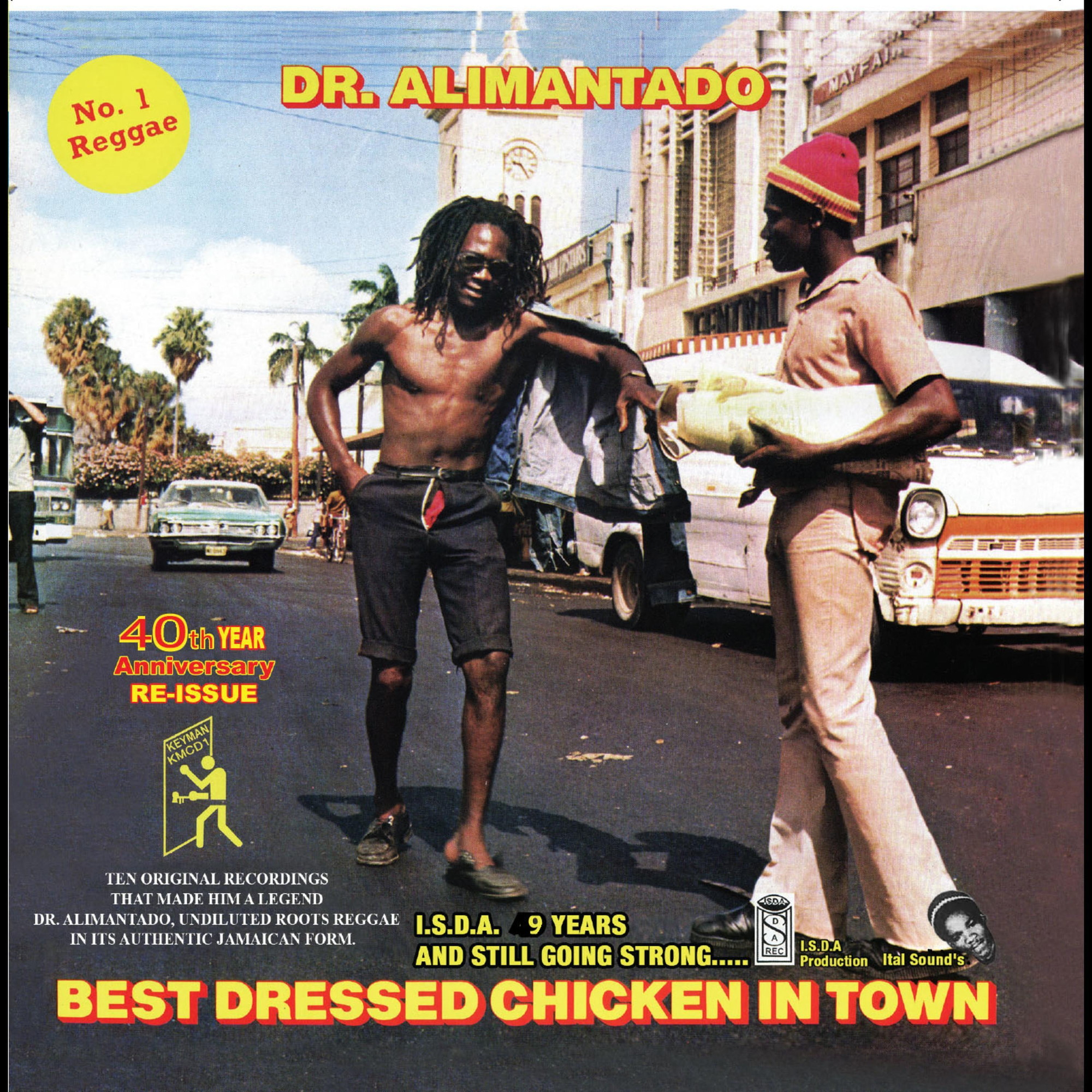
8. Dr Alimantado – Best Dressed Chicken in Town (1978)
Born Winston Thompson, Dr Alimantado operated as a master deejay, constructing his performances through witty boasts, sharp social commentary, wry humor, and rhythmic speech. Best Dressed Chicken in Town compiles essential singles recorded between 1972 and 1978 across Jamaica’s most prestigious studios—Black Ark, Channel One, Randy’s, and King Tubby’s.
Featuring vocal contributions from luminaries like Horace Andy, John Holt, and Gregory Isaacs, the album’s title track brilliantly reimagines Andy’s take on "Ain’t No Sunshine." Notably, this landmark release became the very first LP issued by Greensleeves Records, the West London shop-turned-label. Alimantado’s frequent visits to Rough Trade West to drop off personal pressings helped cement a vital bridge between Jamaican dancehall practice and London’s burgeoning punk underground.
9. The Slits – Cut (1979)
While Cut is not strictly a traditional Jamaican reggae record, it remains one of the most striking manifestations of sound-system culture successfully colonizing British post-punk. Emerging from London’s punk collective—alongside The Clash and the Sex Pistols—The Slits (Ari Up, Viv Albertine, and Tessa Pollitt, joined in the studio by drummer Budgie) quickly pushed past strict punk orthodoxy, discovering deep syncopation and bass gravity through reggae.
The album’s distinct sonic architecture is largely credited to Dennis Bovell—producer, dub visionary, member of Matumbi, and foundational architect of British lovers rock. Bovell applied authentic Jamaican studio techniques to the band’s output, rendering the bass melodic and dominant while swathing drums and percussion in cavernous echo.
10. Sister Nancy – One Two (1982)
“I’m a lady, I’m not a man / MC is my ambition.”
Recorded at Kingston’s legendary Channel One studios, One Two captures the pivotal transition from roots reggae to the harder-hitting early dancehall era. Ophlin Russell, performing as Sister Nancy, honed her deejaying skills alongside her brother Brigadier Jerry within the ranks of Jah Love Muzik. Entering a fiercely patriarchal culture, Sister Nancy emerged as an inspirational pioneer, proving that a female artist could command a riddim-and-microphone arena with unmatched authority. The album’s crowning achievement, "Bam Bam," birthed an immortal riddim that has since underpinned hundreds of subsequent recordings, embedding itself into hip-hop, electronic music, and global club culture as one of the most sampled reggae compositions in history.
Supporting Context & Metrics: The UK Sound System Diaspora
To fully grasp the cultural weight of these ten records, one must examine the socio-historical metrics of Caribbean migration and urban community building in post-war Britain.
The Windrush Arrival: Beginning in 1948 with the arrival of the MV Empire Windrush, hundreds of thousands of Caribbean immigrants settled in British urban centers, particularly London, Birmingham, and Bristol. Facing severe institutional racism and housing discrimination, these communities forged internal social networks centered around music.
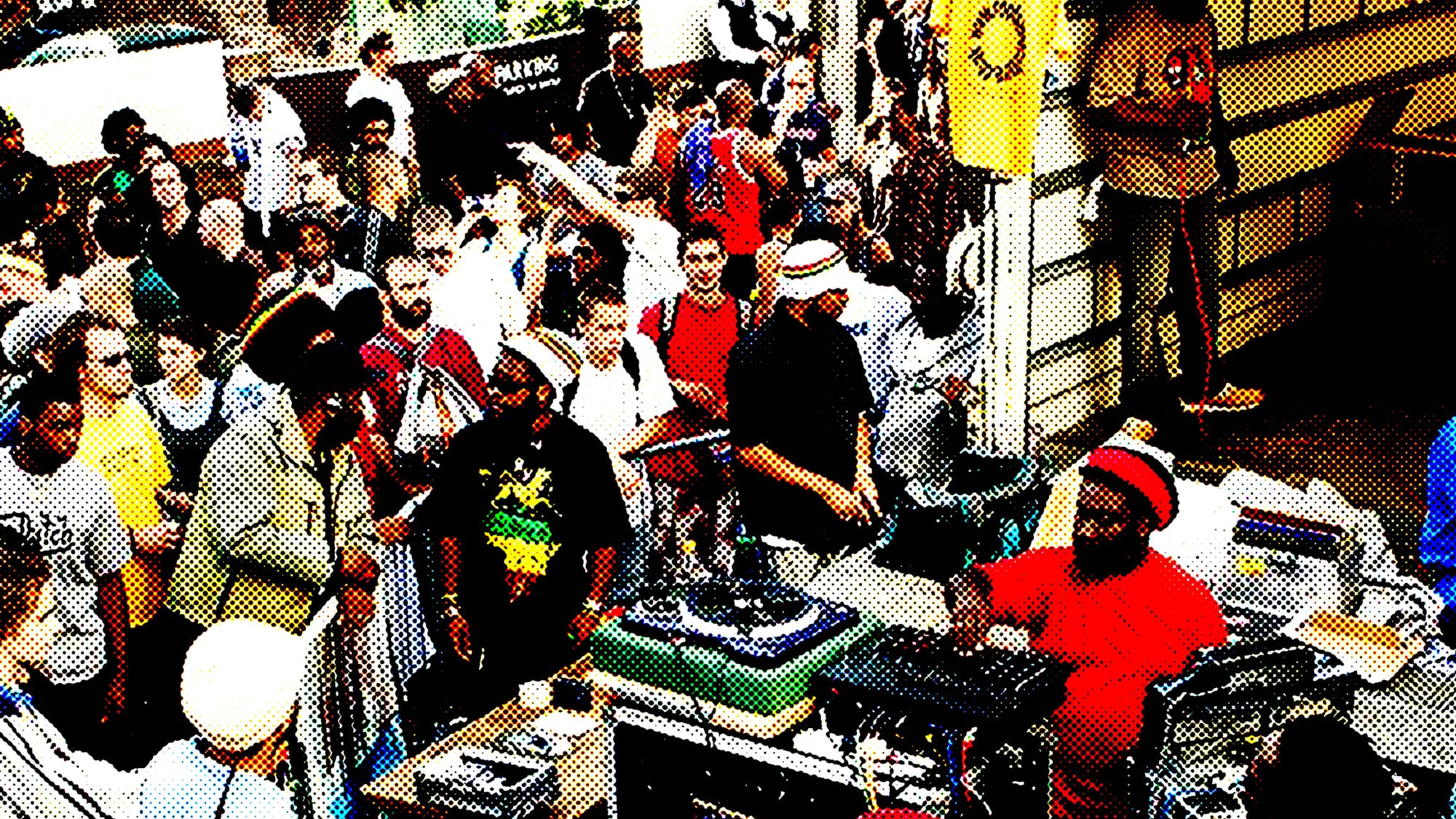
The Rise of the British Sound System: Unable to find acceptance in mainstream British clubs, Caribbean immigrants established indoor blues dances and outdoor street parties. By the 1970s, legendary British sound systems—such as Jah Shaka, Channel One, and Aba Shanti-I—were operating custom-built, multi-kilowatt speaker stacks capable of delivering tactile, physical bass frequencies that could be felt in the chest cavity rather than merely heard through the ears.
The Notting Hill Carnival Milestone: Originating in 1966 (and deeply connected to earlier community responses following the racially motivated murder of Antiguan carpenter Kelso Cochrane in Notting Hill in 1959), the Notting Hill Carnival has grown into Europe’s largest street festival. Celebrating its landmark 60th anniversary, the carnival remains an annual showcase of towering sound systems, cultural resistance, and Caribbean heritage.
Official Statements & Archival Reflections
Reflecting on the intimate connection between early British counterculture and Caribbean music, music insiders and artists frequently emphasize the profound empathy required to bridge these musical worlds.
Speaking on the making of Cut, guitarist Viv Albertine recalled the invaluable studio presence of producer Dennis Bovell:
"Dennis corralled us into shape and tidied up all the ends, but without trampling on creativity. It was so rare for a man in the 1970s to put himself inside the heads and hearts of four crazy young women." — Viv Albertine, The Guardian (2013)
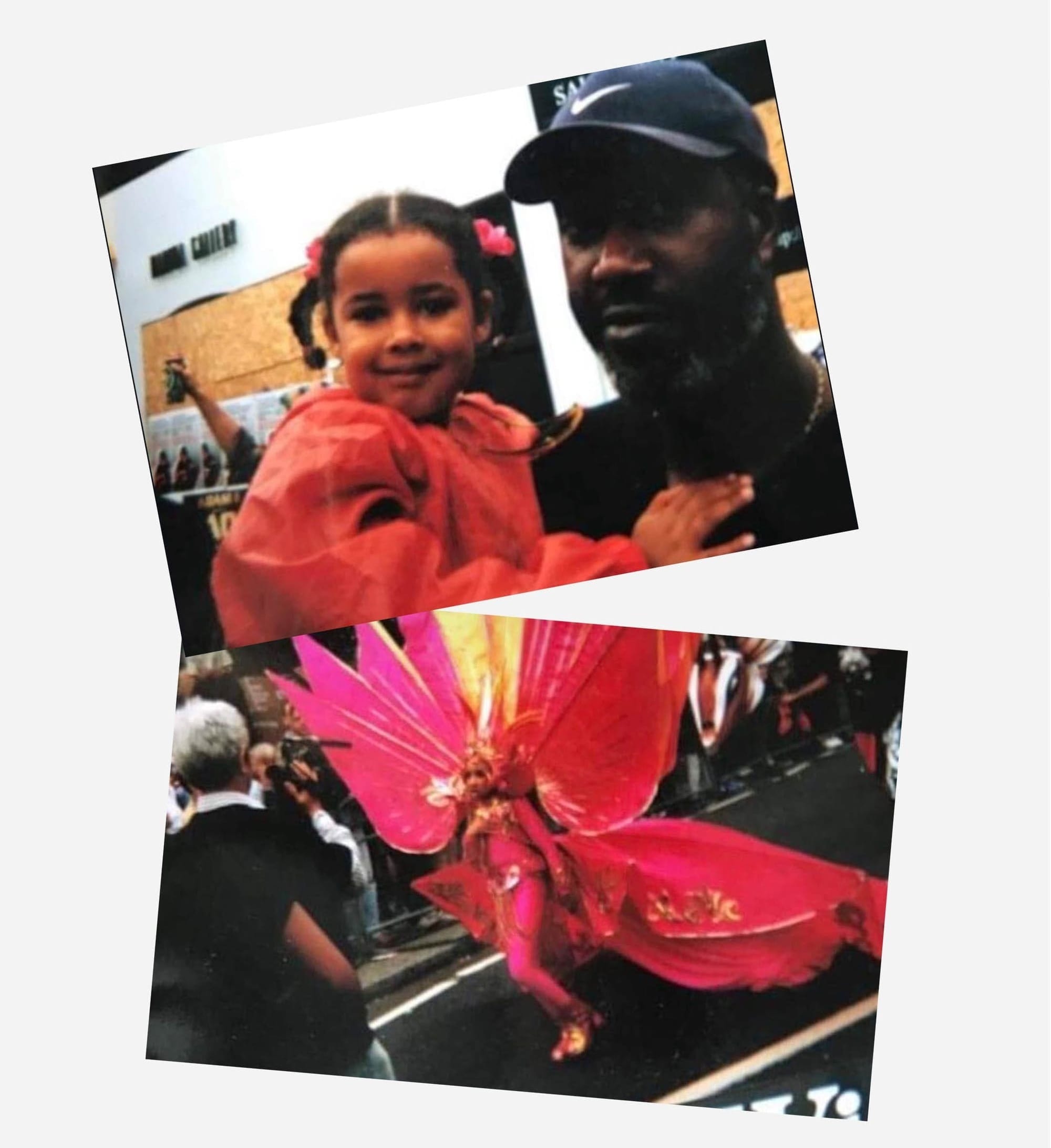
Recalling her early childhood immersion in the culture, Rough Trade Marketing and Content Manager Georgia Mulraine notes:
"I have hazy memories of going to my first carnival aged 5, tooting on whistles with coloured straps and being carried around to avoid being trampled on… Over two decades on, I am still heading to Carnival… usually settling in at East Row to see British reggae and dub icon Aba Shanti-I operate his legendary sound system… I truly believe there’s not much better feeling than physical bass so heavy it moves through your entire body rather than just your ears."
Future Outlook: Preserving the Bass for Generations to Come
As sound system culture looks toward the next half-century, its core ethos remains refreshingly uncompromised. Despite the relentless pressures of urban gentrification, noise abatement legislation, and the commercial sanitization of nightlife, the physical, communal church of the sound system endures.
The mantle has increasingly been passed down to younger generations of selectors, producers, and technicians who recognize that sound systems are tools of historical preservation and social resistance. From the analog tape delays of King Tubby’s era to the digital mixing suites of contemporary bass music, the lineage is unbroken.
As long as speaker stacks continue to be erected on asphalt streets, and as long as a low-end frequency can rattle the floorboards beneath our feet, the revolutionary heartbeat of reggae, dub, and sound system culture will continue to shake the foundations of the modern world.