The decade spanning from 2016 to 2025 will be remembered as one of the most volatile, fertile, and transformative eras in modern recorded music. Opening with a profound institutional shock—the passing of David Bowie just days after the release of his parting masterpiece, Blackstar—the period immediately set a tone of reflection, reinvention, and terminal urgency. Yet, far from signaling an era of cultural stasis, this moment triggered a decade-long explosion of grassroots creativity, intergenerational collaboration, and a dramatic physical and digital retail resurgence.
As physical music formats staged an unlikely and robust ascent against the backdrop of an algorithmic, TikTok-driven digital economy, independent record stores like Rough Trade found themselves at the epicenter of a new counter-cultural renaissance. From the sticky-floored gig rooms of South London to the expansive sonic world-building of international pop auteurs, the last ten years have broken down traditional genre borders.
This retrospective examines the seismic shifts of the 2016–2025 era, highlighting the movements, masterworks, and historic milestones that defined a golden age of independent music curation, culminating in Rough Trade’s landmark 50th-anniversary celebrations.
Detailed Chronology: A Decade in Sound (2016–2025)
2016: The Starman’s Farewell and Soulful Resurgences
The decade began with a bittersweet punctuation mark. David Bowie’s 26th studio album, Blackstar, arrived on his 69th birthday and transformed almost instantly into a haunting final statement following his death from cancer two days later. It served as a stark reminder that even after five decades of restless innovation, the Starman was still looking forward.
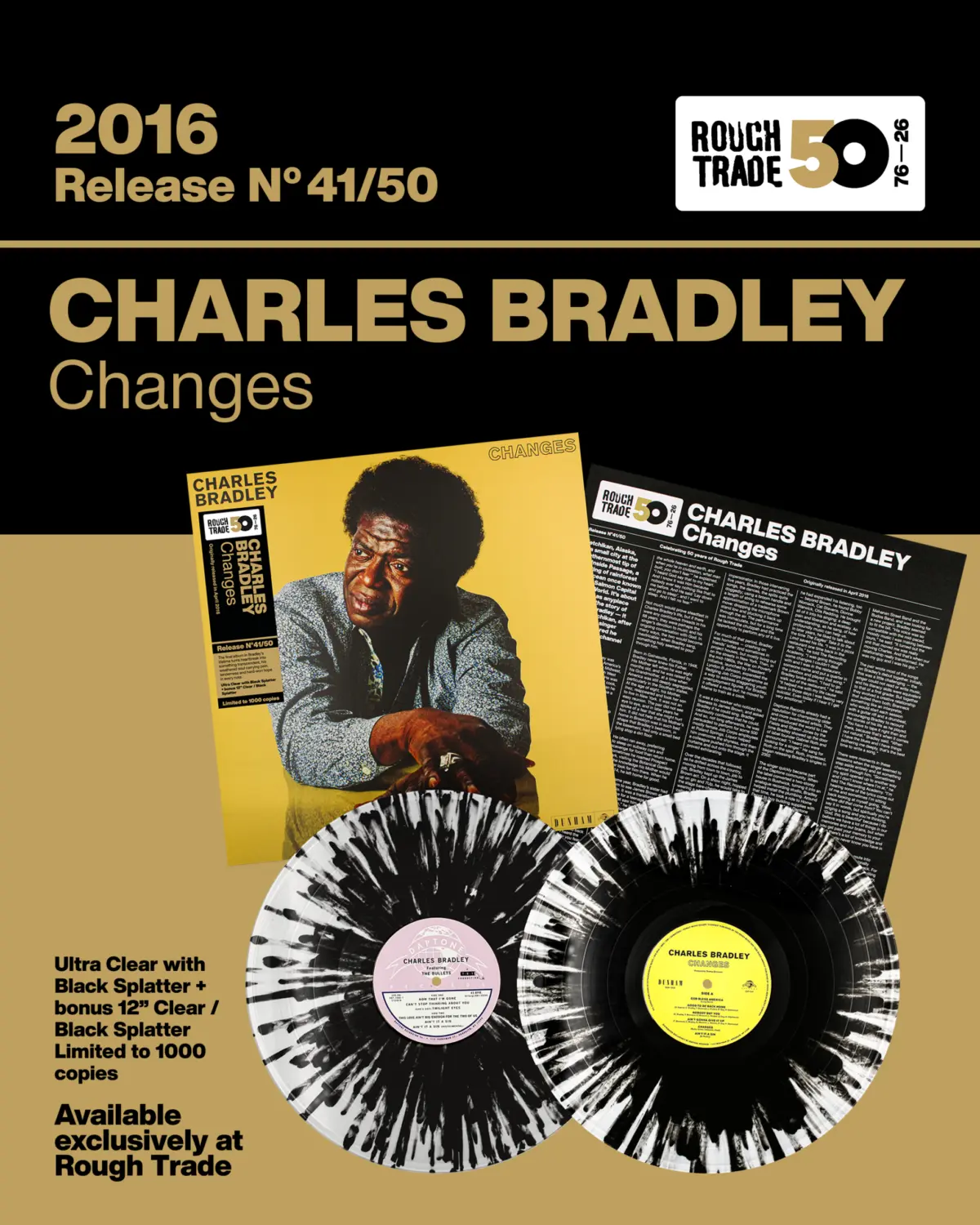
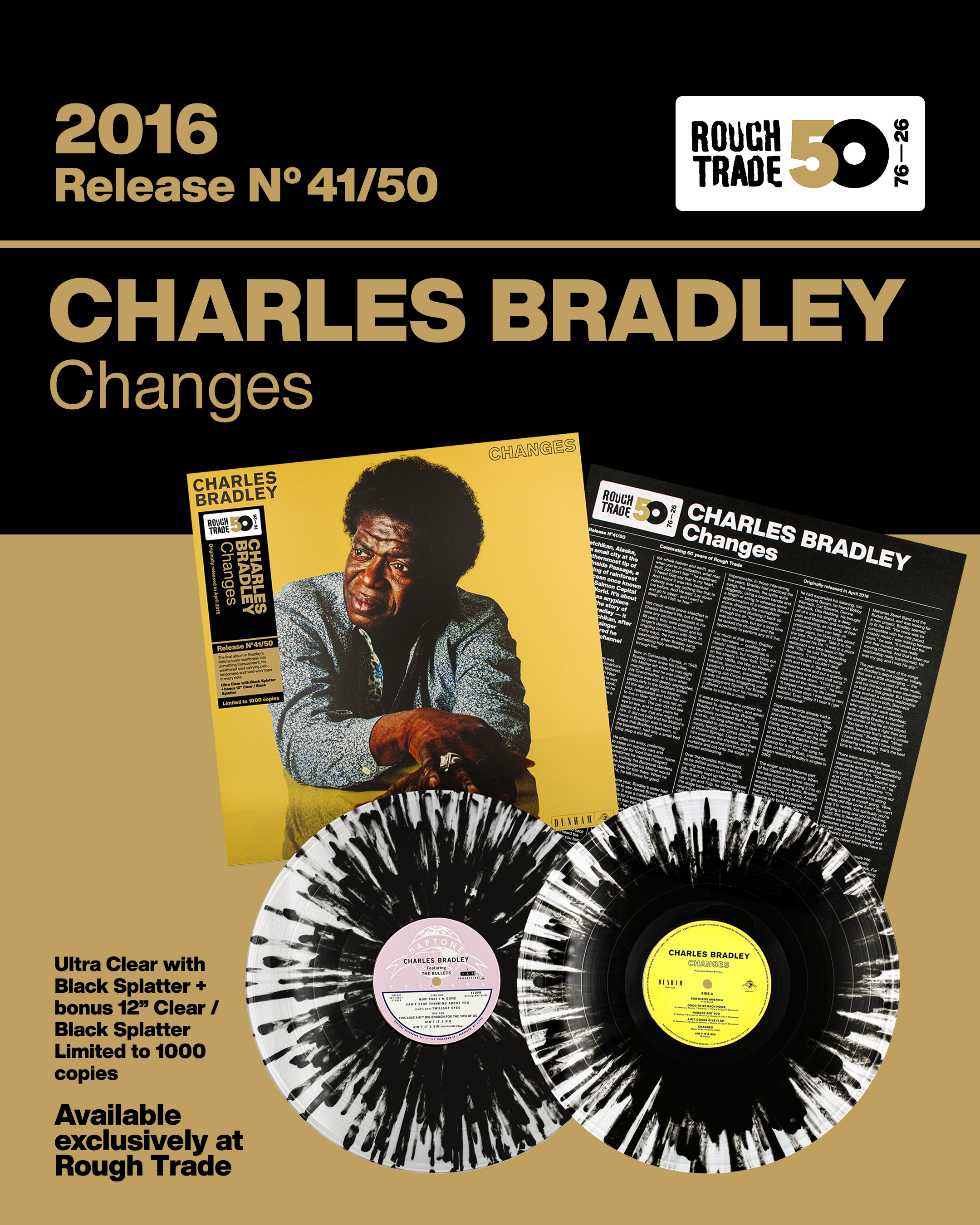
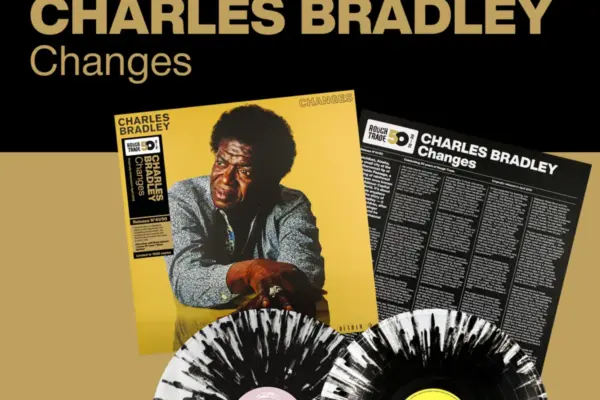
Simultaneously, the roots of a profound soul revival were taking hold. Charles Bradley, affectionately dubbed "The Screaming Eagle of Soul," released his landmark album Changes. Bradley’s journey—discovered by Daptone Records co-founder Gabriel Roth at age 62 after years of hardship—imbued every rasp and howl of his voice with the emotional weight of a cinematic life story. His poignant, funk-infused cover of Black Sabbath’s "Changes" cemented his status as one of modern soul’s most commanding and emotionally resonant voices.
2017–2018: Grassroots Punks and Dancefloor Hegemony
By 2017, underground guitar scenes were bubbling over with visceral energy. In Bristol, a five-piece named IDLES delivered their debut album, Brutalism, into record store racks like a clenched fist. Addressing grief, class friction, and the constraints of traditional masculinity with uncommon directness, the band announced themselves with a fury that refused to be ignored.
Across the globe, stylistic boundaries were dissolving. In 2018, Brisbane-formed Confidence Man dropped Confident Music For Confident People, a tongue-in-cheek masterclass in ’90s Ibiza danceability, camp lyricism, and electro-punk synths that effortlessly filled international dancefloors. Meanwhile, international punk and art-rock communities were coalescing: New York’s Bodega brought wiry art-punk, Stockholm’s Viagra Boys channeled absurdist post-punk, and Melbourne’s Amyl and the Sniffers delivered high-velocity pub rock.
2019–2020: Poetic Brutalism and Maxed-Out Hyperpop
The momentum continued into 2019 with the arrival of Fontaines D.C.’s debut album, Dogrel. Emerging from the pavements of Dublin and Notting Hill, the record was a poetic, slick-witted masterpiece of urgent post-punk that sparked a fervent, lasting fandom and topped end-of-year lists globally.
As the world shifted inward during the onset of the global pandemic in 2020, pop music underwent an eccentric, maximalist mutation. Rina Sawayama’s self-titled debut, SAWAYAMA, exploded conventional templates by fusing 2000s dance-pop and bubblegum aesthetics with nu-metal guitars, R&B textures, and rock aggression. Tracks like "XS" tackled themes of capitalism and identity with an ultra-synthetic sheen, proving that modern pop could be fiercely intelligent and hyper-abrasive all at once.
2021–2022: Intergenerational Masterpieces and Windmill Ascents
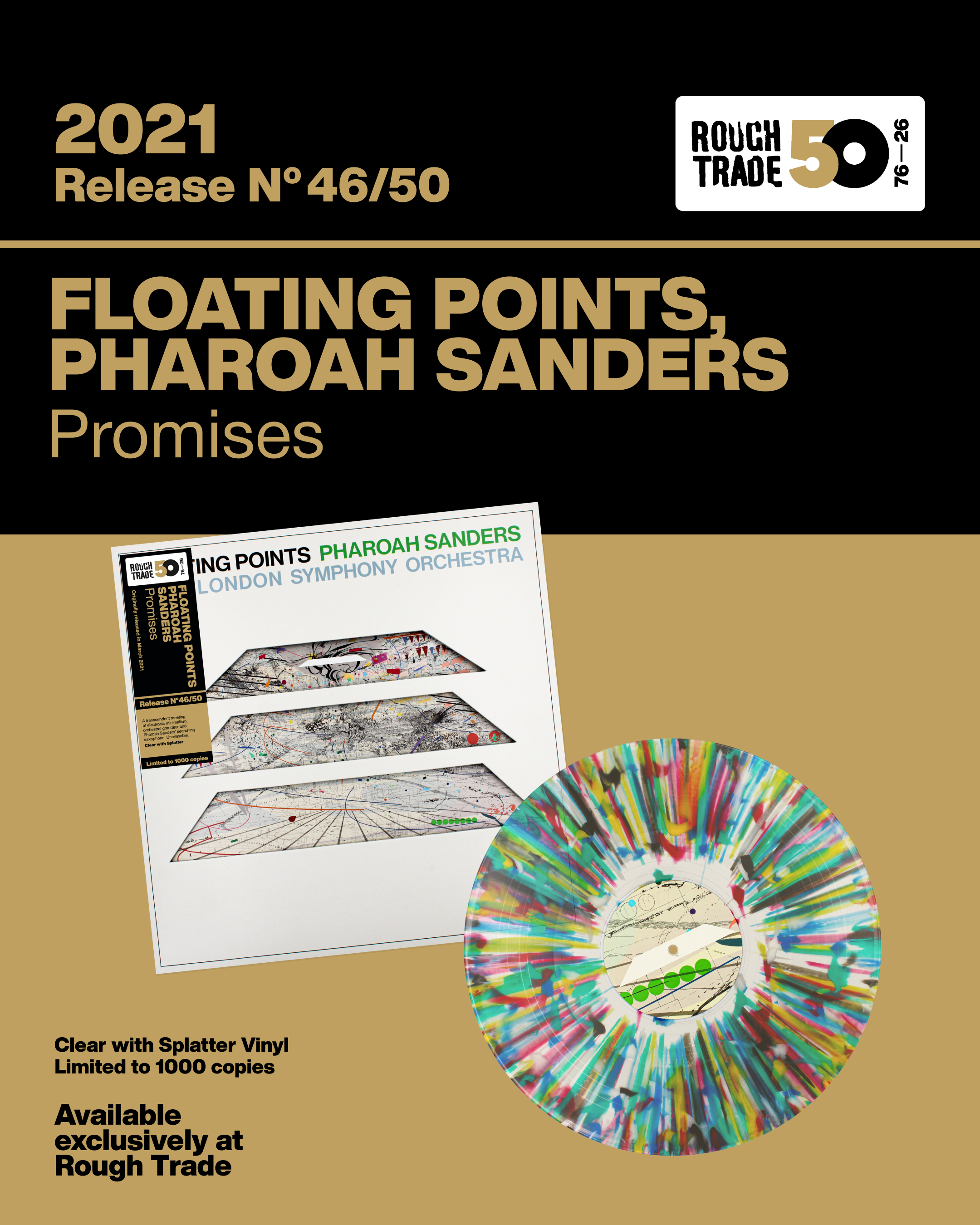
The year 2021 yielded one of the decade’s most unpredictable and transcendent collaborations: Promises, a meditation created by electronic producer Floating Points, mid-century free jazz pioneer Pharoah Sanders, and the London Symphony Orchestra. Marrying Sanders’ sublime saxophone work with minimalist ambient production, the album offered a meditative sanctuary during a turbulent era.
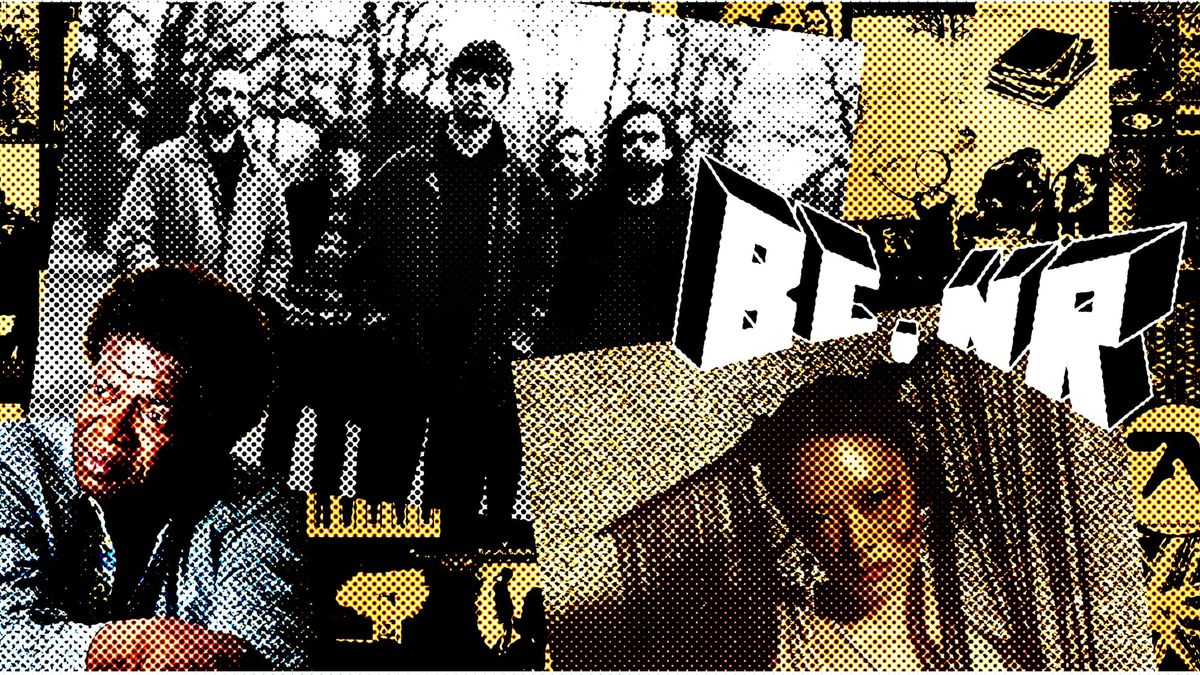
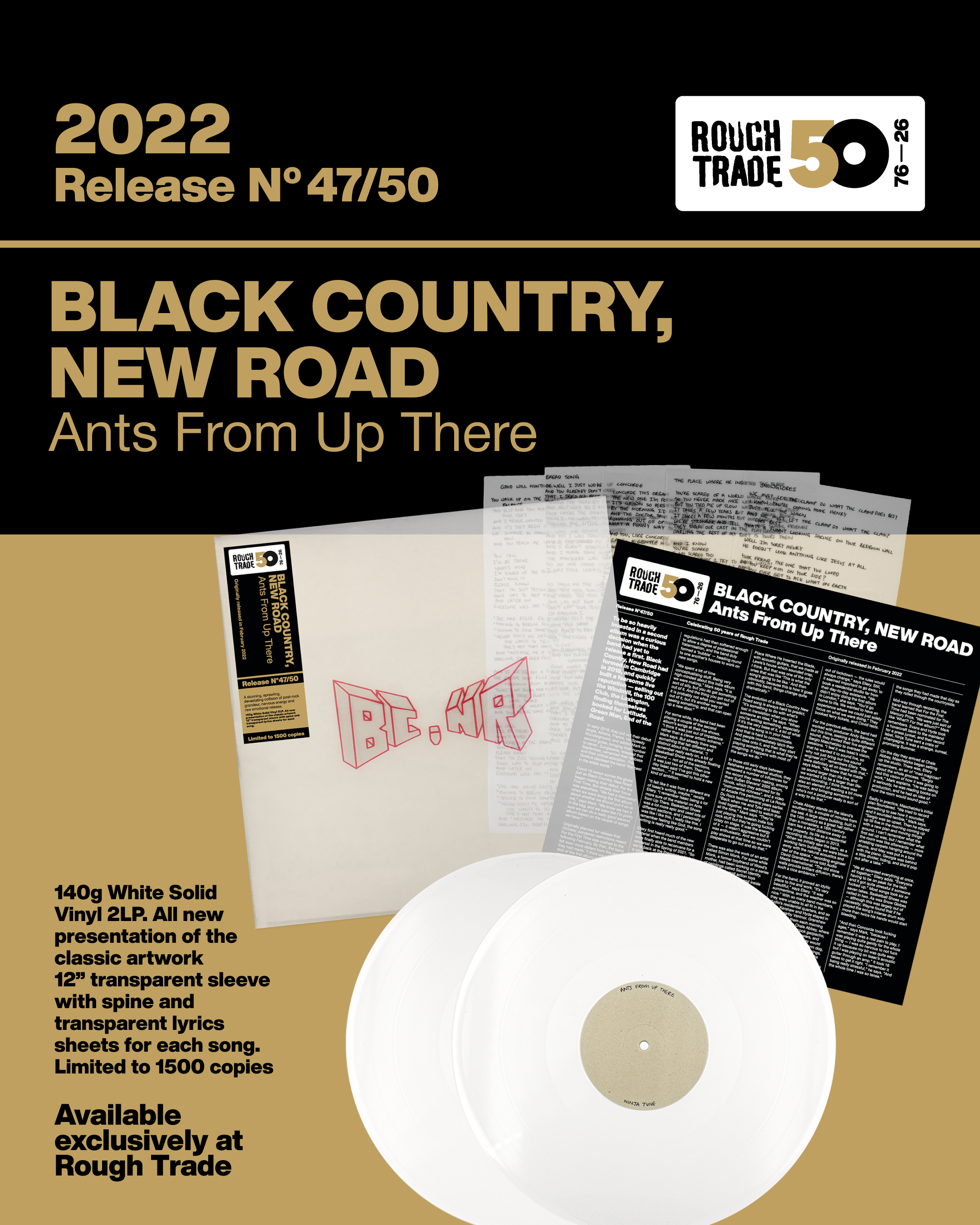
Simultaneously, London’s grassroots scene—centered tightly around Brixton’s Windmill venue—was yielding an extraordinary crop of talent. Bands like Goat Girl, Shame, black midi, Squid, Jockstrap, and Black Country, New Road rejected conventional song structures in favor of experimentation, spoken-word Sprechgesang delivery, and chaotic arrangements.
This reached its zenith in early 2022 with Black Country, New Road’s sophomore release, Ants From Up There. Widely regarded as the pinnacle of the Brixton scene’s output, the album combinedIsaac Wood’s deeply vulnerable vocals with sweeping, orchestral grandeur to create one of the most devastating break-up records of the modern era, arriving just as Wood announced his departure from the group.
2023–2025: Ancestral Drones, Alt-Country Wit, and Legendary Returns
In 2023, Irish folk experimentalists Lankum released False Lankum via Rough Trade Records. The quartet mastered the art of honoring centuries of folk tradition while wrapping it in heavy, whirring drones and distortion, anchored by Radie Peat’s haunting, ancestral vocals.
The Americana landscape shifted in 2024 with MJ Lenderman’s Manning Fireworks. Blending wry humor with stark observations on isolation, Catholicism, and materialism, Lenderman solidified his status as a generational songwriting talent.
Finally, 2025 brought one of the most anticipated comebacks in British music history: Pulp’s More, their first collection of new material in nearly 24 years. Jarvis Cocker’s observational lyricism returned with razor-sharp precision, balancing melancholy, romance, and everyday absurdity with the seasoned perspective of maturity.
Supporting Context & Metrics: The Physical Renaissance
While the digital landscape underwent rapid acceleration—with TikTok mechanics capable of resurrecting decades-old catalog tracks overnight—the physical music market experienced a compounding, counter-intuitive renaissance.
The Vinyl Upward Trajectory: Throughout the mid-2020s, vinyl sales continued a multi-year ascent. Music consumers increasingly sought tactile ownership, proving that an album existing universally in the cloud feels fundamentally different once it sits physically in the listener’s hands.
Global Footprint Expansion: Reflecting this physical resurgence, Rough Trade expanded its international and domestic footprint significantly over the decade. New flagship retail spaces were established in Bristol, Liverpool, and Berlin; a strong presence was secured in Nottingham; and Rough Trade NYC completed a strategic relocation from Brooklyn to Manhattan.
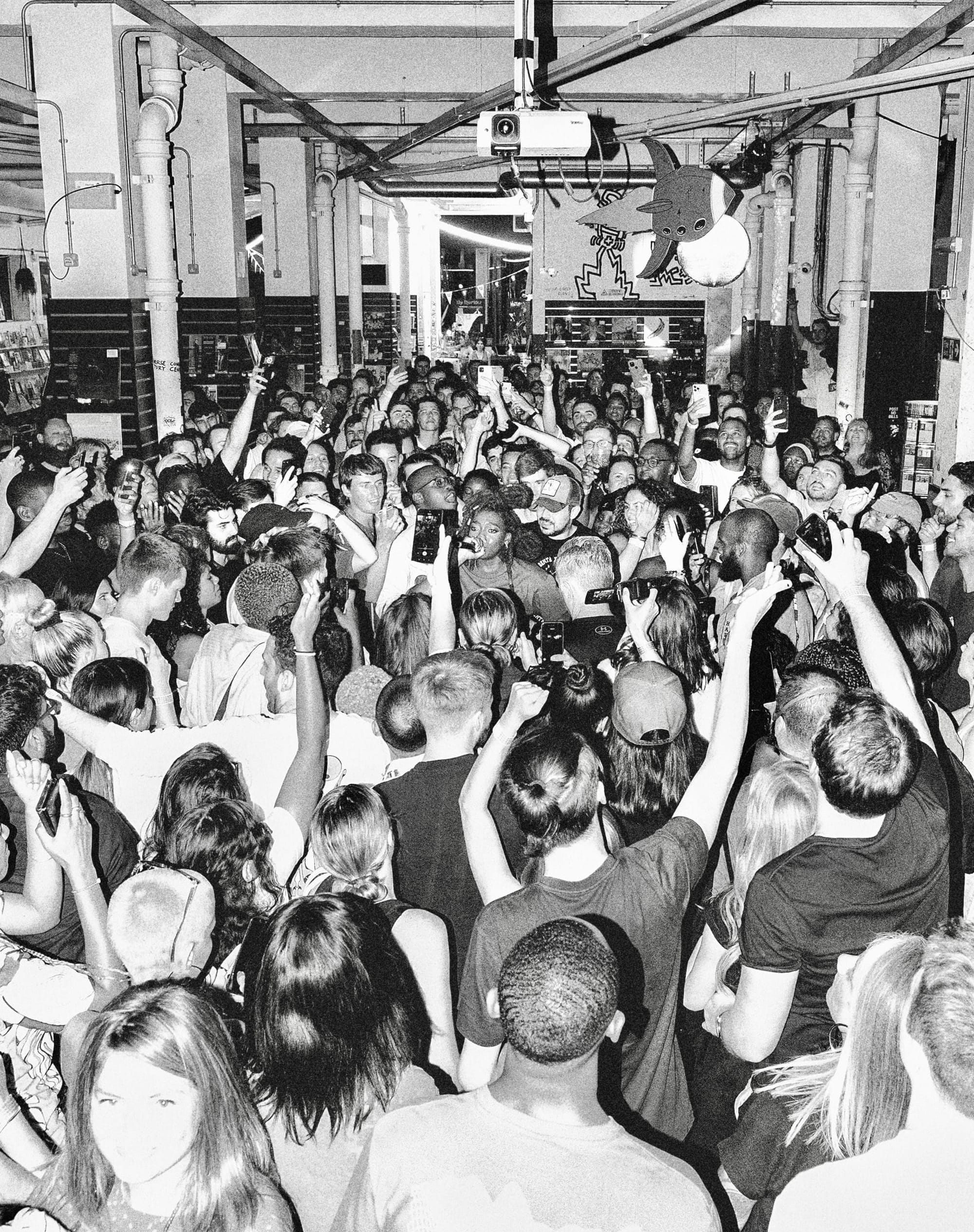
The In-Store Melting Pot: Venues like Rough Trade East in London evolved far beyond traditional retail environments, functioning as vital community melting pots where fans, independent labels, and emerging artists converged for intimate live performances and exclusive pressings.
Official Statements & Industry Perspectives
The philosophy underpinning independent music retail remains rooted in discovery and human curation. Reflecting on the symbiotic relationships formed with breakout acts over the last ten years, Rough Trade representatives shared insight into the joys of music retail:
"There are few better pleasures in running a record store than seeing something genuinely exciting flourish. The venues get bigger, the crowds wilder and the records more ambitious, but that first spark of discovery remains much the same."
This ethos has been explicitly translated into the retail collective’s commemorative programming, most notably the 50 Records for 50 Years campaign. Spanning five decades of curation, the initiative rolled out definitive anniversary editions featuring exclusive vinyl pressings accompanied by unique liner notes, archival stories, and fresh artist interviews.
Complementing this, the Rough Trade Club subscription model successfully nurtured a dedicated community of physical music collectors, offering exclusive monthly anniversary pressings, priority event access, and curated recommendations limited strictly to tight subscriber thresholds.
Future Outlook: Fifty Years and Beyond
As Rough Trade marks half a century of cultural stewardship, the landscape of independent music looks both wider and more interconnected than ever before. The traditional borders separating pop, electronic music, hip-hop, and the avant-garde have dissolved almost entirely, championed by boundary-pushing artists such as Little Simz, Charli xcx, Tyler, The Creator, and Arca.
Looking ahead, the core mission of independent record culture remains unchanged: to cultivate physical spaces where curious audiences and visionary artists can meet. In an era dominated by automated playlists and algorithmically generated streams, the simple act of a recommendation passed across a record counter continues to prove that the most profound musical discoveries are often the ones you didn’t know you needed. Fifty years after opening its doors, the physical counter-culture is not merely surviving—it is thriving.