By the mid-2000s, the global music ecosystem was hurtling through an unprecedented phase of structural acceleration. The ground beneath the traditional, physical-retail-driven industry was shifting, pushed forward by a technological convergence that permanently dismantled geographic barriers and gatekept distribution models. Discovery transformed from a laborious, localized ritual into an instantaneous, borderless phenomenon. Independent and major-label artists alike suddenly possessed the unprecedented capability to cultivate an international audience long before ever playing a venue outside their home postal codes.
As the internet matured from a disruptive, wild-west novelty into the central nerve center of modern music culture, it re-engineered every aspect of the artistic lifecycle. It fundamentally altered how humanity consumed audio, unearthing new vectors for curation, critical discourse, and obsessive fandom. This era marked a historic fault line: the painful, necessary death throes of legacy physical formats giving way to peer-to-peer file sharing, early streaming prototypes, and algorithmic discovery.
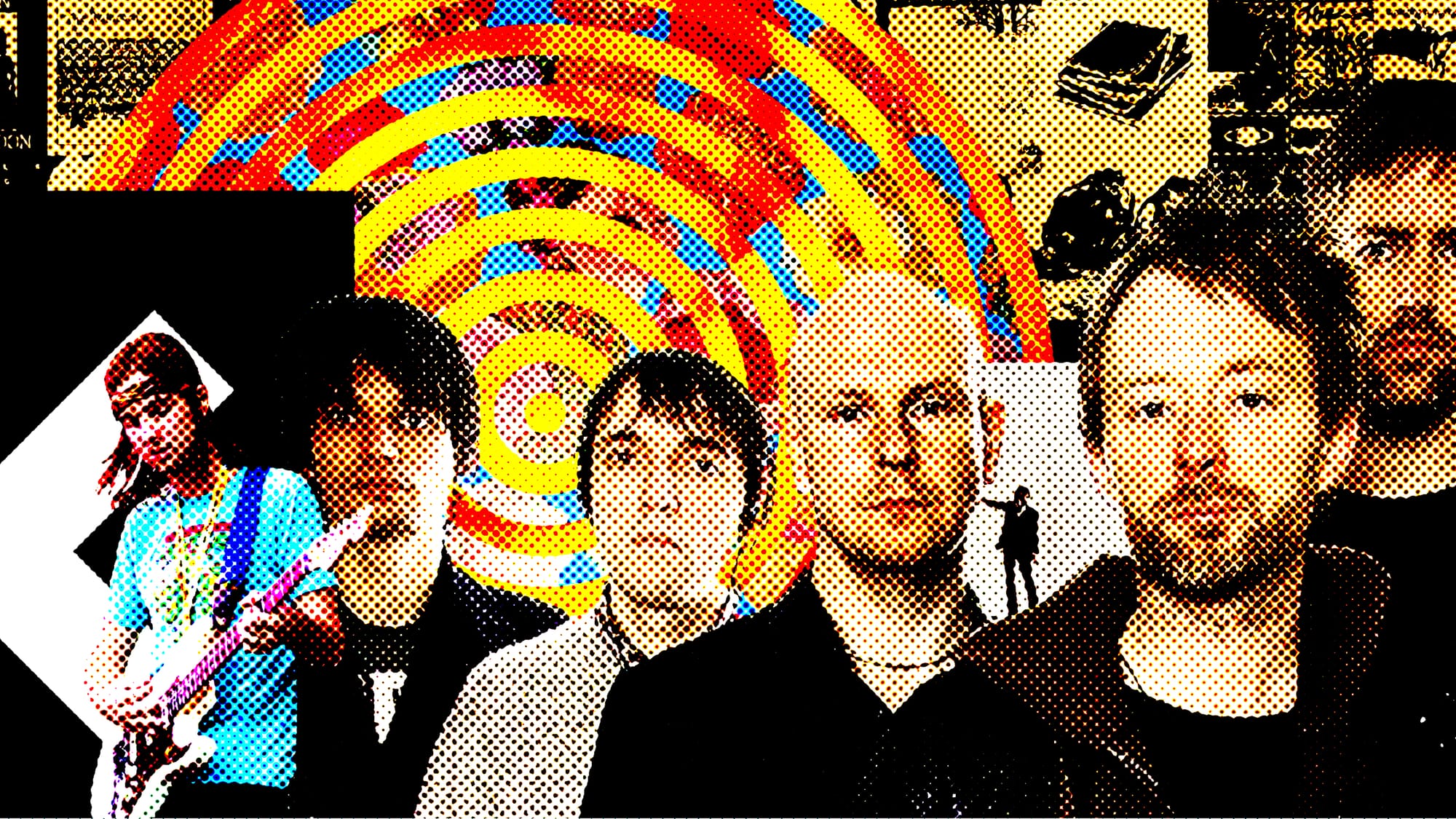
Against this backdrop of dizzying technological upheaval, independent music experienced a golden renaissance. From the blog-house explosion and the zenith of indie rock to the lo-fi bedroom folk movement and the avant-garde expansion of hip-hop, the decade spanning from 2006 to 2015 produced a staggering canon of generation-defining records. Through its ongoing "50 Records for 50 Years" celebratory archival series, renowned independent institution Rough Trade reflects upon this transformative decade, cataloging the seminal releases that captured the fragile, volatile spirit of a changing world.
Detailed Chronology: A Decade of Digital Disruption and Sonic Innovation (2006–2015)
The transition from the mid-2000s to the mid-2010s was not merely a stylistic evolution; it was an infrastructural overhaul. The decade’s sonic output directly mirrored the chaotic, interconnected, and hyper-stimulated environment birthed by early social platforms, music blogs, and shifting distribution models.
2006: The Shadows of the Rave and the Birth of Modern UK Bass
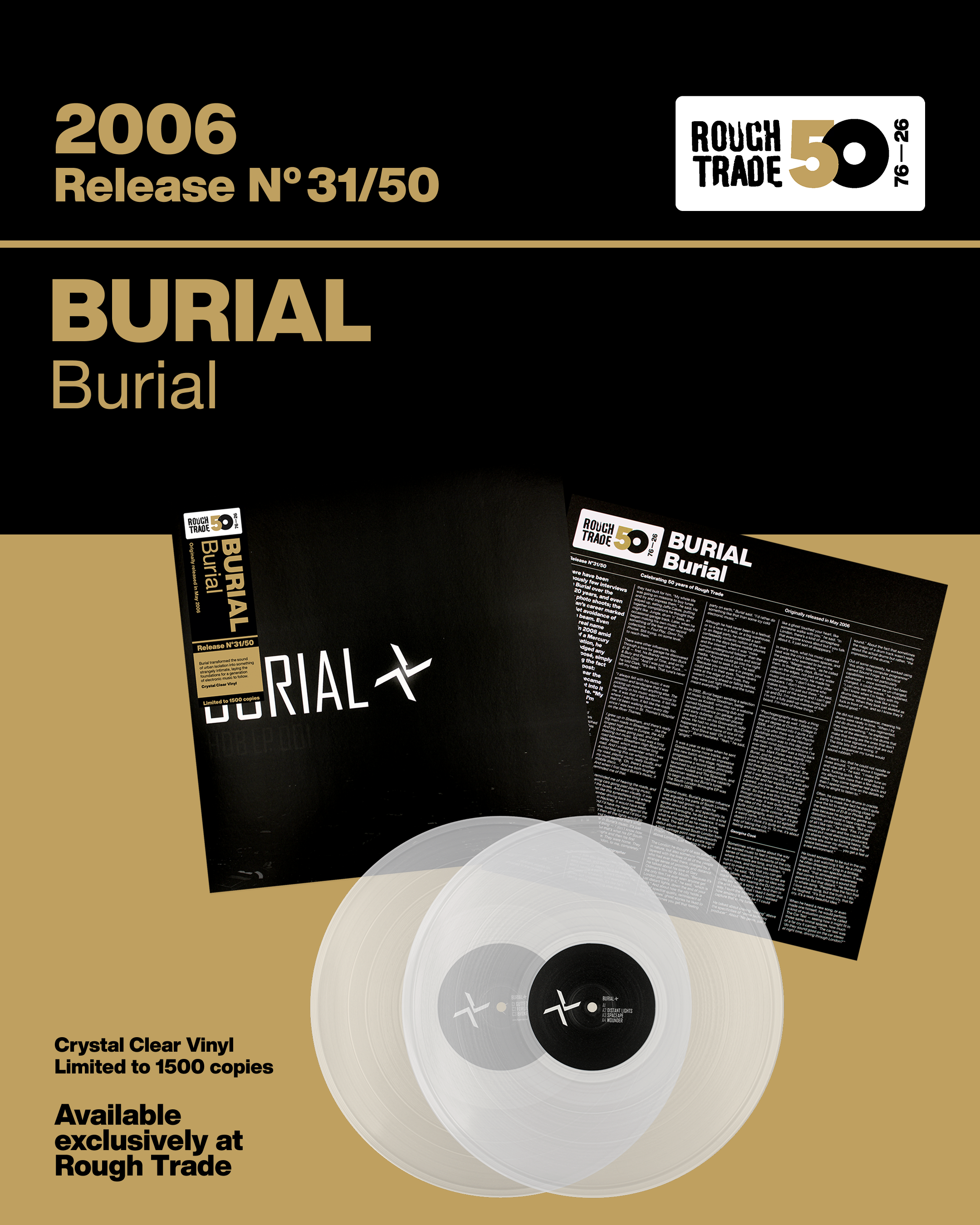
As the physical music market reeled from the fallout of LimeWire and Napster, underground electronic music found solace in dark, claustrophobic spaces. On May 15, 2006, Kode9’s forward-thinking Hyperdub label released the self-titled debut album by the enigmatic producer known simply as Burial. Recorded in the shadows of South London, Burial became an immediate, epochal masterpiece of the burgeoning dubstep scene.
Channeling the spectral echoes of post-rave comedowns, urban alienation, and pirate radio culture, the record utilized vinyl crackle, pitch-shifted vocal samples, and ghostly 2-step garage rhythms to map out the emotional texture of twenty-first-century city life. Cultural theorist Mark Fisher famously encapsulated its enduring resonance: "This album is London after the rave and still sounds just as modern as it did two decades ago." It set a high-water mark for mood-driven electronic production, proving that ambient tension could pack as much emotional wallop as any club banger.
2007: The Great Pay-What-You-Want Experiment
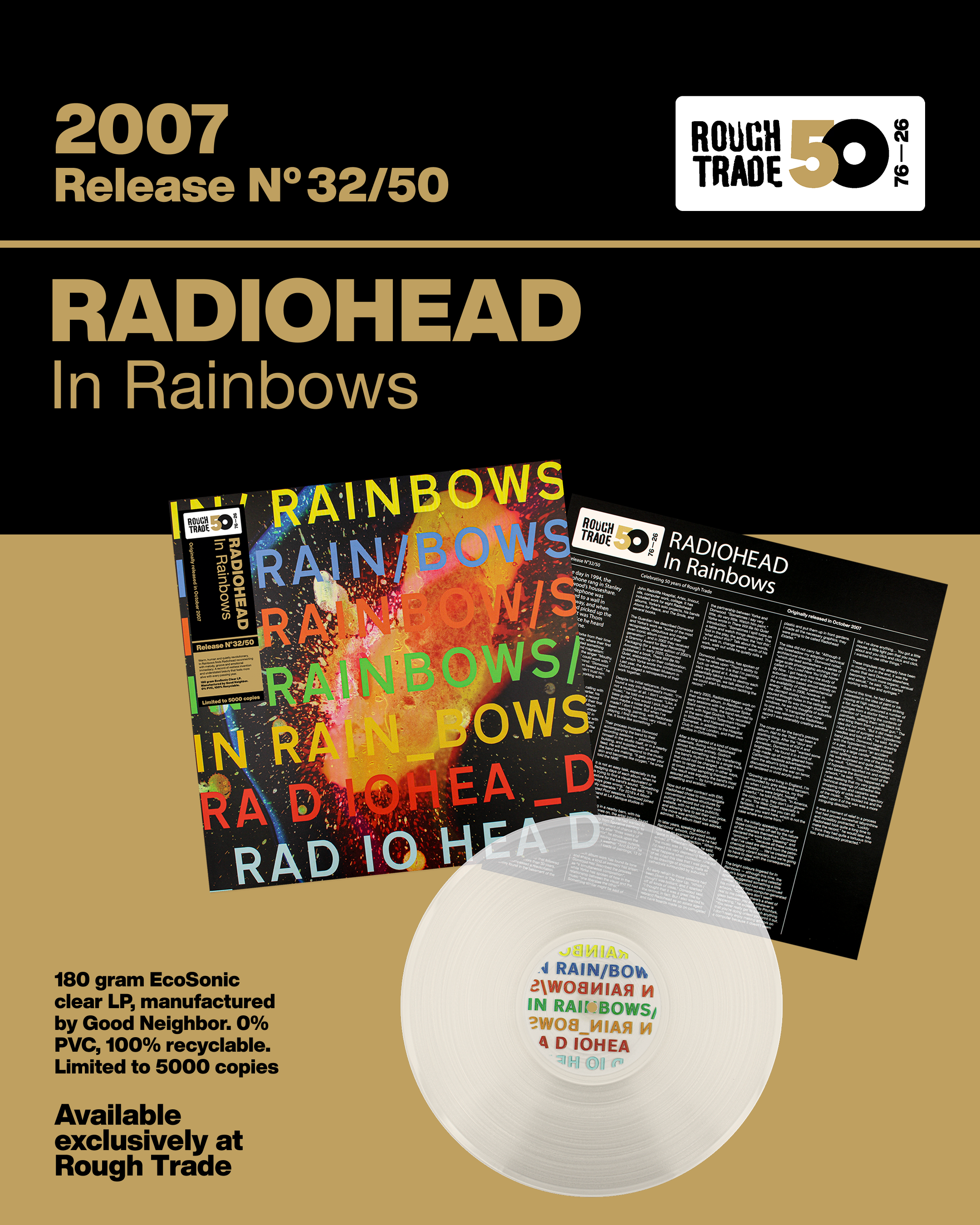
By 2007, global CD sales were in freefall, choked out by the wildfire spread of internet piracy. Rather than fighting the digital tide, alternative rock titans Radiohead decided to rewrite the economics of album rollouts. They dropped their seventh studio album, In Rainbows, via a revolutionary, voluntary ‘pay-what-you-want’ digital download model.
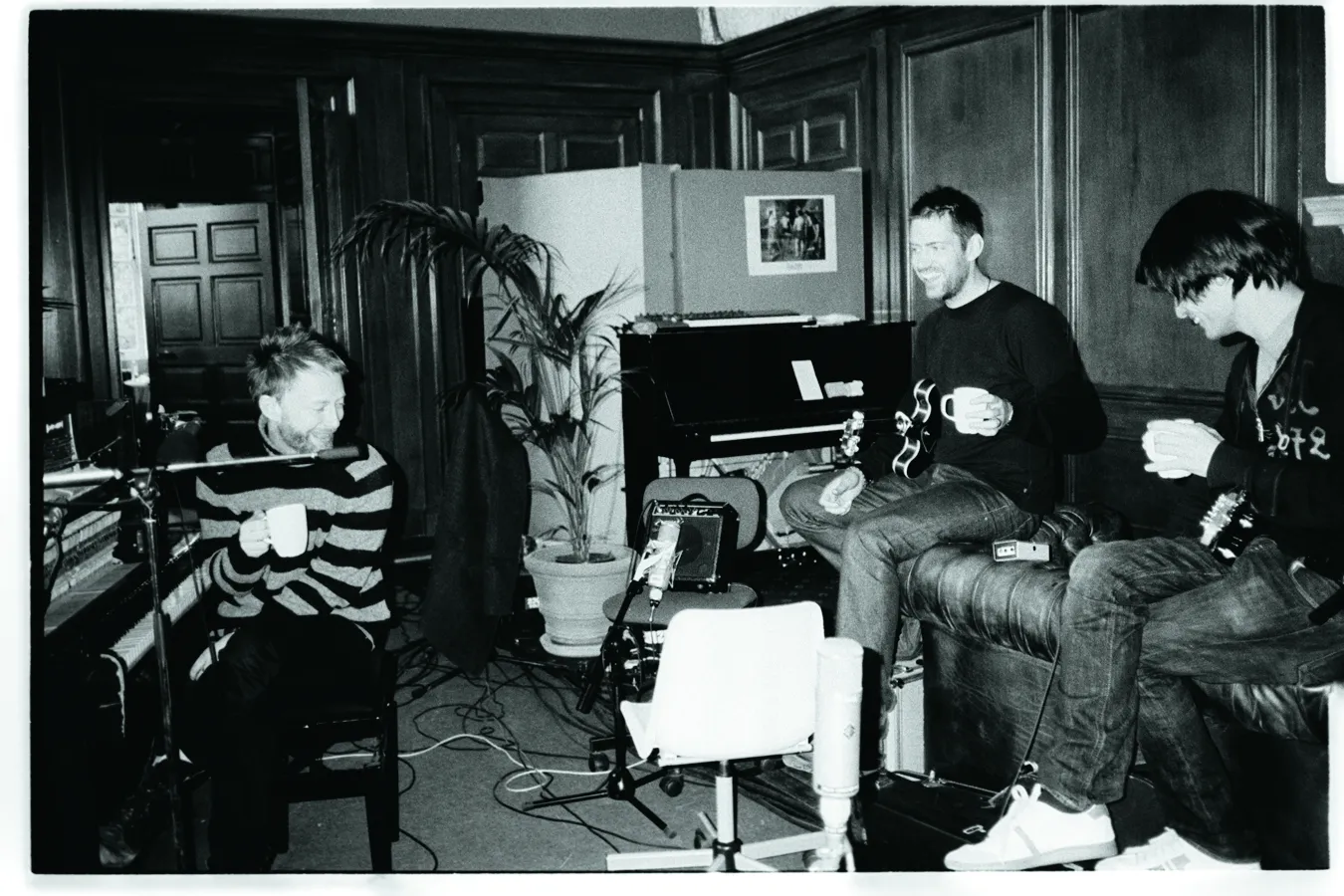
The move sent immediate shockwaves through the music industry. Traditionalists accused the band of devaluing recorded art and setting an unsustainable precedent for up-and-coming acts, while digital evangelists lauded them for pioneering direct-to-fan monetization. Yet beyond the boardroom strategy, the music itself was transcendent. In Rainbows married the band’s dense, electronic experimentalism with organic warmth, sweeping arrangements, and sublime lyricism. As Jonathan Greenwood and Thom Yorke wove hypnotic polyrhythms on tracks like Weird Fishes/Arpeggi, the refrain—"In the deepest ocean / The bottom of the sea / Your eyes / They turn me"—cemented the record as an unassailable high-water mark of modern alternative composition.
2008: Cabin Fever and the Birth of Bedroom Folk
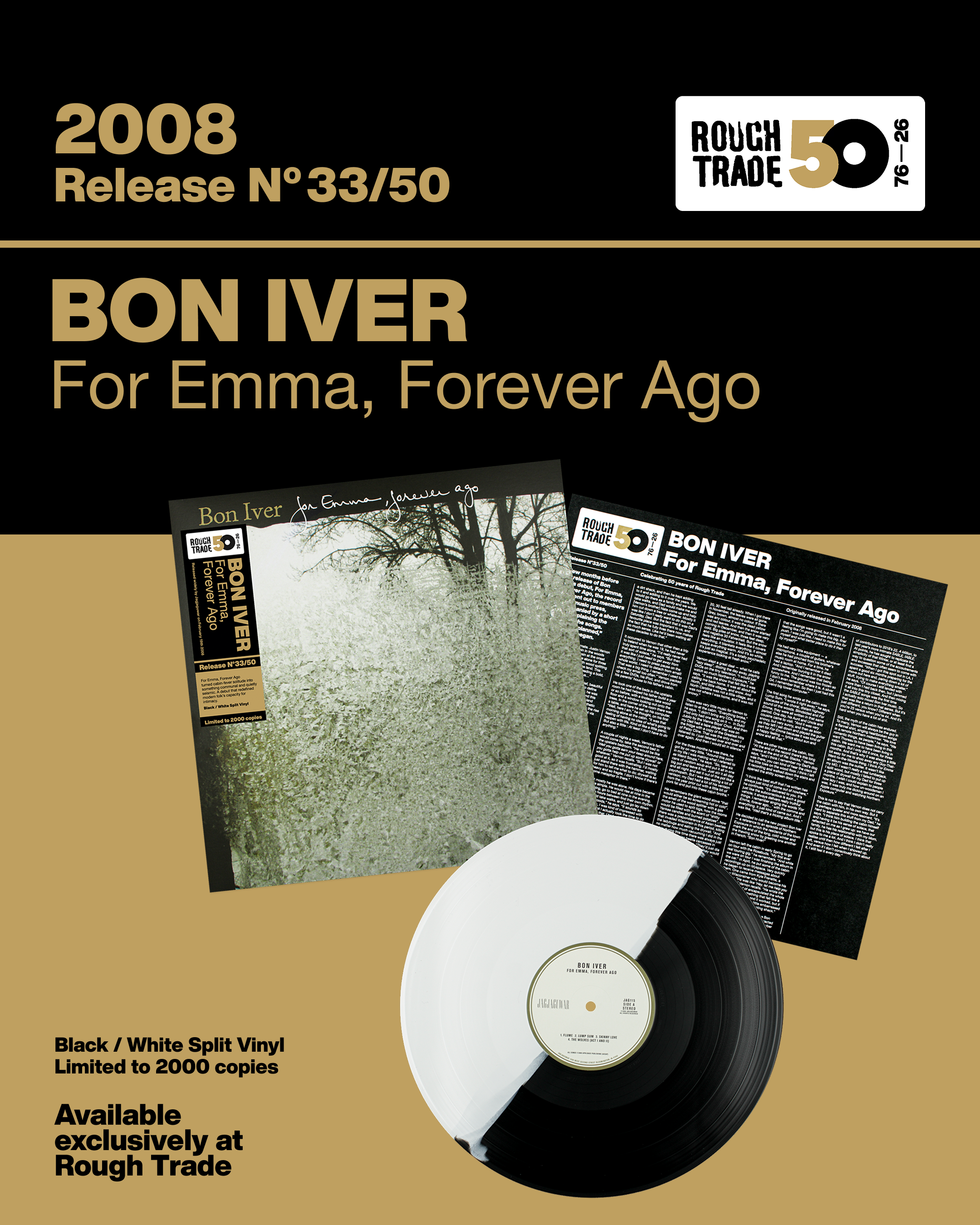
While urban centers grappled with digital interconnectivity, isolation produced its own masterpieces. Following a grueling bout of mononucleosis, a crumbling romantic relationship, and deep career uncertainty, Justin Vernon retreated to his father’s remote hunting cabin in northwestern Wisconsin. Armed with basic recording equipment, a stack of acoustic guitars, and a multi-track recorder, Vernon spent three punishing winter months working through his grief.
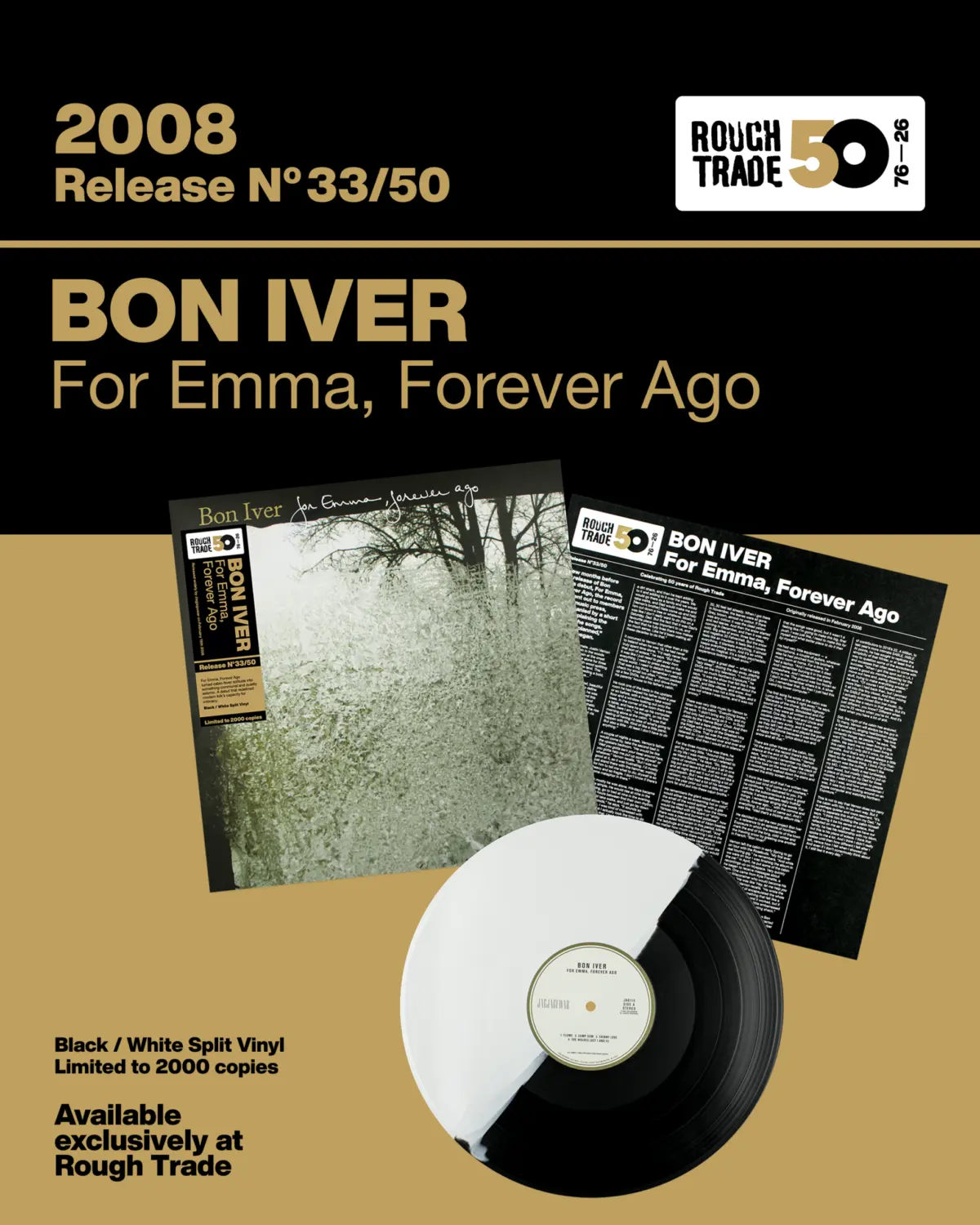
The resulting album, For Emma, Forever Ago, was initially self-released in 2007 before receiving a wider, critical re-release via Jagjaguwar in 2008 under Vernon’s moniker, Bon Iver. The record was winter melancholy pressed physically into wax—a fragile, multi-layered vocal tapestry draped over finger-picked acoustic arrangements. It proved that profound emotional vulnerability, captured in total solitude, could resonate powerfully across an increasingly crowded and noisy digital landscape.
2009: The Power of Spatial Silence
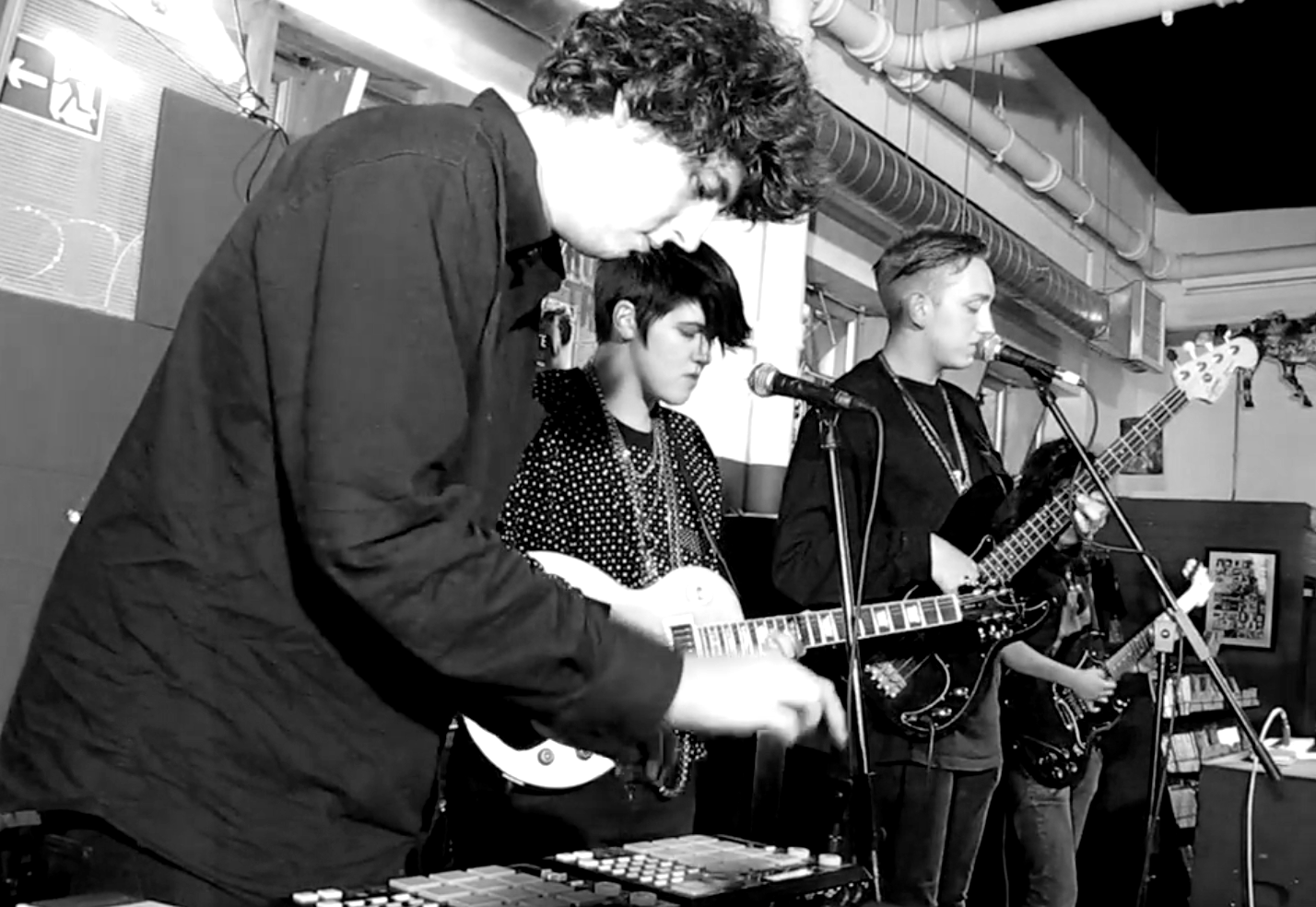
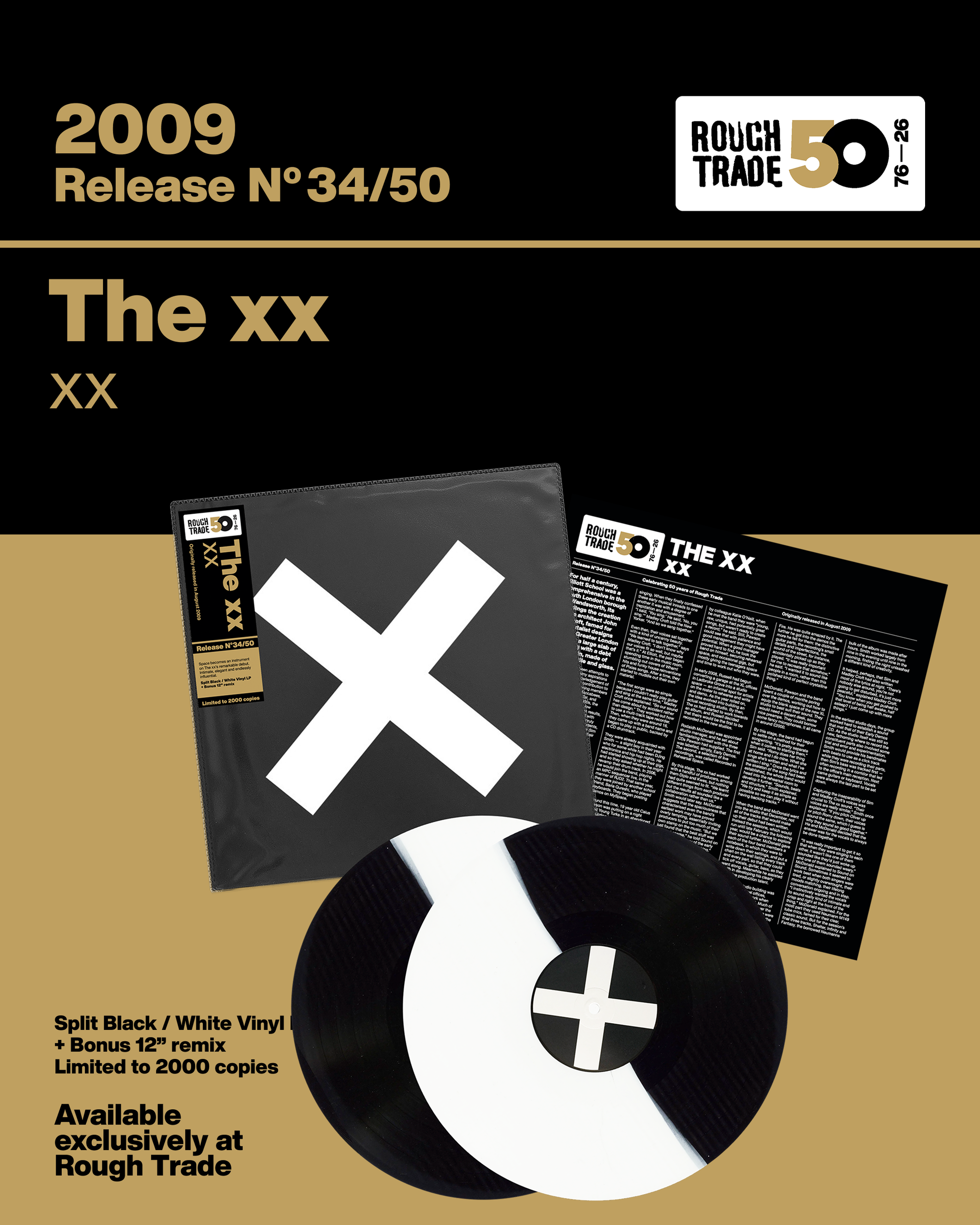
In an era when online hype cycles rewarded maximalism, hyper-compressed club anthems, and flashing blog banners, London trio The xx chose the absolute inverse. Released in 2009, their self-titled debut xx stripped indie pop and R&B down to their skeletal, hushed essentials.
Built on a foundation of echoing, sparse guitar lines, minimalist electronic beats, and the intimate, interwoven vocal interplay of Romy Madley Croft and Oliver Sim, the record was an instant stopper of traffic. Tracks like Crystalised, VCR, and Islands offered a masterclass in dynamic restraint, while the instrumental Intro became one of the most ubiquitously sampled and recognizable pieces of music of the century. For years, xx stood as the single best-selling album in Rough Trade’s storied retail history, proving that in a hyper-loud digital world, silence could be revolutionary.
2010: Dragging Electronica Out of the Club and Into the Sun
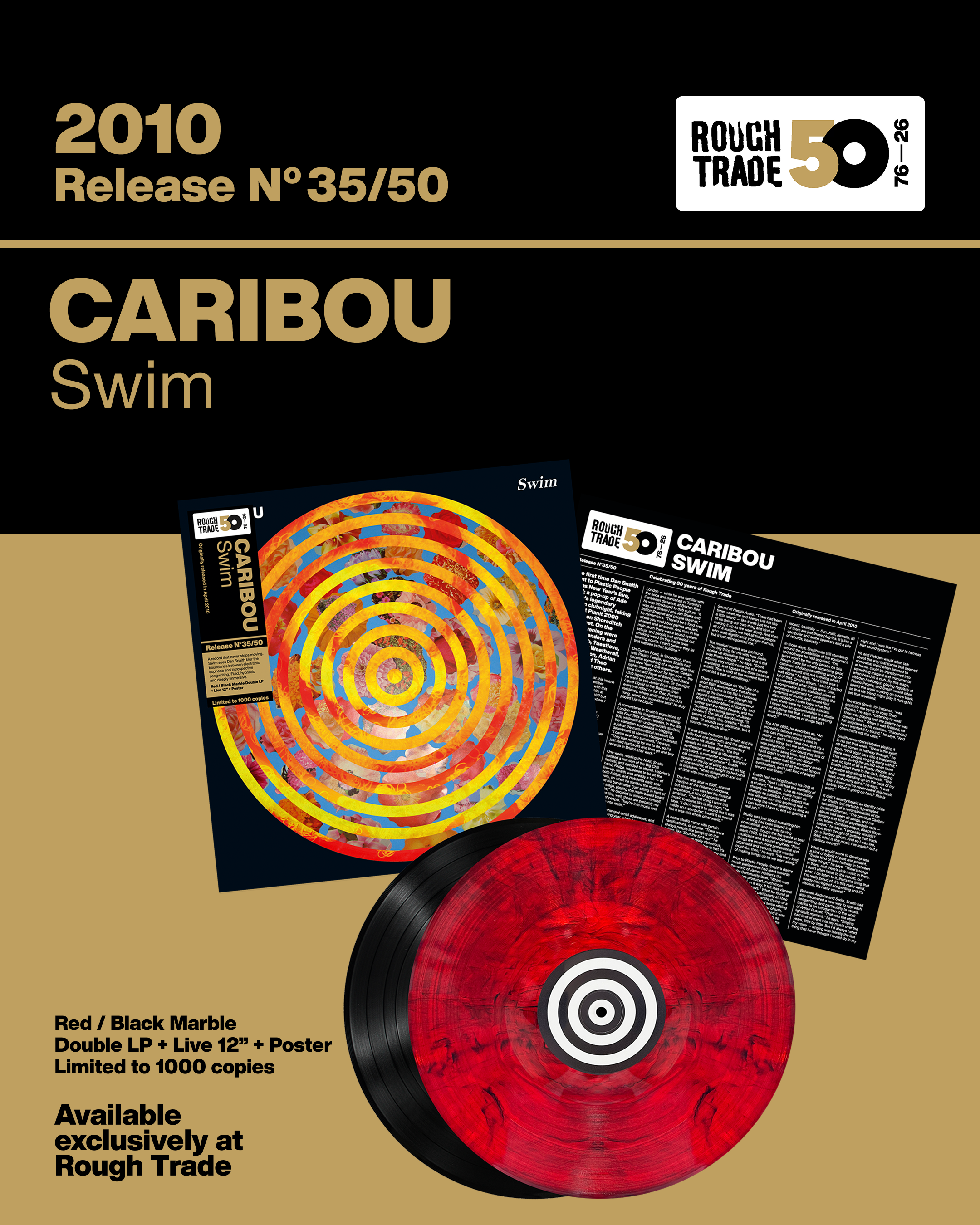
Throughout the 2000s, electronic music and indie rock had largely coexisted within the hazy, nocturnal confines of seedy warehouse clubs and after-hours parties. Canadian producer Dan Snaith, recording under the moniker Caribou, blew the doors wide open with his 2010 breakthrough LP, Swim.
Swim pulled electronic music out of the subterranean shadows and dragged it into sun-drenched open fields. Melding hypnotic, motorik rhythms with lush, multi-dimensional mixing and glistening psychedelic textures, the record was a sensory adventure that left listeners in a state of untethered euphoria. Crowned Rough Trade’s Album of the Year in 2010, Swim illustrated how digital production software could be harnessed to build organic, breathing ecosystems of sound.
2011: Seaside Psych and Dry Wit
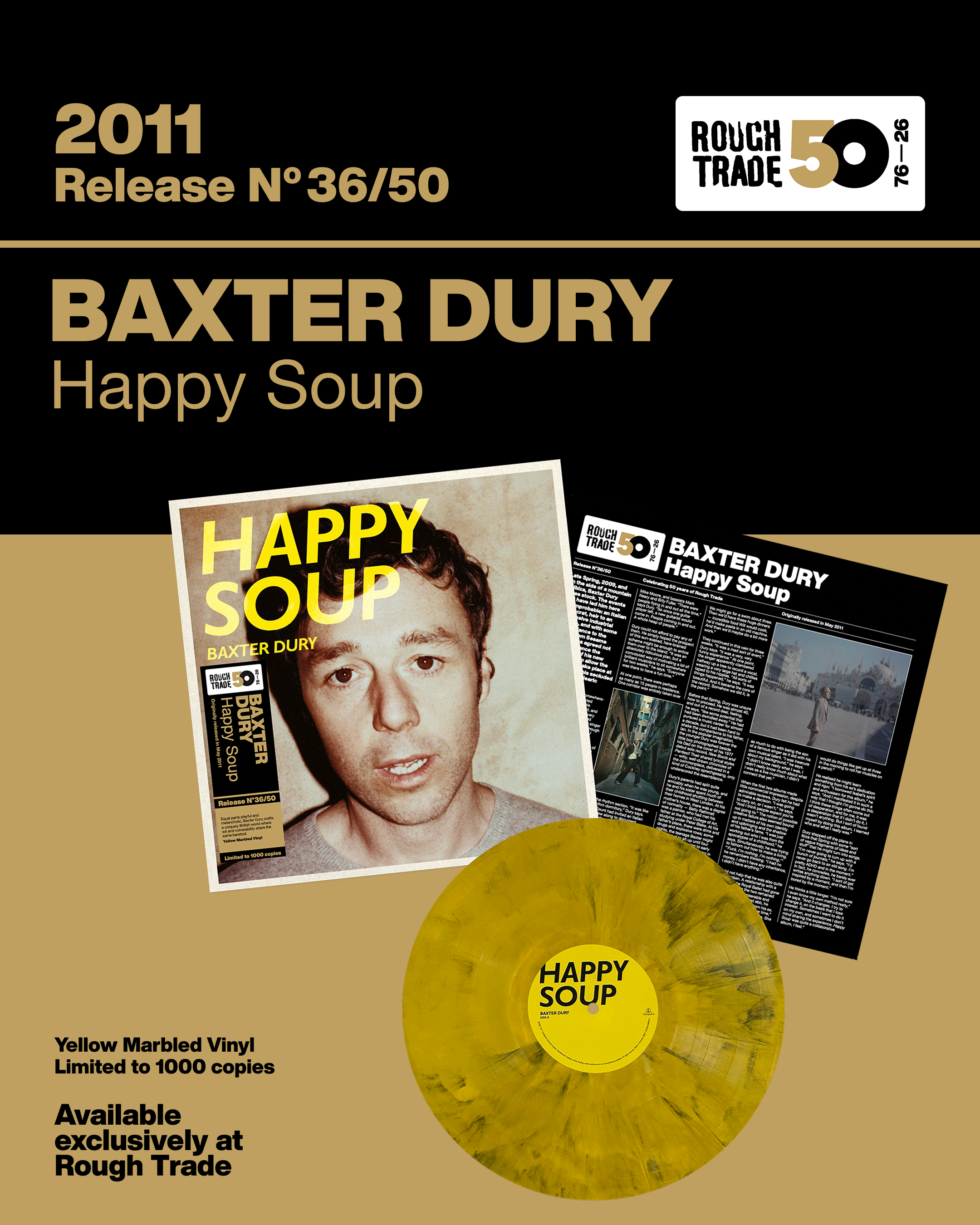
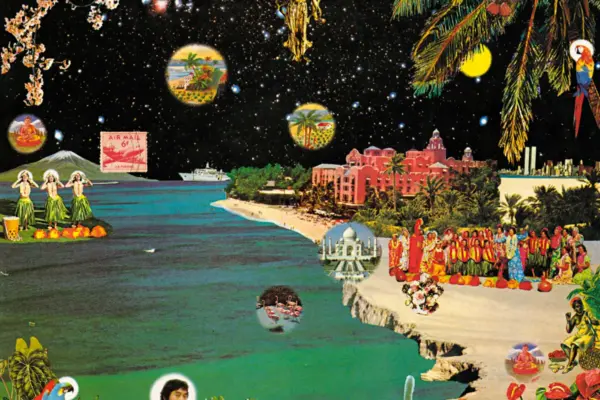
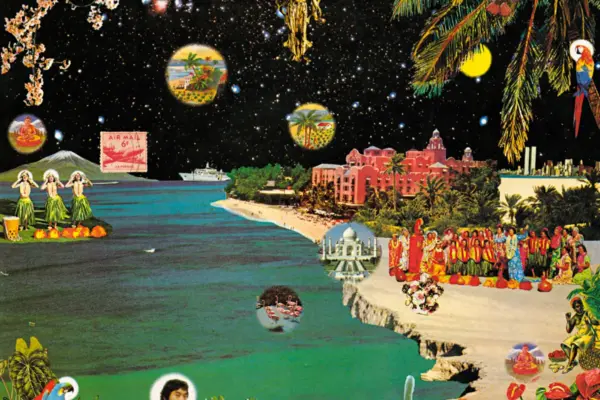
British independent music has always nurtured idiosyncratic characters, and few possess the singular charm of Baxter Dury. With his 2011 release Happy Soup, Dury crafted an infectious, sun-warped confection of electro-pop, deadpan spoken-word delivery, and whimsical arrangements. True to its title, the record functions as a sonic soup of vintage synthesizers, lounge-pop grooves, and "seaside psychedelia," underscored by Dury’s characteristic dry, observational wit. It remains a masterclass in British kitchen-sink surrealism set to an irresistible beat.
2012: West Australian Psych Becomes Universal
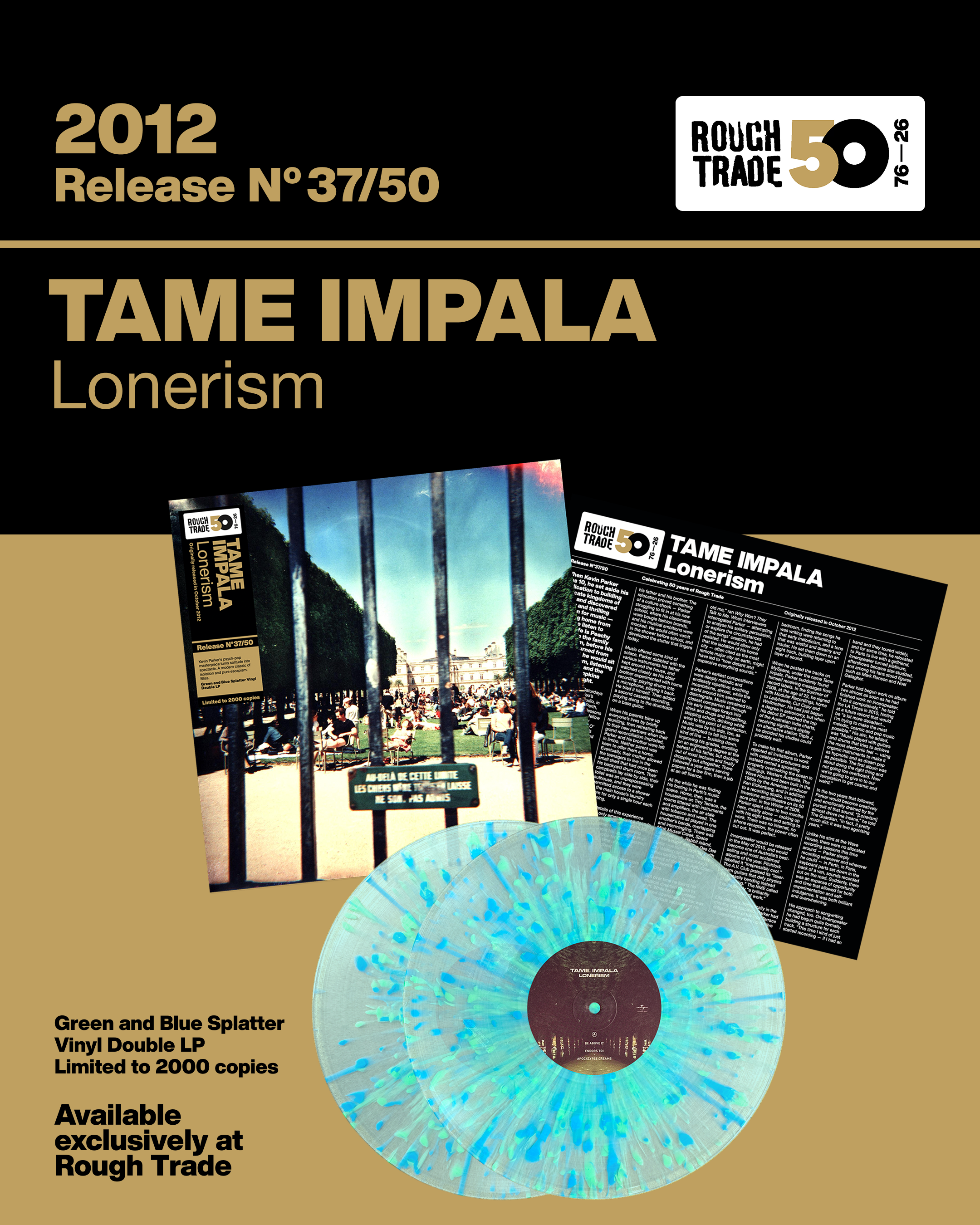
For many music fans discovering alternative music in the early 2010s, a physical CD or a shared blog post served as the catalyst for lifelong devotion. For one staffer at Rough Trade, receiving a copy of Tame Impala’s sophomore masterpiece Lonerism in 2012 was a watershed moment that immediately led to booking a ticket to their massive headlining show at Brixton Academy.
Spearheaded by multi-instrumentalist Kevin Parker, Lonerism expanded upon the bedroom-psych foundations of their debut, transforming inward-looking isolation into anthemic, stadium-sized psychedelia. From the swaggering, fuzz-drenched stomp of Elephant to the swirling, melancholic hooks of Feels Like We Only Go Backwards, the album captured a pivotal moment when psychedelic rock was successfully modernized for the digital generation, paving the way for Parker’s eventual transition into a global pop auteur.
2013: The Existential Grace of The Bad Seeds
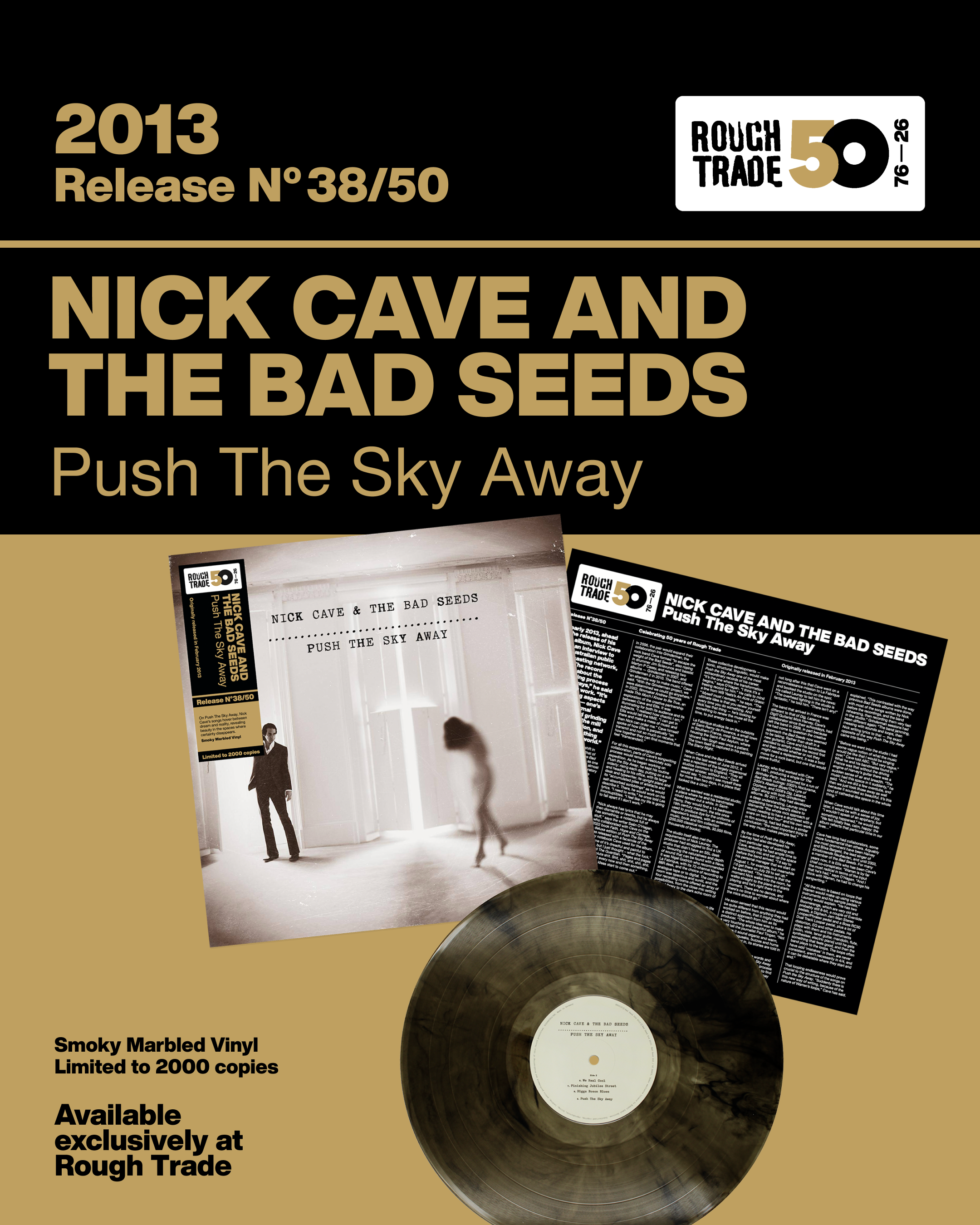
By 2013, post-punk icons Nick Cave & The Bad Seeds occupied a legendary status earned over three decades of reinvention. Having careened through the aggressive garage rock of Dig, Lazarus, Dig!!!, the band pivoted toward an unprecedented plateau of meditative, spacious grandeur with Push The Sky Away.
Lyrically, Cave abandoned the heavy-handed biblical grimness of his early work in favor of a modern, metaphysical spirituality that felt uncannily attuned to the digital age’s anxieties surrounding surveillance, connection, and isolation. Anchored by sparse, airy arrangements and skeletal basslines, the record proved that aging rock innovators could strip away theatrical bombast to reveal a breathtaking, rousing intimacy.
2014: Slacker Nostalgia in the Age of Constant Connection
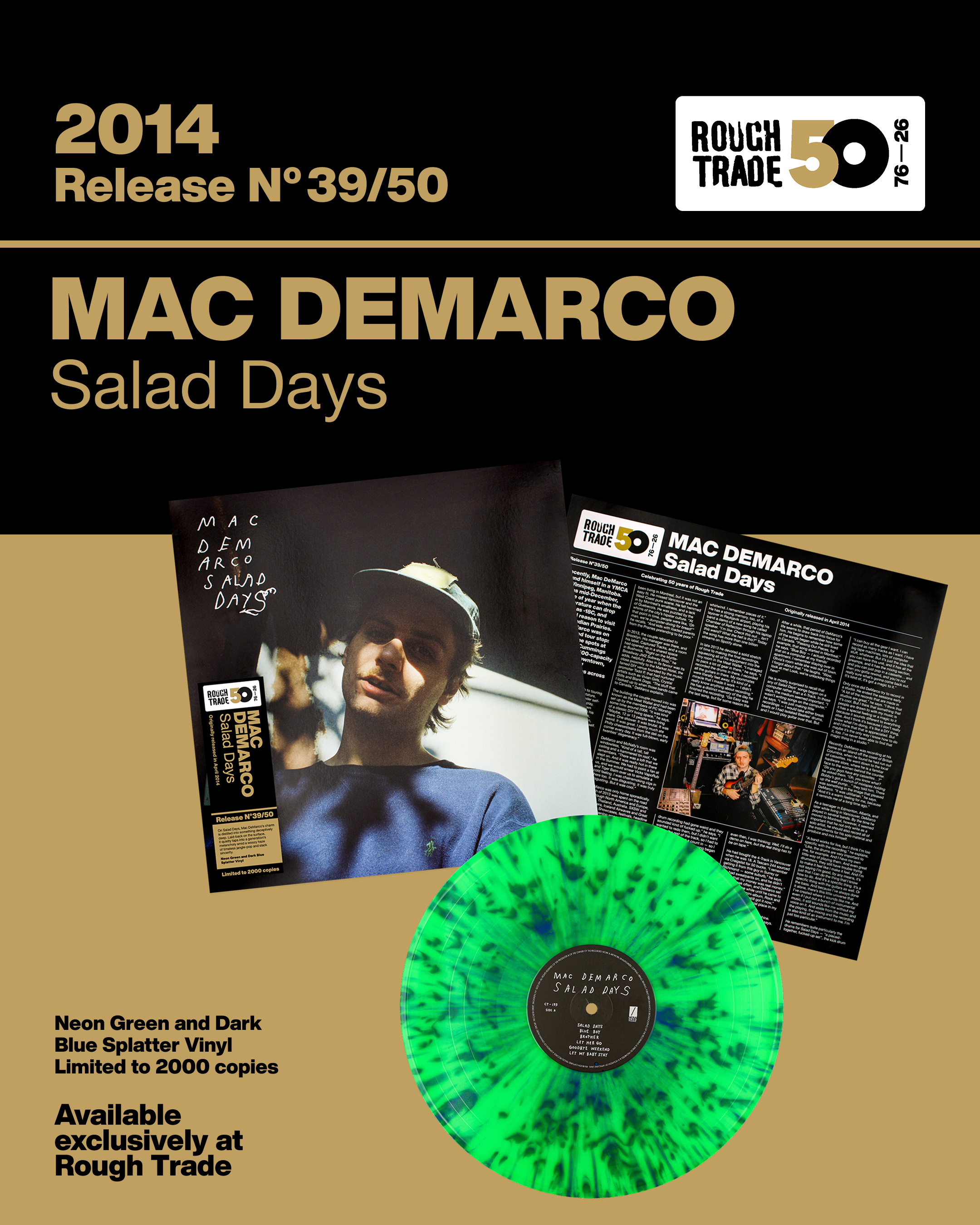
As social media platforms like Instagram and Twitter began demanding continuous curation and digital presence from artists, Canadian indie-pop savant Mac DeMarco weaponized the exact opposite ethos: unflinching, louche nonchalance. His 2014 sophomore album, Salad Days, was a triumph of janky, warbly guitar-pop written in the exhausted wake of relentless touring.
Despite its outwardly breezy, sun-bleached exterior, Salad Days carried a profound, wistful undercurrent of melancholia. It offered modern listeners an ideal soundtrack for late-night rumination, perfectly capturing the bittersweet pangs of transitioning from youth into the complicated realities of adulthood.
2015: Existential Dread at the Supermarket Checkout
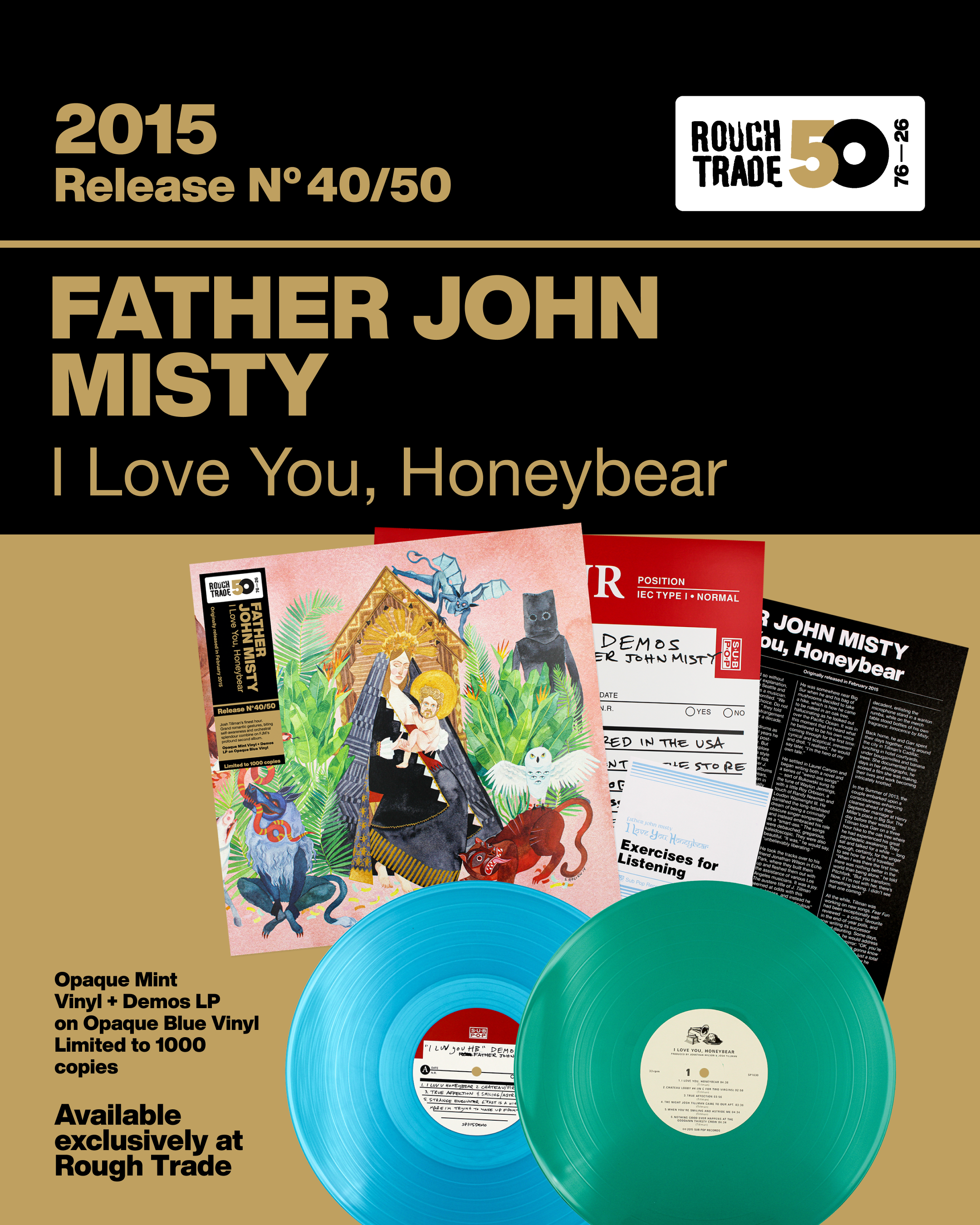
The decade closed with one of the most audaciously funny, romantically complex, and orchestrally lavish records of the modern era: Father John Misty’s I Love You, Honeybear. Released in 2015 by Joshua Tillman, the album was described by critics as the sonic equivalent of "falling hopelessly in love while having an existential crisis in the supermarket."
Marrying biting, internet-age sarcasm with sweeping, Laurel Canyon-esque orchestral grandeur, Tillman navigated the minefield of modern romance, digital saturation, and domestic bliss. Tracks like Bored in the USA, the sprawling self-reckoning of Holy Shit, and the technophobic plea of True Affection ("ditch the screens and reconnect as actual humans") solidified the album as a brilliantly chaotic, deeply romantic modern masterpiece.
Supporting Context & Metrics: The Shifting Architecture of Discovery
To understand the musical output of 2006–2015, one must analyze the radical infrastructural shifts that enabled these artists to find their audiences. The decade was defined by a rapid tripartite transition:
The Blogosphere Ecosystem: Websites like Pitchfork, Stereogum, and aggregators like Hype Machine wielded kingmaker status. A single glowing review or a downloadable MP3 link could overnight elevate an unknown bedroom producer from total obscurity to main-stage festival billing.
Social Media Democratization: Platforms like MySpace gave musicians direct control over their public relations, effectively democratizing marketing. Facebook, Twitter, and eventually Instagram tore down the velvet rope separating artist from fan, fostering parasocial intimacy on a scale previously unimaginable.
The Streaming Paradigm Shift: As peer-to-peer networks like LimeWire and Napster faded under legal pressure, and portable hardware like the Apple iPod conquered the consumer market, the groundwork was laid for on-demand streaming services like Spotify. For consumers, this meant carrying an infinite record collection in their pockets; for independent artists, it meant overcoming historical gatekeeping barriers—even as debates over royalty payouts began to simmer.
Official Statements and Industry Reflections
Reflecting on the legacy of this era, curators and insiders within the independent retail sector emphasize that physical spaces and tactile formats became increasingly vital precisely because the digital world grew so overwhelming.
"Across every corner of independent music, experimentation became the norm rather than the exception. Whether through Caribou’s richly textured electronics, the art-pop ambition of The xx, or the fearless genre-hopping that defined so many of the decade’s essential records, boundaries increasingly felt there to be broken."
— Rough Trade Editorial Archive
Furthermore, industry observers note that the live music ecosystem underwent a parallel metamorphosis. Festivals transformed from niche weekend gatherings into global destination events, cross-pollinating indie rock, electronic music, hip-hop, and pop onto unified bills. As online spaces hyper-interconnected scenes across continents, physical music festivals offered a crucial antidote to screen fatigue: tangible, sweaty, shared in-person community.
Future Outlook: Preserving the Tangible in an Algorithmic Age
As we look back from the vantage point of the present, the period from 2006 to 2015 stands as the incubator for our current hyper-connected, genre-agnostic musical landscape. The digital tools forged during these years—which allowed Burial, Bon Iver, Tame Impala, and The xx to bypass traditional gatekeepers—have now matured into a ubiquitous, algorithmically driven streaming economy.
Yet, as streaming algorithms continue to homogenize listening habits, the cultural impulse for physical curation and tangible connection has only intensified. Institutions like Rough Trade—through initiatives like their "50 Records for 50 Years" celebratory archival campaigns, exclusive vinyl re-pressings with bespoke liner notes, and community-focused subscription clubs—prove that the hunger for physical storytelling remains insatiable.
The internet may have permanently accelerated how we discover music, but the tactile ritual of pulling a record from a sleeve, placing it on a turntable, and losing oneself in an album’s liner notes remains an irreplaceable human anchor in a rapidly shifting digital sea.