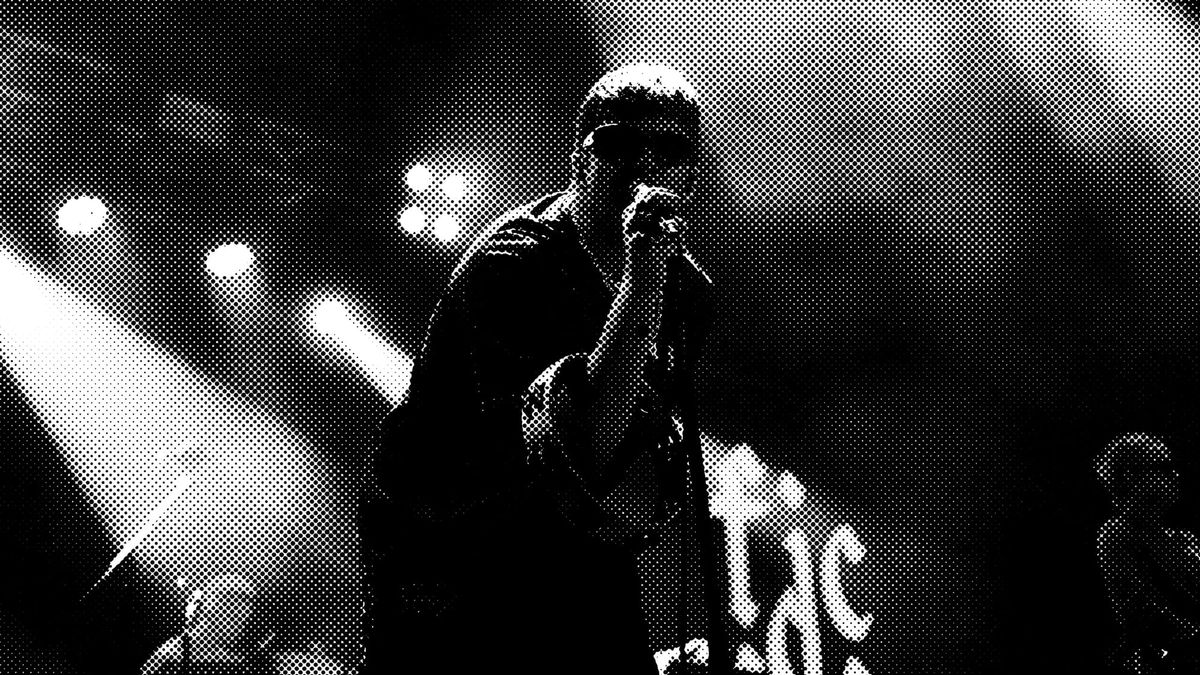
"To me, rock music was never meant to be safe. I think there needs to be an element of intrigue, mystery, subversiveness. Your parents should hate it."
— Trent Reznor
Executive Overview
From its foundational synthesis of blues, country, and gospel, rock music has never been a static artifact. It is a living, breathing lineage defined less by a strict set of sonic parameters and more by a persistent ideological friction. The greatest rock albums of all time have continually exploded structural boundaries, giving birth to a sprawling taxonomy of subgenres molded by shifting cultural landscapes, local underground scenes, and technological disruptions. Reinvention is, and always has been, rock’s truest identity.
At its core, being "rock and roll" has always functioned as a spirit rather than a specific key signature or tempo. It is an innate instinct to challenge convention, borrow freely across generational lines, and push audio landscapes into uncomfortable, unexpected territories. This restless, transgressive energy continues to pulse through the veins of modern alternative rock, where rigid genre barriers dissolve and true innovation frequently takes root far away from corporate boardrooms and mainstream spotlights.
Today, rock’s gravitational pull is as strong as ever. Whether it is London’s fertile Windmill scene reshaping guitar music through post-punk, jazz, and art-rock hybrids, or the explosive resurgence of Irish guitar bands like Fontaines D.C. and The Murder Capital capturing the global imagination, the ethos remains unbroken. Rock is less concerned with preserving a specific sonic museum piece than it is with carrying forward a radical way of thinking. Its future may not always arrive wearing a leather jacket and wielding a battered Fender, but its defiant spirit remains entirely unmistakable.
Detailed Chronology: Essential Pillars of Rock Innovation
To understand where rock music stands today, we must examine the chronological milestones that shattered convention and rebuilt the genre from the ground up.
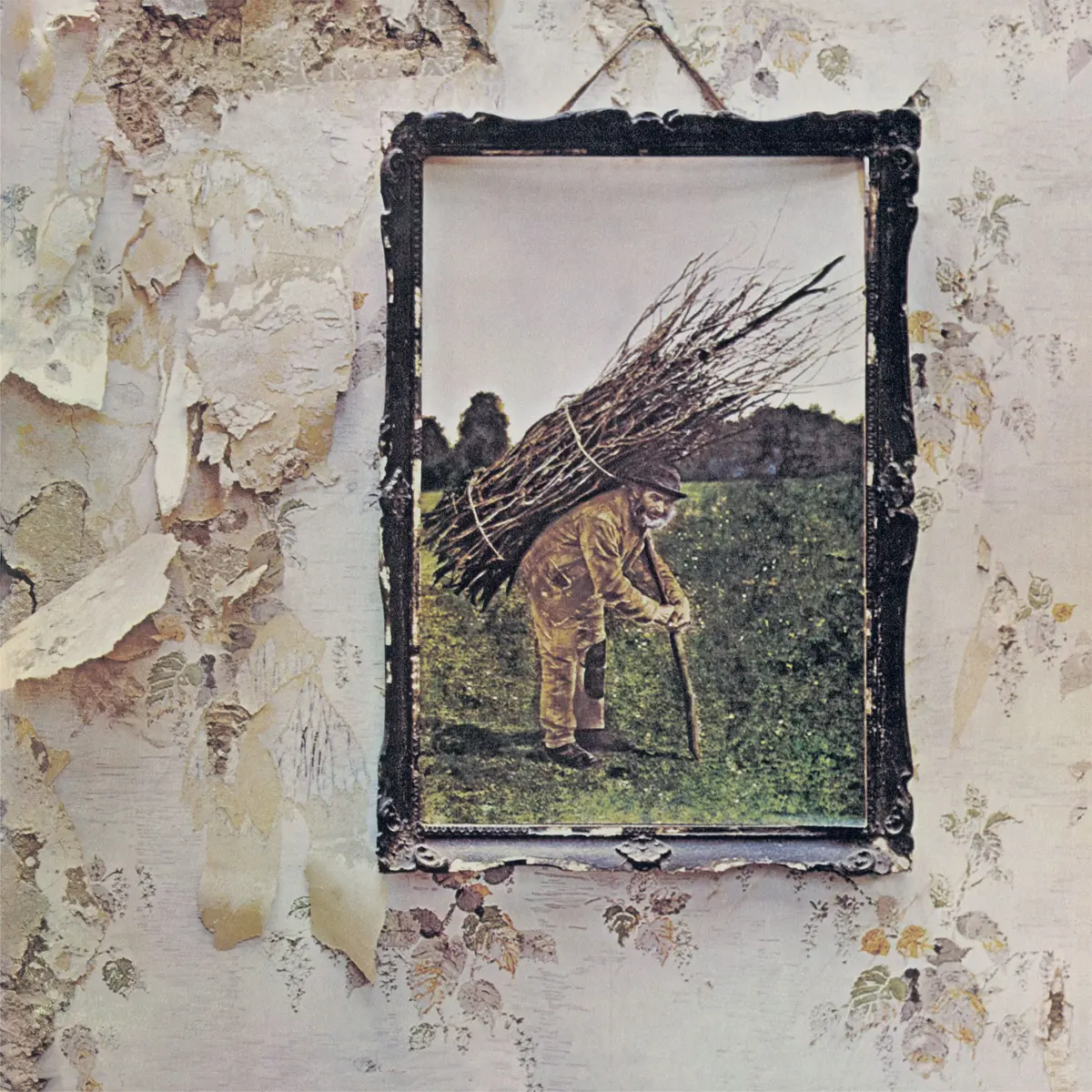
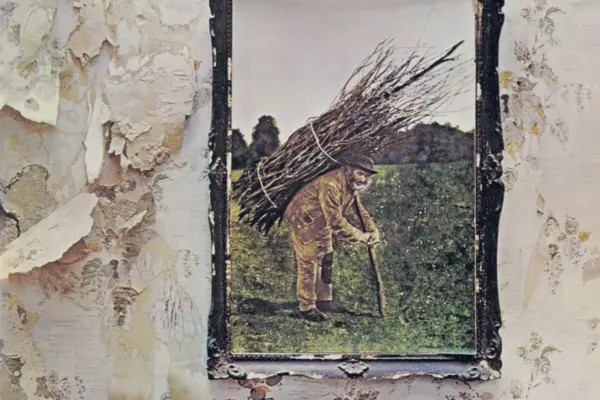
1. Led Zeppelin – IV (1971)
Led Zeppelin IV fundamentally expanded hard rock beyond straightforward, muscular riffing, providing the definitive structural blueprint for both heavy metal and stadium rock. While showcasing their thunderous electric capabilities, the band seamlessly integrated traditional British folk music—successfully marrying the seismic heavy rock of their second album with the pastoral, acoustic wanderings of their third. The bedrock of Led Zeppelin’s sound, however, remained rooted in American blues, with guitarist Jimmy Page and his bandmates drawing endless inspiration from the Mississippi Delta and the electric hum of Chicago.
Anthemic tracks like Stairway to Heaven transcended normal radio constraints, transitioning from a delicate acoustic folk ballad into a roaring, operatic hard-rock crescendo that became a definitive template for classic rock and progressive experimentation.
File Under: Hard rock, alongside AC/DC, Aerosmith, and Guns N’ Roses.
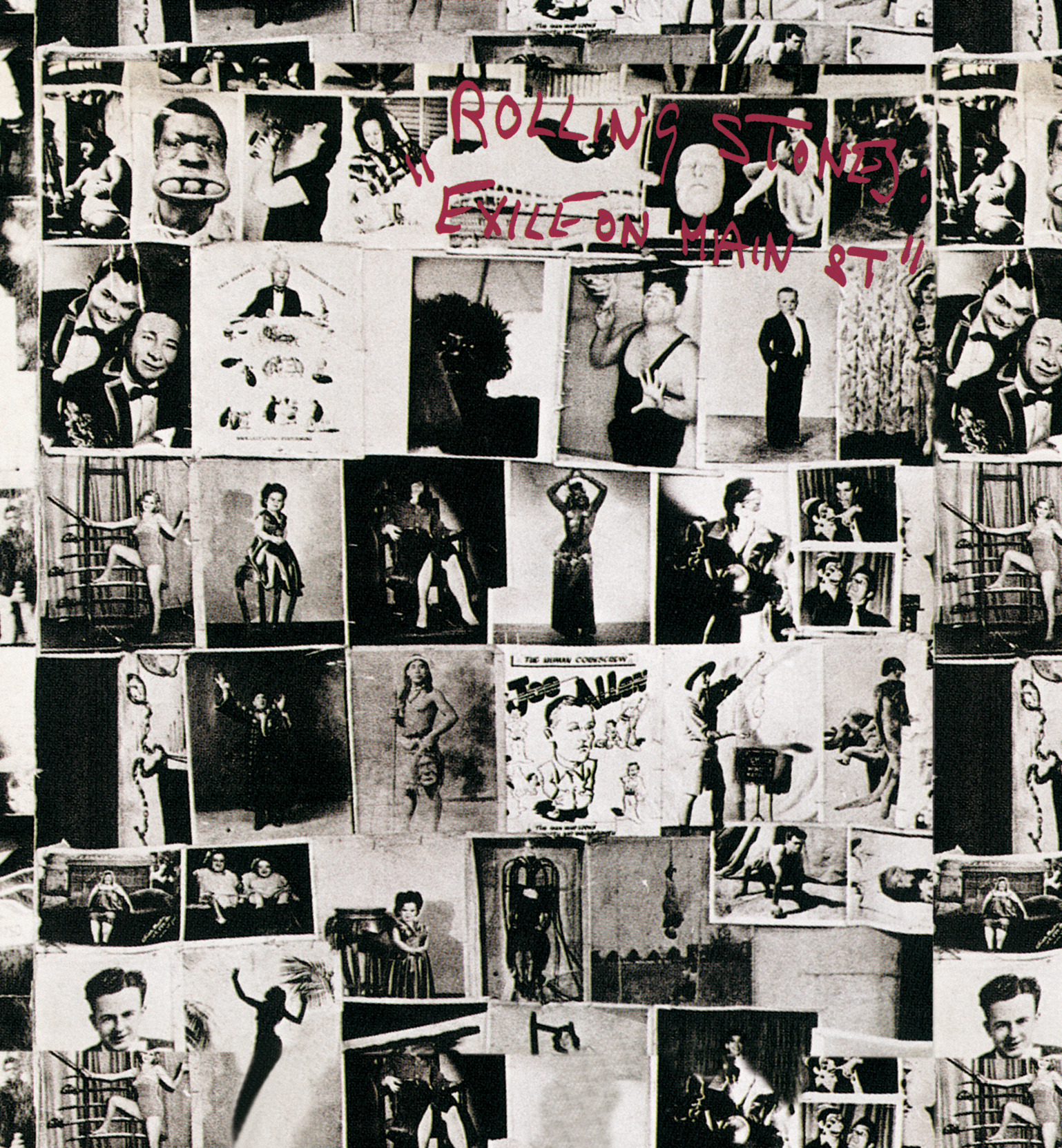
2. The Rolling Stones – Exile on Main St. (1972)
Recorded during fragmented, hedonistic sessions in the south of France, Exile on Main St. represents the absolute apotheosis of blues-rock and roots-rock. Its loose, murky, and swampy atmosphere fused blues, gospel, country, and rhythm-and-blues into a sprawling, double-album statement that violently rejected polished studio perfection. Songs like Tumbling Dice and Rocks Off proved that rock music could profoundly embrace American roots traditions without sacrificing its intrinsic rebellious edge.
The Stones’ shadow looms large over virtually every branch of subsequent classic rock. Bruce Springsteen incorporated their sweat-soaked blend of rock and soul into the E Street Band’s engine room; The Verve drew deeply from their kaleidoscopic incorporation of blues and psychedelia; and The White Stripes revived a singular, unvarnished devotion to their primitive blues foundations.
File Under: Classic rock, alongside The Beatles, The Who, Bruce Springsteen, Big Star, and Jethro Tull.
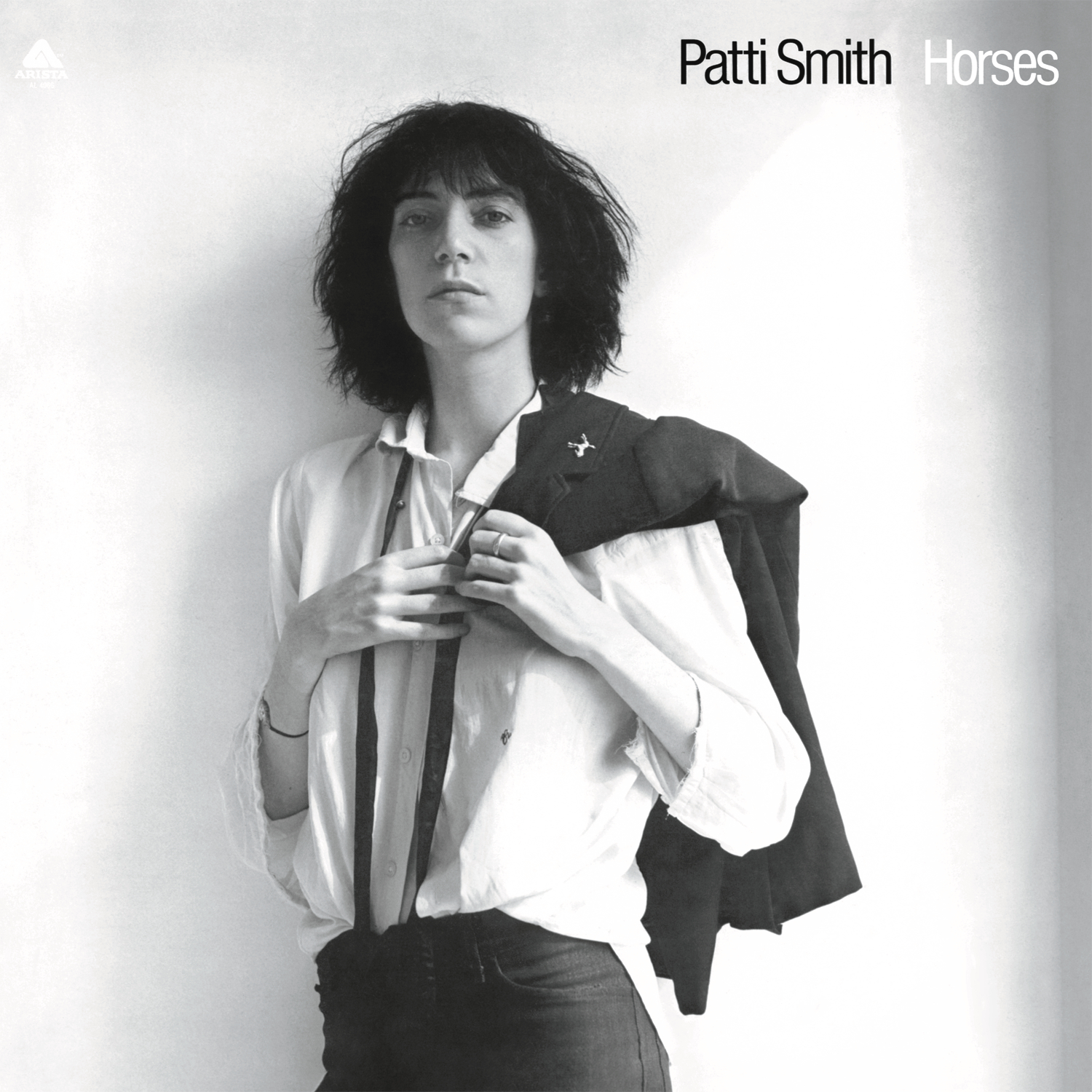
3. Patti Smith – Horses (1975)
Horses achieved the impossible: it violently bridged high-art poetry and visceral rock, laying the foundational concrete for the entire punk explosion. Patti Smith’s free-form vocal deliveries and densely literary lyrical references aggressively challenged conventional 1970s ideas about femininity, identity, and performance. Producer John Cale deeply respected Smith’s raw primitivism, preserving loose, improvisatory song structures that allowed her free-verse poetry to operate almost like spoken-word jazz.
Smith’s immense influence echoes through post-punk, alternative rock, and indie music. She stands as one of modern music’s most vital progenitors.
File Under: Early punk rock, alongside Television, Lou Reed, and The Velvet Underground. Her work also directly informed the atmospheric, poetic songwriting of Siouxsie and the Banshees and the literary gothicism of Nick Cave & The Bad Seeds.
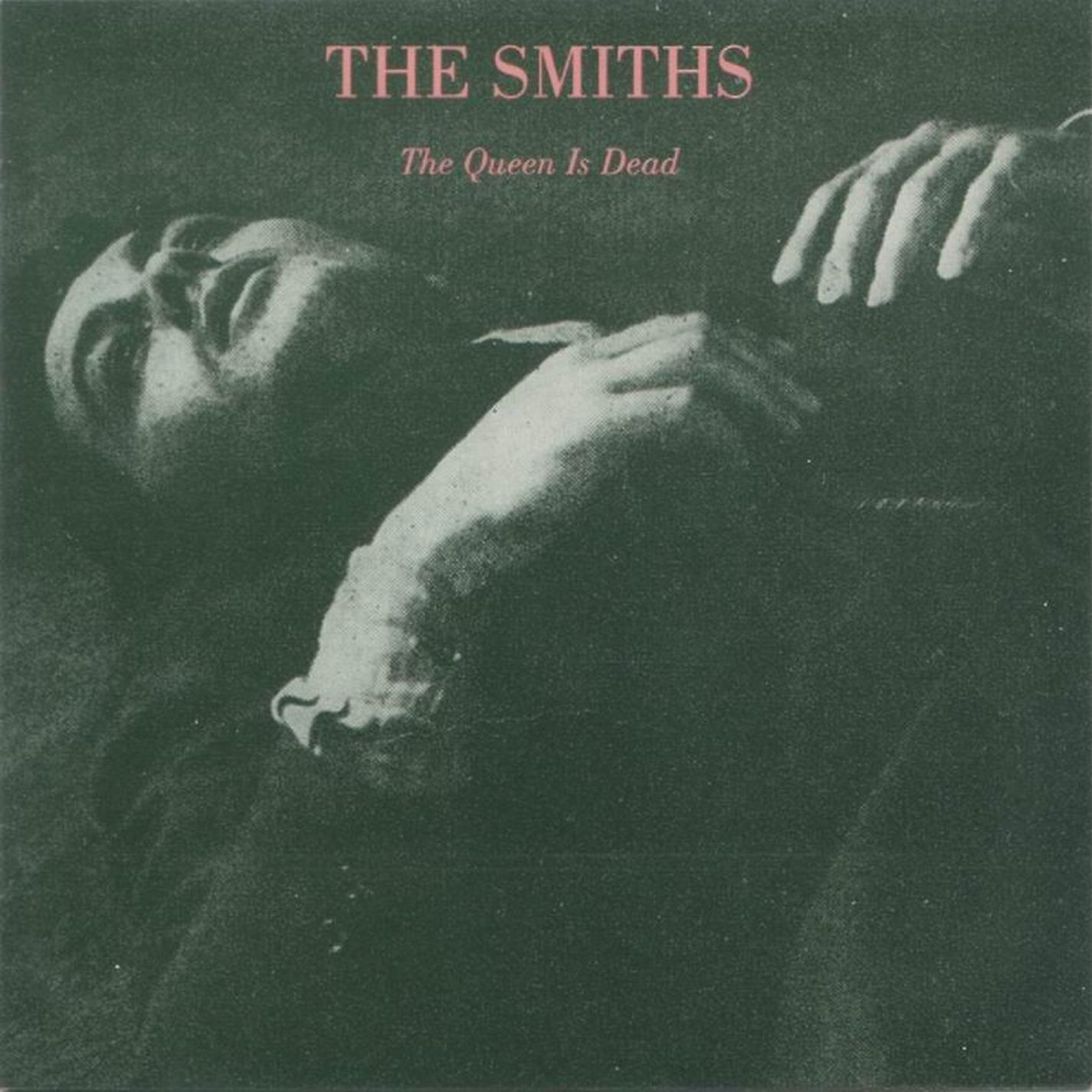
4. The Smiths – The Queen Is Dead (1986)
Widely regarded as the pinnacle of British indie rock, The Queen Is Dead mutated jangly, chiming guitar pop into something far more complex, seamlessly incorporating post-punk irony and stark emotional vulnerability. Morrissey’s melancholic lyrics delivered some of the most literate songwriting of the decade, striking a delicate balance between biting wit and heartbreaking sincerity that continues to resonate with generations of outsiders.
Songs like There Is a Light That Never Goes Out and Cemetary Gates cemented the band’s legacy as architects of the ultimate "outsider anthem." Their footprint is indelible: Radiohead’s Knives Out is widely understood to be a direct tribute to Johnny Marr’s intricate guitar style, while contemporary acts like Brigitte Calls Me Baby draw heavy comparisons to Morrissey’s theatrical, swooning vocal delivery.
File Under: 80s indie rock and angsty punk, alongside Echo & the Bunnymen, R.E.M., The Wedding Present, and The Go-Betweens.
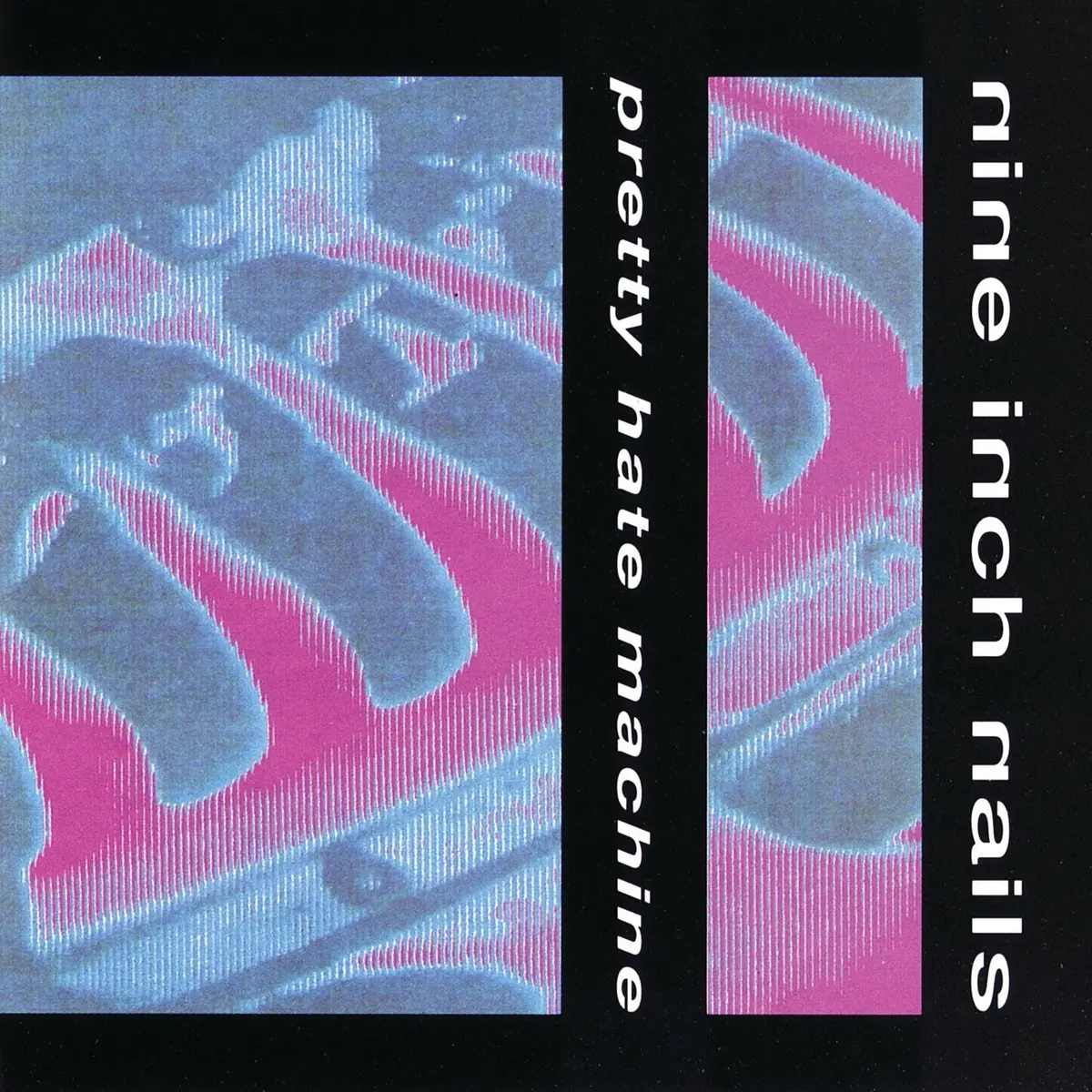
5. Nine Inch Nails – Pretty Hate Machine (1989)
Straddling the volatile fault lines between rock, electronic music, and industrial soundscapes, Nine Inch Nails defied easy categorization. While genre purists and Trent Reznor himself have often resisted putting a tidy "industrial" label on the project, Pretty Hate Machine stands as a monumental collision of 1980s synth-pop sensibilities and abrasive, metallic aggression.
Taking profound structural inspiration from underground pioneers like Throbbing Gristle, Cabaret Voltaire, and Skinny Puppy, Reznor weaponized synthesizer frequencies and distorted beats to make dark, dystopian industrial music accessible to a massive global audience.
File Under: Industrial metal, ambient rock, and synth-pop, alongside Killing Joke, David Bowie’s Low, Model/Actriz, and Depeche Mode.
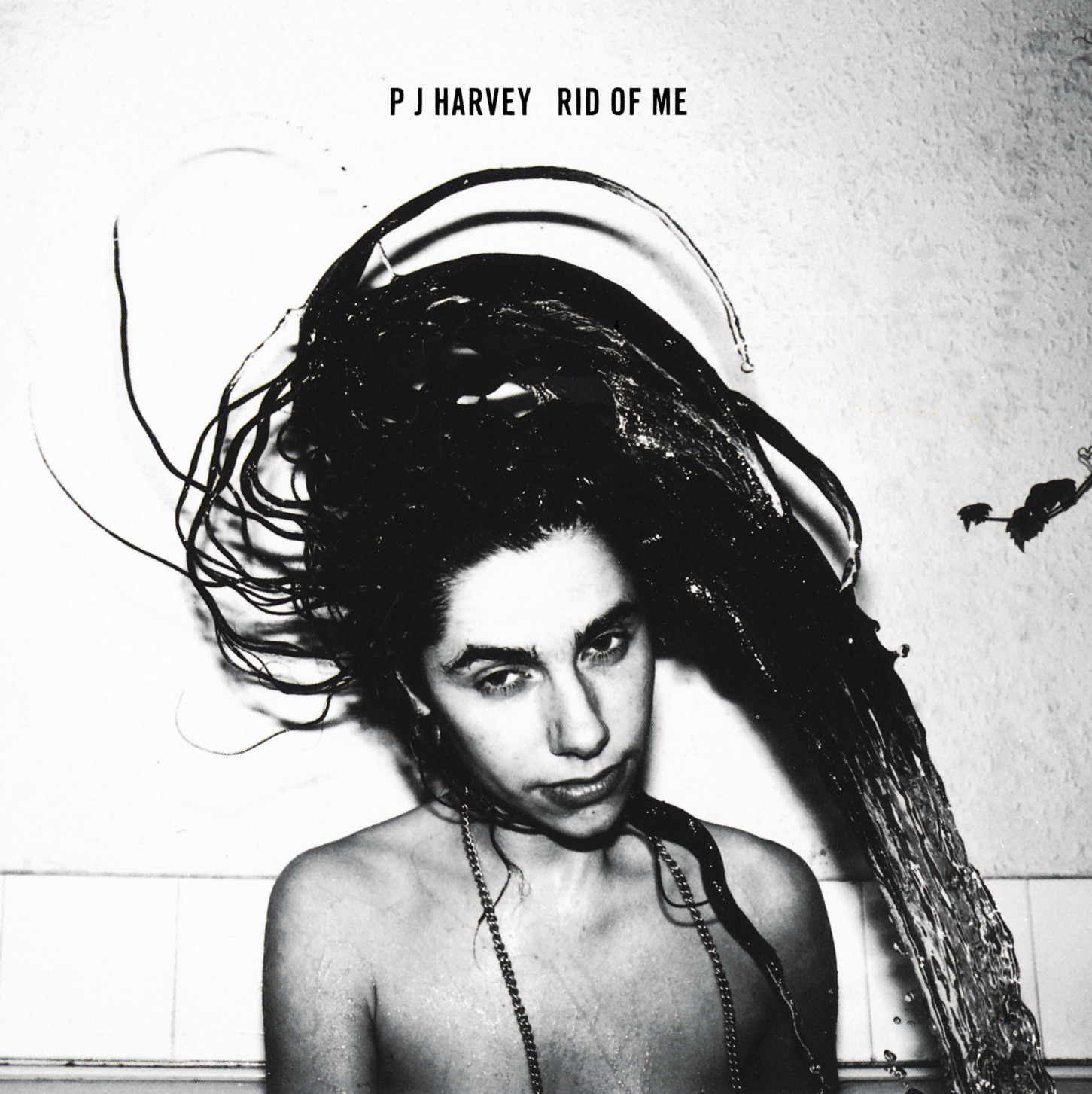
6. PJ Harvey – Rid of Me (1993)
Rid of Me pushed alternative rock toward terrifying extremes of emotional intensity. Polly Jean Harvey’s visceral songwriting is psychologically fractured, dissecting dark themes of obsession, sexuality, and power with an unsettling, uncompromising honesty that demolished the industry expectations historically placed upon women in rock.
Spanning blues, noise rock, post-punk, and garage rock, Harvey’s trademark dynamic contrast—whisper-quiet passages exploding into violent, cathartic sonic outbursts—taught generations of indie and grunge artists how to weaponize vulnerability. Modern standard-bearers like Sharon Van Etten, Phoebe Bridgers, and Blondshell all openly cite Harvey as a primary inspiration.
File Under: Alternative rock, standing alongside boundary-pushing experimentalists like Radiohead, The Breeders, Pixies, and The Smashing Pumpkins.
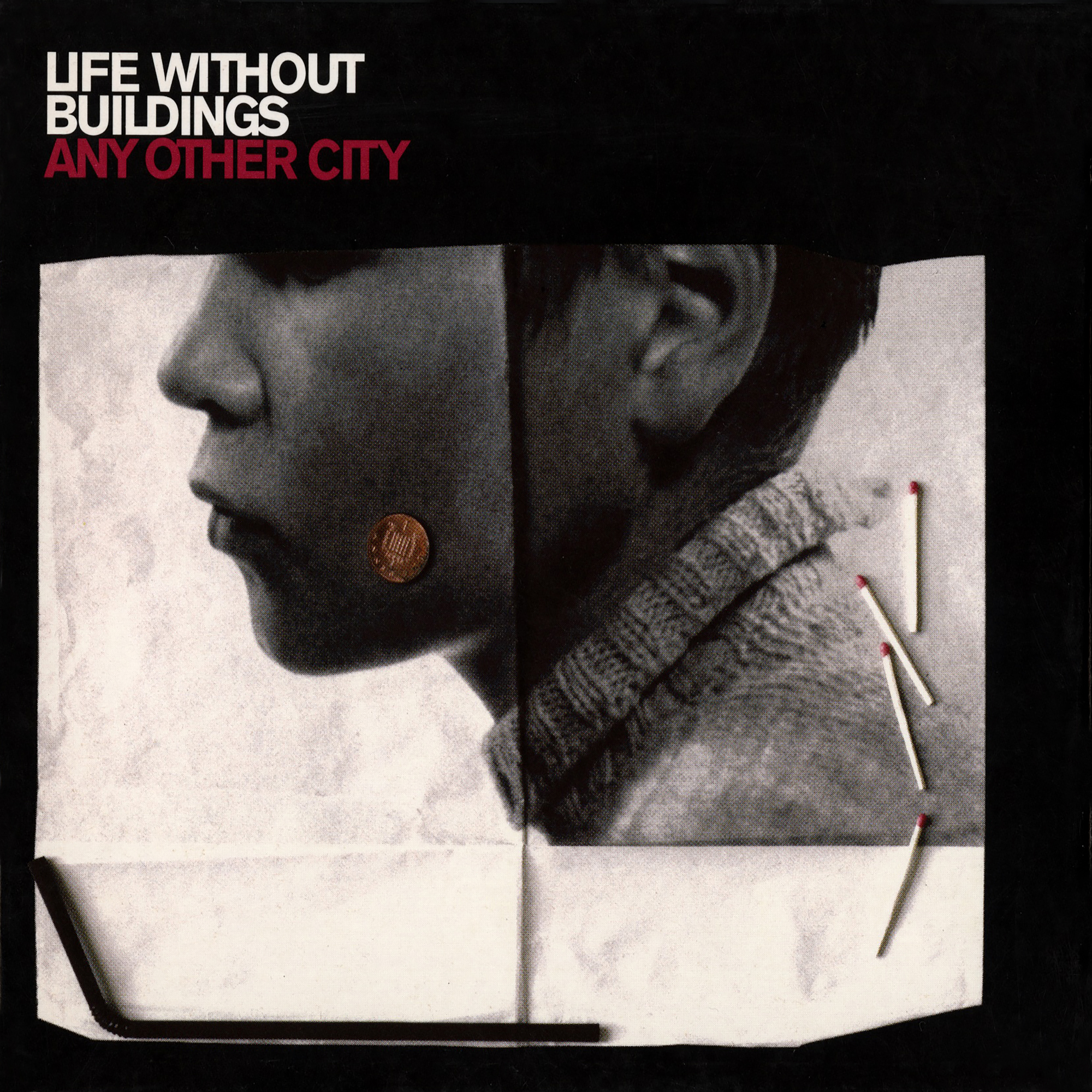
7. Life Without Buildings – Any Other City (2001)
Featuring the iconic, jittery track The Leanover, Any Other City remains one of the defining, cult-adored masterpieces of the post-punk revival. Sue Tompkins’ idiosyncratic, stuttering vocal style transformed everyday phrases into hypnotic rhythmic percussion, while the band’s wiry, hyper-kinetic guitars mirrored the nervous energy of late-1970s post-punk.
Though the group’s lifespan was tragically short, their distinct approach to tension, repetition, and spontaneity laid a direct path for the modern art-rock renaissance, echoing prominently through contemporary acts like Dry Cleaning, Yard Act, and Black Country, New Road.
File Under: Art rock and post-punk, utilizing the Sprechgesang (speak-sung) delivery over angular guitar lines, echoing 1980s pioneers like The Fall and Joy Division.
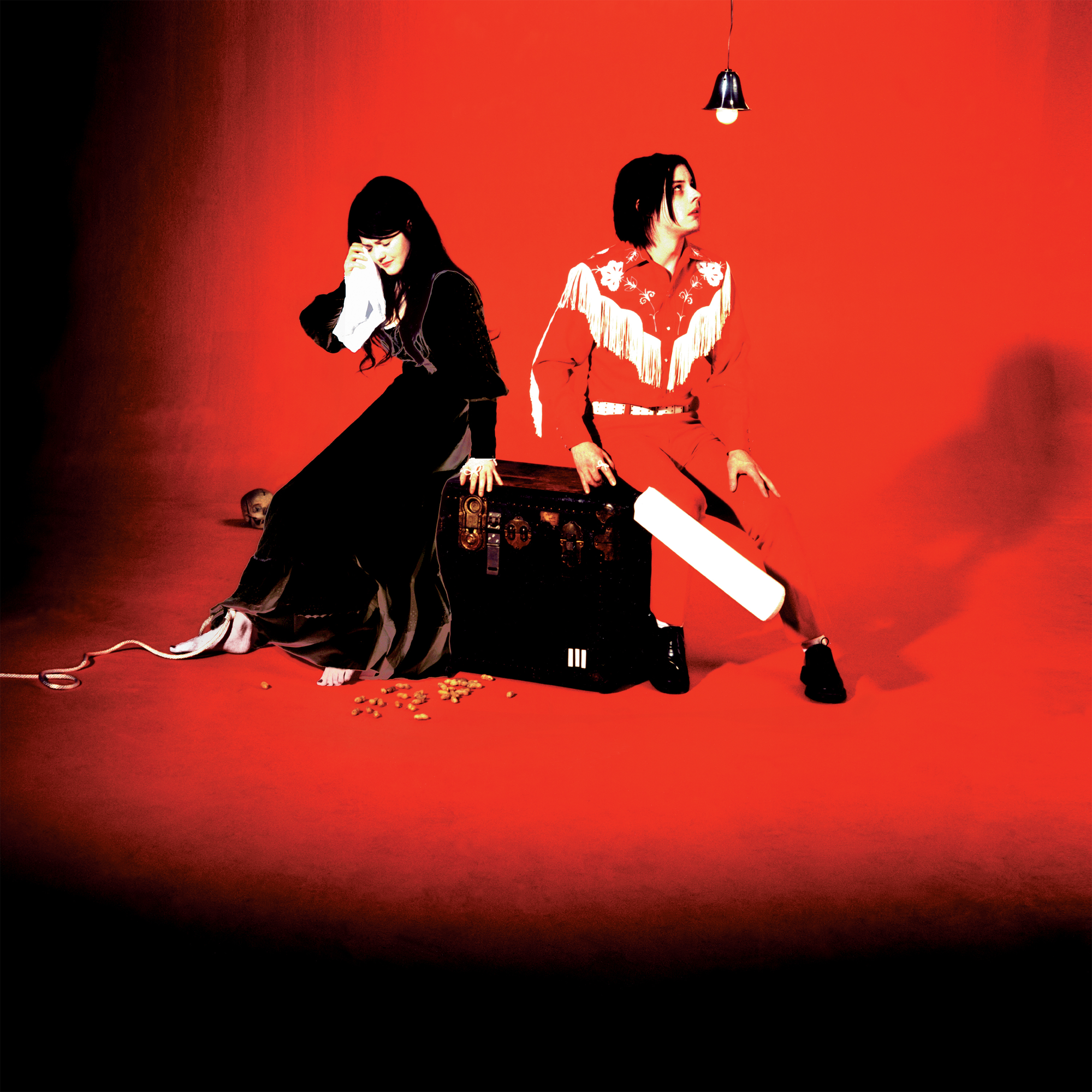
8. The White Stripes – Elephant (2003)
Elephant single-handedly revitalized unpolished garage rock at a cultural moment when mainstream rock was growing increasingly sterile and overproduced. Jack and Meg White embraced a strict minimalist philosophy, recording almost entirely with antiquated analogue equipment and relying on primal, heavy-blues riffs.
Seven Nation Army immediately cemented itself as one of the 21st century’s most recognizable sonic artifacts—its iconic bass-synth-mimicking guitar riff transforming into a ubiquitous global sports chant while proving that raw garage rock could conquer stadiums without losing its soul.
File Under: Garage rock, alongside MC5, The Stooges, The Black Keys, and The Sonics.
9. Arctic Monkeys – AM (2013)
AM completely re-engineered indie rock for the modern streaming era, pivoting away from fast-paced British guitar traditions by injecting heavy, swaggering hip-hop grooves and sultry R&B rhythms. While maintaining Alex Turner’s characteristically sharp, novelistic lyricism, AM slowed the tempo down, replacing frantic indie-disco beats with heavy, nocturnal atmosphere.
The record massively broadened indie rock’s global commercial footprint while quietly anchoring itself in timeless blues-rock swagger and classic guitar-heroic dynamics.
File Under: 2000s/2010s indie rock, alongside The Klaxons, The Kooks, Two Door Cinema Club, Franz Ferdinand, and The Vaccines.
10. Michael Kiwanuka – Kiwanuka (2019)
"I’m not going to have an alter ego, or become Sasha Fierce or Ziggy Stardust… I can just be Michael Kiwanuka."
— Michael Kiwanuka (The Independent, 2019)
A defiant, mesmerizing third album, Michael Kiwanuka reunited the artist with producers Danger Mouse and Inflo. Refusing to be comfortably boxed into contemporary "soul" formats, the record pivots fluidly between acoustic intimacy and massive, fuzz-drenched electric arrangements. Layered with heavy psychedelic guitar lines that give its socio-political themes immense atmospheric weight, the album’s cinematic production echoes the ambitious prog-rock and neo-soul blends revered by Pink Floyd devotees. Winning the Mercury Prize and earning a Grammy nomination for Best Rock Album, Kiwanuka proved that modern rock can absorb soul and psychedelic idioms without losing its core identity.
File Under: Psychedelic rock, alongside Jimi Hendrix, Pink Floyd, Funkadelic’s Maggot Brain, and Talk Talk.
11. Fontaines D.C. – Dogrel (2019)
Fiercely poetic from its opening moments, Dogrel introduced a band deeply anchored in the literate, working-class post-punk traditions of Joy Division and The Fall. Channeling the grit of Dublin and drawing heavily from Irish literary history, Fontaines D.C. spearheaded a vibrant, uncompromised renaissance in Irish guitar music.
Fast forward through a relentless evolutionary arc to albums like Romance, and the band has aggressively expanded the boundaries of alternative rock, seamlessly weaving shoegaze, trip-hop, grunge, goth rock, and nu-metal into meditations on modern alienation.
File Under: Alt-rock innovators, alongside Blondshell, Geese, Wunderhorse, and The Murder Capital.
Supporting Context & Metrics: The Contemporary Cross-Pollination
The cultural exchange between rock and other musical ecosystems is no longer a one-way street. Contemporary pop artists are increasingly turning to alternative rock’s rich history for structural and aesthetic inspiration. Pop phenomenon Olivia Rodrigo has openly credited 1990s guitar titans like No Doubt and The Smashing Pumpkins as core inspirations, while tracks like You Seem Pretty Sad For A Girl So In Love nod heavily toward the angular New Wave architectures of New Order, Devo, and The B-52s.
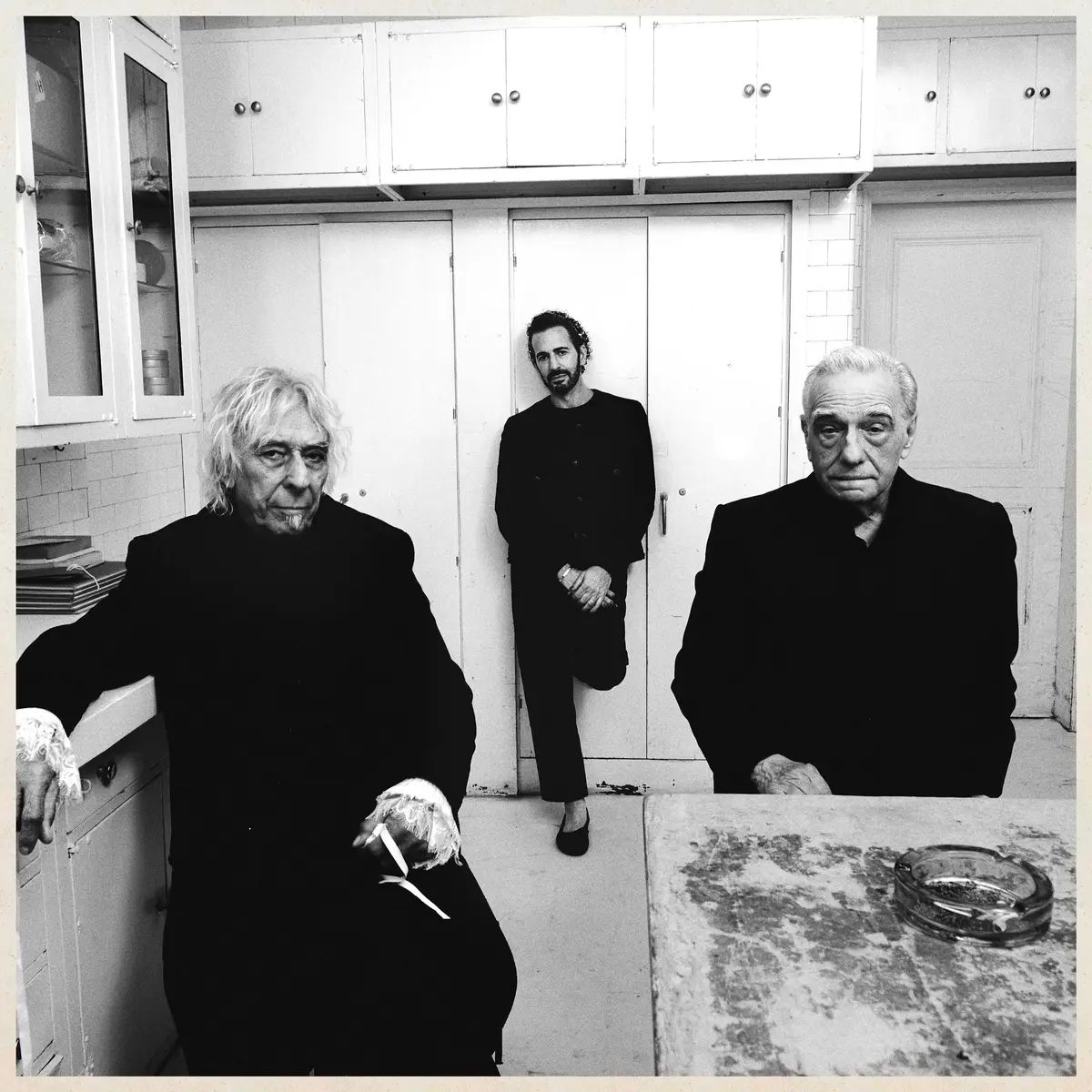
Following the cultural footprint of her Brat era, Charli xcx neatly summarized the current mood of pop-adjacent creators: "I think the dancefloor is dead, so now we’re making rock music." While her project Music, Fashion, Film is not a traditional rock record by any classical definition, its gritty, guitar-forward lead singles highlight rock’s persistent, inescapable gravitational pull on modern production. That same influence permeates the album’s visual identity, with Charli leaning heavily on her long-standing admiration for The Velvet Underground, even enlisting John Cale to appear on the album’s cover art.
Official Statements & Industry Perspectives
The enduring volatility and necessity of rock music are regularly reaffirmed by those who refuse to let the genre stagnate. The underlying philosophy remains consistent across decades:
On Subversion:"To me, rock music was never meant to be safe. I think there needs to be an element of intrigue, mystery, subversiveness. Your parents should hate it." — Trent Reznor
On Artistic Autonomy:"I’m not going to have an alter ego, or become Sasha Fierce or Ziggy Stardust… I can just be Michael Kiwanuka." — Michael Kiwanuka
On Genre Fluidity:"I think the dancefloor is dead, so now we’re making rock music." — Charli xcx
Future Outlook: Where Rock Goes From Here
As we look toward the horizon, the definition of rock music continues to stretch, morph, and multiply. Across London’s influential Windmill circuit, a new vanguard of bands is actively rewriting the operational parameters of guitar music, drawing fluid inspiration from post-punk, jazz improvisation, and art-rock abstraction. Simultaneously, Australia’s ferocious punk underground—championed by acts like Amyl and the Sniffers, The Chats, and CIVIC—continues to pump out some of the most exhilarating, high-velocity records in the global marketplace, while the heavy music community experiences a massive, boundary-erasing renaissance courtesy of bands like Turnstile, Speed, and Basement.
Furthermore, adventurous music fans looking to expand their sonic palettes have an entire ecosystem of vital subgenres to explore:
New Wave: A progressive, melody-driven renaissance characterized by bold attitudes, synth-inflected pop structures, and dark art-pop sensibilities (Depeche Mode, New Order, Blondie).
Slacker Rock: A raw, laid-back, lo-fi strain of alt-rock defined by casual brilliance and honest guitar work (Courtney Barnett, Pavement, Mac DeMarco).
Britpop: A massive cultural movement defined by regional pride, infectious pop hooks, and colossal guitar anthems (Oasis, Blur, Suede).
Grunge: Alternative rock’s visceral, stormy underworld born in Seattle, channeling anti-establishment friction into heavy emotional distortion (Nirvana, Soundgarden, Pearl Jam).
Shoegaze: Atmospheric, texturally limitless guitar music defined by warm walls of distortion and ethereal, drifting vocals.
Hardcore: The lightning-fast, highly aggressive, and culturally intense evolution of early punk rock that continues to bridge metal and alternative communities.
Ultimately, rock music finds itself in a remarkably healthy state today—not because it is stubbornly guarding a dusty, historical sound from 1971, but because it continues to champion a radical, questioning way of thinking. Its future may not always arrive wrapped in predictable packaging, but its rebellious spirit remains loud, vital, and entirely unmistakable.