Executive Overview
The global streaming landscape has found its newest obsession in the briny depths of the North Atlantic. Netflix’s latest six-episode miniseries, Below, has swiftly captured the attention of critics and audiences alike, drawing immediate and intense comparisons to Apple TV+’s monumental, record-shattering supernatural comedy, Widow’s Bay.
Anchored by a gritty, powerhouse lead performance from Josh Hartnett as a hardened Newfoundland fisherman, Below plunges viewers into an isolated coastal community terrorized by an inscrutable, malevolent sea entity. The uncanny narrative parallels—an isolated coastal community, supernatural maritime disturbances, and a battle against the unknowable deep—have naturally positioned the Netflix original as the primary challenger to Apple TV+’s reigning awards-season champion, which recently swept the Emmy Awards following a historic run.
While early reviews from prominent publications like the Financial Times have hailed Below as "Netflix’s answer to Widow’s Bay," and viewers across social media fiercely debate the pacing and atmospheric depth of both projects, the creative forces behind the Netflix thriller are pushing back. In exclusive interviews with industry trades, creator Jesse McKeown and executive producer Jessica Rhoades have dismantled the superficial logline comparisons, insisting that beneath the salty air and churning waves lie two fundamentally distinct artistic visions, tones, and storytelling north stars.
As Below streams worldwide and sparks vigorous debates online, the psychological thriller genre is experiencing a profound maritime renaissance. This deep-dive investigation explores the anatomy of the comparison, the creative pushback from the showrunners, the cultural phenomenon of high-stakes coastal horror, and what the future holds for both streaming juggernauts.
Detailed Chronology: From Concept to Coastal Clash
The collision course between Below and Widow’s Bay began long before either project ever hit a television screen, rooted in separate development cycles that ultimately found themselves on parallel cultural tracks.
The Rise of Widow’s Bay
To understand the current discourse surrounding Below, one must first examine the towering cultural footprint of Apple TV+’s Widow’s Bay. Created by Katie Dippold, the series was set on an isolated New England island beset by bizarre supernatural disturbances. Blending razor-sharp dark comedy with chilling atmospheric dread, the show became an overnight critical darling.
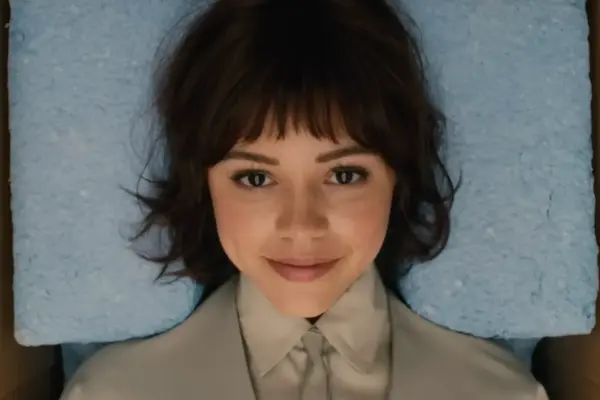
Its trajectory culminated earlier this year when it shattered records by sweeping the Emmy Awards. Lead star Kate O’Flynn captured the global imagination with her portrayal of the put-upon, deeply relatable protagonist Patricia, a character whose unapologetic public authenticity resonated profoundly with viewers navigating their own internal anxieties. Widow’s Bay set a gold standard for isolated community thrillers, creating a high-water mark that subsequent streaming projects would inevitably be measured against.
The Conception and Arrival of Below
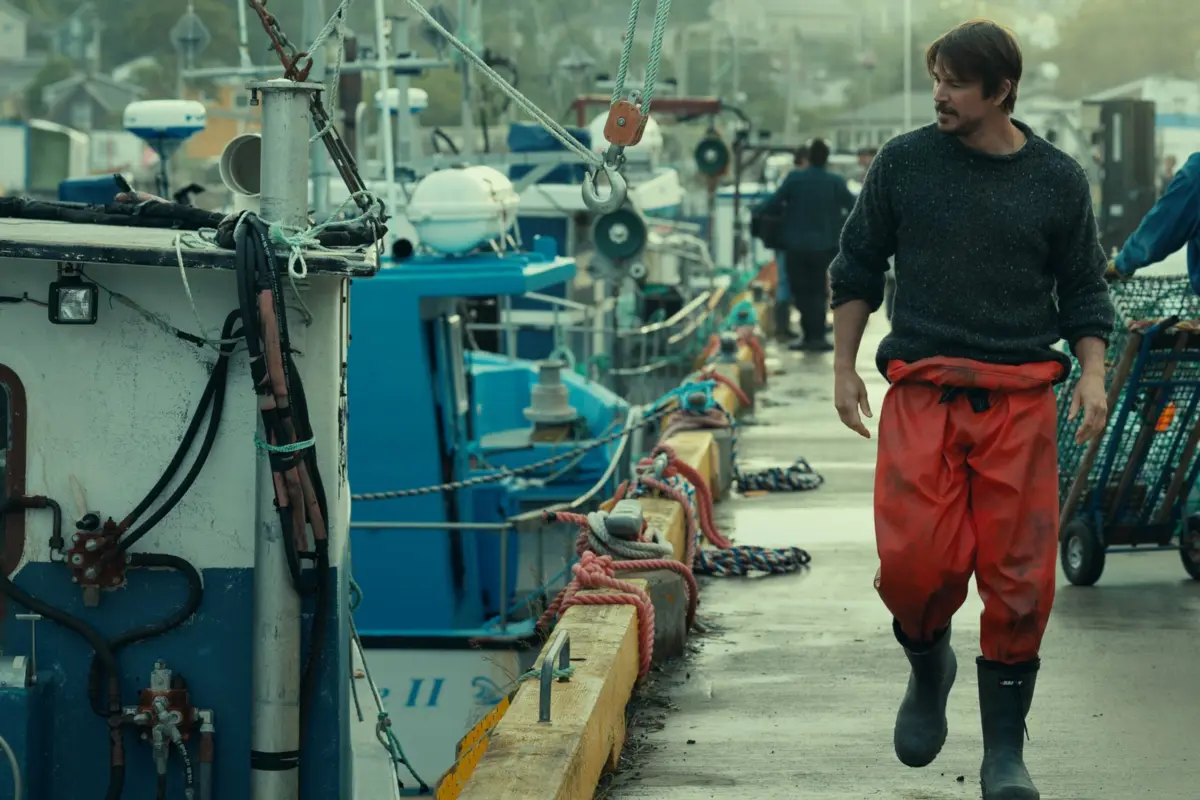
Parallel to the triumphs of Widow’s Bay, writer Jesse McKeown and executive producer Jessica Rhoades were quietly assembling a very different kind of beast for Netflix. Set in a rugged, windswept Newfoundland town, Below centers on Josh Hartnett’s character—a battered, hard-bitten fisherman confronting a mysterious, terrorizing sea creature that threatens the fabric of his fragile community.
When principal photography wrapped and the first teasers dropped, McKeown experienced a moment familiar to many showrunners working in crowded IP landscapes. Upon first catching a glimpse of the Widow’s Bay promotional campaign, his immediate reaction was unvarnished shock: *"Oh s**." Recognizing the identical thematic DNA—small coastal towns, isolated populations, and eerie marine phenomena—McKeown braced for accusations of imitation.
However, as the six-episode miniseries completed its post-production pipeline and finally premiered on Netflix, audiences and critics discovered a piece of work that, while sharing a nautical backdrop, struck an entirely different emotional chord.
Supporting Context & Metrics: The Critical and Social Media Battleground
The streaming wars are won not just in the editing room, but in the court of public opinion. Within days of its release, Below sparked an energetic discourse across traditional publishing houses and digital forums, creating a fascinating case study in audience reception.
Critical Reception and the "Answer To" Moniker
The Financial Times was among the first major outlets to officially spark the comparison, branding Below as "Netflix’s answer to Widow’s Bay." For Netflix, such a moniker is a double-edged sword: it instantly communicates the scale and prestige of the project to a broad audience, but it also invites rigorous, and sometimes unforgiving, comparisons to an Emmy-dominating titan.
On platforms like X (formerly Twitter), the debate grew even more nuanced. One prominent television critic and user wrote:
"This might be a bit controversial but Below is a more gripping ‘small community mystery/thriller’ than Widow’s Bay. Better paced, more likeable characters & the setting seems unique, not a generic small town. Only 2 episodes in, though, let’s see what the final verdict is."
This sentiment highlights a crucial divergence in viewer experience. While Widow’s Bay leans heavily into dark comedic absurdity and supernatural satire, early adopters of Below have pointed out that Hartnett’s vehicle operates with the grim, claustrophobic intensity of a psychological drama deeply rooted in working-class grit.
The Economic and Cultural Stakes
The timing of Below’s release also capitalizes on a broader cultural appetite for maritime and isolated-setting storytelling. Audiences are increasingly drawn to narratives that explore human isolation against the indifferent, terrifying vastness of nature.
Furthermore, the commercial mechanics of the streaming industry heavily influence these comparisons. With platforms fighting tooth and nail for subscriber retention, identifying a "counter-programming" hit to an established rival’s powerhouse franchise is standard industry playbook strategy. Yet, as Netflix data suggests, Below is pulling in audiences far beyond those just looking for a Widow’s Bay substitute, establishing its own distinct demographic foothold.
Official Statements: Behind the Scenes of the Creative Divide
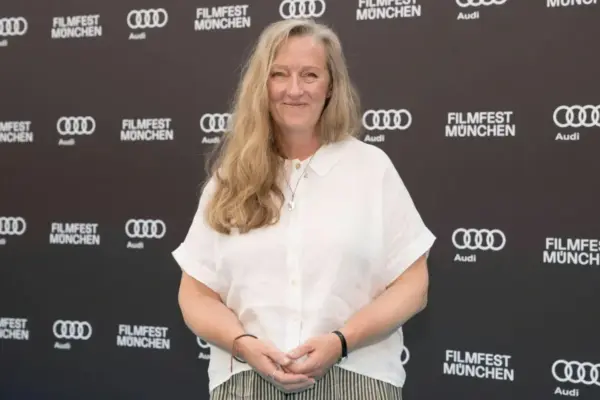
In an extensive recent interview with The Hollywood Reporter, Below creator Jesse McKeown and executive producer Jessica Rhoades addressed the comparisons head-on, offering a transparent look at the independent genesis of both series.
Jessica Rhoades on Authorial Intent
Executive Producer Jessica Rhoades emphasized that the surface-level similarities of a logline or a trailer belie the profound differences in the creative teams’ approaches and artistic DNA.
"The people behind it are so different, and both shows are so bespoke to their creators," Rhoades told The Hollywood Reporter. "I knew Katie’s script for years—everyone loved that, it was brilliant."
Rhoades defended the uniqueness of Below, explaining that the production never felt threatened by the parallel existence of Apple’s hit because the underlying scripts pointed toward entirely different horizons.
"Jesse’s scripts were so different and so specific," Rhoades continued. "And I think it’s different when you talk about them in the broad sense, and you talk about them in a logline, or you see maybe even a trailer. But those were very different scripts. There were very different north stars and goals. And for me, I was not worried about that because I knew we were making different shows when they were even on parallel tracks."
Jesse McKeown on the Initial "Oh S***" Moment
Creator Jesse McKeown admitted to his initial anxiety upon discovering the thematic crossover, noting that the reality of the television industry often yields simultaneous parallel developments.
"I wasn’t aware of it until after we wrapped, and so my first reaction was, ‘Oh s***,’" McKeown confessed.
However, any lingering fears were quickly assuaged by preview audiences and early internal viewers. "Everyone who watched it assured me that it was very different," he added, reinforcing that the tone of Below—anchored by Josh Hartnett’s grim, weather-beaten performance—gravitates toward raw, visceral survival rather than the satirical, stylized supernaturalism of its New England counterpart.
Kate O’Flynn on the Phenomenon of Widow’s Bay
Adding to the broader cultural conversation surrounding these maritime hits, Widow’s Bay star Kate O’Flynn recently reflected to The Independent on the unexpected cultural resonance of her character, Patricia, and the surreal nature of the show’s record-breaking success.
"I didn’t quite realise how relatable people would find her and it’s really warming that they do, because it feels like everyone’s got their inner Patricia or they’re scared of their inner Patricias, but Patricia just can’t help but be who she is in public, so it’s great to see her championed in that way," O’Flynn shared. "It’s been an absolute dream come true how it’s gone down. It’s still very surreal, actually, to be honest, but I’m thrilled."
Future Outlook: Where the Genre Goes From Here
As the dust settles on the initial wave of reviews and comparisons, the success of both Below and Widow’s Bay signals a major evolution in prestige television. The era of generic, anonymous streaming filler is giving way to hyper-specific, creator-driven regional storytelling.
What’s Next for Below?
With Below currently streaming its six-episode miniseries run on Netflix, all eyes are on whether the streaming giant will expand the universe or keep it strictly contained as a self-contained narrative. Given the intense praise directed at Josh Hartnett’s performance and the distinct flavor of its Newfoundland setting, industry insiders anticipate that the creative team will be fielding lucrative offers for subsequent seasons or spiritual successors.
Furthermore, Hartnett’s career resurgence continues to gather immense momentum. His ability to anchor high-concept, moody thrillers positions him as one of the most reliable leading men in prestige television today.
The Survival of Distinct Visions
Ultimately, the dialogue between Below and Widow’s Bay demonstrates that audiences are hungry for complex narratives dealing with isolation, fear, and community dynamics. While marketing departments and social media commentators will inevitably continue to pit shows against one another in the ongoing streaming wars, the creators behind these projects have proven that a shared genre premise is merely a starting point.
As Jessica Rhoades aptly noted, when scripts are "bespoke to their creators," even parallel tracks can lead to wildly different, unforgettable destinations. Whether viewers are tuning into Apple TV+ to laugh and shudder at the dark eccentricities of New England or logging onto Netflix to brave the icy, monster-haunted waters off Newfoundland, the golden age of maritime television is officially cruising at full sail.